28 Textured Fringe Haircut Best Styles, Cutting & Styling Tips

Ever notice a guy whose hair looks styled the moment he walks in? He probably wears a textured fringe haircut. The top falls forward in choppy pieces. The sides stay short and sharp. It looks effortless. Yet it takes about five minutes each morning.
Below, you’ll find 28 textured fringe haircut ideas. They range from a neat short fringe haircut to a bold long fringe haircut. Barber phrases, cutting steps, product picks and quick fixes come next. Got straight hair, wavy hair or curly hair? Great. One of these best fringe hairstyles for men will fit you.
What Is a Textured Fringe Haircut?
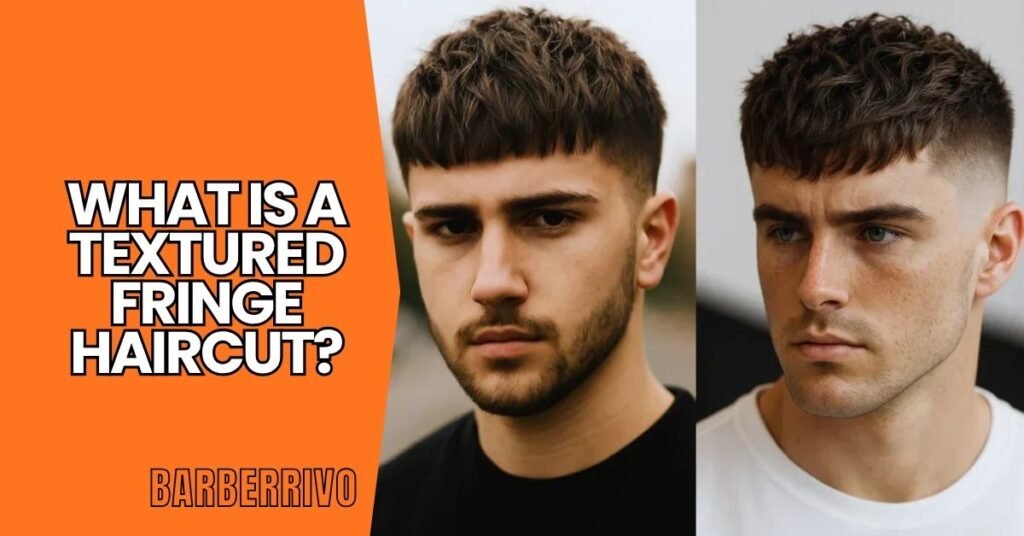
A textured fringe haircut leaves the front hair longer and cuts it in uneven layers. Barbers use point cutting, razors or thinning shears to build choppy layers. That creates movement, separation and natural texture. The fringe can sit straight, sweep sideways or fall forward. Picture a fringe haircut for men that swaps neat lines for a lived-in feel. It’s a modern men’s haircut that works for jobs, dates and weekends.
The idea isn’t new. The 1960s mop-top put the fringe on the map. Today’s version is lighter and sharper. Barbers pair it with a fade, a taper or an undercut. Popularity keeps climbing too. A February 2026 feature on Modern Barber places fringes among the biggest men’s hair trends of the year. That makes textured fringe haircut trends 2026 worth watching. Expect more trendy men’s hairstyles and men’s haircut trends built around this shape.
Short and Classic Textured Fringe Styles
Short cuts make the easiest entry into the look. They need little product. They also grow out without drama. Each style below counts as a short fringe haircut with tidy edges. Most qualify as low maintenance haircut men favorites.
Compare them by fringe length and fade level. A shorter fringe looks sharper. A slightly longer one feels softer. Every style here also works as a textured crop haircut cousin. Some read as a textured crop fade on the sides. Pick the one that matches your dress code and your morning patience.
Classic Textured Fringe
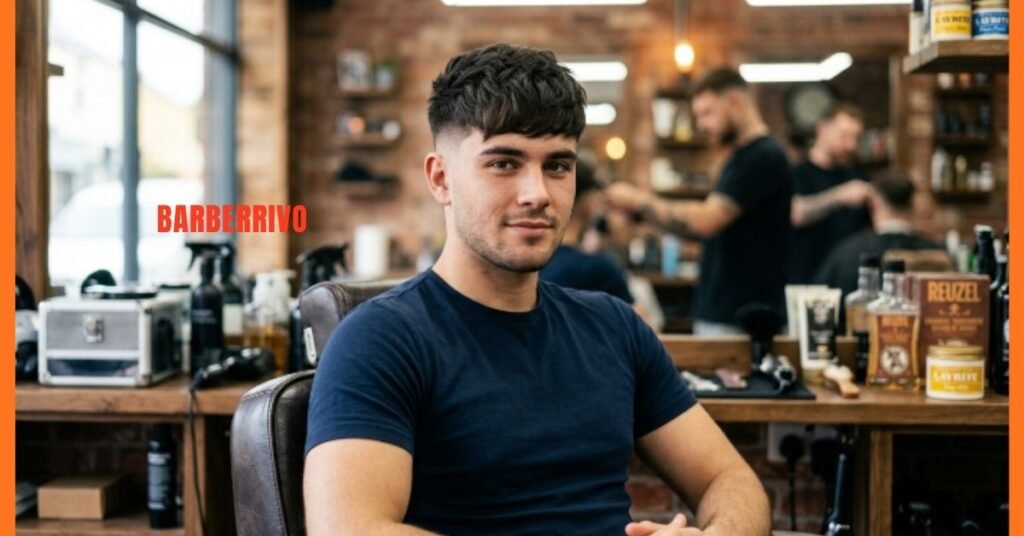
The Classic Textured Fringe is the safest place to start. The sides stay short with a light fade. The top carries textured layers that end just above the brows. Work in a pea-sized dab of matte clay for a matte finish and lightweight hold. This cut flatters an oval face shape and pairs well with light stubble. Wear it to an interview or a Saturday barbecue. It’s a men’s fringe hairstyle that never feels dated.
Cropped Fringe with Skin Fade
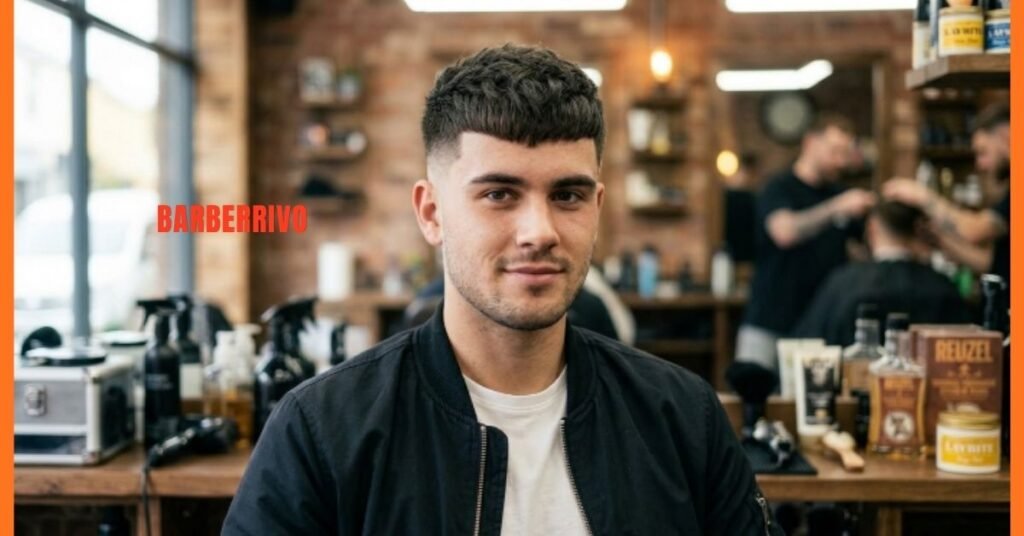
Contrast drives this cut. A high skin fade fringe leaves the sides almost bare. The top stays short but carries rough choppy layers. Style the front forward with a little texture clay. Add a full beard and you get a fringe with beard that looks strong and sharp. Ask your barber to start the fade above the temples. This Cropped Fringe also flatters a square face shape.
French Crop with Textured Fringe
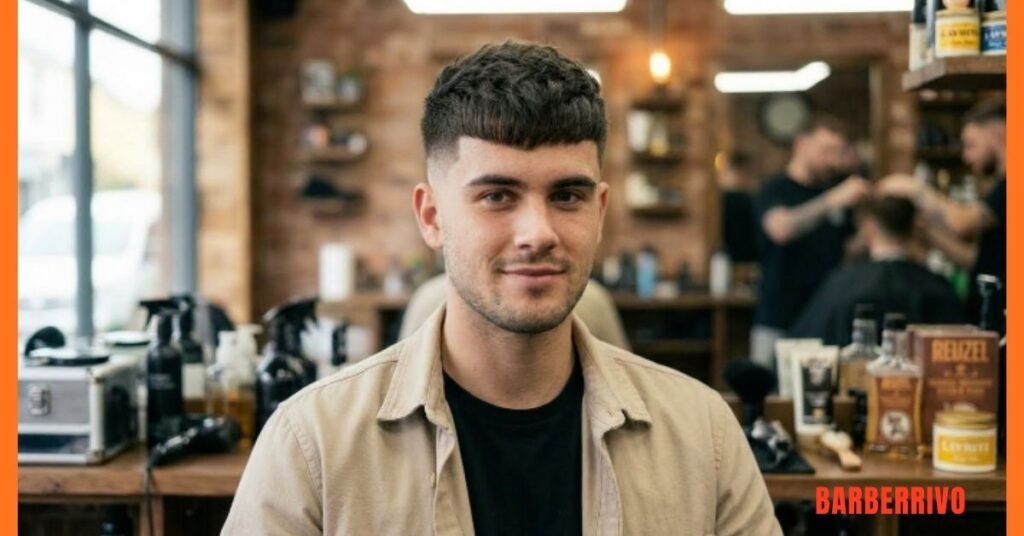
The French crop is a short cut with a cropped front that skims the forehead. Add texture and you get a French crop fringe. Keep the back and sides tight. Then let the top look tousled with texture powder and finger styling. Flat fringes lose their shape fast. Powder brings back lift in seconds. It also keeps thin hair looking fuller.
Textured Caesar Cut with Fringe
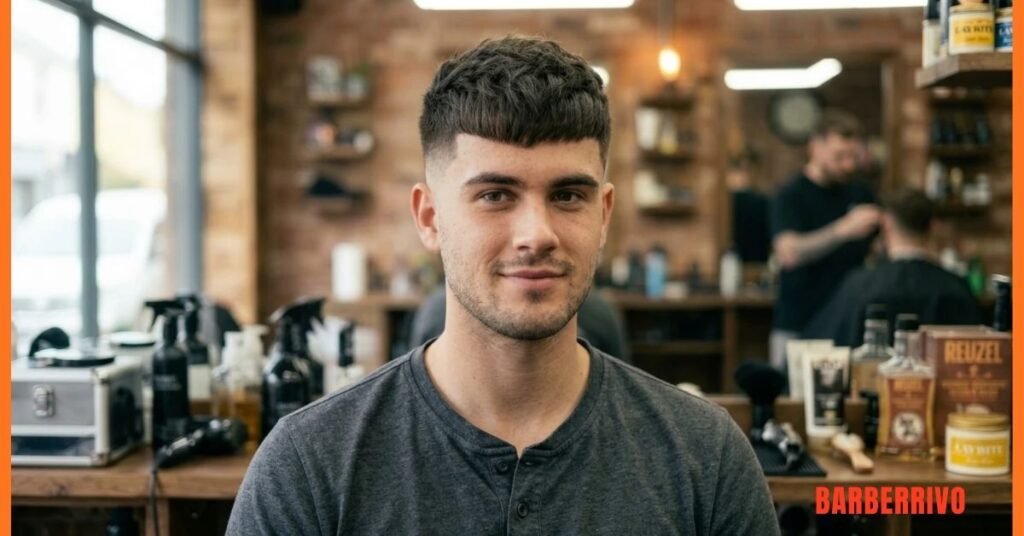
The Caesar cut has a short, straight fringe across the forehead. A Caesar fringe haircut helps hide a receding hairline because it covers the corners. A blunt fringe can look stiff by itself. Textured layers fix that. Use a light matte wax and brush the hair forward. Keep the length short. This crop haircut stays neat even on windy days.
Clean-Cut Fringe with Taper
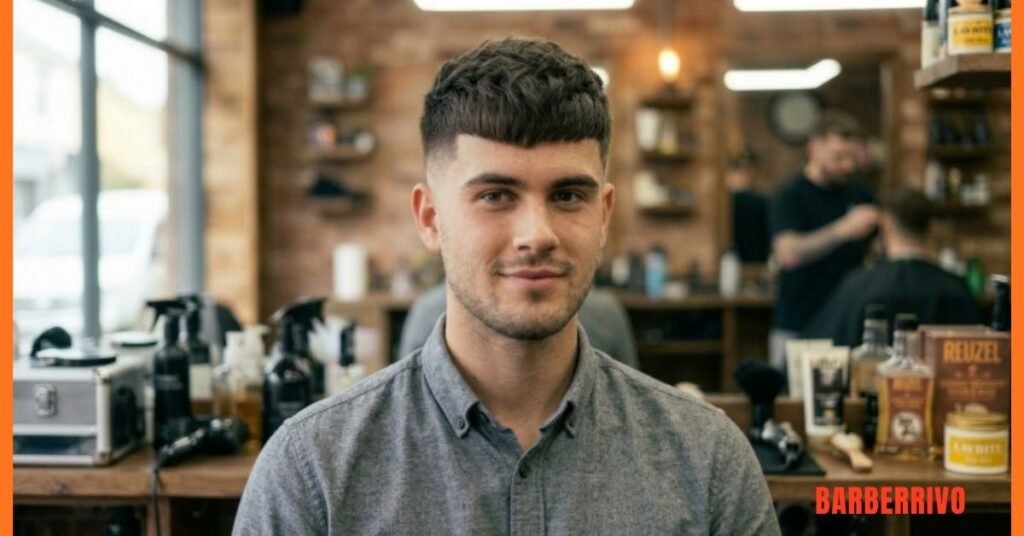
The Clean-Cut Fringe trims the sides in a soft slope. That taper fade fringe stays smooth around the ears and neckline. The top holds light layers with an easy fall. It’s a polished fringe with taper fade option for offices and weddings. A pinch of cream is all it needs. Book a trim every three or four weeks to keep the edges crisp.
Textured Fringe Styles With Fades and Tapers
A taper trims the sides gradually. A fade drops to bare skin or very short hair. Your choice of fade level changes the whole look. Low options stay soft. High options feel bold. Every fade haircut with fringe below uses that choice to frame the top.
Think about your head shape and daily life. A low option suits strict workplaces. A high one suits creative jobs. The table sums up the main types.
| Fade Type | Where It Starts | Vibe | Best For |
| Low taper | Ears and neckline | Soft and tidy | Office looks |
| Low fade | Just above the ears | Subtle contrast | First-time fade wearers |
| Mid fade | Around temple height | Balanced and sharp | Most men |
| High fade | Above the temples | Bold and clean | Thick hair and bold dressers |
| Drop fade | Curves behind the ear | Smooth and modern | Shaping the head outline |
| Burst fade | Wraps around the ear | Edgy and sporty | Longer backs and mullets |
Low Taper Textured Fringe
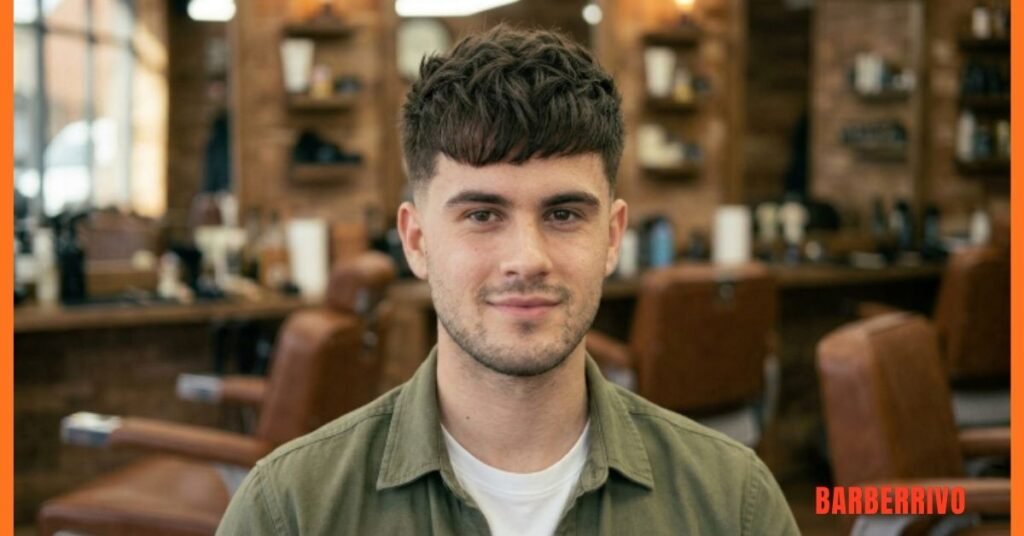
The low taper fringe keeps things gentle. The taper hugs the ears and neckline. Everything above stays longer with choppy layers and a forward fringe. Because the change looks gradual, it fits strict dress codes. Use molding paste for a natural finish. Blow the front down first. Then pinch pieces apart. It grows out slowly too. That makes it a great low maintenance fringe haircut.
Low Fade Textured Fringe
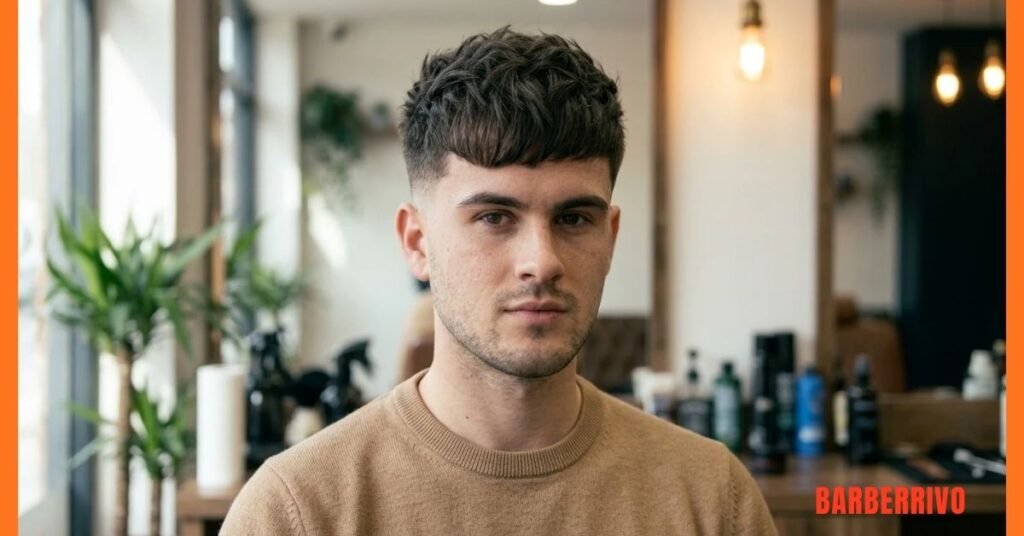
A low fade starts just above the ears. It shows a little more contrast than a taper. The top stays messy and full of movement. Try this cut if you want a sharper edge without going bold. Rough-dry the fringe with your fingers. Add texture clay for grit. A modern fringe haircut like this suits almost every face shape.
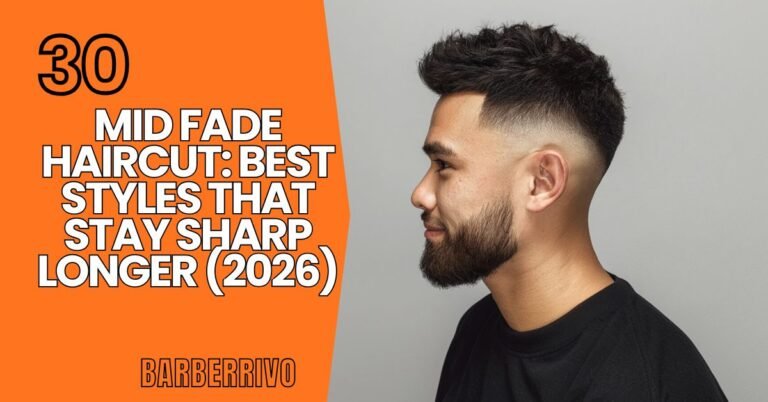
Mid Fade Textured Fringe
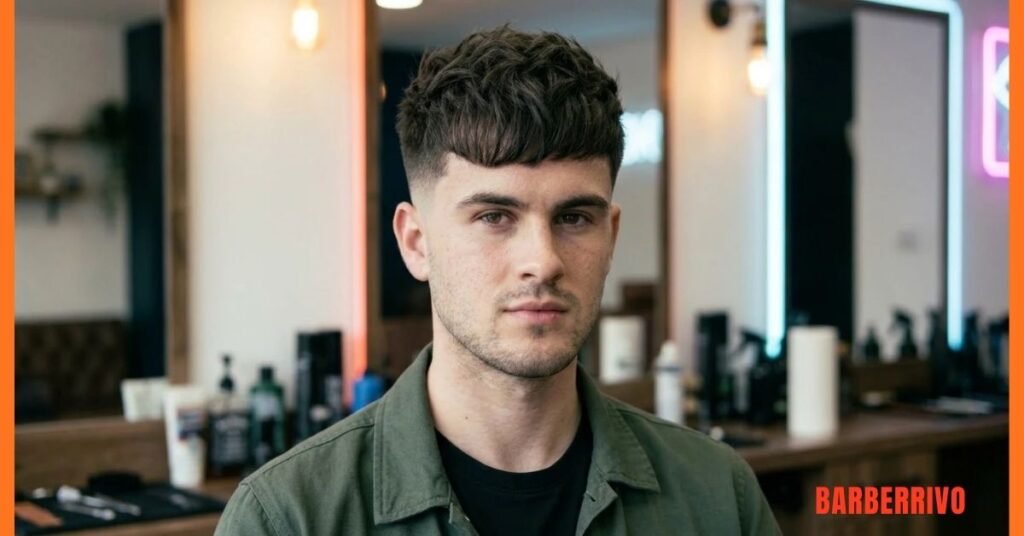
The mid fade fringe is a crowd favorite. The fade starts around temple height. That gives strong shape while keeping the top full. Blow-dry upward and slightly forward. Then break up the fringe with your fingers. A little matte clay locks in definition. Thick hair loves this cut because the fade removes bulk from the sides. It’s a true modern fringe hairstyle classic.
High Fade Textured Fringe
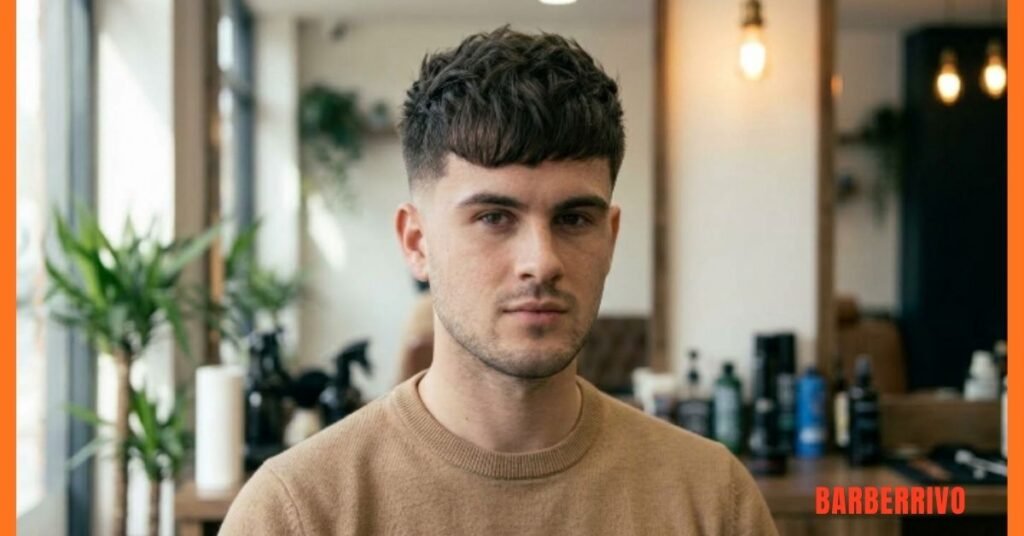
The high fade starts above the temples. Bare sides make the top look fuller by contrast. This high fade fringe feels bold and clean. Tousled layers up top keep it from looking harsh. Style with sea salt spray and a touch of clay. The sharp line softens fast as hair grows. Plan a trim every two to three weeks.
Drop Fade Textured Fringe
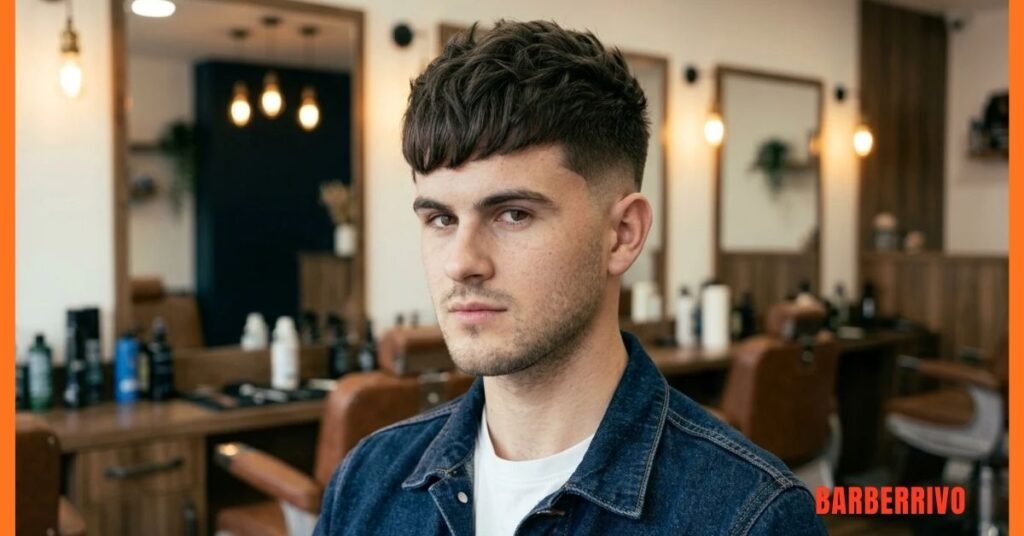
A drop fade curves down behind the ear instead of running straight around the head. That curve adds shape and a smooth, modern feel. Pair it with a textured fringe and the top gets a natural frame. The line follows the skull. The cut looks tailored as a result. Use matte wax for a soft tousled texture. Ask your barber to keep the curve clean and even.
Burst Fade Textured Fringe
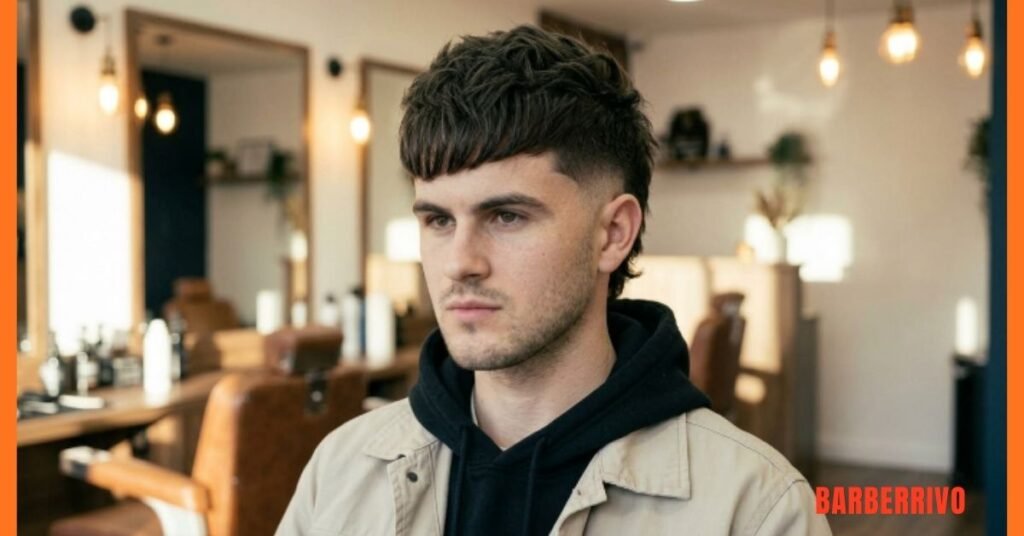
The burst fade wraps around the ear in a half-circle. The back often stays longer. That mix gives an edgy, sporty vibe. Up top, rough layers and a forward fringe complete the look. Twist small sections with your fingers. Finish with texture powder for grip. This burst fade fringe shines on men who want a fun twist on a standard fade.
Textured Fringe with Beard Fade
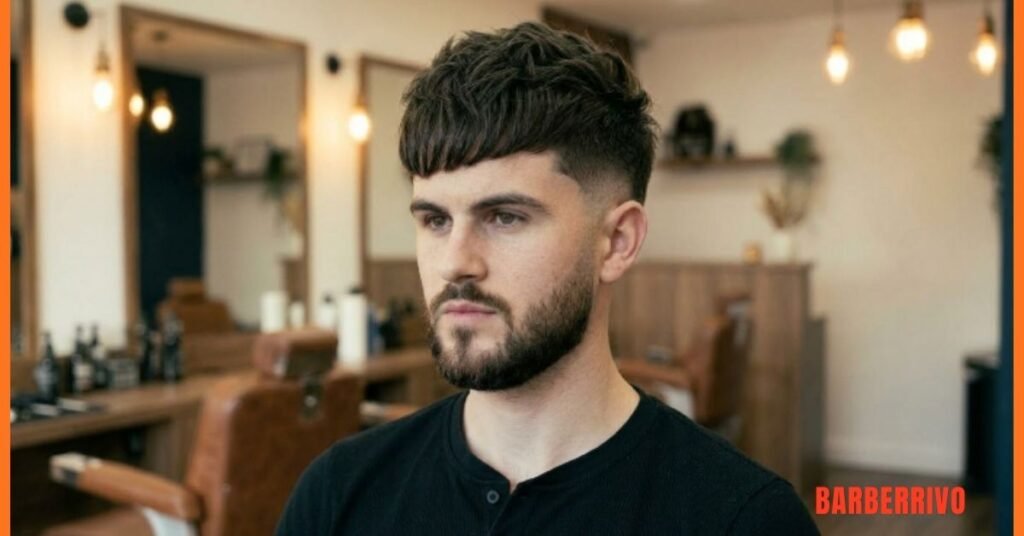
Want a fringe with beard? Blend the sideburn fade right into the beard. That creates a smooth line from head to jaw. The fringe adds texture above while the beard adds shape below. Keep the beard trimmed and lightly oiled. A textured fringe with beard works best when the beard length matches the fade. Ask your barber for a fade level that flows into your facial hair.
Textured Fringe Styles With Undercuts
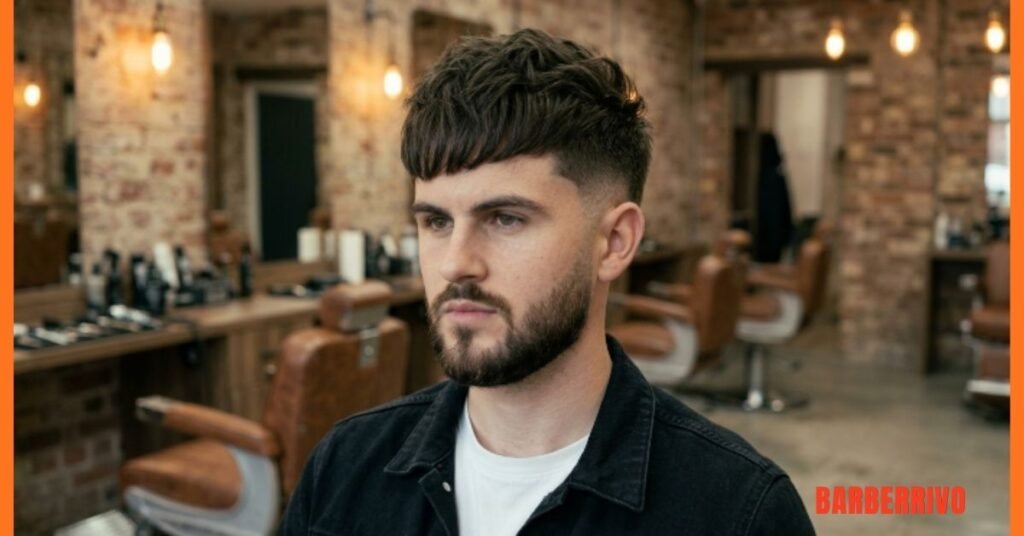
An undercut cuts the sides much shorter than the top. A clear line often divides the two. That contrast makes the fringe pop. Every undercut fringe haircut below builds on it.
These cuts suit thick hair best. Extra density gives the top weight. Among fringe hairstyles for thick hair, undercuts rank high. Fine hair can work too. Just keep the top a touch shorter. Very thin hair may look sparse against bare sides.
Textured Fringe with Undercut
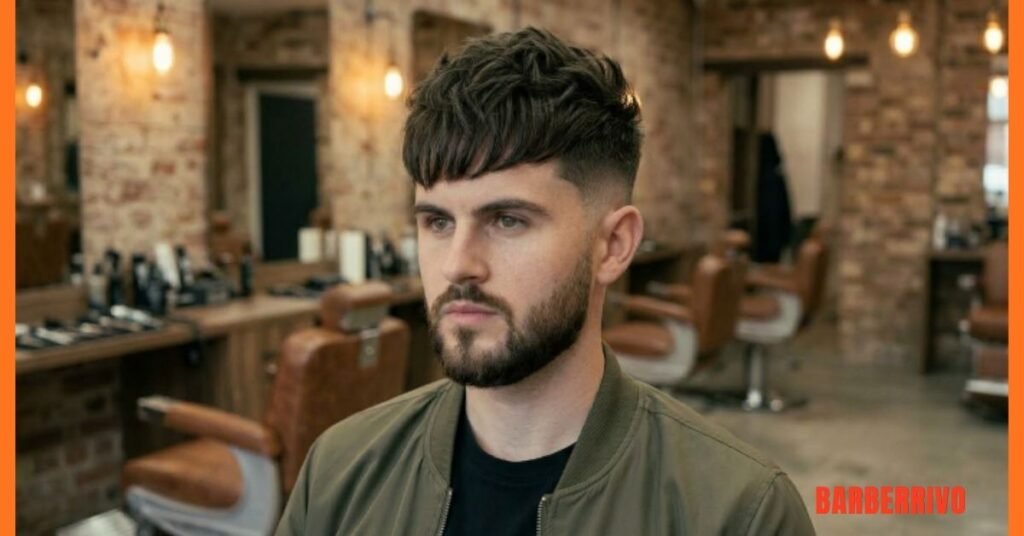
The basic combo is simple. Short sides meet a longer, choppy top. The fringe falls forward in piecey layers. Sea salt spray adds grip. A dab of matte clay adds hold. Tousle it with your hands for a street-style finish. Trim the sides every three weeks to keep the contrast sharp. It’s a great starter among textured hairstyles for men.
Disconnected Undercut with Textured Fringe
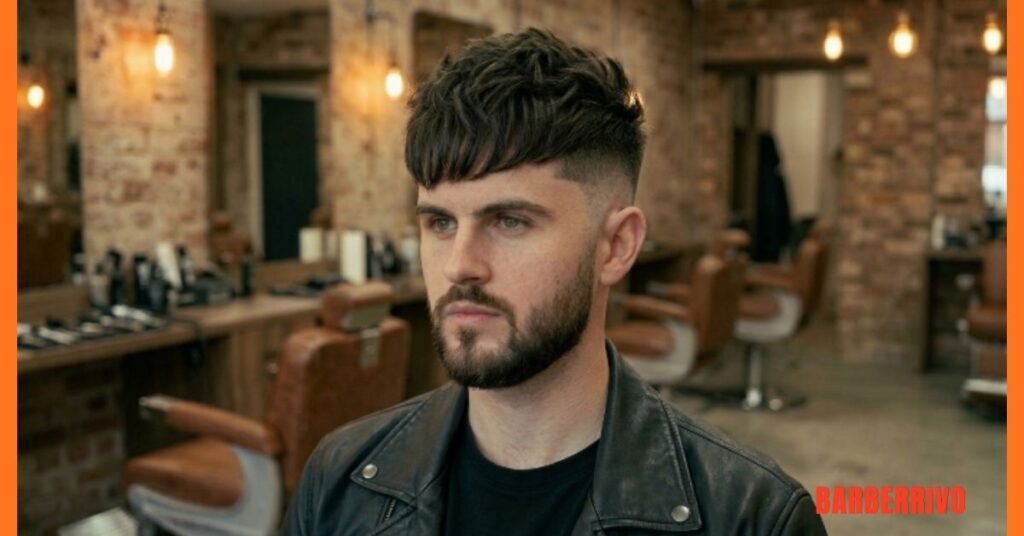
A disconnected undercut has no blend. The sides drop straight to short clipper lengths. The top stays long. A hard line divides them. That’s what separates it from a fade cut. Barbers leave the line sharp on purpose. Style the long fringe with matte paste and finger styling. Expect a rugged, edgy look with lots of attitude.
Skin Fade Undercut with Textured Fringe
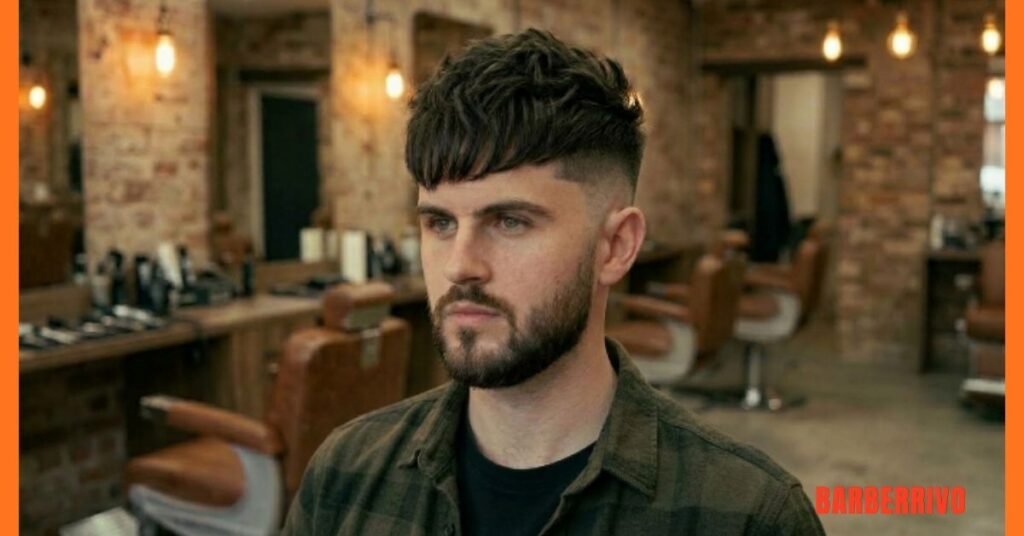
Bare skin on the sides meets a heavy, messy top. The mix looks bold and youthful. The high skin fade starts above the ears. The fringe falls forward with rough definition. Use matte clay to hold the shape. Keep the face clean-shaven or lightly stubbled. Skin fades lose crispness quickly. Plan a trim every two weeks.
Undercut with Long Textured Fringe
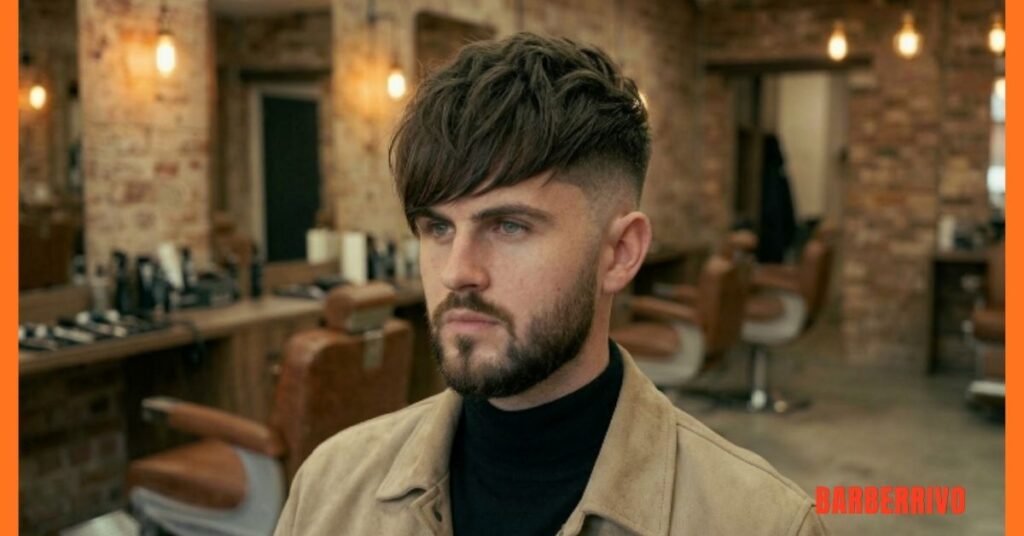
Length gives this style its drama. The long fringe can sweep back or fall over one eye. The sides stay short and clean. Start with blow drying and a round brush for root lift. Then finish with a flexible hold cream. Long fringes need regular layer trims. Otherwise they get heavy. Few fashion forward hairstyles look this striking.
Long and Messy Textured Fringe Styles
Long, loose styles feel relaxed. Yet a great messy fringe haircut takes real skill. The barber must build choppy layers that fall well on their own. You then add messy styling for a lived-in finish.
Longer fringes also need more control. Use lighter products. Trim on schedule. Choose a fringe length that suits your brow. A forward fringe haircut also grows out gracefully into a shag. That gives you plenty of time between visits.
Long Textured Fringe
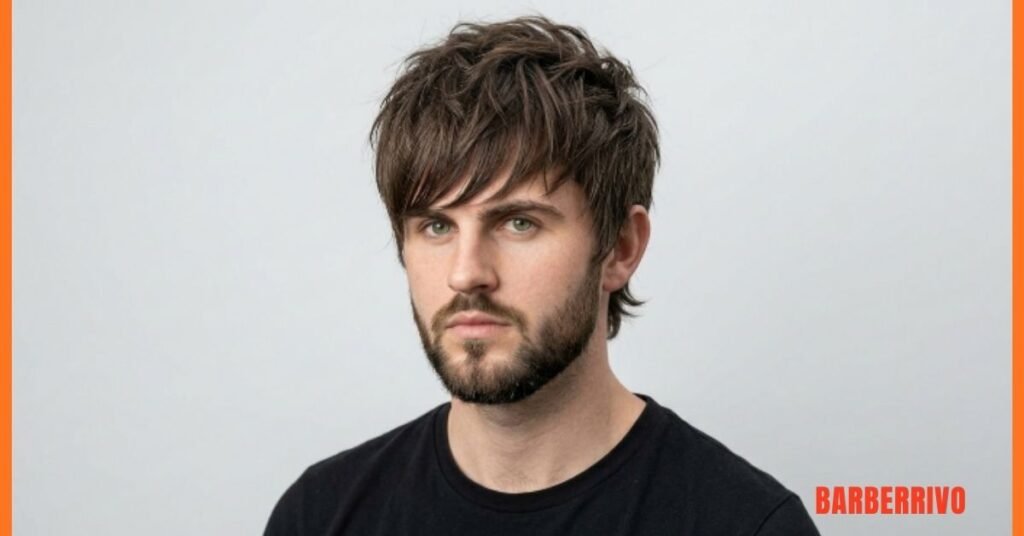
A long fringe haircut sits between eyebrow and eye level. Barbers cut in layers to remove weight. Without them, the fringe looks heavy and flat. Use mousse at the roots for volume. Blow-dry forward and sweep with your fingers. Add styling cream at the ends for natural flow. Trim every four weeks. Long hair loses shape once it grows past the eyes.
Messy Textured Fringe
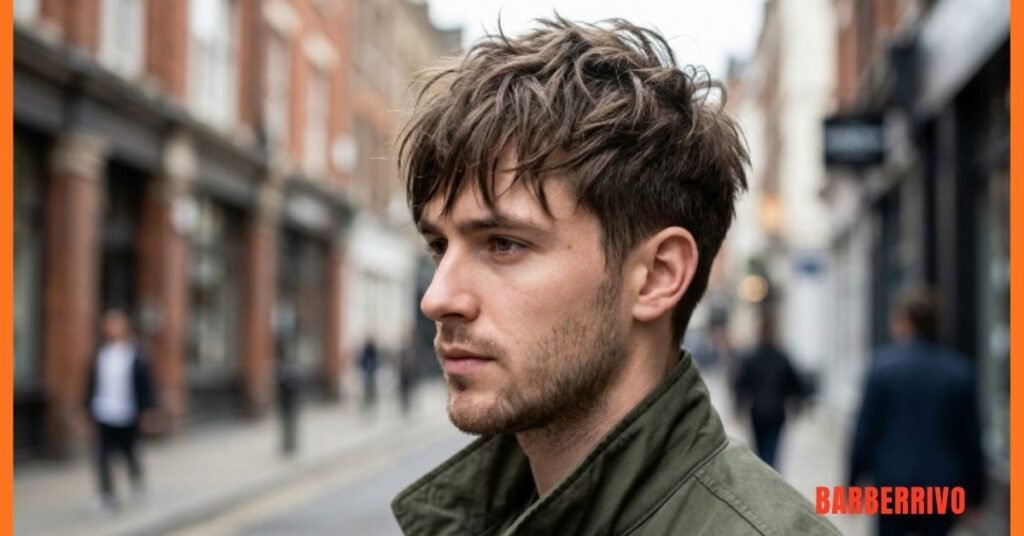
Think of this one as controlled chaos. It’s like a tousled morning that looks planned. Messy fringe men love it because it hides small mistakes. Rough-dry the hair. Add sea salt spray for grip. Then pull sections apart with matte paste. The tousled texture should look loose and light. Avoid stiff hold. Too much product kills the mood.
Side-Swept Textured Fringe
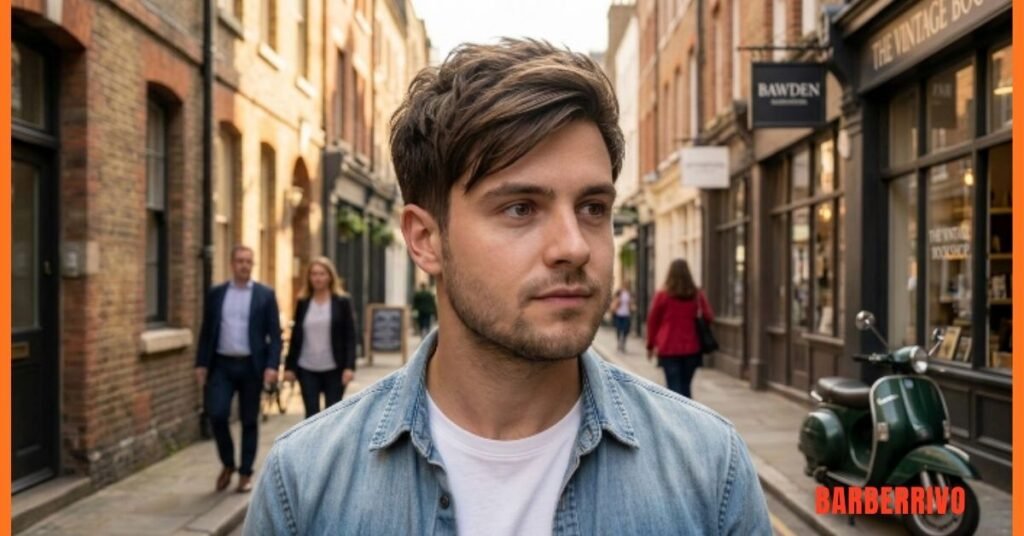
A side swept fringe travels across the forehead to one side. Layers add natural texture and separation. Pick your parting by finding where your hair already wants to fall. Blow-dry the fringe in that direction. Set it with a cream that has lightweight hold. This look suits straight hair well. It also softens sharp features. A low taper keeps the sides tidy.
Curtain-Style Textured Fringe
The curtain style parts down the middle. Hair falls to both sides like open drapes. This middle part fringe brings back a 1990s feel. Layers keep it light. Medium-length hair works best. Use a diffuser attachment to boost waves. Add a little sea salt spray for grip. It’s a friendly choice for guys growing out a short cut.
Layered Shaggy Fringe
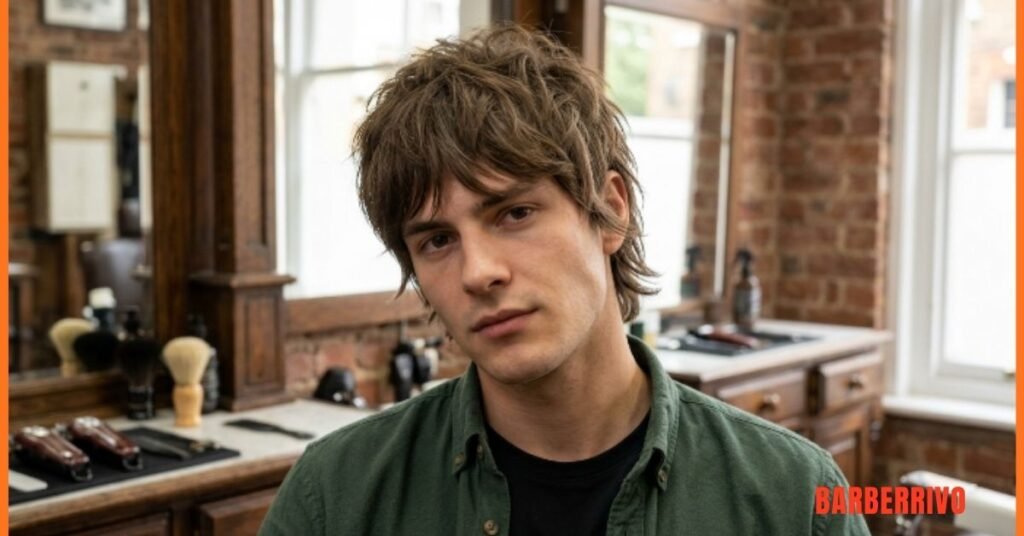
A layered fringe hairstyle with a shaggy shape feels easygoing. A layered haircut cuts soft steps through the hair. Feathered ends add a light, airy finish. The fringe stays messy and full. Air dry it for an easy day. Or blow-dry with your fingers for lift. It’s ideal for creative types. A soft taper at the neck keeps things neat. Among youthful men’s hairstyles, it’s a standout.
Spiky Textured Fringe
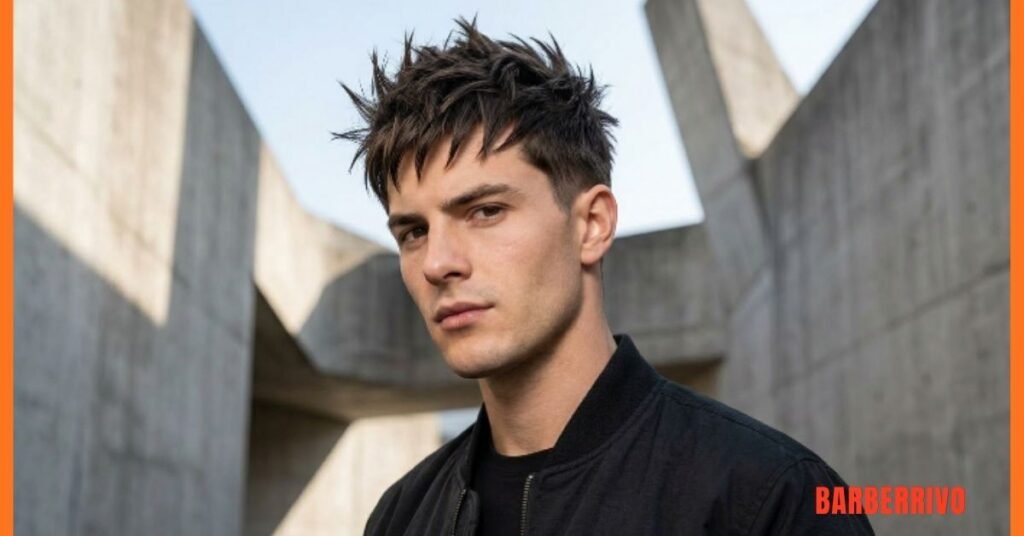
Spiky fringe styles are back in a modern form. Today’s spiky fringe looks piecey rather than stiff. Choppy layers stand up and forward. Use matte paste and finger styling. Skip heavy gel. Shiny spikes look dated. A subtle taper around the ears keeps the focus on top. This style works best on thick hair and coarse hair because those types hold shape well.
Textured Fringe Mullet
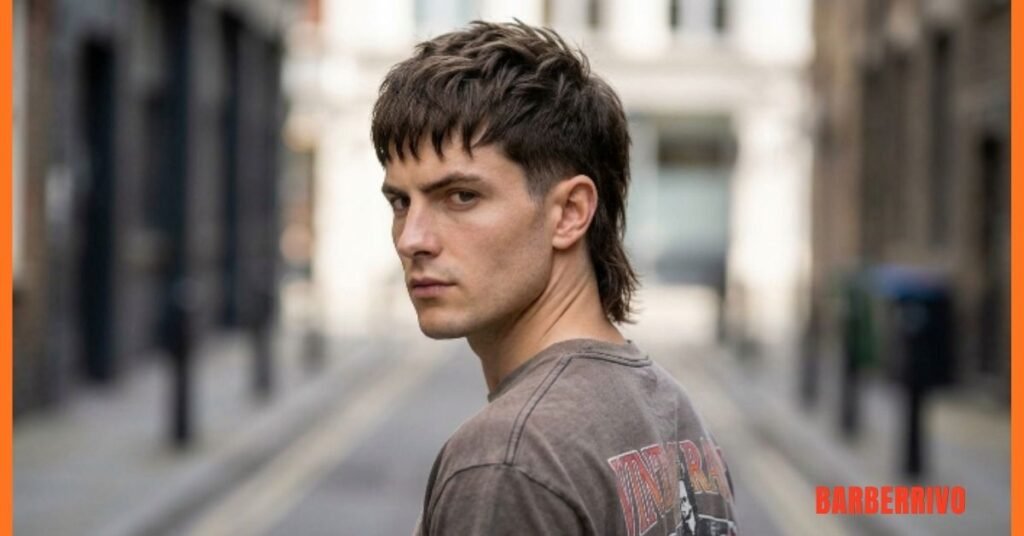
The mullet is back with a softer edge. A mullet haircut keeps the front and sides short while the back runs longer. Add a textured fringe and you get a modern mullet fringe. Ask for choppy layers through the top. Use a paste with flexible hold. Twist the ends for shape. A soft fade on the sides keeps it fresh. The back needs extra trims.
Textured Fringe Styles for Wavy and Curly Hair
Waves and curls already carry natural texture. A good cut simply guides it. That’s why a curly fringe haircut or wavy fringe hairstyle often looks easier than a straight one. The hair does half the work.
Moisture matters most. Dry curls turn puffy fast. Use curl cream or mousse on damp hair. Air dry or reach for a diffuser attachment. Ask for fewer layers at the front to control bulk. These ideas also help anyone searching fringe hairstyles for curly hair.
Wavy Fringe with Skin Fade
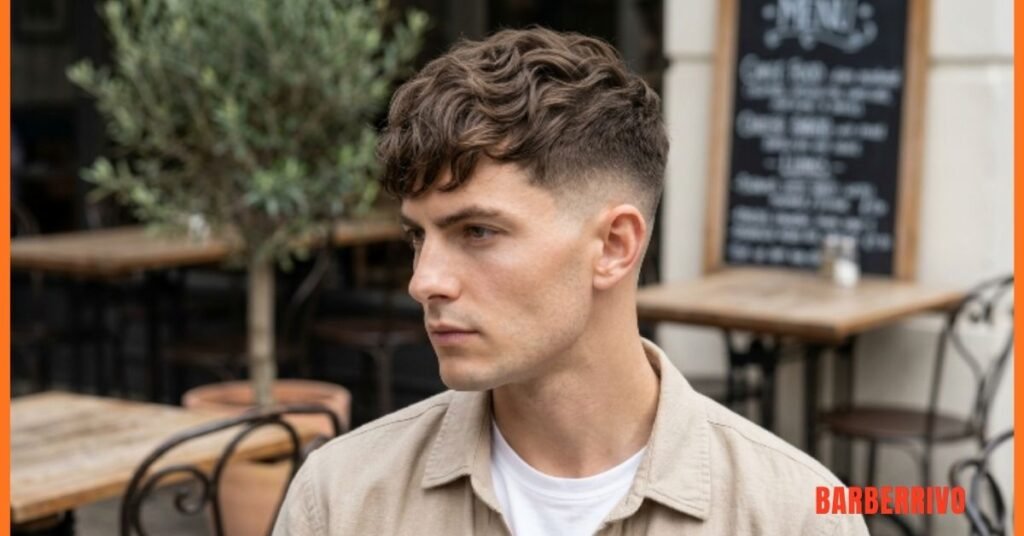
Loose waves fall over the forehead with soft definition. A crisp skin fade sharpens the sides. The contrast looks fresh. Apply light curl cream to damp hair. Scrunch upward. Let the waves dry with a diffuser. Skip heavy waxes because they flatten the pattern. This wavy fringe hairstyle suits clean-shaven faces or light stubble.
Voluminous Wavy Top with Fringe
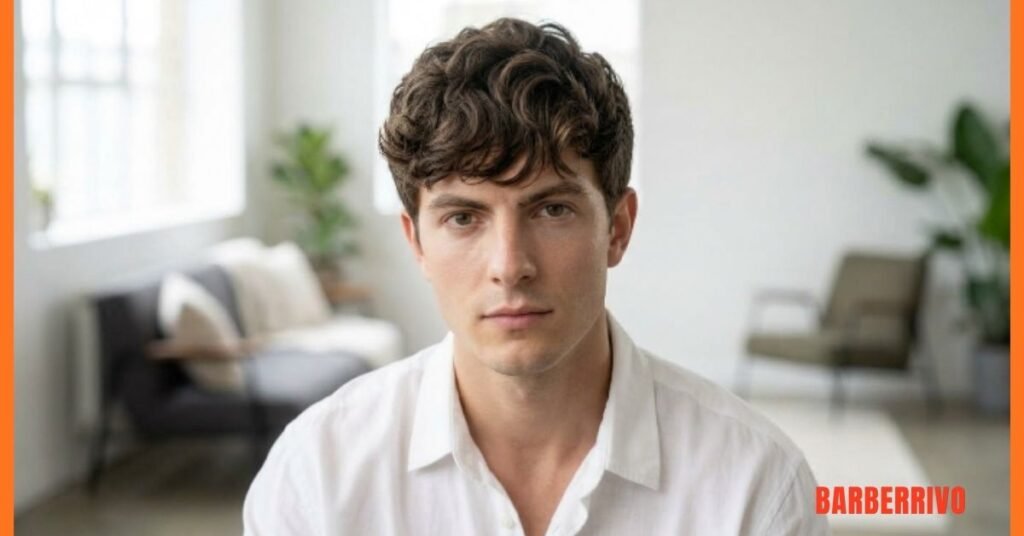
Extra height makes this cut stand out. Thick waves are styled forward and upward. A high fade beneath adds clean contrast. Spray a root-lift product at the base. Then try blow drying upward with your fingers for root lift. Finish with a light mousse. It’s a great volume haircut men pick. Few volume hairstyles for men show off waves this well.
Curly Fringe with Fade
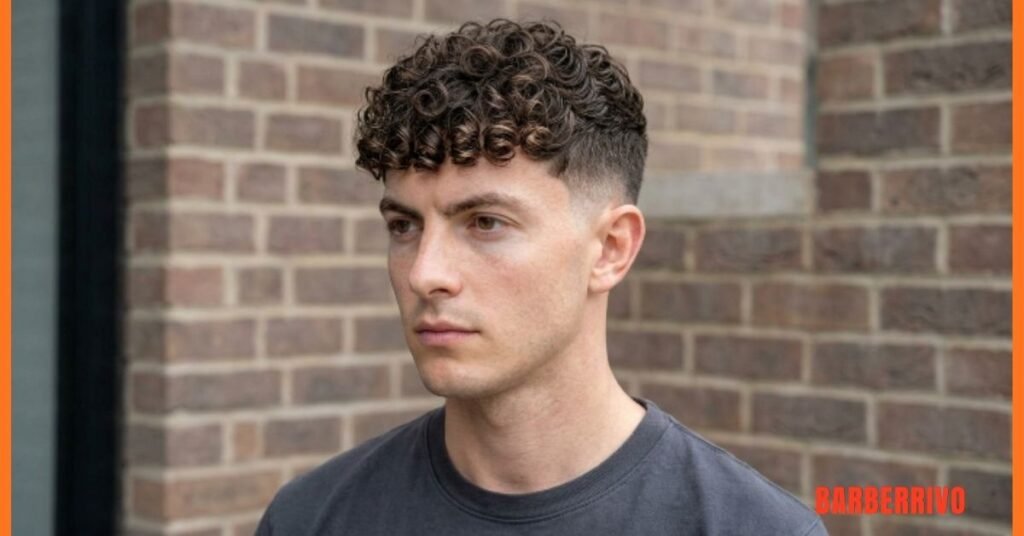
Tight curls sit forward in a bouncy fringe. A fade on the sides keeps the shape neat. Curly hair craves moisture. Use curl cream on damp hair. Diffuse on low heat. Never brush dry curls because that causes frizz. Ask for light thinning at the front to reduce puffiness. This curly fringe looks best with a clean shave.
Undercut with Curly Textured Fringe
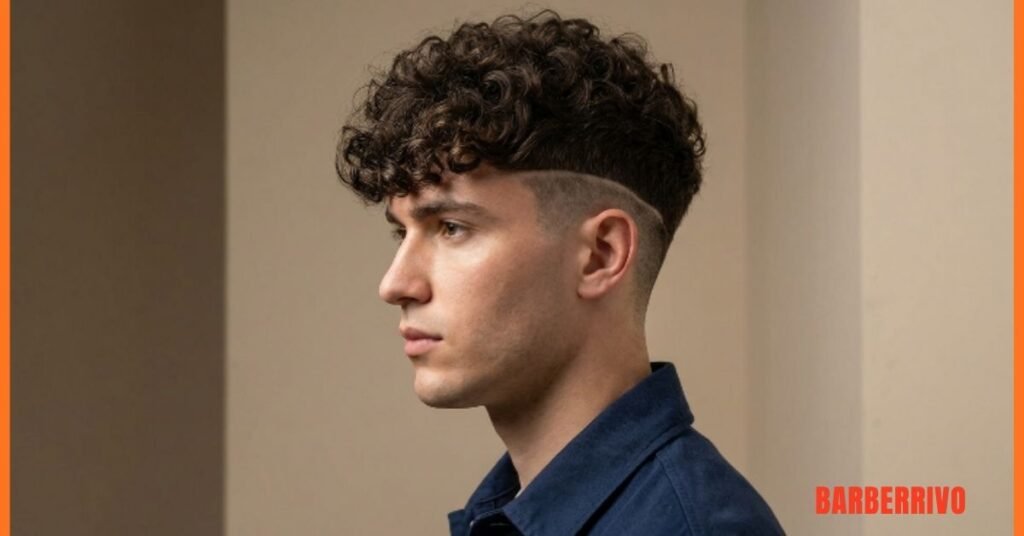
Bouncy curls on top meet a tight undercut below. The shape looks bold. The undercut removes bulk from the sides. That keeps curls from puffing wide. Define the curls with mousse. Diffuse gently. Add a lightweight cream for separation. Trim often. Curls grow outward quickly. Every three weeks works well.
Curly Textured Fringe Mullet
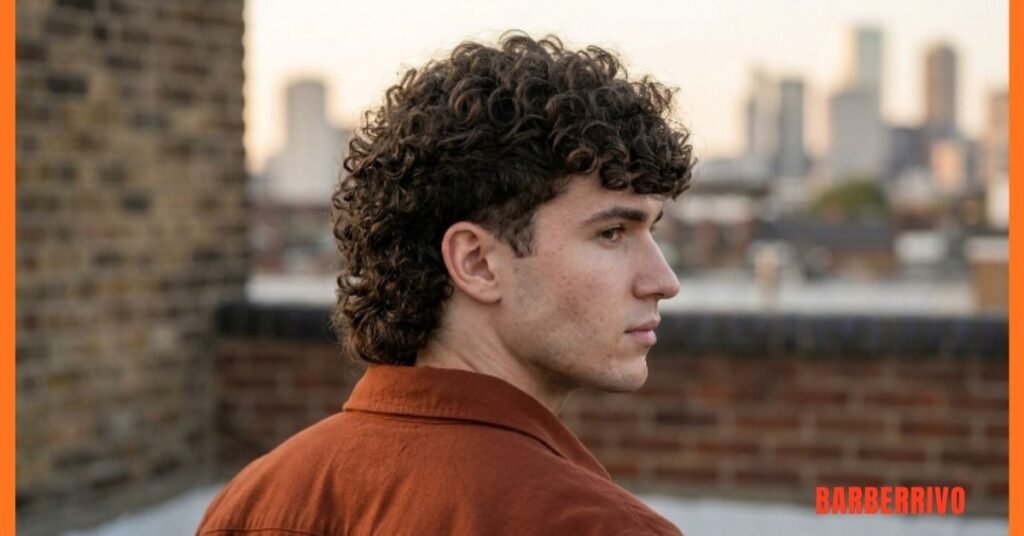
This is the boldest curly fringe mullet of the bunch. Tight curls up front meet longer curls at the back. A fade above the ears adds a modern edge. Use curl cream and a diffuser. Keep the ends soft with a drop of argan oil. Healthy curls make a mullet look intentional. Dry ends make it look messy in the wrong way. Pair it with a thin mustache or light stubble.
How to Choose the Right Textured Fringe for Your Face and Hair
One haircut never looks the same on two heads. Your face shape, hair type and hairline all change the result. The goal is balance. A skilled barber uses the fringe to soften angles or add height.
Start with your face. Then match the cut to your hair type. Finally, check your hairline and hair density. The next three sections walk through each step.
Best Textured Fringe Styles by Face Shape
Face shape guides your fringe choice. An oval face shape suits almost everything. That makes textured fringe for oval face owners free to experiment. A round face shape looks best with height on top and tight sides. Textured fringe for round face picks like the mid fade or Caesar cut are smart. A square face shape loves softer, messier layers. A long face shape needs a fuller, lower fringe to shorten the forehead. A chubby face looks slimmer with lift on top and tight sides.
| Face Shape | Best Textured Fringe | Why It Works |
| Oval | Classic, side swept or messy | Balanced features handle any fringe |
| Round | Mid fade with lifted top | Height adds length |
| Square | Messy fringe with taper | Soft layers ease sharp angles |
| Long | Forward fringe with low fade | A lower fringe shortens the forehead |
| Full or chubby | Side-swept with high fade | Tight sides slim the outline |
Best Textured Fringe Styles for Straight, Wavy and Curly Hair
Straight hair holds blunt or choppy fringes well. It needs powder for grip. Textured fringe for straight hair works with almost any fade. Wavy hair already has texture. Keep layers light. Textured fringe for wavy hair looks best with soft cream. Textured fringe for curly hair needs moisture and fewer front layers. Coarse hair benefits from thinning. Many men with straight, dense hair choose the popular Asian textured fringe. A Korean textured fringe leans soft and forward with a slight side sweep.
| Hair Type | Best Style | Product Pick |
| Straight | Choppy Caesar or side-swept fringe | Texture powder |
| Wavy | Voluminous top with fade | Light mousse |
| Curly | Curly fringe with fade | Curl cream |
| Thick | Undercut or high fade | Matte clay |
| Fine | Short crop with light layers | Powder or sea salt spray |
| Coarse | Thinned, textured fringe | Styling cream |
Textured Fringe for Thin Hair and Receding Hairlines
Textured fringe for thin hair works when the length stays short. A short forward fringe hides a receding hairline. A Caesar cut is a classic fix. Texture powder adds thickness. Avoid heavy oil or wax. They clump strands and show scalp. Keep the sides tight. That makes the top look fuller. Ask your barber to leave more density at the front. Fine hair also loves this trick.
How to Ask Your Barber for a Textured Fringe
The chair chat is half the haircut. Clear words beat vague ones. Knowing how to ask barber for textured fringe saves you from a bad cut. Barbers appreciate specific requests.
Decide four things first. Choose your fringe length. Pick the fade level. Say how much texture you want. Share how long you’ll spend styling each day. That gives your barber a full picture during the barber consultation. Any fringe haircut men request gets easier with this checklist.
Key Phrases and Barber Terms to Know
Short phrases work best. Skip long stories. Barbers hear hundreds of requests, so simple words help. Learn a few barber haircut styles terms and you’ll sound confident. The table below shows what to say and what it means.
| Say This | What It Means |
| Point cutting on the fringe | Snipping into the ends for a softer, choppy edge |
| Feathered ends | A light, airy finish at the tips |
| Low taper on the sides | Gradual trim near the ears and neckline |
| Leave length on top | Keep enough hair for texture and movement |
| A natural finish | No stiff or shiny styling |
Reference Photos and Details to Bring
Bring haircut reference photos from the front and the side. Screenshots work fine. Example: Sam wanted a fringe but always walked out with a flat, heavy cut. Before, his hair sat like a curtain across his forehead. He then showed his barber two photos and asked for point cutting and a mid fade. The textured fringe before and after difference was clear. The top looked lighter, fuller and easier to style.
How to Cut a Textured Fringe Step by Step
These steps suit barbers, students and confident home cutters. Go slowly. Hair grows back at only about half an inch each month. One big snip can cost you months. Take small cuts and check often.
Gather clippers, guards, sharp scissors, thinning shears and a fine comb. Work on damp, combed hair. Check symmetry as you go. Good light helps too.
Prep the Hair and Remove Bulk
Start with damp hair. Comb it in the direction it naturally falls. Section the top from the sides. Clip the top out of the way. Use clippers with a guard to remove bulk at the back. Check the crown and any cowlicks. Cowlicks can push the fringe in odd directions. Note where they sit before cutting.
Build the Fade or Taper on the Sides
Pick a guard number for the shortest length. Work upward from the neckline in short flicks. Move to a longer guard as you climb. Blend lines with scissor-over-comb where needed. Step back often to check both sides match. Decide on a low, mid or high fade level before you begin. Every fade needs a light hand.
Cut the Top and Add Texture with Point Cutting
Comb the fringe forward. Cut it to your target length, often at brow level. Then use point cutting. Hold the scissors upright and snip into the ends. Add thinning shears sparingly. Modern Barber lists razor texturising and soft layering as key techniques for today’s fringes. Blow-dry and check the fall. Snip again where needed. This builds choppy layers without harsh lines.
How to Style a Textured Fringe
Styling takes about five minutes once you learn the steps. The goal is volume, movement and a matte finish. Everything else is detail.
How to style a textured fringe changes slightly with hair type. Still, the base routine stays the same. Prep, dry and finish. Follow that order for a dependable styling routine.
Step-by-Step Daily Styling Routine
Start with damp hair after a shower. Towel-dry it gently. Apply sea salt spray or mousse for grip. Next comes blow drying. Aim the dryer at the roots for root lift. Push the fringe forward as you dry. Use a round brush on straight hair. Scrunch wavy hair. Use a diffuser attachment for curls. Then rub a pea of clay between your palms. Work it through with finger styling. Pinch pieces for definition.
Styling Your Fringe for Casual, Work and Formal Occasions
Casual days call for a rough finish. Dust in texture powder and tousle with your fingers. Work settings need tidy edges. Smooth the fringe with light cream and sweep it forward or sideways. Formal events deserve height. Add root lift with a blow-dryer and finish with a touch of mousse.
Pro tip: Keep a tiny pot of clay or powder in your bag. A quick touch-up after lunch keeps the fringe sharp for evening plans.
Best Hair Products for a Textured Fringe
The right product fixes the three big fringe problems. Flat, greasy and frizzy hair all have simple cures. The best products for textured fringe styles are light and matte. Heavy formulas ruin the look.
Pick by hair type and hold level. Use less than you think. A pea-sized amount often does the job. Layer products only when your hair needs it.
Sea Salt Spray and Texture Powder for Volume
Sea salt spray adds grip and a relaxed, beachy feel. Spray it on damp hair before drying. It works best on straight and wavy hair. Texture powder absorbs oil at the roots. It also lifts hair for instant volume. Shake a little into the fringe and rub it in. Oily roots make fringes fall flat quickly. Powder rescues them in seconds.
Clay, Paste and Pomade for Hold and Definition
Clay gives strong, dry hold. Texture clay and matte clay keep the fringe lifted and separated. Molding paste offers flexible hold and easy restyling. Matte wax suits wavy hair. A light pomade adds polish for work looks. Example: one reader battled greasy roots with heavy pomade. He switched to matte clay and the shine vanished. Choose by finish, not by brand.
| Product | Hold | Finish | Best For |
| Texture clay | Strong | Matte | Thick or straight hair |
| Molding paste | Flexible | Natural | Most hair types |
| Matte wax | Medium | Matte | Wavy hair |
| Light pomade | Light to medium | Soft sheen | Polished looks |
Styling Cream and Argan Oil for Frizz Control
Longer fringes get frizzy fast. Styling cream smooths flyaways and keeps hair soft. Use it on damp hair or at the ends. Argan oil adds shine and moisture. A single drop is plenty. Too much weighs the fringe down. Curly types can pair oil with curl cream for extra bounce. Skip oil if you have very fine hair.
Clarifying Shampoo and Conditioner for Healthy Hair
Product buildup flattens texture. Clarifying shampoo removes it. Use it once a week or when hair feels heavy. Follow with a hydrating conditioner to restore softness. Healthy hair styles easier. It also holds texture better. Dry, rough hair looks puffy. A simple wash routine keeps the fringe fresh from root to tip.
How to Maintain a Textured Fringe Between Cuts
Textured fringe maintenance is simple. Wash two or three times a week. Trim every three to four weeks. The American Academy of Dermatology puts average hair growth at about half an inch per month, as Dyson’s hair science page explains. That’s why fades lose their shape in about a month. Refresh the middle of the week with a light water mist and some finger styling.
Use the table below as a routine. This textured fringe haircut maintenance plan keeps the look sharp. Smart haircut maintenance habits also cut daily styling time.
| Task | How Often | Tip |
| Trim | Every 3-4 weeks | Fades may need 2-3 weeks |
| Wash | 2-3 times a week | Protect natural oils |
| Clarify | Weekly or as needed | Remove product buildup |
| Refresh | Midweek | Mist with water and reshape |
Common Textured Fringe Problems and Quick Fixes
Every fringe has a bad day. Hair goes flat. Roots turn oily. Frizz shows up. A cowlick pushes the fringe the wrong way. Sometimes the fringe grows too long or looks too heavy.
Most issues have quick cures. The table below lists the usual suspects. Try the fix before you book an emergency trim.
| Problem | Cause | Quick Fix |
| Flat fringe | Too little grip | Add sea salt spray and blow-dry the roots |
| Oily roots | Heavy product or oil | Dust in texture powder |
| Frizz | Dry hair | Add styling cream or a drop of argan oil |
| Cowlick | Growth pattern | Dry the fringe against the swirl first |
| Too heavy | Weight in the layers | Ask for more point cutting |
| Too long | Growth | Trim about a quarter inch |
Textured Fringe vs Similar Haircuts
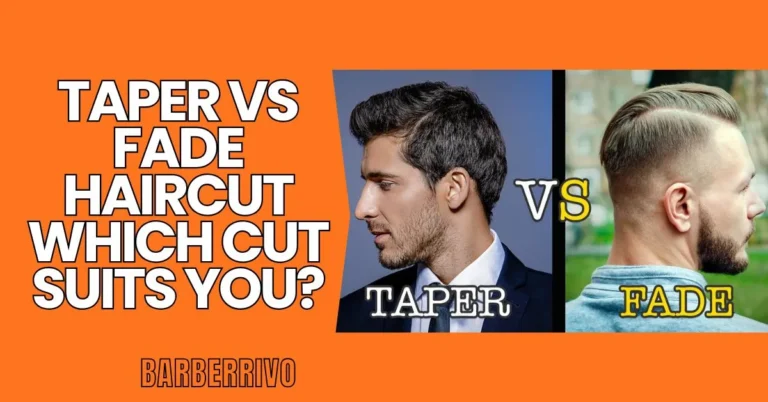
Many cuts look alike. The textured fringe vs French crop question comes up often. Both are short. The French crop has a shorter, straighter front. The textured fringe has choppy, uneven ends that fall softly.
The textured fringe vs Caesar cut debate is similar. The Caesar is flatter and more even. Textured fringe vs curtain haircut comes down to the parting. Curtains split down the middle. Use the table to compare them fast.
| Cut | Look | Key Difference |
| Textured fringe | Choppy and lived-in | Uneven layers with movement |
| Layered fringe | Soft and blended | Smooth transitions |
| Edgar cut | Blunt line with high fade | Straight fringe edge |
| French crop | Short and cropped | Short, straight front |
| Caesar cut | Short horizontal fringe | Flat and even top |
| Curtain haircut | Middle part | Falls to both sides |
Textured Fringe vs Layered Fringe
A textured fringe focuses on visible separation and piecey movement. A layered fringe blends more evenly into the rest of the hair. The result looks softer and smoother. Textured cuts feel edgier and messier. Layered cuts feel gentler. Many barbers combine both. Ask for layers first and then request texture on top.
Textured Fringe vs Edgar Cut
The Edgar cut has a straight, blunt fringe line and a sharp fade. Its fringe edge is clean and heavy. A blunt fringe like this looks precise. The textured fringe uses choppy ends and light layers instead. That makes it softer and more natural. Both use fades. The difference sits in the front.
Fringe vs Bangs: Is There a Difference?
No. It’s the same haircut with two names. The Oxford Learner’s Dictionary lists “fringe” as the British word and “bangs” as the North American term for hair cut to hang over the forehead. Search textured bangs men in the US and you’ll find the same style. The word “bangs” likely comes from horse tails cut straight across, according to Quick and Dirty Tips. For dictionary details, see the Oxford Learner’s Dictionary entry.
FAQs About Textured Fringe Haircuts
Quick answers help before a barber visit. Each reply below stays short and direct. Use them as a checklist.
These answers cover the questions men ask most. They touch on fades, length, upkeep, age and beards. Read them and you’ll feel ready for the chair.
Do You Need a Fade to Get a Textured Fringe?
No. A taper, scissor-cut sides or a natural fall all work. A fade adds contrast and a sharper shape. It also needs more trims. Choose based on your style and upkeep time. Many men start with a low taper and move up later.
How Long Does Hair Need to Be for a Textured Fringe?
Aim for about two to three inches (5-8 cm) on top for a short version. Swept styles need more. From a very short cut, that’s roughly four to six months at half an inch per month. Ask your barber to check your density before cutting.
Is a Textured Fringe High Maintenance?
Usually low to medium. Trim every three to four weeks. Style with a small amount of clay or paste. Fades need more frequent visits. A low maintenance fringe haircut like a low taper keeps things easy. Curly types need a little extra moisture care.
Does a Textured Fringe Suit Older Men?
Yes. Shorter, softer versions look great at any age. A forward Caesar-style fringe can also cover a receding hairline. Choose a taper over a high skin fade for a more mature look. Keep styling light and matte. Avoid very messy finishes if you prefer a polished feel.
Does a Textured Fringe Work With a Beard?
Absolutely. A beard fade blends the sides into your facial hair for a clean flow. Keep the beard length balanced with the fringe. A short fringe pairs with a full beard well. A longer fringe pairs better with a shorter beard. Trim both on the same schedule.
What is a textured fringe haircut?
A textured fringe haircut keeps the front hair longer and cuts it in choppy layers using point cutting. The fringe falls over the forehead with movement and natural texture while the sides stay short.
What is the Gen Z boy haircut called?
No single name covers it. Most people call it the textured fringe or the middle part fringe (a curtain haircut). A two-block cut, with a longer top and short sides, is another popular label.
Is a fringe attractive on guys?
Yes, when the cut suits your face and hair type. A fringe frames the face and adds volume. It also gives a youthful, stylish look.
What face shape is good for a textured fringe?
An oval face shape suits almost any fringe. Round, square and long face shape types also work with the right fringe length and fade level.
Conclusion
A textured fringe haircut works because it adapts. You can go short or long. You can go clean or messy. The best cut depends on your face shape, hair type and daily routine. Match those three and you’ll look sharp. The best fringe hairstyles for men all start with a good match.
Save this textured fringe haircut guide for your next barber visit. Pick one style. Screenshot a few haircut reference photos. Book the appointment. Try a new product or two. Soon you’ll know your own styling routine by heart. Your hair will thank you. So will your mirror.

Ryan Carter is a men’s grooming writer who covers haircuts, hairstyles, beard care, and barbering trends. He shares practical style advice and grooming tips to help men look sharp and stay confident.