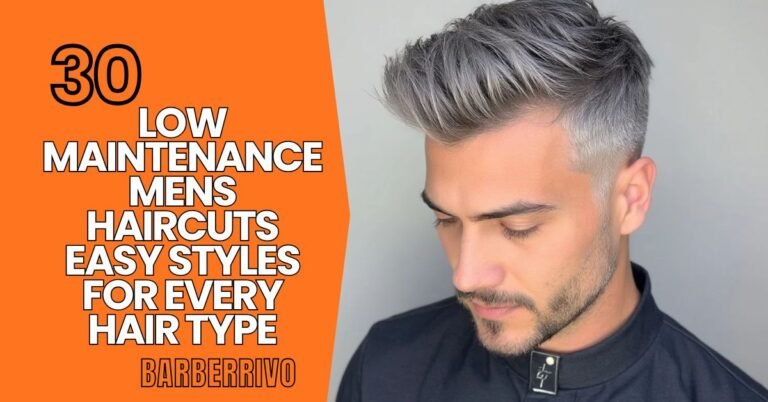
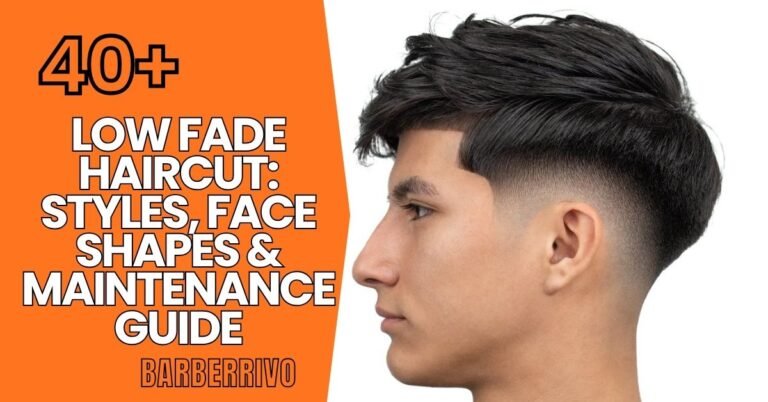
How Often Do Men Get Haircuts? A Barber-Backed Guide by Style (2026)

Your fresh cut looks perfect on Saturday. By the next Friday, the neckline looks fuzzy. The sides look puffy. Sound familiar? That moment pushes most guys to ask one question: how often should men get a haircut? The honest answer depends on your style, your hair type, and your hair growth rate. Still, most barber shop visits in the US land every four to six weeks. That’s the working answer behind how often do men get haircuts across the country.
A sharp skin fade and a shoulder-length cut run on very different clocks. So one number can’t fit everyone. Below, you’ll get a clear recommended haircut schedule for men by style. You’ll also learn what changes your men’s haircut frequency, how long a cut takes, how long it lasts, and how to stretch the time between visits. Ready to stop guessing? Let’s get into it.
How Often Should Men Get a Haircut?
Most men do well with a trim every four to six weeks. That’s the average time between men’s haircuts for a typical short-back-and-sides or classic cut. Think of it like an oil change for your head. You can push it a little, but the results start to slip. A buzz cut wants attention much sooner than a shaggy mop. A man with long layers can wait two or three months. So the better question is not only how often should men get haircuts but also which haircut you wear.
Your style sets the pace, and your hair growth rate keeps the clock ticking. Hair grows about half an inch per month for most people. That’s roughly six inches a year. A short style loses its shape after just a few weeks of growth. A longer style hides that same growth much better. The table below gives you a fast snapshot of men’s haircut frequency by style. After that, you’ll find the details for each group.
| Style | How Often to Get a Cut | Why |
| Fade, buzz cut, crew cut | Every 2 to 4 weeks | Short lengths show growth fast |
| Taper, side part, classic cut | Every 4 to 6 weeks | Shape holds a bit longer |
| Long hair | Every 8 to 12 weeks | Trims keep ends healthy |
| Curly, coily, protective styles | Every 4 to 8 weeks | Shape and scalp care matter most |
| Head shave and line-up | Every 1 to 3 weeks | Clean edges fade quickly |
Short Styles: Fades, Buzz Cuts, and Crew Cuts

Short hairstyles for men need the most upkeep. If you wear short hair, plan on a cut every two to four weeks. How often should men get fade haircuts? Most barbers say every two to three weeks for a skin fade or high fade. The blend at the sides grows out fast. Within ten days, the clean gradient turns soft. That’s why fade haircut maintenance costs more time and money than other styles.
Buzz cut maintenance is easier but still frequent. How often should men get buzz cuts? Every two to three weeks keeps the length even. For crew cut maintenance, plan on three to four weeks. The longer top hides growth better than the sides do. For example, picture a sales rep who loves a high fade. He books every two weeks and treats it like a gym habit. His hair always looks crisp. If you ask how often should men with short hair get a haircut, the answer is simple. Think two to four weeks.
Medium-Length Styles: Tapers, Side Parts, and Classic Cuts

Medium-length hairstyles give you more breathing room. How often should men with medium-length hair get trimmed? Every four to six weeks works well. These cuts rely on shape instead of tight edges. A classic side part loses its clean line as hair grows past the ears. A taper blends more gently than a fade.
So how often should men get a taper fade? Most barbers suggest every three to five weeks. Plan on quick taper fade touch-ups in between if you like a clean neck. Scissor cuts hold their shape longer than clipper work. Soft layers grow out in a more natural way. However, the top still gets heavy and the part line drifts. That’s your sign to book again. Treat this style like a monthly habit, and your hair will always look put together.
Long Hair

Long hairstyles for men need fewer visits but not zero visits. How often should men with long hair get a haircut? Every eight to twelve weeks is a smart range. The goal isn’t to lose length. The goal is to remove split ends before they climb up the strand. Ask your barber for a “dusting.” That means a very light trim of the bottom edge. It keeps hair thick at the tips and cuts almost no length.
Many men skip trims for six months and then wonder why their ends look stringy. A frayed rope works the same way. Once the fibers split, the damage spreads. Regular hair trims also keep layers tidy as you grow. Long hair looks best when it looks healthy. So a quick visit every couple of months protects all that patience.
Curly, Coily, and Protective Styles

Curly hair maintenance follows its own rules. How often should men trim curly hair? Every four to six weeks keeps curls bouncy and balanced. Curls spring up as they grow. That makes the shape look wider and fuller fast. Coily hair shrinks, so length hides in the coils. Judge your shape and not only the inches. Protective styles like braids and twists need attention every six to eight weeks.
Leave them in much longer and you risk scalp tension, dryness, and breakage. Always take down protective styles before problems start. Wavy hair sits in the middle. It often needs a cut every five to six weeks to avoid a triangle shape. Also remember that moisture matters for texture. Keep your hair care routine steady, and your cuts will look better between visits.
Head Shaves and Line-Ups
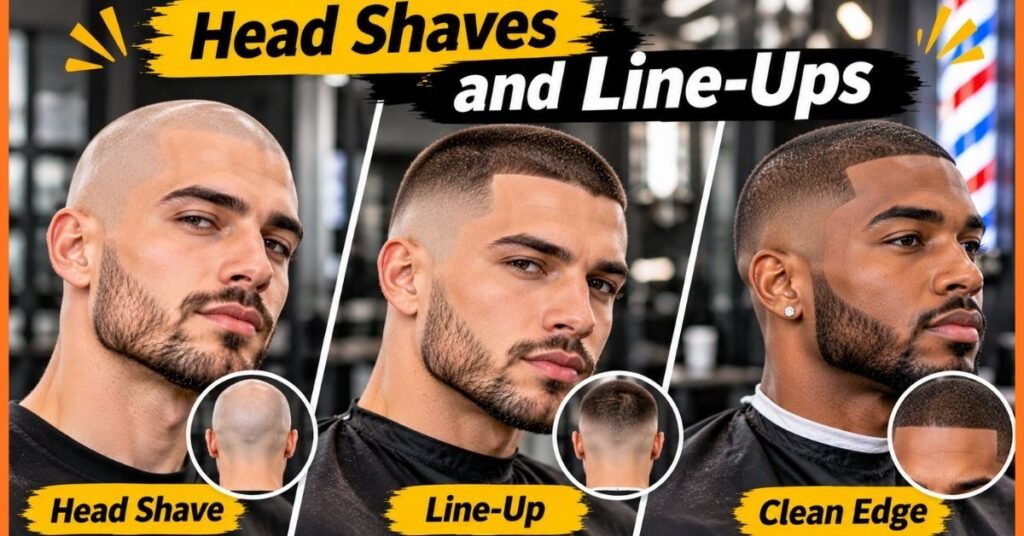
A smooth head shave shows growth in days. Most men who shave their heads redo it every one to two weeks. A razor shave feels clean but stubble returns quickly. A line-up (also called a shape-up) sharpens the hairline, temples, and beard edges. It looks great for about two to three weeks.
After that, the lines blur. Neckline cleanup helps even if you skip a full cut. Many barbers offer quick edge-only visits at a lower price. This is a smart trick for guys who love a crisp edge. If you run a bald head or a very low crop, expect weekly care. Treat it like brushing your teeth. Small, frequent habits beat big, rare ones.
What Affects How Often You Need a Haircut?
No single rule fits every guy. Your needs depend on biology, style, and daily life. Two friends can sit in the same barber chair on the same day. One needs a trim in three weeks. The other waits eight. That gap comes down to growth speed, hair type, and personal taste. So use any number you read, including the ones here, as a starting point.
Understanding these factors saves you money and frustration. You’ll avoid visits you don’t need. You’ll also avoid the shaggy stretch that makes mornings harder. Here are the five big drivers of men’s haircut frequency. Each one changes the answer to how often to get a haircut men ask about most.
Hair Growth Rate
Your hair growth rate sets the base clock. According to dermatologists cited by AOL, the average person’s hair grows about half an inch a month. That equals six inches a year. A hair care guide from Hair.com backs up the same figure. Genetics, age, and overall health can nudge that pace up or down.
Some men see closer to three-quarters of an inch in a great month. Others grow a bit slower. If your hair races ahead, you’ll need cuts sooner. If it crawls, you can stretch your visits. A simple test helps. Note the day your cut looks best. Count the weeks until you stop liking it. That number is your personal growth clock.
Hair Type and Texture
Hair texture changes how growth looks. Straight hair shows length quickly because it falls flat. Wavy hair adds volume and can turn bulky around week five. Curly hair and coily hair spring outward, so shape matters more than length. Thick hair also gets heavy faster.
So how often should men trim thick hair? Every three to four weeks keeps it manageable. Fine hair tends to lose body as it grows. A trim restores that lift. Dry or damaged strands break more easily and need extra trims. Tell your barber your texture and your daily routine. Good barbers will tailor the schedule to your head and not a chart.
Your Chosen Hairstyle
Style is the single biggest lever. A skin fade has razor-thin margins. A slightly grown-out, textured top forgives a lot. Sharp looks need frequent barber appointments. Messy, lived-in looks can wait. Think of it as crisp versus relaxed. A crisp suit needs ironing. A relaxed linen shirt looks fine a little wrinkled.
If you want low-maintenance hairstyles, pick longer lengths with soft edges. A short crop with a skin fade is the high-maintenance choice. Neither one is better. Just pick a look that matches the time you want to spend.
Lifestyle, Work, and Budget
Your job shapes your schedule. Client-facing roles reward a professional appearance. Many workplaces expect neat edges and tidy hair. Military and some dress codes demand even tighter timing. Hair grooming habits matter too. Gym-goers who sweat daily often prefer fresher cuts.
Haircut costs also play a role. Prices vary by city and shop. Many US barbershops charge roughly $25 to $50 for a men’s cut. Tipping 15 to 20 percent is common. If you visit every two weeks, the cost adds up. Some men stretch visits with a tidy style and quick edge-ups. Others book a standing appointment and call it self-care. Choose the plan that fits your wallet and calendar.
Season and Climate
Weather can change your hair needs. Summer sun, chlorine, and salt water dry out strands. That can lead to more split ends and a rougher feel. Many men go shorter in summer to stay cool. Winter brings dry air and indoor heating. Hair can feel brittle and static. Humidity makes curly hair expand. It also frizzes fine hair.
Some men notice more shedding in late summer and fall. None of this changes the rules. It simply nudges the timing. Watch how your hair behaves in each season. Adjust your hair trimming schedule by a week or so if needed.
How Often Do Men Get Haircuts Around the World?
Culture shapes habits. Trends, climate, and barber traditions all play a part. In places with strong fade culture, men visit often. In places with longer, textured cuts, visits stretch out. Barber estimates and shop surveys give us rough ranges. They’re not exact science. Still, they show a pattern: most men worldwide land somewhere between four and eight weeks.
The table below compares typical visit gaps in three English-speaking countries. Use it as a general guide. Your own habits may differ.
| Country | Typical Gap Between Cuts |
| United States | 4 to 6 weeks |
| United Kingdom | 5 to 8 weeks |
| Australia | 4 to 7 weeks |
United States
In the US, how often do men get haircuts on average? Most land at four to six weeks. Barbershop culture runs deep here. Many guys keep a regular barber for years. Fades and tapers drive shorter gaps. Men with classic cuts or longer hair often wait longer.
Big cities tend to push the number down because trends move faster. Tipping is part of the routine. Some shops also offer memberships or recurring slots. If you want a smooth routine, ask your barber for a standing time. It keeps barber shop visits simple and predictable.
United Kingdom and Australia
In the UK, men often wait about five to eight weeks. A longer gap suits the classic British short-back-and-sides and softer styles. In Australia, the range runs closer to four to seven weeks. Warm weather and active lifestyles keep many men near the shorter end. Both countries share a strong barbershop scene.
Skin fades and tapers keep visits frequent for younger men. Older men with classic cuts stretch the gap. These patterns look a lot like the US. So the rule of thumb holds: how often to visit a barber depends more on style than on country.
Does Getting Regular Haircuts Make Hair Healthier?
Regular trims can improve how your hair looks and feels. They don’t change how your hair grows from the root. Think of trimming as housekeeping for your strands. It removes damaged ends before they cause trouble. That keeps hair smoother and easier to style. So yes, regular hair trims help. But they work on the hair you can see. They don’t reach the follicle under your skin.
This difference clears up a lot of confusion. Many men believe cutting makes hair thicker or faster. Science says otherwise. What cutting does is reduce breakage. With less breakage, you keep more length over time. That’s why hair looks fuller and healthier after a trim. Let’s break down both points.
Trims and Split End Prevention
Split ends happen when the tip of a strand frays into two or more pieces. Heat, friction, sun, and rough towels all make them worse. Once a strand splits, the split can travel upward. That’s why waiting too long hurts. A small trim stops the damage early. Think of a tiny rip in a shirt. If you fix it fast, it stays small.
If you ignore it, the tear spreads. Men with long hair see the biggest payoff. Even short styles benefit because clippers leave blunt ends that look neat. So does getting regular haircuts improve hair health? Yes, in appearance and manageability. A cut every six to eight weeks is plenty for most guys with longer lengths.
Do Haircuts Make Hair Grow Faster?
No. Does trimming hair make it grow faster? Trimming does not speed up growth. Hair grows from the follicle at a rate set mostly by genetics. A trichologist quoted by Yahoo says nothing proven makes hair grow faster than half an inch a month. Cutting the ends does not reach the root. So the clock stays the same.
Still, many men feel their hair grows faster after a trim. That’s because healthy ends break less. You keep more length. The hair also looks thicker since the tips are blunt. So the myth survives. Trim for health and shape and not for speed.
How Long Does a Men’s Haircut Take?
Most men’s haircuts take 20 to 45 minutes in the chair. That answers how long does a men’s haircut take for the average guy. A simple clipper cut can finish in under 20 minutes. A detailed fade with a razor edge can run closer to an hour. How long does it take to get a haircut from door to door? Add wait time. Walk-ins on Saturday can stretch the total by thirty minutes or more. Booking ahead saves the most time.
Several things change the clock. Barber skill and speed matter. So do beard trims, hot towels, and styling. A first visit with a new barber usually takes longer. They ask questions and study your head shape. If your time is tight, tell your barber up front. Many shops will tailor the service. Also ask about the best time to get a haircut in terms of crowds. Weekday mornings are usually quieter than Saturday afternoons.
Average Appointment Time by Style
How long does a typical men’s haircut take depends on the style. How much time should you spend at a barber shop? Plan on thirty minutes for most cuts and an hour for detailed work. Use the table below to set expectations.
| Style or Service | Estimated Time in the Chair |
| Buzz cut | 10 to 20 minutes |
| Classic scissor cut | 25 to 35 minutes |
| Taper or fade | 30 to 45 minutes |
| Skin fade with design | 45 to 60 minutes |
| Long-hair trim | 20 to 30 minutes |
| Cut plus beard trim | 45 to 60 minutes |
| Cut plus hot towel shave | 60 minutes or more |
How Long Does a Men’s Haircut Last?
A good cut stays sharp for two to six weeks. How long does a men’s haircut last depends on style and growth rate. Fades fade out fast. Within two to three weeks, the gradient softens. Scissor cuts hold their shape longer. Many last four to six weeks. That difference is haircut longevity in action. Short and tight cuts show growth quickly. Longer, layered cuts hide it.
How many weeks between haircuts should you aim for? Start with four. Then adjust. If your cut looks messy by week three, shorten the gap. If it still looks good at week six, stretch it. Your barber can help you find the sweet spot. Skill also matters. A well-cut head grows out more evenly than a rushed one. Pay for a good barber and you may get more weeks for your money.
Signs It’s Time for Your Next Cut
Your hair tells you when it’s ready. Signs you need a haircut are easy to spot. Your neckline looks fuzzy. Your ears vanish under the sides. Your part drifts and refuses to stay. Your hair feels heavy on top. You use extra product to hold the shape. You also notice more split ends and frizz. Another sign is the mirror test. If you stop liking your reflection, book a visit. So when should men get their next haircut? Do it right before the cut looks bad and not after. That small timing shift keeps you looking sharp all month. Many men book the next slot before leaving the shop.
How to Find Your Ideal Haircut Schedule
Building your own plan takes a little testing. Start with your style’s usual range. Then watch how your cut looks each week. Mark the day it looks best. Mark the day it starts to bug you. Book the next visit just before that second day.
That simple method gives you a best haircut schedule for men that fits your hair. Many guys settle into a men’s regular haircut routine within two or three cuts. Ask your barber for advice. They see your hair up close and know what’s coming.
Next, make the schedule easy to follow. Book your next appointment before you leave. Set a calendar reminder. Pick a regular day so it feels like a habit. Also adjust for events and seasons. Here’s a quick case study. Dan wears a mid fade and work in an office. He tried every four weeks but felt messy by week three.
He switched to every three weeks and added a quick neckline cleanup at week five. Now he looks sharp all the time and spends less than before. Use the worksheet below to build your own plan.
| Step | What to Do | Your Notes |
| 1 | Name your style | |
| 2 | Note the day it looks best | |
| 3 | Note the day it starts to look off | |
| 4 | Book the next cut a few days before that | |
| 5 | Set a reminder and rebook at checkout |
How to Make Your Haircut Last Longer
You can’t stop hair from growing. But you can stretch the good days. A little care between visits pays off. Daily habits help a cut hold its shape. So does smart product choice. Learn how to maintain a haircut between barber visits and you’ll visit less often with the same results. Think of it as stretching the shelf life of a good meal.
Keep expectations realistic. Care adds days and not months. A fade will still need a refresh every few weeks. Yet small habits can add a week or more to a cut. Pair a steady hair styling routine with a simple hair care routine. Add safe DIY touch-ups. Together, they make how to make a haircut last longer a very doable goal.
Styling Products and Scalp Care
The right product keeps your shape in place. Pomade gives shine and hold. Clay adds texture with a matte finish. Sea salt spray boosts volume on wavy hair. Cream softens curls and cuts frizz. Use a small amount and work it through damp or dry hair.
Wash with a gentle shampoo a few times a week. Condition the lengths. Moisturize a dry scalp. Healthy hair holds shape better. A strong hair styling routine also reduces breakage. Avoid heavy buildup since it can weigh hair down. If your scalp feels itchy or flaky, switch products. Healthy skin grows healthy hair.
DIY Neckline and Sideburn Touch-Ups
Quick home touch-ups can save a visit. Neckline cleanup with a trimmer takes two minutes. Use a mirror in a mirror setup so you can see the back. Trim only the stray hairs below your natural line. Don’t try to change the shape. For sideburn maintenance, use the trimmer to even both sides.
Check they match in length and angle. Go slowly and cut less than you think. You can always remove more. Avoid DIY work on fades or fine lines. One slip is hard to fix. If you feel unsure, leave the lines to a pro. A quick edge-only visit costs less than a full cut.
Event Haircuts: When to Book Before a Big Day
For big events, book your cut two to three days before. That answers when to schedule a haircut before an event. A fresh cut looks stiff on day one. Edges look very sharp. After a couple of days, the hair settles. Lines soften and look more natural. That’s why wedding photographers often love a slightly settled cut. Plan this timing for weddings, graduations, and photo shoots.
Some events need tighter timing. A job interview works well with a cut one to two days ahead. Date night is fine the same day. If you want the cleanest look, add a quick edge-up the day before. Don’t wait until the last minute. Barbers book fast before holidays and prom season. The table below gives a simple timeline for common events.
| Event | Best Time to Get a Haircut |
| Wedding or big photo shoot | 3 to 5 days before |
| Graduation or formal dinner | 2 to 3 days before |
| Job interview | 1 to 2 days before |
| Date night | Same day or 1 day before |
| Family reunion or party | 2 to 3 days before |
FAQs
How often should men get a haircut?
Most men should get a haircut every four to six weeks. Short styles like fades and buzz cuts need visits every two to four weeks. Long hair can wait eight to twelve weeks. Your hair growth rate and hair type also matter. Use the weekly test from earlier to find your sweet spot.
How often should you get a fade?
Get a fade every two to three weeks for the sharpest look. A low taper can stretch to four weeks. Skin fades grow out fastest because the contrast is high. If you want to save money, add quick neckline cleanup visits between full cuts.
Does cutting your hair more often make it thicker?
No. Cutting does not change the thickness of the strand. Thickness comes from the follicle. Hair can look thicker after a trim because the ends are blunt and healthy. Less breakage also helps hair look fuller. So trimming improves appearance but not true thickness.
Is it okay to go three months without a haircut?
Yes, it’s fine if you wear long hair or you’re growing out your style. Three months is a normal gap for longer lengths. Just trim the ends to remove split ends. Short styles will lose their shape in that time. If you wear a fade or crew cut, expect a messy look.
How often do men get haircuts on average?
On average, men in the US get a haircut every four to six weeks. Across the UK and Australia, the range runs about four to eight weeks. Men’s haircut frequency changes with style, age, and budget. Use the average as a guide and not a rule.
What is the 7 day haircut rule?
It says a haircut looks its best about a week after the cut. The hair needs a few days to soften, settle, and lose that stiff, “just cut” look. So book your cut 5 to 7 days before a big event.
What is the 2.25 hair rule?
It’s a casual styling guide (also called the 3-inch rule) that uses the distance from your earlobe to your chin. If that gap is under 2.25 inches, short hair may suit you. If it’s longer, longer hair may flatter you more, but face shape matters too, so treat it as a loose tip and not a strict rule.
Is a haircut every 2 months too much?
No, a cut every 2 months is not too much. It’s a healthy gap for long or medium-length hair, and it helps remove split ends. Short styles like fades usually need visits sooner, around every 2 to 4 weeks.
How often should a male have a haircut?
Most men do well with a haircut every 4 to 6 weeks. Short styles like fades and buzz cuts need a cut every 2 to 4 weeks. Long hair can wait 8 to 12 weeks.
Final Thoughts
So how often should men get haircuts? Most guys do best with a visit every four to six weeks. Short styles need two to four weeks. Long hair can wait two or three months. Your hair type, hair growth rate, and lifestyle shape the final answer. Build a men’s regular haircut routine around your style and watch it work. Book the next visit before you leave the shop. Small habits make the biggest difference.
Remember that a good cut is only part of the story. Healthy hair, a smart hair care routine, and simple touch-ups stretch every visit. Skip the myths about faster growth. Focus on shape, health, and timing. When you follow a clear recommended haircut schedule for men, you save time and money. You also walk out of every barber shop looking sharp. Now grab your phone and book your next cut.

Ryan Carter is a men’s grooming writer who covers haircuts, hairstyles, beard care, and barbering trends. He shares practical style advice and grooming tips to help men look sharp and stay confident.