Fade Haircuts for Black Men: 40+ Best Styles & Types (2026)
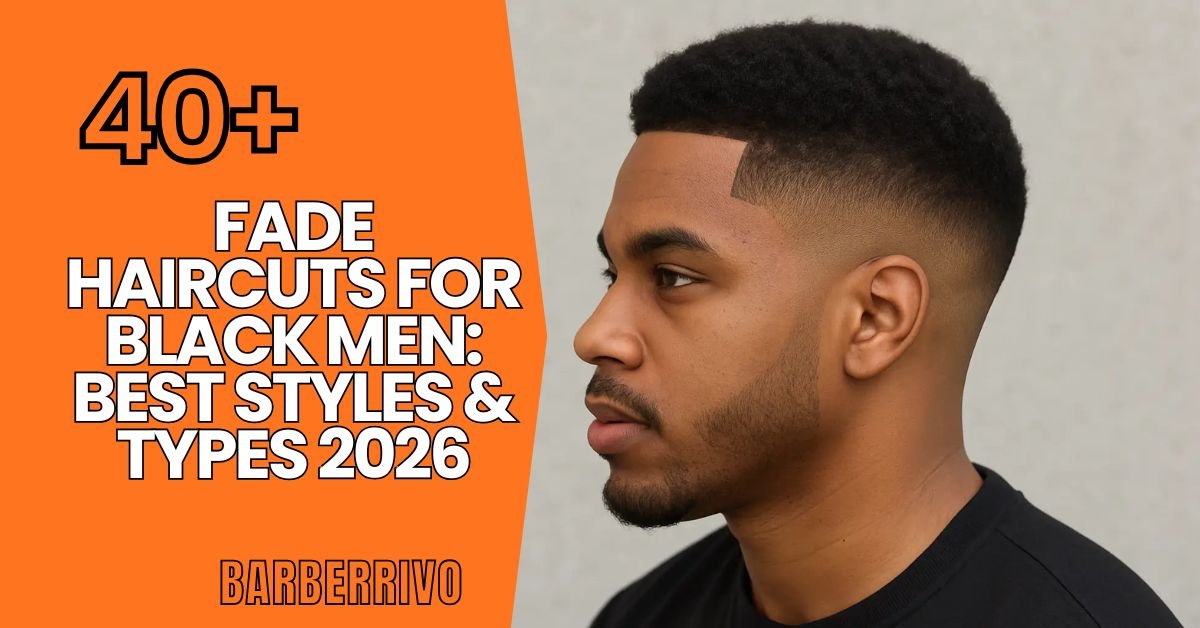
A great haircut says a lot before you even open your mouth. For Black men, fade haircuts for black men have been the go-to choice for decades, and 2026 is no different. This guide walks you through every popular cut, from a soft low taper fade black male style to a bold shadow fade black men finish. You’ll find real advice on picking the right shape, talking to your barber, and keeping your cut sharp between visits.
Whether you want something safe for the office or a design that turns heads, this list has you covered. Below, you’ll see how each black men fade haircut style differs, why some cuts need more upkeep than others, and how to walk into any barbershop with confidence. Let’s get into it.
Here’s a quick snapshot before we dive deeper, since a birds-eye view always helps:
| What You Want | Best Fade to Try |
| Something safe and professional | Low fade or low taper fade |
| A bold, eye-catching look | High fade or skin fade |
| A style that works with waves | Low fade or mid fade |
| A statement piece | Mohawk fade or burst fade |
| Low weekly upkeep | Low fade, taper fade |
What Is a Fade Haircut for Black Men?
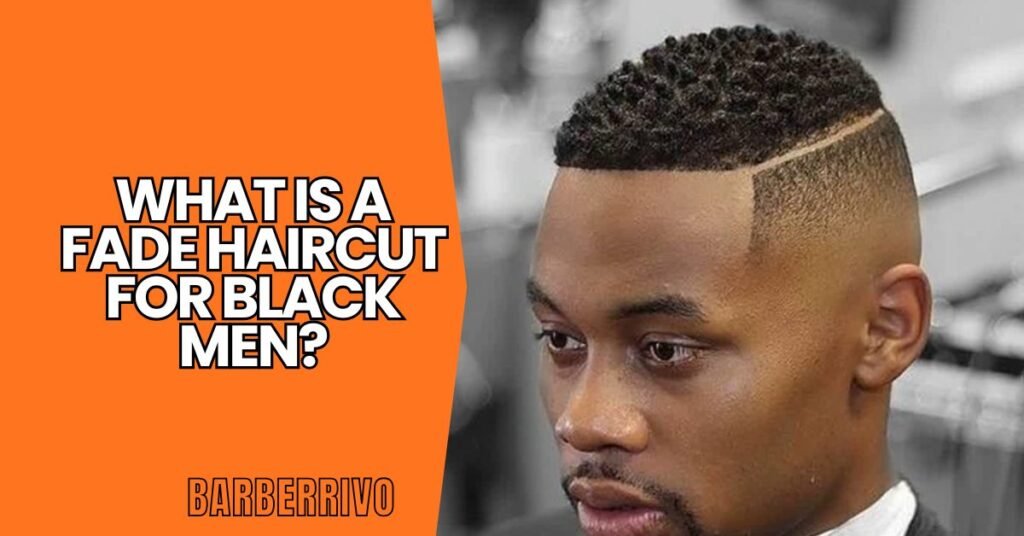
A fade is simple at its core. The hair gets shorter as it moves down the head, blending smoothly into the skin or into a very short length near the neck and sides. This is what separates a modern fade haircut from an old-school buzz cut or a basic trim.
The top usually stays longer so you can style it, while the sides do all the fading work. It’s one of the most requested cuts in black men’s haircuts shops across the world, and for good reason. It looks sharp, it suits nearly every hair type, and it grows out without looking messy.
Barbers love fades because they show off skill. A clean blend takes a steady hand and the right clippers, which is why a good barber fade haircut is worth paying for. You’ll notice the difference between a rushed job and one done with care the moment you look in the mirror.
Think about it this way. A mens fade haircut isn’t just one cut. It’s really a whole family of styles that share the same basic idea but change dramatically based on height, top length, and texture. That’s part of why the style has stayed relevant for so long. It never really gets old because it constantly reinvents itself. One year, it’s all about the burst fade mohawk. The next, everyone wants a soft, barely-there taper. The core technique stays the same, but the finished look keeps shifting with the times.
There’s also a practical side worth mentioning. Among haircut styles for black men, the fade sits near the top of the list because it works with textured hair instead of fighting against it. Curls, coils, and kinks all behave differently than straight hair under clippers, and a skilled barber knows how to shape a fade so it complements that texture rather than flattening it out.
Definition and Where the Style Comes From
The fade haircut didn’t start in a barbershop. It actually has military roots, going back to strict grooming rules that called for short, tidy hair on the sides. Soldiers needed something practical, and the fade fit the bill. Over time, the style crossed into everyday life.
By the 1980s and 1990s, the fade had found a new home in Black communities across America. Hip-hop culture, sports stars, and street style all pushed the cut into the mainstream. It stopped being just practical and became a statement.
Today, fade haircut black male searches spike every year as new variations pop up, from skin-tight blends to soft, barely-there tapers. The style keeps evolving, but the foundation stays the same: short sides, longer top, and a smooth transition between the two.
Barbershops themselves played a huge role in shaping this history too. For generations, they’ve served as community hubs where style, conversation, and identity all mix together. A skilled barber wasn’t just cutting hair.
He was passing down technique, building trust, and helping guys feel their best before a big event or a regular Friday night out. That cultural weight is still baked into every professional fade haircut you see today, even if most people never think about it while sitting in the chair.
How a Fade Differs from a Taper Cut
People mix these two terms up all the time, so let’s clear it up. A taper keeps a bit of length near the ears and the back of the neck. The hair gets shorter gradually, but it never touches bare skin. A fade, on the other hand, blends all the way down, often reaching the skin at the lowest point.
Here’s a quick side-by-side to make it easier:
| Feature | Taper Cut | Fade Haircut |
| Ends at skin? | No, keeps light length | Often yes, especially skin fades |
| Look | Softer, more traditional | Sharper, more dramatic |
| Best for | Office jobs, conservative settings | Bold styles, statement looks |
| Maintenance | Grows out slower | Needs more frequent trims |
Some cuts, like the taper fade black men style, actually combine both. They start with a gentle taper up top and finish with a fade near the bottom. That’s why you’ll see the two words used together so often in style guides.
There’s another subtle difference worth mentioning. A taper often keeps a soft, natural taper neckline at the back of the head, whereas a fade tends to cut cleaner lines around the entire perimeter.
If you ask for a blended fade, most barbers will understand you want a gradual transition with no visible lines between lengths, which is the hallmark of a well-executed cut. Getting this detail right separates an average haircut from one that photographs beautifully from every angle.
Types of Fade Haircuts for Black Men
This is where things get fun. There are dozens of ways to wear a fade, and each one changes the whole vibe of your look. Below, you’ll find the most requested styles, broken down by height and finish, so you can figure out which one matches your face shape and daily routine.
Fade height makes a bigger difference than most people realize. A cut that starts near the ear looks completely different from one that starts higher on the head, even with the same top style. Let’s go through them one by one.
Before we jump in, here’s a table comparing the main heights so you can see the full picture at a glance:
| Fade Type | Starting Point | Best For |
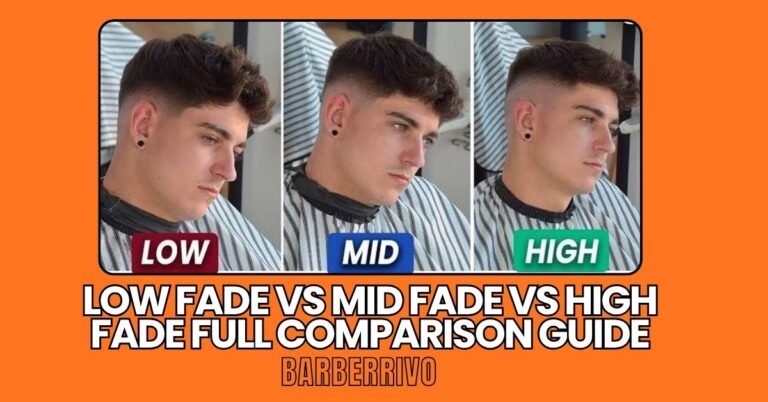
| Low fade | Just above the ear | Professional, everyday wear |
| Mid fade | Around the temple | Balanced, versatile look |
| High fade | Near the top of the head | Bold, dramatic contrast |
| Skin fade | Any height, down to bare skin | Maximum sharpness |
| Temp fade | Focused at the temple only | Quick, minimal upkeep |
| Drop fade | Curves behind the ear | Waves, twists, curls |
| Burst fade | Circles around the ear | Mohawks, faux hawks |
Low Fade Haircuts for Black Men
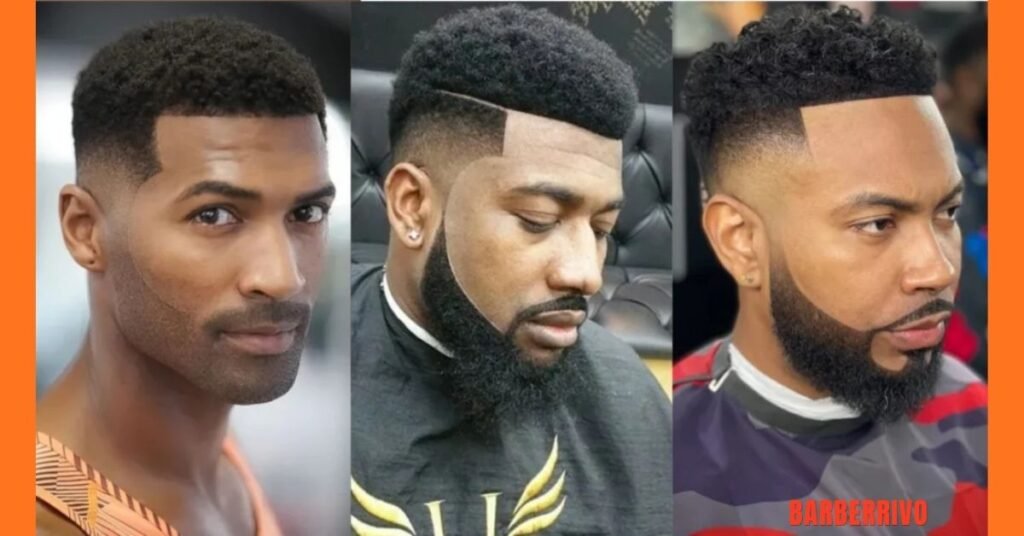
A low fade black men style starts just above the ear and blends upward. It’s subtle, clean, and works almost anywhere, from a job interview to a wedding. Because the fade sits low, it doesn’t draw too much attention to the sides, which makes it a safe pick if you’re not ready for something flashy.
This cut pairs beautifully with waves, a short afro, or even a simple buzz on top. It’s also one of the easiest styles to maintain, since the blend line grows out slowly and stays neat for weeks.
A buzz cut fade built on a low base is one of the easiest looks to keep sharp. There’s barely any styling involved beyond running a light cream through it in the morning, which makes it perfect for guys with busy schedules or an active lifestyle. Because it’s so low-key, this variation ranks among the low maintenance fade haircuts most barbers recommend to first-time clients trying out a fade for the first time.
Low Taper Fade for Black Men
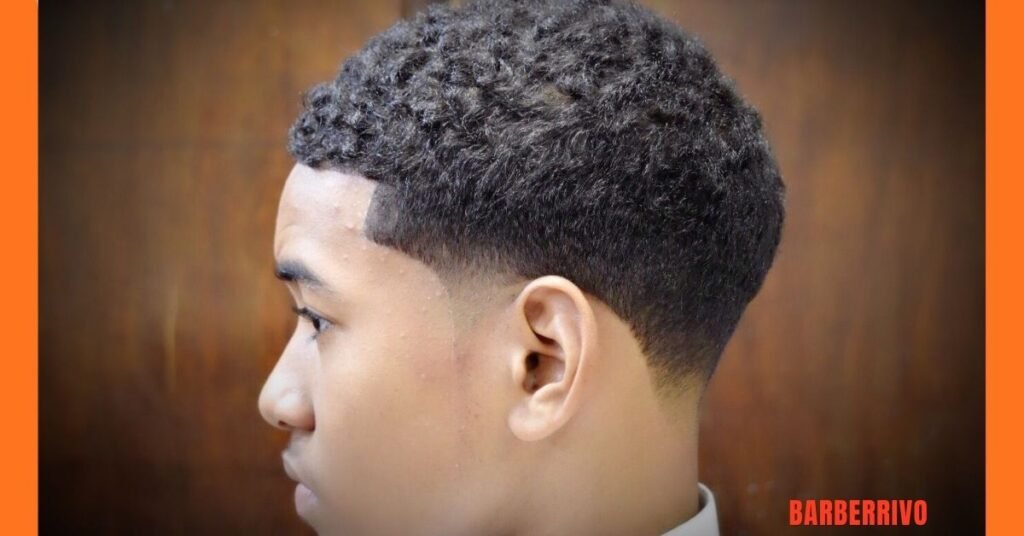
The low taper fade black male look softens things even more. Instead of a sharp line, the hair fades gradually with no harsh contrast. Think of it as the fade’s quieter cousin. It’s a favorite in professional settings because it looks polished without screaming for attention.
This style has one of the highest search volumes out there, and it’s easy to see why. It suits almost every face shape, grows out gracefully, and barbers can execute it quickly. If you want a clean fade haircut that won’t raise eyebrows in a boardroom, this is your answer.
A lot of guys searching for best fade haircuts for black men end up circling back to this exact style because it just works, no matter the setting. It photographs well for professional headshots, holds up through a full work week, and never looks out of place at a family gathering or a formal event. If you only remember one style from this entire guide, this is the safest bet.
Mid Fade Haircuts for Black Men
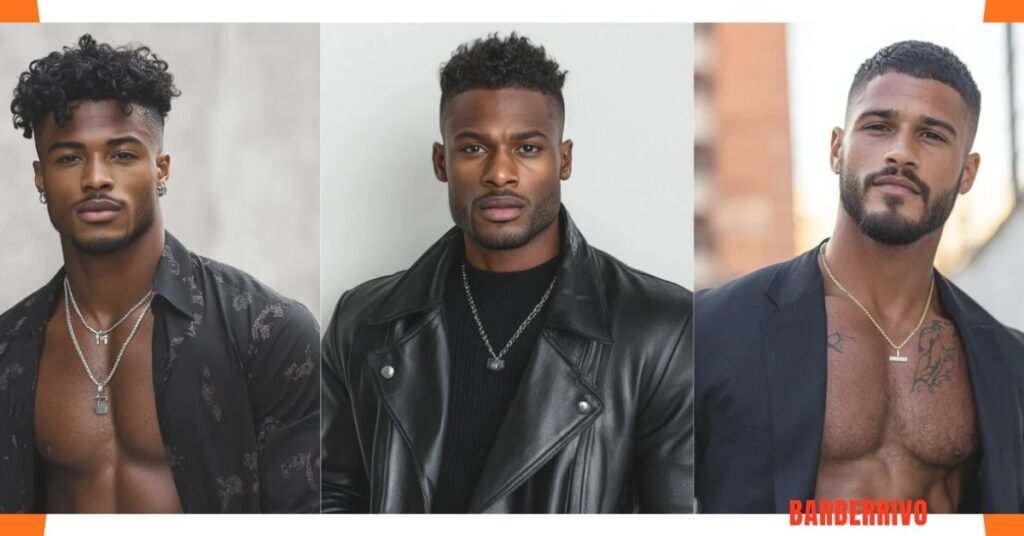
A mid fade black men cut starts around the temple, right in the middle ground between low and high. It gives you a bit more edge than a low fade while staying versatile enough for daily wear. Think of it as the Goldilocks option: not too bold, not too plain.
This height works well with curls, twists, or a textured crop on top. Because the fade begins higher, it also shows off more of the blend, which barbers can use to add small details like a subtle line near the temple.
Among men’s fade styles, the mid fade often gets overlooked in favor of the flashier high fade, but it deserves more credit. It hits a sweet spot that works for school, work, and weekend plans without needing a change between them.
If you’re unsure where to start, ask your barber for a mid fade with a slight taper. It’s forgiving even if the blend isn’t perfect on your first try, which makes it a smart choice for anyone new to the style.
High Fade Haircuts for Black Men
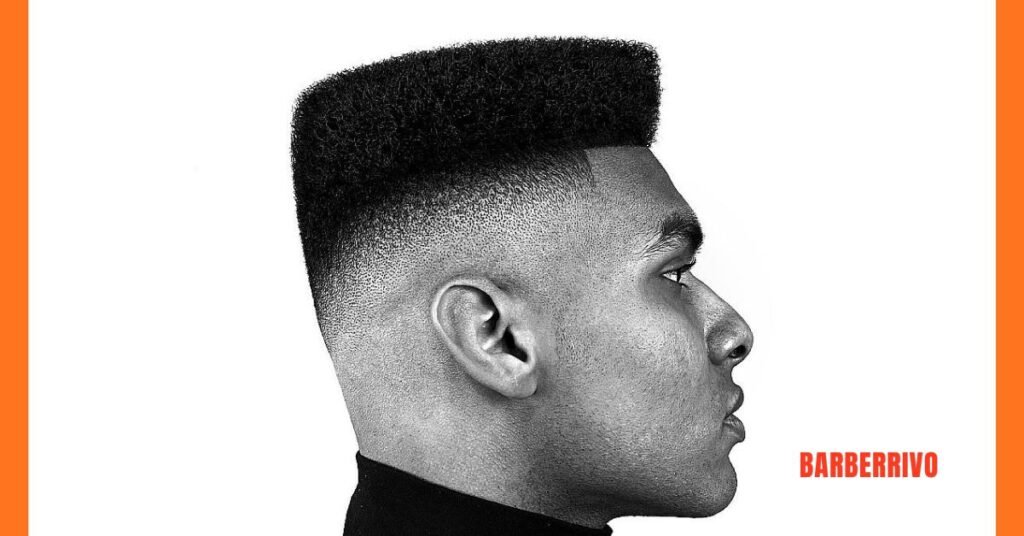
Now we’re stepping into bolder territory. A high fade black men style starts near the top of the head, leaving very little length on the sides before the fade kicks in. This creates strong contrast between the short sides and the fuller top, whether that top is an afro, curls, or a fauxhawk.
High fades photograph well, which is probably why they’re so popular on social media. They make the top hair pop and give the whole cut a sharper silhouette. Just know that this style needs more upkeep, since the fade line grows out and becomes visible faster than lower cuts.
Barbers often describe the high fade as one of the trickiest cuts to nail, since the blend has to travel a much longer distance from skin to full length. A tiny mistake shows up far more obviously here than it would on a low fade. That’s exactly why it’s worth booking a barber known for professional fade haircuts rather than trying to save a few dollars at a discount shop when you’re going this bold.
High Taper Fade for Black Men
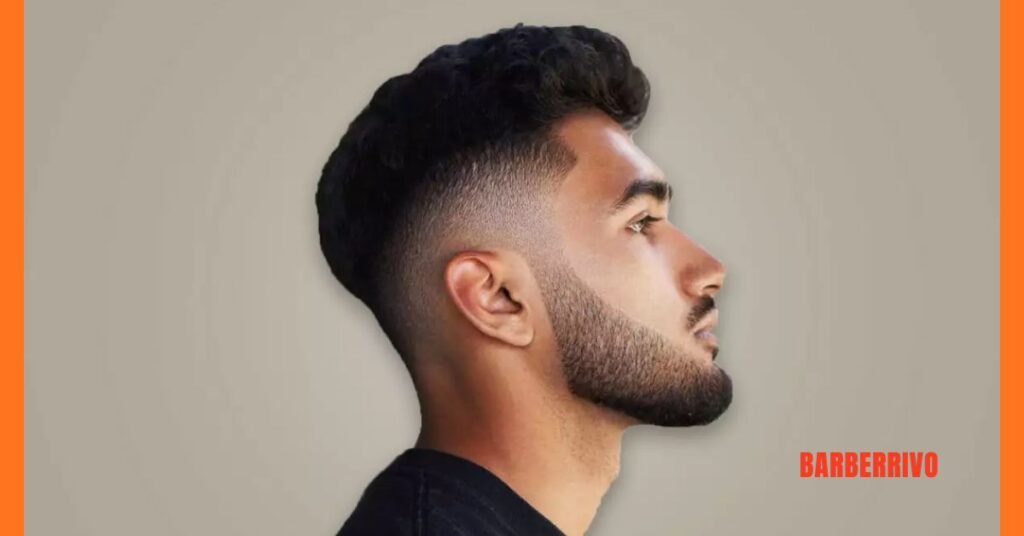
The high taper fade black male version takes that same high starting point but softens the blend. Instead of a stark line, the fade eases into the top hair gradually. It’s still bold, but it feels a touch more refined than a straight high fade.
This is a great middle ground for guys who want the drama of a high fade without looking too severe. It also tends to age better between barber visits, since the gradual blend hides regrowth more forgivingly than a sharp high fade does.
If you’ve browsed fade haircut trends on social media lately, you’ve probably noticed this style showing up alongside textured crops and curly fringes. The soft blend gives barbers more room to get creative with the top, since it doesn’t compete for attention the way a stark skin fade might. It’s a great pick if you want something trendy but still wearable at work the next morning.
Skin Fade Haircut for Black Men
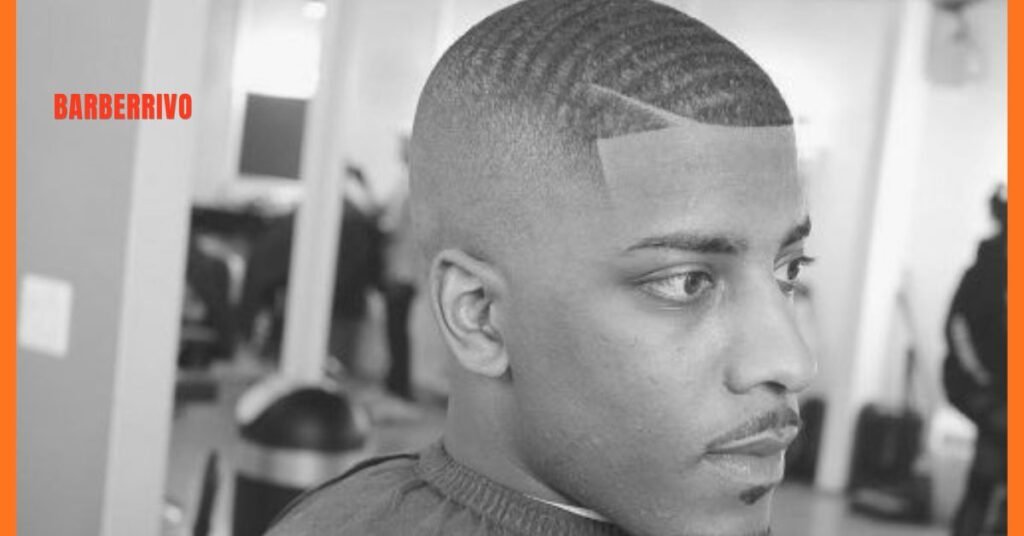
If you want maximum contrast, a skin fade haircut black style goes all the way down to bare skin on the sides. This is one of the boldest choices on this list, and it pairs incredibly well with curls, an afro, or a design shaved into the side.
Because the skin fade shows so much scalp, it tends to grow out faster in appearance, even if the hair itself grows at a normal rate. Regular trims are non-negotiable here if you want it to stay crisp.
A bald fade black men style is really just another name barbers use for this same look, since the sides end in a completely bare, skin-close finish. Some guys take it a step further with a full shadow fade black men technique, where the clipper work leaves just the faintest shadow of stubble near the very bottom instead of going completely bare. It’s a subtle trick that softens the transition while still keeping that sharp, high-contrast finish everyone loves about skin fades.
Temp Fade Haircuts for Black Men
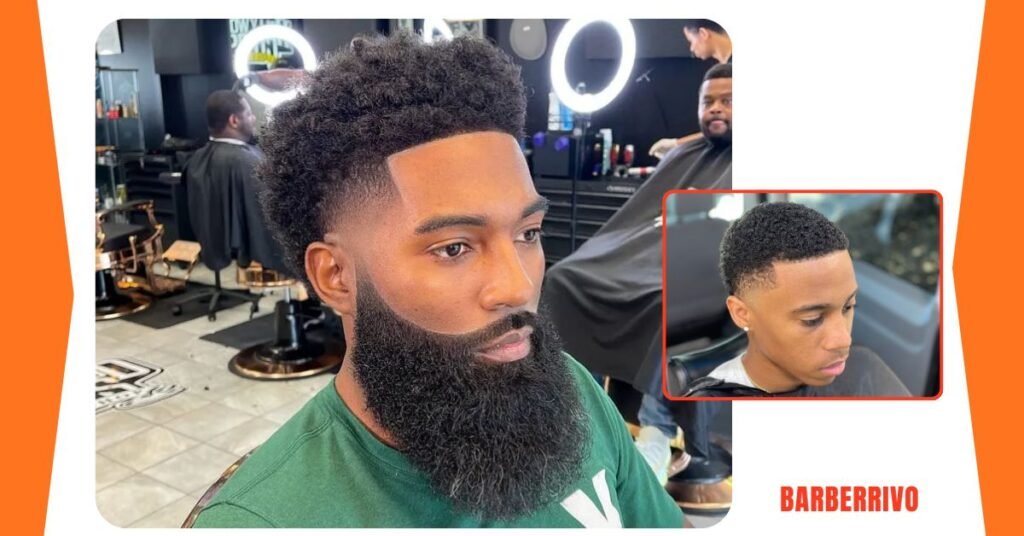
A temp fade black men cut, short for temple fade, focuses the blending work right around the temples instead of the entire side of the head. The back and lower sides stay fuller, while the temple area gets a sharp, defined taper.
This style is a favorite for guys who want a fresh look without committing to a full fade all over. It’s also one of the fastest cuts for a barber to touch up, since the work is concentrated in a smaller area.
Because the work stays contained to a smaller section, a temp fade black men cut is often the go-to choice for guys squeezing in a quick appointment before an event. It gives that “just left the barbershop” polish in a fraction of the time a full fade would take, which is a big reason it’s grown so popular among busy professionals and students alike.
Taper Fade Haircuts for Black Men
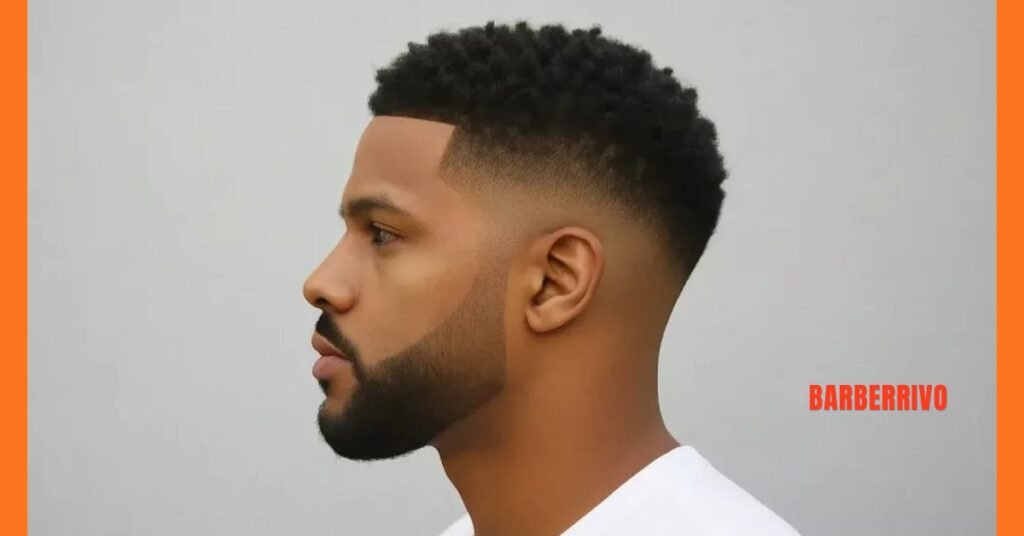
We touched on this earlier, but it deserves its own spotlight. Taper fade black men styles combine the gentle blend of a taper with the sharper finish of a fade, usually landing somewhere between low and mid height. It’s an incredibly flexible category, and you’ll find dozens of top styles built around it, from a curly taper cut to a faux hawk taper.
This category tends to attract guys who search for different fades for black men because they want something that’s not quite a full skin fade but still sharper than a basic trim. A clipper haircut built around this taper technique is also one of the quicker services a barber offers, since there’s less transitioning work involved compared to a dramatic high fade.
Drop Fade Haircuts
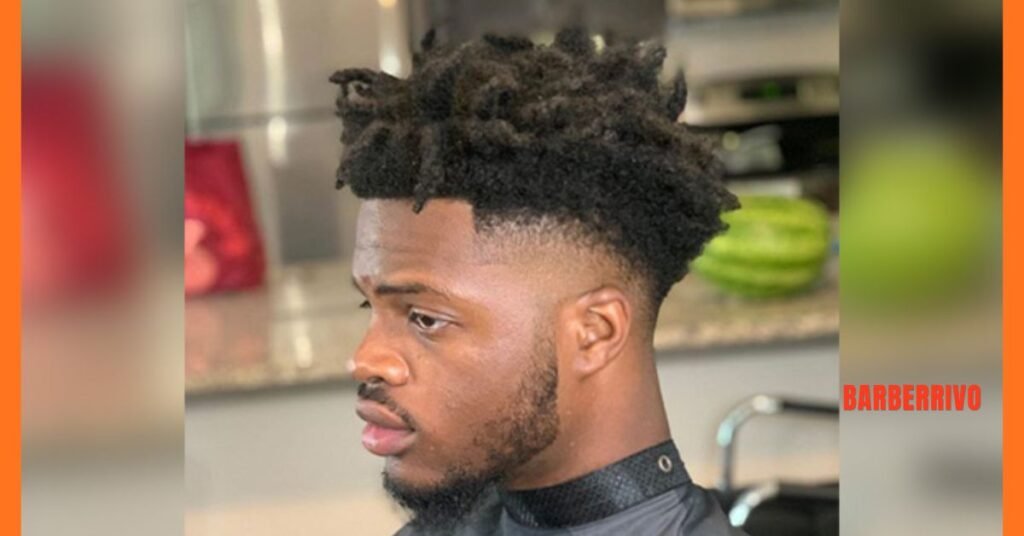
A drop fade black men style curves downward behind the ear instead of following a straight line around the head. This creates a distinctive arc shape that pairs beautifully with waves, twists, and curly textures. It’s a favorite among guys who want something that looks a little different from the standard straight fade.
The curve itself isn’t just decorative. It actually follows the natural shape of the skull more closely than a straight fade line does, which is why so many barbers recommend it for guys with fuller or rounder head shapes. Pair it with twists or curls on top, and you get one of the more eye-catching fade haircut ideas on this entire list.
Burst Fade Haircuts
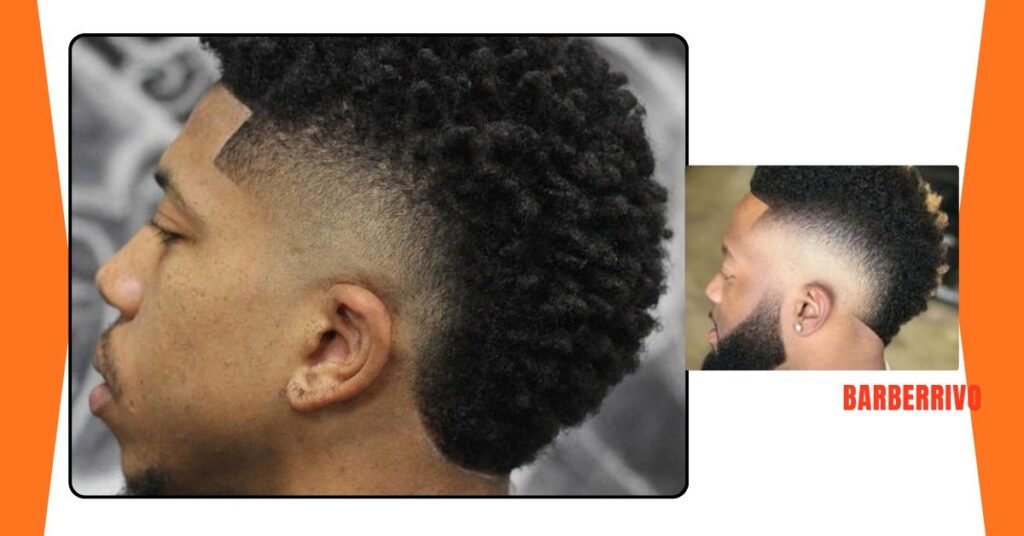
The burst fade black men cut circles around the ear in a rounded shape, almost like a burst of light. It’s a go-to choice for mohawks, faux hawks, and other styles where the top hair needs a dramatic frame. This cut tends to draw the eye upward, making the top style the real star of the show.
Guys with twists, sponge curls, or a small mohawk strip often gravitate toward this shape because it complements the vertical lines running through the top hair. It’s a bit more advanced than a standard fade, so it’s worth seeking out a barber with real experience shaping this specific curve.
Afro Fade Haircuts
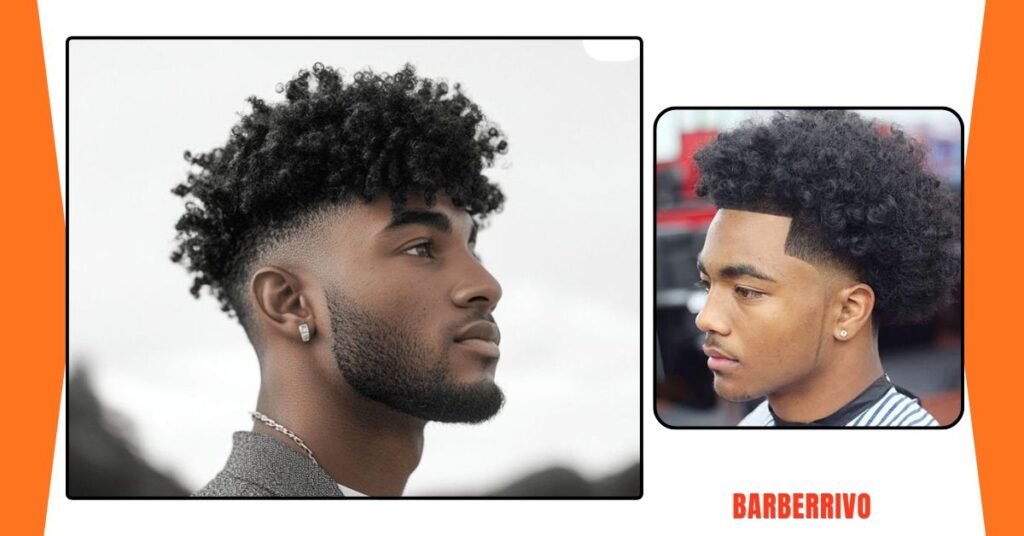
An afro fade haircut keeps the natural volume and shape of an afro on top while fading the sides down to a clean finish. This combo has become one of the most requested looks in recent years because it celebrates natural texture while still keeping things tidy and structured.
This pairing has grown into one of the more meaningful trends among black men fade styles, since it represents a shift toward embracing natural texture instead of always cutting it short or chemically altering it.
The contrast between the full, rounded top and the crisp fade underneath creates a balanced, confident look that works just as well in a casual setting as it does dressed up for a formal occasion.
Fade Haircuts Paired with Texture and Hair Type
Your natural hair texture plays a huge role in how a fade turns out. What looks amazing on straight hair might not translate the same way on coils or curls, and that’s perfectly fine. Black hair comes in so many textures, and fades are flexible enough to work with nearly all of them.
This section covers how fades pair with the textures most common among Black men, so you can walk into the barbershop already knowing what to ask for.
One veteran barber put it simply during a recent interview about fade maintenance: “The cut is only half the job. What happens to that hair afterward, the brushing, the products, the sleep habits, decides whether it still looks fresh a week later.” That advice applies to every texture pairing below, so keep it in mind as you read through your options.
Fades with Waves
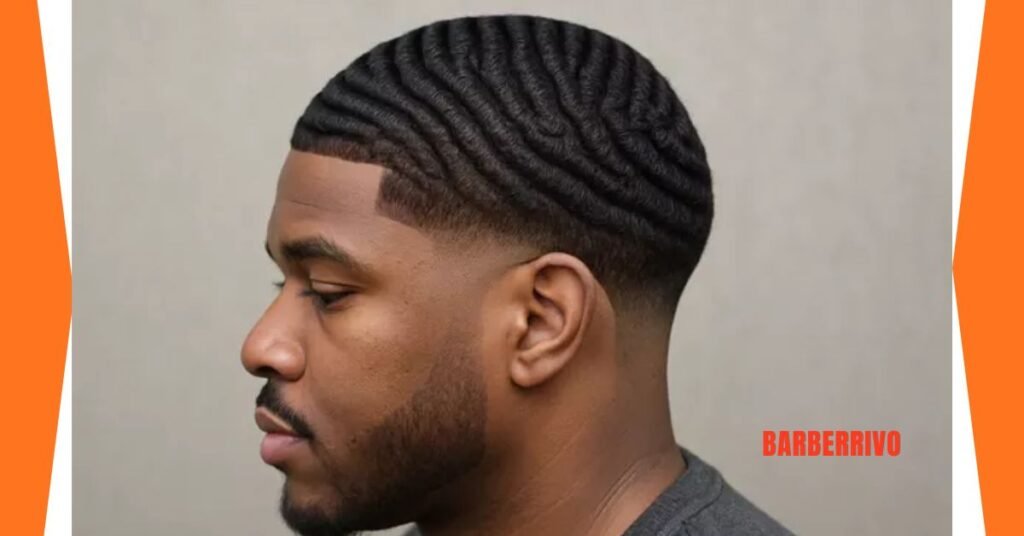
Waves with fade might be the most iconic combination on this entire list. The fade keeps the sides sharp and out of the way, letting the wave pattern on top shine without interference. Guys who “run waves” usually keep a low or mid fade so the pattern isn’t disrupted by clipper work higher up.
To keep waves crisp, brushing daily and wearing a durag at night both matter. The fade does its job by framing the waves, but the real magic happens with consistent brushing.
Building strong waves takes patience, sometimes months of consistent brushing before the pattern really locks in. A fresh low fade black men trim every couple of weeks keeps the sides from growing out and disrupting the wave direction near the crown, which is often the trickiest spot to train.
Fades with Curly or Kinky Hair
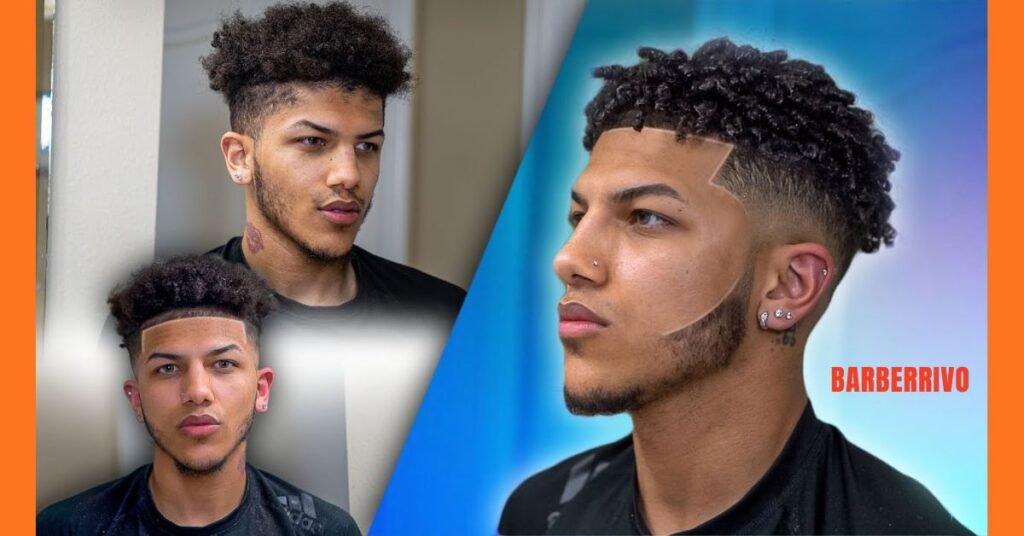
A curly fade haircut black men style lets natural curl pattern take center stage. The fade trims away bulk on the sides, which actually helps curls look more defined on top since there’s less competition for visual attention. This pairing works at any fade height, though a mid or high fade tends to show off curls the most.
Some guys prefer a high top fade, where the curls sit tall and full above a sharply faded side. Others go for a shorter, tighter crew cut fade if they want less styling time in the morning. Both options fall under this same curly-hair family, and the right pick usually comes down to how much time you’re willing to spend styling before you walk out the door.
Fades with Twists
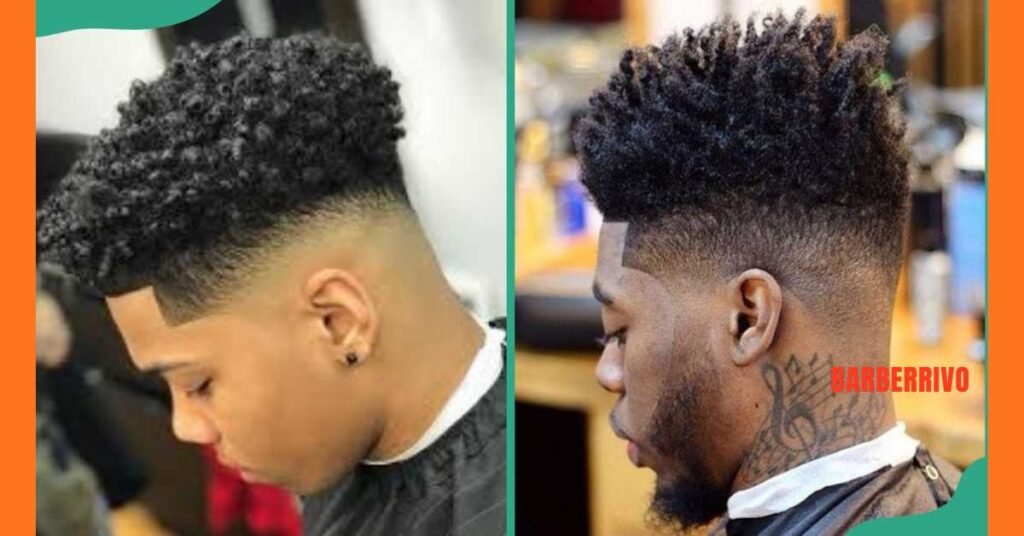
Fade with twists combinations have exploded in popularity, and it’s easy to see why. Twists add texture and personality, while the fade keeps everything grounded and neat. A drop fade or burst fade often complements twists particularly well, since the curved shape echoes the twisted pattern on top.
A sponge twists fade deserves a special mention here, since it’s become one of the fastest ways to get defined, uniform twists without waiting hours in the chair. A sponge tool creates the twist pattern quickly, and pairing it with a mid or low fade gives a clean, put-together finish in a fraction of the usual styling time.
Fades with Dreadlocks
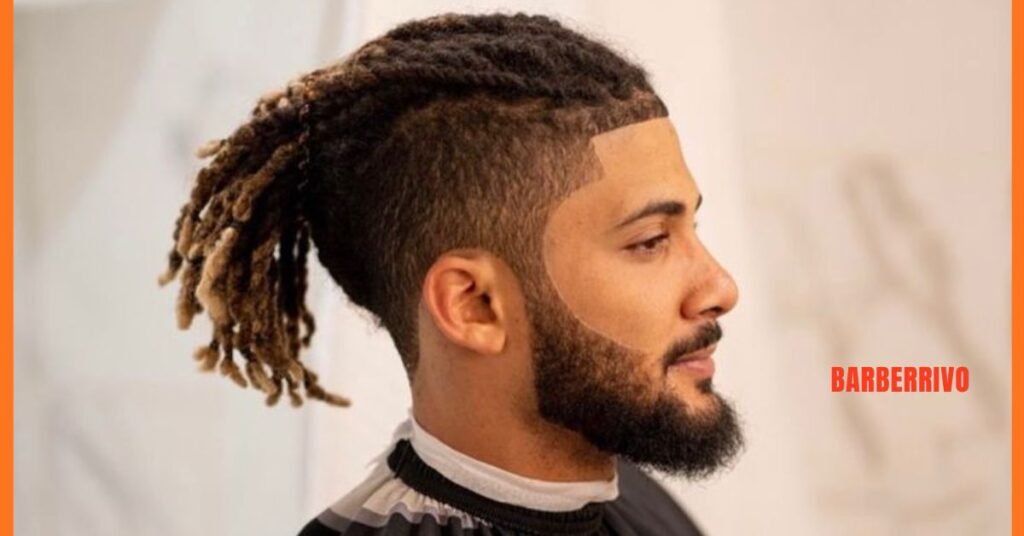
A fade with dreadlocks look, sometimes called a dreadlock fade, blends short sides into longer locs on top. This is a low-maintenance option for guys growing out locs who still want sharp, defined sides.
Faded cornrows and undercut dreadlocks fall into this same family, each offering a slightly different balance between length and structure.
Take a real example. A client growing his locs for over a year still wanted to look sharp for work every day. His solution was a low fade refreshed every three weeks, paired with retwisted roots.
The result kept him looking polished without ever having to cut the length he’d worked hard to grow. This kind of practical thinking is exactly why the dreadlock fade has stuck around as one of the more requested combinations at barbershops that specialize in natural hair.
Fades with a Full Beard
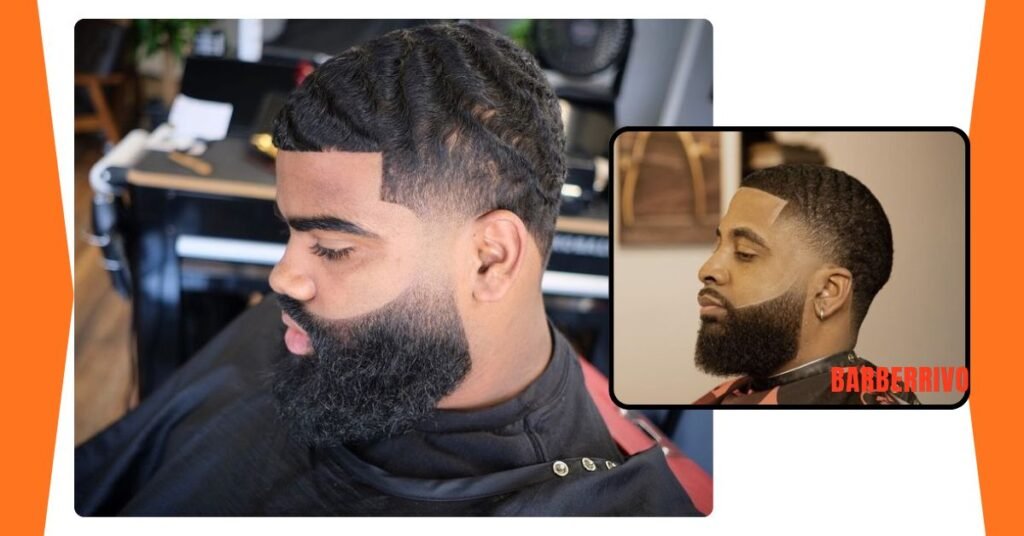
Beard fade black men styles pair a well-groomed beard with a fresh haircut for a complete, put-together look. The fade height actually affects how the beard blends into the sideburns. A lower fade gives a smoother, more gradual connection, while a skin fade creates sharper contrast between the beard and the bare skin near the ear.
Getting this combination right usually takes a bit of back and forth with your barber, especially the first time. Ask them to blend the sideburn area last, after the main fade is finished, so the beard connection looks intentional rather than like an afterthought. Regular beard trims between haircuts also keep the whole look sharp, since an overgrown beard can throw off an otherwise perfect fade.
Bold and Creative Fade Variations
Not every guy wants to play it safe, and that’s exactly what this section is for. These styles push a little further, mixing fades with dramatic top shapes and detailed shaved patterns.
If you’re the type who likes to stand out at a party or make a statement in photos, these variations give you plenty of room to experiment without losing the clean structure a fade provides.
Mohawk and Faux Hawk Fades
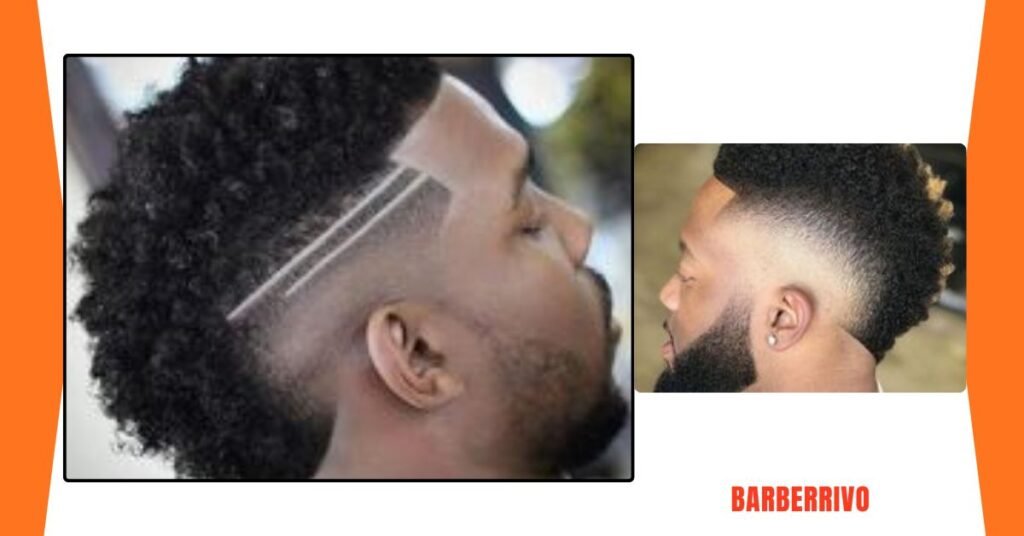
A mohawk fade shaves the sides down completely, leaving a strip of taller hair running down the center. It’s dramatic, bold, and impossible to miss. A frohawk swaps the strip for natural curls or an afro texture down the middle, which softens the look slightly while keeping the same striking silhouette.
If a full mohawk feels like too much, a faux hawk fade offers a gentler version. The sides stay short but not shaved bare, and the top gets styled upward without the extreme height of a true mohawk. Both versions rank among the most photographed trendy fade haircut styles online, largely because they translate so well into portrait shots and short video clips.
Flat Top Fades
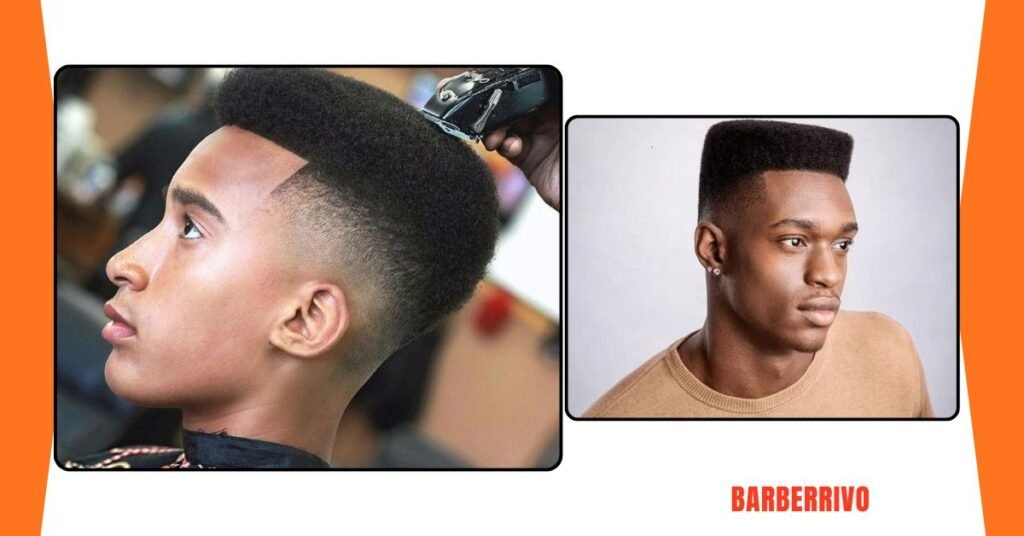
The flat top brings back a retro shape with a modern twist. The top gets cut into a perfectly flat, boxy shape, while the sides fade away underneath. This look works especially well with thicker, coarser hair textures that can hold the flat shape without much product.
Keeping the top perfectly level takes real skill with clippers and a flat top comb, so this isn’t the easiest style for a barber still building experience. Once it’s done right, though, it holds its shape for days with just a light touch of pomade in the morning, making it surprisingly practical despite how striking it looks.
Fades with Line-Ups and Shaved Designs
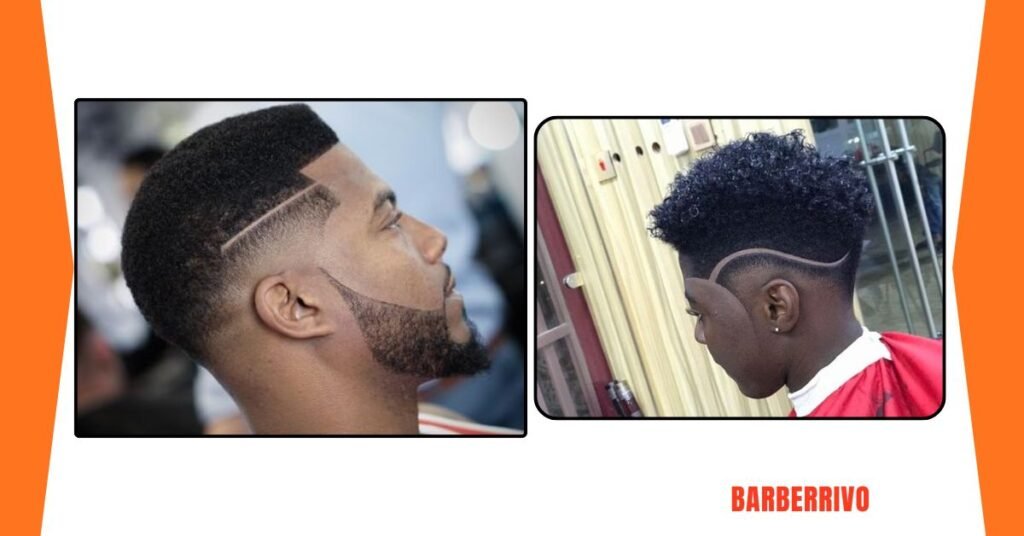
An edge up haircut, also called a line up with fade, sharpens the hairline into crisp, straight edges around the forehead and temples. This detail alone can transform an ordinary fade into something that looks fresh out of the chair. Some guys take it further with shaved lines, geometric patterns, or diagonal designs cut directly into the fade for extra flair.
How to Choose the Right Fade for Your Face and Hair
With so many options, picking the right one can feel overwhelming. The good news is that a few simple rules narrow things down fast. Face shape, hair texture, and lifestyle all point toward certain styles more than others, so you don’t have to guess blindly.
Think of this section as your decision-making shortcut. Once you know your face shape and how much time you’re willing to spend on upkeep, the right fade becomes obvious.
Take a moment to think honestly about your daily routine too. Do you have five minutes to style your hair in the morning, or forty-five? Are you comfortable with people noticing regrowth after a week and a half, or do you want something that stays sharp for nearly a month? These questions matter just as much as face shape when it comes to picking from the huge range of popular black men’s haircuts available today.
Matching a Fade to Your Face Shape
Round faces tend to look longer and sharper with a high fade, since the added height balances out the roundness. Square faces often benefit from a low fade, which softens strong jawlines instead of emphasizing them further. Oval faces are the lucky ones here, since almost any fade height works well without major adjustments.
Here’s a simple reference table you can screenshot before your next appointment:
| Face Shape | Recommended Fade | Why It Works |
| Round | High fade | Adds height, creates length |
| Square | Low fade | Softens strong jaw angles |
| Oval | Any height | Naturally balanced proportions |
| Long | Mid fade with fuller top | Adds width, breaks up length |
| Diamond | Mid or low fade | Balances narrow chin and forehead |
Matching a Fade to Your Hair Texture
Thick, coily hair holds shape well, making it a great match for high tops, afros, and flat top fades. Looser curls or wavy textures often look best with lower fades that let the natural pattern flow without too much contrast. If your hair is finer or thinner, a taper fade tends to look fuller and more balanced than a stark skin fade.
Choosing a Fade Based on Lifestyle and Maintenance
Be honest about how often you can actually get to the barbershop. A skin fade or high fade needs a touch-up every one to two weeks to stay sharp. If your schedule is packed, a low fade or taper fade stretches to two or three weeks before it starts looking rough around the edges. This single decision saves a lot of frustration down the road.
How to Talk to Your Barber About a Fade
Even the best barber can’t read your mind. Clear communication is the difference between walking out thrilled and walking out disappointed. This section breaks down exactly how to explain what you want, using the same language barbers use every day.
Knowing a few key terms and bringing the right visual reference puts you and your barber on the same page before the clippers even turn on.
As one barber explained to a first-time client during a consultation: “Tell me the guard number if you know it, show me a photo, and point to exactly where you want the fade to start. Those three things save us both a lot of guessing.” That kind of clear, specific communication is what separates a satisfying haircut from a frustrating one.
Guard Numbers and Fade Height Explained
Clipper guards are numbered, and each number corresponds to a specific length. A number one guard leaves hair very short, close to the skin, while higher numbers like a four or five leave noticeably more length. Here’s a simple breakdown:
| Guard Number | Approx. Length | Common Use |
| 0 (bald) | Skin-close | Skin fades, bald fades |
| 1 | 1/8 inch | Very short sides |
| 2 | 1/4 inch | Standard fade blend point |
| 3 | 3/8 inch | Mid-length transition |
| 4-5 | 1/2 to 5/8 inch | Top length, low fades |
Learning even a few of these numbers helps you explain exactly how short you want the sides before the blend begins.
It also helps to describe the fade line itself. Ask specifically for a hairline lineup if you want crisp, straight edges around your forehead, or mention that you want a blended fade if you prefer no visible lines at all between lengths. Barbers hear these terms constantly, so using them correctly signals that you know what you’re asking for, which usually leads to a smoother, faster appointment overall.
Bringing the Right Reference Photo
A photo is worth a thousand words, but only if it actually matches your hair type and face shape. Bringing a picture of a guy with straight hair won’t translate the same way onto coily or curly hair. Look for reference photos of people with similar textures and similar face structures to your own for the most accurate result.
Finding a Barber Who Specializes in Black Hair
Not every barber has deep experience with Black hair textures, and that’s okay to acknowledge upfront. Look through a barber’s portfolio before booking, paying close attention to how they’ve handled curl patterns similar to yours. A barber who specializes in black male hairstyles will understand how the hair behaves during cutting, growth, and styling, which makes a noticeable difference in the final result.
How to Maintain a Fade Between Cuts
A fresh cut looks incredible on day one, but keeping that sharpness requires a bit of ongoing effort. This section covers the routines and products that stretch the life of your fade, so you’re not rushing back to the barbershop every single week.
Good maintenance isn’t complicated. It just takes a few consistent habits woven into your regular grooming routine.
Think of maintenance the same way you’d think about caring for a nice pair of shoes. A little regular attention keeps things looking new far longer than waiting until they’re already worn down. The same logic applies here. A few minutes each morning spent on brushing, moisturizing, or touching up your edges pays off far more than one big effort right before your next barbershop visit.
How Often Black Hair Needs a Fade Touch-Up
Black hair often grows in a way that shows regrowth quickly near the hairline and fade line, even if overall growth speed is average. High and skin fades typically need attention every one to two weeks. Lower fades and tapers can usually stretch to two or three weeks before the blend starts looking uneven.
This is worth remembering before committing to a bold, dramatic style. A guy with a demanding job or a tight budget might find that a high-maintenance skin fade quickly becomes a hassle, even if he loves how it looks on day one. Planning ahead for this reality is part of what separates a haircut you love for a week from one you love for months.
Products That Keep Curls and Fades Sharp
A soft-bristle brush works wonders for spreading natural oils and keeping curls defined between cuts. A lightweight cream adds a bit of hold without weighing hair down, while a water-based pomade gives shine and control for waves or a textured top fade. Building a small rotation of these products into your grooming routine keeps everything looking fresh daily, not just right after a barber visit.
Home Touch-Ups vs. a Full Barber Reset
Small edge touch-ups at home, using a quality trimmer and some edge control gel, are usually safe between visits. However, attempting a full fade at home is risky without proper training, since blending requires a steady, practiced hand. Save the full barbering techniques for your barber and stick to minor cleanups yourself.
A good rule of thumb: if you can see the change in a mirror without moving your head much, it’s probably safe to touch up yourself. If you’d need to check multiple angles or blend across a large area, that’s a sign to book a professional instead. This simple test has saved plenty of guys from turning a small fix into a much bigger problem.
Keeping Waves Intact Under a Fade
If you’re chasing 360 waves, brushing twice daily helps train the pattern while the fade keeps the sides from disrupting it. Wearing a durag at night locks in progress, and a light pomade adds just enough hold to keep the pattern sharp through the day.
Common Mistakes to Avoid with Fade Haircuts
Even a great style can go wrong with a few small missteps. This final practical section covers the mistakes that come up most often, so you can dodge them entirely.
Most of these errors are easy to avoid once you know what to watch for, and a little awareness goes a long way toward keeping your cut looking its best.
Most of these mistakes come from rushing, either rushing to book the cheapest barber available or rushing to touch things up at home without the right tools. Slowing down just slightly at each step, from choosing a shop to scheduling your next visit, prevents almost every issue on this list.
Choosing the Wrong Fade Height for Your Face Shape
Going too high on a round face, or too low on an already soft jawline, can throw off your overall proportions. Always circle back to the face shape guidance earlier in this guide before committing to a dramatic height change.
It also helps to ease into a new height gradually rather than jumping straight from a low fade to a dramatic skin fade in one sitting. Ask your barber to go one step bolder each visit instead. This gives you time to see how the new height suits your face before fully committing.
Skipping the Line-Up
A fade without a sharp hairline looks unfinished, no matter how clean the blend is. The lineup frames the entire face and pulls the whole look together, so never skip this final step.
Re-Fading at Home with the Wrong Guard
Grabbing the wrong clipper guard at home can undo weeks of careful barber work in seconds. If you’re not confident about the exact guard number your barber used, stick to trimming stray hairs only and leave the full blend to the professionals.
Write down the guard numbers your barber uses after each visit, or simply take a photo of the clipper settings if your shop allows it. This small habit removes the guesswork entirely and makes any future touch-ups, whether at home or with a new barber, far more accurate.
FAQs About Fade Haircuts for Black Men
What is the most popular fade for Black men right now?
The low taper fade black male style remains one of the most requested cuts, thanks to its versatility and low upkeep compared to higher fades.
What’s the best fade haircut for curly hair?
A mid fade or curly fade haircut black men combo works well, since it keeps curls full on top while trimming bulk on the sides.
Do fade haircuts work for every face shape?
Yes. Adjusting the fade height, higher for round faces and lower for square faces, makes almost any fade suitable for any face shape.
What’s the difference between a taper and a fade haircut for men?
A taper leaves some length near the ears and neck, while a true fade haircut for men blends all the way down to the skin in most cases.
How often should I get a fade touched up?
High and skin fades need touch-ups every one to two weeks, while lower fades and tapers can stretch closer to three weeks.
Can I get a fade at any hair length?
Yes. As long as there’s enough length up top to work with, a barber can blend a fresh fade haircut into short curls, a medium afro, twists, or even longer locs.
Is a fade good for a first haircut appointment at a new barbershop?
Definitely. It’s a great test cut since it shows off a barber’s blending skill quickly, and it gives you a clear sense of whether they understand your specific hair texture before you commit to anything more complex.
What should I ask for if I don’t know any technical terms?
Simply describe the look you want in plain language, point to a reference photo, and let the barber suggest the right guard numbers. A good barber will translate your description into the technical details without making you feel out of place.
Conclusion
Finding the right style among types of fades for black men really comes down to your face shape, your hair texture, and how much upkeep fits your schedule. With so many stylish fade hairstyles to choose from, there’s a version of this cut for every personality and every occasion, so don’t be afraid to try something new at your next appointment.
At the end of the day, a great fade comes down to three things working together: the right height for your face, a barber who understands your hair texture, and a maintenance routine you’ll actually stick to. Get those three pieces right, and you’ll have a cut that looks sharp whether you’re heading to work, a wedding, or just a regular Tuesday. Bookmark this guide, bring the reference tables to your next appointment, and enjoy the confidence that comes with a fresh, well-blended fade.

Ryan Carter is a men’s grooming writer who covers haircuts, hairstyles, beard care, and barbering trends. He shares practical style advice and grooming tips to help men look sharp and stay confident.