40 Best Low Taper Fade Haircuts & Styling Ideas for Men
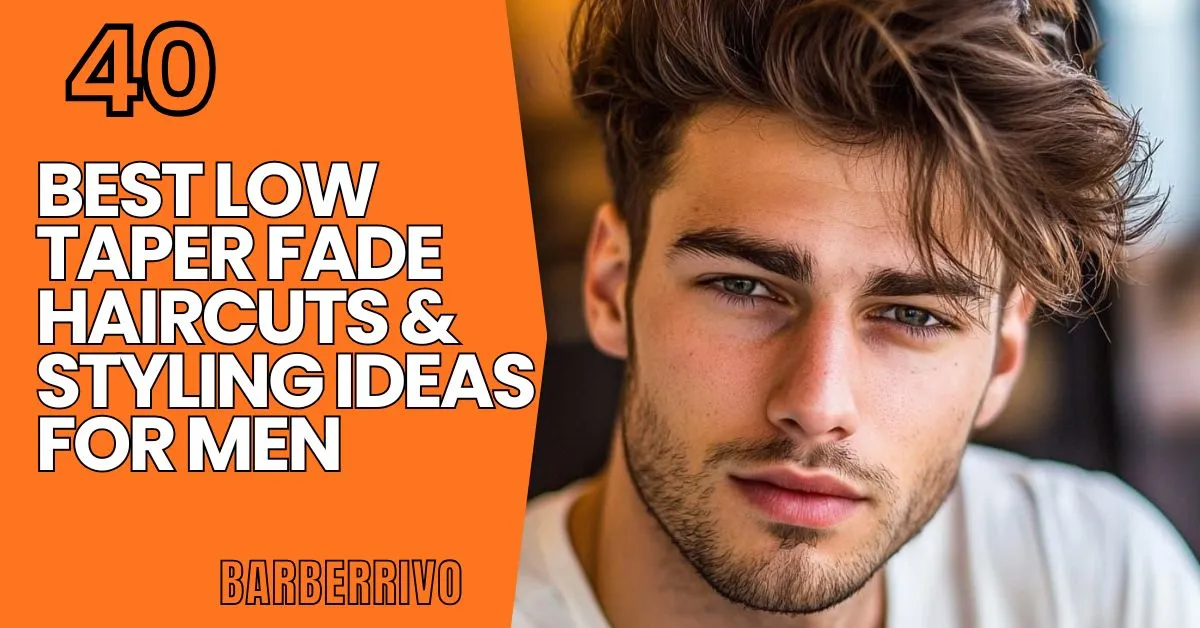
Every guy wants a haircut that just works. It should look sharp at the office. It should hold up at a wedding. And it shouldn’t take an hour to style every morning. That’s exactly why the low taper fade haircut has become the go-to choice for men around the world.
This guide walks you through everything. You’ll learn what a low fade haircut actually is, how it compares to other fades, and how to pick the right version for your face and hair type. Then we’ll look at 40 real styling ideas, from a classic taper fade to bold designs. By the end, you’ll know exactly what to say in the chair during your next barber consultation.
What Is a Low Taper Fade?
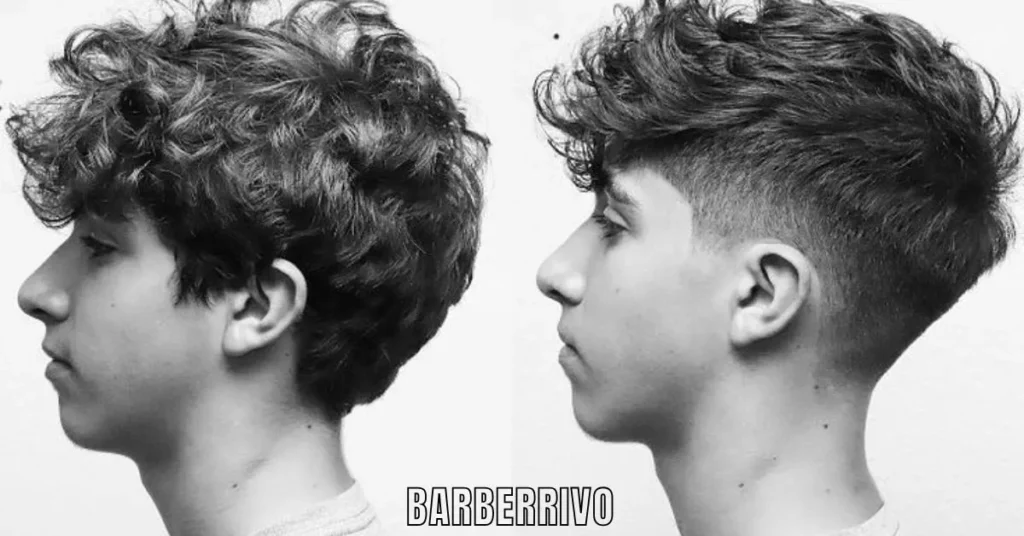
A low taper fade is a tapered haircut where the fade starts just above the ears, not up near the temple or crown. The hair shortens gradually as it moves down toward the neckline, creating a smooth, natural looking fade instead of a harsh line. It’s one of the most requested cuts at any barber shop hairstyle menu today because it works on almost anyone.
Think of it like a gentle slope instead of a cliff. The top stays fuller and longer, while the sides and back taper down slowly. This gradual hair transition is what makes the style feel so wearable. It doesn’t scream for attention. It just looks clean, put-together, and quietly stylish.
How a Low Taper Fade Works
The barber fade technique behind this cut relies on clippers with different guard sizes. Your barber starts with a longer guard near the top of the fade zone, just above your ears. Then, they switch to shorter guards as they move down toward your neckline. This creates that smooth hair blending technique where you can’t spot where one length ends and the next begins.
Because the fade starting above ears is lower than other fade types, less hair gets removed overall. That means the transition feels soft rather than sharp. Barbers often finish with clipper-over-comb work or shears to blend the top hair into the faded sides. The result is a clean neckline, tidy edges around the ears, and a top section that can be styled in dozens of ways.
Benefits of a Low Taper Fade
There’s a reason barbers recommend this cut to almost every client who’s unsure what to get. It’s flexible. It’s easy to grow out. And it never looks messy, even a few weeks after your last visit.
Here’s a quick breakdown of what makes it worth trying:
| Benefit | Why It Matters |
| Low maintenance haircut | Grows out evenly, so you don’t need weekly touch-ups |
| Works with any face shape | Softens angles or adds definition depending on your features |
| Suits every hair texture | Curly, straight, wavy, or coily hair all take the fade well |
| Professional haircut for men | Conservative enough for office dress codes |
| Pairs with any top style | Buzz cut, pompadour, curls, or long hair all work |
This combination of ease and style is exactly why it remains a trendy men’s hairstyle season after season, not just a passing fad.
Who Should Get a Low Taper Fade?
Honestly, almost anyone can wear this cut. But it’s especially great if you’re new to fades and don’t want anything too dramatic. First-timers often worry that a fade will look too bold or hard to manage. The low version removes that worry completely.
It’s also ideal if you work somewhere with a strict dress code. Since the fade sits low and stays subtle, it reads as a stylish haircut for work rather than something edgy. Students, professionals, and anyone who wants a versatile men’s haircut that transitions from Monday meetings to Saturday nights will find this style fits the bill.
Low Taper Fade vs Other Fade Haircuts
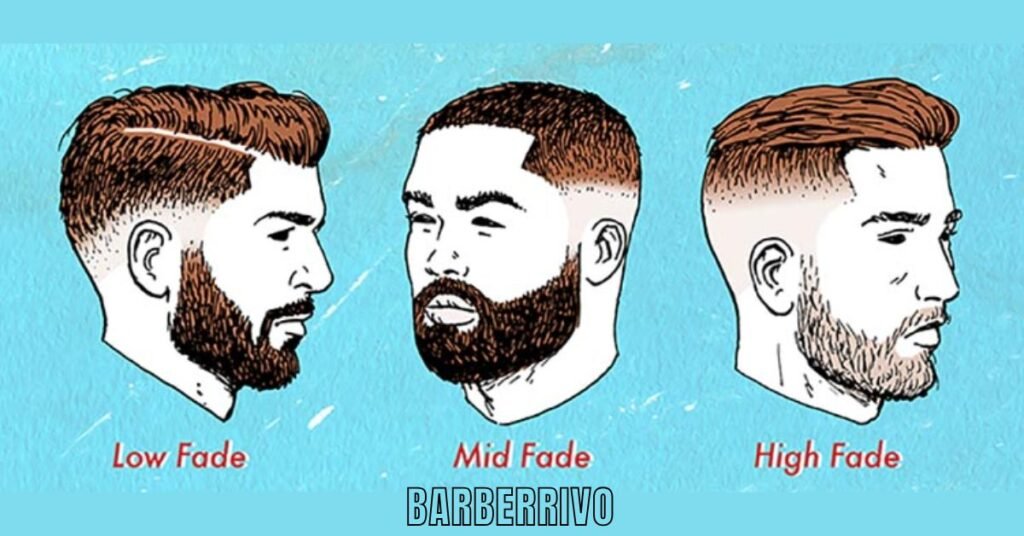
Not sure if a low fade is really the right pick? It helps to see how it stacks up against other popular fades. Each type creates a different vibe, and the starting point of the fade changes everything about how bold or subtle the final look feels.
Below, we compare the low taper fade against three other common options. This should make your next barber consultation a lot easier, since you’ll know exactly which words to use.
Low Taper Fade vs High Taper Fade
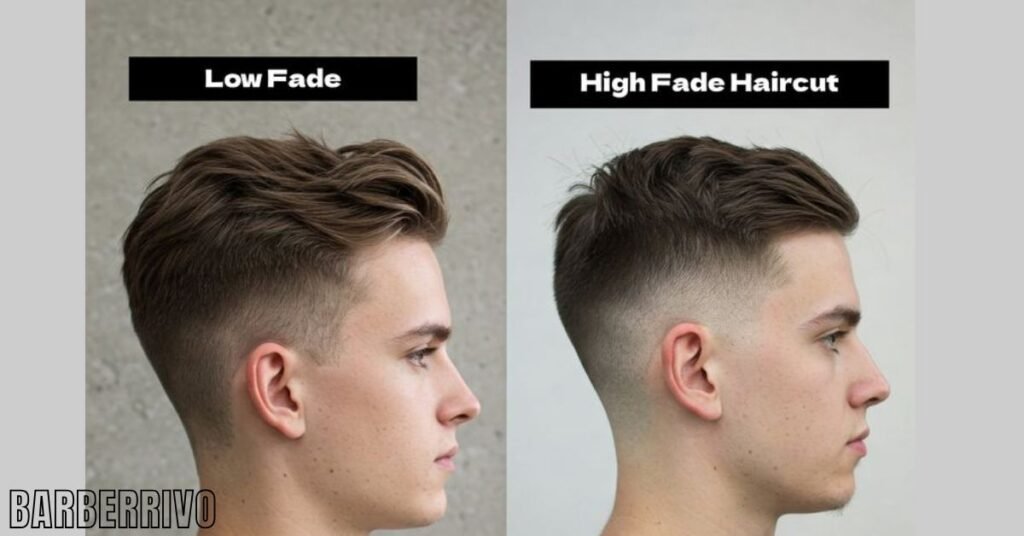
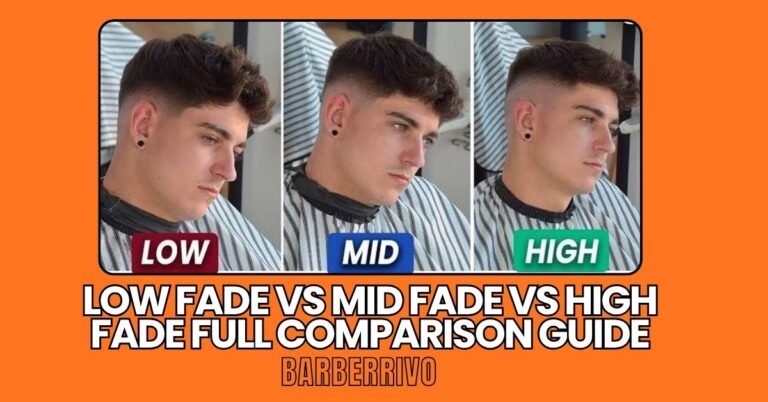
The low taper fade vs high taper fade debate usually comes down to boldness. A high fade starts much further up the head, sometimes near the crown, and creates a sharp, dramatic contrast between the top and sides. A low fade, on the other hand, starts just above the ear and keeps things understated.
| Feature | Low Taper Fade | High Taper Fade |
| Starting point | Just above the ears | Higher, near the temple or crown |
| Overall look | Subtle and natural | Bold and eye-catching |
| Best for | Professional settings, first-timers | Trendy, statement styles |
| Maintenance | Grows out slowly and evenly | Needs more frequent trims |
If you want something safe and easy to manage, go low. If you want people to notice your haircut from across the room, go high.
Low Taper Fade vs Mid Taper Fade
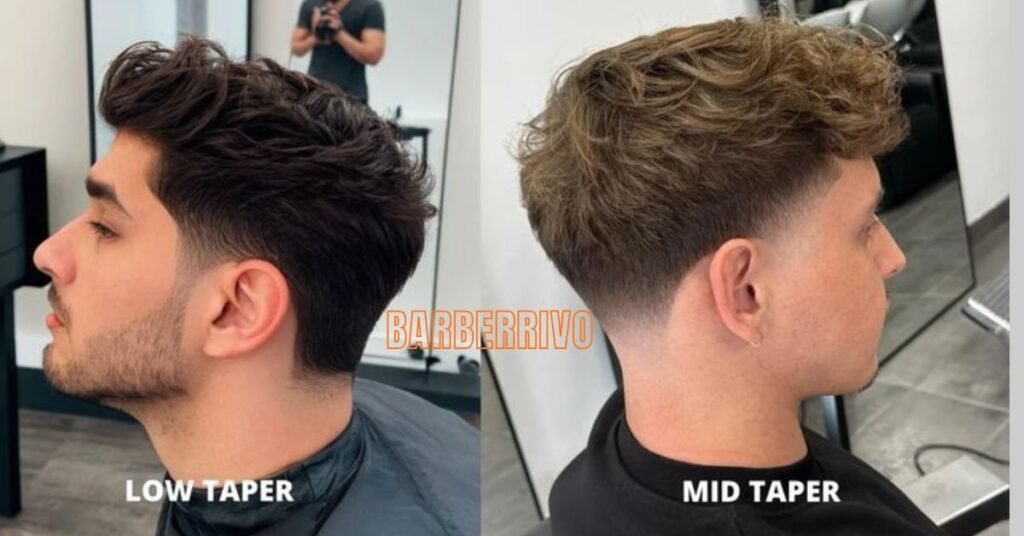
A mid fade splits the difference. It starts around the temple area, which is higher than a low fade but lower than a high fade. This makes it a nice middle ground for guys who want a bit more contrast without going full drama.
Compared to a mid fade, the low taper fade feels more relaxed and blends more gently into your natural hairline. A mid fade tends to show a bit more skin or short hair near the sides, giving it slightly more visual punch. Both are great modern taper fade options, but your choice really depends on how much contrast you’re after.
Low Taper Fade vs Skin Fade
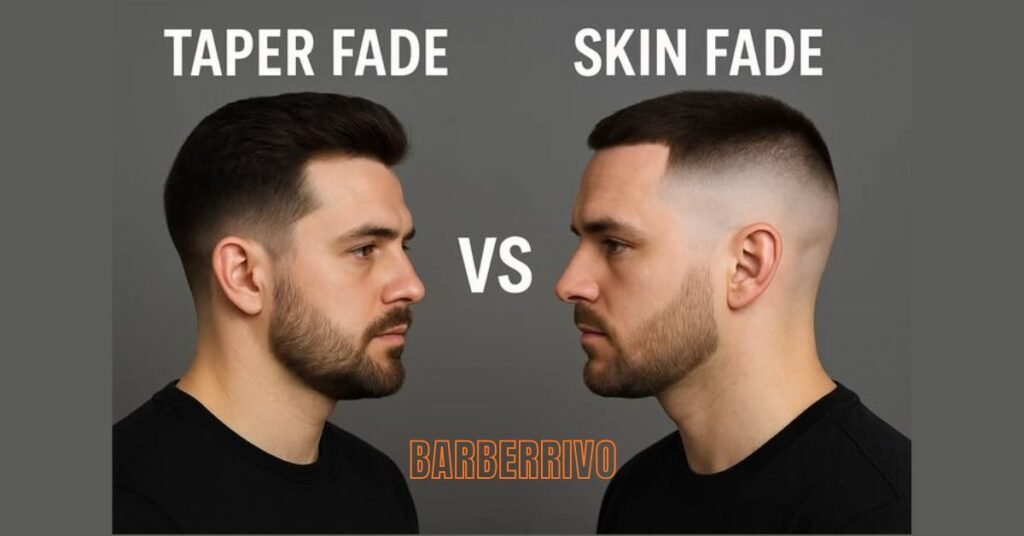
This is one of the most searched comparisons, and for good reason. A skin fade haircut cuts hair down to the skin at some point during the fade, creating a stark, high-contrast finish. A taper fade haircut, including the low version, never goes fully bare. It always leaves a bit of length, even at its shortest point.
So when people ask about taper fade vs skin fade, the real answer comes down to boldness versus subtlety. A skin fade is sharper and needs more frequent barber visits to stay crisp. A low fade vs taper fade comparison isn’t quite right either, since a low fade is simply a specific type of taper fade. The low taper keeps things soft, natural, and far easier to maintain between cuts.
Low Taper Fade vs Drop Fade
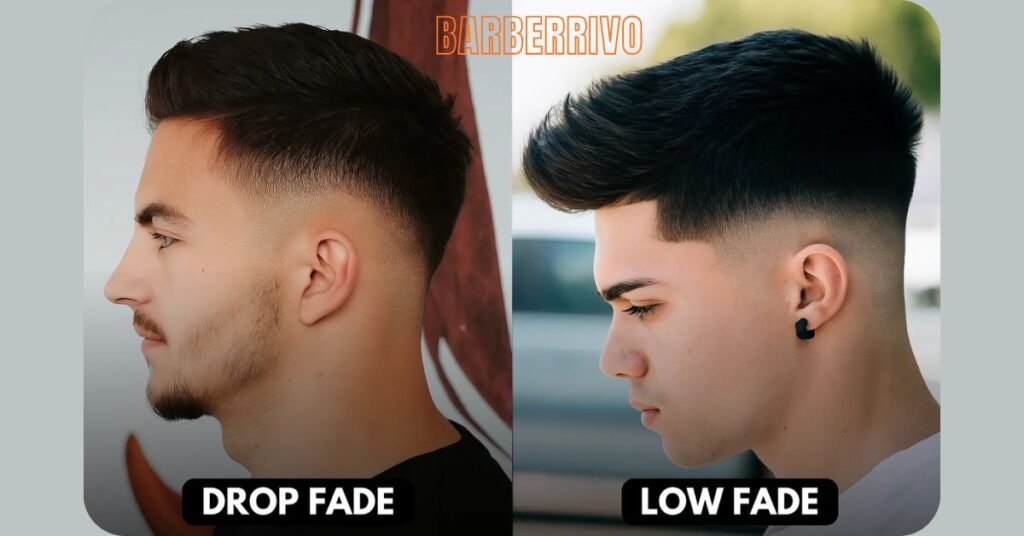
A drop fade curves downward behind the ear, following the natural shape of your skull instead of staying in a straight horizontal line. This creates a distinct silhouette that some men love for its unique shape.
A standard low taper fade keeps a more consistent, straight line as it tapers down. The drop fade version adds a bit more personality and works especially well with curly or textured hair on top, since the curved line frames the head differently. Both are excellent choices, but the drop fade leans slightly more creative.
40 Best Low Taper Fade Haircuts for Men
Now for the fun part. Below are 40 ways to wear a low taper fade haircut, covering every hair type, texture, and personal style. Whether you have low taper fade curly hair, straight strands, or an afro, there’s something here for you. Try a few reference photos from this list at your next appointment.
Classic Taper Fade
The classic taper fade never really goes out of style. It keeps the top hair a moderate length, combed neatly to one side or straight back, while the sides fade smoothly down. It’s the safest, most polished option, and it works with nearly every outfit and occasion.
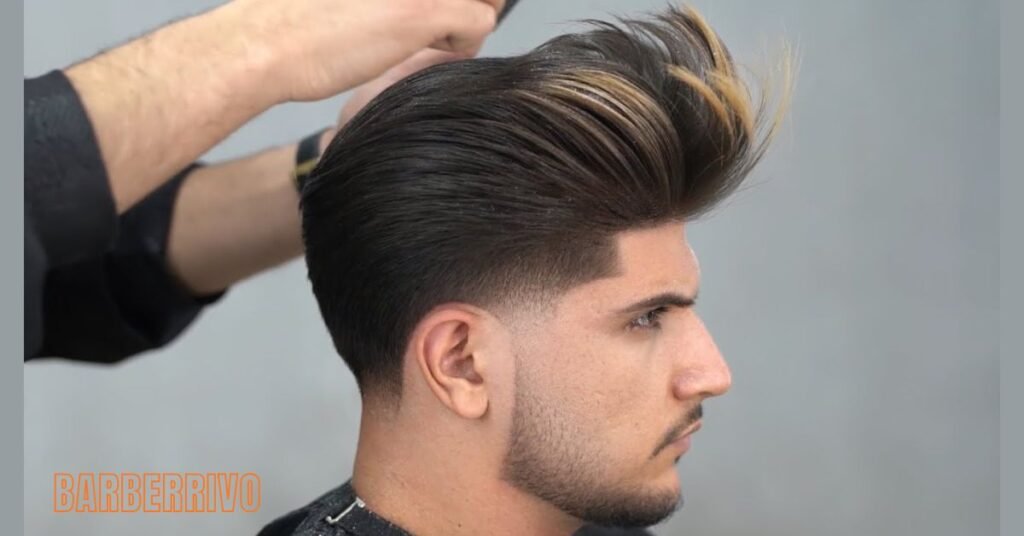
Low Taper Fade with Curly Hair
Curls add natural volume and texture up top, which pairs beautifully with the smooth taper below. This low taper fade curly hair combo lets your curls shine while keeping the sides tidy. A little curl cream in the morning keeps the shape defined all day.
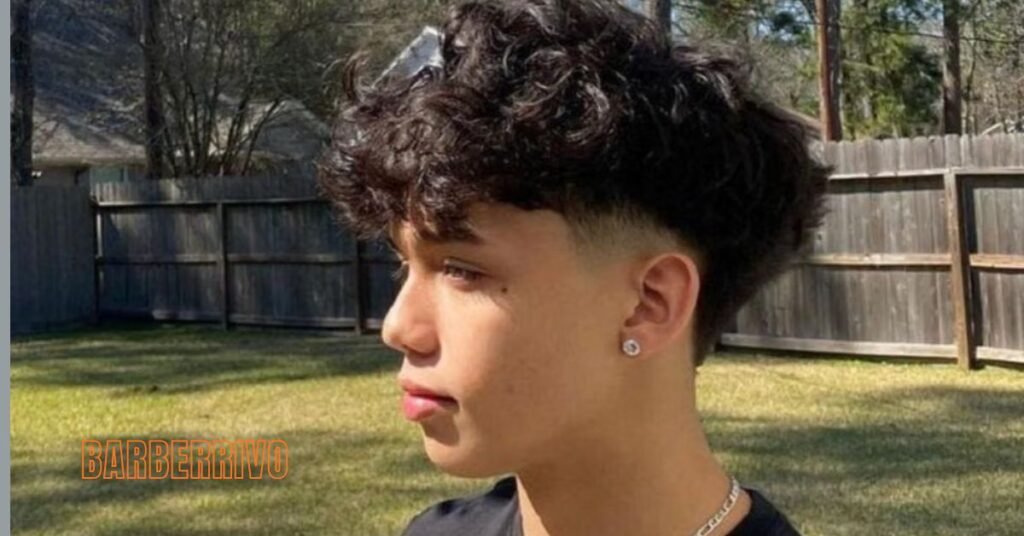
Low Taper Fade with Straight Hair
Straight hair gives this cut a sleek, polished finish. The low taper fade straight hair version often looks best with a side part or slight forward sweep. It’s an easy style to maintain since straight strands rarely need much product to stay in place.
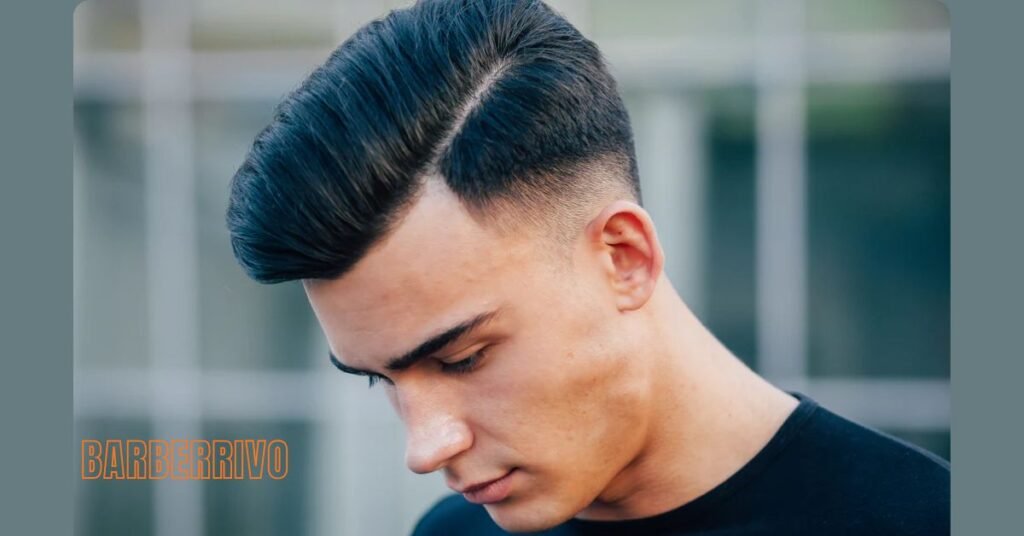
Low Taper Fade with Wavy Hair
Waves bring natural movement without looking messy. A low taper fade wavy hair style often gets styled with a light pomade to enhance the wave pattern instead of flattening it. This gives your hair a relaxed, beachy feel up top while staying sharp on the sides.
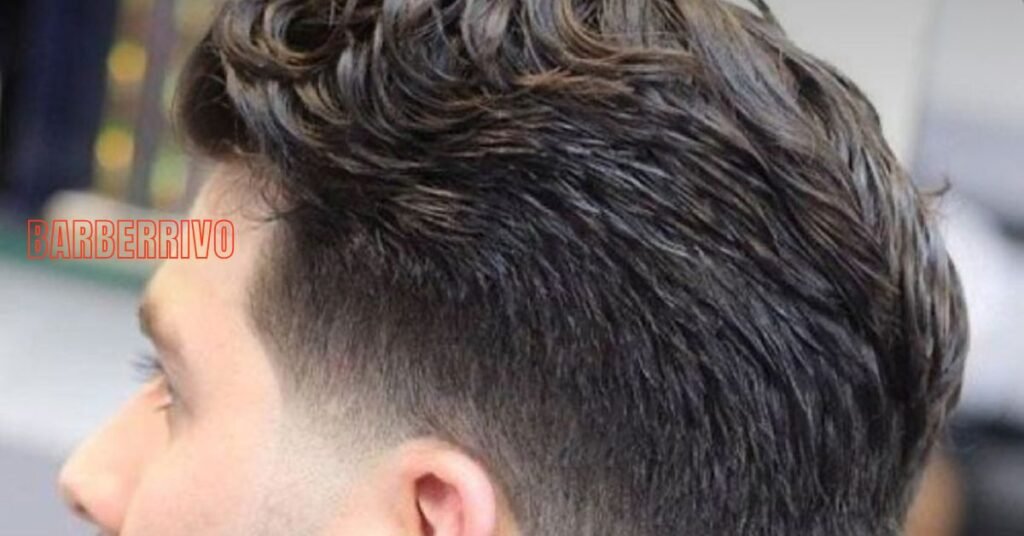
Low Taper Fade with Fluffy Hair
Fluffy, voluminous hair on top contrasts nicely with the neat, faded sides. This look works especially well for men with thicker hair who want extra height and texture without going too formal.
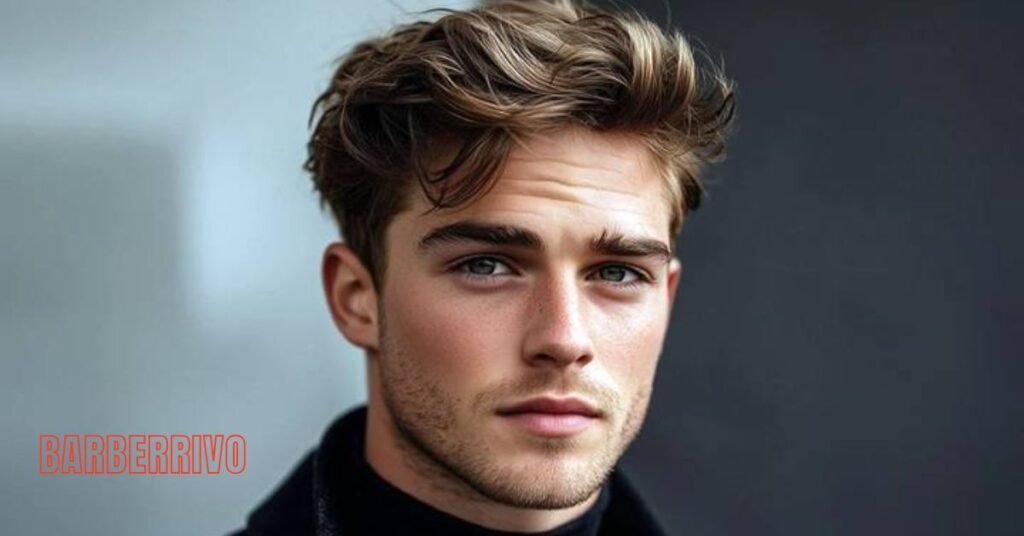
Low Taper Fade with Long Hair
Longer hair on top gives you more styling freedom. You can slick it back, let it fall naturally, or even tie it up. The fade underneath keeps everything grounded and prevents the look from feeling unkempt.
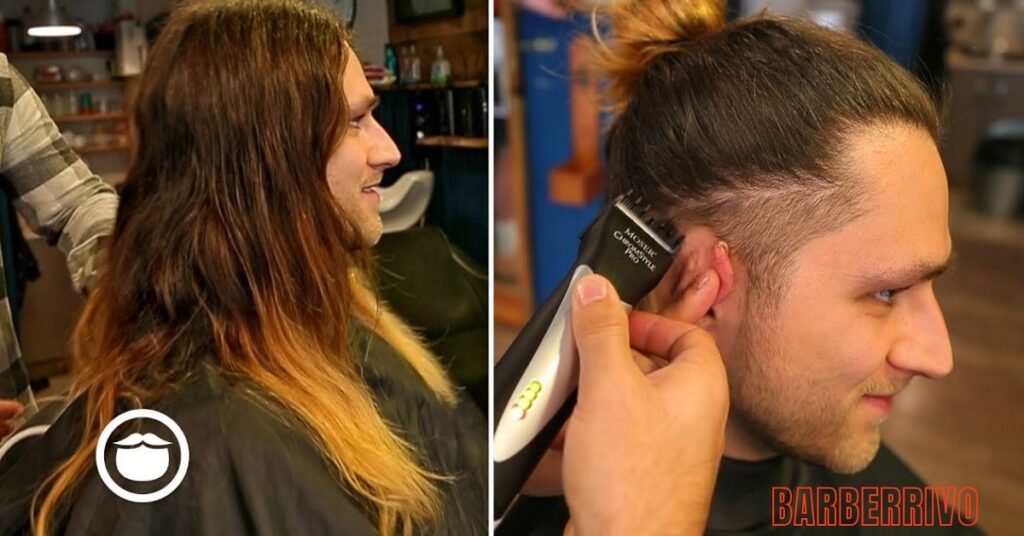
Low Taper Fade with Short Hair
If you prefer minimal styling, short hair on top paired with a low fade is about as low-effort as it gets. It still looks intentional and sharp, just without the daily styling routine.
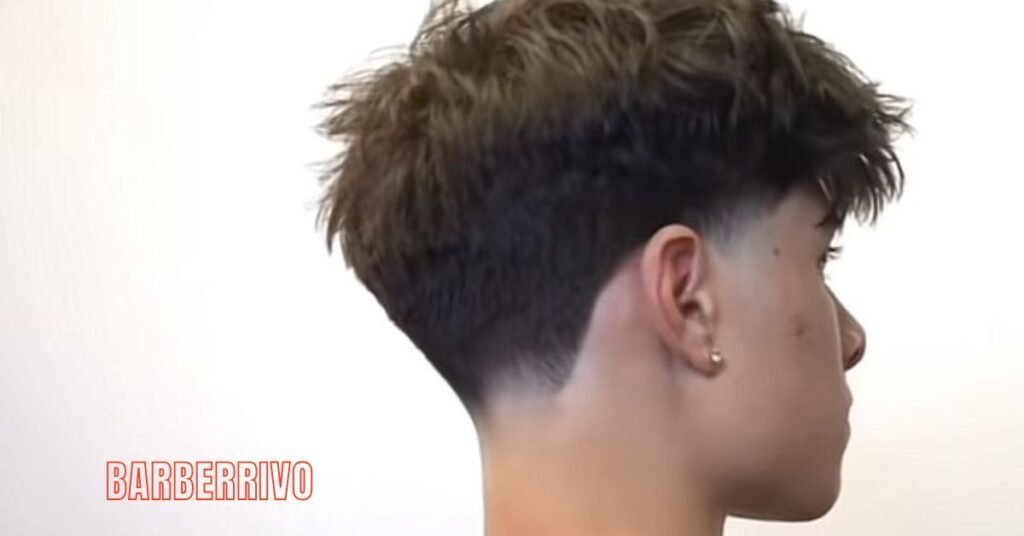
Low Taper Fade with Fringe
A fringe that falls forward over the forehead adds a youthful, casual edge to the cut. It pairs especially well with straight or wavy hair and works great for a more relaxed, everyday stylish men’s haircut.
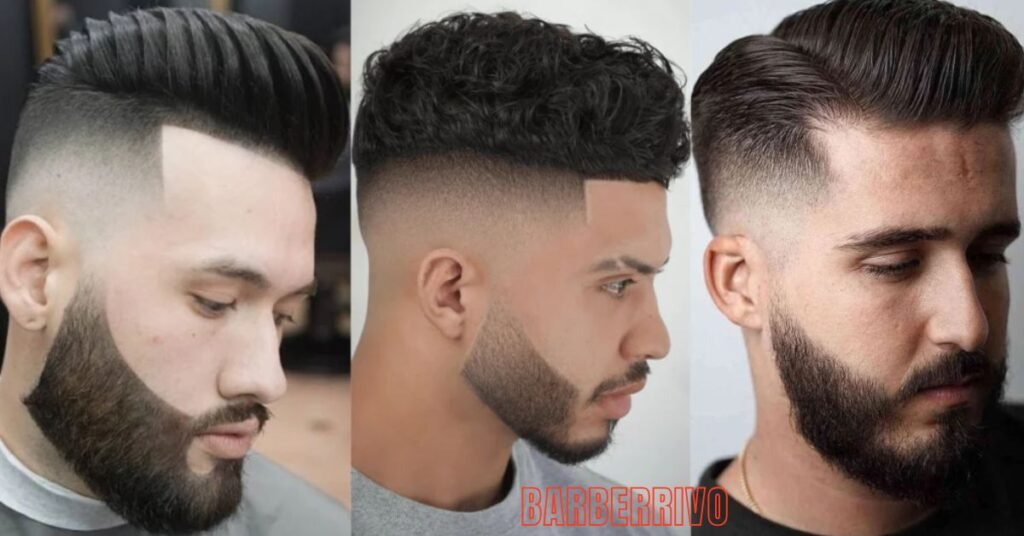
Low Taper Fade with Textured Fringe
Take the fringe up a notch with texture. A textured hairstyle fringe uses choppy, layered cuts to create movement and depth, giving the front of your hair a lived-in, effortless look.
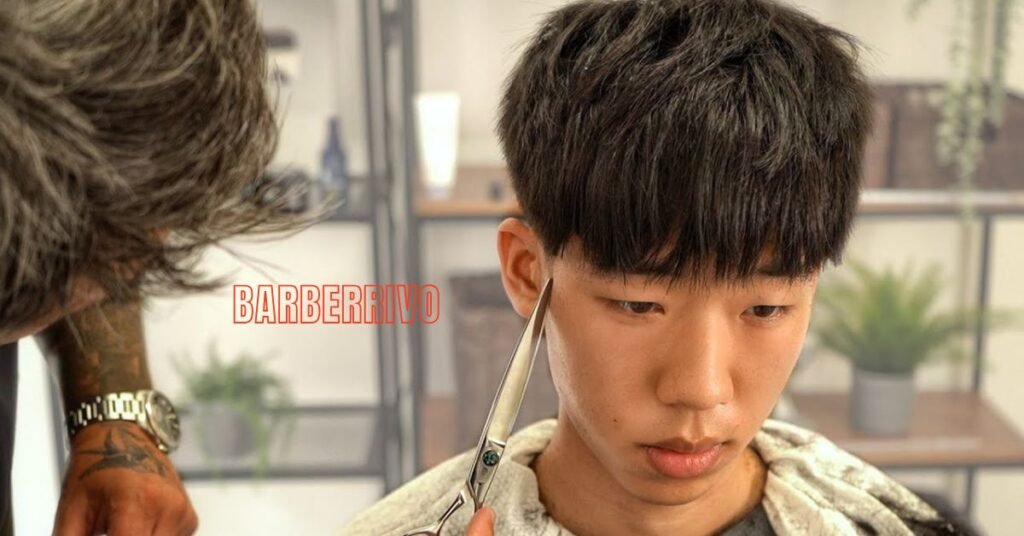
Low Taper Fade with Curtains
Curtain bangs part down the middle and fall on either side of the face. Combined with a low fade, this creates a balanced, symmetrical look that’s been popular with younger men for a few years now.
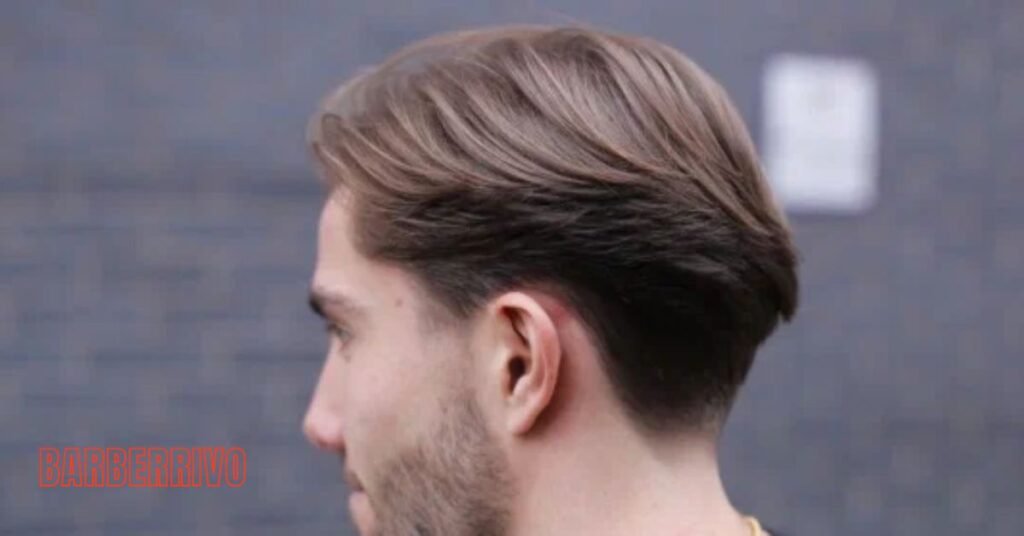
Textured Crop with Low Taper Fade
The textured crop low taper fade combo uses choppy layers on top with a blunt fringe. It’s a favorite among men who want something modern but still easy to manage day-to-day.
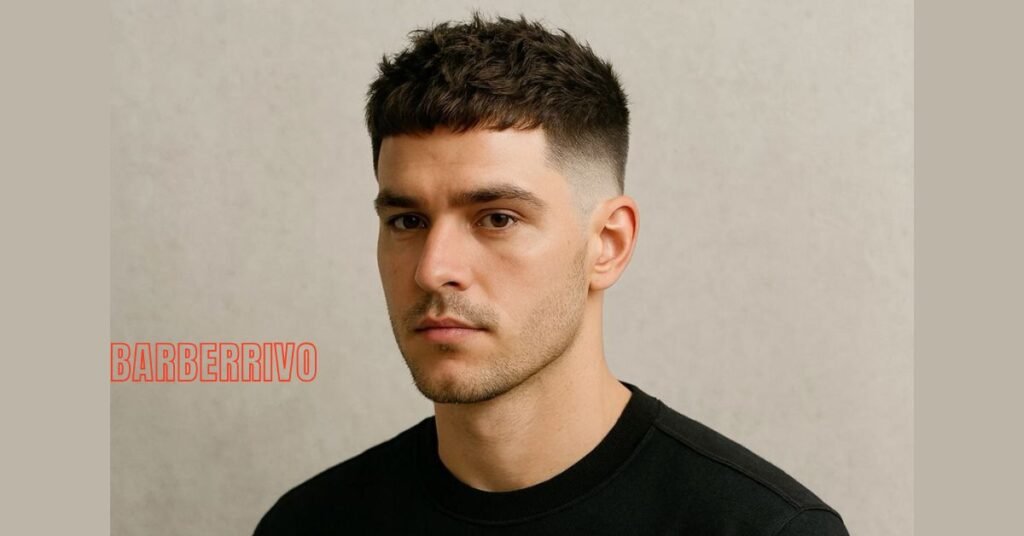
French Crop with Low Taper Fade
Similar to the textured crop but slightly more polished, the French crop keeps a defined fringe line and neater layers. This pairs elegantly with the fade for a clean European-inspired finish.
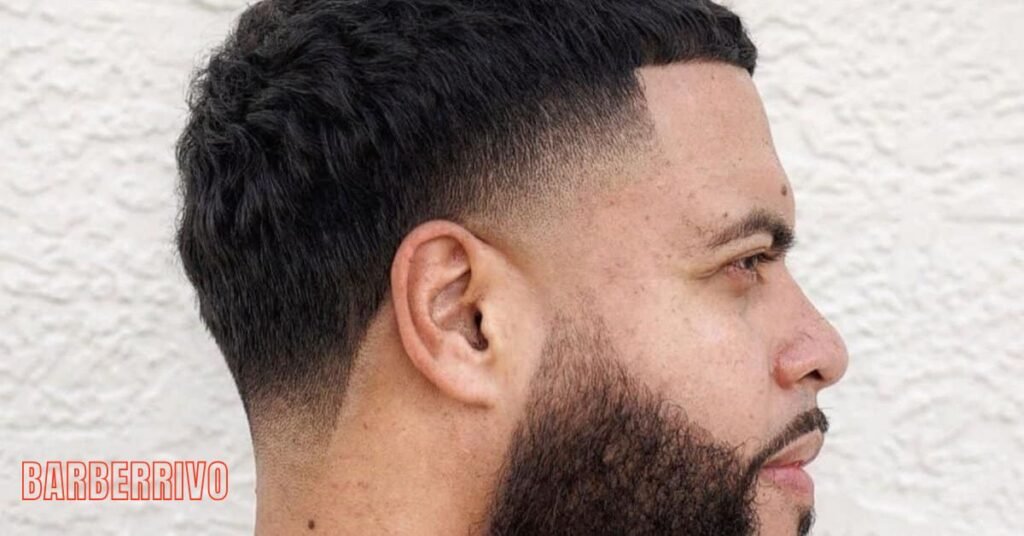
Buzz Cut with Low Taper Fade
The buzz cut low taper fade is about as low-maintenance as haircuts get. Short hair all over, blending into the fade below, gives you a crisp, no-fuss look that suits nearly every face shape.
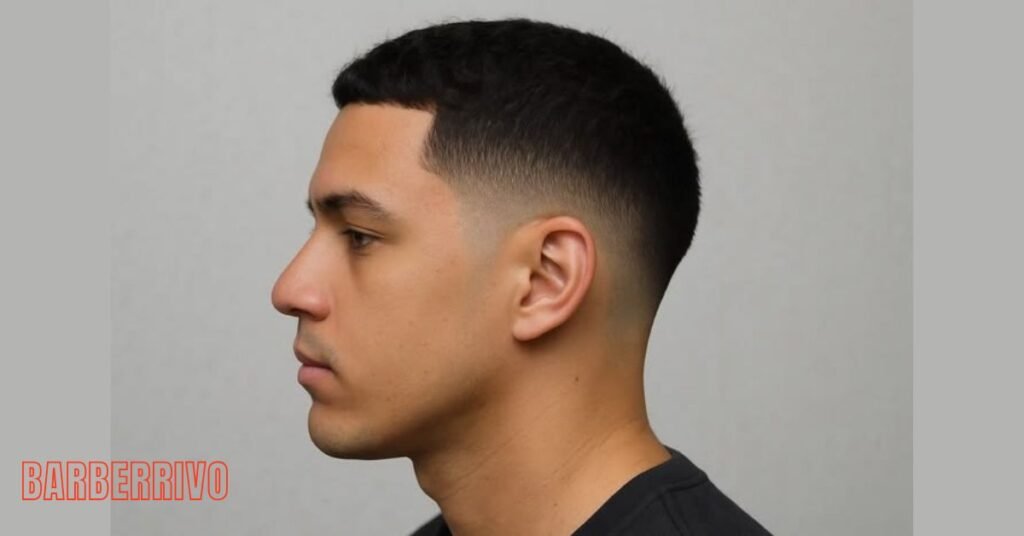
Crew Cut with Low Taper Fade
A step longer than a buzz cut, the crew cut leaves a bit more length on top for slight texture and styling options, while the fade keeps the sides sharp and controlled.
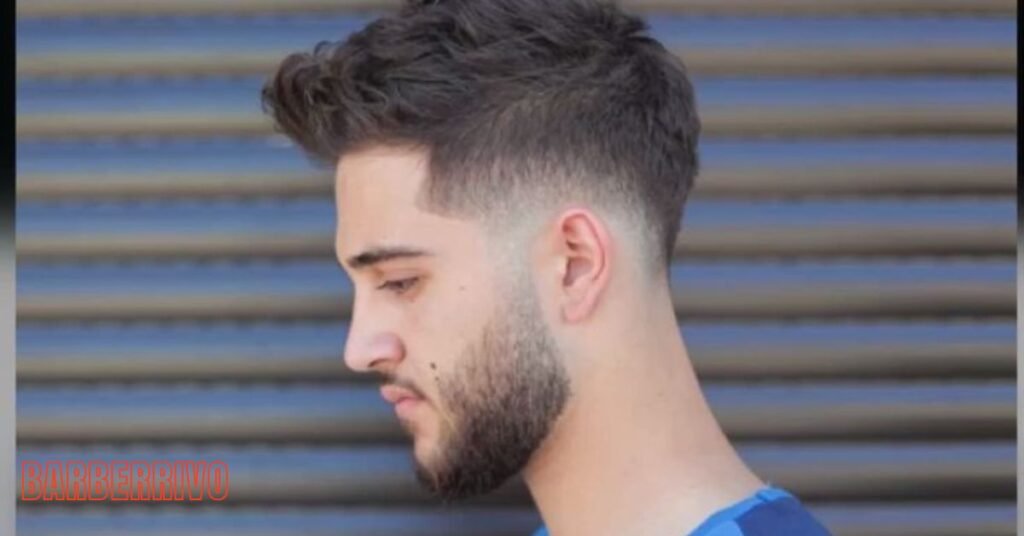
Comb Over with Low Taper Fade
The comb over low taper fade sweeps hair to one side for a classic, refined finish. It’s a timeless option that works beautifully in professional settings and formal events alike.
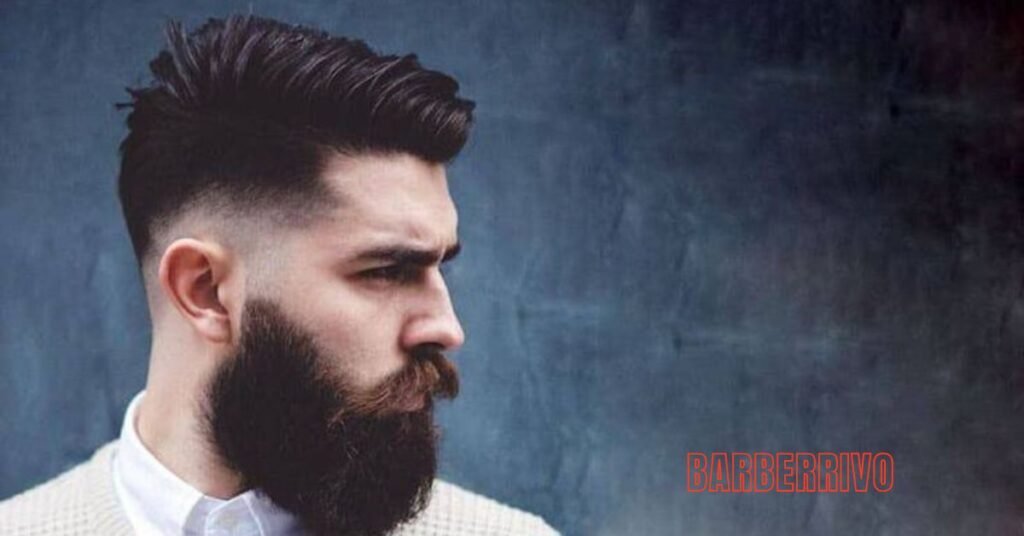
Side Part with Low Taper Fade
A defined part line adds structure to this cut. The side part low taper fade look is sharp, traditional, and pairs well with a bit of pomade for shine and hold.
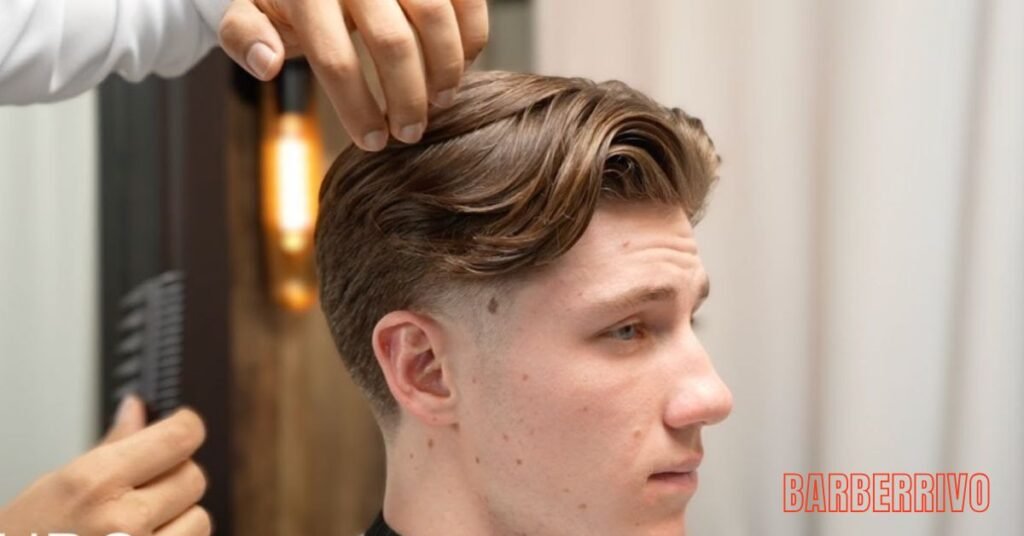
Slick Back with Low Taper Fade
For a bold, confident finish, slick all your top hair straight back. This style needs a strong-hold product but delivers serious polish for nights out or important meetings.
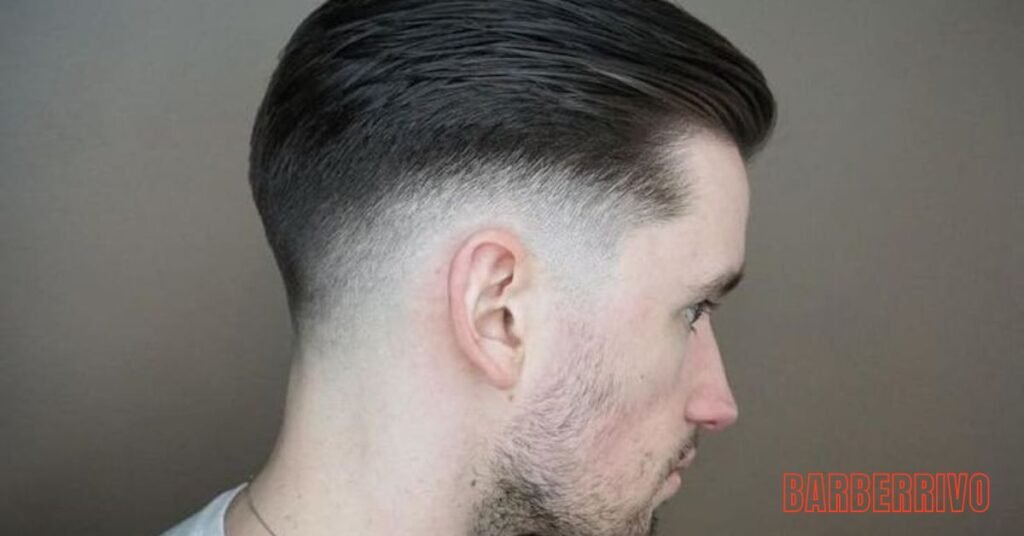
Modern Pompadour with Low Taper Fade
The pompadour low taper fade brings volume and height to the front of your hair, while the fade keeps things grounded and neat. It’s a striking combination of bold and refined.
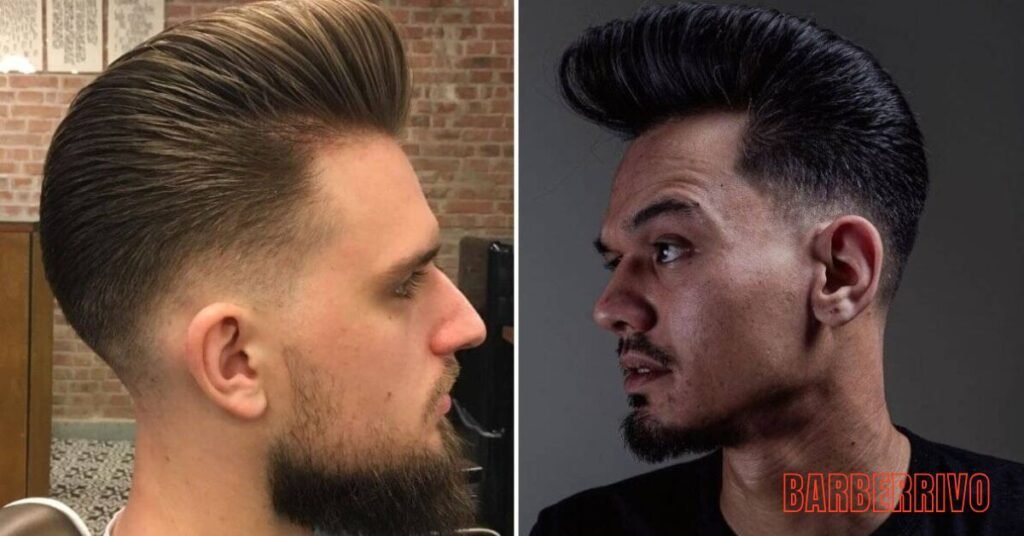
Faux Hawk with Low Taper Fade
The faux hawk low taper fade creates a raised strip of textured hair down the center, tapering into the fade on the sides. It’s edgy without going full mohawk.
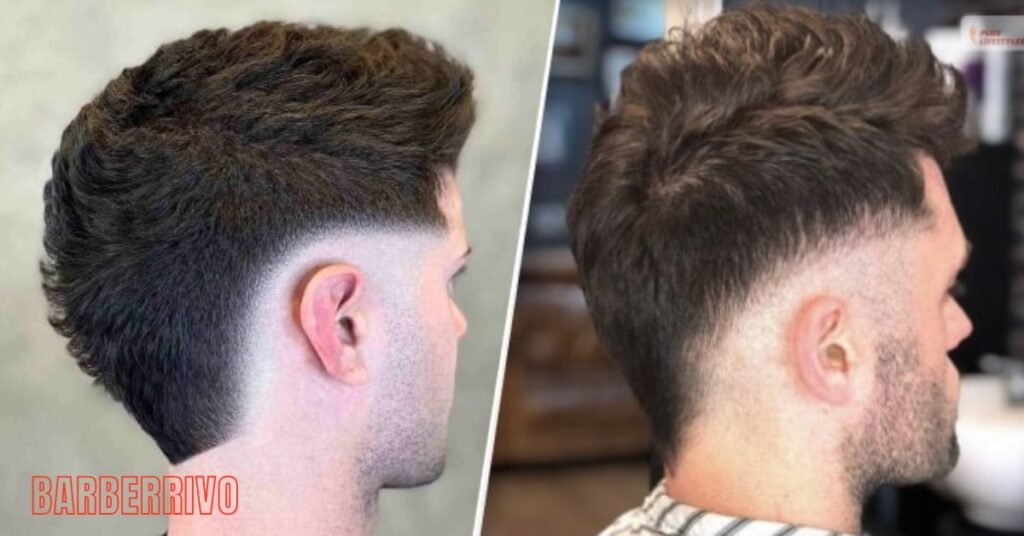
Mohawk with Low Taper Fade
For something bolder still, a true mohawk paired with a low fade keeps the sides subtle while the center strip makes a statement. It’s a great option if you want to stand out occasionally.
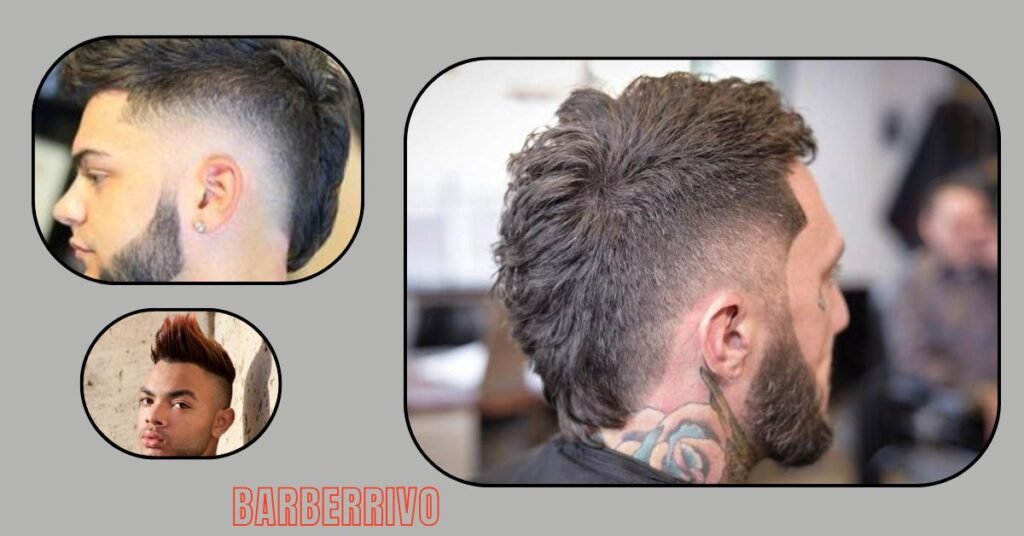
Blowout Low Taper Fade
A blowout uses a blow dryer to push hair upward and outward, creating extra height and volume on top. This dramatic contrast against the faded sides is a favorite in barbershop culture.
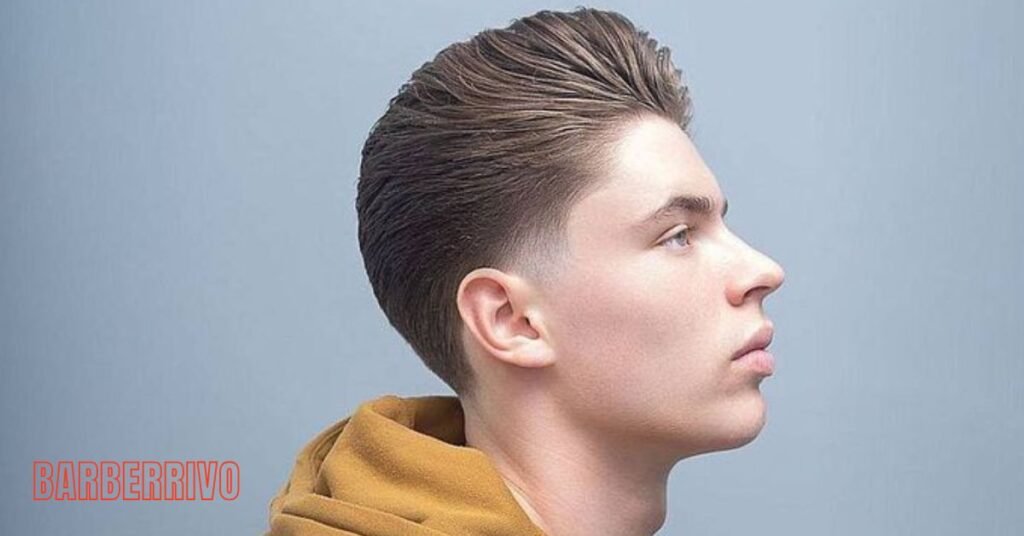
Blowout Fringe with Low Taper Fade
Combine the height of a blowout with a forward-falling fringe for a look that’s both voluminous and youthful. It works especially well with thicker or curlier hair textures.
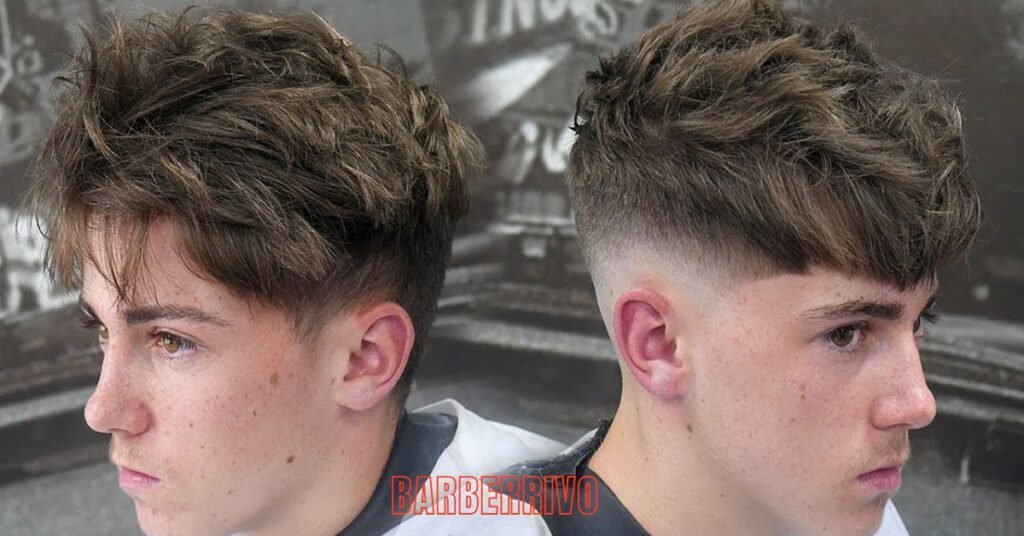
Edgar Cut with Low Taper Fade
The Edgar cut features a straight-across fringe line with sharp edges, paired with a fade below. It’s become hugely popular for its bold, geometric shape.
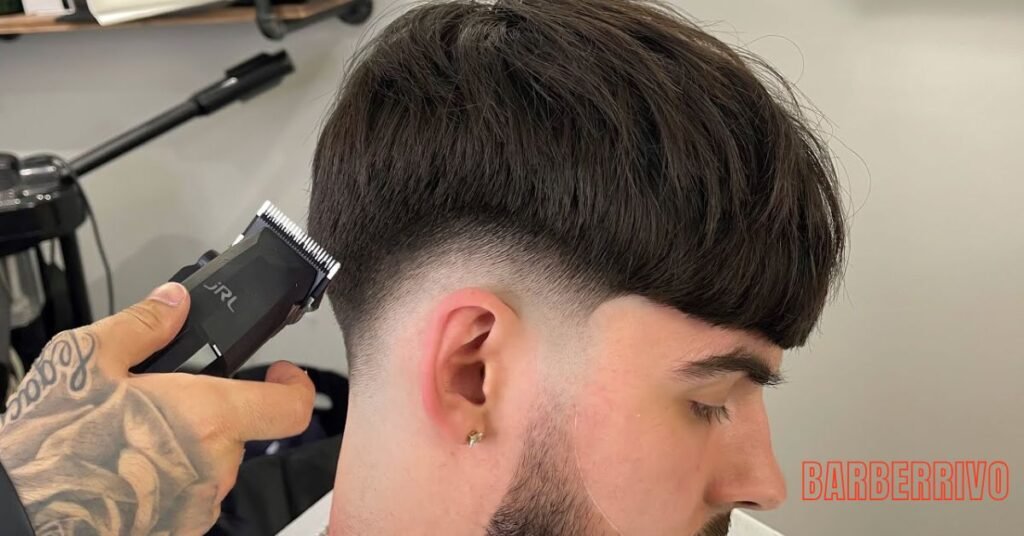
Low Taper Mullet
The low taper mullet keeps things short in the front, longer in the back, with clean tapered sides. It’s a modern twist on a retro classic, and it’s having a real comeback moment.
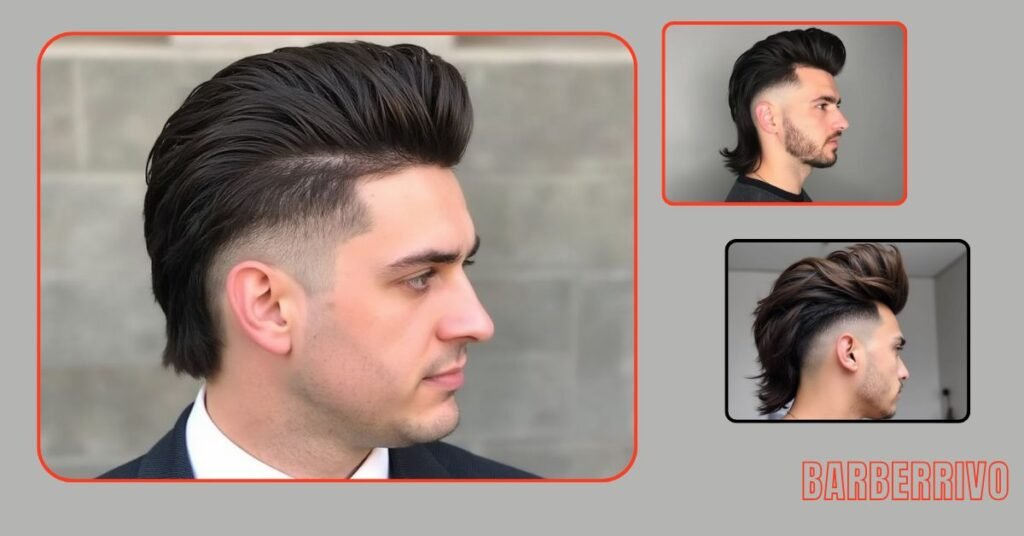
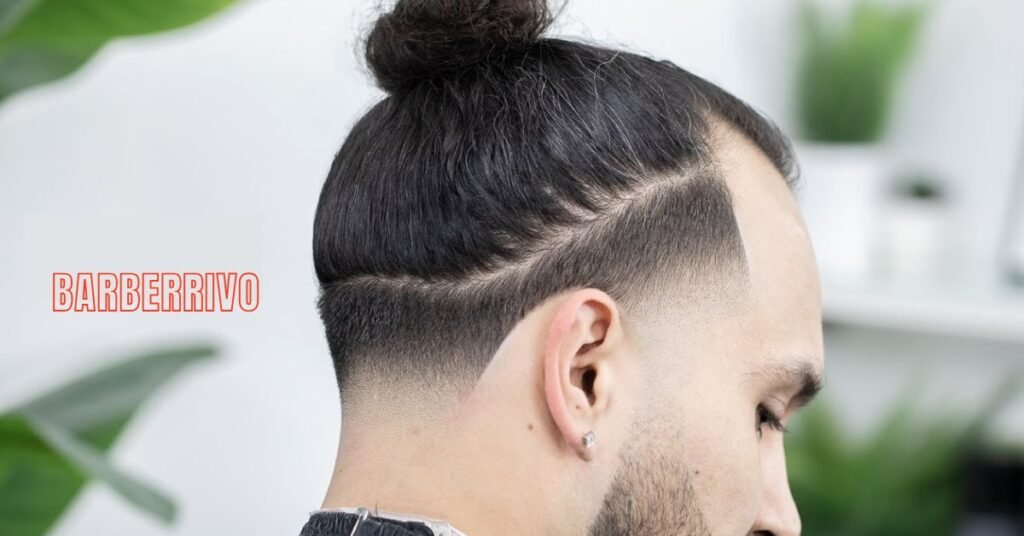
Man Bun with Low Taper Fade
For men growing out longer hair, tying it into a bun while keeping the sides faded gives you the best of both worlds: length up top, tidiness everywhere else.
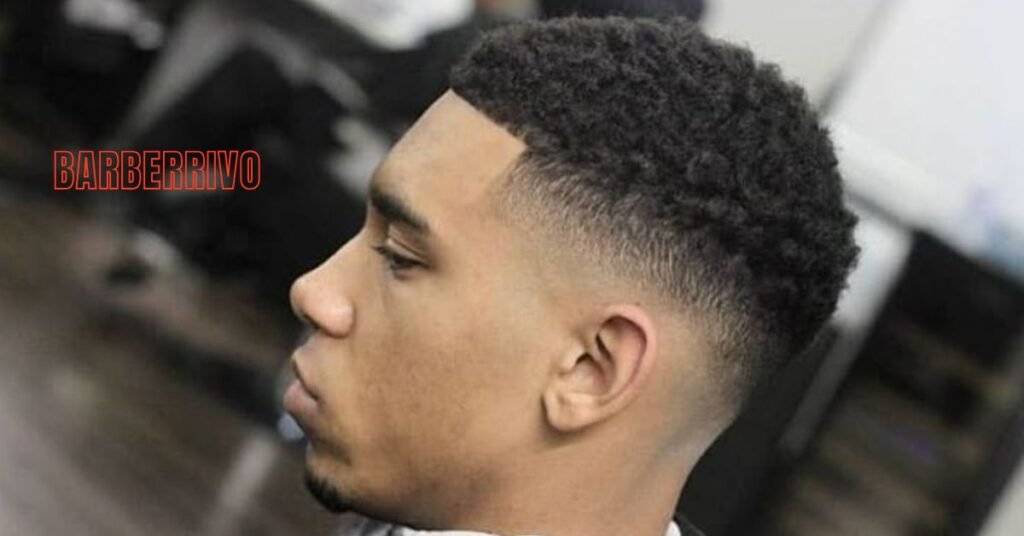
Low Taper Fade Afro
The low taper fade afro keeps natural curl volume intact on top while the fade trims things up around the ears and neckline. It’s a beautiful way to celebrate natural texture while keeping a groomed finish.
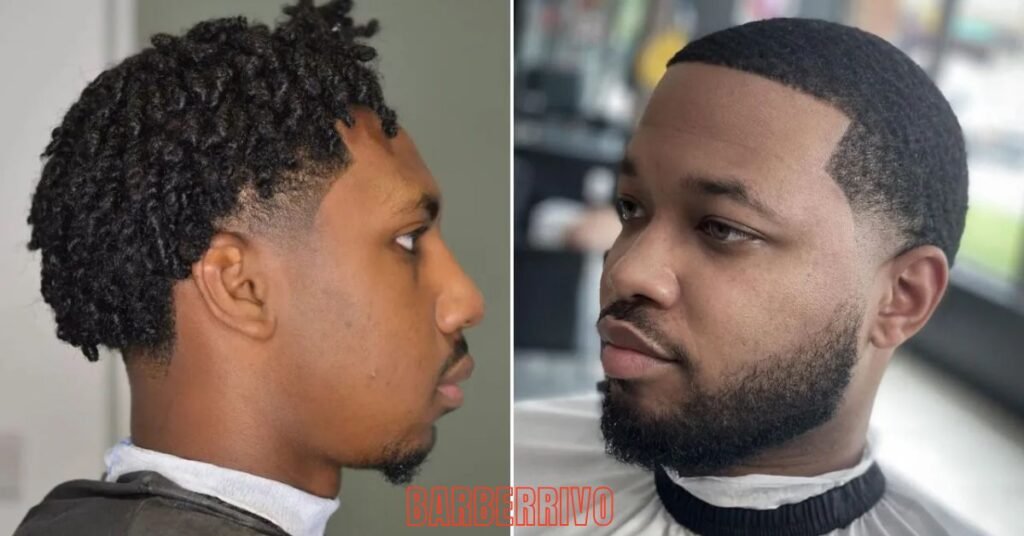
Low Taper Fade for Black Men
This style has become one of the most requested cuts among Black men because it works so well with coily and curly hair patterns. The fade defines the shape without disrupting natural curl pattern, giving a natural looking fade that still feels authentic to your hair type.
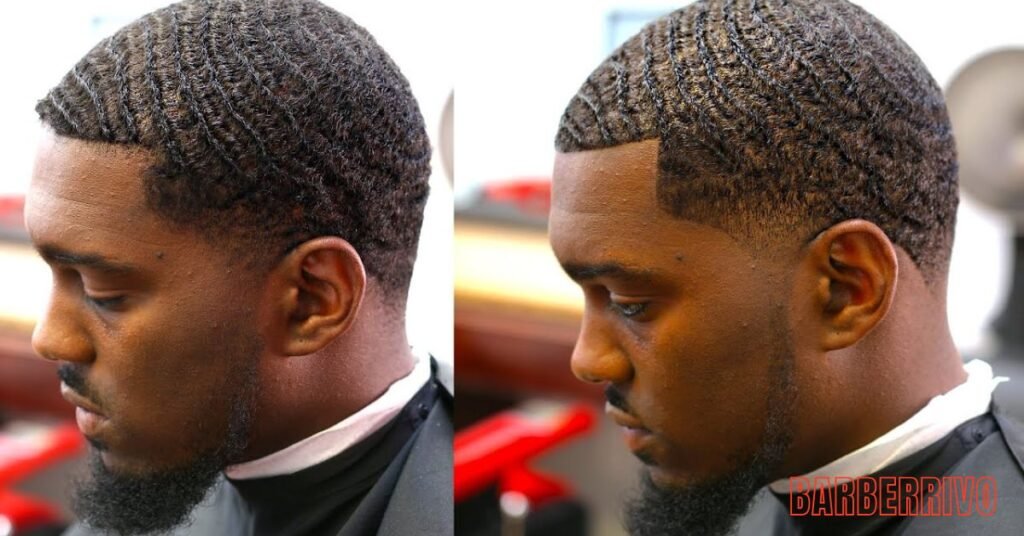
Low Taper Fade with Waves
Waves, sometimes called “360 waves,” create a rippling pattern across the top of the head. Combined with a low fade, this look is sharp, disciplined, and takes some patience to train but looks incredible once achieved.
Low Taper Fade with Twists
The low taper fade twists combo adds personality and texture up top while keeping the sides neat. Twists are relatively low-maintenance once installed, making this a practical everyday style.
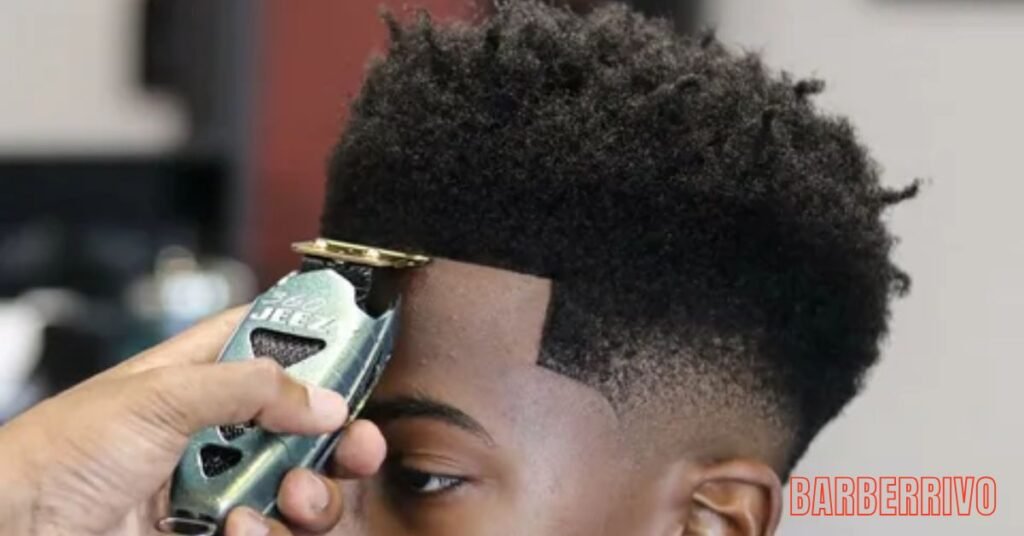
Low Taper Fade with Dreads
Dreadlocks paired with a fade create striking contrast between the textured top and the smooth, tapered sides. This combination has become extremely popular in recent years for its bold yet controlled appearance.
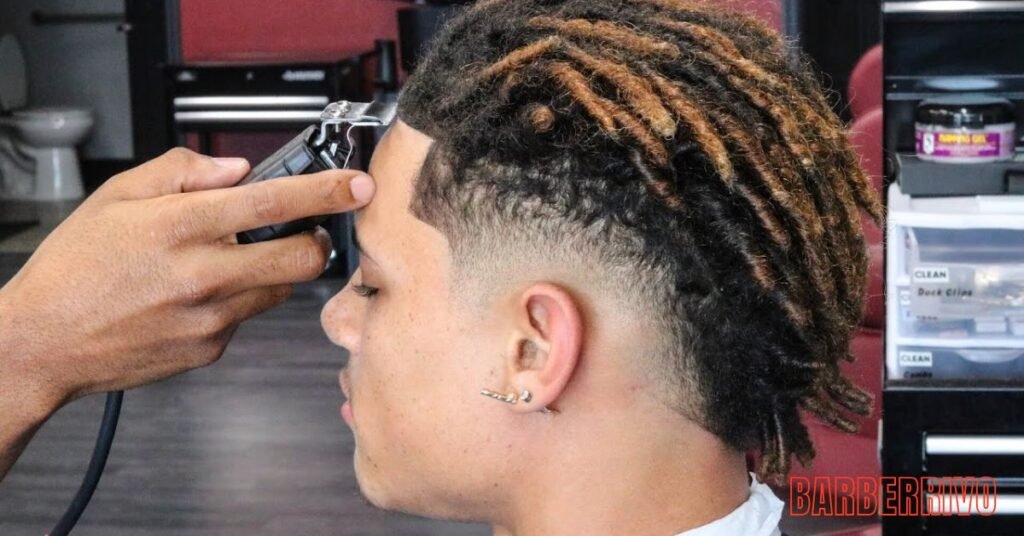
Low Taper Fade with Braids
Braided styles on top, whether cornrows or box braids, look sharp against a faded backdrop. It’s a great way to keep length manageable while still showing off intricate braid patterns.
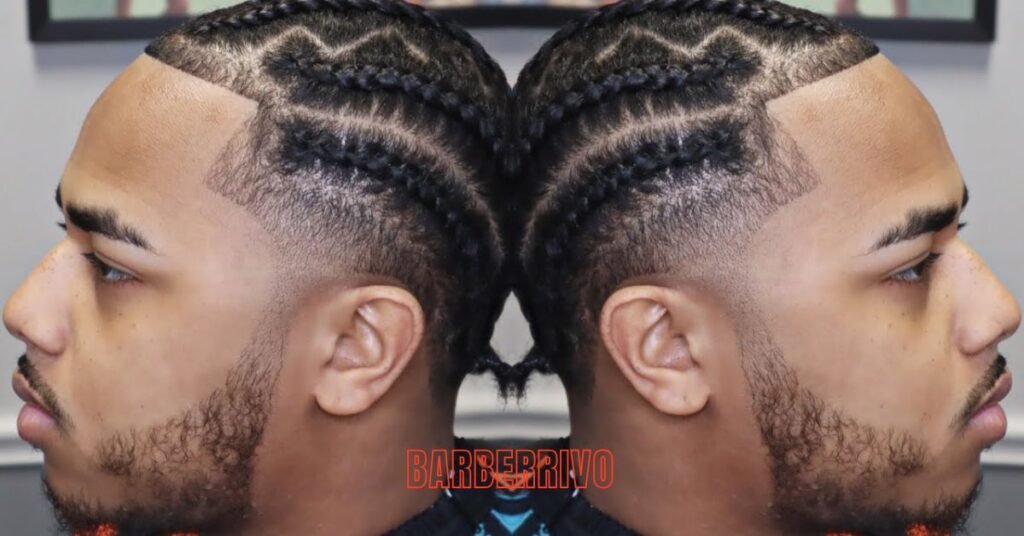
Low Taper Fade with Locs
Similar to dreads but often more refined and styled, low taper fade locs offer a polished, mature take on textured hairstyles. Many men pair this with a beard for an even more complete look.
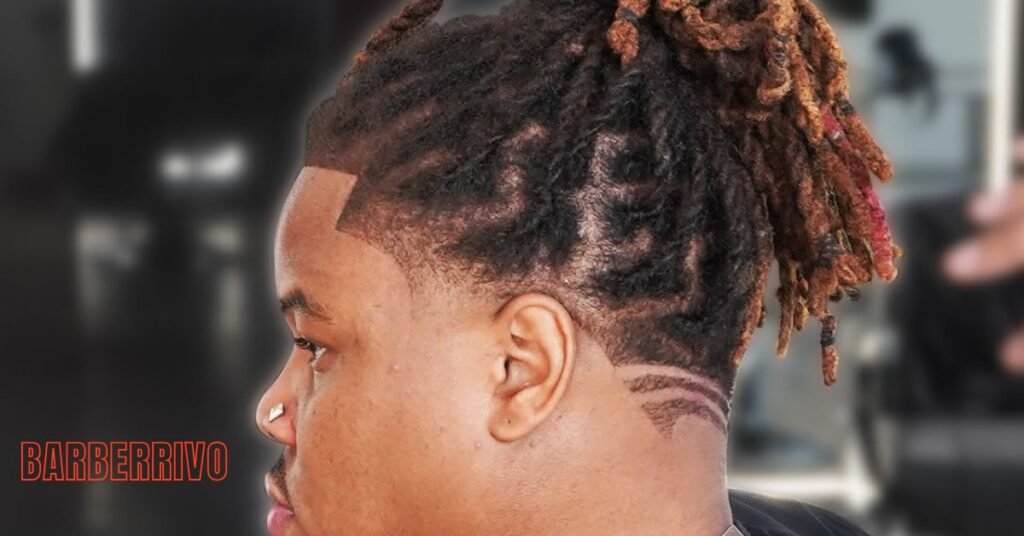
Low Taper Fade with Design
Want to make your cut one-of-a-kind? Ask your barber to shave a pattern, line, or symbol into the fade area. This is a fantastic way to express personality and turn a simple cut into a piece of art.
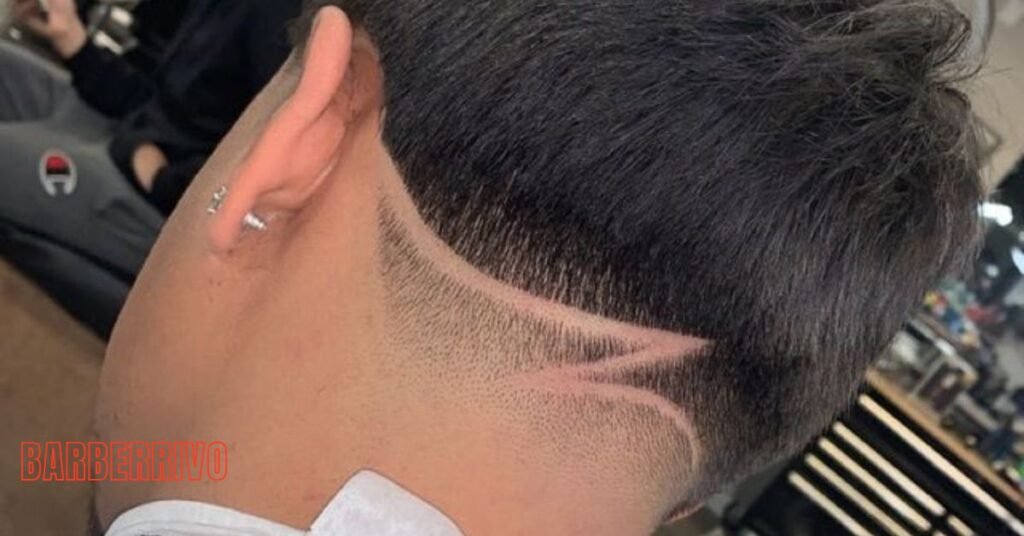
Low Taper Burst Fade
A burst fade curves around the ear in a semi-circle rather than following a straight line. It’s especially popular with curly and coily hair types since it follows the natural curve of the head.
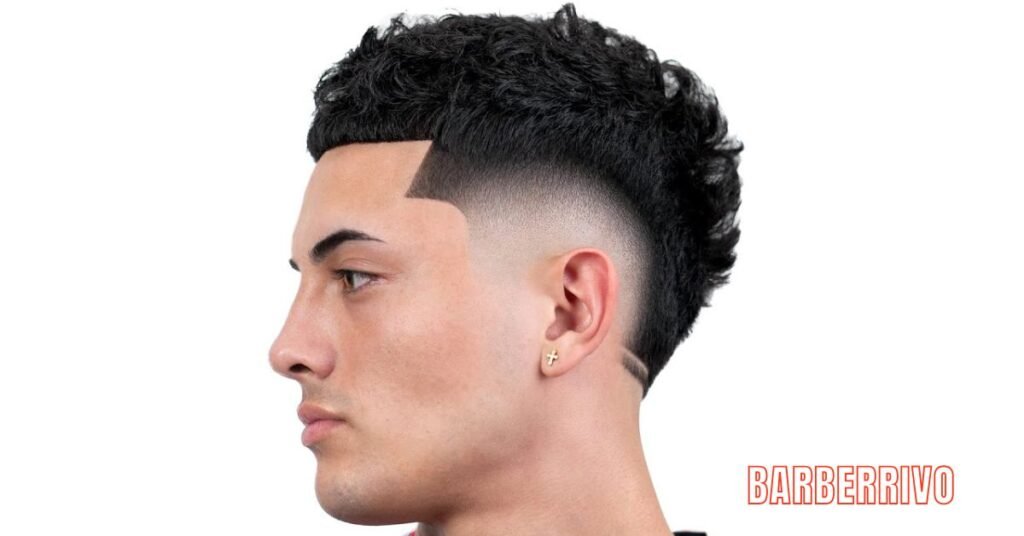
Low Taper Drop Fade
We touched on this earlier, but it deserves its own spot on the list. The low taper drop fade dips down behind the ear, creating a distinctive curved silhouette that pairs beautifully with textured or curly hair.
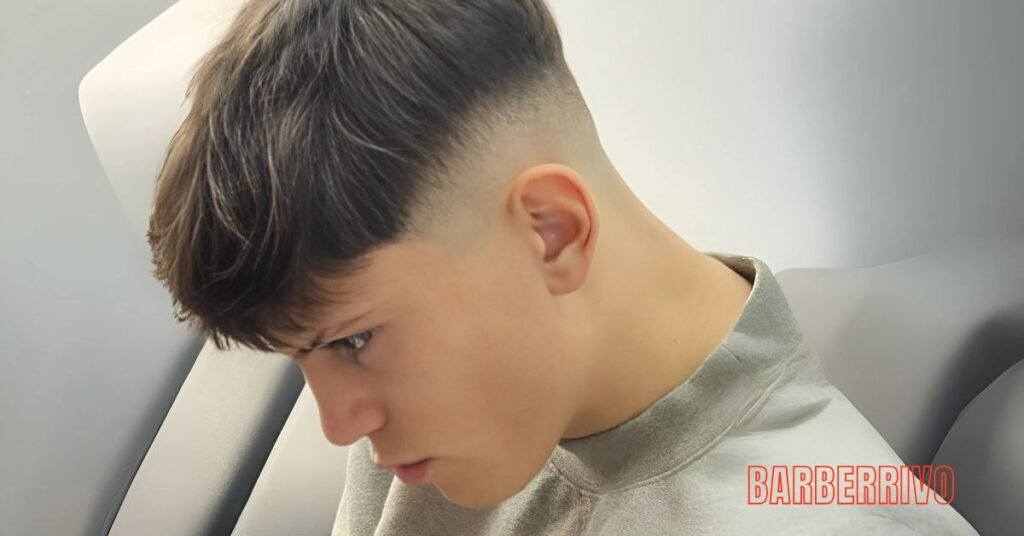
Low Taper Undercut
The low taper undercut keeps a hard, distinct line between the top length and the faded sides rather than blending gradually. It’s a bolder cousin to the traditional taper.
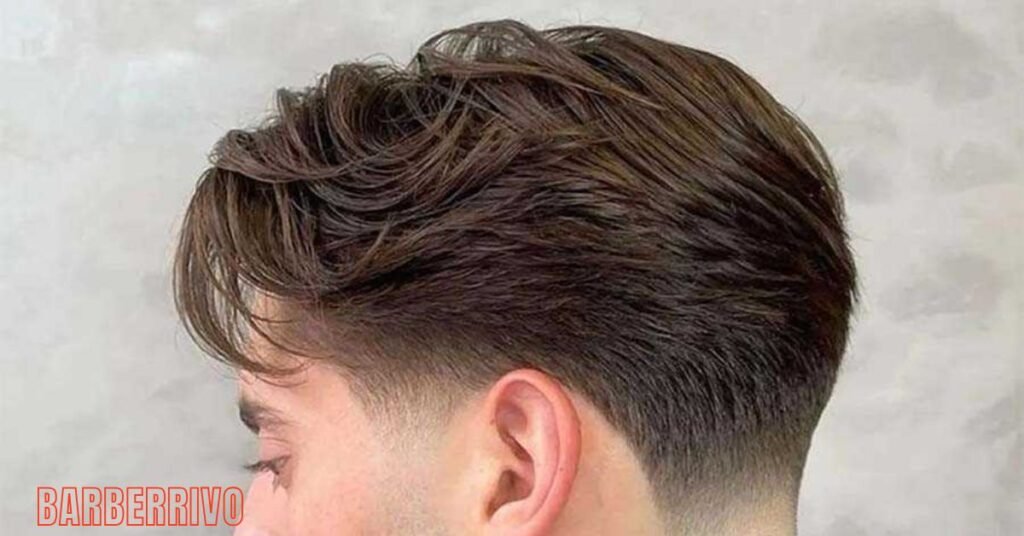
Low Taper Fade with Beard
Pairing a low taper fade with beard styling is one of the most requested combos in barbershops today. The beard fade blend connects your sideburns into your beard seamlessly, creating one continuous, polished look from your hairline down to your jaw.
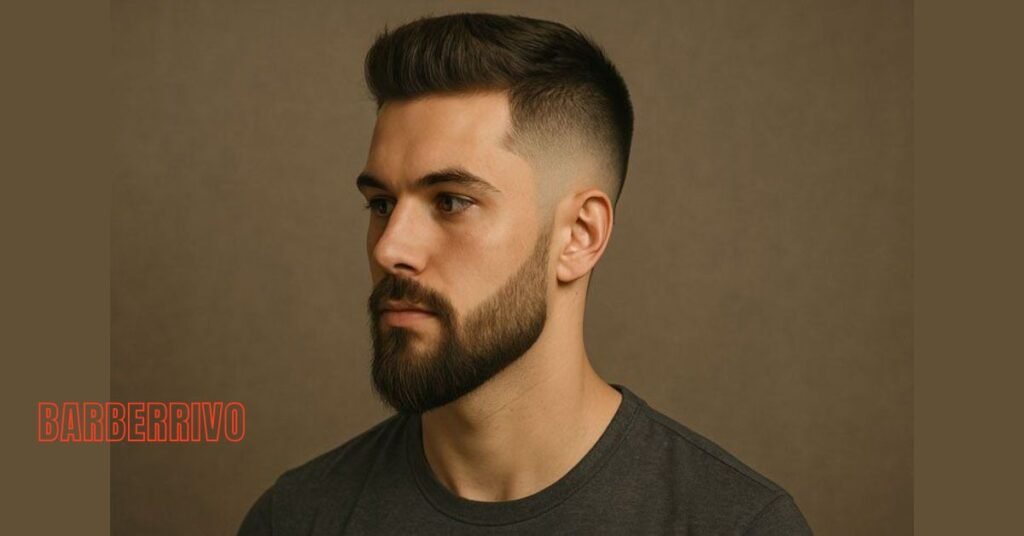
Low Taper Fade with Blonde Hair
Adding blonde color, whether a full dye job or subtle highlights, makes this cut pop even more. It’s a bold styling choice that works especially well with darker skin tones for high contrast.
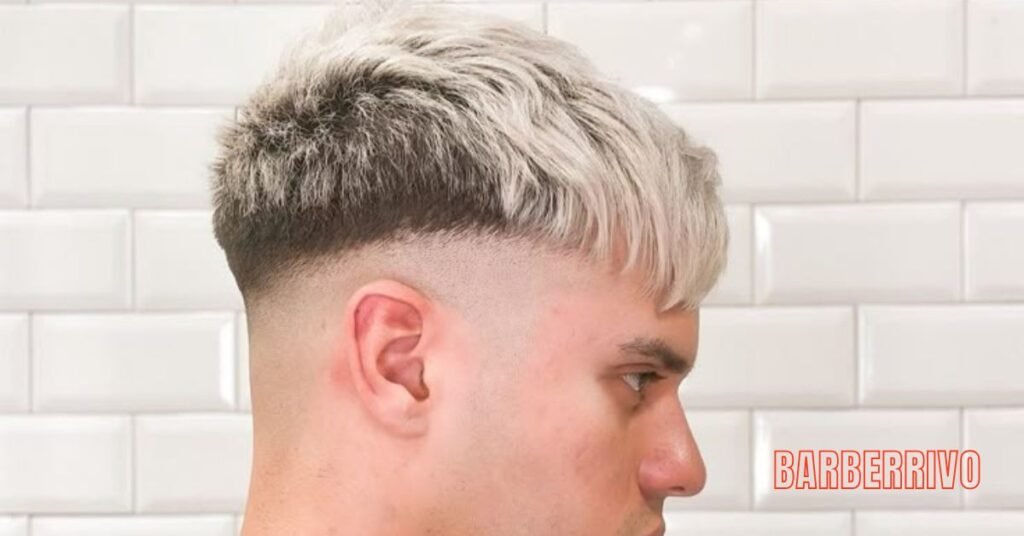
Low Taper Fade for Asian Hair
Asian hair tends to be thicker and straighter, which actually makes it easier to achieve crisp, structured shapes with this fade. Popular pairings include textured crops and side parts that show off the hair’s natural shine.
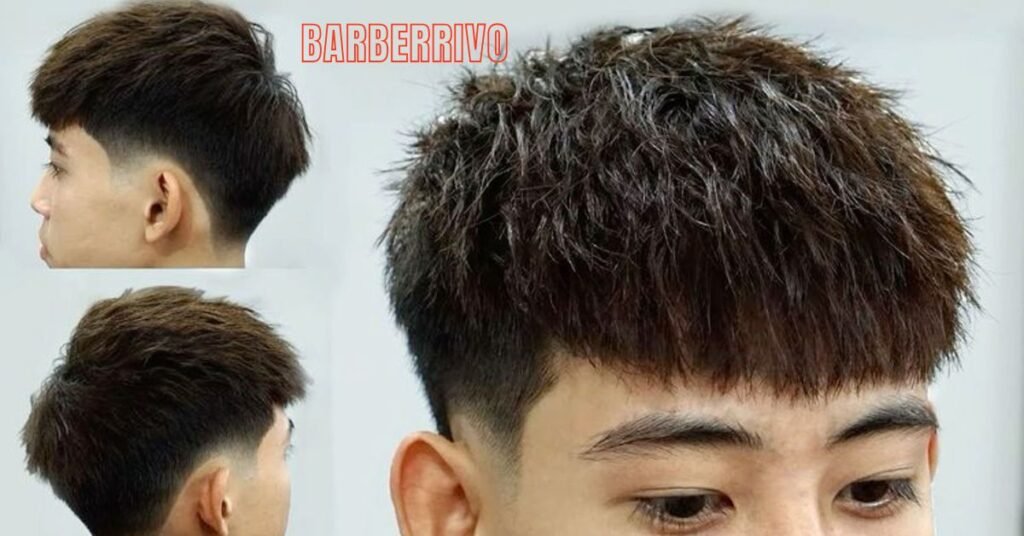
Low Taper Fade with Messy Top
Sometimes the best look is the one that seems effortless. A tousled, fluffy hair finish on top paired with clean tapered sides gives off a relaxed, cool-guy vibe without looking careless.
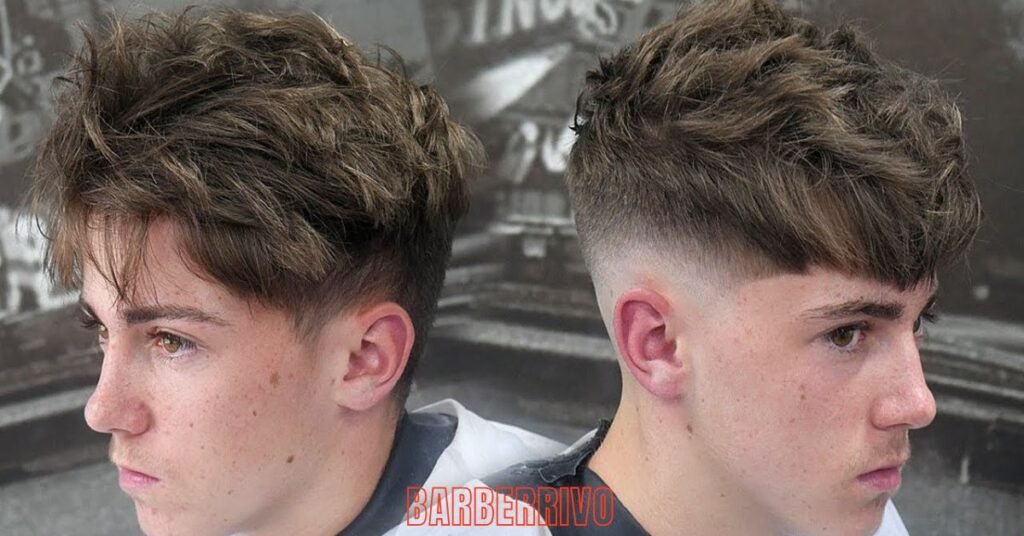
How to Choose the Right Low Taper Fade
With 40 options on the table, picking just one can feel overwhelming. The good news is that narrowing it down comes down to just a few factors: your face shape, your natural hair type, and where you’ll be wearing the cut most often.
Let’s break down each of these so you can walk into your next appointment with confidence instead of guesswork.
Best Low Taper Fade for Face Shape
Your face shape plays a big role in how any hairstyle looks. A low taper fade for round face shapes tends to work best with more height on top, since it elongates the face and adds definition. A low taper fade for square face shapes can soften strong jawlines with a bit of extra texture on top. Meanwhile, a low taper fade for oval face shapes has the most freedom, since oval faces suit nearly every hairstyle imaginable.
Here’s a simple reference table for quick face shape hairstyle matching:
| Face Shape | Recommended Top Style |
| Round | Pompadour, blowout, added height |
| Square | Textured crop, messy fringe |
| Oval | Almost anything works well |
| Oblong | Side part, fringe to shorten appearance |
Best Low Taper Fade for Hair Type
Every hair texture takes the fade a little differently. Curly and coily hair often pairs beautifully with a burst or drop fade, since the curved lines follow your natural head shape. Straight hair looks sharp with clean, geometric lines like a side part or comb over. Wavy hair sits nicely with a textured, slightly messy top that lets the movement show.
If you’re unsure what works best for your texture, bring photos of similar hair types to your barber consultation. A skilled barber can adjust the technique slightly to work with, rather than against, your natural pattern.
Best Low Taper Fade for Professional Settings
Not every workplace allows bold designs or dramatic mohawks. For a genuinely professional haircut for men, stick with classic options like the comb over, side part, or classic taper fade. These styles read as polished and put-together without drawing unwanted attention in a boardroom.
How to Ask Your Barber for a Low Taper Fade
Even the best haircut idea can go wrong with poor communication. A little preparation before your appointment goes a long way toward getting exactly what you pictured.
Show a Reference Photo
Words can mean different things to different barbers. What you call “short” might mean something completely different to the person holding the clippers. Bring two or three photos, including a front view and a side view, so your barber can see the fade starting above ears exactly where you want it.
Choose the Right Fade Length
Guard numbers matter. Tell your barber whether you want the fade tight and close, or if you’d prefer a bit more length left behind for a softer transition. Mentioning specific guard numbers, like a 2 or 3 blending into a 0, helps avoid confusion.
Common Mistakes to Avoid
A lot of men make the same few mistakes when asking for this cut. They forget to mention their haircut maintenance routine, so the barber doesn’t know how often they’ll be back for touch-ups. They also skip mentioning lifestyle needs, like whether they work in a formal office or have an active outdoor job. Being upfront about these details helps your barber recommend a version of the cut that actually fits your life.
How to Style a Low Taper Fade
Getting the cut is only half the job. Styling it properly at home is what keeps it looking sharp between visits.
Styling Products to Use
Different products create different finishes. Pomade gives a shiny, classic look, ideal for slick backs and side parts. Clay offers a matte finish with strong hold, great for textured or messy styles. Sea salt spray adds natural-looking texture, perfect for wavy or curly hair that just needs a bit of definition rather than heavy control.
Daily Styling Tips
Start with slightly damp hair for the most natural results. Apply a small amount of product, working it through with your fingers rather than a comb for more texture. If you have curly or coily hair, consider diffusing with a blow dryer on low heat to enhance natural curl pattern instead of straightening it out.
Best Grooming Practices
Keep your clean neckline tidy between barber visits using a small trimmer. Trim any stray hairs around the ears too. If you pair the cut with facial hair, keep your beard fade blend consistent so there’s no awkward gap between where the fade ends and the beard begins.
How to Maintain a Low Taper Fade
A fresh fade haircut doesn’t stay fresh forever. Regular upkeep is what separates a sharp, intentional style from one that just looks grown out and messy.
Regular Touch-Ups
Most barbers recommend low taper fade touch ups every two to four weeks, depending on how fast your hair grows. Regular barber visits for fade upkeep keep the transition looking crisp instead of blurry and uneven.
Beard Maintenance
If you’re rocking the taper fade beard combo, keep both growing in sync. A well-maintained beard that’s trimmed regularly, along with fresh fade lines, creates that seamless, put-together appearance men love about this pairing.
Hair and Scalp Care
Healthy hair holds a fade better. Moisturize your scalp regularly to avoid dryness or flaking, especially right after a fresh cut when skin near the fade line can feel sensitive. A healthy scalp also supports better hair growth over time, which means your fade grows out more evenly.
Trimmer Maintenance
If you’re doing trimming neckline touch-ups yourself between visits, keep your tools in good shape. Clean the blades after every use and oil them regularly. Dull or dirty blades pull at hair instead of cutting cleanly, which can leave your fade looking rough around the edges.
Frequently Asked Questions
Is fade halal in Islam?
This depends on the specific style and school of thought. Many scholars consider fades acceptable as long as they don’t imitate specific practices that are discouraged, such as shaving only parts of the head in certain patterns. It’s best to consult a knowledgeable local scholar for guidance specific to your situation.
What is a low taper fade?
It’s a tapered haircut where the fade begins just above the ears rather than higher up the head. It creates a smooth, subtle fade haircut finish that works well for both casual and professional settings.
What is the most attractive fade?
This really comes down to personal taste, but the low taper fade consistently ranks as one of the most universally flattering options. It suits nearly every face shape and hair type, which is exactly why it remains such a trendy men’s hairstyle choice.
Should I get a low or mid taper?
If you want something subtle and easy to maintain, go with a low taper. If you want a bit more visual contrast and don’t mind slightly more frequent trims, a mid taper might suit you better.
Final Thoughts
The low taper fade has earned its spot as one of the most popular cuts on the planet for good reason. It’s flexible enough to match any hair type, from curly and coily to straight and wavy. It’s professional enough for the office yet stylish enough for a night out. And with 40 different variations to choose from, there’s truly a version of this cut for every guy.
Save a few of these styles before your next appointment. Bring your favorite reference photo, mention your haircut maintenance habits, and trust your barber to bring your ideal sharp taper fade to life.

Ryan Carter is a men’s grooming writer who covers haircuts, hairstyles, beard care, and barbering trends. He shares practical style advice and grooming tips to help men look sharp and stay confident.