Low Fade vs Mid Fade vs High Fade Full Comparison Guide
You’re sitting in the barber’s chair. The cape goes on. Then comes the question: “Low, mid, or high?” If you freeze up right there, you’re not alone. Most guys walk in without a clue what separates these three cuts, and they end up with whatever the barber feels like giving them that day.
This Low Fade vs Mid Fade vs High Fade guide fixes that. By the end, you’ll know exactly where each fade starts, how it looks, and which one fits your face, hair, and daily routine. No guessing. No awkward silence in the chair.
What Is a Fade Haircut?
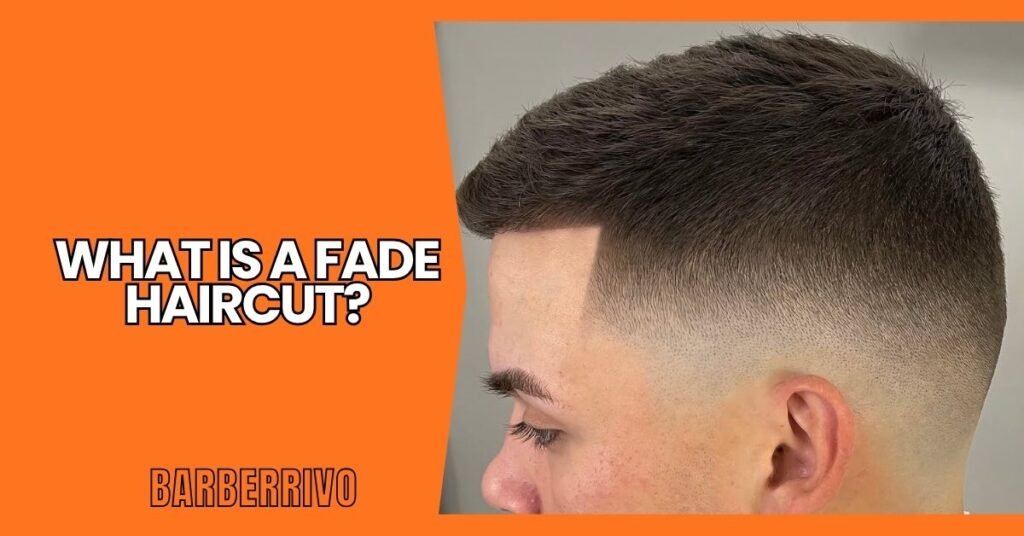
A fade haircut for men is built on one simple idea: the hair gets shorter as it moves down toward the skin. Instead of one length all over, the sides and back blend smoothly from thick hair on top to almost nothing near the ear or neckline. That smooth blend is what separates a real fade from a basic buzz cut or a simple trim.
Barbers treat this like a craft, not a shortcut. A skilled barber fade haircut takes patience, the right clipper guards, and a steady hand to avoid harsh lines. Get it right, and the cut looks sharp for weeks. Get it wrong, and you end up with a choppy, uneven mess that screams “amateur.” That’s why so many men trust a professional rather than trying it at home with a cheap trimmer.
The Basic Concept Behind Every Fade
Every fade works through zones. Think of it as three sections stacked on top of each other. The top zone keeps the most length and gives you something to style. The middle zone starts to shorten things, acting as the bridge. The bottom zone goes shortest, sometimes all the way down to the skin for a true skin fade haircut.
This zone-by-zone approach creates what barbers call the gradual fade haircut transition. There’s no sudden jump from long to short. Instead, the length drops bit by bit, so your eye can’t pinpoint exactly where one section ends and the next begins. That smooth hair blending is the whole point, and it’s what makes a fade look clean instead of choppy.
Why Fades Have Stayed So Popular
Fades aren’t a passing trend. They’ve stuck around because they work with almost any face shape and hair texture, from straight to curly to thick and coarse. A guy with a round face and a guy with a long, narrow face can both walk out of the barbershop looking sharp, just with slightly different styling choices.
There’s also the low-effort factor. Once you get the cut, you don’t need much product or time to keep it looking good day to day. Add in decades of influence from music, sports, and film, and you’ve got a trendy men’s haircut that never really goes out of style. It shifts a little with the seasons, sure, but the core idea stays timeless.
Low Fade vs Mid Fade vs High Fade: Key Differences
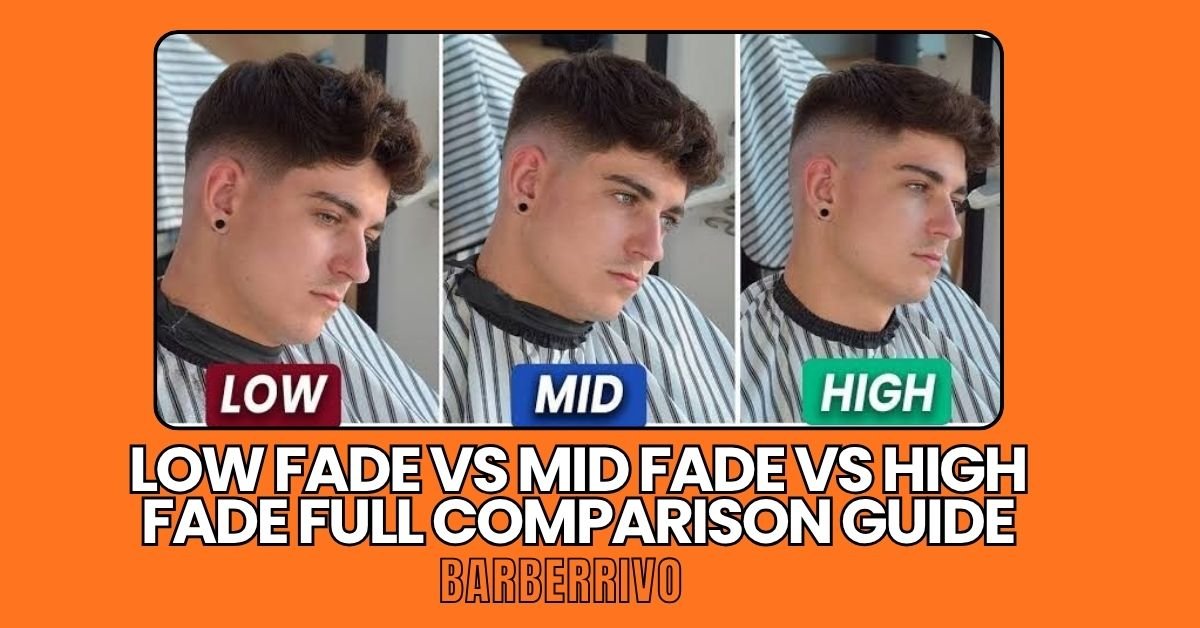
Here’s where things get specific. The difference between low fade and mid fade and high fade — or what most people simply call the Low Fade vs Mid Fade vs High Fade debate — comes down to three things: where the cut starts, how bold it looks, and how often you need to touch it up. Get familiar with these three factors, and picking the right style becomes a lot easier.
Below is a quick side-by-side look before we break each one down individually.
| Fade Type | Starting Point | Visual Style | Touch-Up Frequency |
| Low fade haircut | Just above the ear | Subtle, clean | Every 3-4 weeks |
| Mid fade haircut | At the temple | Balanced, versatile | Every 2-3 weeks |
| High fade haircut | Near the top of the head | Bold, sharp | Every 1-2 weeks |
Where the Fade Starts on Each Style
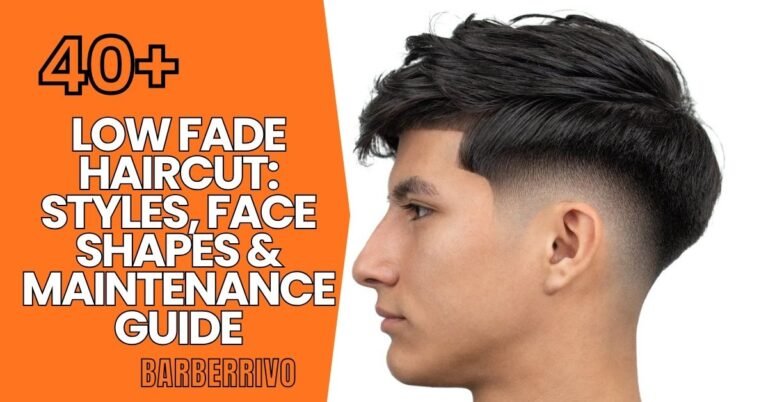
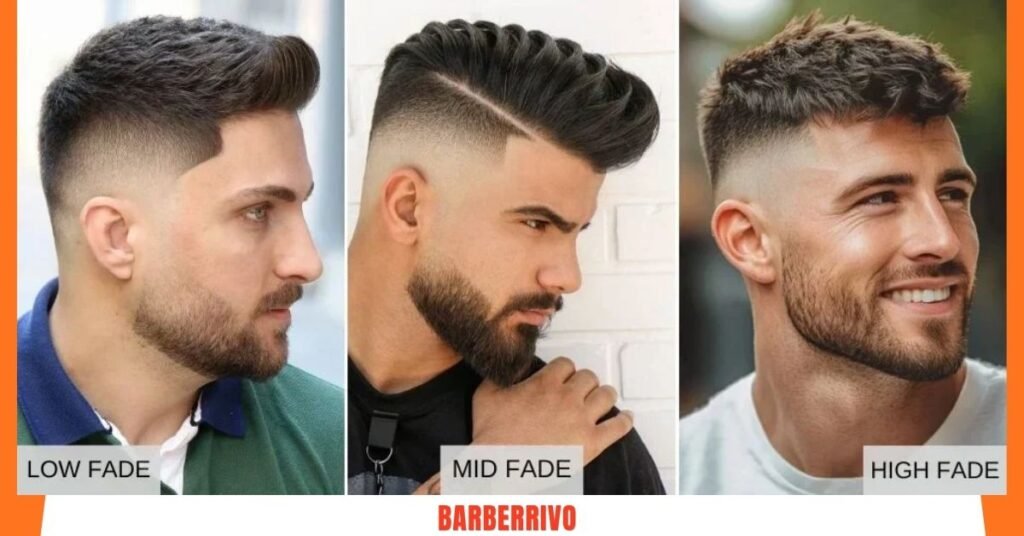
Where does a low fade start? Right above the ear, close to the natural hairline. This keeps most of the length intact and gives you a soft, understated finish.
Where does a mid fade start? At temple level, roughly halfway up the side of your head. This is the true middle ground, and it’s why so many guys default to it when they’re not sure what to ask for.
Where does a high fade start? Much higher, often near the crown or the top of the temple area. That extra height is what gives the high fade vs low fade debate its whole “subtle versus bold” flavor. The fade haircut placement you choose changes the entire look of the cut, even if the top styling stays the same.
How Each One Looks and Feels
A Low Fade vs Mid Fade vs High Fade comparison really comes down to intensity. The low fade whispers. It’s neat, professional, and doesn’t draw much attention to the sides. The mid fade speaks a little louder. It shows more contrast between the top and sides, giving you a sharper, more defined shape without going overboard.
The high fade shouts, in a good way. It creates the most contrast of the three, making the top hairstyle pop against skin-close sides. If you want people to notice your haircut the second you walk in the room, this is the one that does it. Each of these fade haircut levels serves a different personality and a different mood.
Maintenance and Grow-Out Time Compared
Here’s the honest truth about fade haircut maintenance: the higher the fade, the more often you’ll be back in that barber chair. A low fade grows out slowly and still looks decent even three or four weeks later. A mid fade needs a bit more attention, usually every two to three weeks. A high fade, though? That one needs love every one to two weeks, or the sharp lines start to blur and lose their crispness.
If you’re someone who barely has time to grab coffee in the morning, factor this into your decision now, not after you’ve already booked the appointment.
What Is a Low Fade?
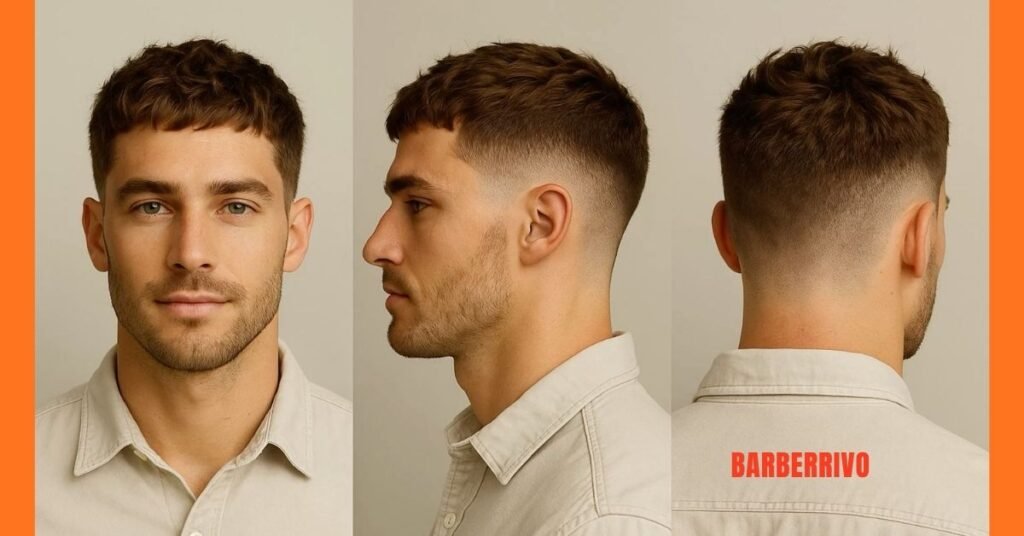
The low fade haircut is the quiet achiever of the group. It starts close to the ear and blends upward, keeping most of the sides looking fuller than the other two styles. It’s the safest choice if you want something sharp but not flashy.
Think of it as the haircut equivalent of a well-tailored suit. It doesn’t scream for attention, but it looks put-together every single time. That’s exactly why it’s such a common professional fade haircut choice for office settings, interviews, and anywhere a conservative look matters.
Defining Features of a Low Fade
The defining trait here is restraint. The fade barely climbs past the ear, leaving the bulk of the side hair intact. This makes it one of the more forgiving styles because there’s less room for visible mistakes or awkward lines. It also pairs beautifully with a classic fade haircut finish on top, like a simple comb-over or a neat side part.
Pros and Cons of a Low Fade
The pros are hard to beat if low maintenance matters to you. It’s subtle enough for any workplace, and it grows out gracefully instead of turning into a fuzzy mess after two weeks. It’s also one of the best entry points if you’ve never tried a fade before and want to test the waters.
The downside? It can look a little plain compared to a mid or high fade, especially if you’ve got thick or curly hair that could use more contrast to stand out. Guys chasing a bold, statement-making look might find the low fade too tame for their taste.
Best Low Fade Styles to Try
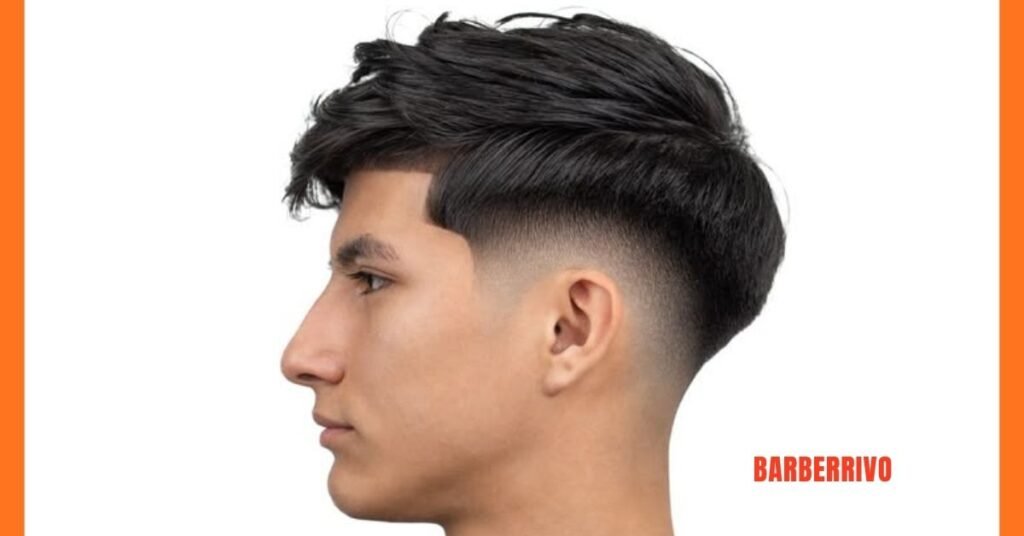
A low fade haircut pairs naturally with a comb-over, giving you a polished, business-ready finish. It also works well with a classic side part for guys who like a bit of old-school charm. If your hair has natural curl or texture, a low fade lets those curls breathe on top while keeping the sides tidy and controlled, which makes it a genuinely strong pick among best fade for curly hair options.
What Is a Mid Fade?
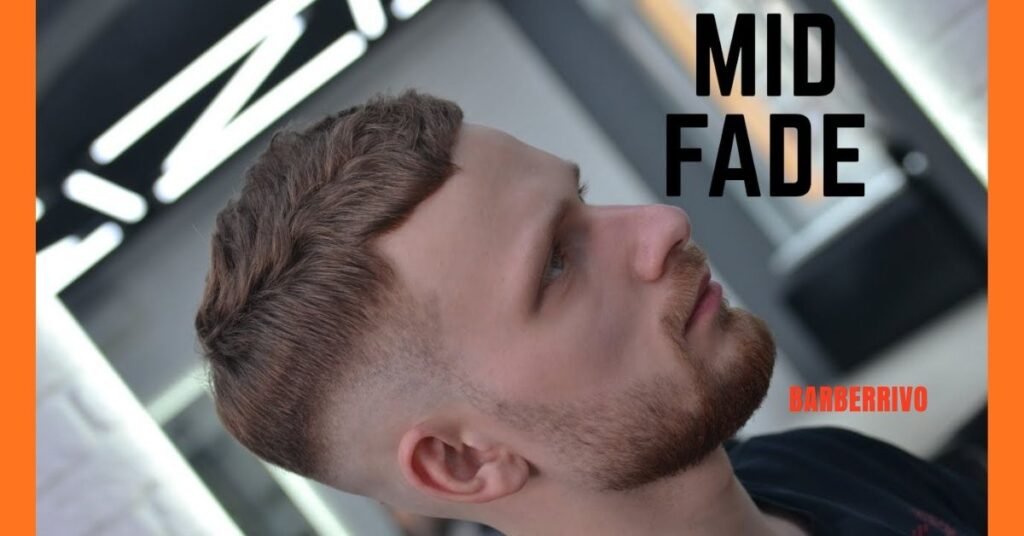
The mid fade haircut sits right in the sweet spot between subtle and bold. Starting at the temple, it gives you enough contrast to look sharp without going full drama on the sides. It’s become the default recommendation for guys who want something modern but still versatile enough for daily life.
This is often the answer to “which fade haircut is best” for people who can’t decide. It works with beards, it works with texture on top, and it adapts to both casual and semi-formal settings without much fuss.
Defining Features of a Mid Fade
The mid fade’s calling card is balance. It blends around the temple area, creating a visible but not overwhelming contrast between the top and sides. This makes it one of the most flexible options in the fade haircut styles lineup, since it complements nearly every face shape and hair type.
Pros and Cons of a Mid Fade
On the plus side, the mid fade looks neat and pairs effortlessly with beards or textured, wavy hair on top. It hits that rare balance of looking intentional without trying too hard. Barbers often recommend it as a safe, reliable choice when a client isn’t sure what they want.
On the downside, it does need more regular trims than a low fade to keep the blend sharp. If you’re someone who prefers to stretch out barbershop visits as long as possible, this might feel like a bit more commitment than you bargained for.
Best Mid Fade Styles to Try
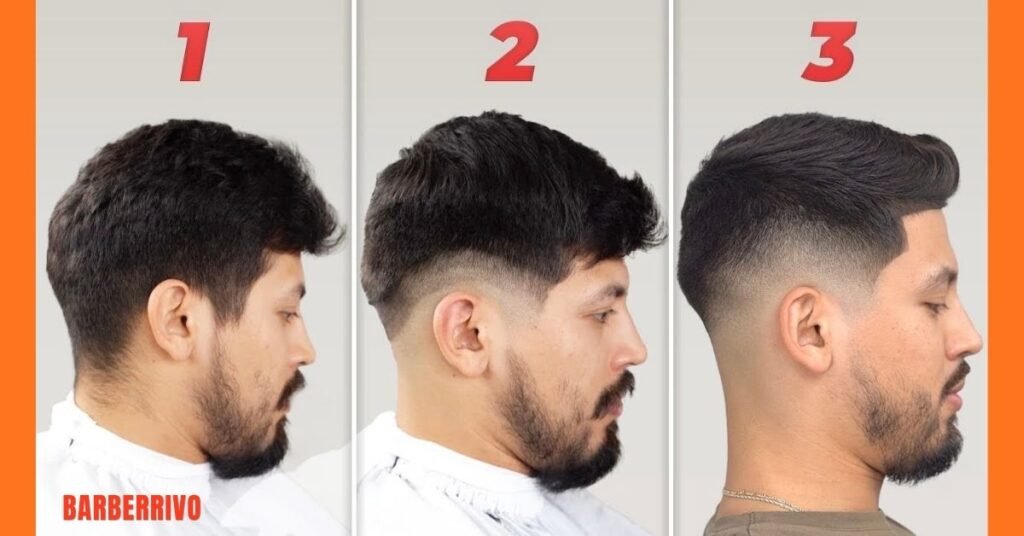
Pair a mid fade haircut with a quiff for extra height and volume up top. A textured crop works beautifully too, giving off a relaxed, easy-to-manage vibe for everyday wear. And if you want something sleeker, a slick back on a mid fade creates a polished look that works just as well at the office as it does on a night out.
What Is a High Fade?
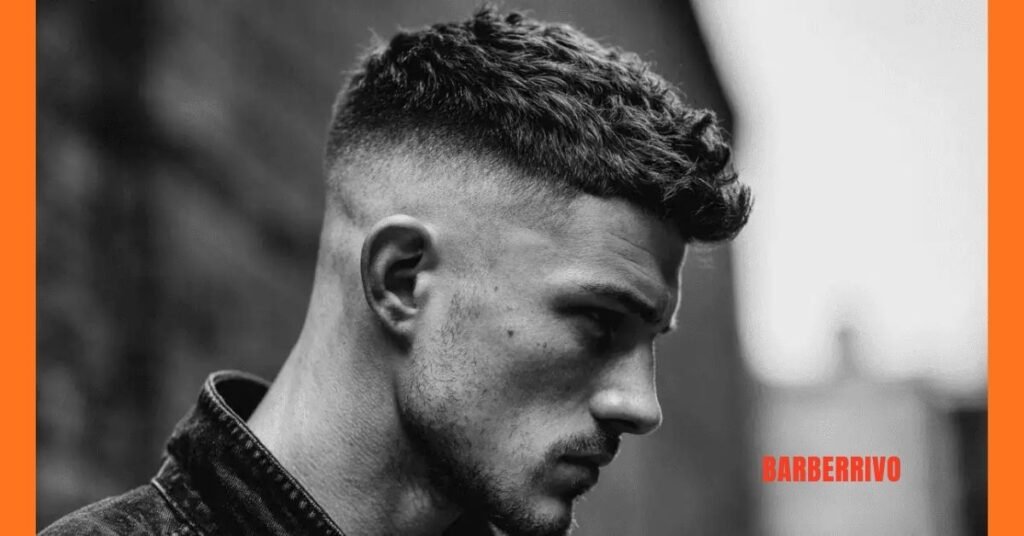
The high fade haircut is the boldest of the three, and it doesn’t try to hide it. Starting near the crown, it creates dramatic contrast between the sides and the top, making whatever style you’ve got up there really pop. This is the fade for guys who want to make a statement, not blend into the background.
It’s also one of the most modern fade haircut choices out there right now, showing up constantly in barbershops, on social media, and among guys chasing a fresh, trend-forward look.
Defining Features of a High Fade
A high fade climbs well past the temple, sometimes reaching close to the crown before blending into the top length. That extra height creates the sharpest visual break of any fade style, which is exactly why it pairs so well with bold top styles that need room to shine.
Pros and Cons of a High Fade
The upside is obvious: nothing looks sharper or more defined. It gives your face a strong, structured frame, and it works especially well alongside a well-groomed beard for guys chasing that clean, put-together edge. It also tends to suit thicker, coarser hair types nicely, since there’s less hair weighing down the top.
The downside comes down to upkeep and setting. This style needs frequent trims, sometimes weekly, to stay looking its best. And in more conservative workplaces, a high fade might read as a little too bold or trend-heavy for the room.
Best High Fade Styles to Try
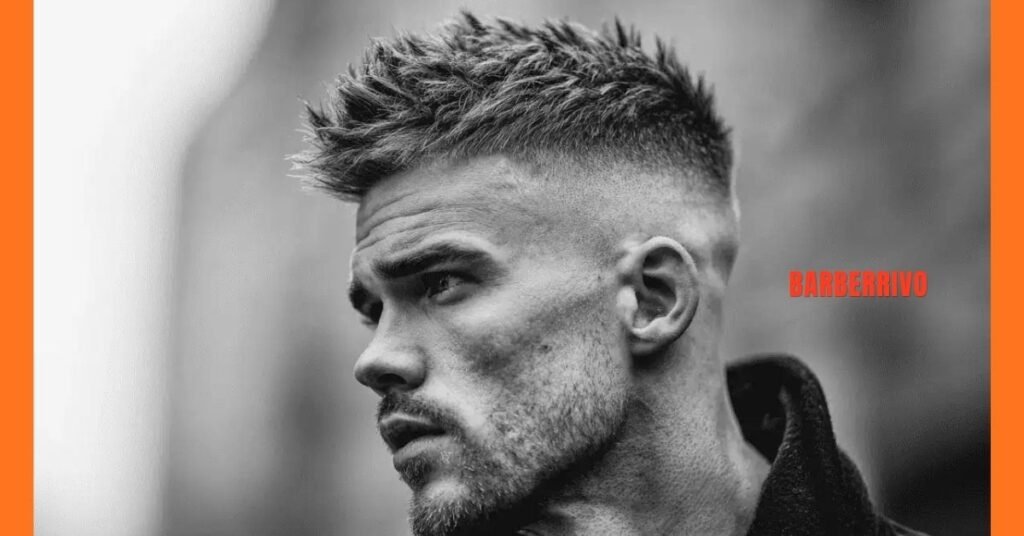
A high fade haircut looks fantastic with a pompadour, giving you height and volume that really commands attention. Pair it with an undercut for maximum contrast between short sides and longer top hair. Or go textured on top for a lived-in, effortless finish that still looks intentional and sharp.
Low Fade vs High Fade: Which One Stands Out More?
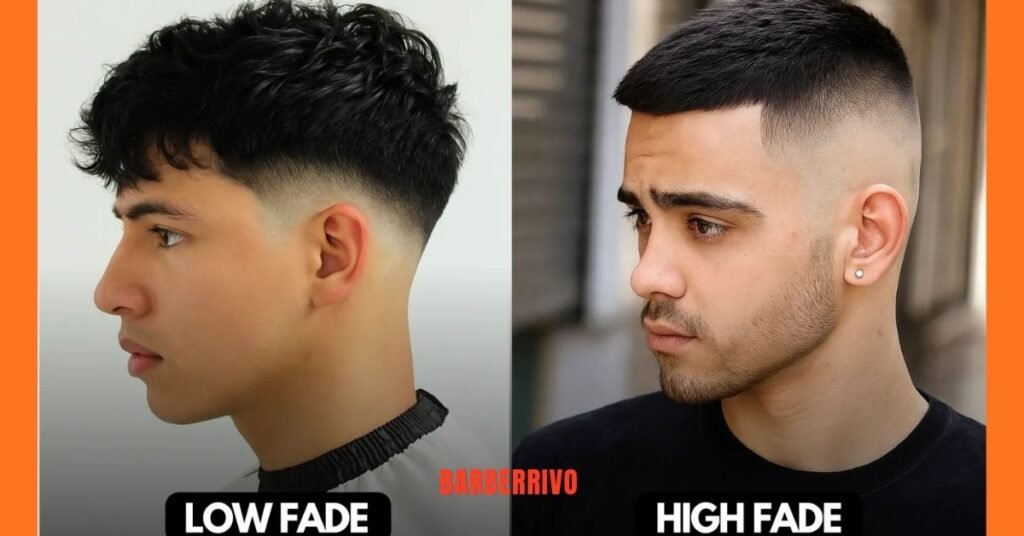
There’s no contest here on subtlety versus drama. In a straight low fade vs high fade matchup, the high fade wins on visual impact every time. It creates far more contrast, drawing the eye toward the top of your head rather than blending everything together softly.
But “stands out more” doesn’t automatically mean “better for you.” If you work somewhere formal or you just prefer a quieter look, the low fade still wins on comfort and ease. Choose based on the impression you actually want to make, not just which one photographs better.
Skin Fade vs High Fade: What Sets Them Apart?
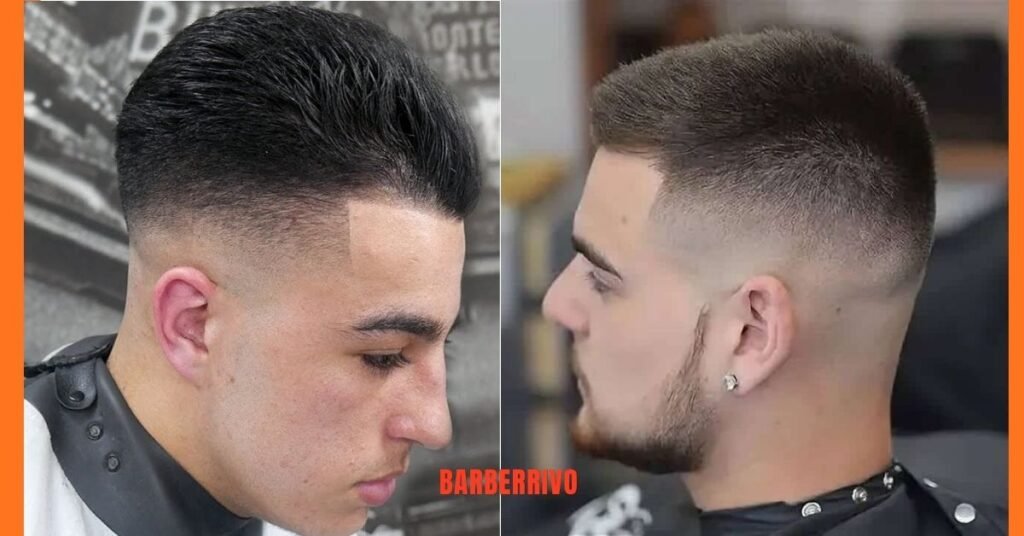
This is one of the most common mix-ups in barbershop terminology, so let’s clear it up. A skin fade vs taper fade comparison is about depth, meaning how close to bare skin the cut goes at its shortest point. A high fade, on the other hand, is about placement, meaning how high up the head the fade actually starts.
Here’s the key insight: a skin fade haircut can technically be low, mid, or high. It just means the shortest part fades all the way down to the skin rather than stopping at a slightly longer guard length. So you could have a low skin fade or a high skin fade, and both would technically qualify as skin fades. Meanwhile, a tapered fade haircut usually keeps a touch more length at the bottom instead of going bare, giving a softer finish overall.
Which Fade Matches Your Face Shape?
Your face shape plays a bigger role in this Low Fade vs Mid Fade vs High Fade decision than most guys realize. A fade haircut face shape guide isn’t just marketing fluff. It genuinely changes how balanced your features look once the cut is finished.
Round faces tend to benefit from a high fade, since the added height and sharp sides create the illusion of length. Square faces usually do well with a mid fade, softening the jawline just enough without losing definition. Long or oval faces often look their best with a low fade, since it doesn’t add extra height that could make the face appear even longer.
| Face Shape | Recommended Fade | Why It Works |
| Round | High fade | Adds height, creates length |
| Square | Mid fade | Balances strong jawline |
| Oval | Any fade | Naturally proportionate |
| Long | Low fade | Avoids adding extra height |
Which Fade Works Best for Your Hair Type?
Face shape matters, but hair type matters just as much, sometimes even more. The texture and thickness of your hair change how each fade blends and how long it holds its shape between visits.
Straight Hair: Low, Mid, or High Fade?
Straight hair tends to lie flat and shows clean lines really well, which makes it a great match for both low and mid fades. The best fade for straight hair usually depends on how much contrast you want, since straight hair blends smoothly no matter the height you choose. It also makes styling on top a breeze, since straight strands cooperate easily with combs and brushes.
Curly Hair: Low, Mid, or High Fade?
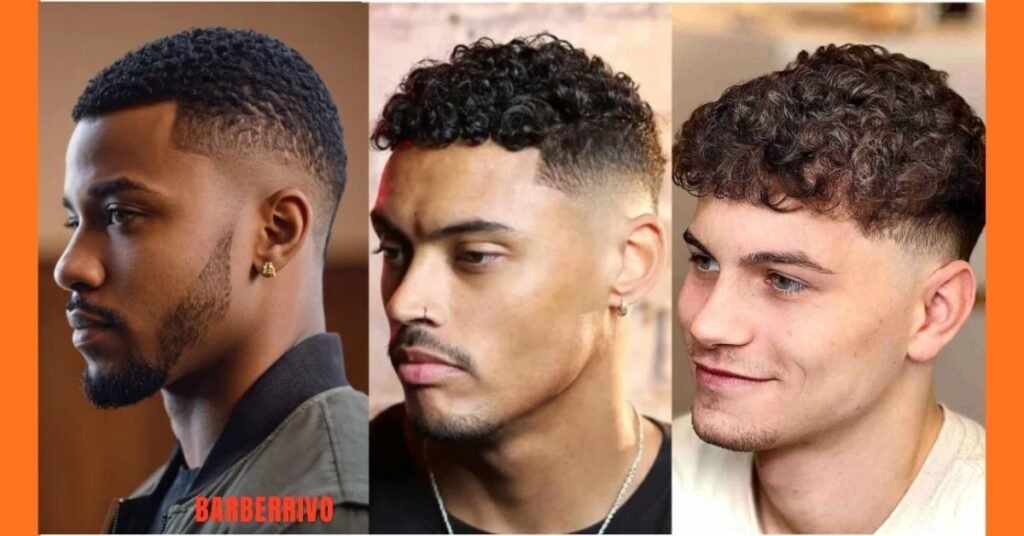
Curly and coiled hair adds natural volume up top, and that changes the math a little. The best fade for curly hair is usually a mid fade, since it creates enough contrast to define the shape without competing against the natural bounce and texture of the curls. For guys with an afro fade or dense, coily hair, a mid or high fade also helps keep the sides from looking bulky. If your hair leans best fade for thick hair or best fade for wavy hair territory, a mid fade tends to strike the best balance between manageable sides and expressive volume up top.
Choosing a Fade Based on Your Lifestyle
Your daily routine and environment matter just as much as face shape or hair type. A haircut that looks amazing but demands weekly maintenance isn’t practical if your schedule barely allows for a monthly trim.
Professional and Workplace-Friendly Options
If you work in a conservative office or client-facing role, a low fade or mid fade tends to fit right in. Both offer a clean fade haircut finish that reads as polished and put-together, without looking like you’re chasing the latest trend. A short fade haircut on top, paired with either of these, keeps things tidy and professional for daily wear.
Bold, Trend-Forward Choices
If your workplace is more relaxed, or you simply want to express yourself through your look, a high fade opens the door to bolder styling. Pair it with a burst fade, drop fade, or temple fade variation for something a little different from the standard cut. These styles let you experiment while still keeping that structured, barbershop-fresh finish.
How to Talk to Your Barber About Your Fade
Walking into a barber shop haircut appointment with vague instructions is how you end up disappointed. Bring a reference photo if you can, since visuals communicate far better than words alone. Specify the starting height using terms like low, mid, or high, and mention whether you want a skin fade or a slightly longer taper at the bottom.
It also helps to mention your maintenance schedule honestly. If you can only get back every four weeks, say so upfront. A good barber will adjust the height and blend accordingly, so the cut still looks decent as it grows out rather than falling apart after two weeks.
How Often You Need a Touch-Up for Each Fade
Building a realistic haircut maintenance schedule starts with knowing your fade type. Low fades can often stretch to three or four weeks between visits without looking sloppy. Mid fades sit in the middle, needing attention roughly every two to three weeks to keep that blend sharp. High fades are the most demanding, often requiring a trim every one to two weeks to maintain their crisp, defined lines.
Skipping touch-ups doesn’t just make the fade look messy. It also makes the next cut harder for your barber, since they’ll have more uneven growth to work through and blend back into shape.
Common Fade Mistakes to Avoid
Even experienced barbers can slip up, and knowing the common pitfalls helps you spot a bad cut before it’s too late. Visible demarcation lines, where the transition looks choppy instead of smooth, are one of the biggest giveaways of a rushed job. Ignoring the natural direction of hair growth is another frequent mistake, leading to patchy, uneven blending that never quite looks right no matter how it’s styled.
Ready to blame yourself instead? Don’t. Neglecting scalp care after a skin fade haircut is also common, since exposed skin can dry out or get irritated without a bit of moisturizer or sunscreen. And rushing the finishing touches with a razor, rather than taking time on the details, often leaves a fade looking unfinished around the edges.
Quick Decision Guide: Picking Your Perfect Fade
Still torn between the three? Use this Low Fade vs Mid Fade vs High Fade cheat sheet, a quick fade haircut comparison, before your next appointment.
| Priority | Best Choice |
| Lowest maintenance | Low fade |
| Most versatile overall | Mid fade |
| Boldest, most eye-catching | High fade |
| Best for round face | High fade |
| Best for long face | Low fade |
| Best for curly or thick hair | Mid fade |
| Best for straight hair | Low or mid fade |
FAQs
What’s the actual difference between low, mid, and high fade?
The difference comes down to fade haircut placement in the Low Fade vs Mid Fade vs High Fade comparison. A low fade starts above the ear, a mid fade starts at the temple, and a high fade starts near the crown. Each creates a different level of contrast and boldness.
Which fade lasts the longest between cuts?
The low fade wins here. Because it starts closer to the ear, it grows out more gracefully and still looks tidy even a month after your last trim.
Which fade suits a round face best?
A high fade generally works best for round faces. The added height and sharper contrast help create the illusion of a longer, more defined face shape.
Which fade is the most versatile?
The mid fade takes this title. It works across nearly every face shape and hair type, and it fits both casual and semi-formal settings without much adjustment.
Which is better, mid-fade or low fade?
Neither is objectively “better.” A mid fade offers more contrast and versatility, while a low fade offers lower maintenance and a subtler finish. It really depends on your style preference and how often you can visit the barber.
What’s better, high fade or low fade?
Again, it depends on your goals. A high fade delivers bold, sharp contrast for guys who want to stand out. A low fade delivers a clean, understated look for guys who prefer something quieter and easier to maintain.
What is the 3:2:1 rule for haircuts?
This rule refers to using three different clipper guard lengths across the fade, blending from the shortest guard near the bottom to the longest near the top. It’s a technique barbers use to create that smooth, gradual transition without harsh, visible lines.
Which fade is most attractive?
There’s no single answer, since attractiveness depends heavily on individual face shape, hair texture, and personal style. That said, the mid fade often gets picked as the most universally flattering, simply because it works well across the widest range of features.
Conclusion
Choosing the right cut in the Low Fade vs Mid Fade vs High Fade debate isn’t about finding one “correct” answer. It’s about matching the cut to your face shape, your hair type, and the routine you actually live. A low fade suits guys who want something clean and low-effort. A mid fade fits that flexible middle ground, while a high fade lets your haircut do the talking.
Bring this guide with you the next time you sit in that barber’s chair, and you’ll skip the guessing game. You’ll know exactly where you want the fade to start and how bold you want it. You’ll also know how often you’re realistically willing to show up for a touch-up.
That clarity makes all the difference between walking out happy and wishing you’d asked for something else. So take a moment, think about your face shape and your schedule, and pick the fade that works for you. Not just the one that looks good in someone else’s photo.

Ryan Carter is a men’s grooming writer who covers haircuts, hairstyles, beard care, and barbering trends. He shares practical style advice and grooming tips to help men look sharp and stay confident.