Low Fade Haircut: 40+ Styles, Face Shapes & Maintenance Guide
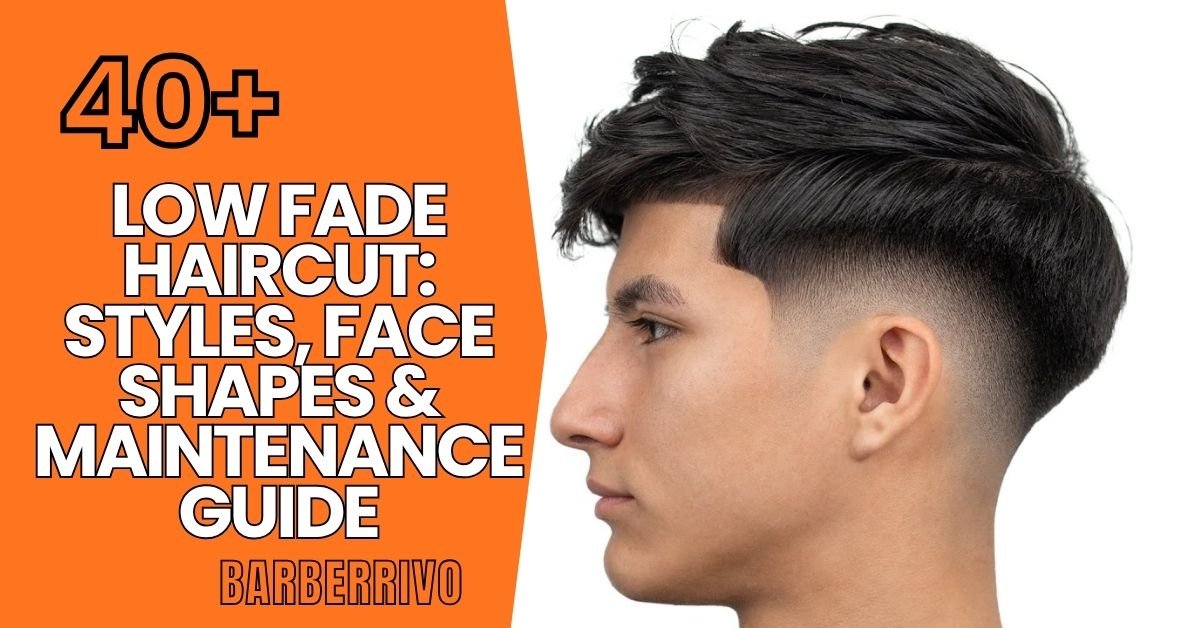
You sit down in the barber’s chair. The cape goes on. And then the question comes: “What are we doing today?” If you freeze up at that moment, you’re not alone. A low fade haircut solves that problem better than almost any other style out there.
It’s sharp. It’s simple to explain. And it works on nearly every head shape you can think of. This guide walks you through more than 40 low fade variations, shows you how to pick the right one for your face shape, and gives you real styling tips you can use today. By the end, you’ll know exactly what to say in that chair.
What Is a Low Fade Haircut?
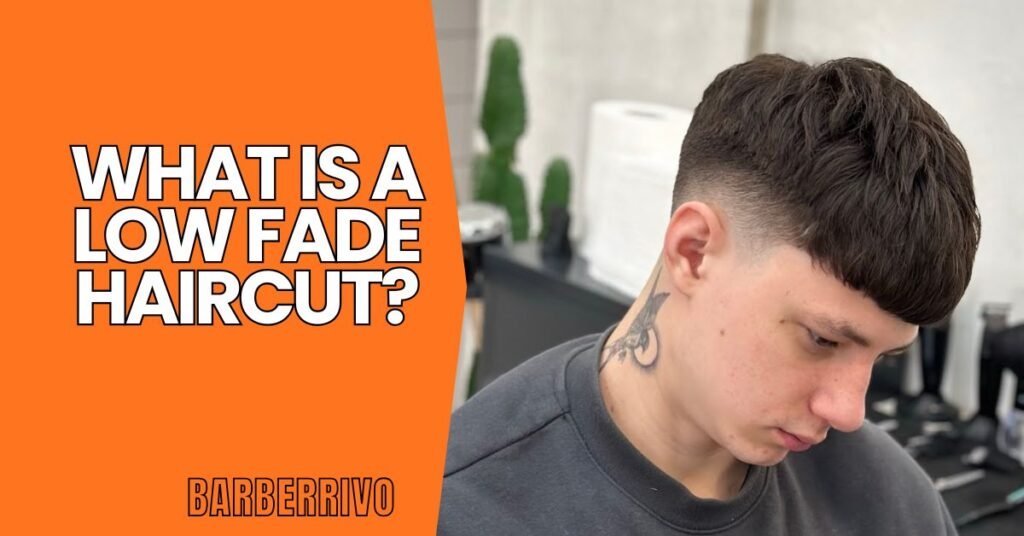
A low fade haircut starts just above the ear and fades down toward the skin near the neckline. It’s the quietest of the fade family. Instead of climbing high up the head, the fade line sits low, which keeps the whole look grounded and easy on the eyes.
This makes it a favorite pick for guys who want a clean and professional haircut without looking like they tried too hard. The gradual fade around the ears blends the sides into the top so smoothly that you barely notice where one length ends and the other begins. That’s the whole point. A great low fade hairstyle should look effortless, even though a skilled barber worked hard to get there.
Key Features That Define a Low Fade
Every solid low fade haircut men choose shares a few core traits. First, the starting point sits low, right above the ear line, rather than climbing toward the temple. Second, the blended haircut technique creates a soft, almost invisible transition rather than a hard line.
Third, the contrast between the top and the sides stays mild, which is why this cut reads as more conservative than a high fade.
The table below breaks down what separates a low fade from the rest of the fade family at a glance.
| Feature | Low Fade | Mid Fade | High Fade |
| Starting point | Above the ear | Temple area | Above the temple |
| Contrast level | Subtle | Moderate | Bold |
| Best for | Formal settings, rounder heads | Everyday versatility | Bold, statement looks |
| Maintenance | Lower | Moderate | Higher |
Because the contrast stays low-key, this style pairs beautifully with a textured top with fade, a slick side part, or even longer hair on top. It’s one of the most versatile fade haircut options a man can choose, and that flexibility is exactly why barbers recommend it so often to first-time fade wearers.
Taper vs. Fade: What’s the Difference?
People mix these two words up all the time, so let’s clear it up. A taper trims hair gradually shorter as it moves down toward the neck and sideburns, but it never touches the skin. Think of it like a dimmer switch, the light slowly dims but never fully turns off. A fade, on the other hand, works like a light switch that gets flipped in stages. It blends hair all the way down to the skin, creating a much sharper visual drop.
A low taper fade actually blends both ideas. It keeps the softness of a taper near the top while still fading down closer to bare skin near the bottom. That’s part of why this specific term shows up so often in barber fade haircut conversations. It gives you the best of both techniques in one clean package, and it’s forgiving if you’re new to fades and not ready for a fully bald finish.
| Technique | What Happens | Visual Result |
| Taper | Hair gradually shortens, never reaches skin | Soft, subtle transition |
| Fade | Hair blends down to the skin | Sharp, defined contrast |
| Low Taper Fade | Combines both, softer up top, sharper near the bottom | Balanced, easy to maintain |
Low Fade vs. Mid Fade vs. High Fade
The name of each fade tells you where the fading action starts. A low fade begins right above the ear. A mid fade starts around the temple, right in the middle of the head. A high fade climbs even further up, sometimes nearly to the crown, for a much bolder statement.
Your choice here really comes down to personal style and how much contrast you want. Guys who work in conservative offices often lean toward the low fade because it looks buttoned-up and doesn’t scream for attention. Guys chasing a bolder, more editorial look might reach for a high fade instead. There’s no wrong answer, just different volumes on the same dial.
| Fade Type | Starting Point | Style Vibe | Upkeep |
| Low Fade | Above the ear | Formal, understated | Every 3-4 weeks |
| Mid Fade | Temple | Balanced, trendy | Every 2-3 weeks |
| High Fade | Above temple, near crown | Bold, statement-making | Every 2 weeks |
Best Low Fade Haircuts for Men
Ready for the good stuff? Below you’ll find more than 15 specific takes on the low fade haircut styles trend, each one built for a different mood, hair type, or lifestyle. Some lean classic. Others feel fresh off the runway. Pick the one that matches your personality, then bring the name (or a photo) straight to your barber.
Classic Low Fade
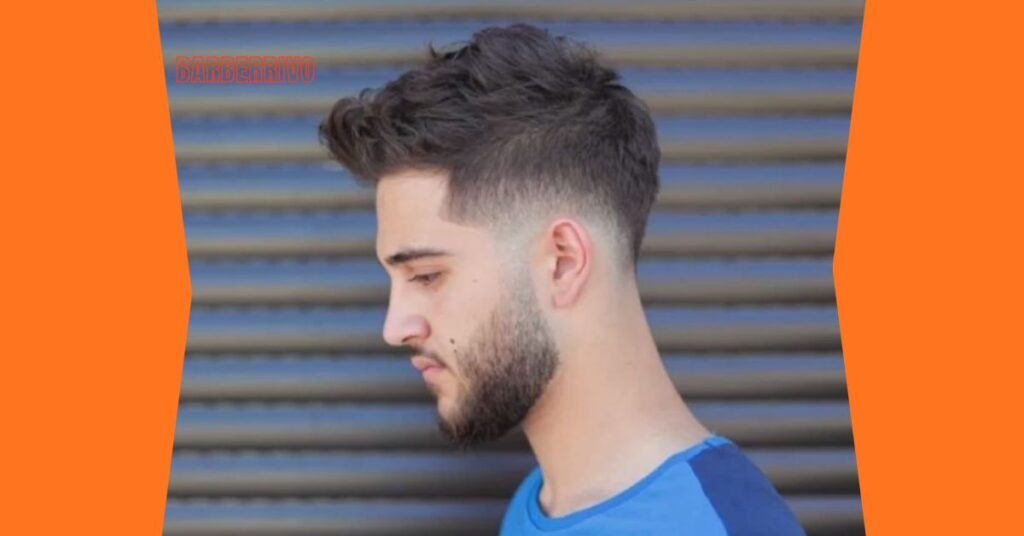
The classic low fade never really goes out of style, and that’s exactly why it tops this list. The sides fade softly from the ear down, leaving enough length on top to comb, style, or just leave naturally textured. It works for teenagers and grandfathers alike, which says a lot about its staying power. If you want a short low fade haircut that requires almost no thinking, start here.
Low Taper Fade
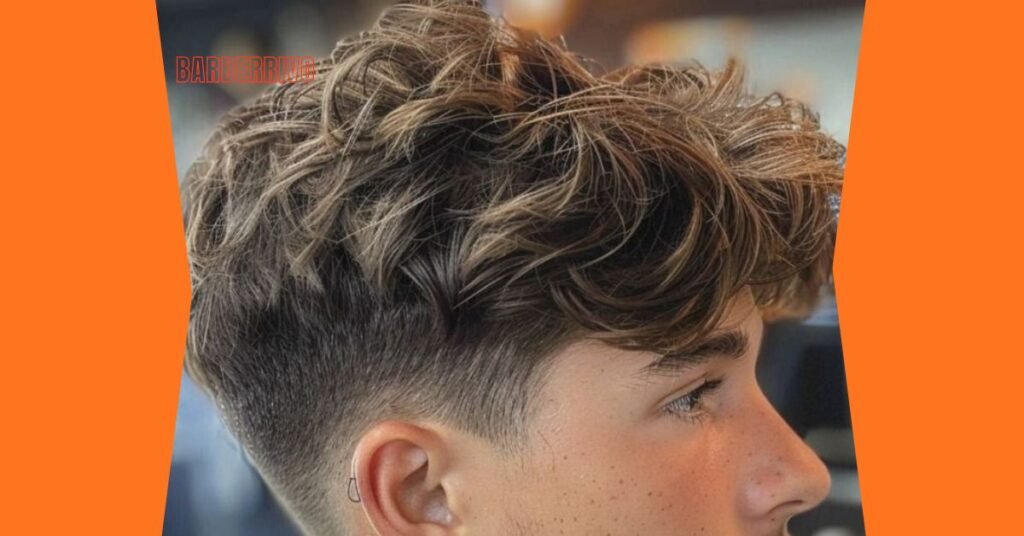
We already covered the technique, but as a standalone style, the low taper fade deserves its own spot. It’s soft, forgiving, and grows out gracefully, so you can stretch the time between trims if your schedule gets busy. Most barber shop favorite requests actually fall into this category because it flatters nearly every face shape without demanding much commitment.
Low Skin Fade
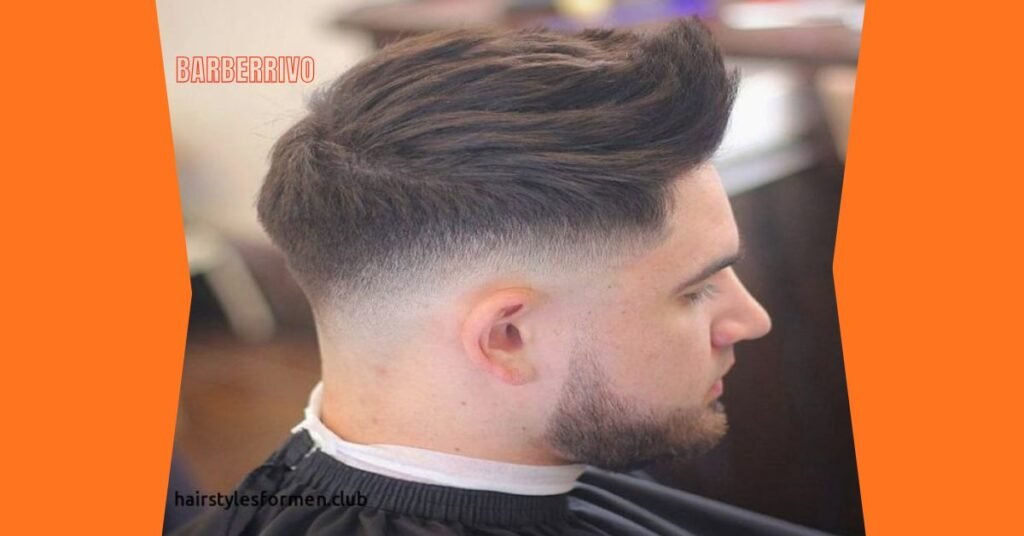
Want something a little sharper? The low skin fade takes the blend all the way down to bare skin near the hairline, creating a sharp hairline that really pops against longer hair up top. It’s a touch more dramatic than the taper version but still stays well within professional territory. Think of it as the classic low fade’s more confident cousin.
Low Drop Fade
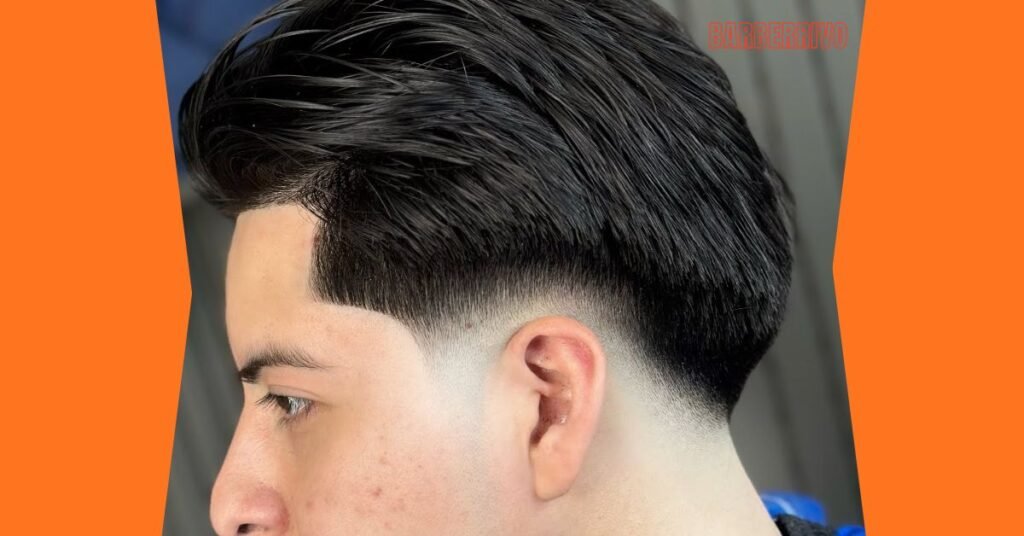
The low drop fade curves downward behind the ear instead of staying perfectly straight. That subtle dip follows the natural shape of your skull, which gives the whole cut a rounder, more sculpted look. It pairs especially well with curly or coily textures on top, since the curve echoes the natural roundness of tight curls.
Low Burst Fade
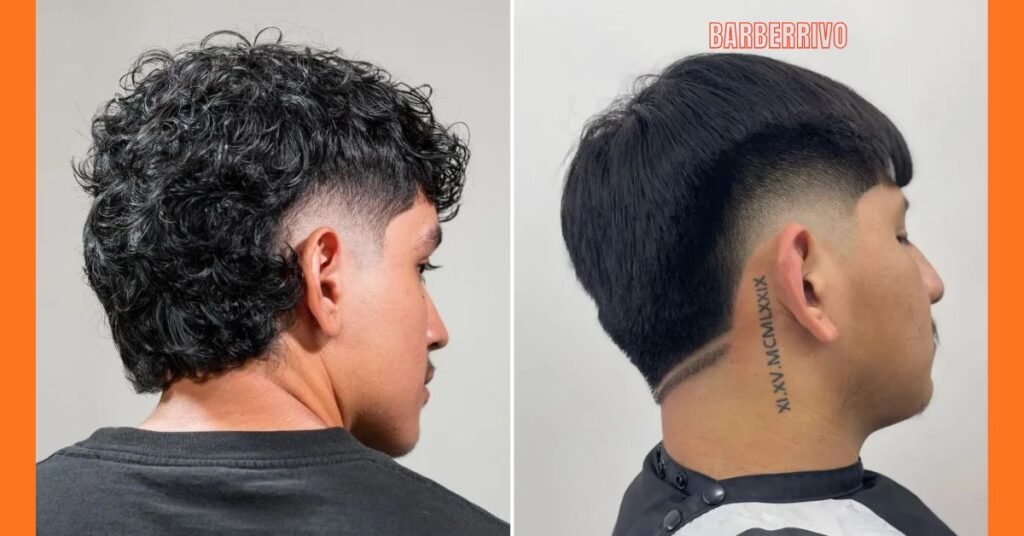
Instead of wrapping all the way around the head, a low burst fade fades in a half-circle burst around just the ear. It’s a bit of an unsung hero in the fade world. If you keep length at the back and sides but still want that fade detail framing your ear, this is your style.
Low Fade Crew Cut
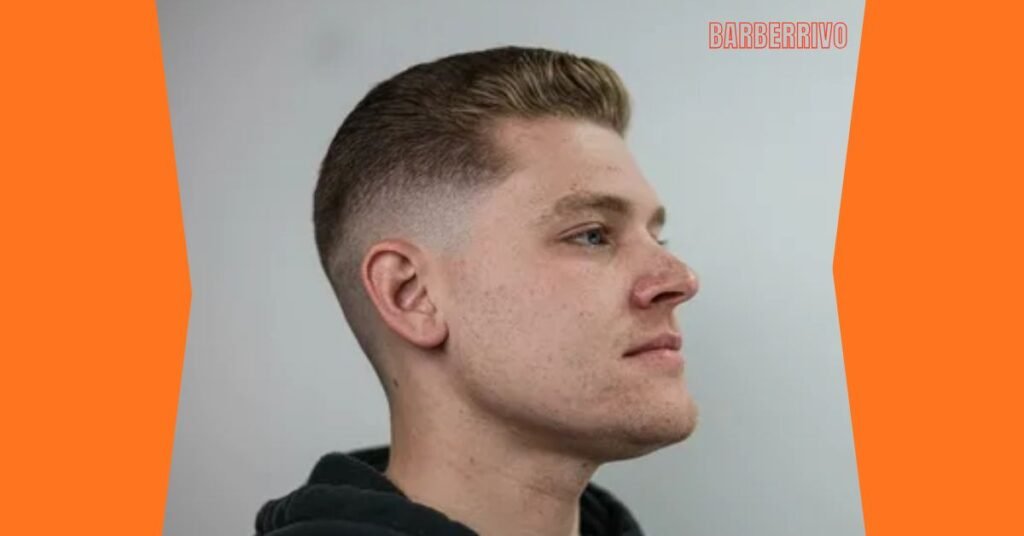
Simple, sharp, and endlessly practical, the low fade crew cut pairs short, uniform length on top with a clean fade underneath. There’s a reason this combo shows up constantly in military and athletic circles. It requires almost no styling product and still manages to look intentional every single day.
Low Fade Buzz Cut
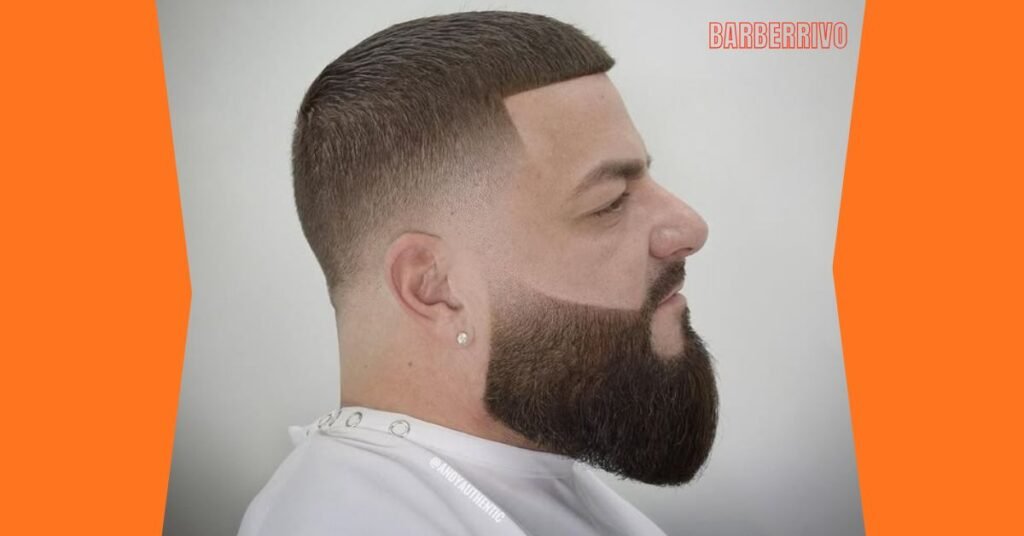
This is about as low-maintenance haircut as it gets. The low fade buzz cut keeps the top extremely short, almost matching the fade itself, for a nearly all-over uniform texture with just a hint of contrast near the hairline. Perfect for hot climates, busy schedules, or guys who simply hate fussing with product every morning.
Low Fade Undercut
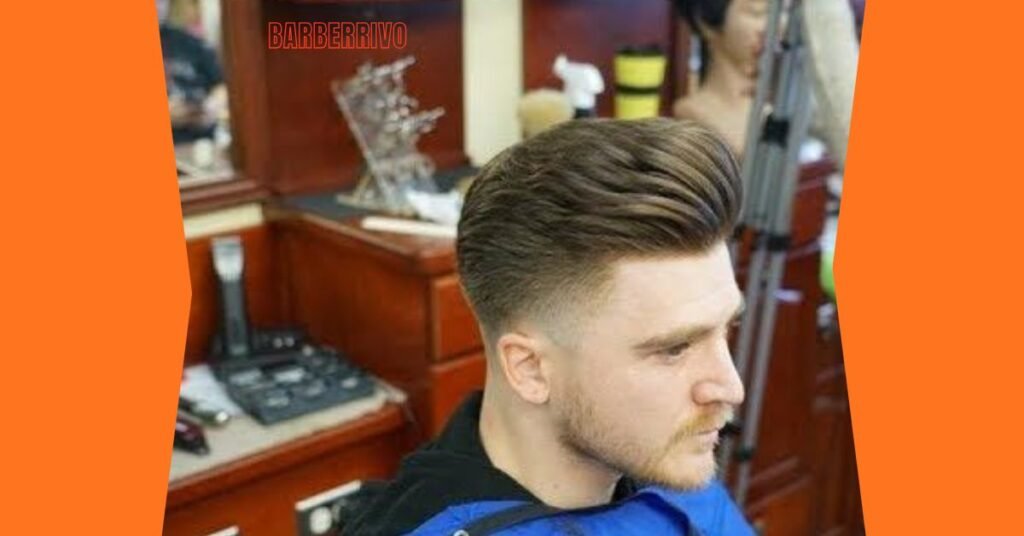
The low fade undercut creates more drama by disconnecting the top from the sides entirely. The top stays notably longer while the fade underneath drops sharply, giving you room to slick it back, push it forward, or style it into a textured quiff. It’s a favorite among guys who want a modern low fade that still photographs well.
Low Fade Comb Over
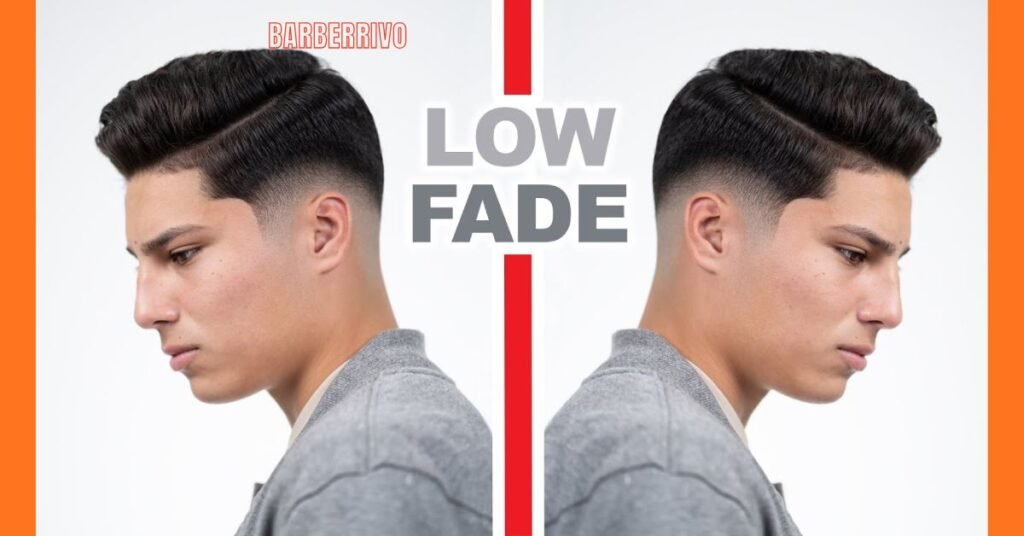
A timeless office-ready choice, the low fade comb over takes hair that’s slightly longer on one side and combs it neatly across the top. Add a touch of shine-enhancing pomade and you’ve got a professional office haircut that looks polished from your morning meeting straight through happy hour.
Low Fade Pompadour
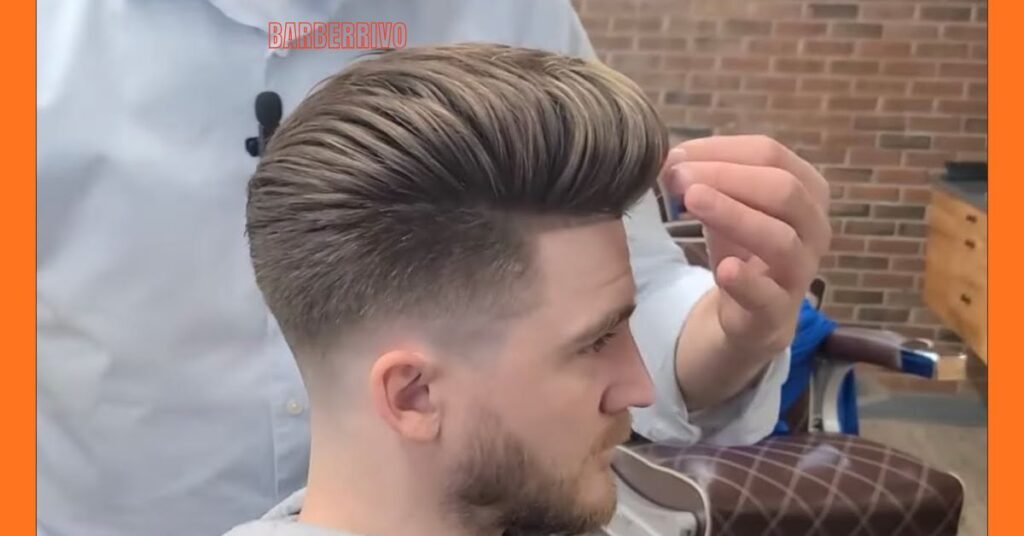
Volume lovers, this one’s for you. The low fade pompadour builds height and sweep at the front while the fade keeps the sides clean and controlled. It takes a bit more styling time than most cuts on this list, but the payoff is a genuinely head-turning silhouette.
Low Fade Quiff
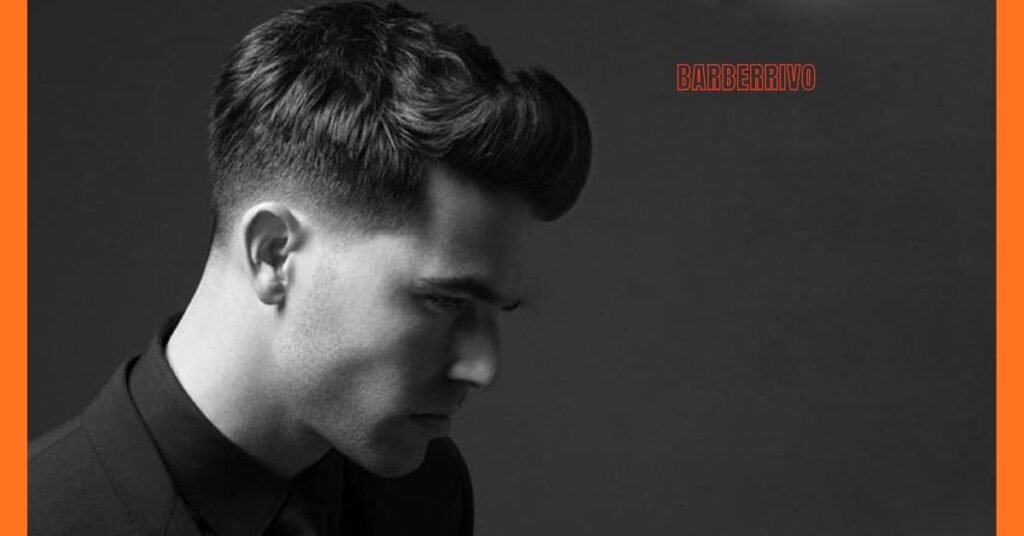
Slightly more relaxed than a full pompadour, the low fade quiff pushes hair up and back with a soft, tousled finish rather than a sharp, sculpted one. It’s become a staple of trendy men’s haircut culture because it looks put-together without feeling stiff or overly formal.
Low Fade Slick Back
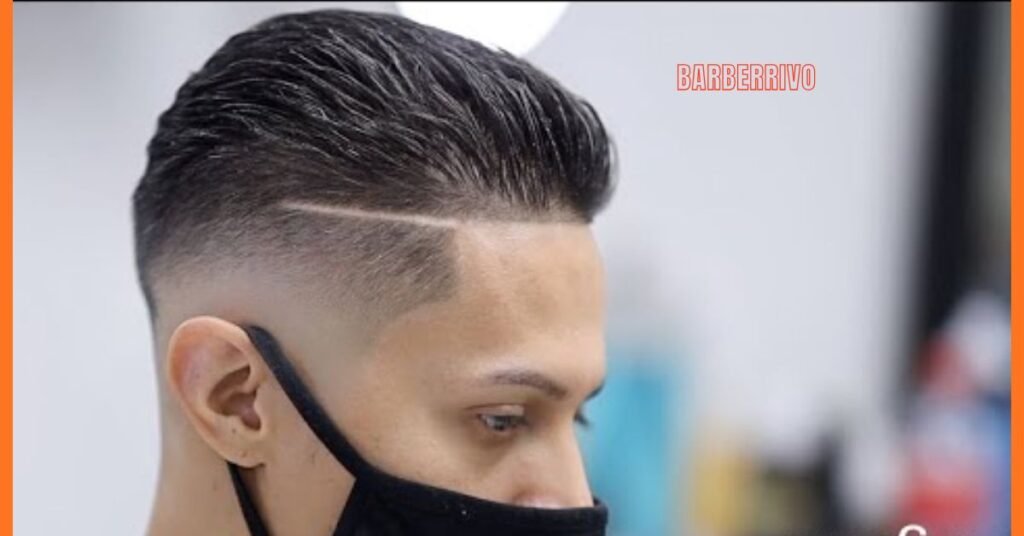
For guys chasing old-school Hollywood energy, the low fade slick back combs hair straight back from the forehead using a strong-hold pomade, while the fade underneath keeps things tidy. It’s one of the sharpest options here and works especially well for guys with straight or wavy strands.
Low Fade Faux Hawk
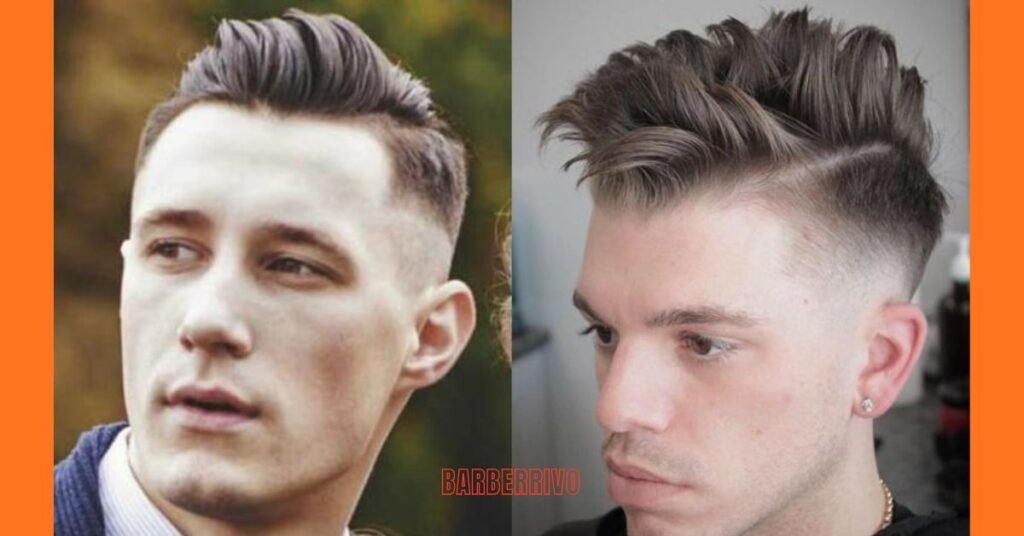
Somewhere between a full mohawk and a regular short cut sits the low fade faux hawk. The center strip stays longer and gets styled upward, while the fade tapers everything else down neatly. It delivers edge without demanding a lifetime commitment to maintaining an actual mohawk.
Low Fade with Fringe
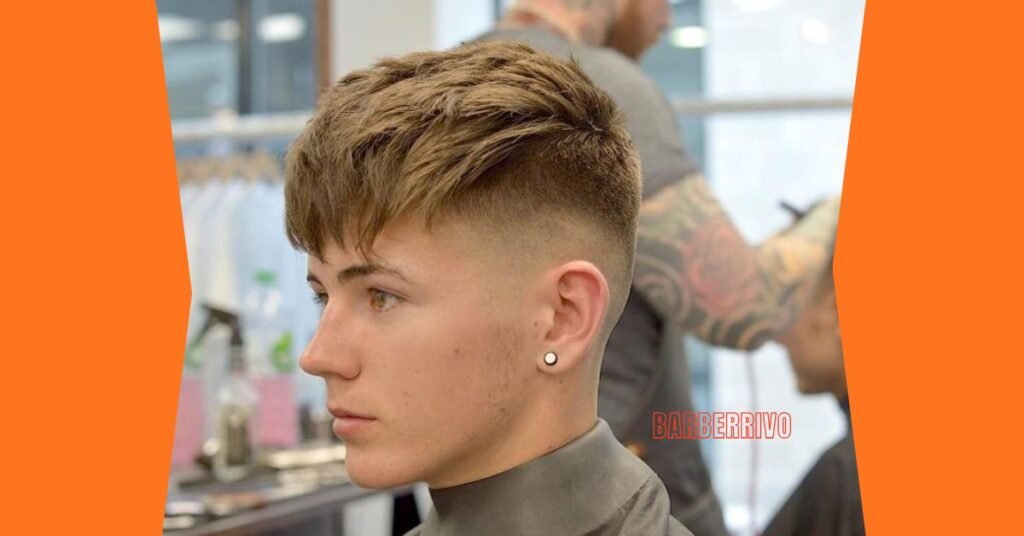
A heavy fringe swept forward over the forehead pairs surprisingly well with a low fade underneath. The fade keeps the sides in check, while the fringe brings a youthful, almost European flair to the front. Lightweight pomade helps keep the fringe full without weighing it down.
Low Fade with Hard Part / Design Lines
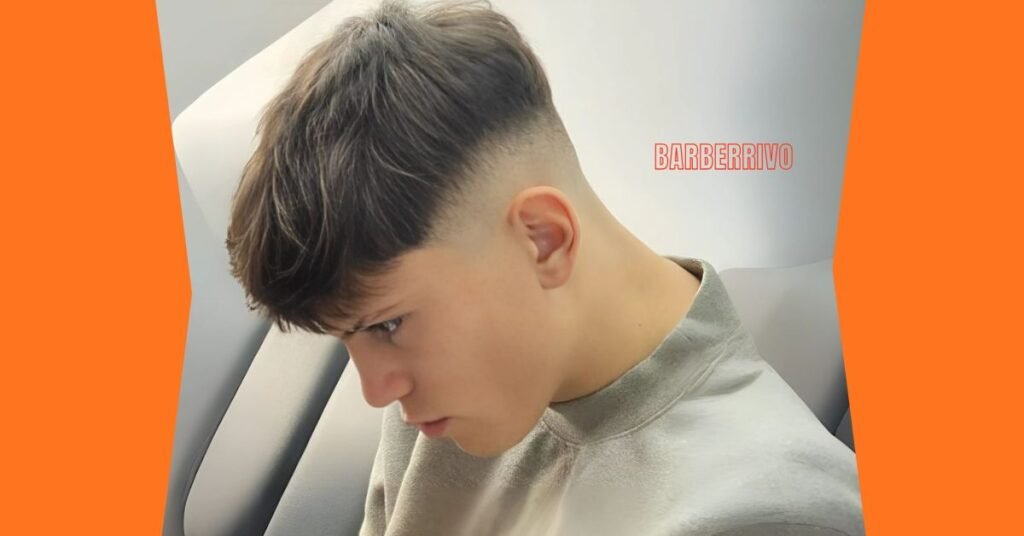
Want to add a personal signature? A hard part, sometimes called a design line, uses a razor to carve a crisp line into the fade itself, usually to define a side part. Some guys take it further with small geometric patterns. Either way, it’s an easy way to make a fairly common cut feel one hundred percent yours.
Low Fade Mullet
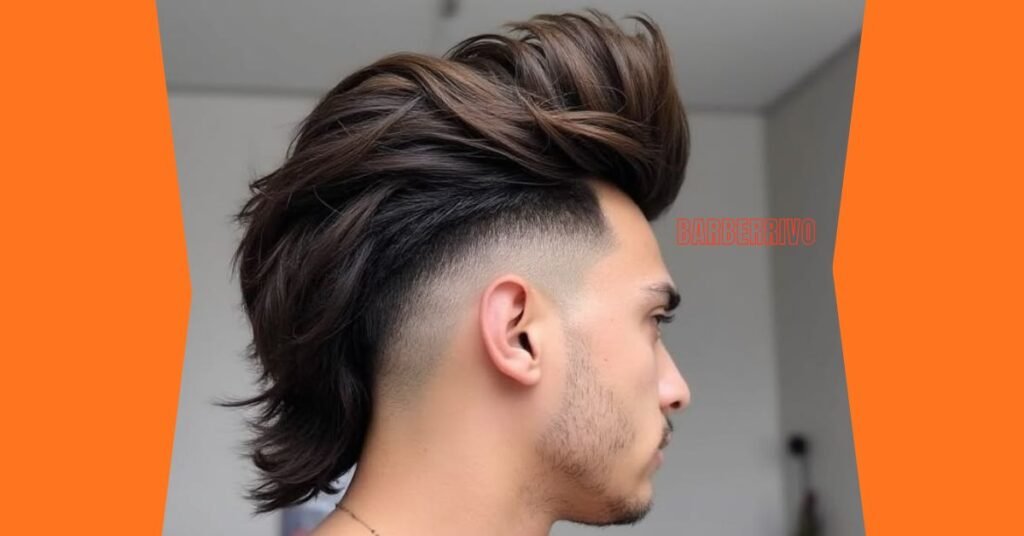
Yes, the mullet is back, and pairing it with a low fade actually modernizes the whole thing considerably. Short and faded on the sides, longer and left alone at the back, this combo has become a genuine barber shop favorite among younger clients chasing a retro-with-an-edge vibe.
Low Fade French Crop
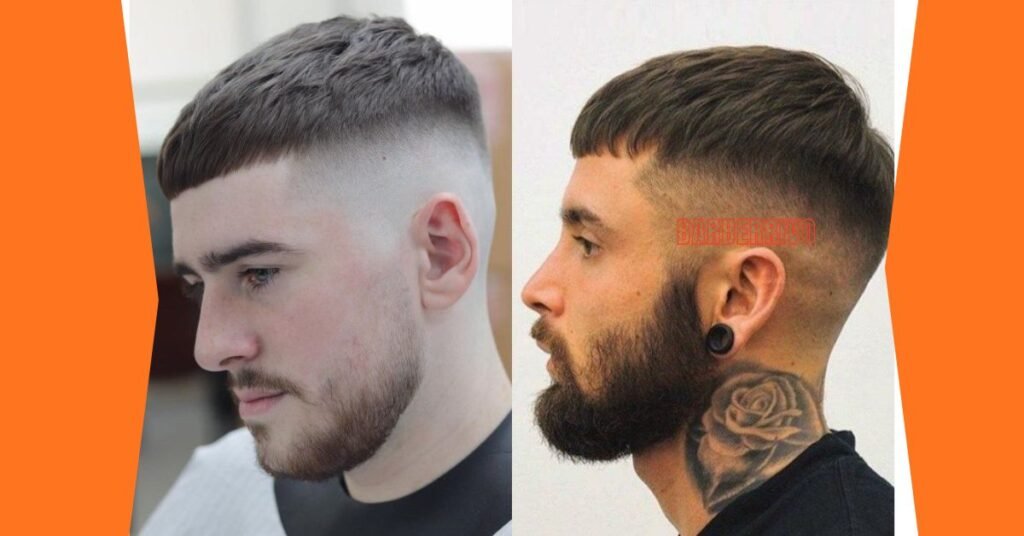
The French crop brings a blunt, textured fringe up front paired with a tight fade on the sides and back. It’s become massively popular over the past few years because it looks sharp, requires minimal daily styling, and flatters almost every face shape on this list.
Low Fade Caesar Cut
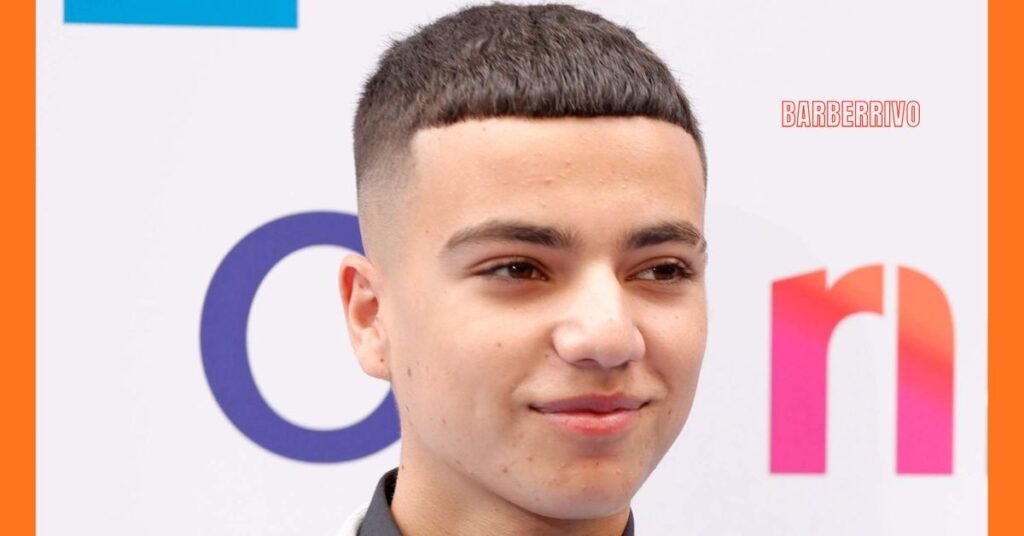
Named after the short, forward-brushed style associated with Roman emperors, the Caesar cut keeps hair short and combed forward all around. Add a low fade underneath and you get a classic yet modern haircut that somehow manages to look both ancient and completely current.
Low Fade Two Block
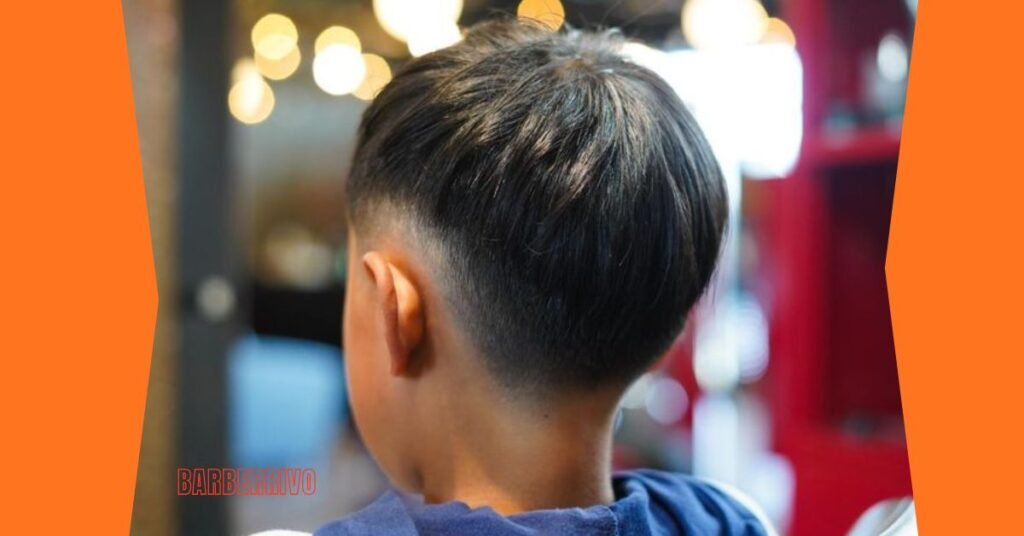
Popularized through Korean fashion and K-pop culture, the two block cut keeps noticeably longer hair on top while everything below gets faded or tapered short. It creates a bold visual “block” effect between the two lengths, making it one of the more distinctive entries in this whole roundup.
Low Fade Haircuts by Hair Type and Texture
Here’s something worth knowing before you book your appointment. A low fade haircut genuinely adapts to almost any hair type, but the styling approach shifts depending on what you’re working with.
Curly hair needs different product than straight hair. Thick hair needs different thinning techniques than thin hair. Getting this part right makes the difference between a cut that looks good on day one and a cut that still looks good three weeks later.
Below, you’ll find texture-specific advice for seven common hair types, so you can walk into your next appointment already speaking your barber’s language.
Low Fade with Curly Hair
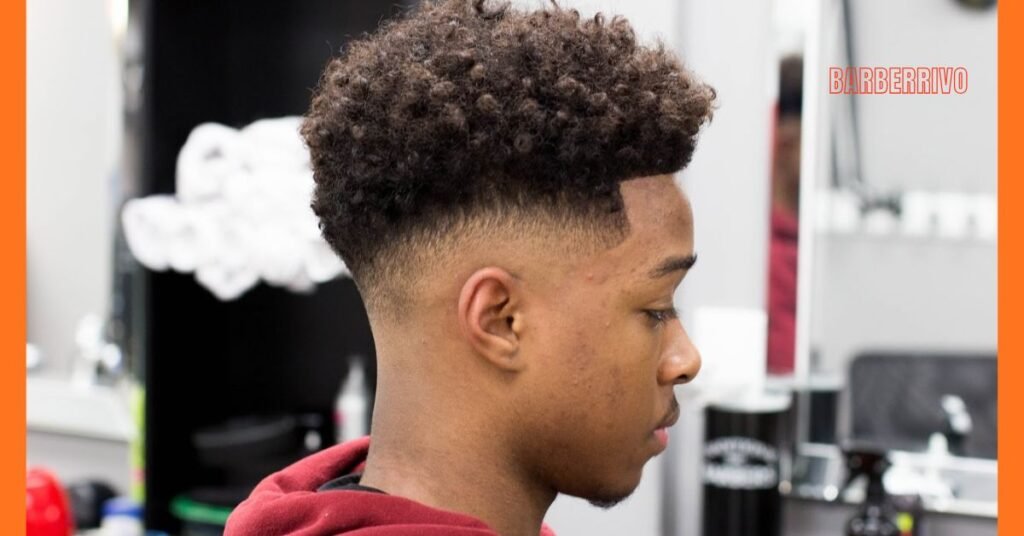
A curly low fade haircut reduces bulk on the sides while letting natural curl pattern shine on top. Curls tend to shrink upward as they dry, so ask your barber to leave a bit of extra length to account for that shrinkage. A light, water-based curl cream helps define ringlets without the crunchy, stiff finish that heavier gels sometimes leave behind.
Low Fade with Straight Hair
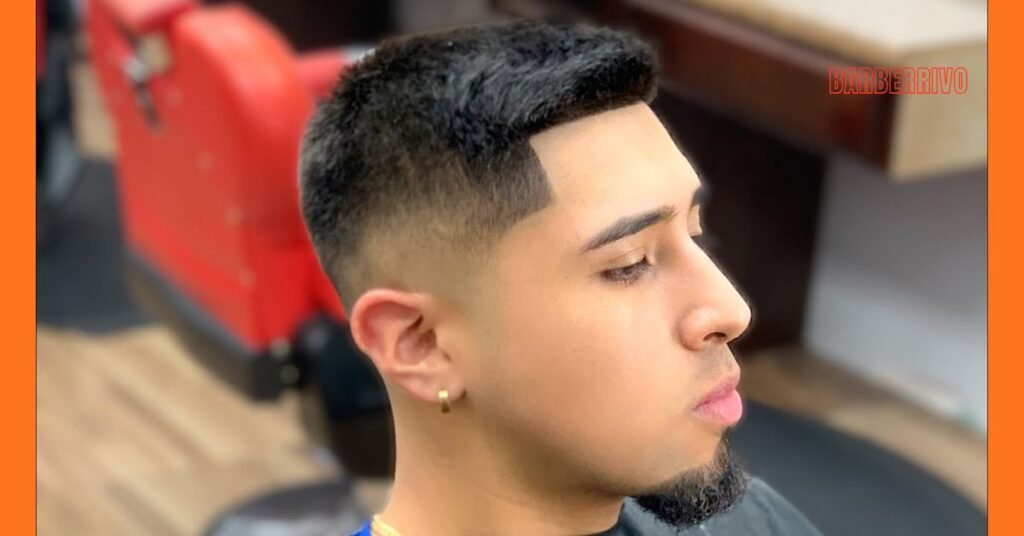
Low fade for straight hair tends to look razor-sharp because straight strands show off clean lines better than any other texture. Layering the top adds movement so the cut doesn’t sit flat against your scalp. A light pomade or clay gives you enough hold for a side part or a textured comb-over without looking greasy.
Low Fade with Wavy Hair
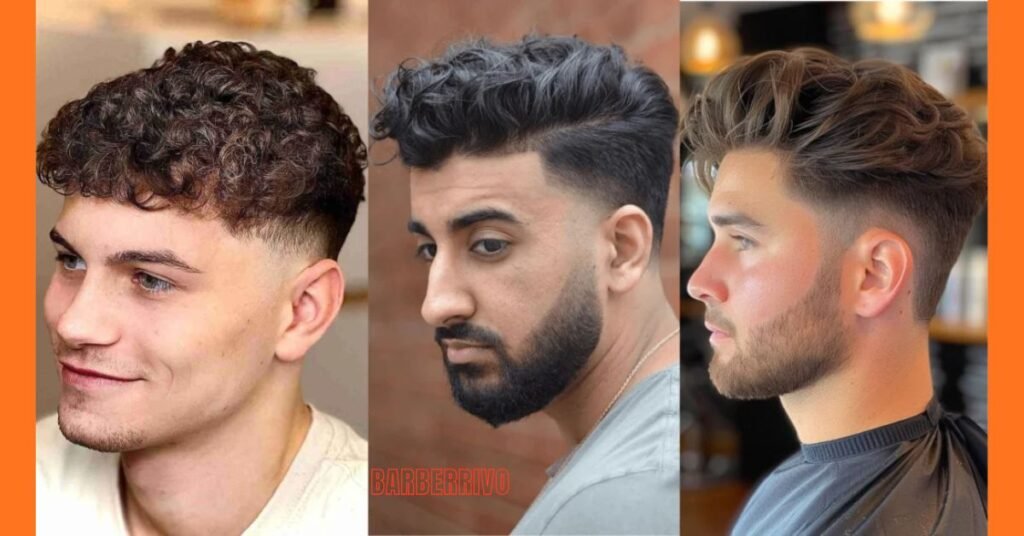
Wavy hair low fade combinations bring natural texture and volume that curly-haired guys sometimes have to work harder to achieve. A texturizing spray or light sea salt mist enhances the wave pattern instead of fighting it. This is one of the easiest textures to style quickly, since waves already do a lot of the visual work for you.
Low Fade with Thick Hair
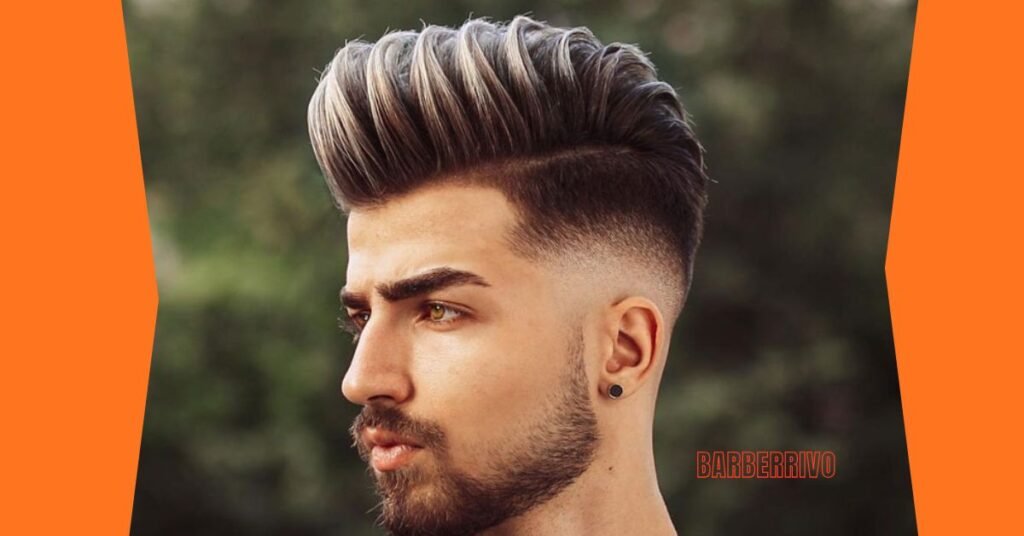
Thick strands can get heavy and bulky fast, so a good barber will use thinning shears up top to reduce weight while keeping the fade underneath clean and tight. This prevents that puffy, helmet-like look that thick hair sometimes falls into without proper thinning work.
Low Fade with Thin Hair
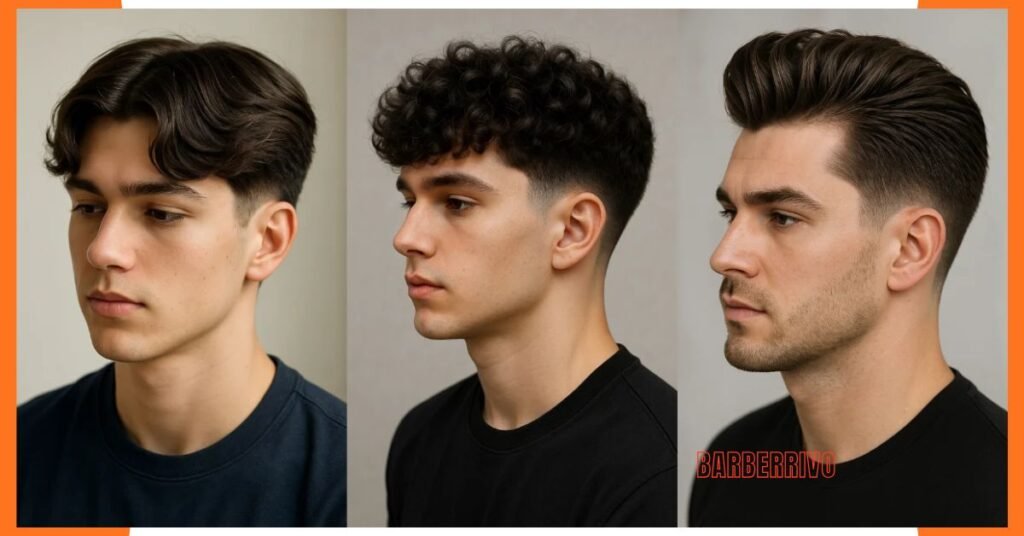
Thin hair benefits from shorter lengths on top, since longer strands can look flat and lifeless without much natural volume to lean on. A short low fade haircut paired with a texturizing powder at the roots creates the illusion of extra density, even if your hair itself is naturally fine.
Low Fade with Afro Hair
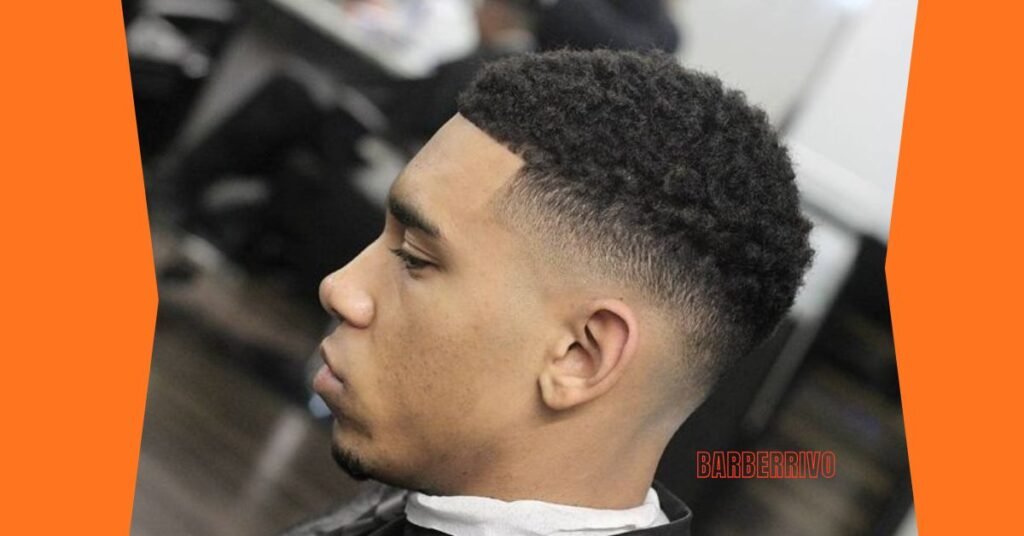
Afro textures bring incredible natural volume, and a low fade underneath gives that volume a clean, structured frame. The contrast between tight coils on top and a smooth gradual fade around the ears creates one of the most visually striking combinations on this entire list. Regular moisturizing keeps the afro looking healthy between trims.
Low Fade with Dreads or Braids
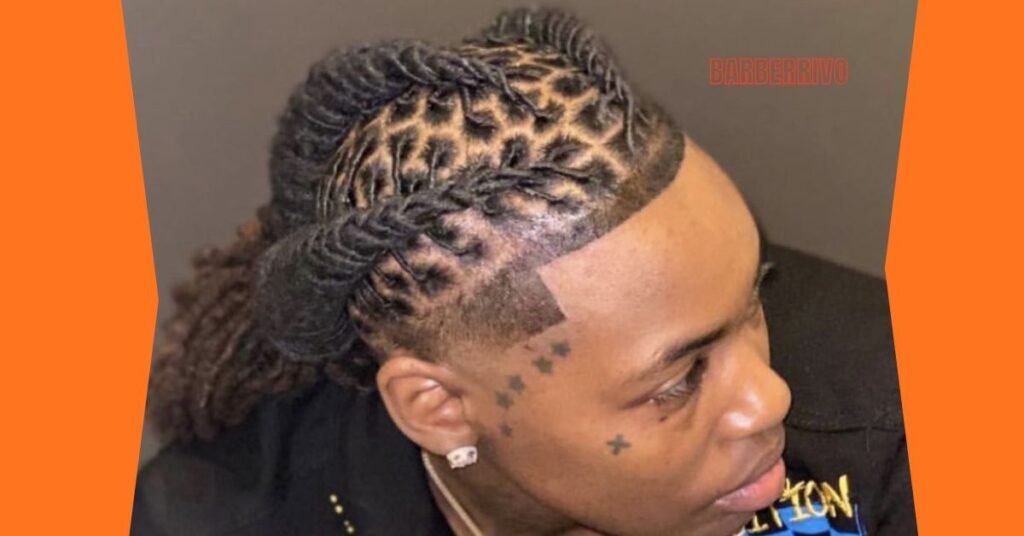
For guys rocking dreads or braids, a low fade underneath adds definition without disrupting the length or pattern up top. It’s become an increasingly requested combo at barbershops because it modernizes traditional dread and braid styles while keeping upkeep manageable around the hairline.
Low Fade Pairings for a Bolder Look
Sometimes a haircut alone isn’t the whole story. Pairing your fade with a beard, extra length on top, or even a man bun changes the entire character of the look. These combinations tend to photograph incredibly well, which is probably why you see them all over social media grooming content these days.
Low Fade with Beard
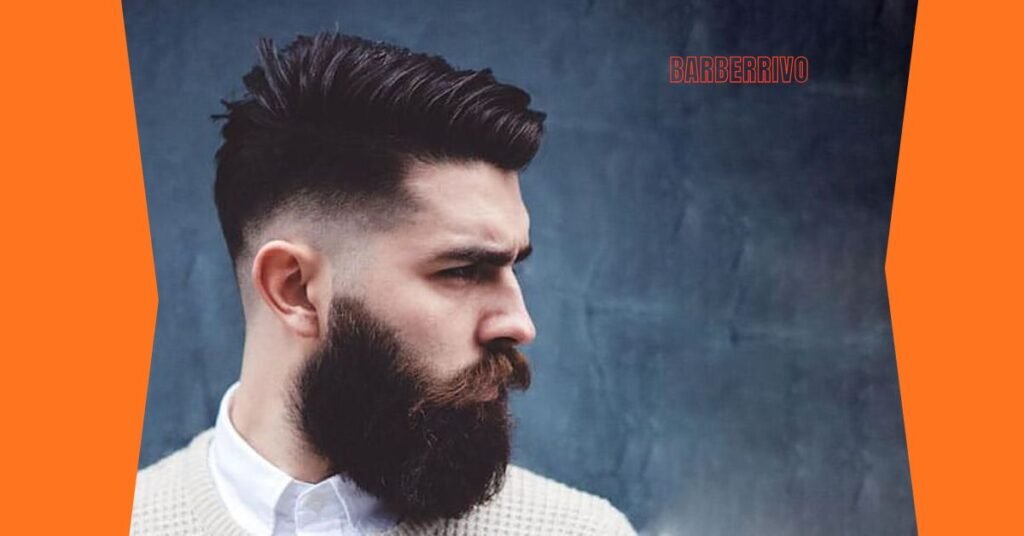
Low fade with beard pairings create real contrast between sharp, faded sides and a fuller, textured jawline. A beard fade technique, where the beard itself fades into the sideburn area, ties the whole look together seamlessly. This combination remains one of the most requested looks in modern barbering, and it’s easy to see why once you see it done well.
Low Fade with Long Hair on Top
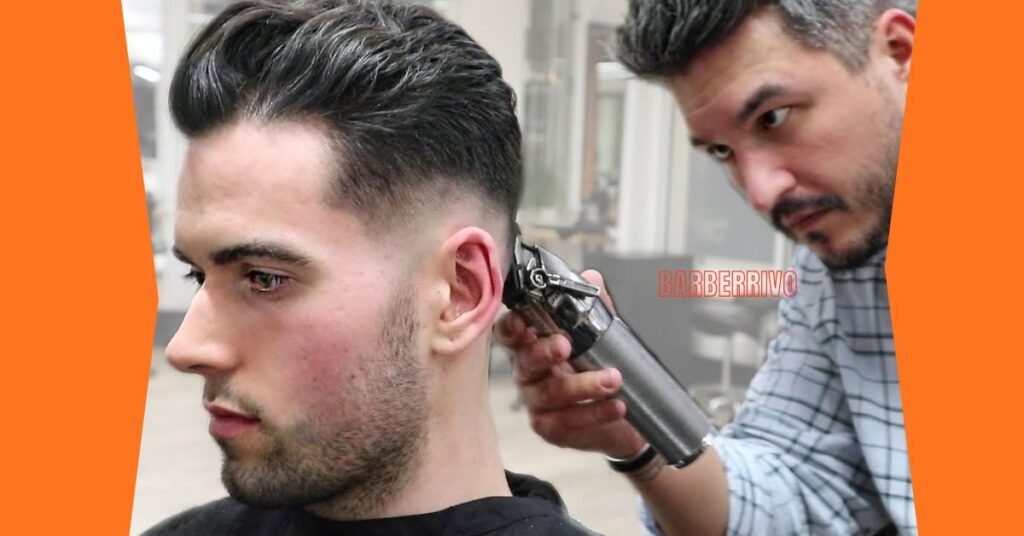
Leaving significant length on top while keeping the sides faded low creates dramatic contrast that works beautifully for guys who want options. You can slick it back one day and let it flow naturally the next. It takes a bit more daily styling effort, but the payoff is genuine versatility.
Low Fade with Man Bun
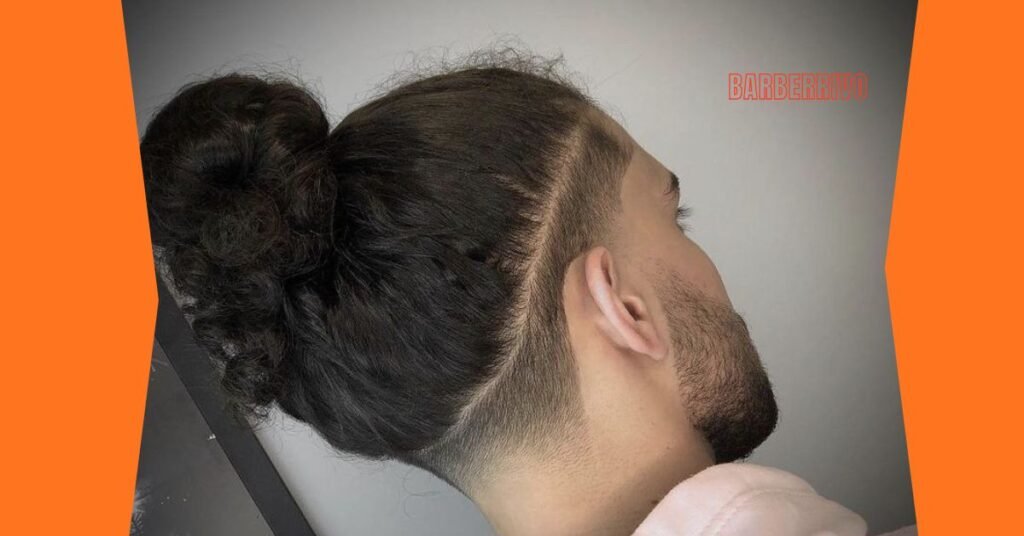
Yes, the man bun pairs surprisingly well with a low fade. The faded sides keep things tidy while the length on top gets pulled back into a knot, giving you a look that feels equal parts rugged and refined. It’s a low-key favorite among guys who want long hair without looking unkempt.
Celebrities Who Make the Low Fade Look Iconic
Plenty of well-known faces have made the low fade part of their signature look. Michael B. Jordan regularly wears a sharp, tightly maintained low fade paired with subtle texture on top, giving him a polished hairstyle that suits both red carpets and casual outings. Zayn Malik has experimented with low fade variations for years, often adding his own edge through styling and slight design details near the hairline.
Athletes lean on this style too, since it holds up through sweat and constant movement without needing daily touch-ups. Musicians across genres have adopted low fade cuts paired with beards or textured tops, proving this style translates just as well on stage as it does in a boardroom. When a look shows up on athletes, musicians, and actors alike, that’s a pretty strong sign it’s not just a passing trend.
Why Men Choose a Low Fade Haircut
There’s a reason this cut keeps showing up on men’s hairstyle trends lists year after year. It genuinely works for nearly everyone, and it doesn’t ask much in return.
A Clean, Professional Appearance
A low fade delivers a clean and professional haircut without looking rigid or old-fashioned. The subtle contrast reads as put-together in a job interview, a client meeting, or a wedding, situations where a bolder high fade might feel a touch too flashy. It’s the safe choice that still manages to look genuinely stylish.
Versatility Across Face Shapes and Hair Types
As you’ll see in the next section, this cut adapts to nearly every face shape with just minor adjustments to length on top. Combine that with its compatibility across curly, straight, wavy, thick, and thin hair, and you’ve got one of the most universally flattering cuts in modern barbering.
Lower Maintenance Than a High Fade
Because the fade line sits lower on the head, regrowth is far less noticeable between appointments. A high fade needs a touch-up every two weeks to avoid looking shaggy near the hairline, but a low fade can often stretch to three or even four weeks before it starts looking unkempt.
Choosing the Right Low Fade for Your Face Shape
Not every low fade variation flatters every face the same way. A little bit of knowledge here goes a long way toward walking out of the barbershop actually happy with what you see in the mirror.
Oval Face
Consider yourself lucky. Oval faces can handle nearly any low fade haircut style without much adjustment, since the proportions are already naturally balanced. A modern low fade with moderate length on top works especially well, keeping that natural symmetry intact.
Round Face
Round faces benefit from added height on top, since it elongates the face visually and breaks up the roundness. A quiff or angular fringe paired with a low fade creates sharper lines that counterbalance soft, rounded features nicely.
Square Face
If you’ve got a strong jawline, lean into it. A low fade with a longer top draws attention to your natural bone structure. A side part low fade or textured comb-over adds a touch of sophistication without competing with your already-defined features.
Long or Oblong Face
Longer face shapes look best with a low fade that keeps things fairly subtle on top, since too much height can stretch the face even further. A crew cut or side-swept style helps create better horizontal balance and keeps proportions looking natural.
How to Ask Your Barber for a Low Fade
Walking into a barbershop without the right words can turn a fifteen-minute appointment into an awkward guessing game. A little preparation goes a long way here.
What to Say and Which Clipper Numbers to Reference
Start simple. Tell your barber you want a low fade that starts just above the ears and gets progressively shorter toward the neckline. Then get specific about the top. Something like, “I’d like a low fade with a bit of length left on top for styling,” gives your barber a clear target. Clipper guard numbers help too. A #2 leaves noticeably more length than a #0, which cuts extremely close to the skin, so knowing roughly where you land on that scale removes a lot of the guesswork.
Bringing a Reference Photo
Words only get you so far, since everyone pictures “low fade” a little differently in their head. A reference photo closes that gap instantly. It doesn’t need to match your hair type exactly, your barber can adapt the technique, but it gives them a real visual target to aim for rather than relying entirely on verbal description.
Common Mistakes to Avoid When Requesting a Low Fade
Don’t just say “give me a fade” and leave it there, since that leaves way too much open to interpretation. Avoid vague comparisons to celebrities without a photo backup, since hair texture differences can change how a style actually translates.
And don’t skip mentioning your face shape or lifestyle needs. A barber who knows you work in a conservative office will make different length choices than one who thinks you want something bold and experimental.
How to Style a Low Fade Haircut
Getting a great cut is only half the equation. Styling it properly at home keeps that fresh-from-the-barbershop look going for weeks.
Prepping Clean, Dry Hair
Always start with clean, fully dry hair. Product applied to damp hair behaves completely differently once it dries, often leaving you with less hold or a stiffer, crunchier texture than you wanted. A quick blast with a blow dryer on low heat gets you to the right starting point in under a minute.
Applying Product the Right Way
Less is more here. Warm a small amount of product between your palms first, then work it through from root to tip rather than just piling it on top. This distributes hold evenly and avoids that greasy, overloaded look that too much product almost always creates.
Finishing with a Comb, Brush, or Blow Dryer
A fine-tooth comb creates sharp, defined lines for styles like a comb-over or slick back. A boar-bristle brush works better for adding natural movement to wavy or textured tops. And a blow dryer on a diffuser attachment can add real volume to curly or thick textures that tend to sit flat otherwise.
Best Products for Styling and Maintaining a Low Fade
Walk into any barbershop and you’ll see shelves packed with products claiming to be essential. Here’s what actually matters for maintaining a low fade hairstyle day to day.
| Product | Best For | Hold Level |
| Pomade and Molding Paste | Slick backs, comb-overs, defined parts | Medium to strong |
| Texture Clay | Matte, textured finishes, faux hawks | Medium |
| Sea Salt Spray | Wavy or beach-textured looks | Light |
| Argan Oil | Adding shine, taming frizz | None, cosmetic only |
| Shampoo and Conditioner | Overall scalp and hair health | N/A |
Pomade and Molding Paste
Pomade and molding paste deliver strong, long-lasting hold with a range of finishes from glossy to matte. They’re the go-to choice for slick backs, comb-overs, and any style that needs to hold its shape through a full workday without falling apart by lunchtime.
Texture Clay
Texture clay gives you a matte finish with medium hold, perfect for tousled, lived-in looks like a faux hawk or textured crop. It also tends to add a bit of grip to the hair strands themselves, which makes styling second-day hair noticeably easier.
Sea Salt Spray
Sea salt spray enhances natural wave and texture without adding heavy, noticeable product weight. It’s a favorite for guys chasing that effortless, just-back-from-the-beach look, and it works particularly well on wavy or slightly curly hair types.
Argan Oil
A few drops of argan oil after styling adds shine and tames flyaways without disrupting your hold. It works well as a finishing touch rather than a primary styling product, giving your cut that polished, healthy sheen barbers love to see.
Shampoo and Conditioner
Don’t overlook the basics. Regular washing keeps your scalp healthy and prevents product buildup that can make even a great cut look dull and lifeless over time. A good conditioner also keeps strands manageable, which makes daily styling considerably easier.
Maintaining Your Low Fade Between Barber Visits
A great cut fades fast, literally and figuratively, if you don’t keep up with it properly.
How Often to Get It Trimmed
Most barbers recommend booking a fresh barber cut every two to four weeks to keep the fade line crisp and clean. The lower the fade sits, the more forgiving the regrowth period tends to be, so you can often lean toward that four-week mark without the cut looking noticeably grown out.
Daily Grooming Habits That Keep It Sharp
Wash your hair regularly, but don’t overdo it, since excessive washing can strip natural oils and leave hair dry and harder to style. Use your fingers or a comb for quick daily touch-ups rather than reaching for a full restyle every morning. And apply just a small amount of product to maintain hold and texture without weighing your hair down by midday.
Is a Low Fade Right for You?
Still on the fence? Let’s break down exactly who this cut suits best.
Suitability for Different Ages
This cut genuinely works across a wide age range, from teenagers experimenting with their first real style to older men who want something sharp but not trendy for trendy’s sake. Its classic yet modern haircut quality means it never quite looks dated, which is rare in the fast-moving world of men’s hairstyle trends.
Fit for Professional and Casual Settings
Few cuts move as effortlessly between a professional office haircut and a weekend-casual look as the low fade does. Slick it back for a client meeting, then let it sit naturally textured for a Saturday out with friends. Same cut, completely different energy, depending entirely on how you style it that day.
Working with a Receding Hairline
A low fade can actually work in your favor if you’re dealing with a receding hairline, since keeping the sides tight draws less attention to thinning areas up top. Many barbers recommend pairing it with slightly shorter length on top rather than fighting to maintain length that’s becoming harder to work with anyway.
FAQs
What is a low fade haircut?
A low fade haircut is a style where the hair fades from longer on top down to the skin, starting just above the ears rather than higher up the head, creating a subtle, professional transition.
What’s the difference between a taper and a fade?
A taper gradually shortens hair without reaching the skin, while a fade blends hair all the way down to bare skin for a much sharper, more defined contrast.
Is a low fade or high fade better?
Neither is objectively better, it really depends on your style preference. A low fade suits conservative, professional settings, while a high fade delivers a bolder, more attention-grabbing look.
Can I get a low fade with curly or thick hair?
Absolutely. A curly low fade haircut and thick hair low fade combinations both work well, though your barber will likely use thinning shears or leave extra length to account for shrinkage and volume.
How often should I get my low fade trimmed?
Most people schedule a trim every two to four weeks to keep the fade line clean and prevent noticeable regrowth around the hairline.
Are low fade haircuts high maintenance?
Not particularly. Compared to a high fade, a low fade actually counts as a relatively low-maintenance haircut, since regrowth is far less noticeable between appointments.
Can a low fade work with a receding hairline?
Yes. Keeping the sides tight with a low fade often draws attention away from thinning areas up top, making it a smart choice for guys navigating early hair loss.
How do I style a low fade at home?
Start with clean, dry hair, apply a small amount of product worked from root to tip, then finish with a comb, brush, or blow dryer depending on the texture and look you’re going for.
Which fade is better, low or mid?
It comes down to how much contrast you want. A mid fade sits between low and high, offering slightly more visual drama than a low fade while staying more subtle than a high fade.
Is fade haram in Islam?
Views on this vary among scholars, and there’s no single universal ruling that applies to every fade haircut. Some scholars express concern over styles that closely resemble specific disallowed cuts, while others see no issue with a standard fade.
If this matters to you personally, it’s worth consulting a trusted religious source or scholar for guidance rather than relying on a general answer.
What is a 2 fade haircut?
A “2 fade” refers to using a #2 clipper guard as the starting length before the fade blends down toward the skin, resulting in a slightly longer, fuller finish compared to a #0 or #1 fade.
Which is better, low fade or taper?
A low fade creates sharper contrast by blending down to the skin, while a taper offers a softer, more gradual transition that never fully reaches bare skin. Choose based on how much definition you want near your hairline.
Final Thoughts
At the end of the day, a low fade haircut earns its popularity honestly. It looks sharp without trying too hard. It adapts to nearly any hair type, face shape, or lifestyle. And it asks for relatively little in return, just a trim every few weeks and a bit of product on the days that matter.
Whether you’re drawn to the classic low fade, curious about pairing it with a beard, or ready to experiment with a design line near your temple, there’s a version of this cut built for you. So take this guide to your next appointment, point to the style that caught your eye, and let your barber take it from there. You’ll walk out looking sharper than when you walked in, and that’s really the whole point.

Ryan Carter is a men’s grooming writer who covers haircuts, hairstyles, beard care, and barbering trends. He shares practical style advice and grooming tips to help men look sharp and stay confident.