Undercut Haircut: 35+ Best Styles for Men & How to Style It
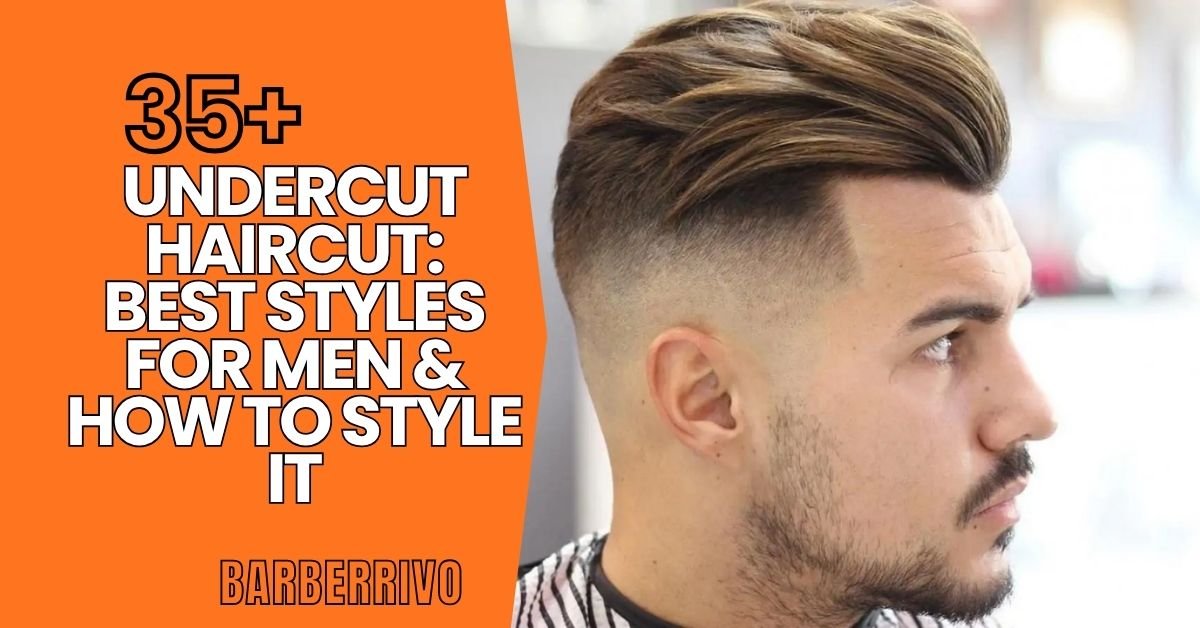
The undercut haircut has earned its spot as one of the most requested cuts in barbershops today. It mixes faded sides with longer hair on top, giving you a bold look that never really goes out of style.
Whether you want something sharp for the office or edgy for a night out, this guide covers every angle. You’ll find the best undercut hairstyles for men, tips on choosing the right one, and simple steps to style it at home. Let’s get into it.
What Is an Undercut Haircut?
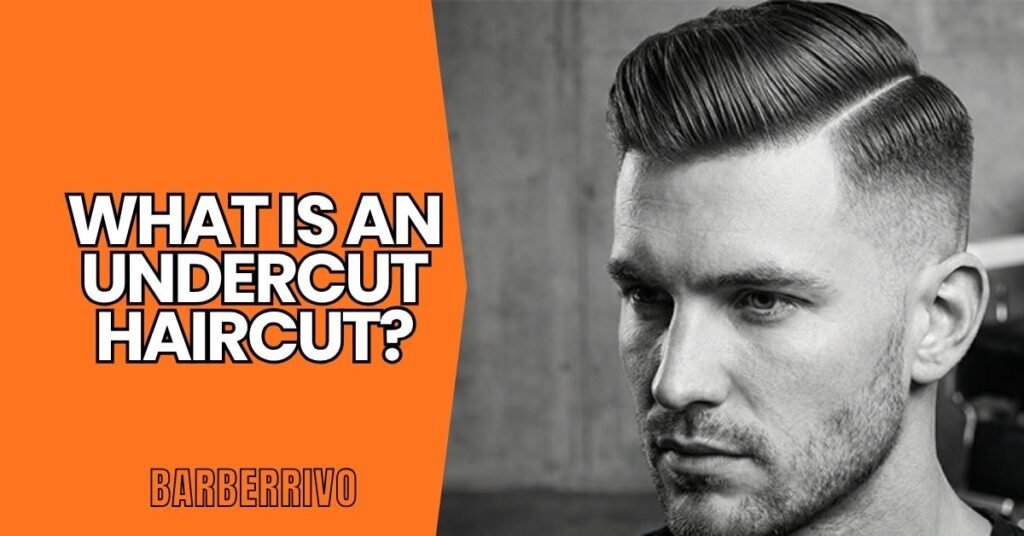
An undercut haircut is built on one simple idea. The sides and back get cut very short, sometimes down to the skin, while the top stays long. This creates a sharp contrast between the two sections. It’s not a new trend either. Barbers have used this shape for decades, and it keeps coming back because it just works.
What makes the undercut hairstyle stand out is the clean transition between lengths. There’s no gradual blend like you’d see in a regular taper. Instead, you get a clear line where short meets long. That line is what gives the cut its edge, and it’s also why so many men treat it as their go-to modern men’s haircut.
The Basics of the Undercut
At its core, the undercut keeps the sides shaved or clipped close, usually with a guard between a zero and a two. The top gets left much longer, often four inches or more, so you can style it in different directions. Barbers usually call this a disconnected top section, since the two lengths don’t blend into each other.
Instead of a soft fade, you get a hard, visible break. This makes the cut easy to spot from across the room, and it’s a big reason people choose an undercut haircut men everywhere keep asking for.
How It Differs from a Regular Haircut
A regular haircut usually blends all the lengths together. Think of a standard taper or a simple trim. Everything flows smoothly from short to long without any hard lines. The undercut flips that idea on its head. Instead of blending, it creates contrast on purpose. That’s the whole point. A regular cut plays it safe. An undercut hairstyles for men collection plays with bold shapes, sharp lines, and volume up top. If you want something that stands out instead of blending in, this is the direction to go.
Why the Undercut Remains a Top Choice for Men
Trends come and go, but the undercut just sticks around. Part of that comes down to how easy it is to adjust. You can keep it tight and clean for work, or grow the top out for something wilder on weekends. It also flatters a wide range of face shapes, which is rare for a single haircut style.
Another reason it stays popular is how often it shows up in pop culture. Musicians, athletes, and actors keep bringing it back into the spotlight, and that keeps the demand steady. It’s also become a favorite request among people searching for trendy undercut hairstyles that photograph well and hold up through a busy week.
Popularity Among Celebrities & Influencers
You’ve probably noticed this cut on more than a few famous faces. Musicians in particular have leaned into it, often pairing it with a fade or slicked-back finish for red carpet events. Athletes wear it too, since short sides mean less sweat and mess during training.
Influencers on social media have picked it up as well, using it as a base for countless styling videos. This exposure keeps the cut relevant, and it explains why so many first-time clients bring in a photo asking for exactly this look.
Works with Every Hair Type
One of the biggest strengths of this cut is flexibility. It works as a haircut for thick hair, giving heavy hair somewhere to go instead of sitting flat. It also works as a haircut for straight hair, letting strands fall cleanly for a sleek finish. Curly and wavy types benefit too, since the short sides let natural texture on top do all the talking. Barbers rarely turn a client away from this style based on hair type alone. There’s almost always a version that fits.
Versatile, Modern & Easy to Maintain
Beyond looks, this cut is genuinely practical. Once it’s cut, you don’t need to visit the barber every week. A little product and a few minutes each morning keep it sharp. That’s part of why it’s become known as a low maintenance style despite looking so detailed. It also adapts to formal and casual settings without needing a full re-cut, which makes it one of the smartest choices for anyone who wants one haircut to cover every occasion.
Best Undercut Hairstyles for Men
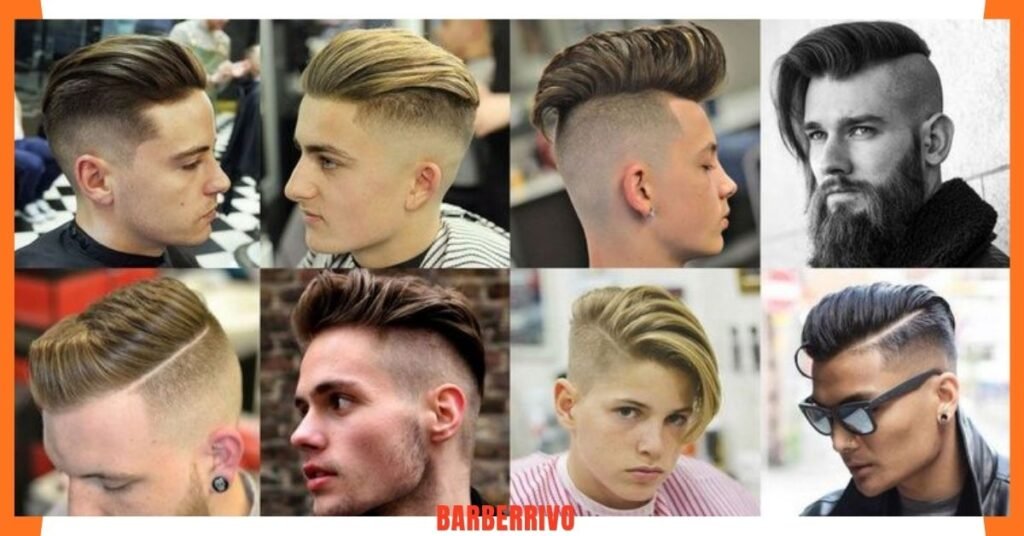
With the basics covered, let’s look at specific styles. Each version below takes the core undercut haircut shape and adds its own twist, whether that’s through fade type, part placement, or how the top gets styled. Some lean classic, others lean edgy, but all of them start from that same short-sides, long-top foundation.
Think of this section as a style menu. You don’t need to commit to just one. Many men rotate between a few versions depending on the season, their mood, or how much time they have to style their hair that morning.
Classic Undercut
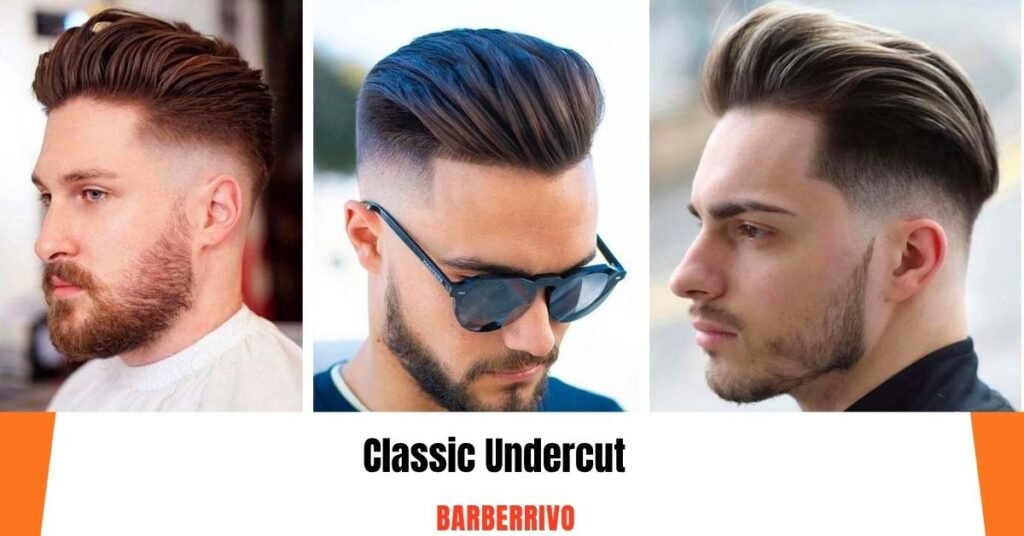
The classic undercut fade keeps things timeless. Sides get clipped short and even, while the top stays thick enough to sweep back or push up. It’s the version that started the whole trend, and it still holds up decades later. Barbers often recommend this as a safe starting point if you’ve never tried the style before, since it’s easy to grow out or adjust later without much hassle.
Disconnected Undercut
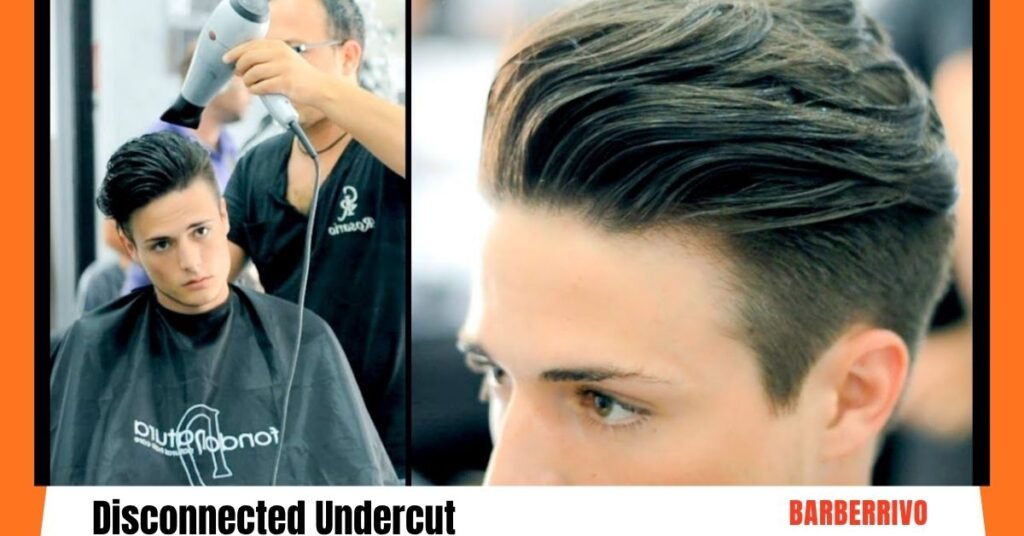
This version pushes the contrast even further. The disconnected undercut fade skips any blending between the top and sides entirely, creating a hard visible line. It’s bold and works well if you want people to notice the cut right away. The longer top can be styled messy or slicked, but either way, that sharp break stays the star of the show.
Undercut Fade
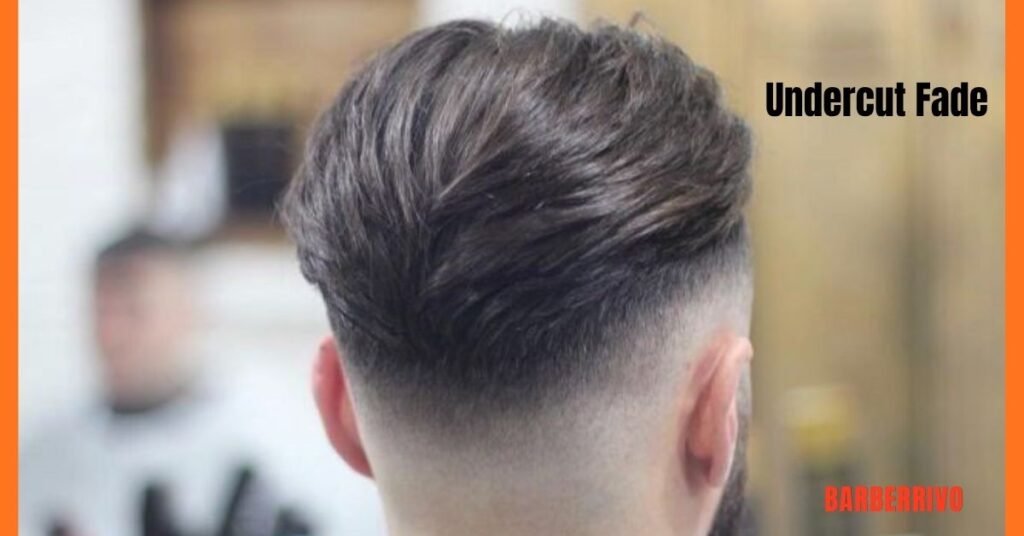
Combine the undercut with a fade, and you get one of the most requested combos in barbershops today. The undercut fade haircut blends the sides gradually instead of leaving a hard line, giving you contrast with a softer finish. This is the version most men’s undercut fade fans go for, since it works for both casual days and formal events without looking out of place.
Undercut Taper
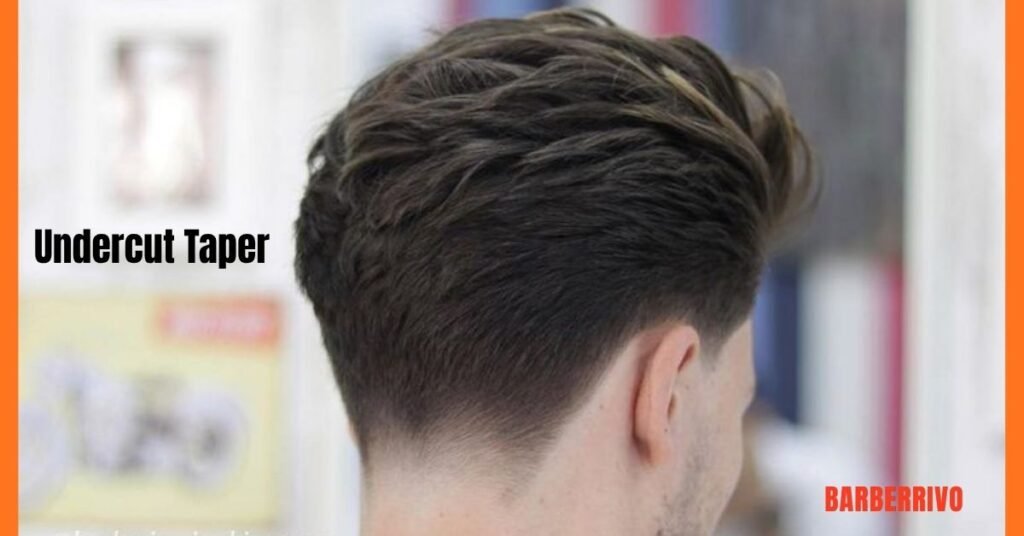
A taper softens things even more. Instead of a dramatic fade, the sides shorten gradually as they move up toward the top. This makes the undercut haircut men love for office settings, since it feels a bit more conservative while still keeping that longer top for styling options. It’s a good middle ground between subtle and standout.
High Fade Undercut
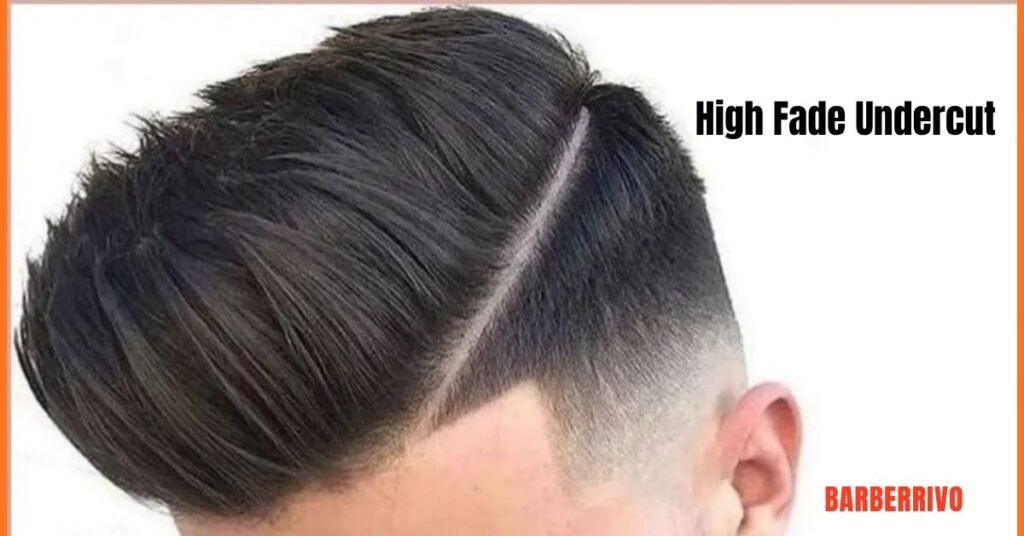
Push the fade line up near the temple, and you get a high fade undercut. This version leaves very little length on the sides, making the longer top look even fuller by comparison. It’s a strong choice if you want maximum contrast and don’t mind more frequent trims to keep that fade line crisp.
Undercut Middle Part
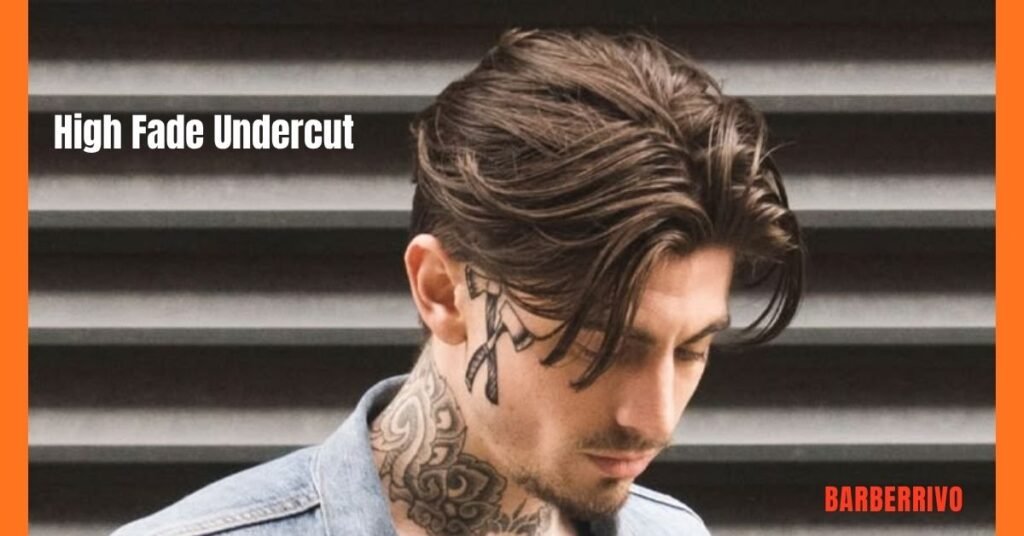
Here, the top gets combed and split right down the center. Paired with short sides, the undercut middle part creates a symmetrical, put-together look that’s become popular with younger crowds. It takes a bit more product to keep the part defined, but the payoff is a clean, structured style that photographs really well.
Slick Back Undercut
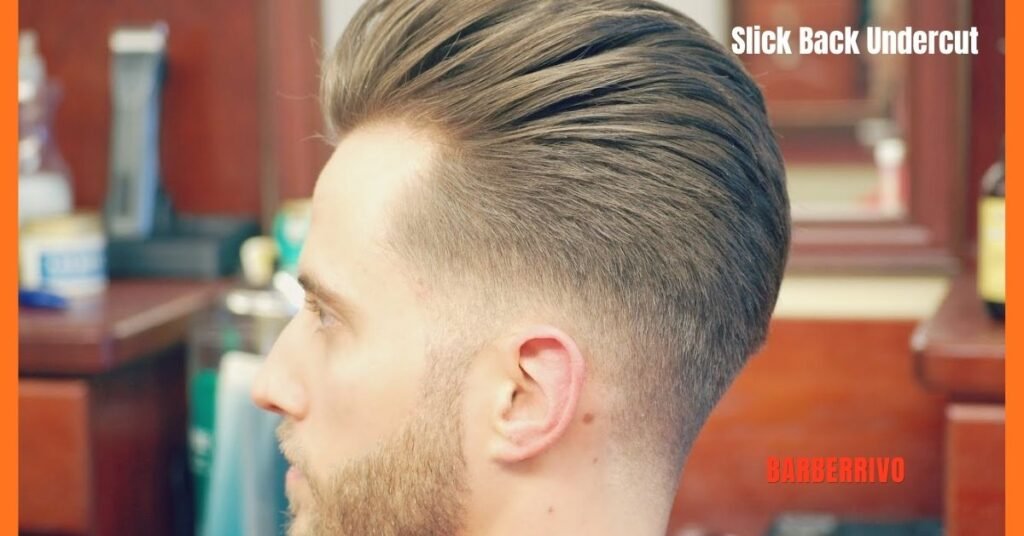
For a polished finish, comb the top straight back. The slick back undercut fade pairs shaved or faded sides with a smooth, glossy top, giving off a sharp, professional vibe. This is often the go-to for weddings, interviews, or any event where you want to look put together without much fuss.
Undercut Pompadour
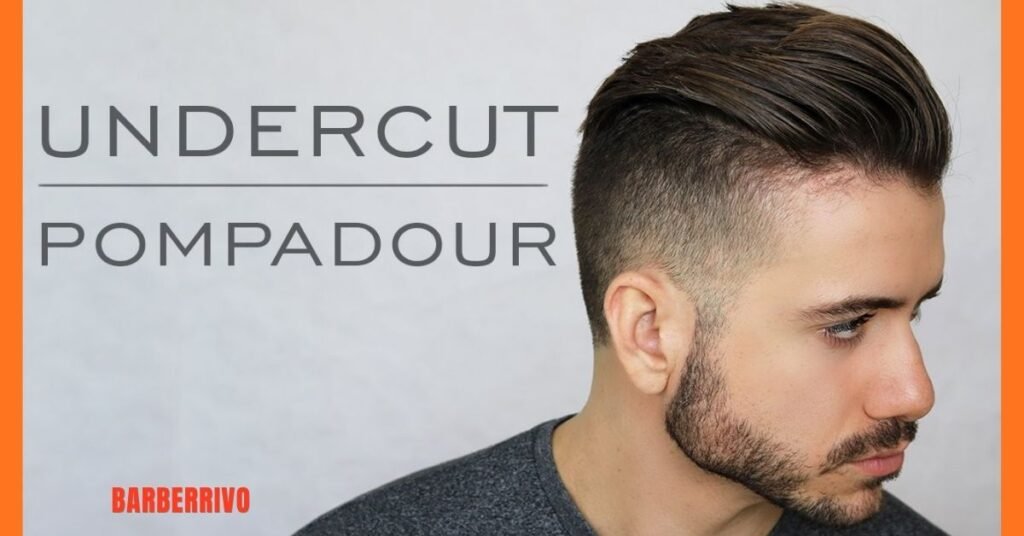
Add height to the front, and you’ve got a pompadour. This version needs a longer top to work, since you’re lifting hair up and back to create volume near the hairline. Paired with short sides, the undercut hairstyle takes on a vintage feel with a modern edge, thanks to the added contrast underneath.
Undercut Quiff
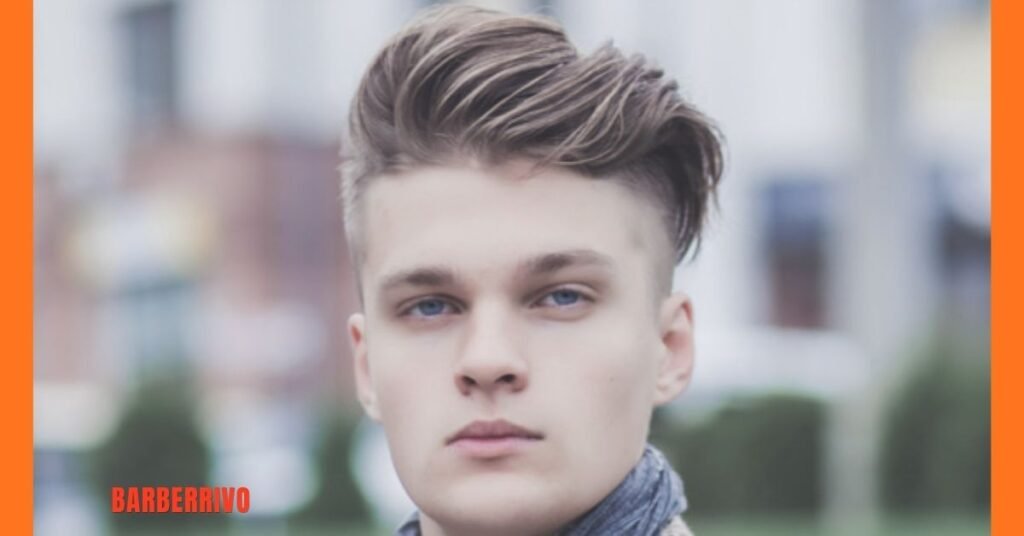
Similar to the pompadour but a bit more relaxed, the quiff lifts hair at the front without pulling everything all the way back. It creates volume on top while staying a bit more casual. This version suits guys who want height and texture without the more formal, structured look of a full pompadour.
Undercut Faux Hawk
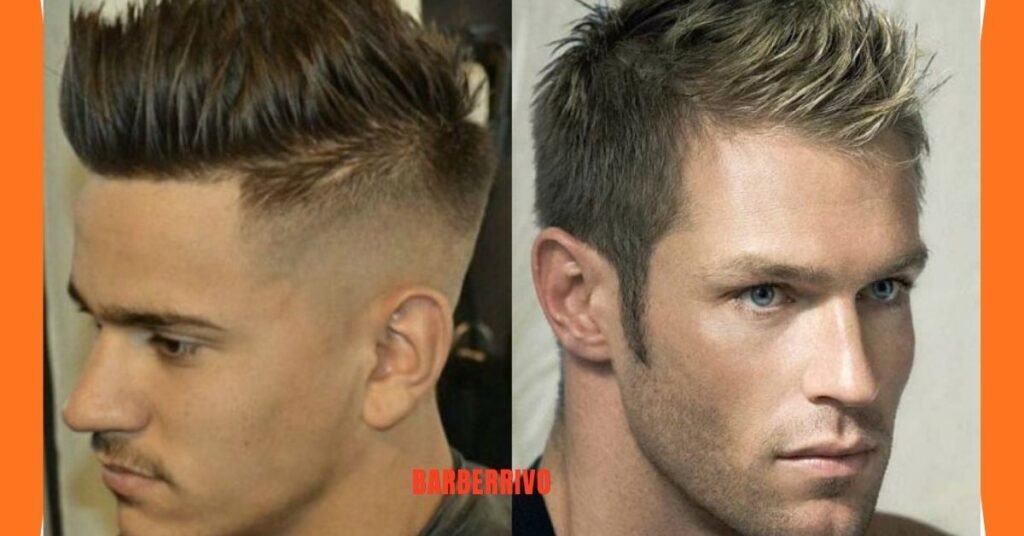
This one borrows from the mohawk without going full commitment. The center section stays longer and gets styled upward, while the sides stay short and shaved. It’s an edgy haircut choice for anyone who wants a bit of drama without shaving the sides completely bare on both ends.
Undercut Mohawk
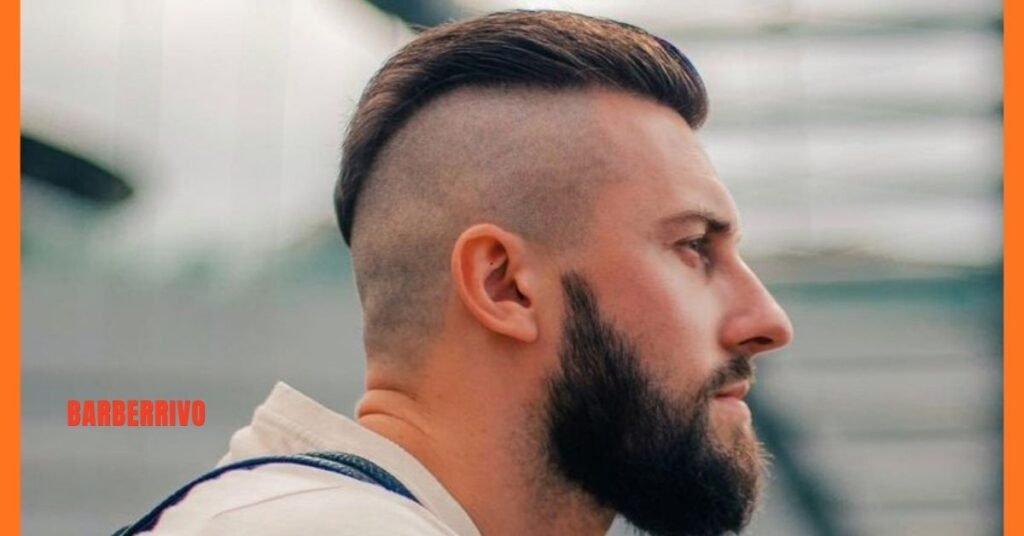
Take the faux hawk a step further, and you land on the full mohawk version. Sides get shaved down close to the skin, sometimes with a skin fade undercut finish, while the center strip stays long enough to spike upward. It’s one of the boldest takes on this cut and works best for anyone comfortable standing out in a crowd.
Side Part Undercut
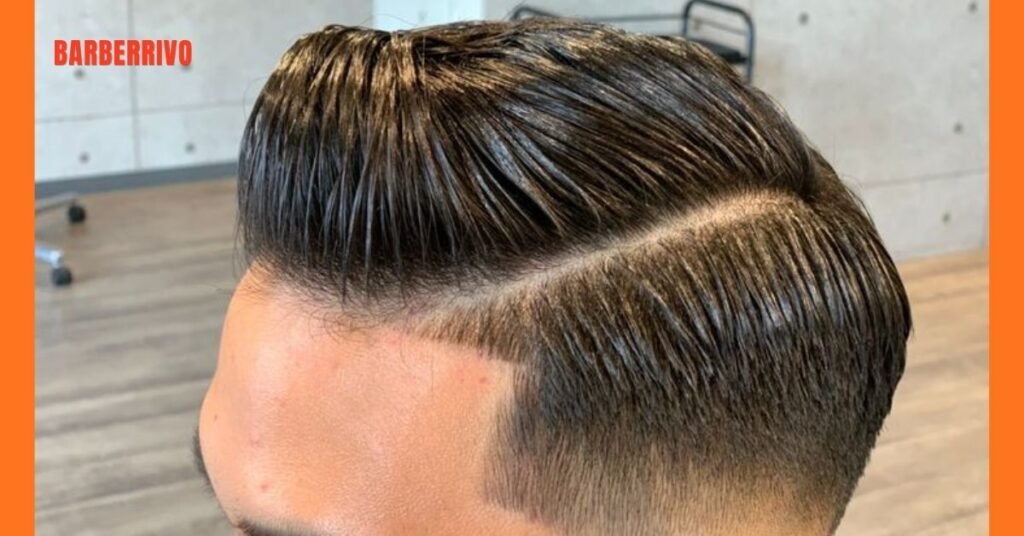
A more subtle option, this style keeps a defined part on one side instead of down the middle. It gives structure without looking overly formal, making it a solid pick for a professional hairstyle that still has some personality. The short sides keep everything clean underneath the part.
Comb Over Undercut
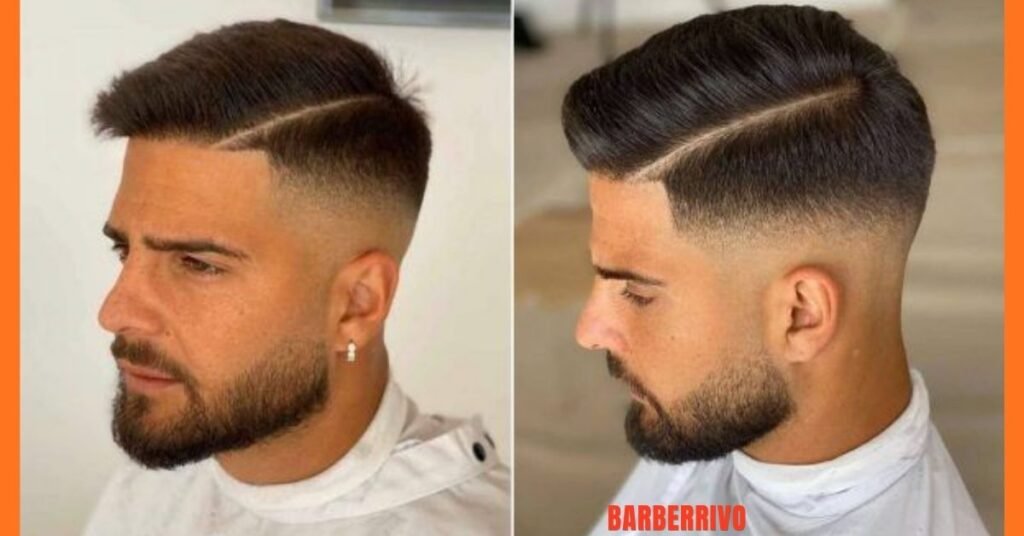
This version takes length from one side and combs it across the top. The comb over undercut fade underneath keeps things sharp while the longer strands create movement and flow. It’s a flexible style that works whether you want it neat for work or a bit tousled for the weekend.
Undercut Buzz Cut
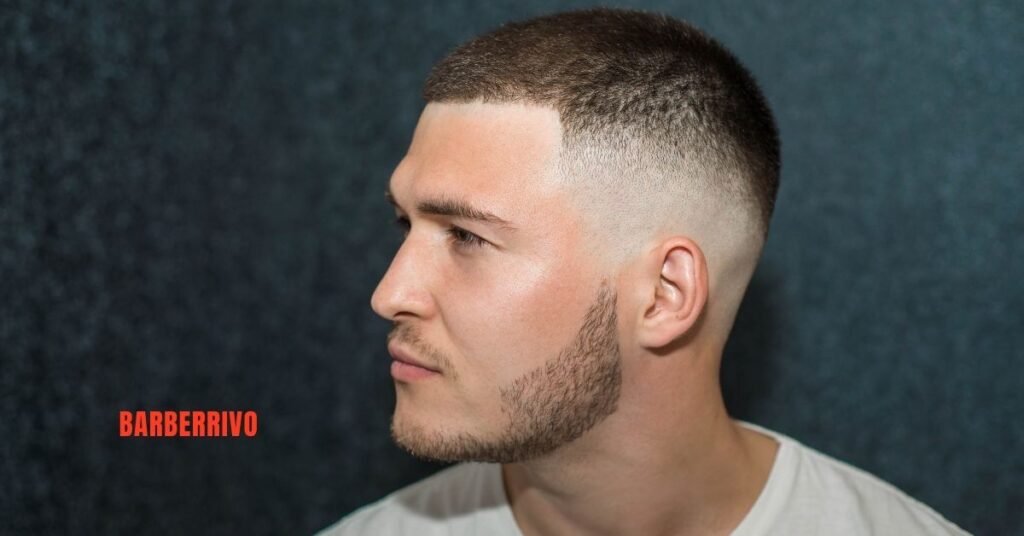
For guys who like it simple, pairing a buzzed top with shaved sides creates a low-effort but still stylish result. There’s barely any styling required here, which makes it one of the most practical low maintenance style picks on this list. It’s also a great option if you’re easing into shorter hair for the first time.
Undercut Crew Cut
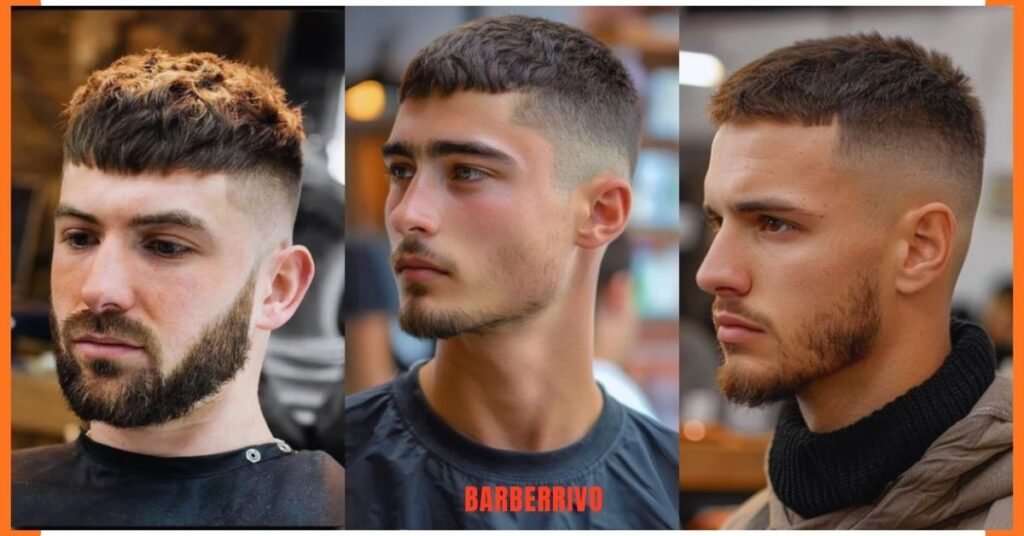
The crew cut keeps a bit more length on top compared to a buzz cut, giving you just enough hair to add texture. Paired with short sides, it creates a clean, masculine hairstyle that suits nearly every setting, from the gym to a business meeting.
Undercut Hairstyles by Hair Length
Beyond the style itself, hair length plays a big role in how an undercut looks and feels. Shorter tops give you a cleaner, tighter finish. Longer tops open the door to more creative styling, from slick looks to messy textured finishes. Knowing where your hair currently sits helps you pick a version that works right now instead of waiting months to grow it out.
Length also affects maintenance. Shorter tops need less daily upkeep, while longer ones give you more room to experiment but require a bit more product and time each morning.
Short Undercut
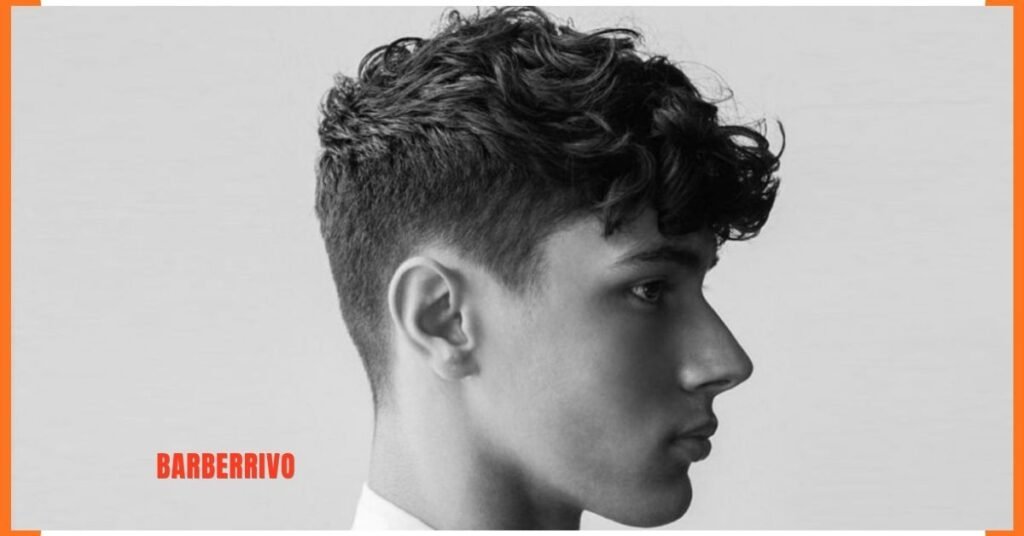
With less length on top, styling stays quick and simple. A short undercut fade works well for anyone who wants the contrast of the cut without spending much time in front of the mirror. It’s practical, sharp, and grows out easily into other styles later.
Medium Length Undercut
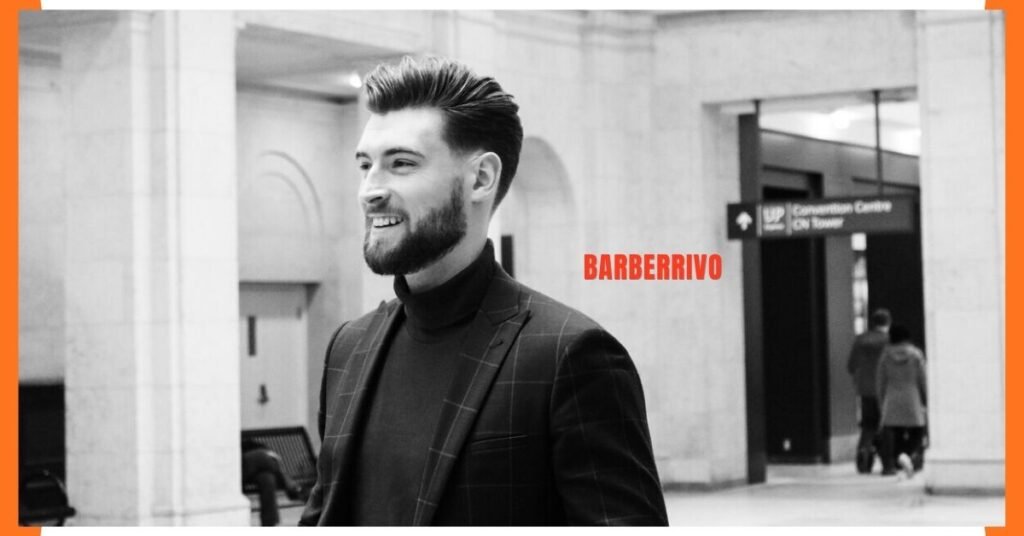
This gives you enough length to sweep, part, or add texture, while still being manageable day to day. It sits right in the middle, offering more styling freedom than a short cut without the extra effort a long top demands.
Long Hair Undercut
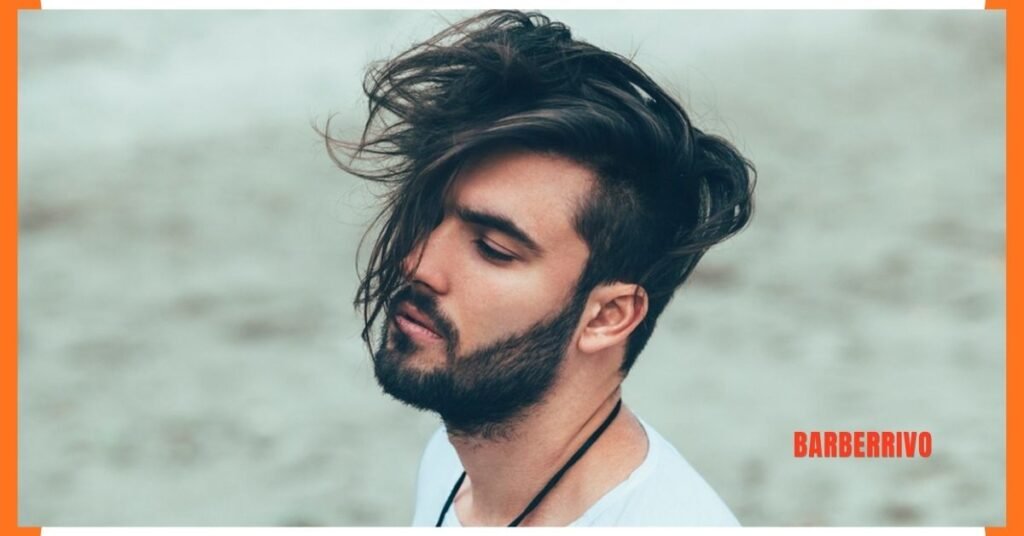
Here, the top can reach several inches, giving you room for slicked styles, textured looks, or even a small bun. A long undercut fade underneath keeps things balanced, so the length on top doesn’t overwhelm the whole shape.
Grown Out Undercut
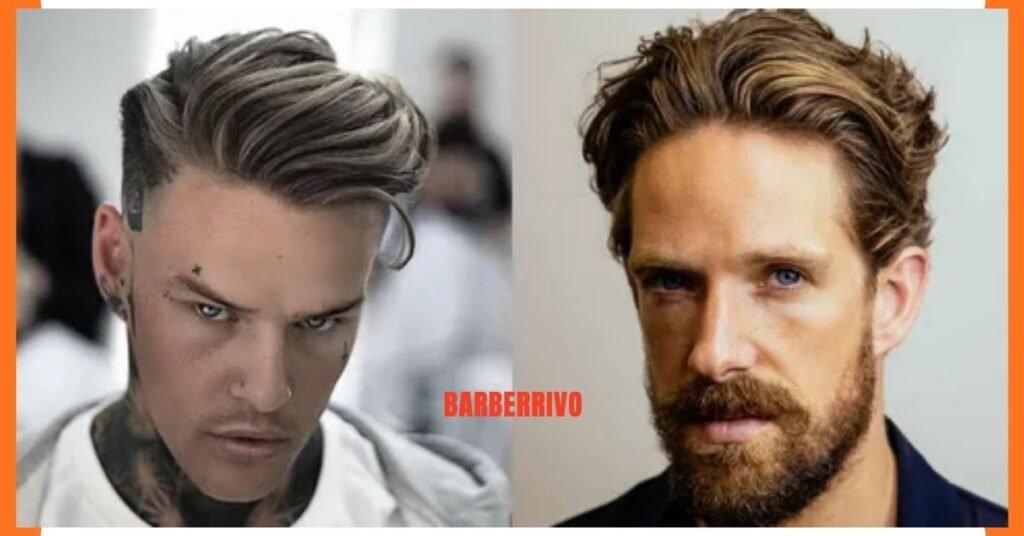
Sometimes you let the sides grow in a bit between trims. This softens the sharp contrast the cut is known for, giving a more relaxed, natural transition. It’s a good in-between phase if you’re not ready for a fresh trim but still want the shape to hold.
Undercut Variations by Hair Type & Texture
Not every head of hair behaves the same way, and that’s fine. The undercut adjusts well across textures, though each type benefits from slightly different handling. Knowing your texture helps you pick products and styling techniques that actually work instead of fighting against your natural hair pattern.
Texture also affects how long a style holds through the day. Straighter hair tends to hold sleek looks longer, while curlier types naturally add volume and texture without much extra effort.
Curly Undercut
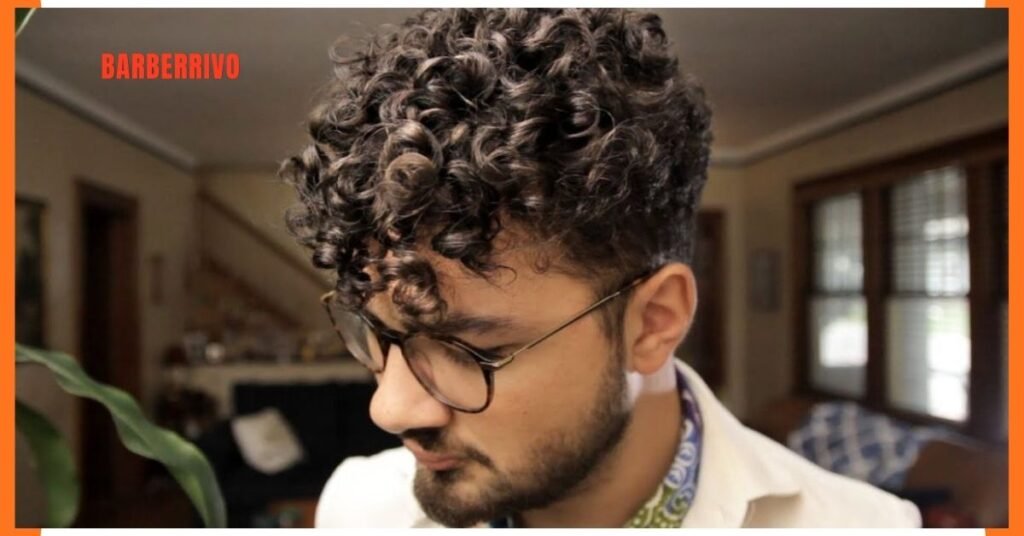
Curls add natural texture on top, which pairs nicely with short sides underneath. A curly undercut fade lets your curls take center stage instead of getting lost in a fuller haircut. Look for lightweight creams instead of heavy pastes, since curls can get weighed down easily.
Wavy Undercut
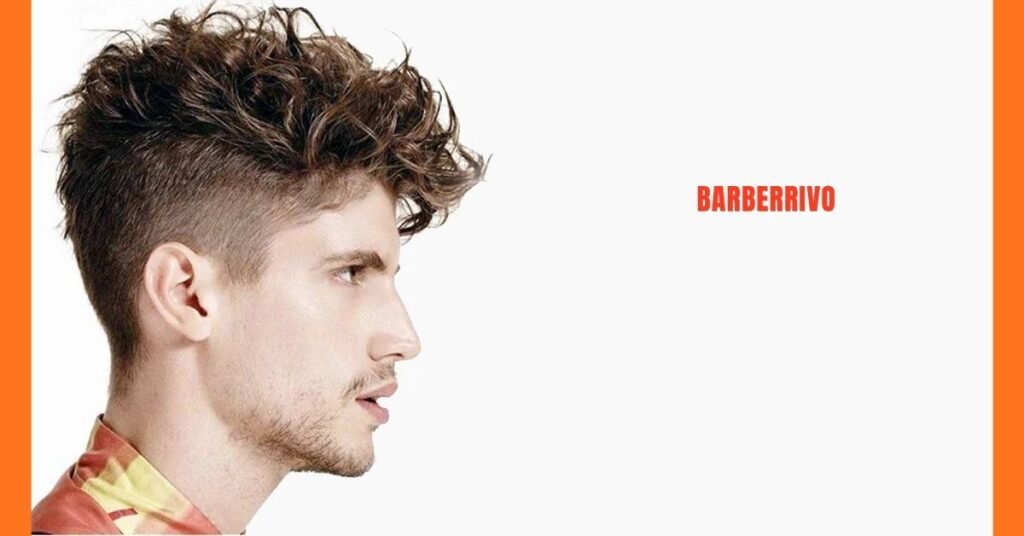
Waves sit somewhere between straight and curly, giving you a bit of both worlds. A wavy undercut fade looks great with light texturizing products that enhance the natural movement without flattening it. This is a haircut for wavy hair that barely needs any extra effort to look good.
Straight Hair Undercut
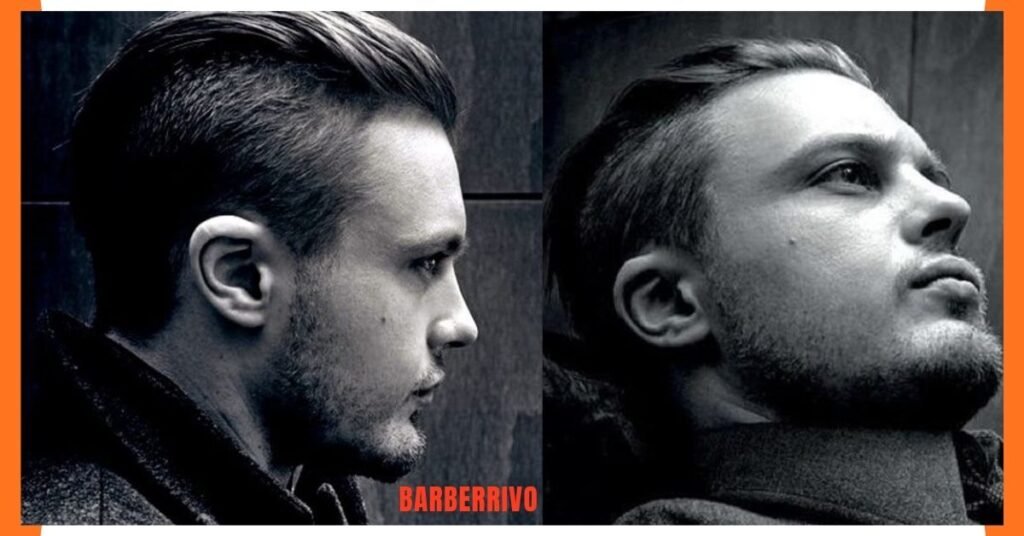
Straight strands create the sleekest possible finish, which is why a straight hair undercut often looks so polished when slicked back or combed to the side. It’s a haircut for straight hair that photographs cleanly and holds its shape well through a long day.
Afro Undercut
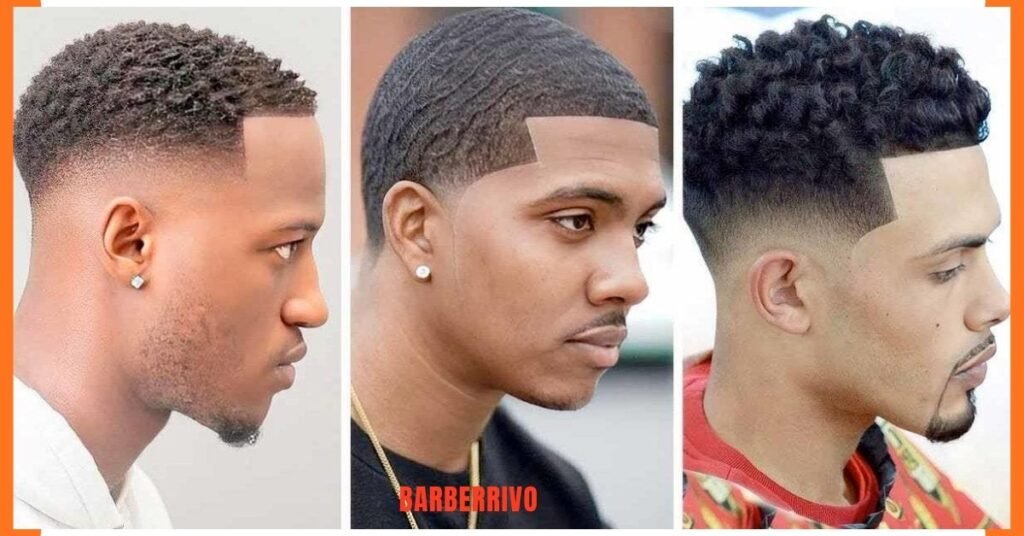
For coily or tightly curled hair, the undercut creates striking contrast between the short sides and the fuller, rounder shape on top. This version works especially well as a haircut for curly hair and coily textures alike, giving natural volume plenty of room to shine.
Undercut Styling Combinations
The undercut doesn’t have to stand alone. Pairing it with a beard, braids, or a specific top style creates something more personal. These combinations let you express a bit more individuality while keeping that signature short-sides, long-top shape underneath everything else.
Mixing styles also gives barbers more room to customize the cut around your face shape, lifestyle, and personal taste, rather than sticking to one fixed template.
Undercut with Beard
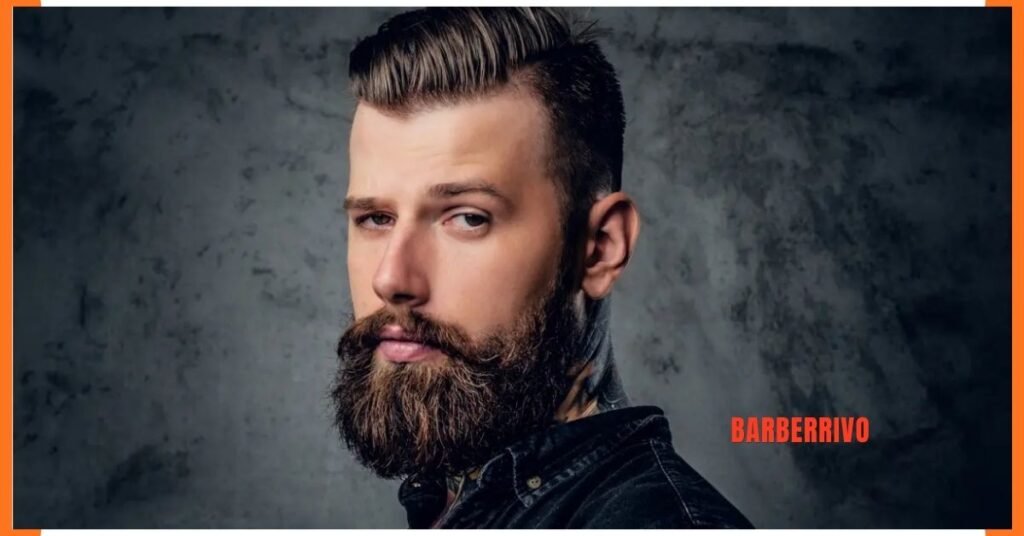
Pairing short sides with a full or well-groomed beard balances the sharpness of the cut with a bit of rugged texture below. Undercut with beard combinations are popular because they frame the face on both ends, creating a cohesive, well-groomed look from top to bottom.
Man Bun Undercut
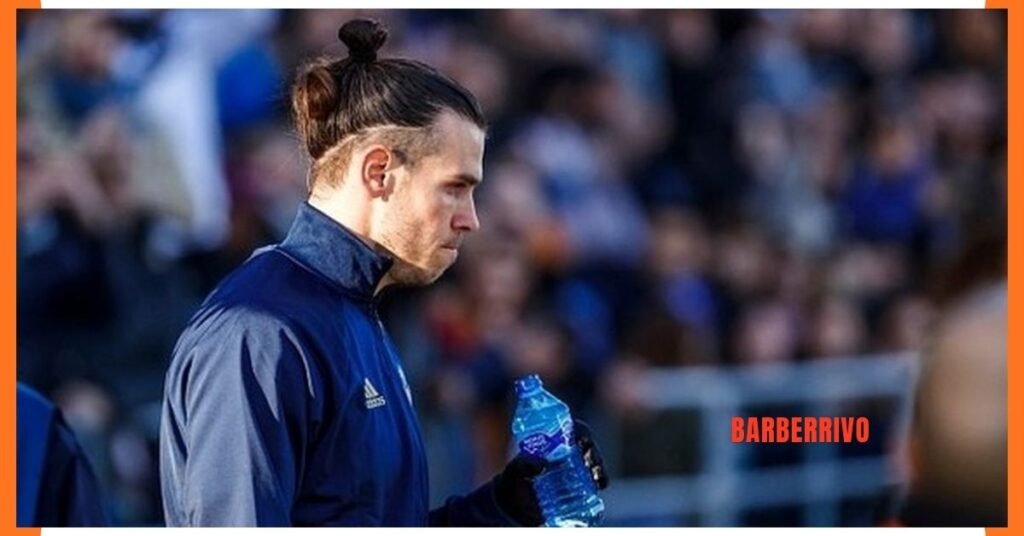
For longer tops, tying hair back into a small bun creates a striking contrast against the shaved sides. It’s practical for keeping hair out of your face during workouts, while still looking intentional and styled the rest of the day.
Undercut with Braids
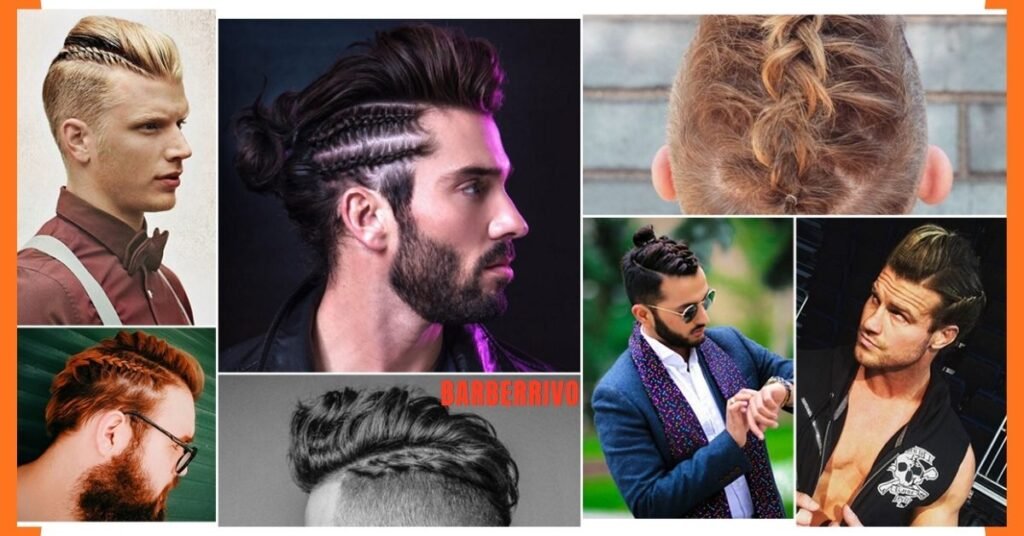
Braiding the longer top section adds texture and pattern that a plain cut can’t offer. Paired with short sides, this combination creates a detailed, personalized finish that stands out without needing much daily maintenance once the braids are in.
Textured Fringe Undercut
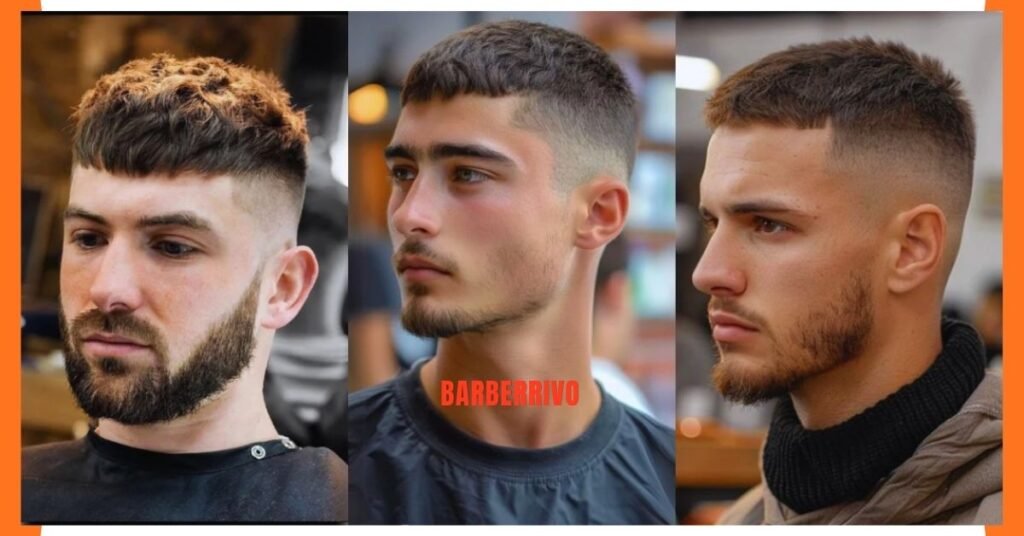
A fringe that falls forward with a bit of texture adds a softer edge to the sharp undercut base. A textured undercut fade with this kind of fringe suits guys who want movement at the front without going for full height or volume.
Undercut Bowl Cut
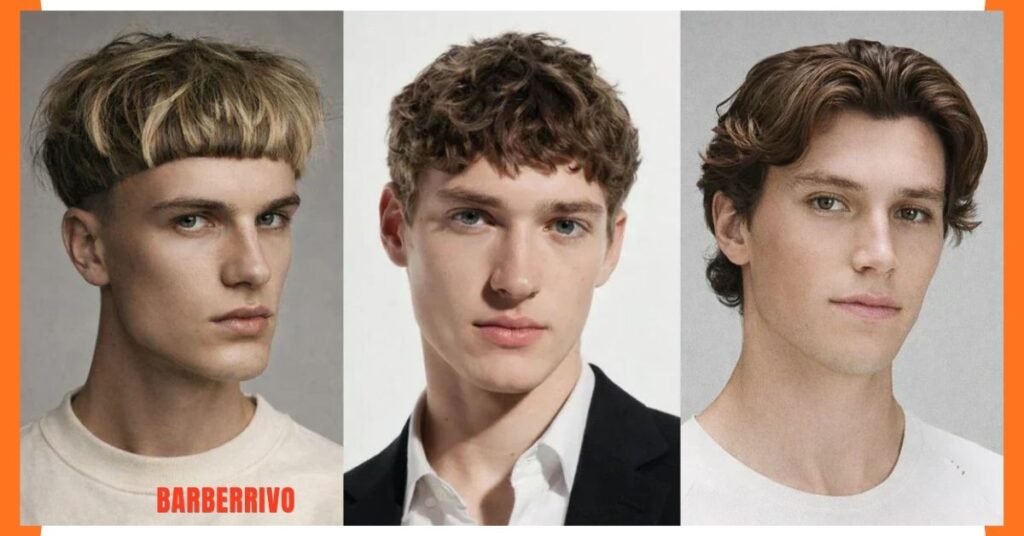
This throwback combination pairs straight, blunt bangs with a shaved undercut underneath. It’s a bold, retro-inspired choice that’s found new life recently, especially among younger crowds looking for something different from the usual fade.
Perm Undercut
Adding a perm to the top creates natural-looking curls or waves, even if your hair is naturally straight. Combined with short sides, this gives a fuller, more textured finish that stands apart from the typical undercut hairstyle look.
How to Choose the Right Undercut Hairstyle
With so many versions to pick from, choosing one comes down to a few key factors. Face shape, hair type, and how much time you’re willing to spend styling each morning all play a part. Getting these right means you’ll actually enjoy wearing the cut instead of fighting with it daily.
It also helps to think long term. A cut that photographs well but takes thirty minutes to style might not fit a busy weekday routine, even if it looks great on weekends.
By Face Shape
Face shape suitability matters more than people realize. Round faces often benefit from added height on top, which creates the illusion of length. Square faces tend to suit sharper, more defined sides that complement strong jawlines. Oval faces are flexible and can pull off nearly any version on this list. Longer faces usually look best with fuller sides and a bit less height, keeping proportions balanced.
By Hair Type
Straight hair holds sleek, combed styles well, while curly or coily hair naturally adds texture and volume without extra work. Thick hair benefits from shorter tops that reduce bulk, while fine hair often looks fuller with a bit more length to work with. Matching the cut to your natural texture saves time and frustration at the mirror.
By Lifestyle & Maintenance Level
If mornings are rushed, a low maintenance style like the buzzed or crew cut version makes more sense than a pompadour that needs daily blow-drying. Active lifestyles benefit from shorter tops that stay in place during workouts. More relaxed schedules leave room for styles that need extra product and time, like a slicked-back or textured look.
How to Ask Your Barber for an Undercut Haircut
Walking into a barbershop without the right words can lead to a cut that misses the mark. Start by naming your fade preference clearly, whether that’s a low fade undercut, mid fade undercut, or high fade undercut. Mention the guard number if you know it, since barbers often measure sides in numbers like a one, two, or three. Bring a photo if you have one, since visuals communicate far more than words alone. It also helps to describe your face shape and hair type, so your barber can adjust the classic template to actually suit you. Don’t be afraid to ask questions mid-cut either. A quick check-in halfway through beats an unpleasant surprise at the end.
How to Style an Undercut Haircut
Getting the cut is only half the job. Styling it well each day is what makes the difference between looking sharp and looking like you rolled out of bed. The good news is that most versions of this cut only take a few minutes once you’ve got the steps down.
Consistency matters here too. Using the same basic routine each morning trains your hair to fall into place faster over time, cutting down on the effort needed as weeks go by.
Prep Your Hair
Start with clean, towel-dried hair rather than soaking wet strands. Excess water dilutes product and makes it harder to build hold. A quick comb through removes tangles and sets you up for even application across the top.
Apply the Right Product
Choose your styling products based on the finish you want. Clays and pastes give texture and a matte look, while creams and pomades add shine and smoother control. Work a small amount through damp hair before drying, focusing on the roots for lift.
Blow-Dry and Shape It
Use a blow dryer on a low or medium heat setting while guiding hair with a brush or your fingers. This step builds volume and sets the general direction of the style, whether that’s back, to the side, or straight up for height.
Lock It In with a Finishing Product
Once the shape is set, a light layer of finishing product locks everything in place. This step matters most for styles with height or a defined part, since it prevents the look from falling flat halfway through the day.
Best Hair Products for an Undercut Haircut
The right product changes everything about how a cut looks and holds. Some men need heavy hold for structured styles, while others just want light texture without any shine. Knowing what each product does helps you build a small kit instead of grabbing something random off the shelf.
Below is a quick breakdown of the main product types and what they’re best suited for.
| Product Type | Hold Level | Finish | Best For |
| Texture Clay | Strong | Matte | Textured, spiked, or messy tops |
| Molding Paste | Medium | Natural | Everyday shaping and flexible restyling |
| Styling Cream | Light | Smooth, slight shine | Straight or wavy hair needing light control |
| Pomade | Medium-Strong | Glossy | Slicked-back and polished looks |
| Sea Salt Spray | Light | Textured, matte | Adding volume and beachy texture |
| Texture Powder | Light | Matte | Boosting root lift and grip |
Texture Clay & Molding Paste
Both of these fall into the stronger hold category, making them ideal for styles that need to stay put through a busy day. Texture clay leans more matte, while molding paste offers a bit more flexibility for restyling later without needing a full wash.
Styling Cream & Pomade
These two lean toward smoother, shinier finishes. Styling cream works well for lighter control and everyday wear, while pomade brings a slicked back look with a glossy shine that suits more formal occasions.
Sea Salt Spray & Texture Powder
For volume without heaviness, these two products do the trick. Sea salt spray adds a natural, textured finish, while texture powder boosts root lift, especially useful for finer hair that needs extra body on top.
How to Maintain an Undercut Haircut
Looking sharp with this cut isn’t a one-time event. It takes a bit of ongoing care to keep the lines clean and the shape intact between visits to the barber. Skipping maintenance is usually why an undercut starts looking messy faster than other styles.
The good news is that upkeep doesn’t take much time each day, just a bit of consistency.
Trim Frequency
Because the sides are cut so short, they grow out and lose their sharp lines faster than longer haircuts. Most men need a trim every two to four weeks to keep that clean transition looking crisp. Waiting longer than that often means the contrast starts to blur, which defeats the purpose of the cut.
Daily Hair Care Routine
Washing with a shampoo suited to your scalp keeps buildup from styling products under control. Follow with a lightweight conditioner if your top tends to dry out. Each morning, a quick reapplication of your chosen product keeps the style looking fresh, even on day two or three between washes.
Undercut vs Fade vs Taper: Key Differences
These three terms get mixed up often, but they each describe something a little different. Understanding the difference helps you communicate clearly with your barber and avoid walking out with something you didn’t ask for.
The table below breaks down the main distinctions at a glance.
| Cut Type | Side Length | Transition Style | Maintenance |
| Undercut | Very short to shaved | Hard, disconnected line | Every 2-4 weeks |
| Fade | Very short to skin | Gradual, blended fade | Every 2-3 weeks |
| Taper | Short, not shaved | Subtle, gradual shortening | Every 3-5 weeks |
Undercut vs Fade
An undercut keeps a hard, visible break between the long top and short sides. A fade, on the other hand, gradually blends the sides from the skin up to meet the top, creating a skin fade effect with no sharp line at all. Many styles actually combine both, using a faded transition beneath an undercut’s disconnected top.
Fade vs Taper
A fade typically goes all the way down to bare skin at the bottom before blending upward. A taper stays a bit fuller throughout and never reaches the skin, giving a softer, more conservative finish. Tapers suit professional hairstyle settings especially well, since they read as neat rather than edgy.
Which One Should You Choose?
If you want maximum contrast, go with a classic undercut. If you prefer a smoother look without a hard line, a fade suits you better. For something subtle enough for any workplace, a taper is usually the safest bet. There’s no wrong answer here, just different levels of boldness.
FAQs About Undercut Haircuts
Does an Undercut Suit Curly or Wavy Hair?
Yes, it works well with both. Curls and waves naturally add texture and volume on top, which pairs nicely against the short, clean sides underneath.
What Face Shape Is Best for an Undercut?
Oval faces suit nearly every version. Round faces benefit from added height, square faces suit sharper sides, and long faces look balanced with fuller sides and less height on top.
What’s the Difference Between an Undercut and a Fade?
An undercut has a hard, visible line between the long top and short sides. A fade blends the sides gradually, without any sharp break in length.
Does an Undercut Suit Everyone?
Most men can wear some version of this cut, since it adapts across face shapes and hair textures. The key is choosing the right variation rather than forcing one fixed style.
How Fast Does an Undercut Grow Out?
Hair typically grows about half an inch each month. Because the sides start so short, most men need a trim every two to four weeks to keep the shape sharp.
What’s the Best Undercut Middle Part Style?
A modern undercut hairstyle with a defined middle part works best on medium to long tops with straight or slightly wavy texture, since it holds the part cleanly throughout the day.
What is undercut fade?
An undercut fade combines short, shaved sides that blend gradually into skin with a longer, textured top. It creates a sharp contrast without a hard visible line, unlike a classic undercut. This makes it one of the most popular modern men’s haircut choices today.
Are fades haram in Islam?
This is debated among scholars. Some view certain fades as resembling styles discouraged in hadiths about avoiding “qaza” (shaving parts of the head unevenly), while others see standard fades as acceptable grooming. It’s best to consult a knowledgeable local scholar for guidance specific to your situation.
Which fade is most attractive?
Attractiveness is subjective, but the high fade undercut and skin fade undercut are often rated most flattering since they create strong contrast and a polished, professional hairstyle look. The right choice ultimately depends on face shape and hair texture.
Is an undercut attractive?
Yes, many people find the undercut appealing because of its bold, masculine hairstyle appeal and clean structure. It suits a wide range of face shapes, which adds to its broad popularity.
Conclusion
The undercut haircut has earned its lasting popularity for good reason. It adapts to nearly every face shape, hair type, and lifestyle, all while looking sharp with minimal daily effort. Whether you go for a stylish fade haircut finish, a classic disconnected top, or something bold like a mohawk variation, there’s a version here that fits. The best move now is simple: pick a style from this list, bring it to your barber, and let this barber style undercut become your new go-to look.

Ryan Carter is a men’s grooming writer who covers haircuts, hairstyles, beard care, and barbering trends. He shares practical style advice and grooming tips to help men look sharp and stay confident.