Buzz Cut Guide 30+ Best Styles, Fades & Maintenance Tips
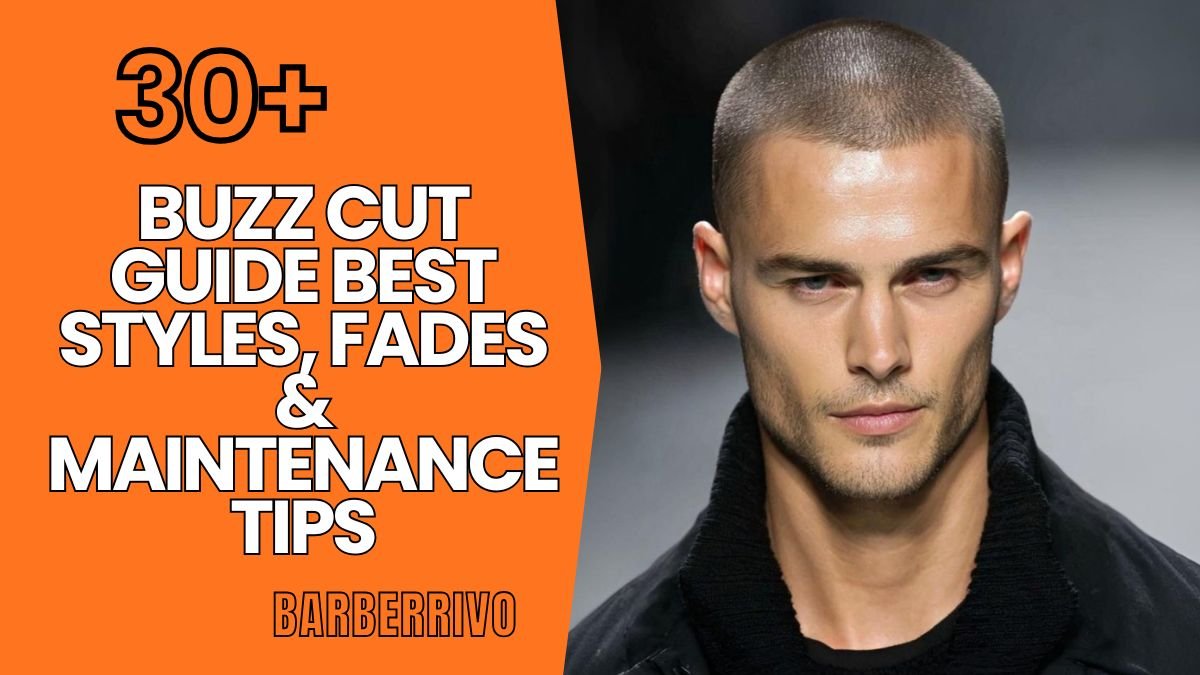
So you’re thinking about a buzz cut. Maybe you’re tired of styling your hair every morning. Maybe you just want a change. Either way, you’ve landed in the right place. A buzz cut haircut is one of the oldest, simplest, and most reliable looks a man can wear.
It never really goes out of style. It just keeps coming back, season after season, decade after decade.
This guide covers everything you need to know. We’ll walk through every major buzz cut hairstyle, explain the difference between fades and tapers, and help you pick the right cut for your face shape and hair type.
We’ll also cover maintenance, because even a low maintenance haircut still needs some care. By the end, you’ll know exactly which buzz cut suits you best.
What Is a Buzz Cut?
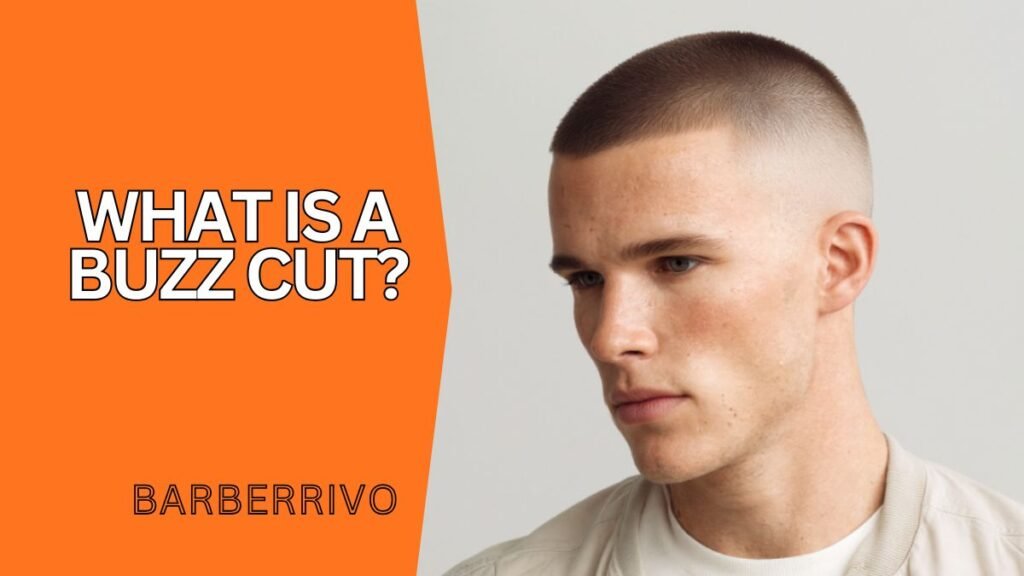
A buzz cut is a short clipper haircut where the hair is cut close to the scalp, usually all over the head. Barbers use electric clippers with a guard attachment to keep the length even and consistent. The result is a clean cut hairstyle that needs almost no daily styling. You wash it, maybe pat it dry, and you’re done.
The style has deep roots in the military haircut tradition. Soldiers have worn short, buzzed hair for over a century because it’s practical. It keeps hair out of the eyes, it’s easy to keep clean, and it works under helmets and in tough conditions.
Over time, this practical army haircut crossed over into everyday fashion. Today, you’ll see a buzzed haircut on athletes, actors, businessmen, and teenagers alike. It’s a genuinely masculine haircut that works in almost any setting, from the gym to the office.
Buzz Cut vs. Crew Cut: Key Differences
People mix these two up all the time, and honestly, it’s an easy mistake to make. Both are short. Both are low effort. But they’re not the same haircut. A classic buzz cut keeps the hair at a fairly uniform length across the top, sides, and back. A crew cut, on the other hand, leaves noticeably more length on top while keeping the sides shorter, often blended into a fade or taper.
Think of it this way: a buzz cut is close to the same length everywhere, while a crew cut has a defined top section that stands apart from the short back and sides. Here’s a quick side-by-side so you can see the difference clearly.
| Feature | Buzz Cut | Crew Cut |
| Top length | Short, close to uniform | Slightly longer, often 1-2 inches |
| Sides and back | Same or near-same length as top | Faded or tapered, shorter than top |
| Styling needed | Almost none | Minimal, sometimes a bit of product |
| Best for | Guys who want zero fuss | Guys who want a touch of shape |
Both cuts fall under the umbrella of short haircut for men styles, and honestly, you can’t go wrong with either one. It just depends on how much length you want to keep on top.
Types of Buzz Cuts Explained
Here’s something a lot of guys don’t realize: “buzz cut” isn’t really one single haircut. It’s a whole family of styles that share the same basic idea, short hair cut with clippers, but differ in length, texture, and finish. Once you understand the different types, choosing the right one becomes a lot easier.
Below, we’ll break down the most common variations you’ll hear a barber mention. Each one uses a different guard number, which changes how short or long the finished cut looks. Knowing these names before you sit in the barber’s chair will help you communicate exactly what you want, instead of hoping for the best.
Induction Cut
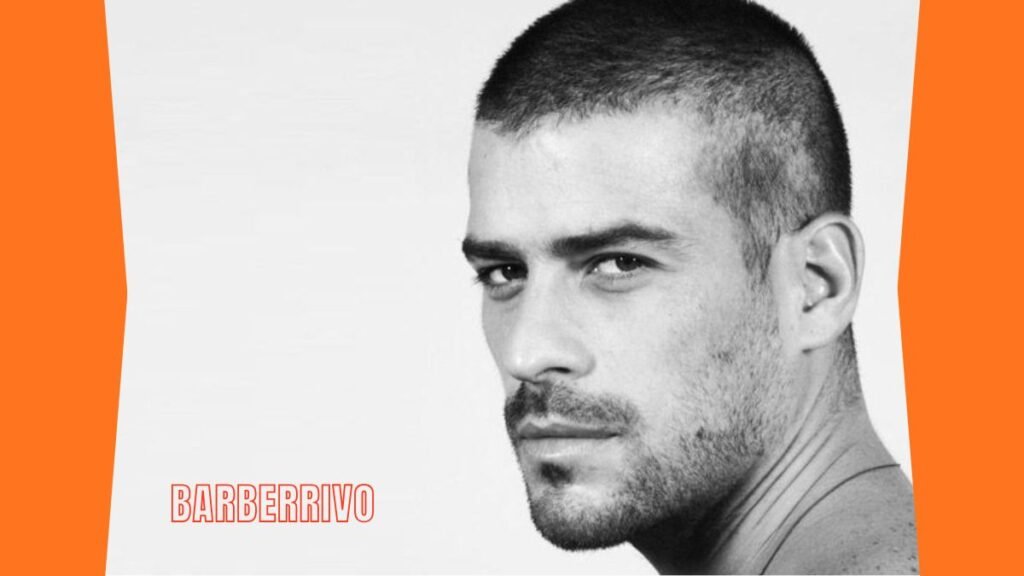
The induction cut is about as short as it gets. It’s often done with no guard at all, or a very low one like 0.5. This is the true military buzz cut, the kind you’d get on day one of boot camp. There’s no blending, no fading, just one consistent super-short length across the whole head.
This style suits guys with a well-shaped skull and decent hair density, since there’s nowhere to hide with hair this short. It grows out fast too, so you’ll need touch-ups every week or so if you want to keep that razor-sharp look.
Butch Cut
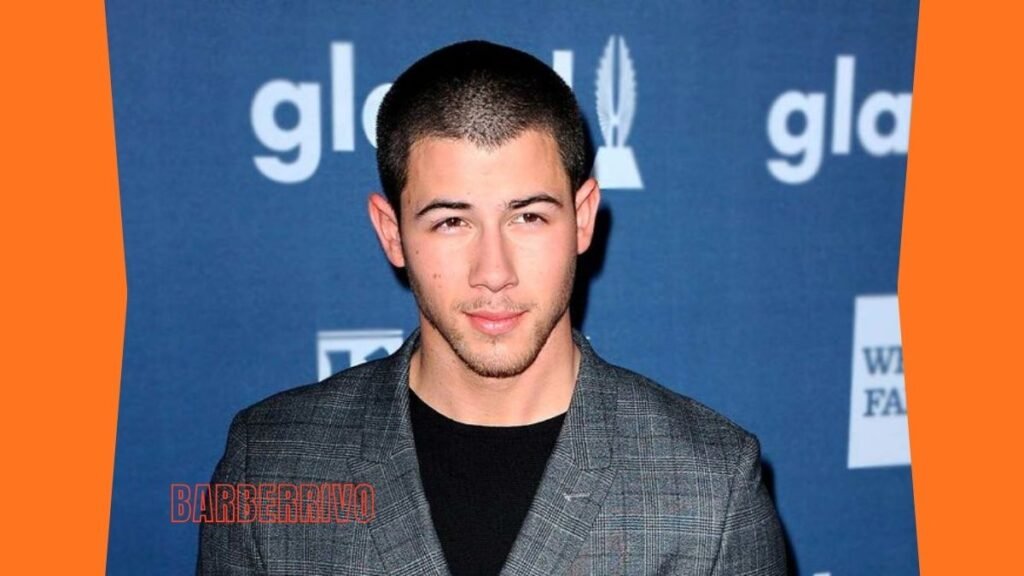
A butch cut is basically a slightly grown-out version of the induction cut. Barbers typically use a guard between 2 and 4, which leaves a bit more coverage and a softer overall appearance. It’s a great middle-ground option if you like the buzzed look but aren’t ready to go full skin-close.
This one works well for office environments too. It reads as neat and professional without looking severe, and it’s forgiving if your scalp isn’t perfectly smooth.
Burr Cut

Sitting between the induction and butch cuts, the burr cut usually runs on a guard 1 or 2. It’s short, structured, and still very much a low maintenance haircut, but it has just enough length to soften the harshness of a fully shaved look. Many guys pair it with light stubble for a rugged, put-together vibe.
Brush Cut
The brush cut leaves a bit more length on top compared to the styles above, giving it some texture and a slight lift. The sides are usually tapered or faded down, which creates contrast against the fuller top section.
Some barbers style it forward or leave it standing up with a touch of product, which gives it a more deliberate, styled appearance despite still being technically short.

Uniform Buzz Cut

As the name suggests, the uniform buzz cut keeps the exact same length across the entire head, top, sides, and back. There’s no fading, no blending, just one clean number all the way around. It’s simple to execute and simple to maintain, though it does grow out a bit unevenly since hair on top often grows faster than the sides.
Tapered Buzz Cut
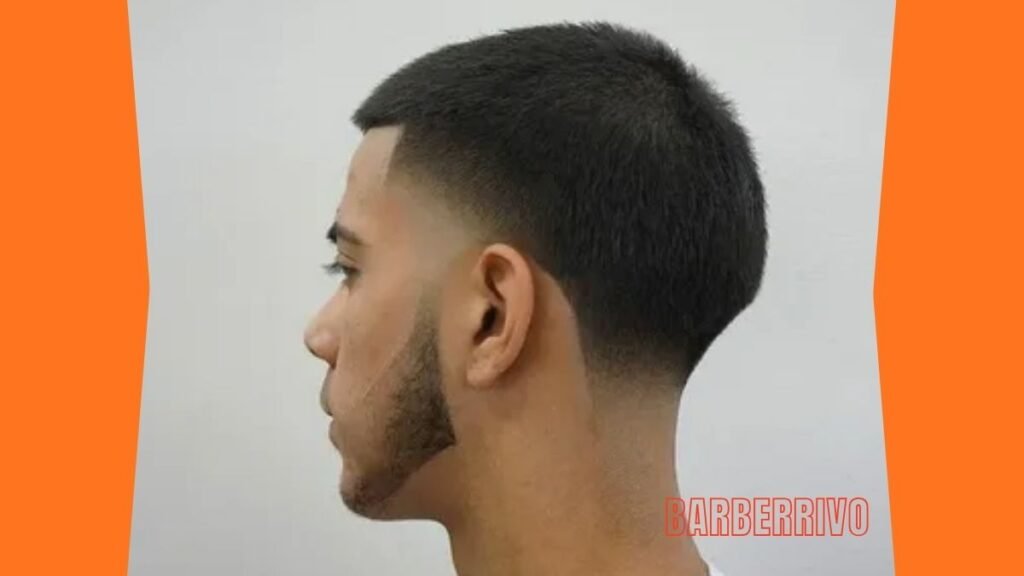
The tapered buzz cut brings in a gradual shortening effect at the nape and sideburns instead of a hard, abrupt line. Unlike a fade, which drops to skin quickly, a taper fades more gently and keeps a natural hairline visible. This makes it a versatile pick that pairs well with almost any top length, and it tends to grow out cleaner than sharper fade styles.
Textured Buzz Cut
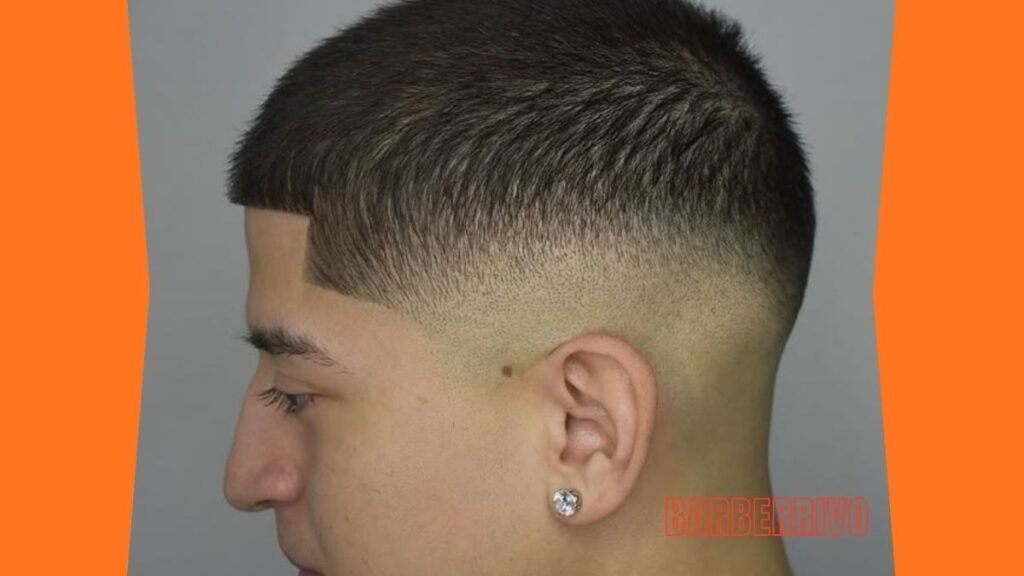
A textured buzz cut plays with slight variation in hair length on top, creating a layered, almost choppy look rather than one flat plane. It’s a more modern take on the classic buzz, and it works particularly well if your hair has a bit of natural wave or thickness to show off.
Best Buzz Cut Fade Combinations
Once you’ve picked your base style, the next decision is whether to add a fade. A buzz cut fade takes the sides and back down to skin or near-skin, creating a sharp contrast against the top. It’s one of the most requested combinations at any barber shop haircut, and for good reason. It instantly makes a simple buzz cut look more polished and modern.
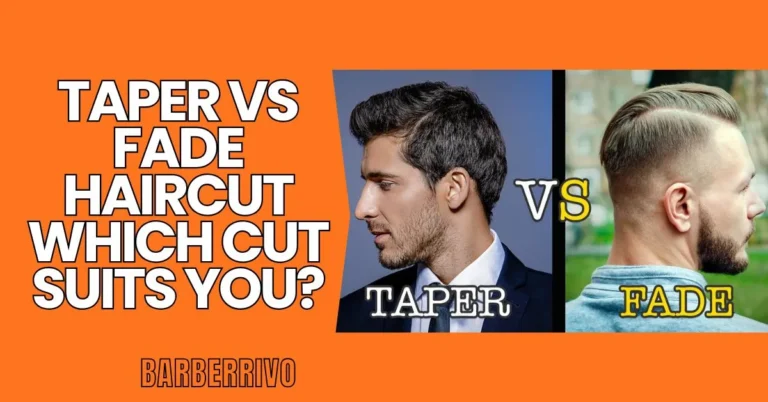
Before we go further, it helps to know the difference between a fade and a taper, since barbers use these terms differently. A fade drops quickly to bare skin, creating a dramatic, high-contrast line. A taper, by contrast, decreases length gradually and never quite reaches the skin. Mixing these two up when you’re in the chair can lead to a much shorter result than you expected, so it pays to know which one you actually want.
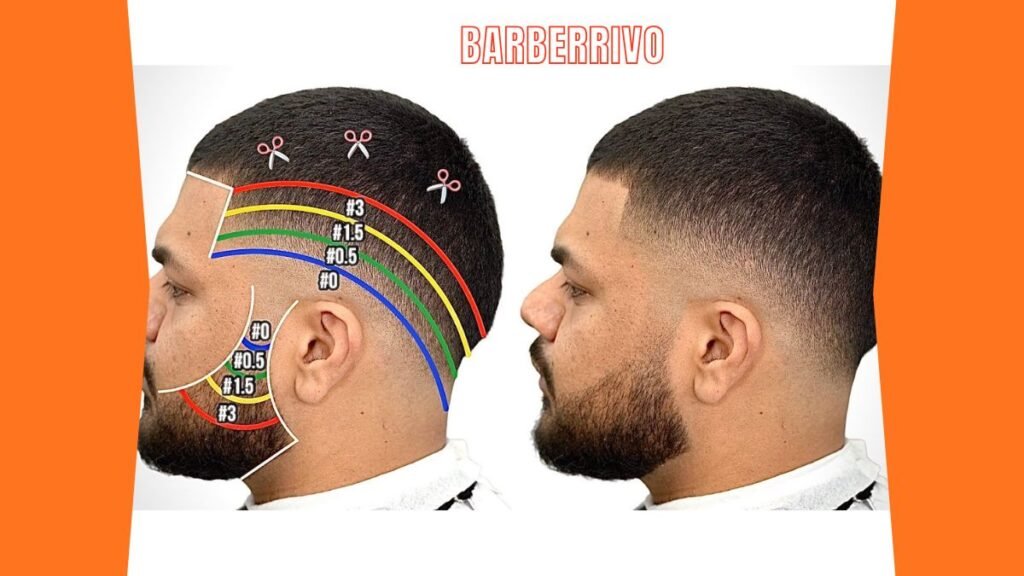
Low Fade
A low fade buzz cut keeps the fade point close to the ears, right around the sideburn area. It’s the most subtle of the fade options, which makes it a safe choice if you want a modern edge without too much drama. It suits nearly every face shape and hair type.
Mid Fade
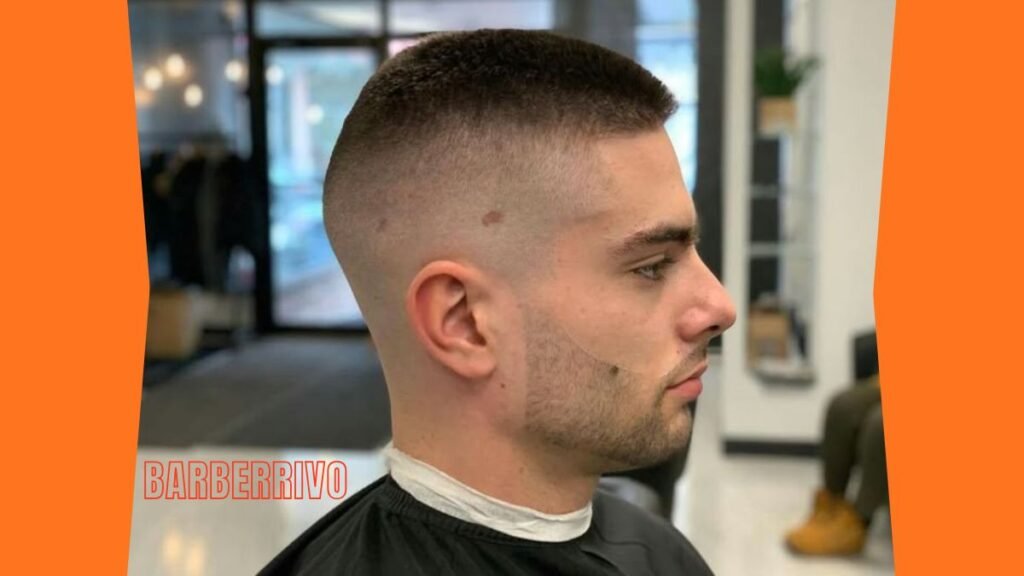
The mid fade buzz cut starts its blend a bit higher, roughly at temple level. This is arguably the most popular and versatile fade combination out there. It balances boldness with wearability, and it looks sharp whether you’re heading to work or going out.
High Fade

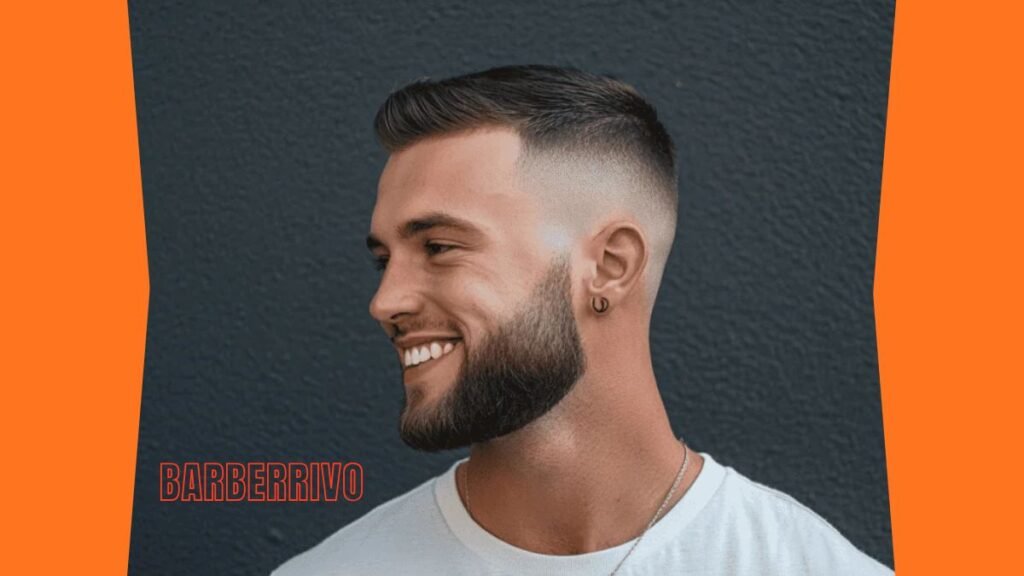
A high fade buzz cut takes the blend point up near the top of the head, creating a much more dramatic contrast between the short sides and the longer top section. This is a striking, attention-grabbing choice, and it tends to elongate rounder faces nicely.
Skin Fade
The skin fade haircut goes all the way down to bare skin at the fade point, rather than leaving a whisker of hair behind. A skin fade buzz cut is currently one of the most requested looks in modern barbering techniques, prized for how crisp and clean it looks right after a cut. Just know that it needs frequent touch-ups since regrowth shows quickly against bare skin.
Temp Fade
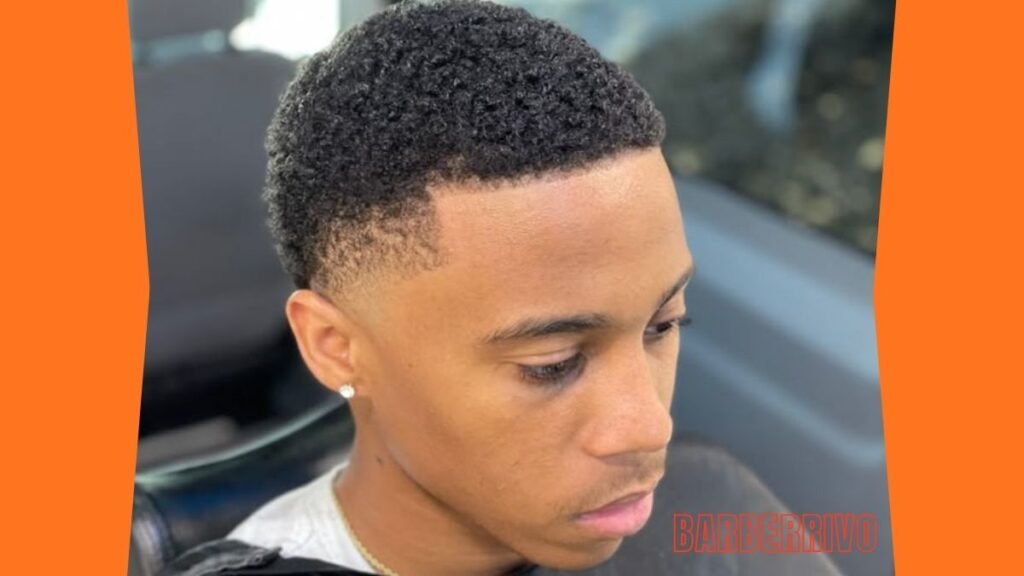
A temp fade, short for temple fade, keeps the fading action confined to a small area around the temples rather than sweeping across the whole side of the head. It’s a subtler, lower-commitment way to add some fade styling without going all-in.
Here’s a simple comparison to help you decide which fade fits your style best.
| Fade Type | Blend Height | Contrast Level | Best For |
| Low fade | Near the ears | Subtle | Everyday, office-friendly |
| Mid fade | Temple area | Moderate | Most versatile, all face shapes |
| High fade | Top of the head | Bold | Round or fuller faces |
| Skin fade | Down to bare skin | Very bold | Guys who want maximum sharpness |
| Temp fade | Temple only | Minimal | First-timers, subtle upgrade |
Popular Buzz Cut Variations
Beyond the basic styles and fades, there’s a whole world of creative spin-offs worth knowing about. These variations let you personalize a buzz cut without straying too far from its low-effort roots. Whether you want something bold or something barely noticeable, there’s likely a version here that fits your taste.
Some of these styles lean more toward a trendy men’s haircut look, while others stay firmly in classic, timeless territory. Let’s go through the most popular ones.
High and Tight
The high and tight haircut pairs very short sides with a slightly longer top, usually blended together with a high or even shaved fade. It’s another military buzz cut relative, known for its bold, no-nonsense appearance. This one really works if you want maximum contrast and don’t mind a bit of an edgy statement.
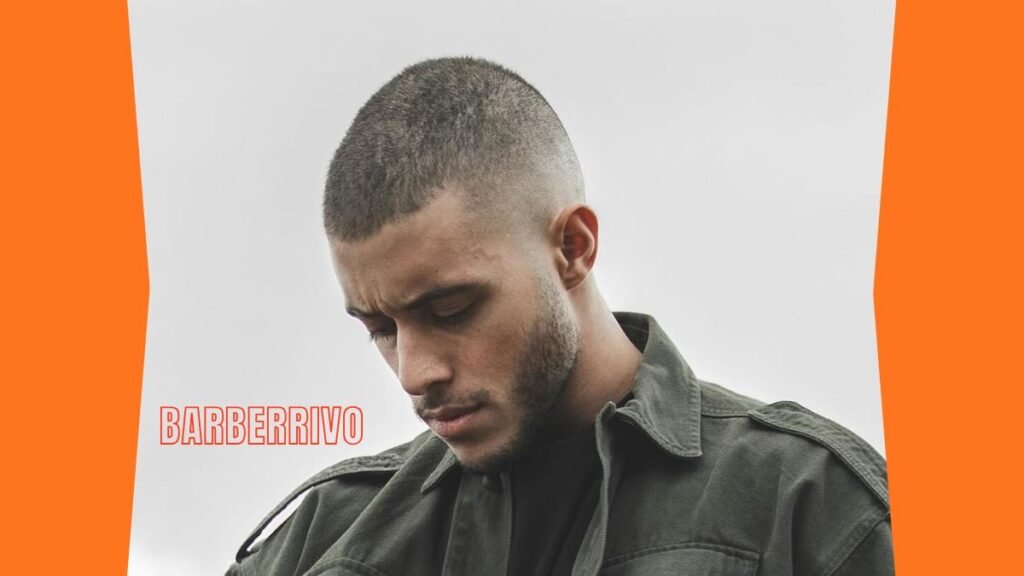
Line-Up Buzz Cut
A line up haircut isn’t so much a haircut on its own as it is a finishing touch. Barbers use it to sharpen up the hairline with crisp, defined edges around the forehead and temples. It gives a sharp hairline to nearly any buzz cut style, and it’s especially popular among guys with dense or curly hair, where the contrast between skin and hair reads clearly.
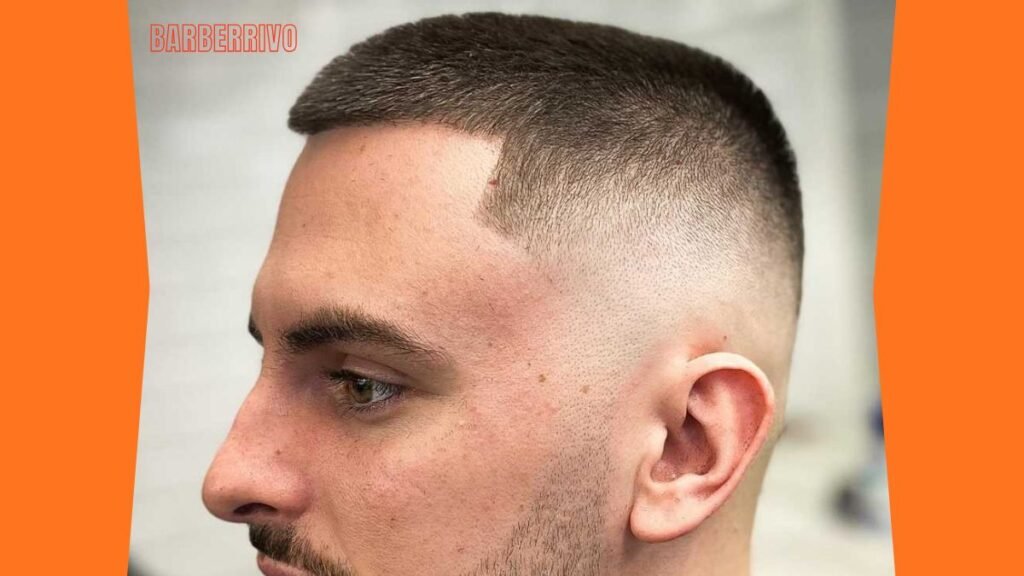
Disconnected Buzz Cut
The disconnected buzz cut creates a hard, deliberate break between the short sides and a noticeably longer top, skipping the smooth blend altogether. It’s bold and a little unconventional, which makes it a favorite among guys who want their haircut to make a statement rather than blend into the background.
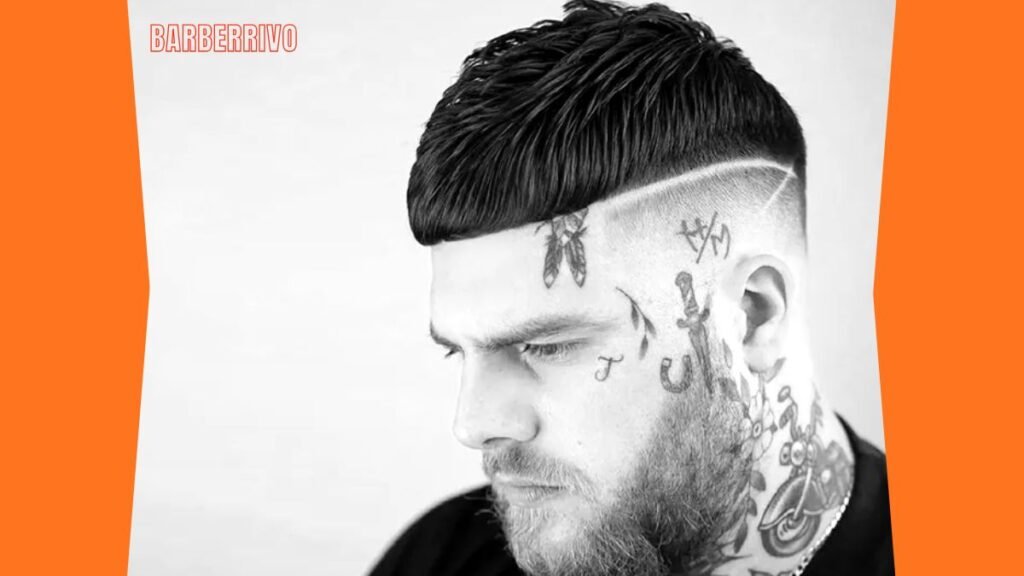
Jarhead Buzz Cut
Named after its association with soldiers, the jarhead buzz cut takes an abrupt, high fade with almost no gradual blending. It’s one of the sharpest, most severe-looking buzz cut variations, and it does require regular trips to the barber to keep that crisp line looking fresh.
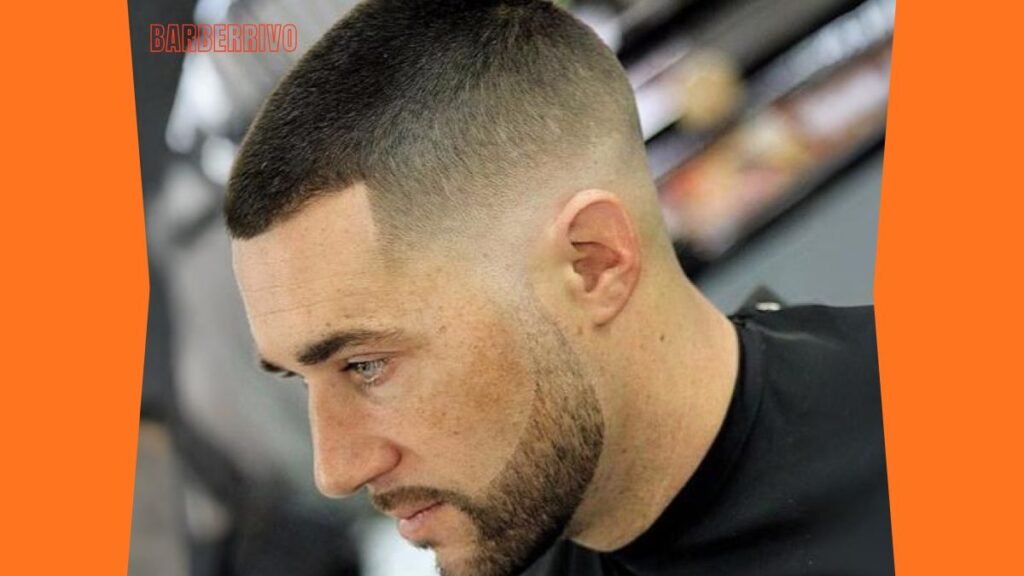
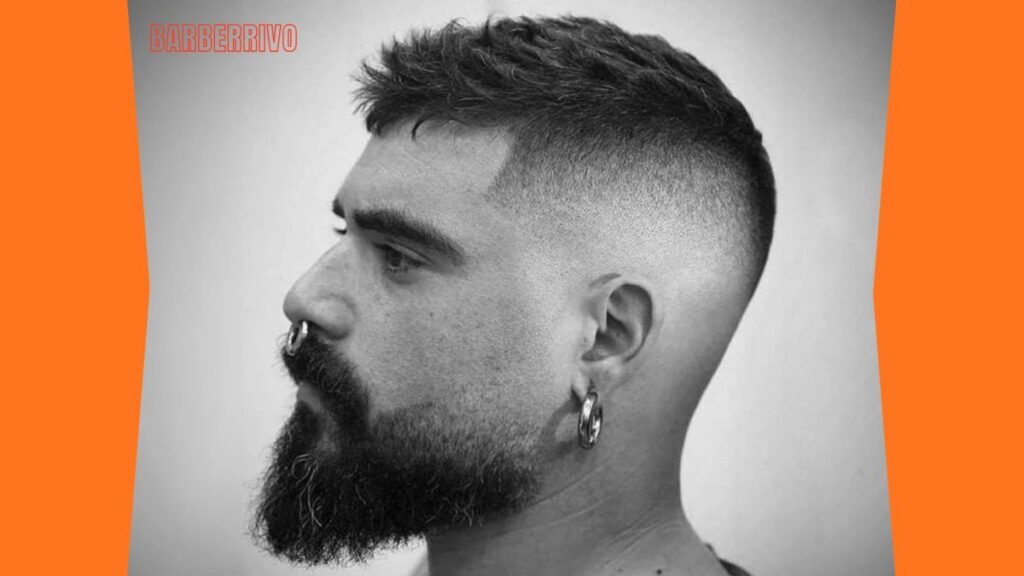
Buzz Cut with Beard
Beard and buzz cut combinations are hugely popular, and it’s easy to see why. The short hair up top balances nicely against fuller facial hair, creating a rugged, well-put-together look. Many guys ask their barber for a matching skin taper on the beard to tie the whole look together seamlessly.
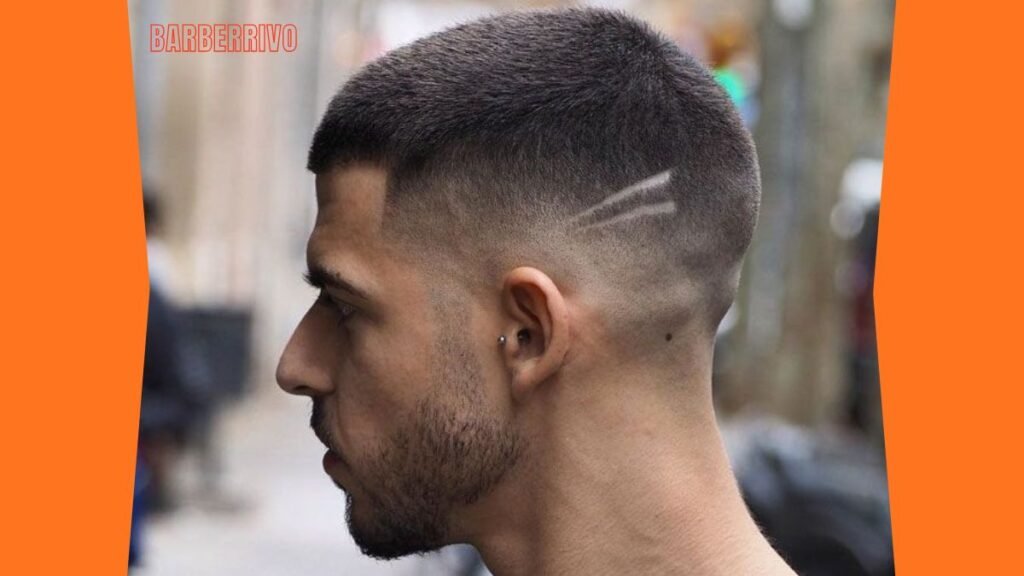
Buzz Cut with Design
If you really want to stand out, a buzz cut with a shaved-in design adds lines, shapes, or patterns directly into the hair. It’s a creative, highly personal option, though it does need frequent upkeep to keep the pattern crisp as hair grows back.
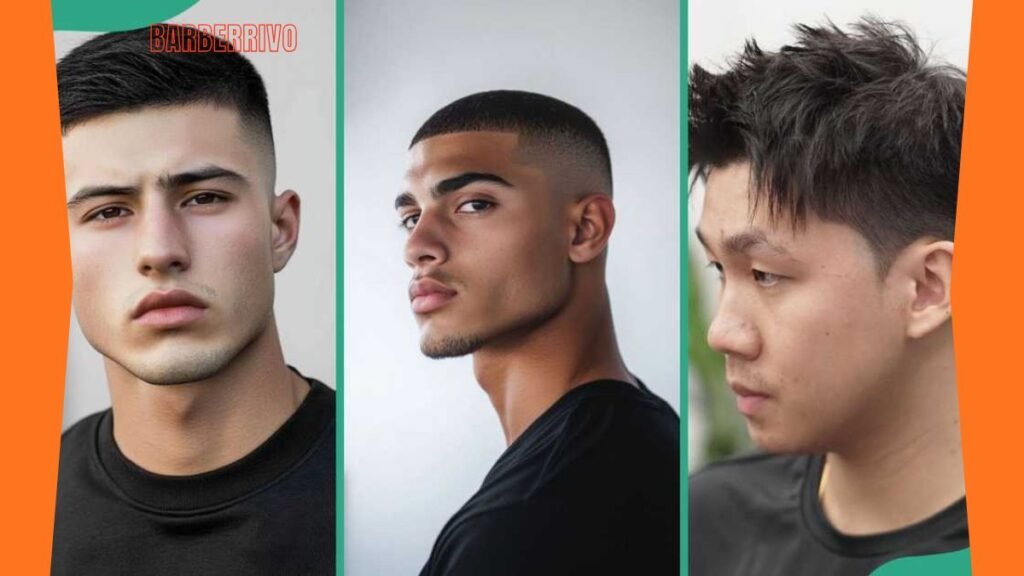
Long Buzz Cut
A long buzz cut simply uses a longer guard, typically 4 or 5, across the whole head. It keeps that low-fuss buzz cut philosophy while offering more coverage and a slightly softer overall appearance. It’s a solid middle ground for guys who aren’t ready to go super short.
Dyed and Colored Buzz Cuts
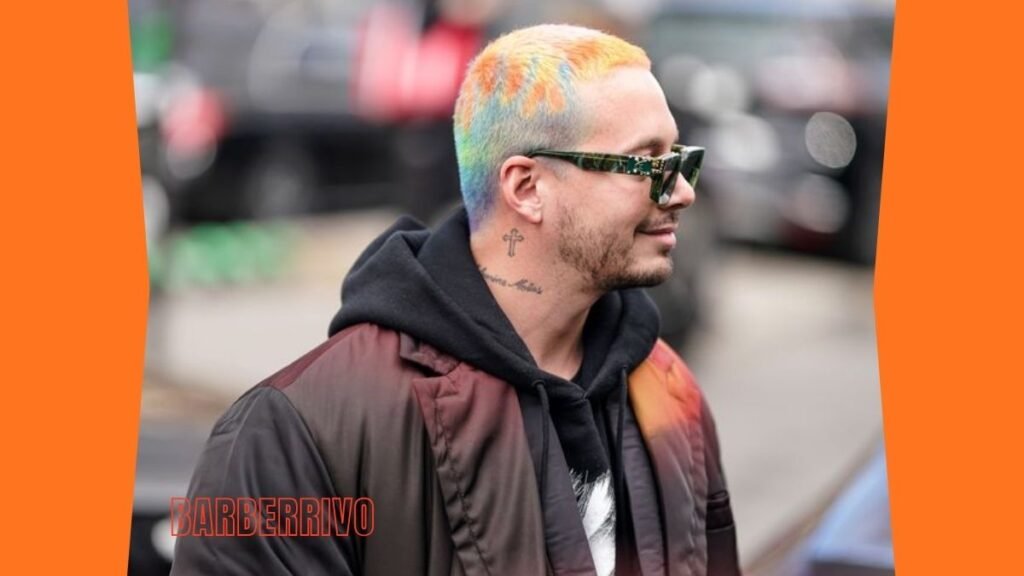
Finally, there’s the option of adding color. Blonde, pastel, or even bold neon tones give a modern buzz cut a completely different personality. Just keep in mind that color needs regular touch-ups to stay looking fresh, especially since buzz cuts grow out so quickly.
Buzz Cut Lengths and Clipper Guard Numbers
Understanding haircut guard numbers is genuinely one of the most useful things you can learn before your next barber visit. Guard numbers tell your barber exactly how much length to leave behind, and getting this wrong is one of the most common reasons guys leave the chair disappointed. Numbers go from 0, essentially bare skin, up to around 8, which leaves a full inch of hair.
Learning these clipper guard sizes means you’ll never have to guess or hope your barber reads your mind. Here’s a straightforward breakdown of what each number actually looks like once it’s cut.
| Guard Number | Length | Look |
| 0 | 1/16 inch | Nearly bald, skin-close |
| 1 | 1/8 inch | Very short, classic buzz |
| 2 | 1/4 inch | Short and clean |
| 3 | 3/8 inch | Slightly fuller, forgiving |
| 4 | 1/2 inch | Noticeable coverage |
| 5 | 5/8 inch | Soft, longer buzz |
| 6 | 3/4 inch | Approaching crew cut territory |
| 7-8 | 7/8 to 1 inch | Longest buzz cut option |
If you’ve never had a buzz cut before, starting with a 2 or 3 is usually your safest bet. You’ll still get that unmistakable buzzed look, but there’s enough hair left to adjust or grow out if you change your mind. Going too short on your first try is where most regret happens, so it pays to ease into it.
Best Buzz Cut for Your Face Shape
Not every buzz cut style flatters every face equally, and this is honestly the part most guys skip, then wonder why their new cut doesn’t look quite right. A little face shape guide knowledge goes a long way here. Short hair reveals a lot about your bone structure, so picking the right variation can genuinely enhance your facial structure and give your jawline a bit more definition.
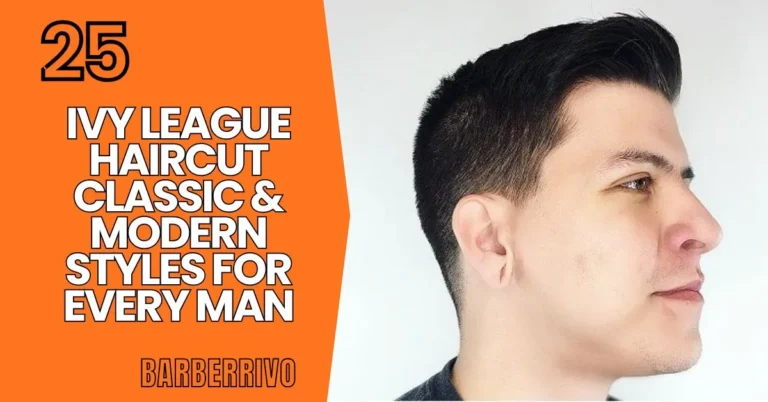
See also: Ivy League Haircut 25 Classic & Modern Styles for Every Man
Let’s go through the main face shapes and what tends to work best for each one.
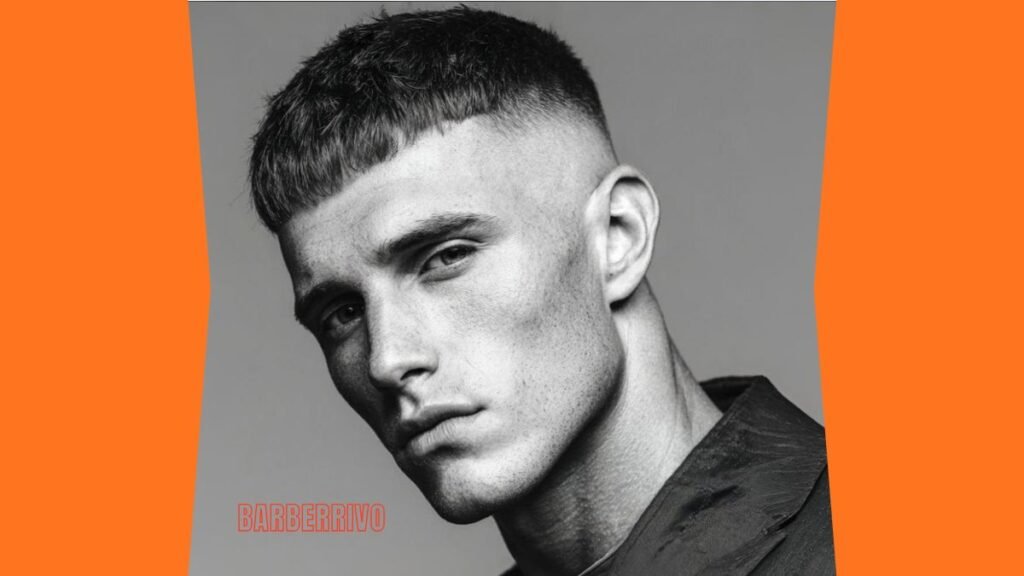
Oval Face
Good news if you’ve got an oval face: you can wear almost any buzz cut for oval face styling with confidence. This shape is naturally balanced, so classic induction cuts, tapers, and fades all tend to look great. Just keep the length reasonably even to maintain that natural balance.
Round Face
A buzz cut for round face shapes benefits from added angles and height. High and tight styles or high fades work well here, since they create visual length and draw the eye upward. Try to avoid too much volume on top, since that can make a round face look even fuller.

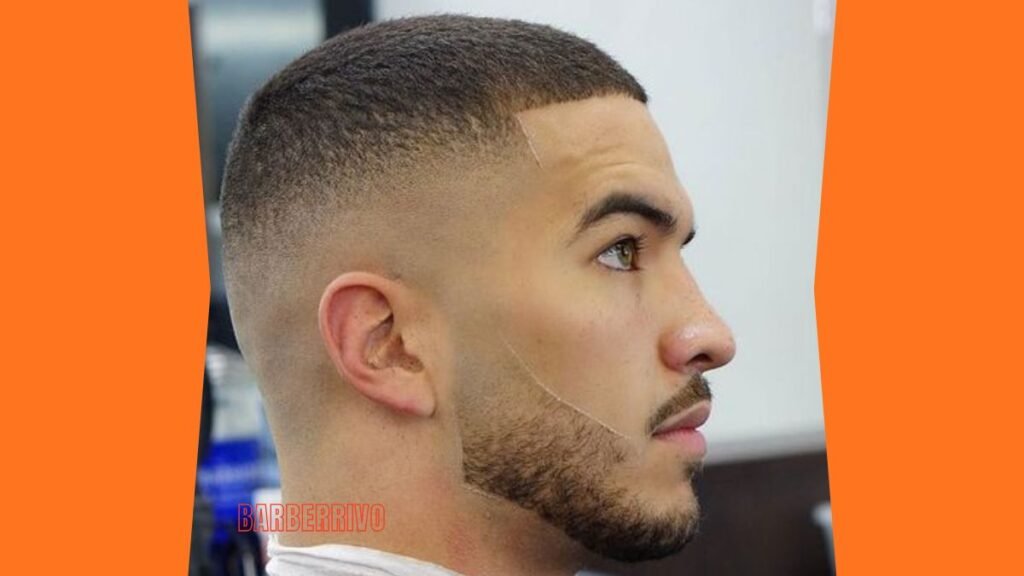
Square Face
Guys with a buzz cut for square face shapes already have strong, defined features to work with. A disconnected style or a bit of texture can soften those sharp angles just enough, giving a more balanced, approachable finish without losing that strong jawline.
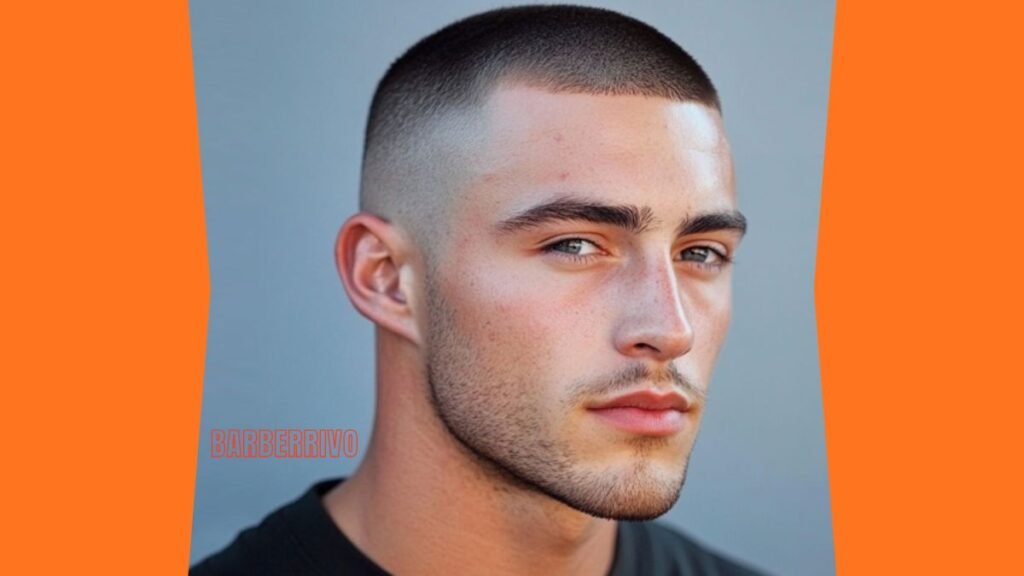
Heart Face
For a buzz cut for heart face shapes, balance is the name of the game. A tapered cut or a skin fade helps draw attention toward the eyes rather than emphasizing a narrower chin. Keeping slightly more length on top also softens the overall silhouette nicely.
Buzz Cuts for Receding Hairlines and Balding Men
Here’s something worth knowing: a buzz cut for receding hairline situations is actually one of the smartest choices you can make. Short, uniform hair reduces the visual contrast between thinning patches and fuller areas, which means the eye doesn’t catch on uneven spots the way it would with longer hair.
The same logic applies to a buzz cut for balding men more broadly. Rather than trying to disguise hair loss with careful combing or longer styles that only draw attention to what’s missing, a short buzz or even a fully shaved induction cut owns the look with confidence. Pairing it with a well-groomed beard often completes the effect, giving your whole face a sense of intention rather than something you’re trying to hide.
Buzz Cuts by Hair Type and Texture
Hair texture changes how a buzz cut behaves, and honestly, it changes how it looks too. What reads as sharp and defined on straight hair might look completely different on coily or wavy hair, and that’s not a bad thing. It just means the approach should shift a little depending on what you’re working with.
Buzz Cut for Black Men
A buzz cut for black men showcases the natural density and texture of afro-textured hair beautifully. Buzzing it short reduces bulk while keeping that fullness and defined shape intact. Pairing it with a high skin fade adds sharp contrast, and regular moisturizing helps keep the scalp from getting flaky, since coarser hair textures tend to need a bit more scalp care than straighter types.

Buzz Cut for Curly or Wavy Hair
If you’ve got natural curl or wave pattern, a buzz cut for curly hair or buzz cut for wavy hair actually lets that texture shine rather than hiding it under length. Buzzing reduces overall bulk while still showing off the natural pattern, and it pairs especially well with a clean line-up for extra definition.
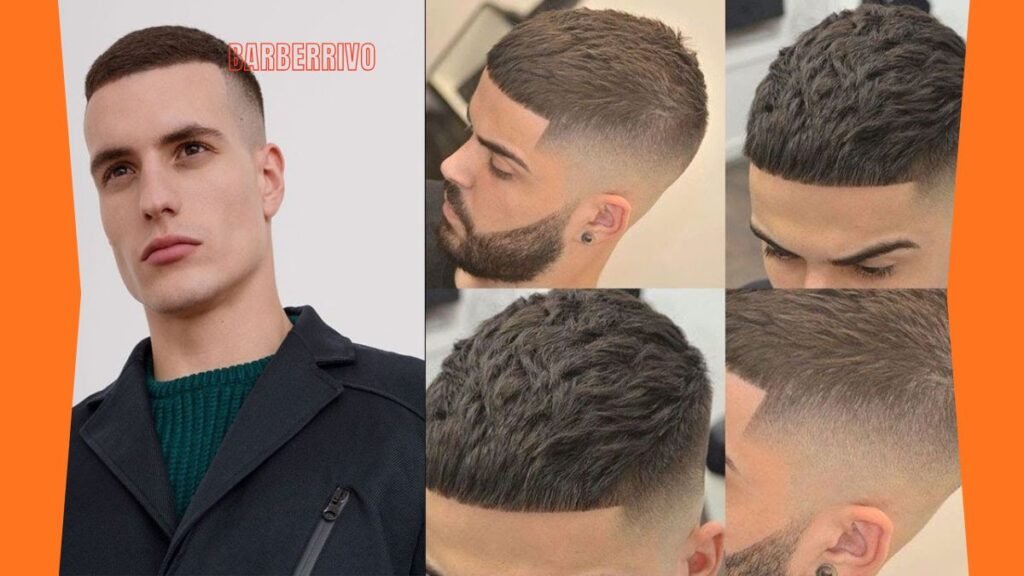
Buzz Cut for Asian Men
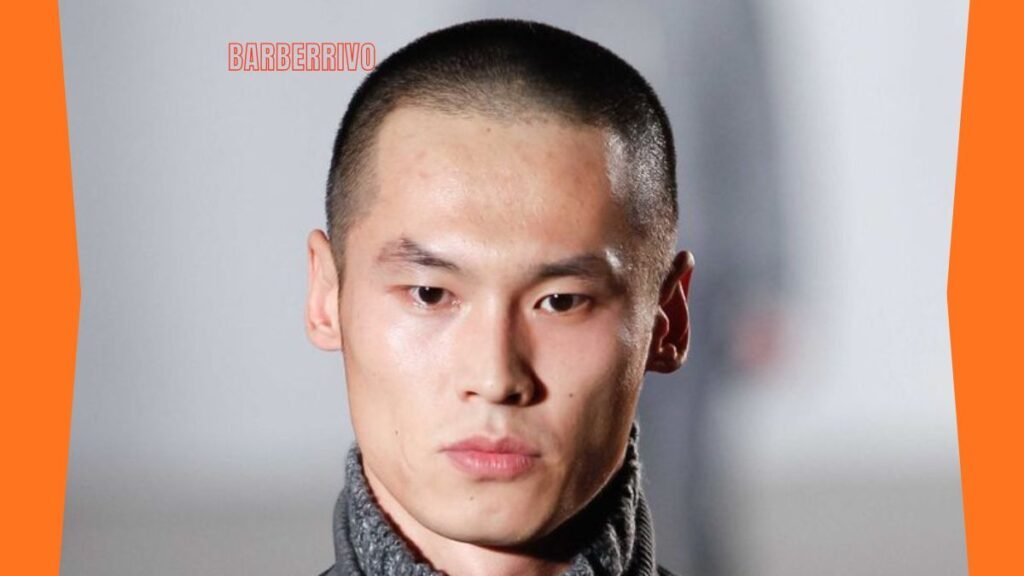
A buzz cut for asian men tends to work particularly well with thick, straight hair types, since it creates a sharp, defined finish that complements strong jaw and cheekbone structure. A little matte pomade can add subtle texture on top, or you can leave it completely natural for an easygoing, low-effort look.
It’s worth mentioning too that a buzz cut for latino men and a buzz cut for indian men follow much the same principles, managing denser hair with minimal effort while keeping a masculine, structured finish. Regular trims every few weeks help maintain that crisp edge regardless of hair type.
Will a Buzz Cut Suit You?
This is the question almost every guy asks before finally taking the plunge, and honestly, the answer is reassuring. Most men can pull off some version of a buzz cut. The real question isn’t whether you can wear one, it’s which variation works best for your specific head shape, hairline, and features.
Square and oval faces tend to wear buzz cuts especially well, since the shortness emphasizes the jaw and keeps everything looking proportionate. If your face runs a bit rounder, don’t worry, a fade or a well-groomed beard can add the structure you need.
Head shape matters too. A shorter cut reveals more of your scalp, which means uneven spots, scars, or flat areas become more visible. That’s not necessarily a dealbreaker though, it just means choosing a slightly longer guard number rather than jumping straight to a skin-close induction cut.
How to Get a Buzz Cut: DIY vs. Barber
Once you know which style you want, you’ll need to decide how you’re getting it done. Both options have real trade-offs worth thinking through before you commit.
At-Home Buzz Cut Steps
Cutting your own buzz cut at home is genuinely doable, and it saves you both time and money. Start by choosing your guard number based on the length chart above, then work in sections, top first, then sides, then the back with the help of a mirror or a second mirror setup.
Go slowly, and always cut with the grain of hair growth before adjusting for evenness. Clean up stray edges last, using a smaller trimmer if you have one.
The main downside is precision. Clean fades, tight lineups, and even blending are genuinely hard to pull off solo, especially on the back of your own head where you can’t see clearly.
What to Ask Your Barber For
If you’d rather leave it to a professional hairstyle expert, knowing the right terminology makes all the difference. Tell your barber the exact guard number you want on top and on the sides, specify whether you want a fade or a taper, and mention where you’d like the blend point to sit, low, mid, or high.
If you want an edge up haircut finish around the hairline, ask for that specifically too. The more precise your request, the closer the result will match what you actually pictured.
How to Maintain a Buzz Cut
Don’t let anyone tell you a buzz cut is completely maintenance-free. It’s low effort, sure, but it’s not zero effort. A few small habits go a long way toward keeping the style sharp between visits.
Washing and Scalp Care
Good scalp care matters more with short hair since there’s nothing to hide buildup or dryness. Wash regularly with a gentle shampoo, and consider exfoliating occasionally to prevent ingrown hairs, especially if you’re wearing a skin fade or a fully shaved style. A light moisturizer or scalp balm afterward keeps things comfortable and helps avoid that flaky, irritated look.
Styling Products for Buzz Cuts
Even short hair benefits from the right haircut styling products. A texturizing spray can add a bit of volume and definition on top if you’re wearing a slightly longer variation. Pomade for short hair or a bit of hair wax gives you hold and a subtle sheen without weighing anything down. And for the scalp itself, a soothing balm after cutting helps calm any irritation from the clippers.
How Often to Re-Buzz
As a general rule, plan on getting a touch-up every one to two weeks. Shorter styles like the induction cut grow out noticeably faster and need more frequent trims, while longer buzz variations can stretch a bit further between visits. Following these barber maintenance tips consistently is really what keeps a buzz cut looking sharp rather than scruffy.
Celebrity Buzz Cut Inspiration
If you need a bit of visual inspiration before your next cut, plenty of well-known faces have made the buzz cut their signature look. A celebrity buzz cut can be a great reference point to bring to your barber, since it gives them a clear visual target rather than a vague description.
Athletes in particular have long embraced this style for practical reasons, short hair simply works better under helmets and through intense training. Actors and musicians have followed suit too, often using a sharp buzz cut to project confidence and a clean, put-together image on and off screen. Bringing a photo reference along to your appointment is one of the easiest ways to bridge the gap between what you’re picturing and what actually ends up on your head.
Alternative Hairstyles to Consider
If you’re still on the fence about committing to a full buzz cut, there are a few related styles worth considering that offer a middle ground. A crew cut keeps a bit more length on top while still delivering that clean, men’s grooming friendly finish.
A textured crop offers more styling flexibility if you want something with a bit more personality. And a classic short back and sides cut gives you tidy, professional length without going nearly as short as a true buzz.
Whatever direction you choose, the core appeal remains the same, less time in front of the mirror, and more confidence walking out the door.
FAQs
Is buzz cut attractive for men?
Yes, a buzz cut is widely considered an attractive, confident look for men. It draws attention to facial features like the jawline and cheekbones, and it works especially well for guys with strong bone structure or a well-shaped head. Confidence plays a big role too, a well-groomed buzz cut paired with good posture and a bit of self-assurance goes a long way.
Is a buzz cut a good look?
Absolutely. It’s one of the most versatile and low maintenance haircuts available, suiting nearly every face shape and hair type with the right adjustments. Its lasting popularity across decades says a lot about how reliably good it looks on a wide range of men.
Who should avoid buzz cut?
Guys with very thin or patchy hair density might want to think twice, since extremely short hair can sometimes make sparse areas more noticeable rather than less. Certain scalp conditions or visible scarring might also make a slightly longer guard number a better choice than going fully skin-close. When in doubt, a consultation with your barber beforehand can help you decide.
How long is a #1 buzz cut?
A #1 guard leaves hair at about 1/8 inch in length. It’s short, but not quite as extreme as a 0 or triple zero cut, making it one of the most popular starting points for guys new to the buzz cut style.

Ryan Carter is a men’s grooming writer who covers haircuts, hairstyles, beard care, and barbering trends. He shares practical style advice and grooming tips to help men look sharp and stay confident.