Taper vs Fade Haircut: What’s the Difference & Which Cut Suits You?
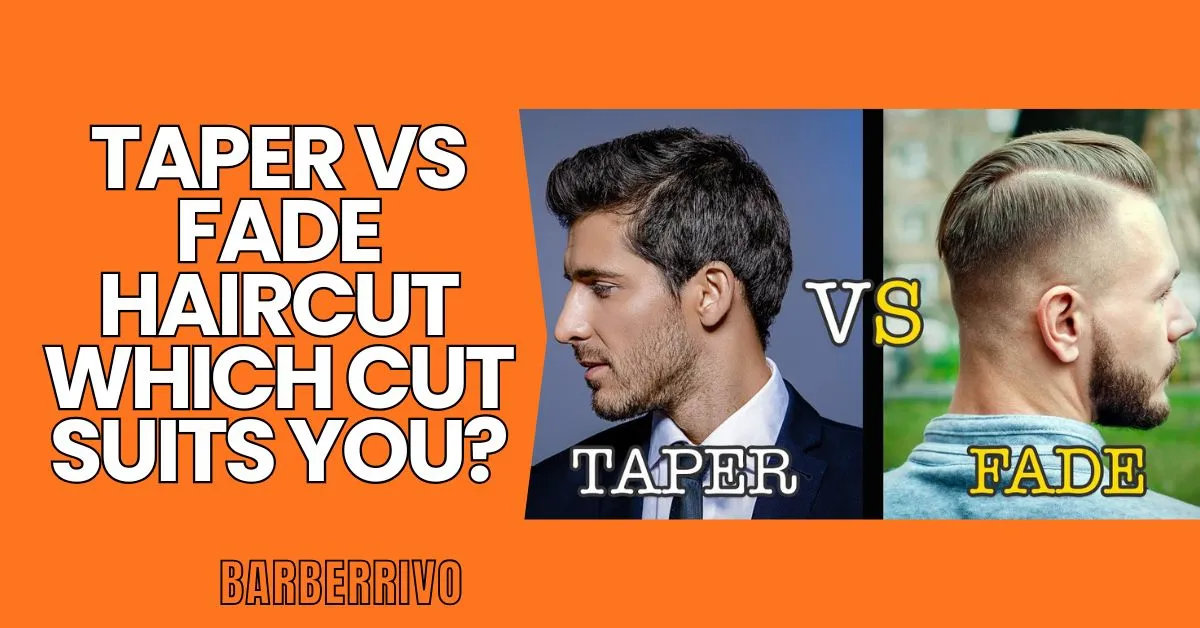
Walk into any barber shop today and you’ll hear two words more than any others: taper and fade. Guys ask for a taper vs fade haircut all the time, but a lot of them don’t actually know what makes each one different. And that’s a problem, because asking for the wrong one can leave you with a look you didn’t want at all.
This guide breaks down the taper vs fade haircut debate in plain, easy English. You’ll learn how each cut works, which men’s haircut styles pair best with them, and how to pick the right one for your hair type, your face shape, and your lifestyle. By the end, you won’t just understand the fade vs taper difference. You’ll know exactly what to tell your barber next time you sit in the chair, and you’ll have a clear picture of which taper vs fade haircut actually fits you.
Taper vs Fade Haircut: Quick Answer
If you’re short on time, here’s the deal. A taper haircut shortens your hair gradually, but it never goes all the way down to bare skin. A fade haircut, on the other hand, blends your hair down to nothing, creating a much sharper line between skin and hair. Both cuts rely on hair clippers and steady hands, but the finished look of a taper vs fade haircut couldn’t be more different.
Neither one is universally “better.” It really comes down to your hair texture, how much upkeep you’re willing to handle, and the kind of impression you want to make. Keep reading, and you’ll walk away with a clear answer for your own taper vs fade haircut decision.
The Main Difference at a Glance
Think of it this way: a taper fades out, but never disappears. A fade fades out completely, right down to the skin. That’s the whole idea behind hair length transition in both styles, and it’s the core of the entire taper vs fade haircut comparison. The taper keeps a soft, natural finish. The fade goes for sharp, high hair contrast.
Which Haircut Is Better for Most Men?
Honestly, it depends on your face and your routine. Guys who want a low-key, classic men’s haircut that grows out nicely usually lean taper. Guys chasing a bold, trendy men’s haircut with maximum contrast usually go fade. We’ll dig into both sides of the taper vs fade haircut question so you can decide for yourself.
What Is a Taper Haircut?
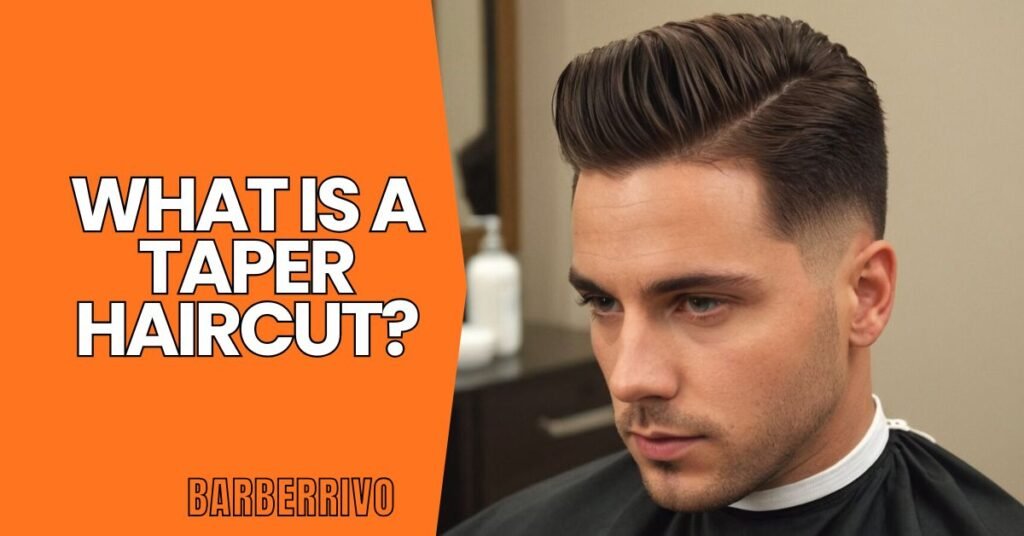
A taper haircut for men is one of the oldest tricks in the barber’s book. It gradually shortens hair from the top of your head down through the sides and back, without ever exposing bare skin. That’s the key difference in any taper vs fade haircut comparison, and it’s why tapers have such a soft, natural look.
Barbers usually build a taper using scissor-over-comb work or a mix of clipper guards, blending length little by little. It’s subtle work. Done right, you can’t even spot where one length ends and the next begins. That smooth transition is exactly what makes a taper such a reliable choice for a professional haircut for men.
How a Taper Haircut Works
A skilled barber starts with the longest hair on top and works downward, switching to shorter clipper guards as they move toward the neckline and ears. Unlike a fade, they stop before reaching the skin. That’s what keeps the taper looking soft instead of sharp. The result is a natural finish that ages well between visits.
Key Features of a Taper
Gradual Length Reduction
The whole point of a taper is a slow, steady drop in length. There’s no harsh line, just a smooth hair length transition from long to short. It’s forgiving too, since small growth between cuts barely shows.
Natural & Professional Appearance
Because it avoids stark contrast, a taper tends to read as more buttoned-up. It’s a favorite for guys who need a business haircut that still looks stylish outside the office. You get polish without looking like you tried too hard.
Easy Maintenance
Tapers grow out gracefully. Since there’s no bald patch to maintain, you can stretch time between barber visit frequency without the cut looking messy. That makes it one of the more low maintenance haircut options in this whole taper vs fade haircut discussion.
Popular Types of Taper Haircuts
Low Taper
The low taper keeps things subtle. The blend starts just above the ears, so the shortening barely stands out from a distance. It’s a favorite for guys with a conservative office-friendly haircut on their mind.
Mid Taper
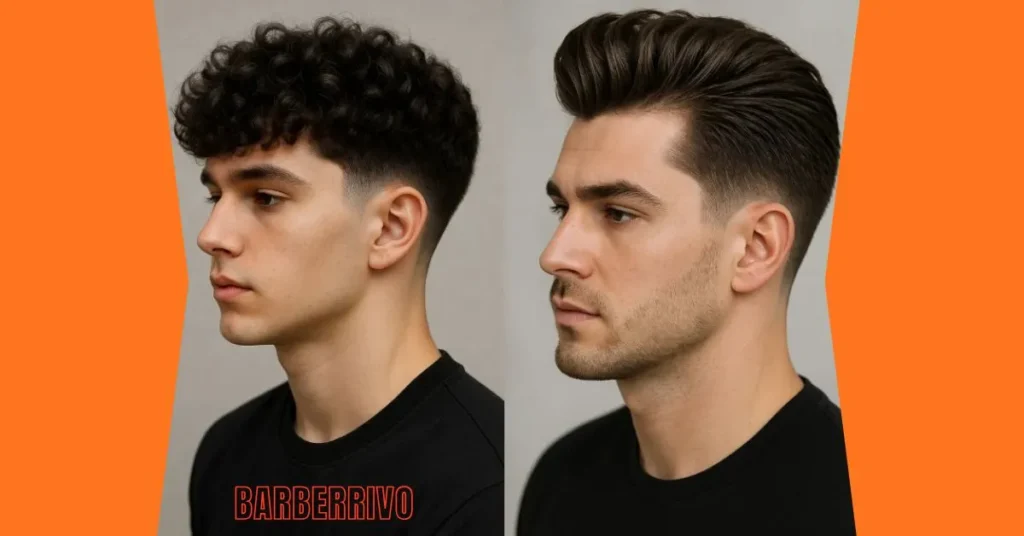
A mid taper starts around the temple area, giving a touch more visual interest without going bold. It works well for guys who want their cut noticed but not shouting.
High Taper
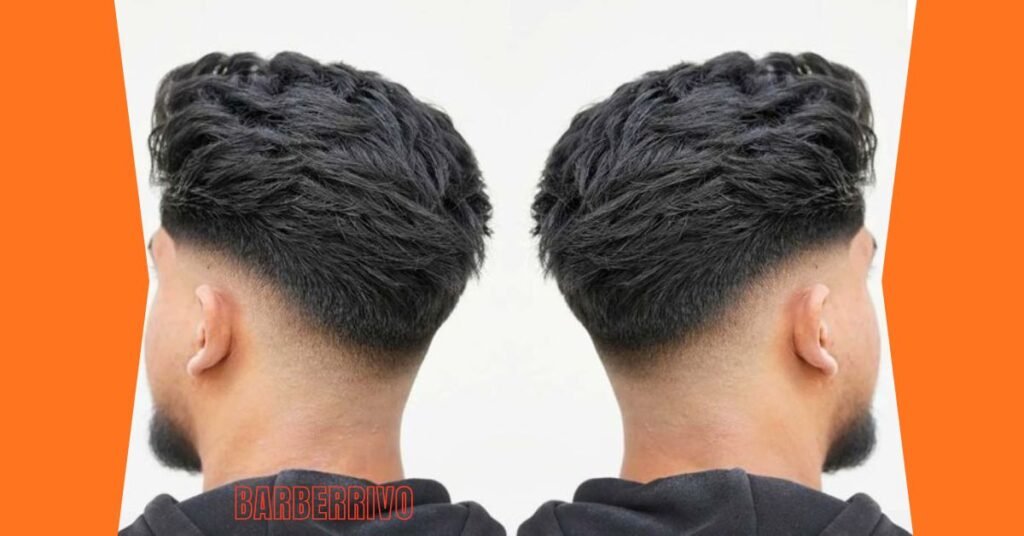
The high taper starts higher up, closer to or even above the temples. It offers more drama and definition than the low or mid versions, while still staying softer than a fade.
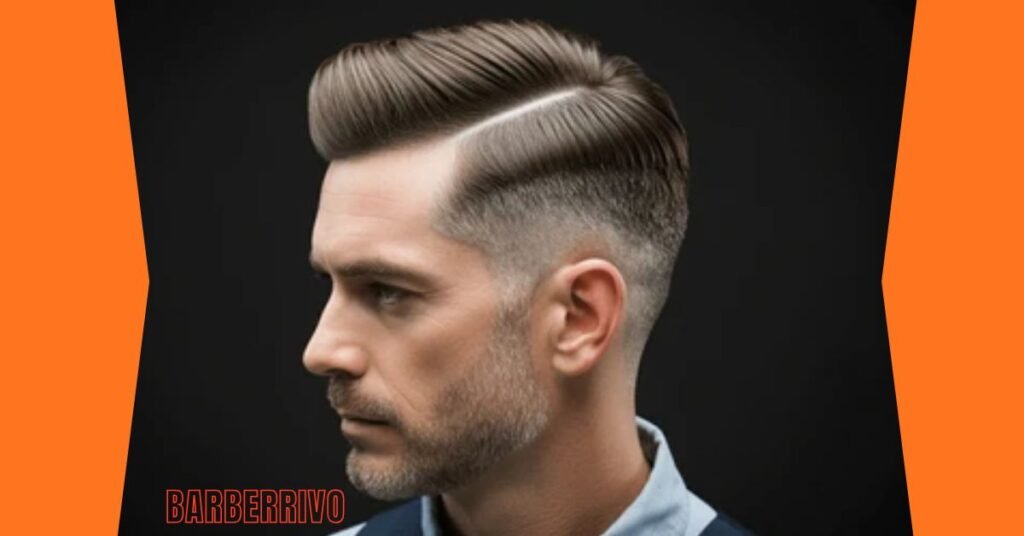
Temple Taper
A temple taper focuses specifically on shortening hair around the temple area. It sharpens up your hairline framing without touching the rest of the cut too aggressively.
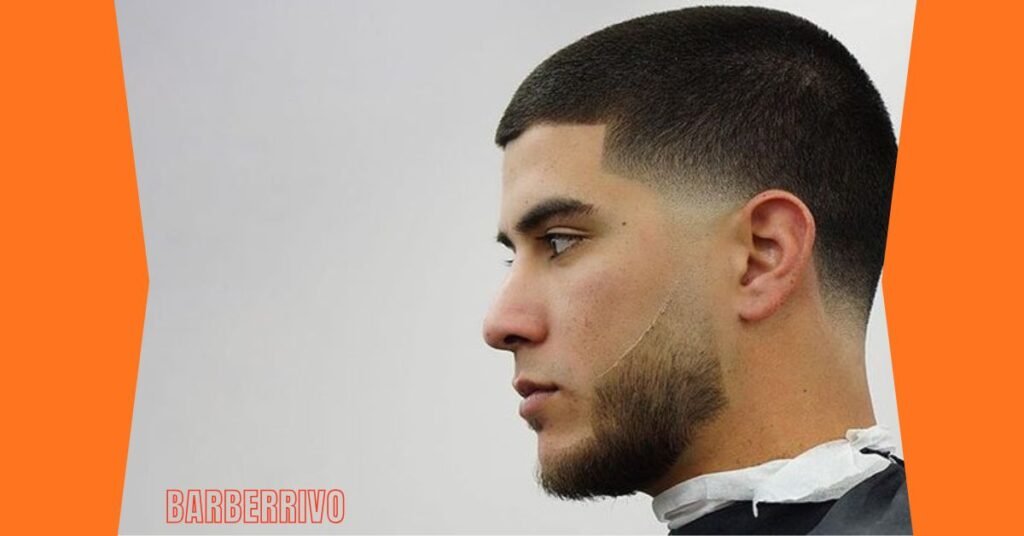
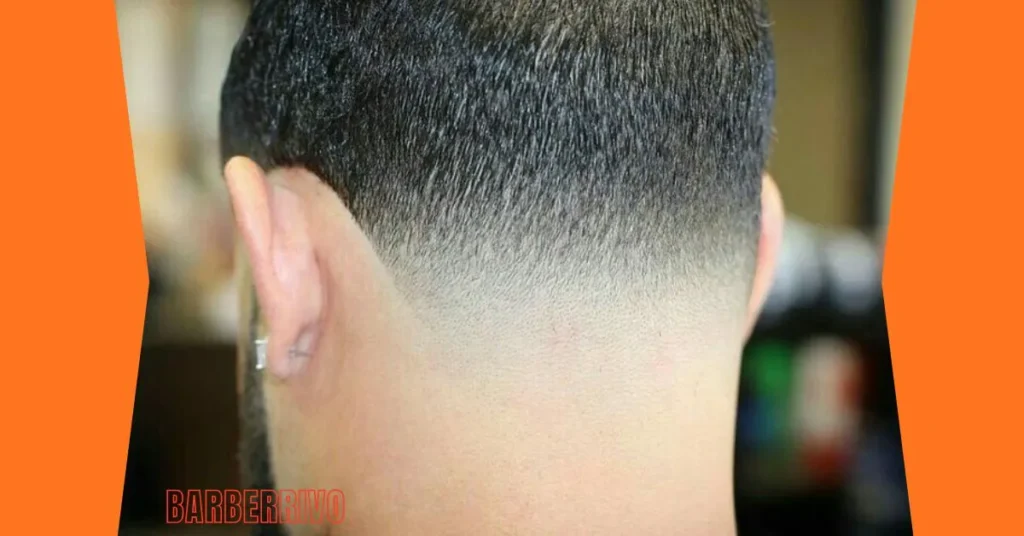
Neck Taper
The neck taper handles the back of your head, blending hair smoothly into your neckline. It’s often paired with other tapers or fades to finish off the whole look cleanly.
What Is a Fade Haircut?
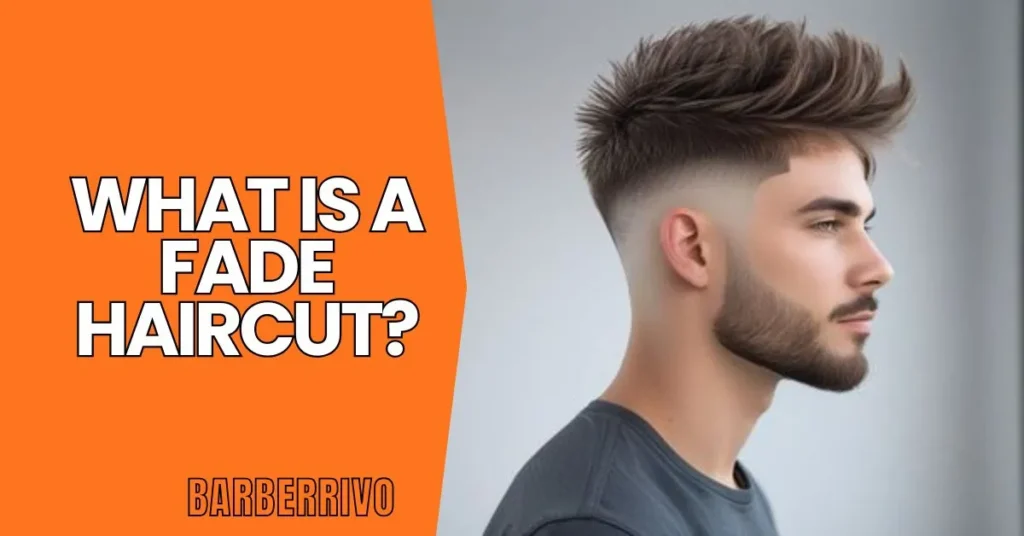
A fade haircut for men takes things a step further than a taper. Instead of just shortening hair gradually, a fade blends it all the way down to the skin. That skin-close finish is what gives fades their signature sharp, modern edge, and it’s the other half of every taper vs fade haircut conversation.
Barbers achieve this using hair clippers fitted with different guard sizes, working from the shortest length near the skin upward into longer hair on top. It takes precision, since any uneven blending shows immediately on a fresh fade. That’s why a good barber haircut guide always stresses finding a barber who specializes in fades specifically.
How a Fade Haircut Works
The process starts at the bottom, right near the skin, using the shortest clipper guard. From there, the barber steadily switches to longer guards while moving upward, creating that signature seamless graduation effect. Done properly, there’s no visible line, just a smooth fade from skin to hair.
Key Features of a Fade
Seamless Blend
Hair blending is the whole game with a fade. The transitions need to disappear into one another, which is why fades take more skill and more time in the chair than a basic taper.
Strong Contrast
Because the sides go all the way to skin, fades create serious hair contrast against the longer hair up top. That contrast is exactly why fades read as bolder and more eye-catching in most taper vs fade haircut photos you see online.
Sharp Modern Look
A well-done fade looks crisp the moment you leave the shop. It’s become the go-to for anyone chasing a genuinely modern men’s hairstyles vibe, especially paired with textured or spiky styles on top.
Versatile Styling Options
Fades pair with nearly anything. Curly top, straight top, slicked back, textured crop, it doesn’t matter. That flexibility is part of why fades dominate haircut styles for men searches online.
Popular Types of Fade Haircuts
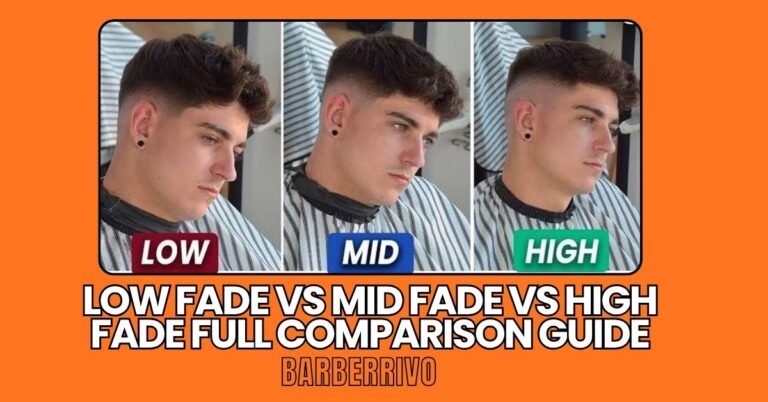
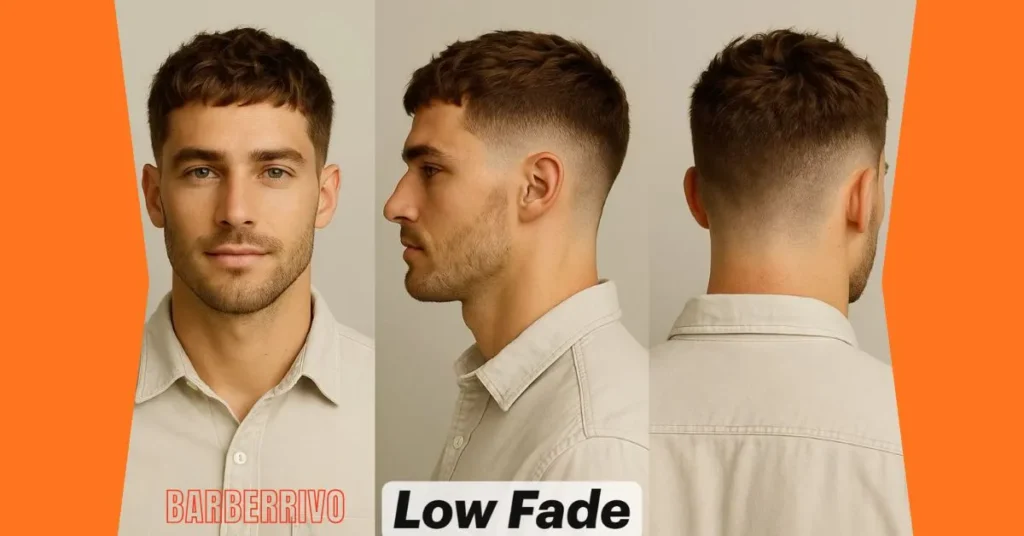
Low Fade
The low fade begins just above the ears and stays subtle, offering contrast without going overboard. It’s often considered one of the safer entry points into fade haircuts.
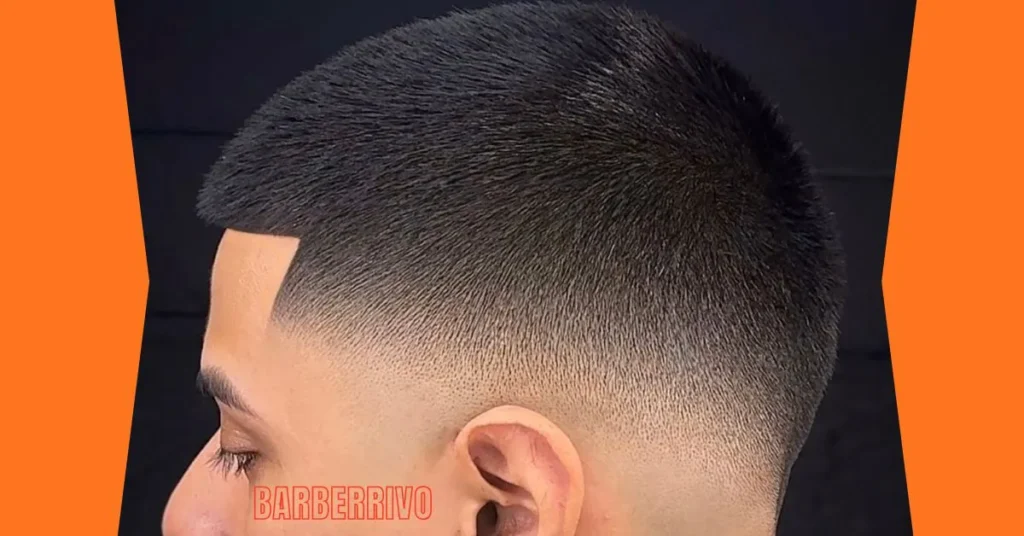
Mid Fade
A mid fade starts around the temple area, striking a nice middle ground between subtlety and boldness. It pairs especially well with a pompadour fade or quiff fade on top.
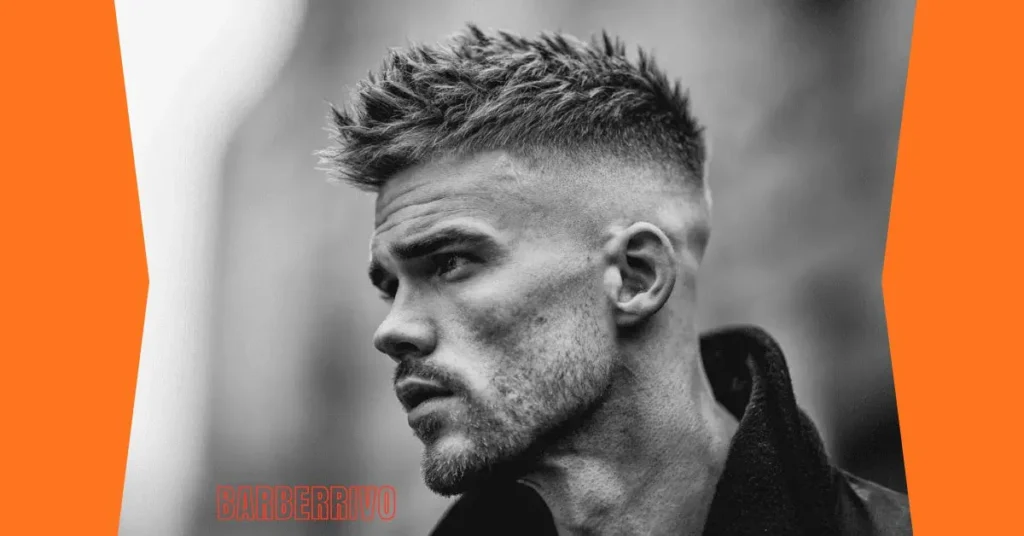
High Fade
The high fade begins near the top of the head, creating a much bolder, sharper statement. It’s a strong match for crew cut fades, buzz cut fades, and even Mohawk fades.
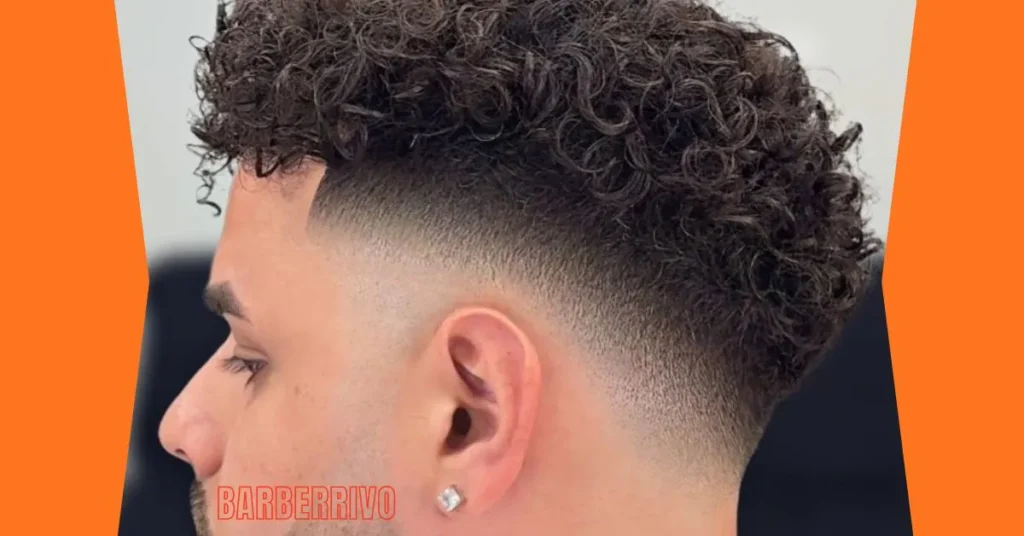
Drop Fade
A drop fade curves downward behind the ear, following your head’s natural shape toward the neckline. It softens the overall look while still keeping that skin-close contrast.
Skin Fade
Sometimes called a bald fade, the skin fade cuts hair down completely to bare skin. It can sit low, mid, or high, and it delivers the sharpest contrast of any fade type out there.
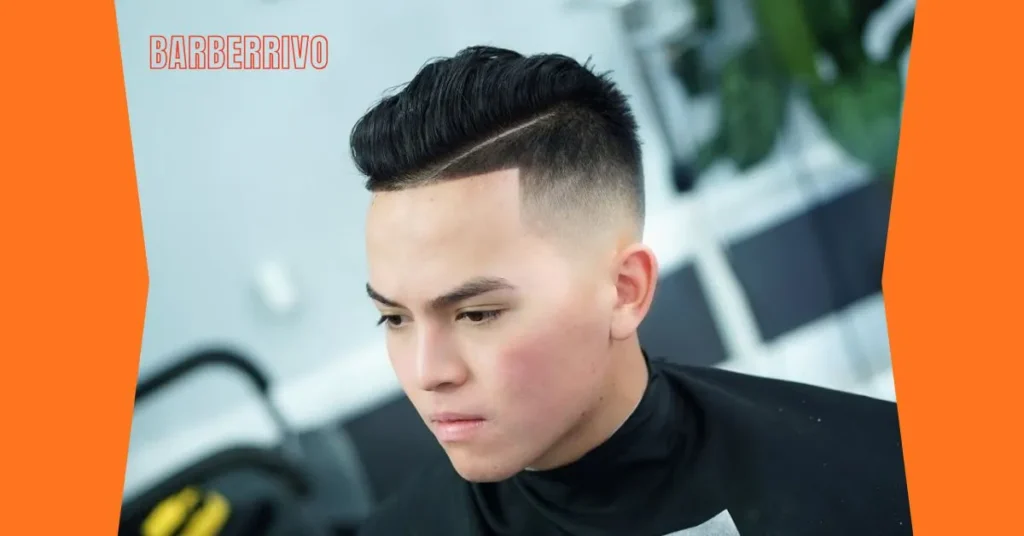
Burst Fade
The burst fade curves in a half-circle shape around the ear, leaving the back hair longer. It’s a popular pick for guys pairing a taper fade mullet or a Mohawk on top.
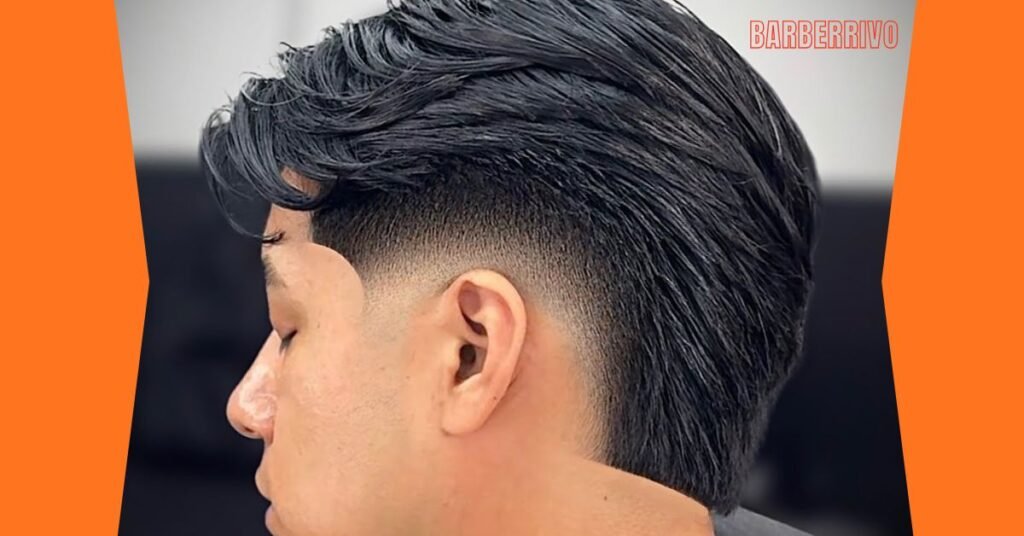
Taper vs Fade Haircut: Key Differences Explained
Now that you know how each cut works individually, let’s line them up side by side. This is really the heart of any taper vs fade haircut comparison, and it should make your decision a lot easier.
Every difference below comes down to one core idea. A taper leaves a little length behind, while a fade takes it all the way to skin. That one distinction shapes everything else in the taper vs fade haircut debate, from how sharp the cut looks to how often you’ll need a touch-up.
Length Transition
A taper’s hair length transition stays gradual from start to finish, never reaching bare skin. A fade’s transition ends at zero, creating a much steeper, faster drop in length near the bottom.
Blend and Contrast
Taper blending is soft and subtle. Fade blending, while still seamless, ends in stark hair contrast against the skin. That’s the biggest visual giveaway in any taper vs fade haircut side by side.
Overall Appearance
Tapers lean toward a natural finish that suits nearly any setting. Fades lean toward a sharp haircut look that stands out in a crowd, for better or worse depending on where you work.
Styling Flexibility
Fades tend to offer more styling flexibility on top, since the strong base contrast lets textured or voluminous top styles pop even more. Tapers work well too, just with a slightly softer payoff.
Maintenance Requirements
This is where haircut maintenance really splits the two apart. Fades need trims every two to three weeks to stay crisp near the skin. Tapers can often stretch three to five weeks before looking overgrown.
Professional vs Modern Look
If you need a professional men’s hairstyle for a conservative office, a taper usually wins. If you’re chasing something with a modern appearance and don’t mind more upkeep, a fade is probably calling your name.
Taper vs Fade Haircut Comparison Table
| Feature | Taper | Fade |
| Length at bottom | Keeps some length, no bare skin | Blends to bare skin |
| Blend style | Gradual, soft hair blending | Seamless graduation with sharp finish |
| Overall look | Natural finish, understated | Sharp haircut, bold statement |
| Best hair types | Works with most hair texture types | Best for thick hair and coarse hair |
| Maintenance | Low, stretch four to five weeks | High, trim every two to three weeks |
| Styling flexibility | Good, classic pairings | Excellent, pairs with almost any top style |
| Best setting | Office-friendly haircut | Trendy men’s haircut for casual settings |
This table sums up the entire taper vs fade haircut decision in one glance, so bookmark it if you’re still deciding.
Low Taper vs Low Fade: Which Looks Better?
This is one of the most searched comparisons out there, and for good reason. Both cuts sit low on the head, so from a distance, they can almost look identical at first glance. The real difference only shows up once you get close, and it mirrors the broader taper vs fade haircut debate at a smaller scale.
A low taper leaves a whisper of length near the bottom, so it never quite touches the skin. A low fade, even at its most subtle setting, still blends all the way down. If you’re weighing low taper vs low fade, know that the fade will always carry a touch more contrast, even at its gentlest.
Visual Difference
Stand a low taper next to a low fade, and the fade will show a slightly crisper edge near the hairline. The taper, meanwhile, blends so gently it can be tough to spot where the cut even starts.
Best Choice for Beginners
If you’ve never sat for either style before, a low taper or low fade both make excellent starting points. They’re subtle enough to ease into without a dramatic change, which makes them a smart pick for your first barber consultation.
Taper Fade vs Fade: What’s the Difference?
Here’s where a lot of confusion creeps in. Is a taper fade its own thing, or just another name for a regular fade? The short answer: it’s a hybrid, and it deserves its own place in the taper vs fade haircut conversation.
A taper fade haircut blends the softness of a taper with the sharpness of a fade. It typically fades tighter near the bottom, like a true fade, but softens the transition higher up the head, similar to a taper. That combination is exactly why it’s become one of the most requested cuts in modern barber shop haircut menus.
What Is a Taper Fade?
Think of a taper fade as a fade with a gentler upper blend. The bottom section fades close to the skin, but as it climbs toward the top, it softens into more of a taper-style gradual shortening rather than staying razor sharp the whole way up.
Taper Fade vs Regular Fade
A regular fade tends to keep sharper definition throughout the whole blend zone. A taper fade eases off that sharpness once it clears the ears, giving a more relaxed finish up top while still keeping that clean base.
Who Should Get a Taper Fade?
If you want the crisp edge of a fade but you’re not ready to commit to full-on boldness everywhere, the taper fade splits the difference nicely. It’s a favorite for guys who move between casual men’s hairstyle settings and more polished ones during the same week.
Which Haircut Is Best for Your Hair Type?
Your hair texture plays a bigger role in this decision than most guys realize. What flatters straight hair doesn’t always flatter curly or coily hair, so matching the cut to your strands matters just as much as picking a style you like.
Let’s break down the taper vs fade haircut question by texture, since this is often the single biggest factor in getting a cut that actually works with your head, not against it.
Straight Hair
Straight hair takes well to both cuts, but fades tend to show off that sleek line especially well. A curly taper fade isn’t the concern here, since straight strands blend cleanly no matter which style you pick.
Thick Hair
Thick hair carries a lot of bulk, and a fade helps remove that weight while creating a sharp, clean look. Barbers often recommend fades for thick hair because they thin things out visually without an actual thinning cut.
Fine or Thin Hair
Fine hair benefits more from a taper, since it keeps a bit of length and avoids looking too sparse near the skin. A taper adds the illusion of hair density that a stark fade sometimes strips away.
Wavy Hair
Wavy strands pair nicely with either option, though a mid taper or mid fade tends to let the natural wave show through on top without overwhelming the sides.
Curly Hair
For curly hair, a fade often wins, since it lets the curls pop against the shaved sides. A curly taper fade is especially popular here, balancing definition with a bit of softness near the crown.
Coily Hair
Coily textures usually look fantastic with an afro fade, since the contrast against tightly coiled hair on top creates serious visual impact. A taper can work too, just with a slightly less dramatic payoff.
Which Haircut Suits Your Face Shape?
Your face shape matters almost as much as your hair texture in any taper vs fade haircut decision. The right cut can balance out proportions, while the wrong one can exaggerate features you’d rather downplay.
Oval Face
Good news if you’ve got an oval face. Both a oval face haircut taper and fade options tend to work beautifully here, since oval faces have balanced proportions that most styles complement.
Round Face
For a round face haircut, a high fade adds visual height and helps elongate the face. A taper with extra volume on top achieves a similar lengthening effect.
Square Face
A square face haircut benefits from a fade that highlights a strong jawline. A taper, on the other hand, can soften those sharp angles if you’d rather ease off the intensity.
Heart-Shaped Face
With a heart-shaped face haircut, a low fade helps balance out a wider forehead. A taper that keeps volume even from top to bottom works nicely too.
Diamond Face
A diamond face haircut does well with either a mid taper or mid fade, since both help soften the sharper cheekbone area while keeping the rest of the cut proportional.
Taper vs Fade Haircut: Which Is Easier to Maintain?
Let’s talk upkeep, because this is often the deciding factor once the style debate settles down. Your grooming routine and how often you can realistically get to the barber both matter here.
Barber Visit Frequency
Fades need frequent barber touch-ups, typically every two to three weeks, to keep that sharp skin-close line looking fresh. Tapers can often stretch four to five weeks between visits without losing their shape.
Styling Time
Neither cut demands much daily styling time on the sides, since both rely on the barber’s initial work. Your top styling routine stays about the same either way, so this isn’t usually the deciding factor.
Long-Term Upkeep
Over months, a taper tends to be the friendlier option if you’re busy or traveling often. The hair growth pattern near the skin on a fade shows much faster than the softer regrowth zone on a taper.
Taper vs Fade Haircut for Professional and Casual Styles
Where you spend most of your time matters here too. A conservative office and a creative studio call for pretty different men’s haircut styles, so let’s match the cut to the setting.
Context really does change the calculus. A cut that reads as sharp and stylish in a casual setting might come across as a bit much in a strict corporate environment, and vice versa.
Best for Office Settings
For a business haircut, a low or mid taper usually reads as the safest, most polished choice. It’s clean without drawing too much attention, which is exactly what most offices want.
Best for Trendy Looks
If you’re after a stylish men’s haircut with real personality, a high fade or skin fade delivers serious visual punch. Pair it with a textured crop fade or quiff fade for maximum trend appeal.
Best for All-Around Versatility
A taper fade haircut genuinely might be the most versatile answer to the whole taper vs fade haircut question. It carries enough polish for the office while still bringing enough edge for a night out.
How to Ask Your Barber for a Taper or Fade
Even with all this knowledge, communication in the chair still matters most. A great barber consultation turns your research into an actual haircut you’ll love.
Exact Terms to Use
Be specific. Say something like “mid taper on the sides” or “skin fade with a hard part.” Vague requests like “just clean it up” often lead to disappointing results, since your barber can’t read your mind.
Show a Reference Photo
Pictures remove almost all the guesswork. Bring a photo that matches the exact low taper, high fade, or taper fade haircut you’re picturing, and your barber can match it far more accurately.
Discuss Maintenance Preferences
Tell your barber how often you can realistically get back in the chair. That single detail helps them choose between a low-upkeep taper and a sharper fade that needs more frequent trims.
Taper vs Fade Haircut: Which Should You Choose?
At the end of the day, this decision comes down to you. Your hair texture, your face shape, your daily routine, and your personal style all play a part in the final taper vs fade haircut call. There’s no single “best haircut for men” that works for everyone, no matter what any single article claims.
If you want something low-key that grows out gracefully, lean taper. If you want maximum contrast and don’t mind more frequent barber visit frequency, lean fade. And if you genuinely can’t choose between a taper vs fade haircut, remember that a taper fade haircut exists precisely to give you both. Whichever direction you go, walk into that barber shop haircut appointment with clear language and a reference photo, and you’ll walk out with exactly the cut you pictured.
Frequently Asked Questions
What is the difference between a taper and a fade?
A taper gradually shortens hair but keeps some length at the bottom. A fade blends hair all the way down to bare skin, creating much sharper hair contrast. That’s the short answer to the taper vs fade haircut question.
Is a taper better than a fade?
Neither is objectively better. A taper suits guys wanting a low maintenance haircut with a soft, professional look. A fade suits guys chasing a bold, modern style and don’t mind more frequent trims.
Do fades require more maintenance than tapers?
Yes. Fades typically need a trim every two to three weeks to stay sharp near the skin. Tapers can usually stretch four to five weeks before needing a touch-up.
Is a taper fade the same as a fade?
Not exactly. A taper fade blends the sharpness of a fade near the bottom with the softer, gradual finish of a taper higher up the head, making it its own distinct hybrid style within the broader taper vs fade haircut category.
Which haircut is better for curly hair?
A fade, particularly a curly taper fade or afro fade, tends to work especially well for curly and coily textures, since the contrast against the shaved sides makes the curls stand out.
Which is better, fade or taper?
Neither wins outright. A taper suits a low-key, professional look, while a fade delivers sharper, bolder contrast.
What lasts longer, taper or fade?
A taper lasts longer between trims, often four to five weeks, since it never fades to bare skin.
Is a tapered cut the same as a fade?
No. A taper keeps some length at the bottom, while a fade blends all the way down to the skin.
Is a taper or fade more attractive?
It’s subjective and depends on face shape and hair texture, but fades often read as bolder and more eye-catching.

Ryan Carter is a men’s grooming writer who covers haircuts, hairstyles, beard care, and barbering trends. He shares practical style advice and grooming tips to help men look sharp and stay confident.