25 Wolf Cut Men Hairstyles (2026): Best Styles, Styling Tips & Guide
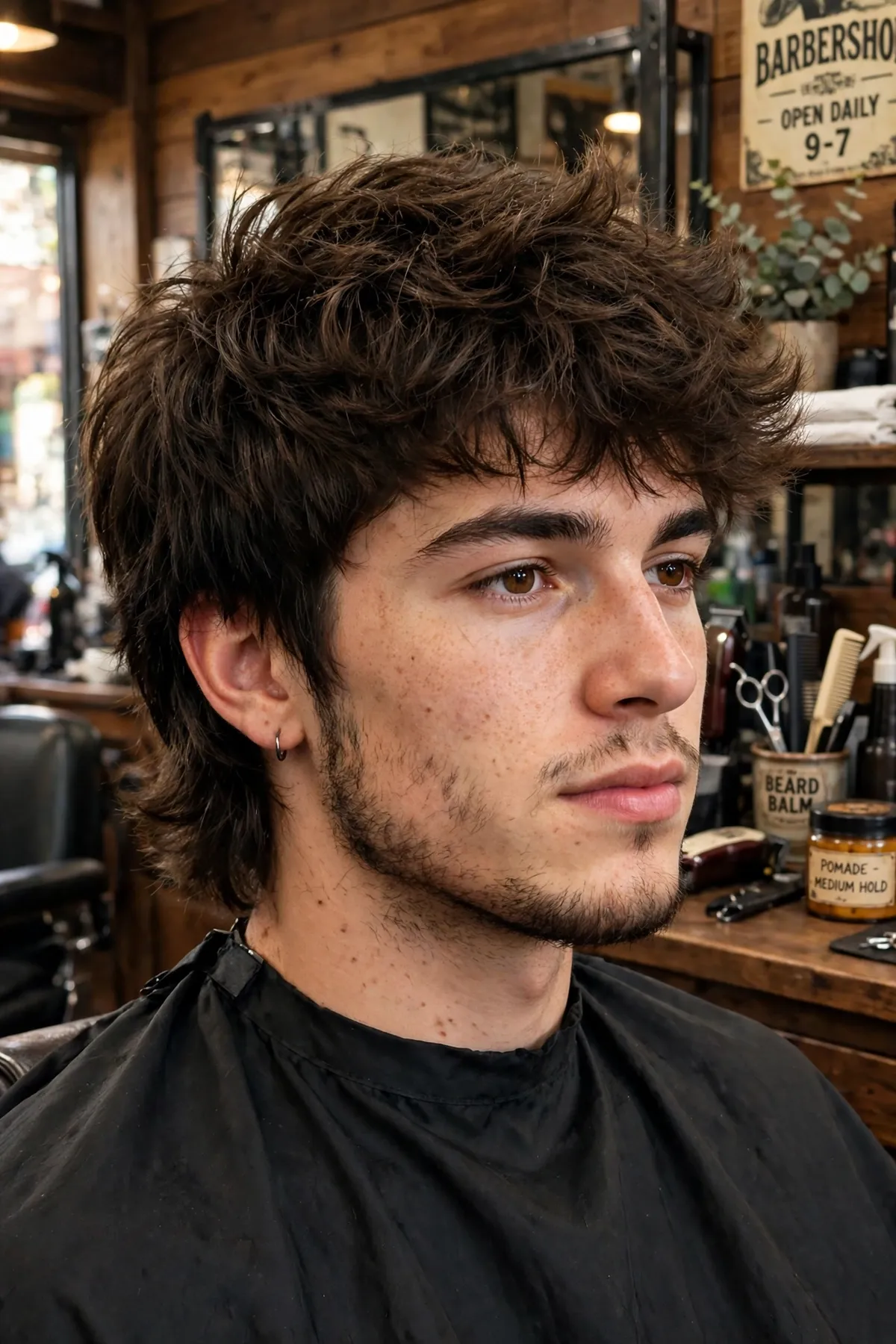
Looking for a haircut with real personality? The wolf cut men are wearing in 2026 is the answer. It mixes the choppy layers of a 70s shag with the short-front, long-back shape of a mullet, giving you volume on top, texture through the sides, and a longer, shaggy finish at the back without a hard outline.
What makes the wolf cut so popular is how forgiving it is. It works on straight, wavy, and curly hair, it grows out gracefully, and it suits everyone from students to working professionals who want an edge without going full rockstar. Below are 25 wolf cut hairstyles for men, each with styling notes so you can pick the version that fits your hair type and face shape.
What Is a Wolf Cut for Men?
A wolf cut is a heavily layered haircut: short, choppy layers through the crown create lift and volume, while the hair at the nape stays longer and frays out softly instead of ending in a clean line. The sides are layered rather than shaved, which is what separates it from a classic mullet — though the two cuts are close cousins. If you want a bolder, longer back, our modern mullet haircuts guide is the next stop.
When you visit your barber, ask for “choppy layers through the crown, longer at the nape, with the sides kept soft rather than shaved.” Bring a photo of the exact variation you want from the list below — the wolf cut lives or dies on its layering, and a reference photo removes all guesswork.
25 Best Wolf Cut Men Styles to Try in 2026
1. Classic Wolf Cut
The original wolf cut: heavy layers on top, a voluminous crown, and a longer, shaggy nape. It suits almost every face shape and hair type, which is why it is still the safest first wolf cut. Style it with a matte clay, scrunching the layers upward for texture and letting the back fall naturally.
2. Short Wolf Cut
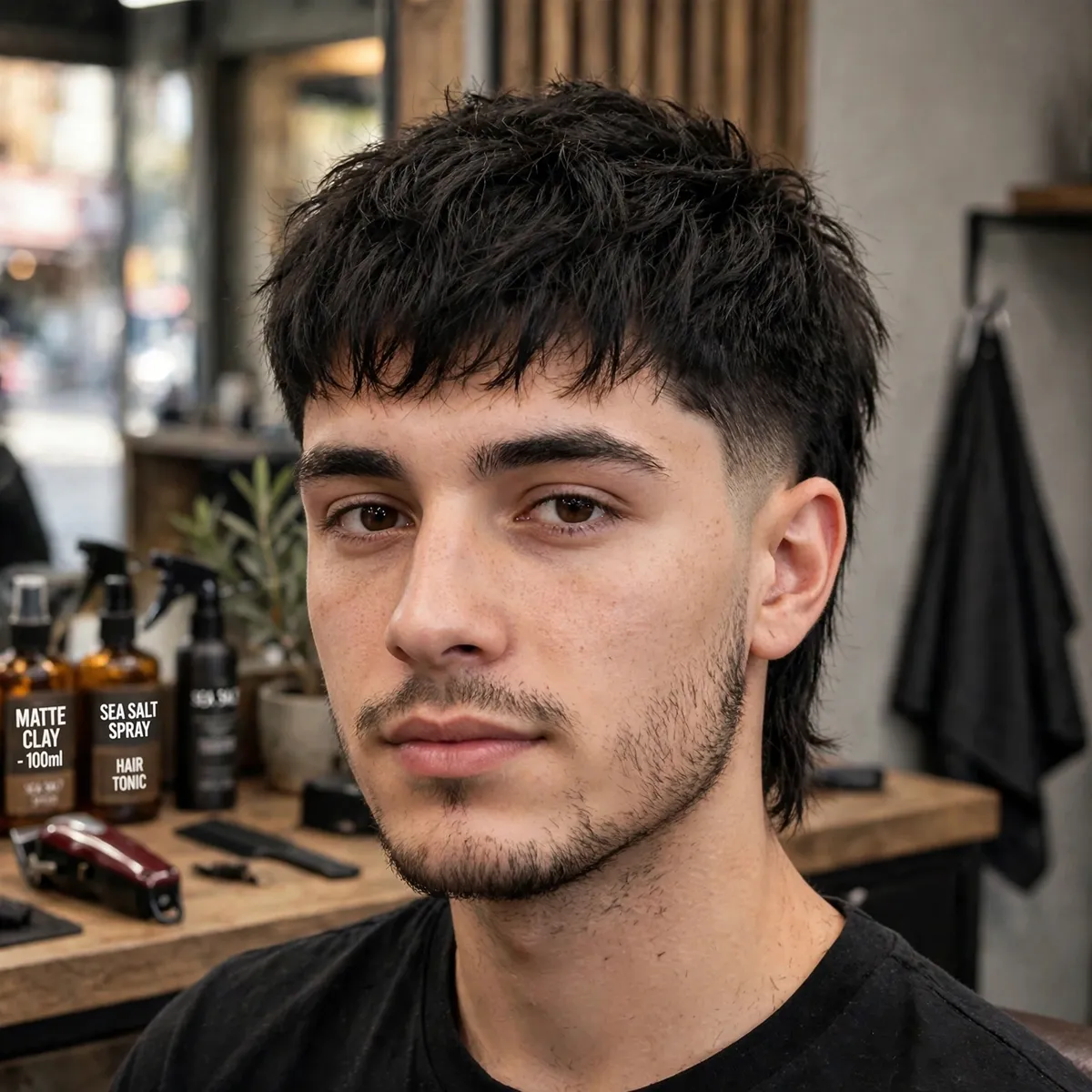
A cleaner, more wearable take on the trend: cropped layers on top, short sides, and just a hint of length at the back. Best for men who want the wolf cut attitude without the maintenance of longer hair. It air-dries well and needs only a dab of texturizing paste to hold its shape.
3. Long Wolf Cut
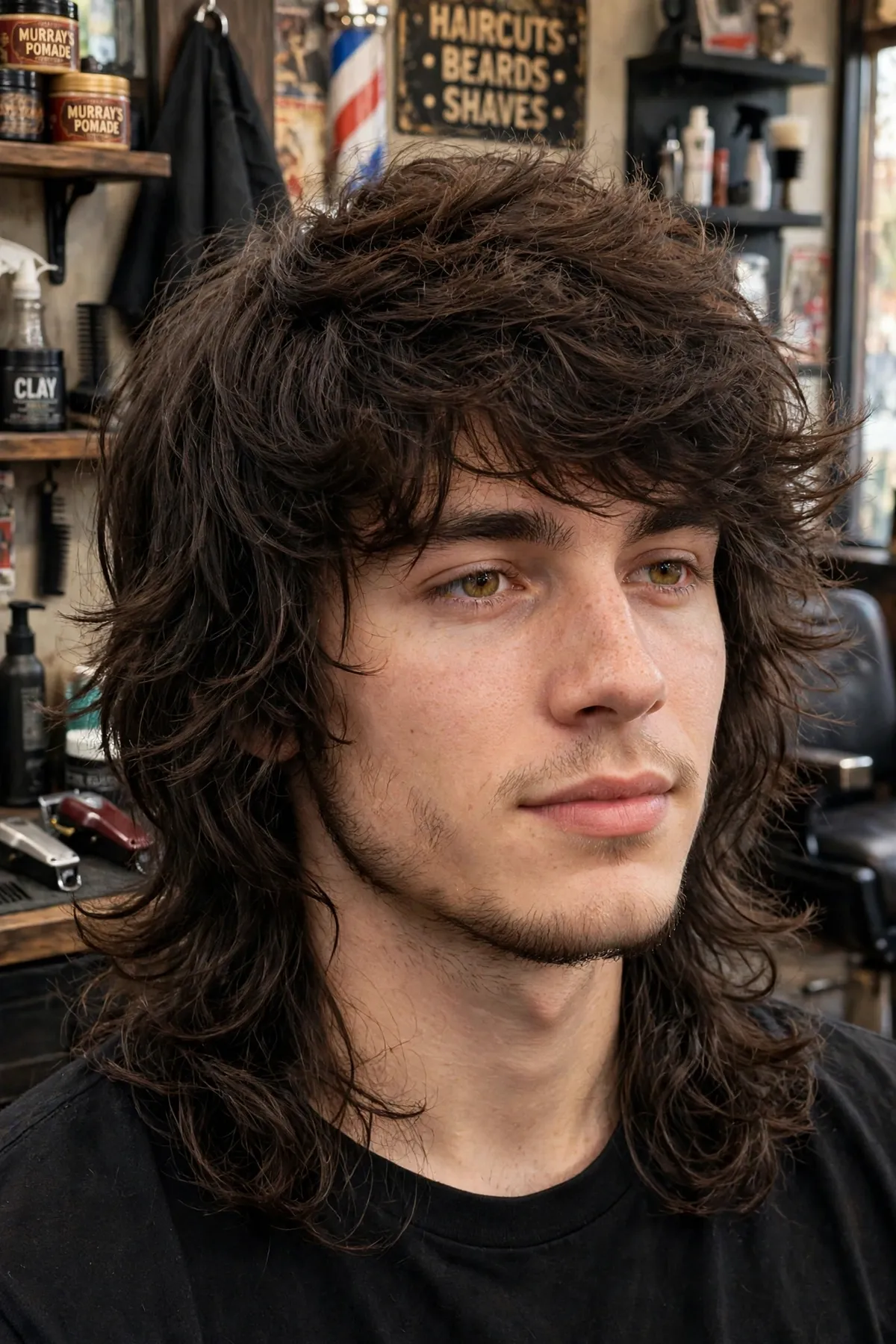
Shoulder-length layers with a big, textured crown and long, flowing ends at the back. This is the boldest version of the cut and suits thick or wavy hair best. Use a sea-salt spray on damp hair and let it dry naturally to keep the layers separated and full of movement.
4. Curly Wolf Cut

Curls and the wolf cut are a natural match: the layers remove bulk while letting each curl spring up, so you get volume without the triangle shape. Best for oval and heart-shaped faces. Style with a curl cream, scrunch upward, and avoid brushing it out once dry.
5. Wavy Wolf Cut
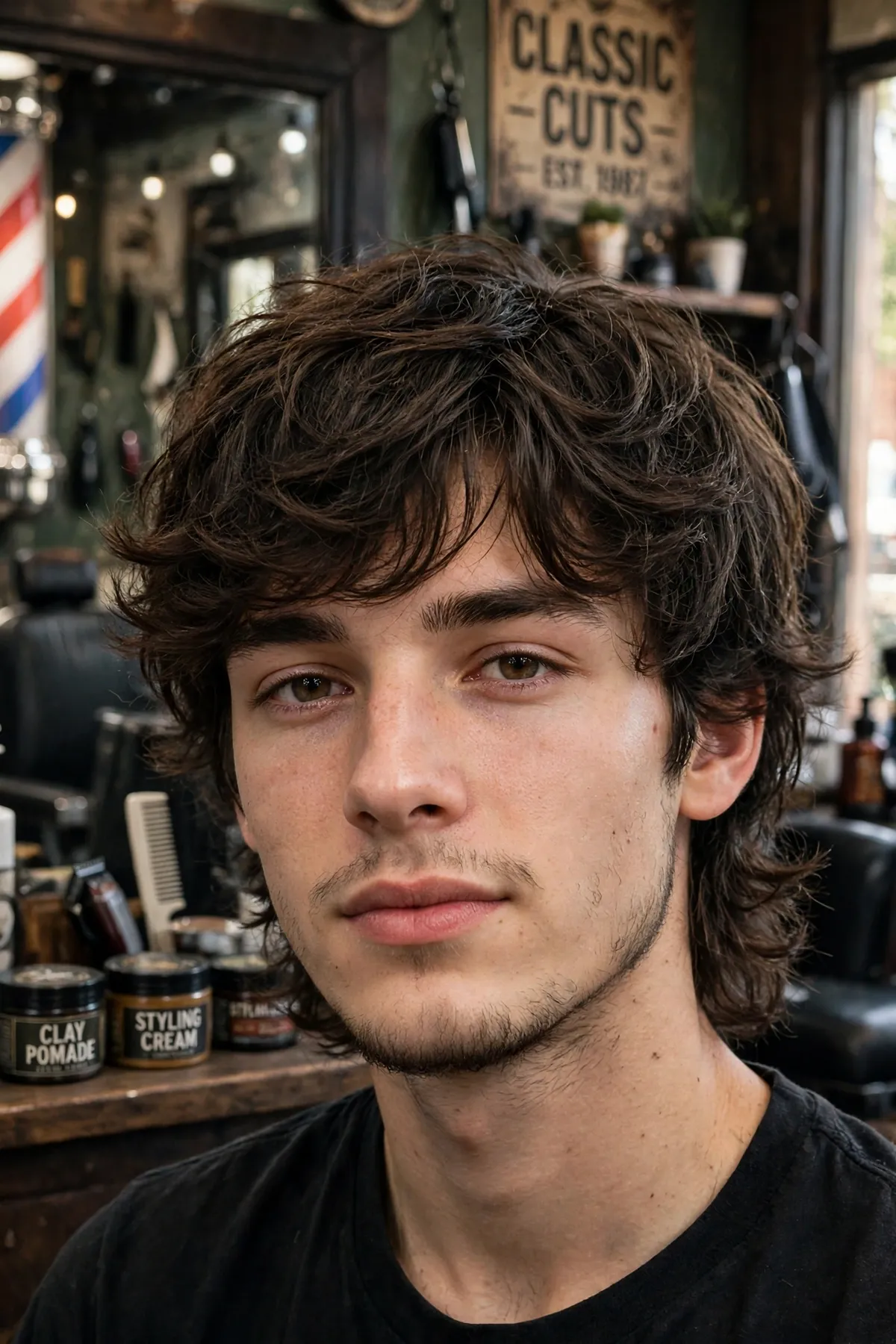
Loose waves plus feathered layers give this version a soft, effortless finish. It works beautifully on medium-length hair and suits men who don’t want to spend more than two minutes styling. A light mousse on damp hair is all you need — the waves do the rest.
6. Korean Soft Wolf Cut
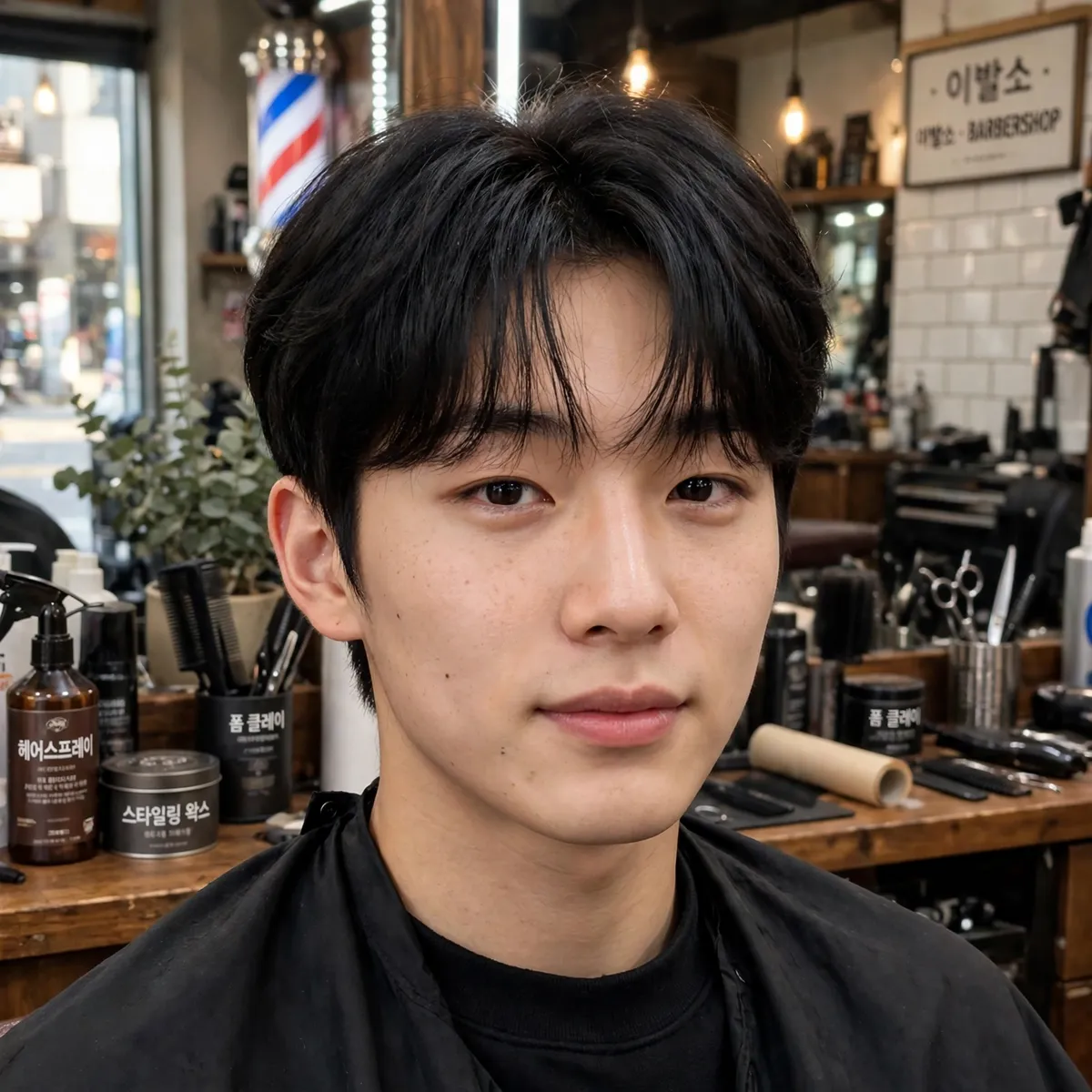
The K-pop-inspired version: softer, airier layers, a wispy fringe, and clean tapered sides. It is tamer than the classic wolf cut, which makes it a great office-friendly option. Blow-dry with a round brush for a smooth, airy finish and keep the fringe light on the forehead.
7. Messy Textured Wolf Cut

Deliberately tousled, piecey layers that look undone in the best way. This is the lowest-effort wolf cut — the messier it looks, the better it works. Rub a matte paste between your palms, work it through dry hair, and twist a few ends for separation.
8. Wolf Cut with Low Fade
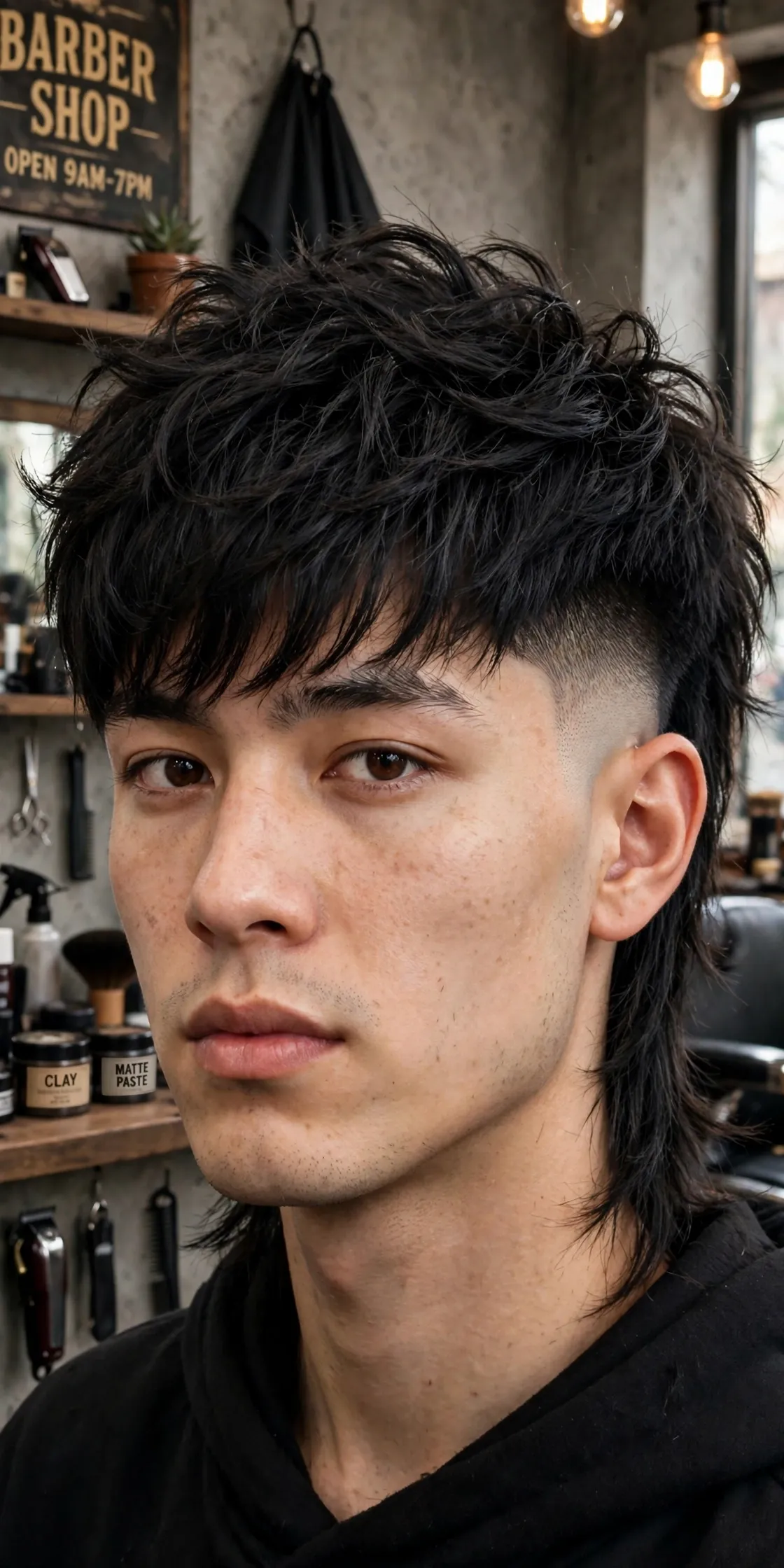
The wild top of a wolf cut paired with a low fade near the ears and neckline keeps the look neat without taming it. A great middle ground if you like fades but want to keep the shaggy silhouette. Pair it with our low fade haircut guide if you want to compare fade heights.
9. Wolf Cut with Mid Fade
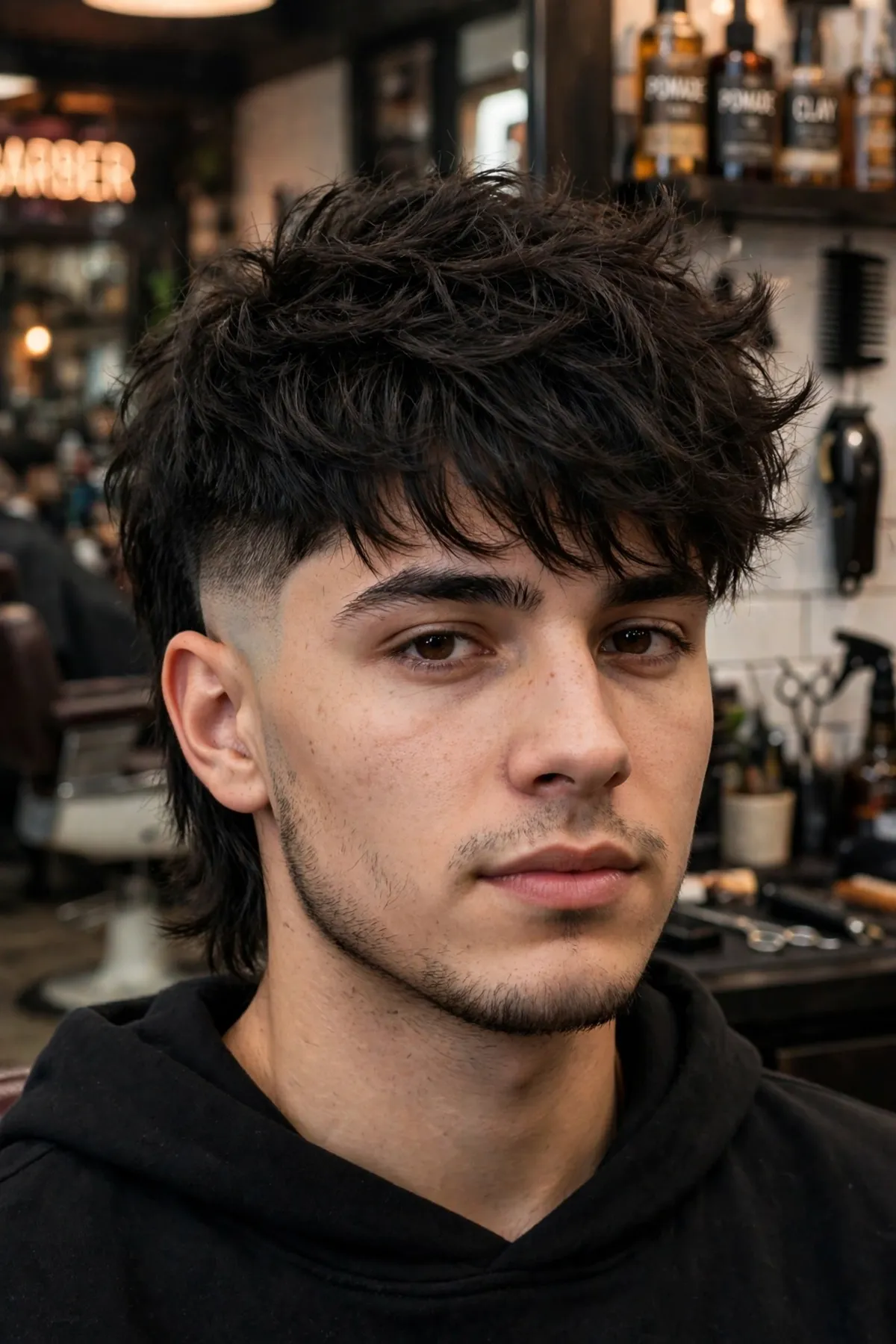
A mid fade adds a sharper, more modern contrast: the fade climbs higher above the ears while the layered top stays big and textured. Best for men with thick hair who want definition. Keep the fade fresh with a barber visit every 3–4 weeks while the top grows out.
10. Wolf Cut with Curtain Bangs
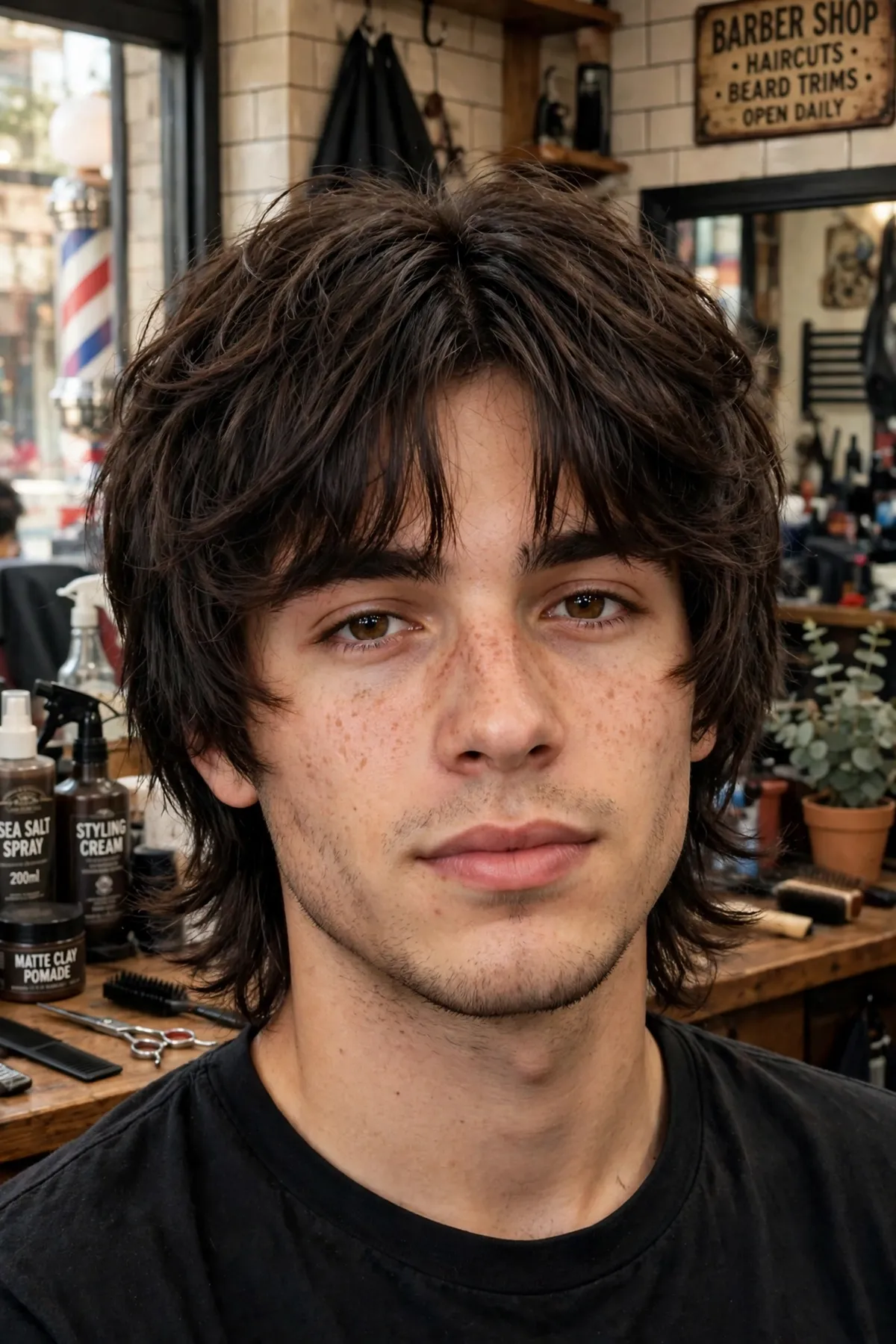
A center-parted curtain fringe frames both sides of the face and blends into the wolf cut’s layers. It softens strong jawlines and suits oval and square faces especially well. Blow-dry the fringe away from the face on each side so it falls into its natural curtain shape.
11. Wolf Cut with Undercut
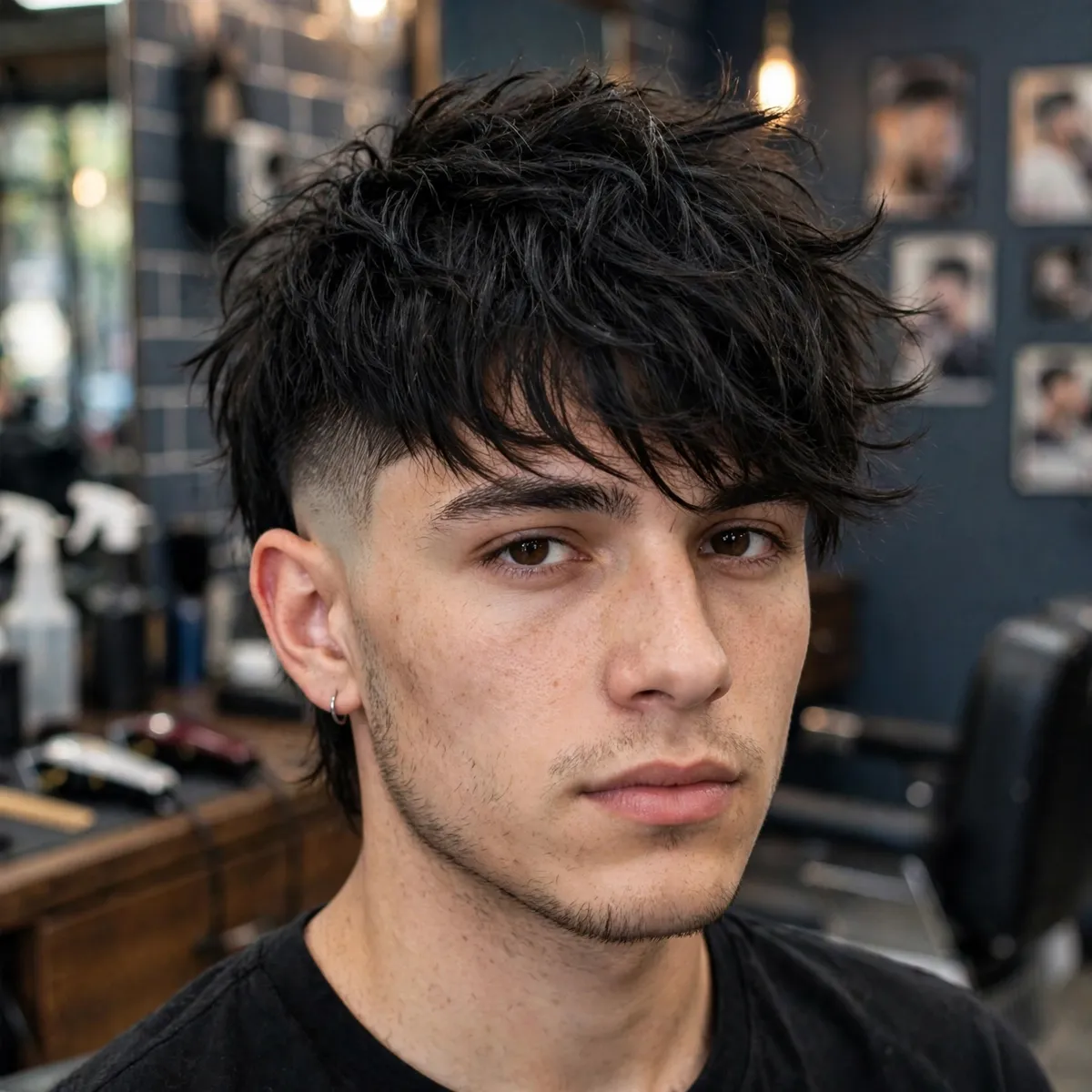
Long, shaggy layers on top with the sides and underneath buzzed short — maximum contrast, maximum attitude. The undercut removes bulk, so this version works surprisingly well on very thick hair. Slick the top back or let it fall forward; either way, the clipped sides do the talking.
12. Wolf Cut with Taper Fade
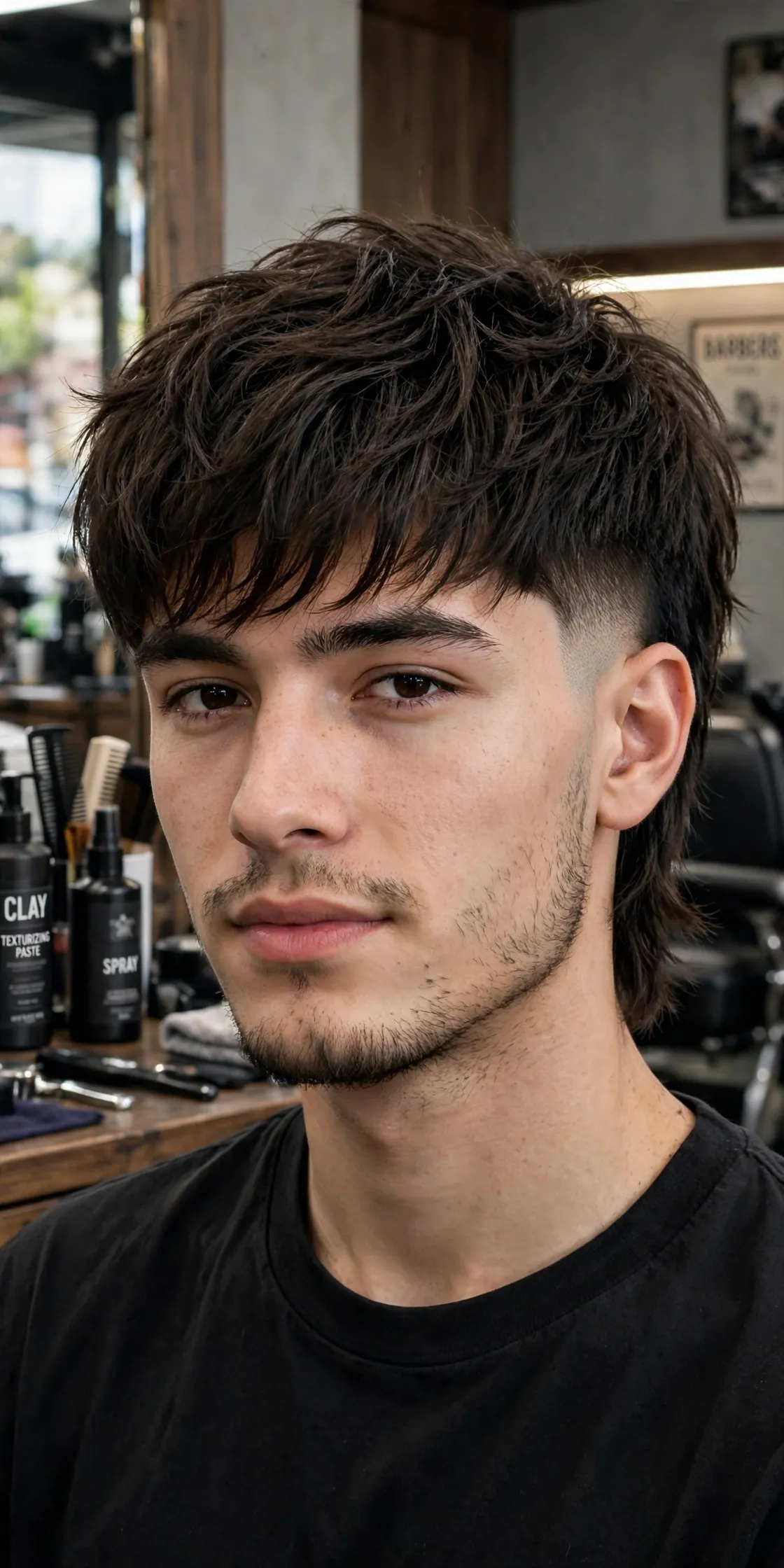
The most professional wolf cut variation: the sides taper gradually shorter toward the ears and neckline with a clean, natural blend. It keeps the wolf cut’s texture while looking sharp enough for work. If you are torn between fade styles, our taper vs fade guide breaks down the difference.
13. Choppy Wolf Cut
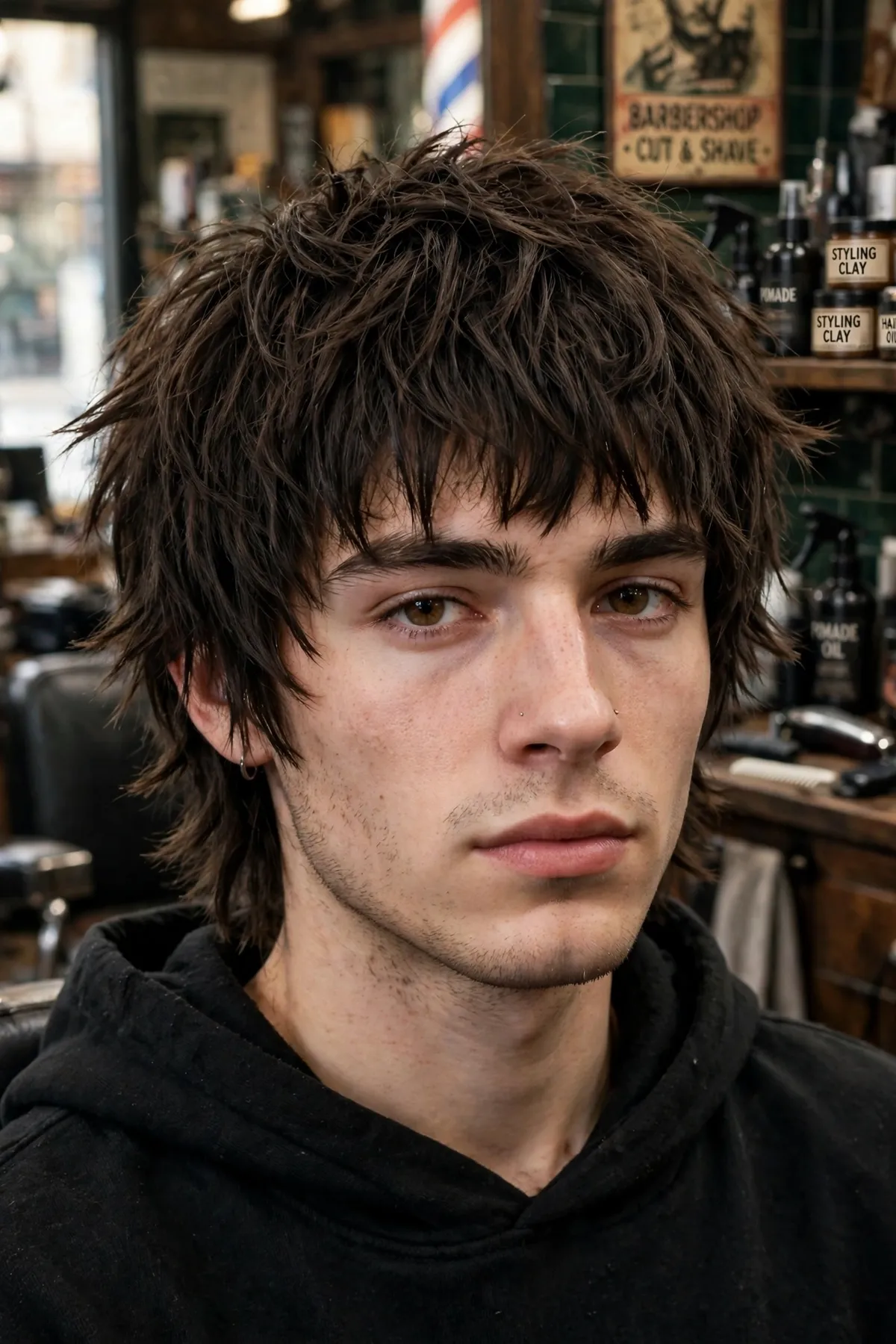
Razor-cut, jagged layers with uneven ends give this version a raw, rock-inspired edge. It is ideal for straight hair, where the choppy ends are most visible. Use a small amount of fiber cream and pinch the ends to emphasize the piecey, separated texture.
14. Wolf Cut with Side-Swept Fringe
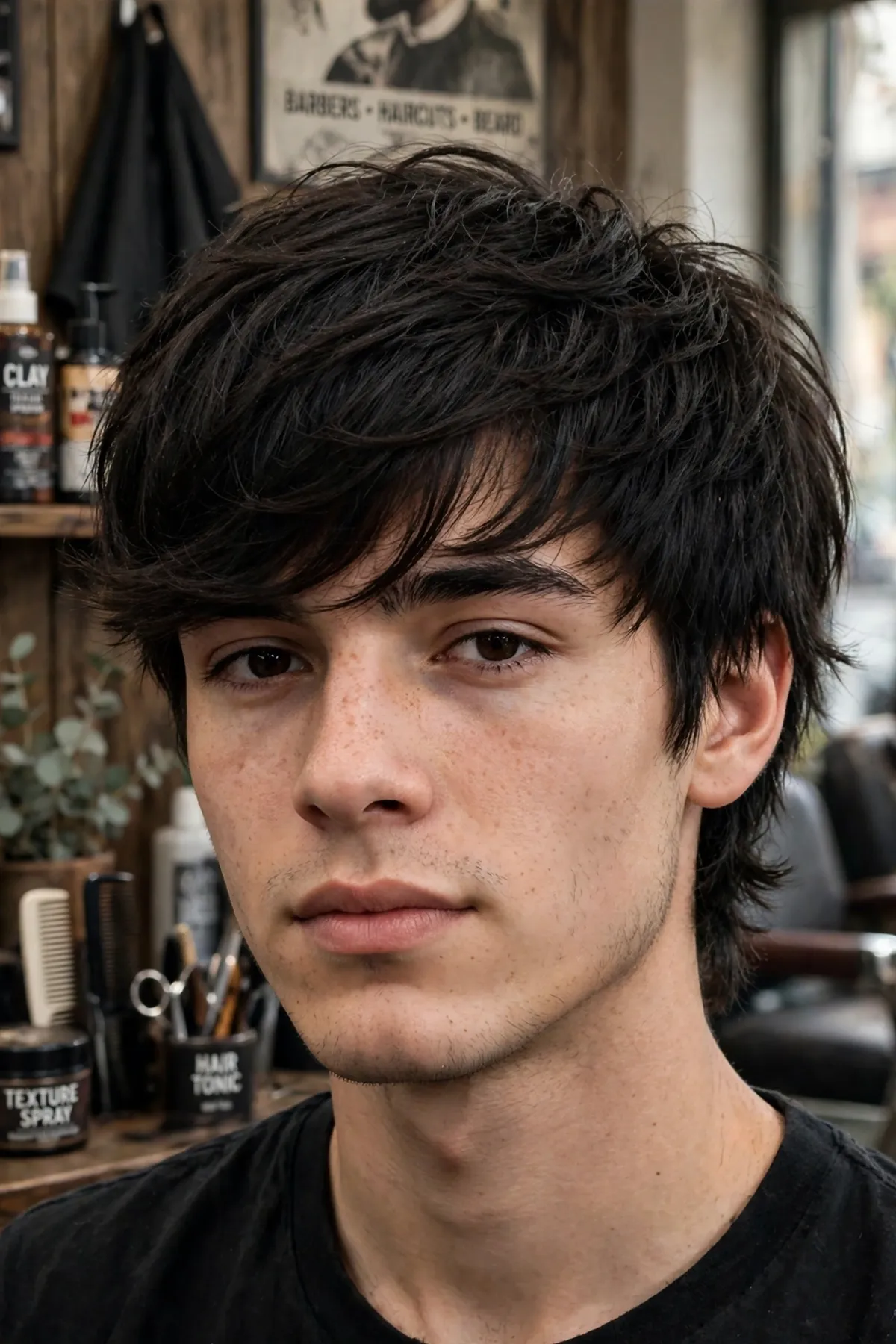
A long fringe swept to one side softens the forehead and adds instant style to the wolf cut’s layers. It suits round faces well, since the diagonal line breaks up the width. Blow-dry the fringe to the side you part on, then set it with a light-hold paste.
15. Wolf Cut for Thick Hair
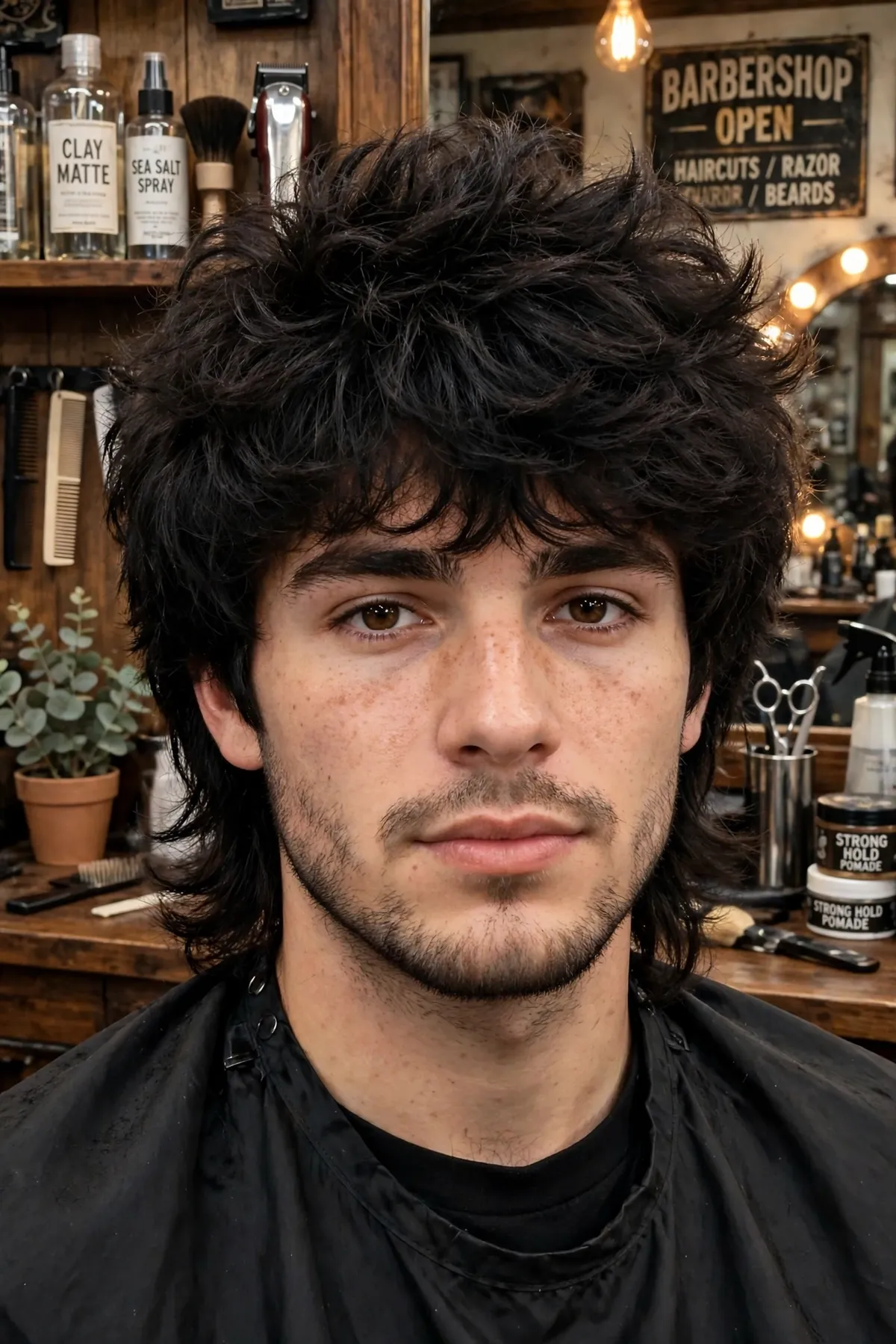
Thick hair is where the wolf cut earns its keep: the layers thin out the bulk and turn heaviness into movement. Ask your barber to debulk the interior with thinning shears so the cut sits light instead of puffy. A leave-in conditioner keeps thick layers smooth and frizz-free.
16. Wolf Cut for Fine Hair
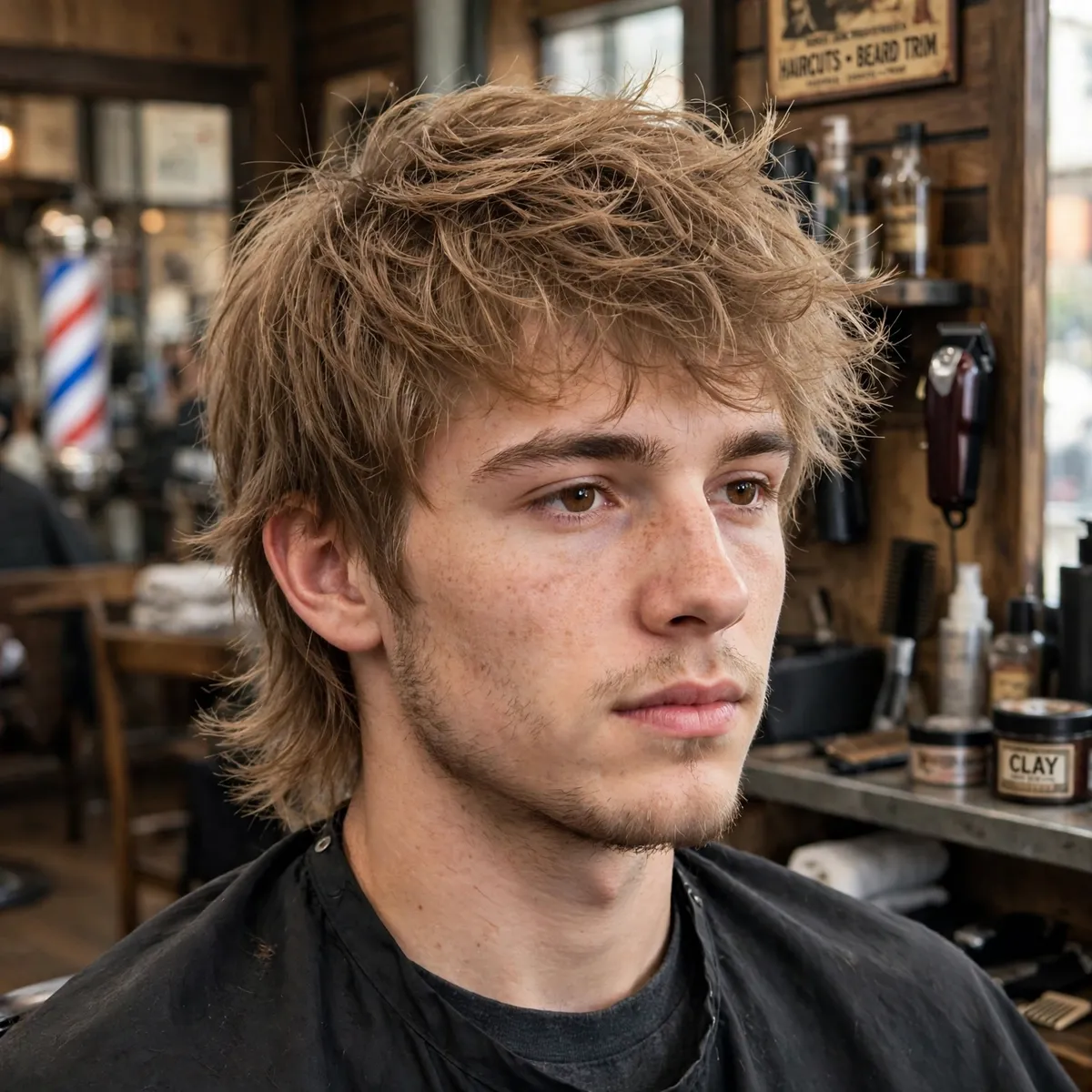
Fine hair gets an instant fullness boost from the wolf cut’s feathered layers, which create the illusion of density. Keep the layers shorter and closer together so the cut doesn’t look wispy. A volumizing mousse at the roots plus a blow-dry upward gives fine hair real lift.
17. Wolf Cut for Straight Hair
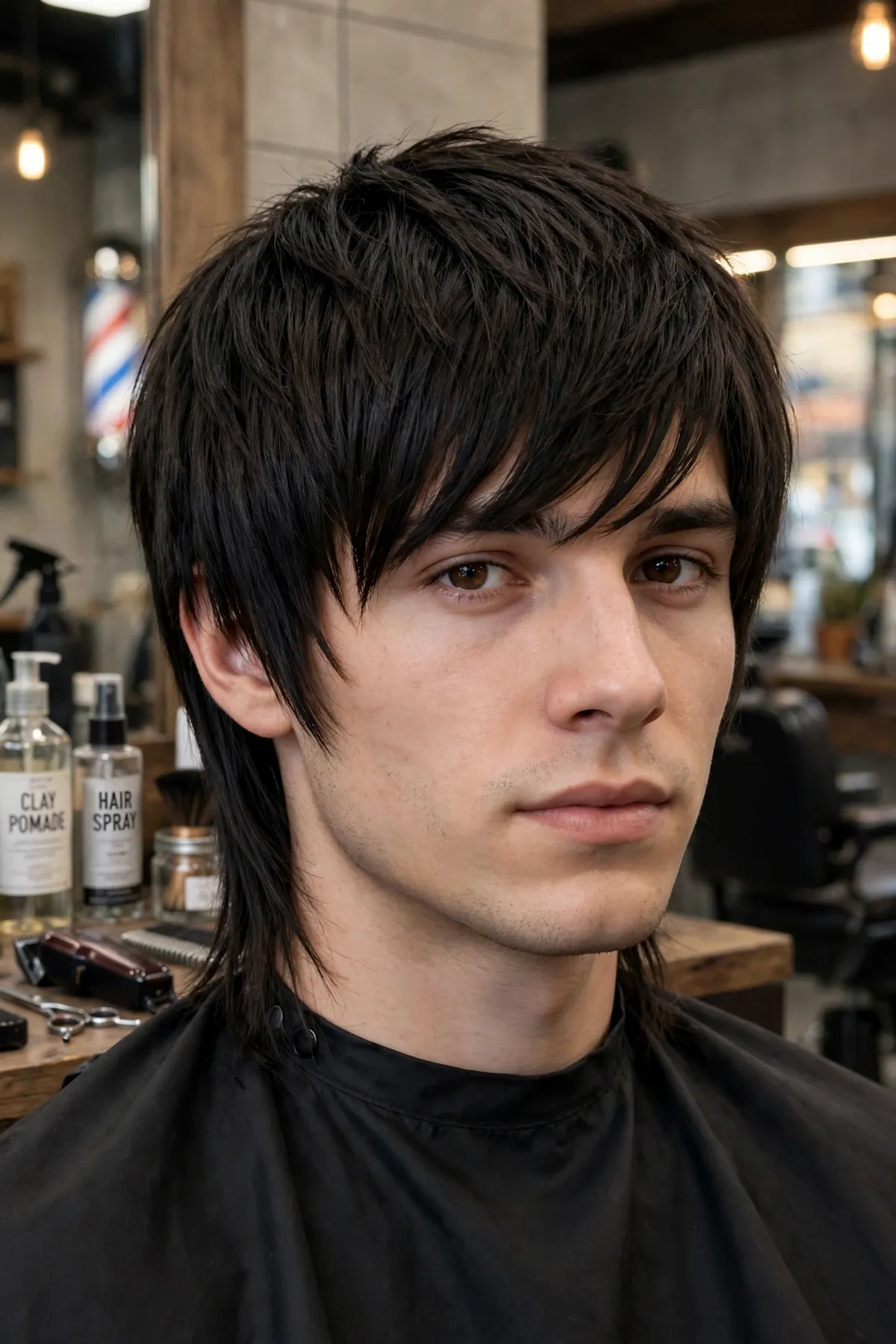
Straight hair shows off the wolf cut’s layering better than any other texture — every layer is visible and sharp. This is the cleanest, most graphic version of the cut. A flat iron is rarely needed; a light texturizing spray is enough to keep the layers defined.
18. Wolf Cut with Blonde Highlights
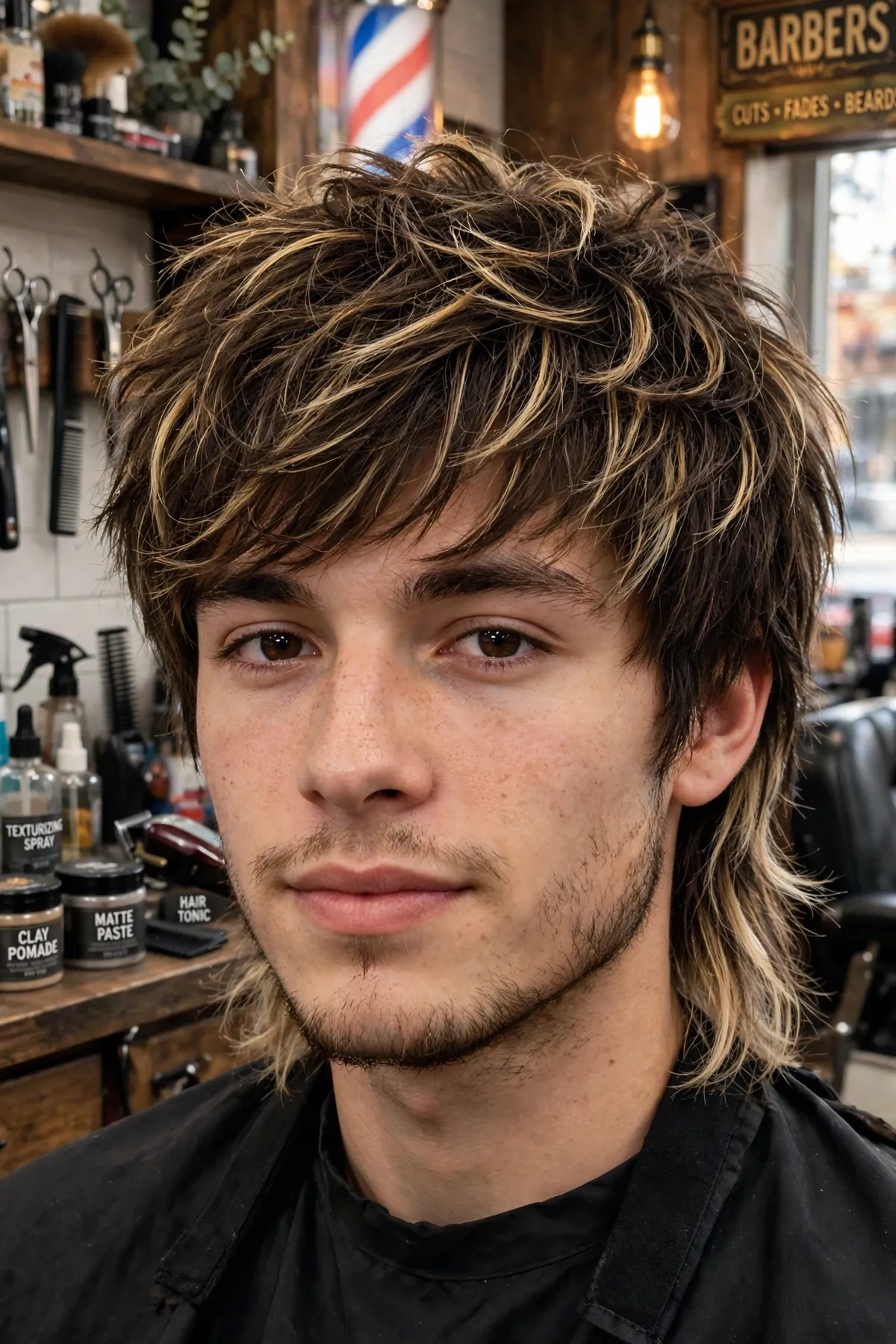
Blonde highlights woven through a dark wolf cut make every layer pop — the color literally maps the cut’s shape. Best on medium to long versions where there is enough length for the highlights to show. Use a purple shampoo once a week to keep the blonde bright and brass-free.
19. E-Boy Wolf Cut
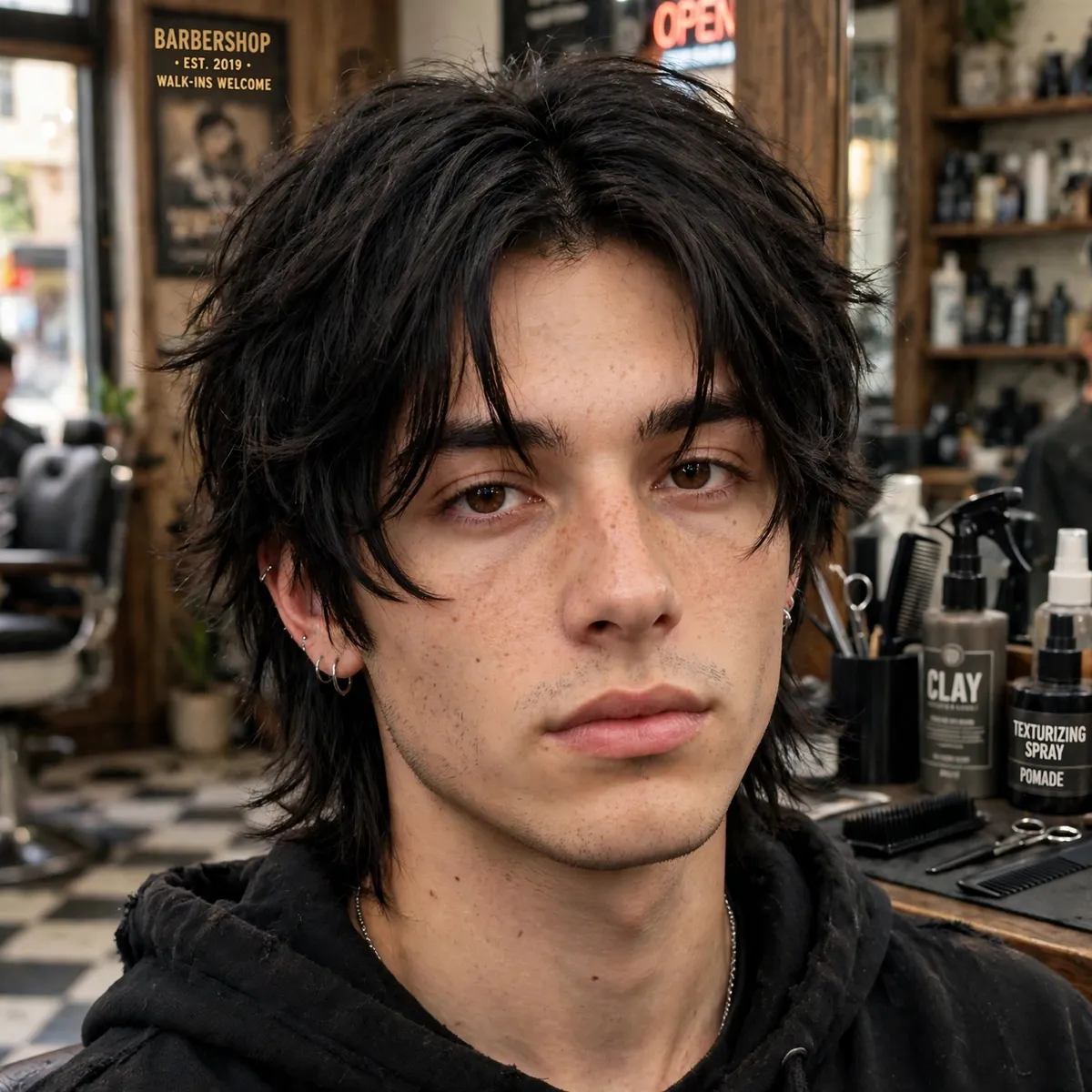
The TikTok-famous version: a middle part, face-framing curtain layers, and a shaggy back. It suits younger guys and anyone going for that Gen Z aesthetic. Keep the middle part crisp and let the curtain layers fall naturally on both sides of the face.
20. Wolf Cut with Faux Hawk
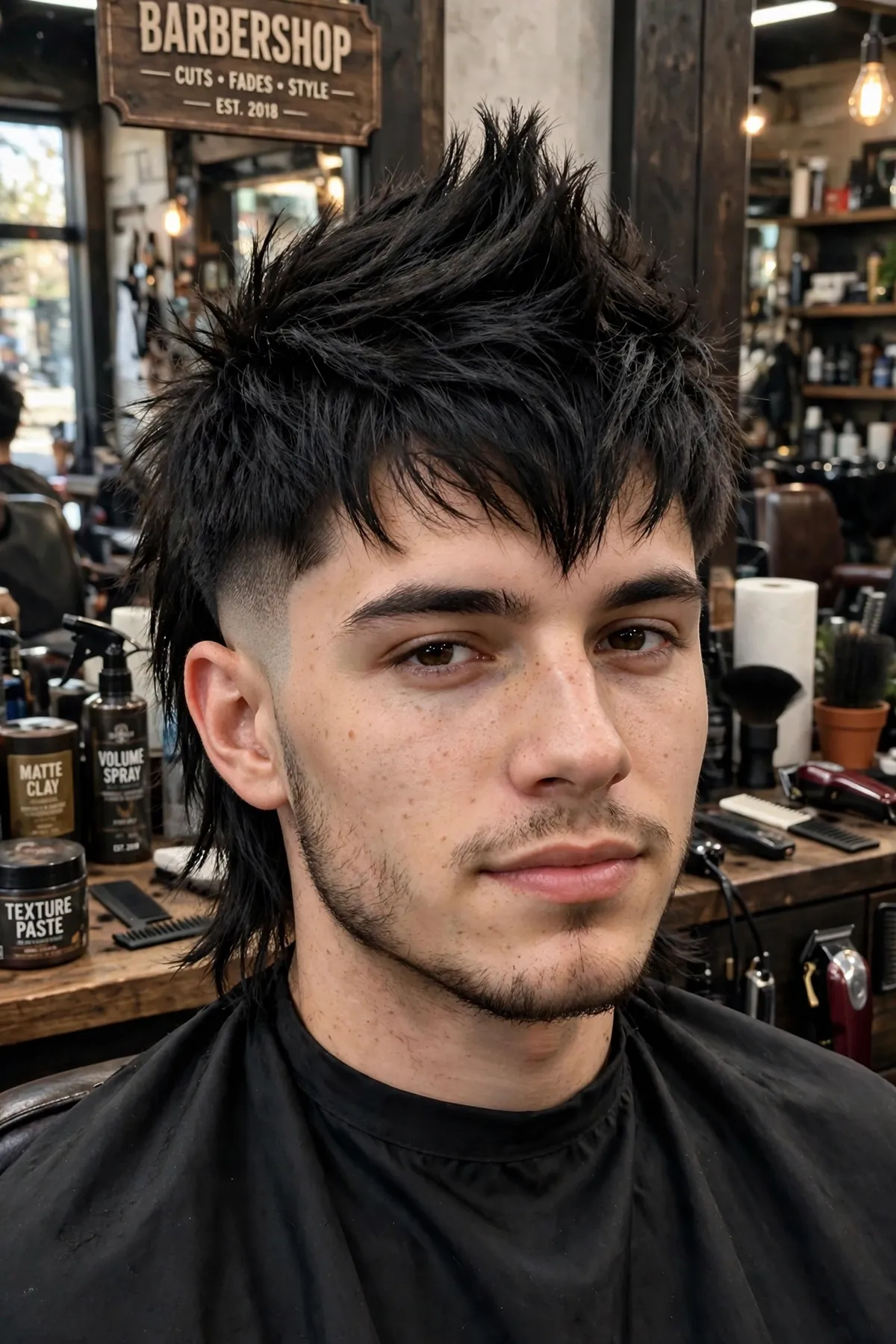
The top layers are pushed toward the center into a faux-hawk ridge, giving the wolf cut a punk edge without shaving the sides. Great for nights out and anyone who wants a bolder silhouette. Use a strong-hold wax and push the crown layers upward and inward.
21. Shaggy Wolf Cut

The 70s shag is the wolf cut’s ancestor, and this version leans fully into it: heavy feathered layers all over, a full silhouette, and tons of movement. It suits wavy and thick hair best. If you like this vibe, our shaggy haircuts guide has more takes on the style.
22. Wolf Cut with Quiff
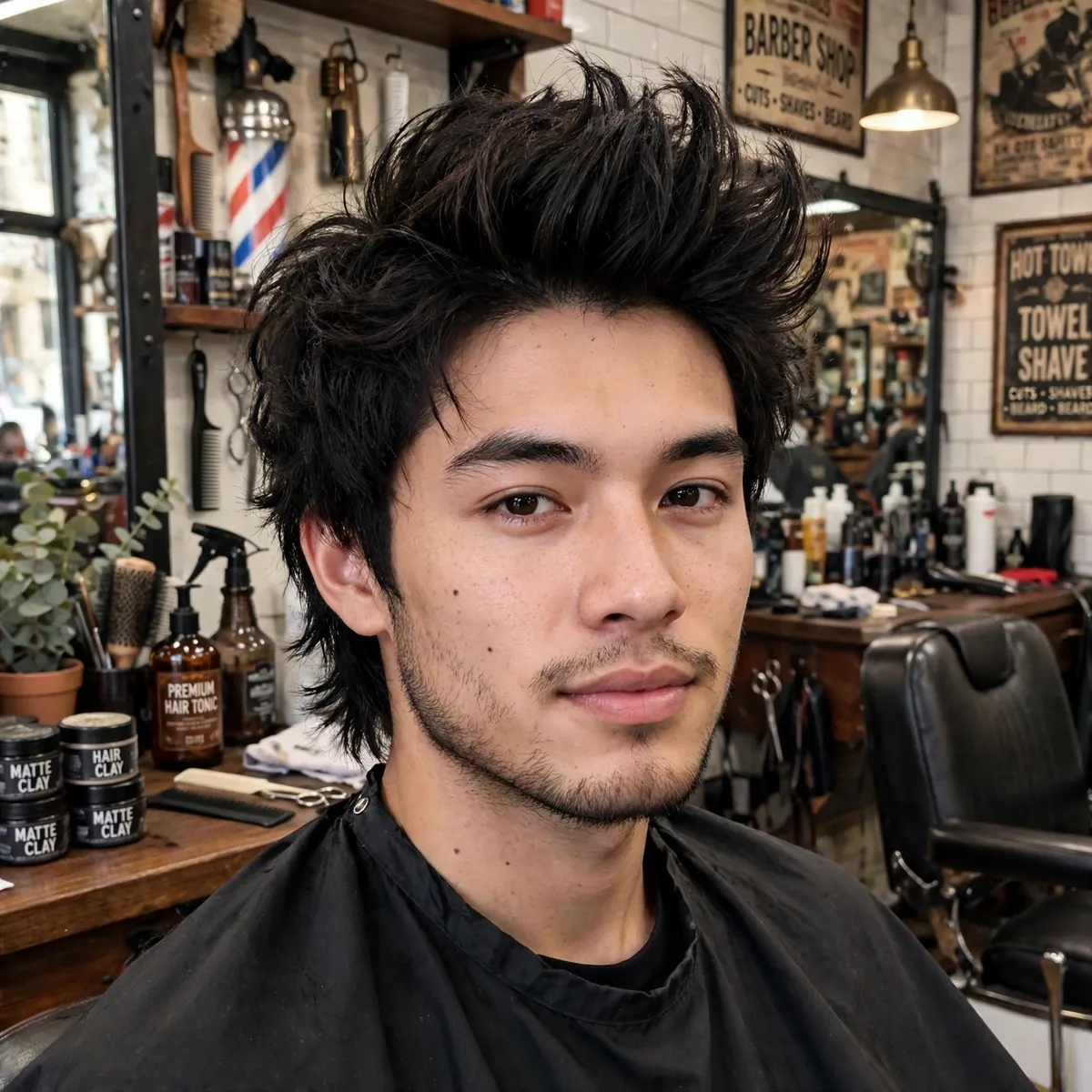
The front is lifted up and back into a voluminous quiff while the back keeps its shaggy wolf layers — business in the front, party at the back, done right. Best for men with medium-length hair who want height. Blow-dry the front upward with a round brush, then set with pomade.
23. Wolf Cut with Blowout Volume
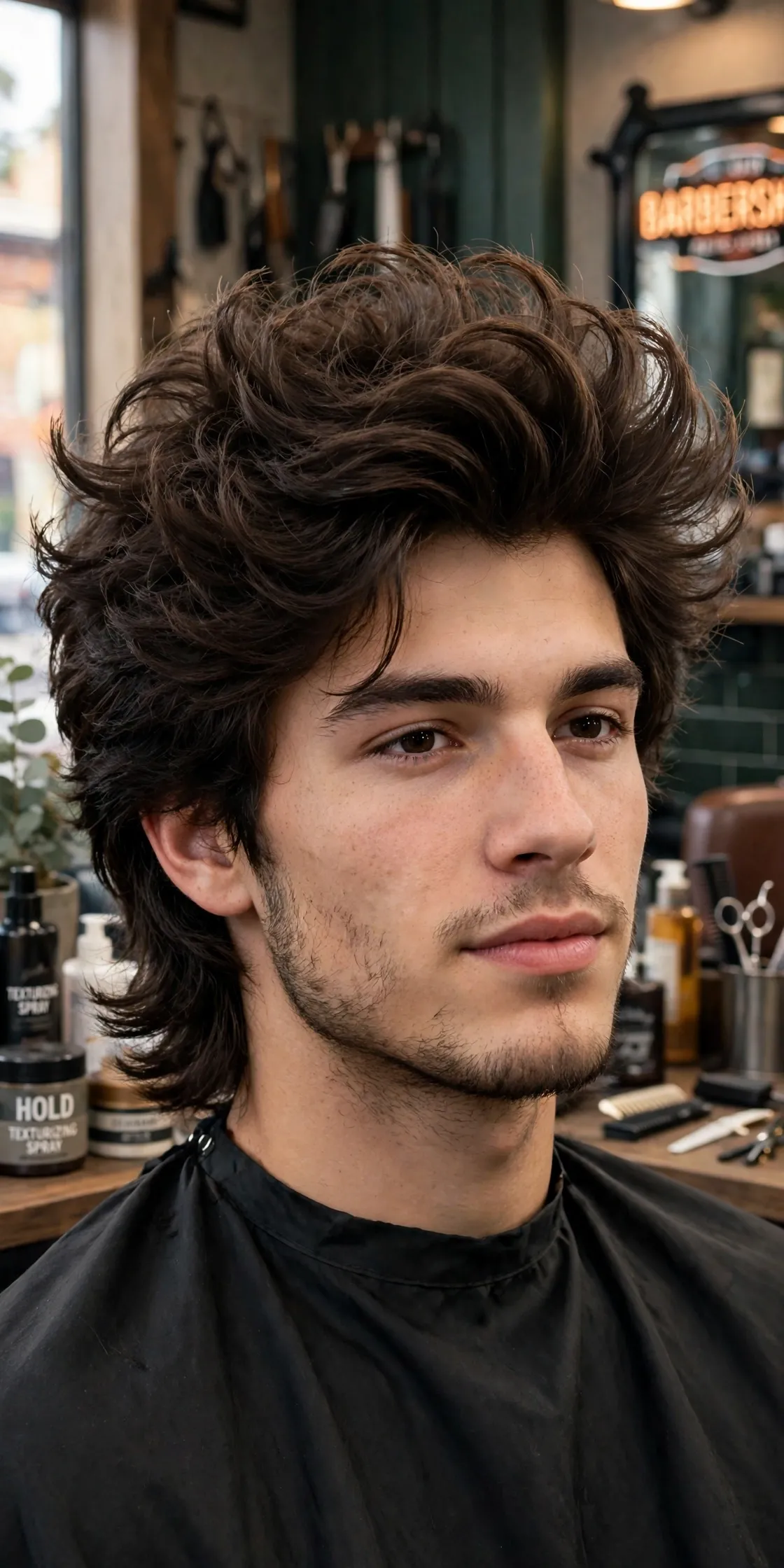
Blow-dried for maximum lift, this version turns the wolf cut into a full, bouncy style with an airy crown and feathered ends. Ideal for special occasions or anyone who loves big hair. Use a volumizing spray at the roots and a large round brush for the blowout.
24. Wolf Cut with Side Part
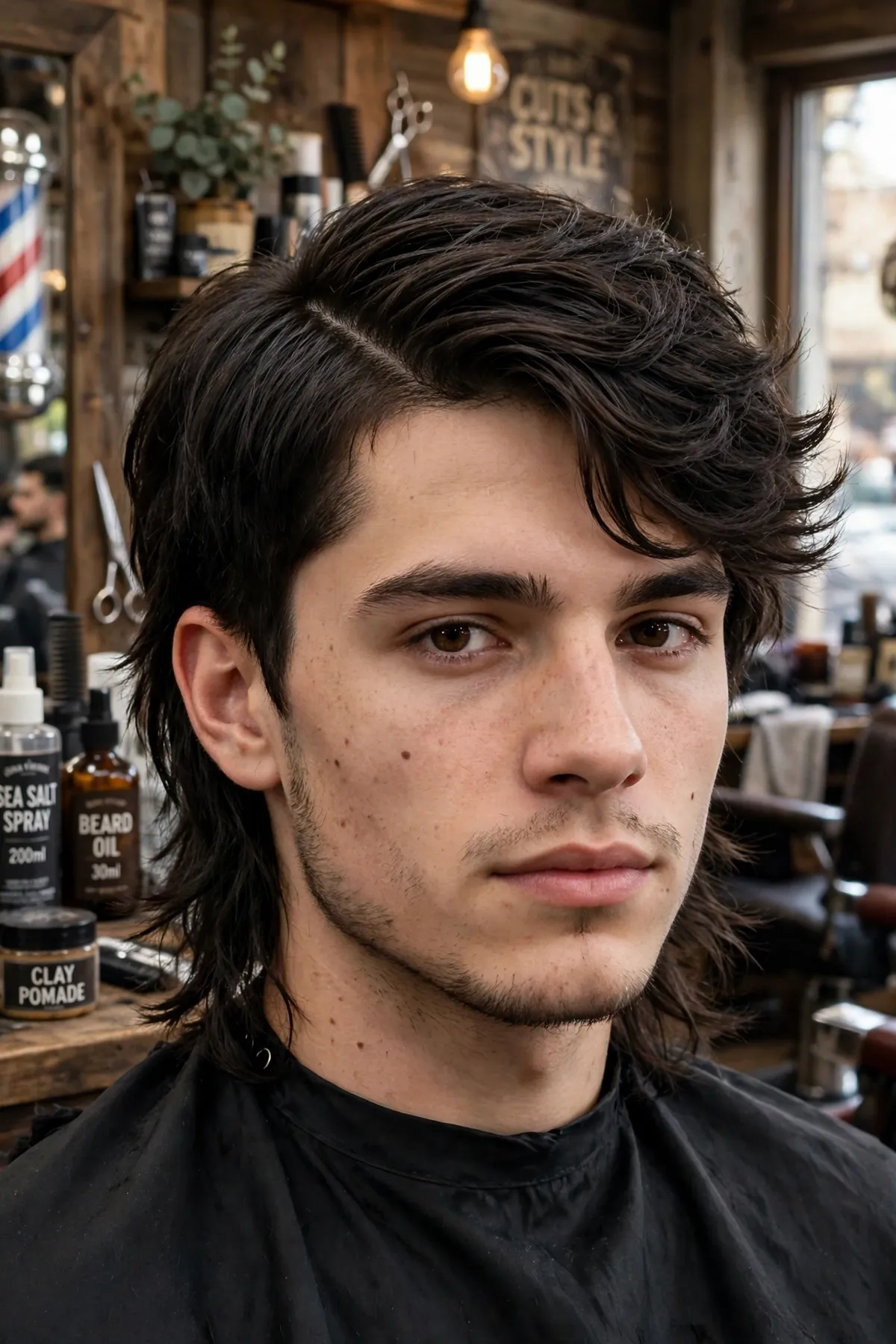
A clean side part gives the wolf cut a neater, more classic feel while keeping all its texture. This is the easiest wolf cut to wear to work or formal events. Comb the top to your natural part while damp, add a little cream, and let the back stay shaggy.
25. Wolf Cut with Textured Fringe
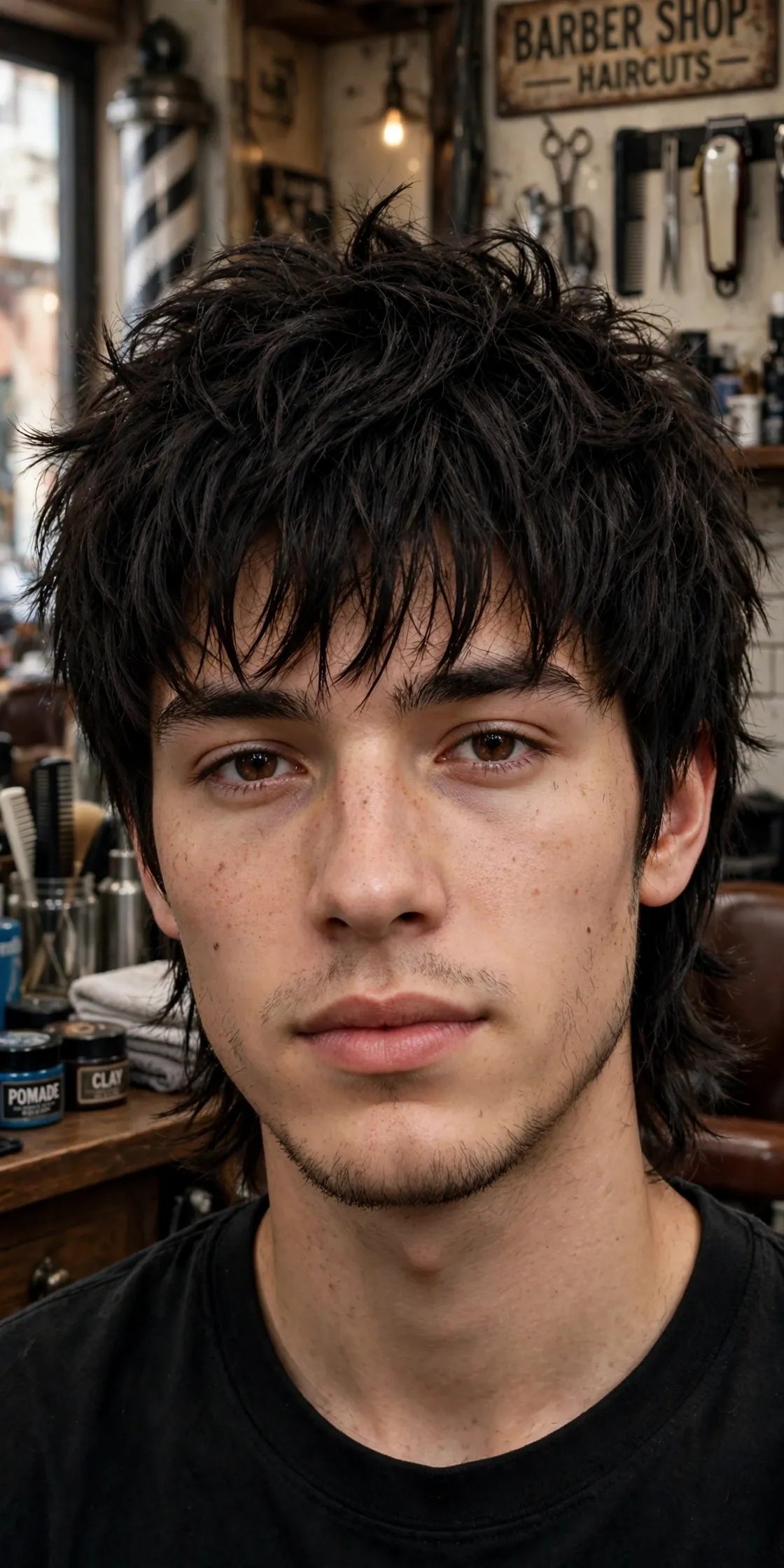
A choppy, piecey fringe falling over the forehead is the finishing touch on this version — it frames the eyes and adds edge to the whole cut. It pairs well with our textured fringe styles if you want more fringe inspiration. Style the fringe forward with a dab of matte paste and separate the strands with your fingers.
Wolf Cut Men Styling and Maintenance Tips
The wolf cut is famously low-maintenance, but a few habits keep it looking intentional rather than accidental. Wash 2–3 times a week over-washing strips the natural texture that makes the layers work. Always use a texturizing product (matte clay, sea-salt spray, or fiber cream) rather than a shiny gel, which fights the cut’s matte, lived-in character. Trim every 5–6 weeks: the layers lose their shape as they grow, and a quick shape-up keeps the silhouette sharp without losing length.
For mornings in a rush, the wolf cut is forgiving: dampen, scrunch in a little product, and go. If your hair is curly or wavy, never brush it dry finger-comb only, or the layers turn to frizz. And remember the golden rule of wolf cuts: the messier it looks, the better as long as the layers were cut right in the first place.
Wolf Cut Men FAQs
What is a wolf cut for men?
A wolf cut is a layered haircut that combines a shag and a mullet: short, choppy layers on top for volume, with longer, shaggy hair at the back. It is textured, low-maintenance, and works on straight, wavy, and curly hair.
What face shape suits a wolf cut?
Oval faces suit almost every wolf cut variation. Round faces benefit from versions with height on top or a side-swept fringe, which lengthen the face. Square faces look great with softer versions like the Korean soft wolf cut or curtain bangs, which soften the jawline.
Is the wolf cut good for straight hair?
Yes — straight hair shows off the wolf cut’s layering more clearly than any other texture. The choppy and straight-hair variations above are built for it, and styling takes only a texturizing spray.
How do I ask my barber for a wolf cut?
Ask for “choppy layers through the crown, longer at the nape, with soft sides rather than shaved,” and bring a photo of the exact variation you want. Tell your barber your hair type and how much daily styling you are willing to do so they can adjust the layering.
How often should I trim a wolf cut?
Every 5–6 weeks for a shape-up. The wolf cut grows out gracefully, so you can stretch it to 7–8 weeks if you like a longer, shaggier look — but beyond that the layers start to lose their shape.
What is the difference between a wolf cut and a mullet?
A mullet is short on top and sides with a distinctly long back, while a wolf cut keeps layered, textured sides and a softer, shaggier back. The wolf cut is essentially a mullet softened with shag layers — if you want the bolder back, a modern mullet is the way to go.
Final Thoughts
The wolf cut earned its place as one of 2026’s defining men’s haircuts because it does something few cuts can: it looks effortless while actually being cut with real technique. Whether you go classic, short, curly, or faded, pick the variation that matches your hair type, bring a photo to your barber, and let the layers do the work. And once your wolf cut is in, keep it fresh with a trim every 5–6 weeks your future self will thank you.
Which wolf cut are you going for? Drop your pick in the comments, and check out our other men’s haircut guides for more styles to try next.

Ryan Carter is a men’s grooming writer who covers haircuts, hairstyles, beard care, and barbering trends. He shares practical style advice and grooming tips to help men look sharp and stay confident.