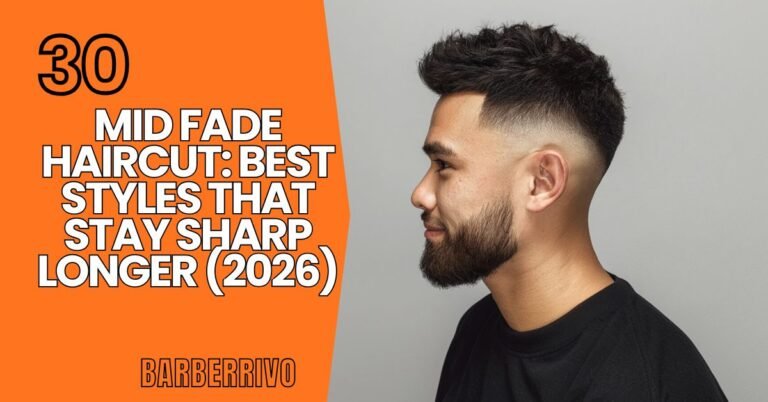
35 Best High Fade Haircut Styles, Types, How to Choose & Care Tips

A high fade haircut turns heads for a reason. It’s sharp, it’s bold, and it doesn’t ask much from you in return. The fade starts high on the sides, sometimes right near the crown, then blends down into short, clean lines. Walk into any barbershop today and you’ll spot this cut everywhere, from the office to the gym to the weekend hangout. It works with straight hair, curly hair, and everything in between, which is exactly why it’s stuck around for so long.
But here’s the thing: not every high fade hairstyle looks the same. There’s the classic version, the skin-tight burst, the mullet throwback, and a dozen more variations worth knowing about. This guide walks you through all 35 styles, plus how to pick the right one for your face shape and hair type. You’ll also learn how to style it, keep it fresh, and avoid the mistakes that make a great cut fall flat. Let’s get into it.
What Is a High Fade Haircut?
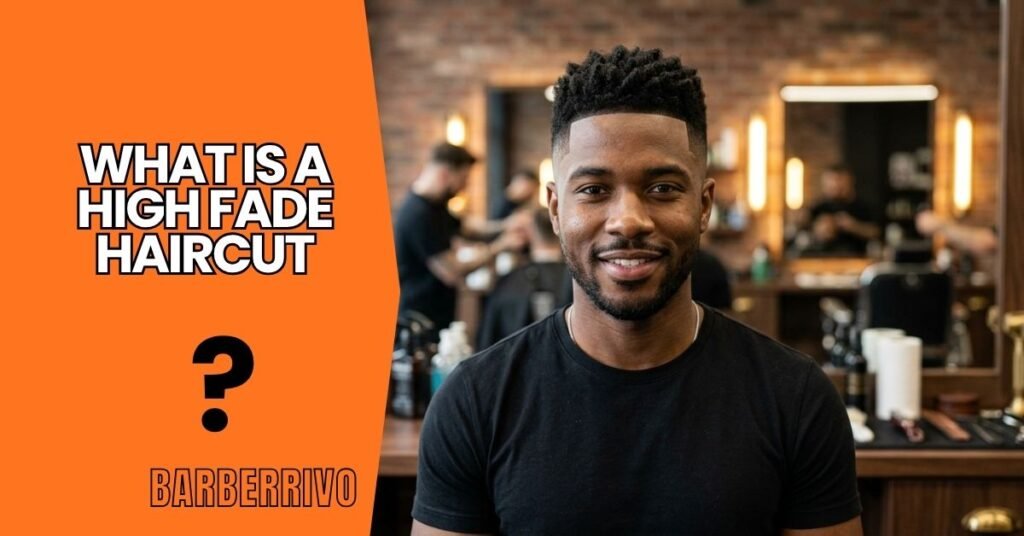
A high fade haircut starts way above the temples, sometimes right near the crown. The clippers cut close to the skin at the top of the fade, then blend down toward the ears. This creates a bold, high-contrast look that barbers love to work with. Unlike softer fades, a high fade doesn’t hide. It shows off sharp lines and a crisp hairline that frames your whole face.
Men pick this style because it looks clean and it doesn’t take much daily effort. You get short sides, a tight sides finish, and a top that can go short, textured, or long. It works on straight hair, curly hair, and even coily hair. Walk into any barbershop today and you’ll see this cut on more heads than almost any other request.
How a High Fade Differs from Low and Mid Fades
Fades get named by where they start on your head. A low fade begins right above the ear, keeping most of the length intact. A mid fade sits at the temple, right in the middle zone. A high fade, though, starts much higher, often near the top of the head. This gives it way more contrast than the other two.
Think of it like a dimmer switch. A low fade barely dims the light. A high fade cranks the brightness way down before it climbs back up. That’s why a high and tight fade looks so different from a soft, blended low fade. The higher the fade starts, the bolder and sharper the whole haircut looks.
Why Men Choose a High Fade
Guys choose a high fade hairstyle for a few solid reasons. First, it’s sharp. It gives instant structure to your face, even if you don’t do much else with your hair. Second, it’s practical. Short sides mean less hair to wash, dry, or manage every morning. You wake up, run your fingers through the top, and you’re done.
There’s also the versatility factor. You can pair a high fade with almost any top style, from a pompadour to a messy textured top. It works for the office, for weekend plans, or for a night out. Barbers often say the high fade “does the heavy lifting,” so you don’t need fancy products to look put together. That’s a big reason it’s stayed popular for years.
Types of High Fade Haircuts
There isn’t just one high fade haircut. Barbers use different clipper guards, blending techniques, and finishing touches to create distinct looks. Some fades disappear right into the skin. Others fade into a shadow of stubble instead of bare skin. Knowing the differences helps you walk into your next barber consultation with real confidence.
Below, we’ll break down eight major fade types you’ll see in barbershops everywhere. Each one changes the vibe of your haircut, even though they all start high on the head. Some suit thick hair better. Others work best for guys who want a softer transition instead of a hard line.
Classic High Fade
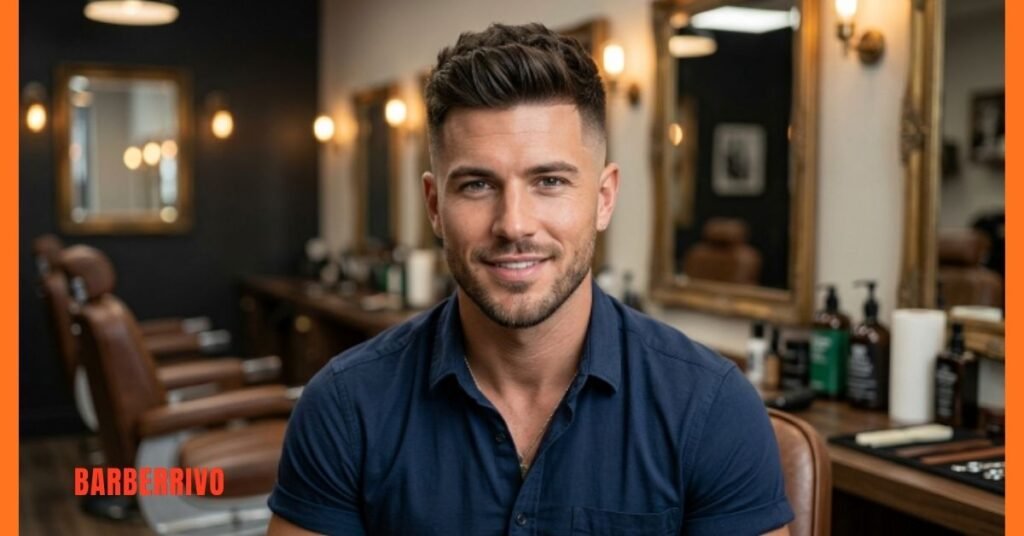
The classic high fade is the original template everyone else builds on. It fades gradually from skin-short at the bottom to a longer length up top. The transition looks smooth, not choppy or sudden. Most barbers can do this style with their eyes closed since it’s such a standard request.
This cut suits almost every face shape and hair texture. It pairs well with a simple crew cut on top or something bolder like a quiff. If you’re new to fades and don’t know where to start, ask your barber for a classic high fade. It’s the safest bet and still looks sharp every single time.
High Skin (Bald) Fade
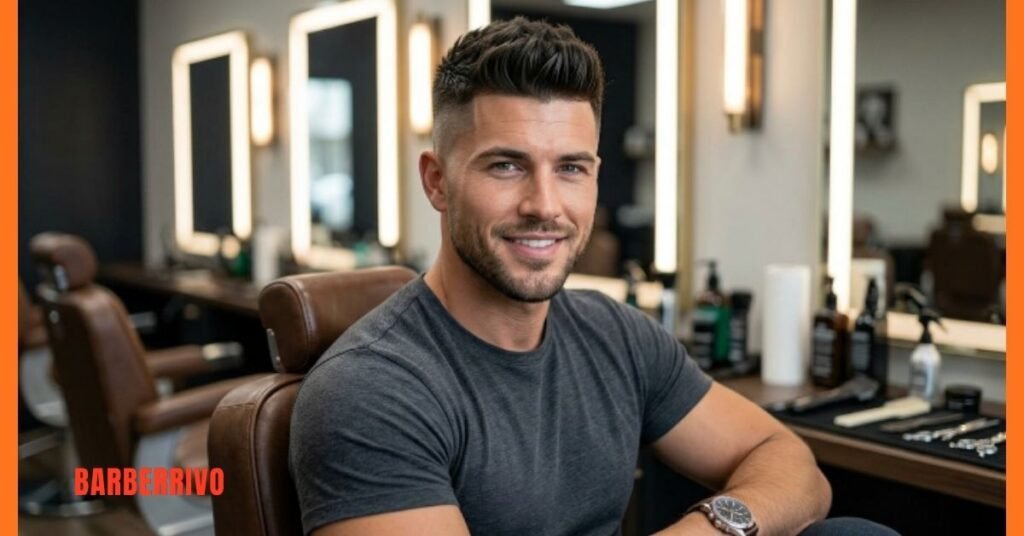
A high skin fade, sometimes called a skin fade haircut, takes things down to bare skin. The clippers strip the hair completely near the bottom of the fade, so your scalp shows through. Then the length builds back up fast toward the crown. This creates maximum contrast and a super clean finish.
This style demands regular upkeep since new growth shows fast against bare skin. Guys with straight or fine hair often pick this one because it highlights texture on top. If you want the boldest version of a high fade, this is it. Just budget for more frequent trims to keep that skin-level line looking fresh.
High Taper Fade
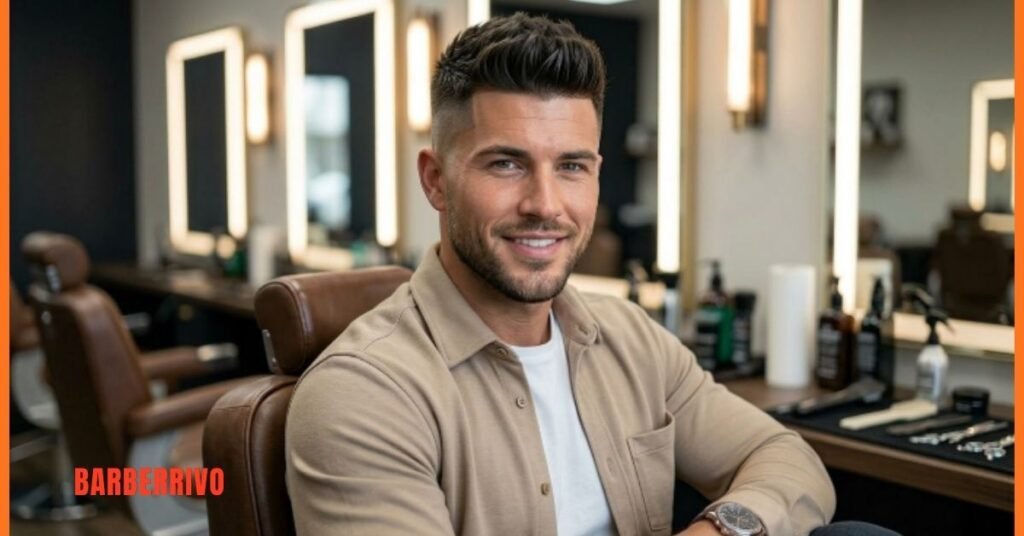
The high taper fade and taper fade haircut blend a gradual taper with fade-level shortness near the top of the sides. Unlike a skin fade, the taper doesn’t always go down to bare skin. It keeps a slight shadow, giving a softer overall look while still starting high. The hairline stays defined without looking too harsh.
This works great for guys who want structure without an ultra-dramatic contrast. It’s a smart pick for professional settings, too, since it reads as neat rather than edgy. Pair it with a French crop or slicked-back top for a polished finish that still feels modern and fresh.
High Burst Fade
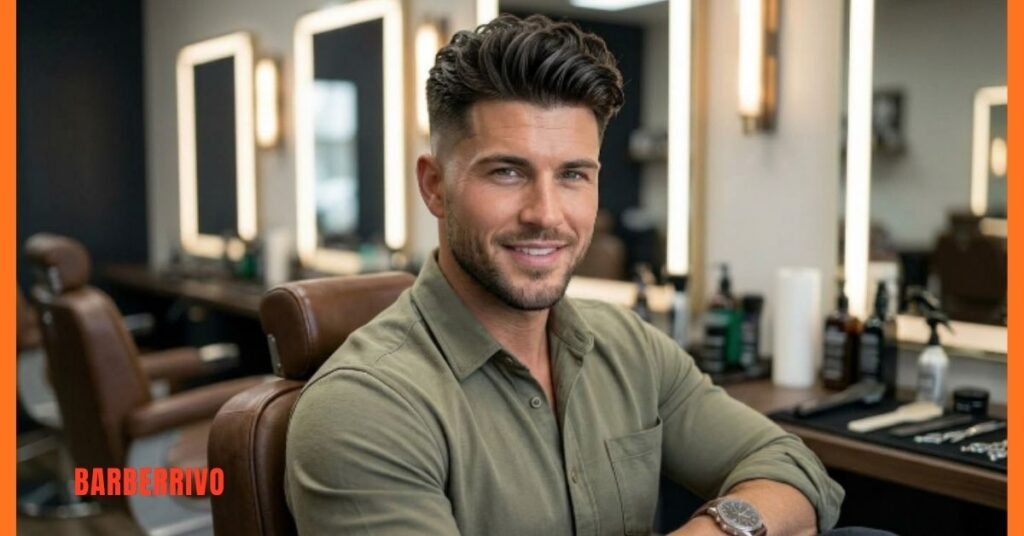
A high burst fade curves around the ear instead of cutting in a straight line. Picture the fade “bursting” outward in a rounded shape near the temple and ear area. This creates a unique silhouette that looks different from a standard straight fade. It often pairs with longer hair on top for extra drama.
Guys with wavy or thick hair gravitate toward this style since it balances out volume nicely. The rounded fade shape also flatters oval and diamond face shapes. If you want something a little different from the usual straight-line fade, ask your barber about a burst pattern next time you’re in the chair.
High Drop Fade
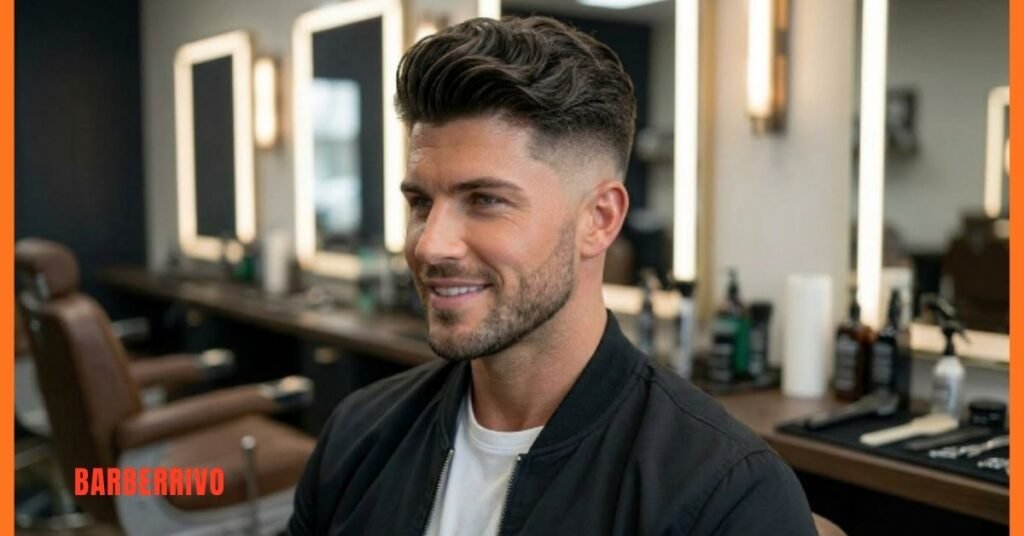
The high drop fade starts high near the temple but curves downward as it moves toward the back of the head, dropping lower behind the ear. This creates a swooping line instead of a flat, even one. It adds visual interest and works especially well with curly or coily textures on top.
This fade type takes more skill to execute, so find a barber experienced with drop fades specifically. The dropping line follows your natural head shape, giving a more custom, sculpted result. It’s a favorite among guys who want their fade to feel a little more artistic than a basic straight cut.
High Temp Fade
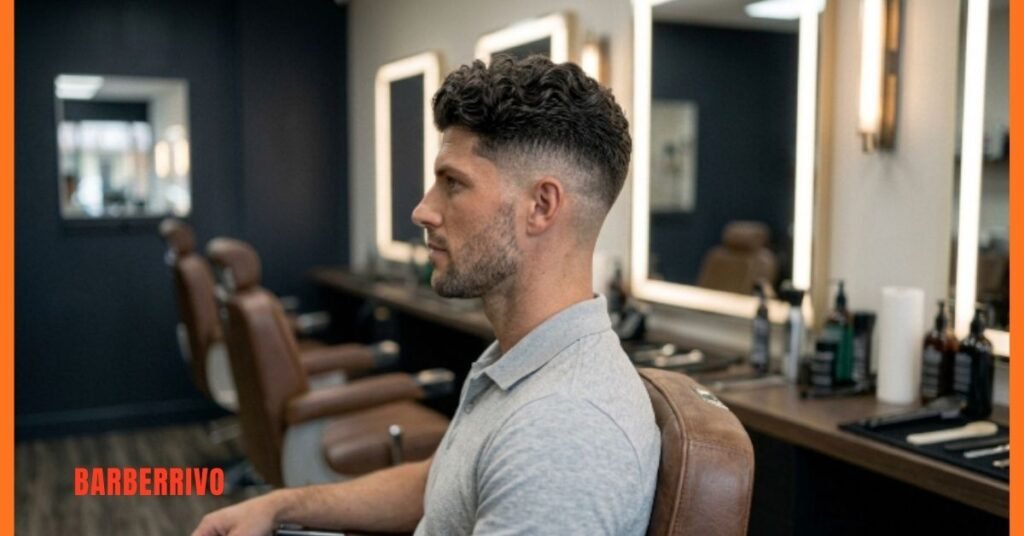
A high temp fade, short for temple fade, focuses on tight blending right around the temples. This term gets used a bit loosely in barbershops, sometimes overlapping with temple fade haircut requests. The key feature is a clean, sharp temple area paired with fuller hair or curls up top.
This style suits guys with natural texture who want to keep volume while still getting that fresh, faded look near the hairline. It’s low-key but still sharp. Many barbers pair this with curl-defining products so the top stays bouncy while the temples stay crisp and clean.
Shadow High Fade
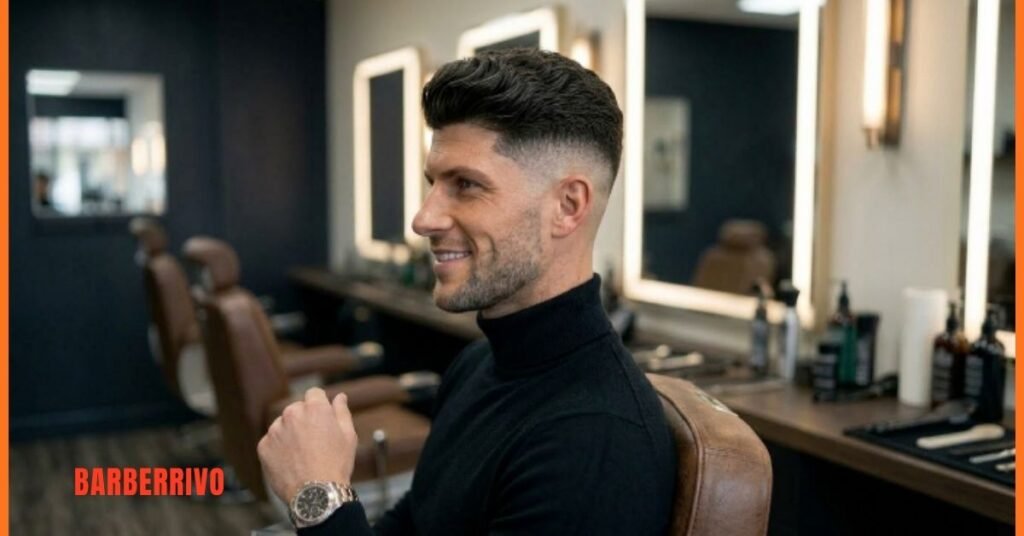
The shadow high fade skips the bare-skin look entirely. Instead, it fades from short to long using a soft, shadowy gradient, never quite reaching skin level. This creates a gentler transition that still starts high but reads as more subtle overall. It’s a solid pick for guys who find skin fades too stark.
This fade type also grows out more gracefully. Since there’s no hard skin line, you won’t see obvious regrowth as fast. Guys who want a low-maintenance haircut but still like the high-fade silhouette often choose shadow fades for exactly this reason. It buys you extra time between trims.
Disconnected High Fade
A disconnected high fade creates a hard, visible break between the fade and the top length. There’s no gradual blend here. Instead, the clippers cut straight across, leaving a noticeable line before the longer hair begins. It’s bold, graphic, and impossible to miss.
This style pairs especially well with undercut-style tops, where the length on top contrasts sharply with the shaved sides. It’s a favorite for guys who want an edgy, statement-making cut. Because the disconnection is so visible, precision matters a lot here, so choose a barber who’s confident with sharp, clean lines.
Popular High Fade Hairstyles to Try
Once you understand the fade types, the next step is picking what happens on top. This is where a high fade haircut really gets personal. The same fade can look totally different depending on whether you pair it with a pompadour, a mohawk, or loose curls. Below are nine popular combinations worth trying.
Each style pulls double duty. It works with the fade underneath while giving you room to express your own taste. Whether you’ve got straight hair, an afro, or a beard you want to tie in, there’s a version of the high fade built for you.
High Fade with Pompadour or Quiff
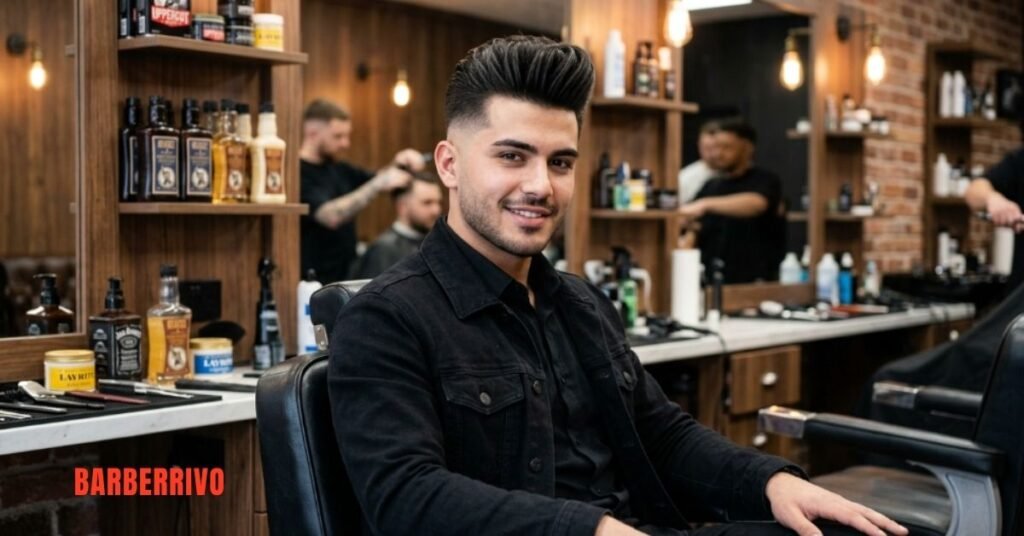
The high fade pompadour and high fade quiff both bring height and volume to the top of the head. The pompadour sweeps hair straight back with a tall, structured shape. The quiff lifts hair up and slightly forward, giving a softer, more casual finish. Both rely on strong hair volume to hold their shape all day.
Styling either one usually means blow-drying the roots upward, then locking things in with a strong hold product. A little styling cream or pomade adds shine without weighing hair down. These two styles look sharp for work, dates, or any occasion where you want extra polish.
High Fade with Textured or French Crop
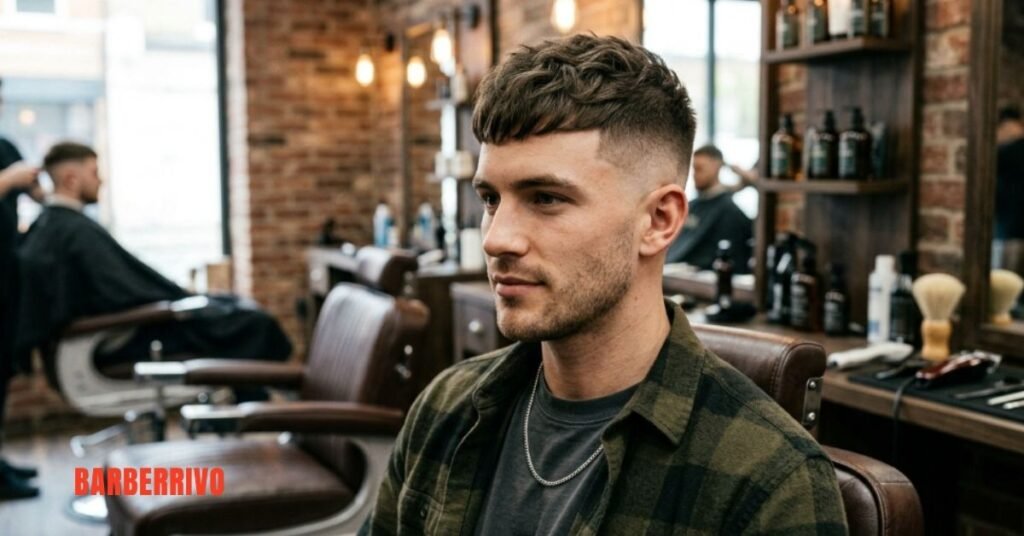
A high fade French crop and high fade textured crop both keep the top short but full of texture. The French crop adds a straight fringe across the forehead, giving a modern European feel. The textured crop skips the fringe and focuses purely on choppy, matte texture throughout.
These cuts pair beautifully with a high skin fade underneath, since the short top and sharp sides create balanced proportions. Use texture clay to define individual pieces and keep that matte, natural-looking finish. Both styles read as effortlessly cool, even though they take just a few minutes to style each morning.
High Fade Crew Cut and Buzz Cut
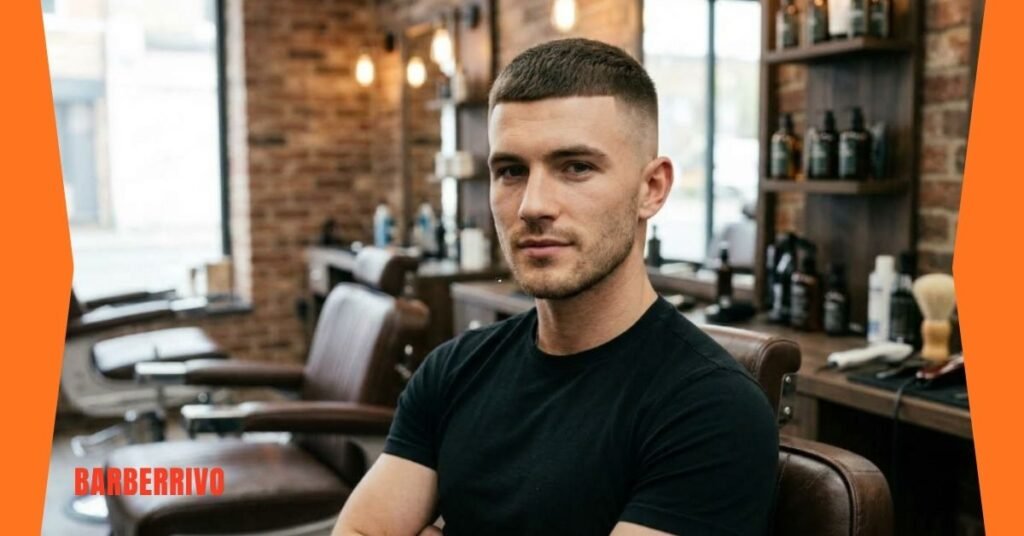
The high fade crew cut and high fade buzz cut are as low-maintenance as fades get. The crew cut leaves a bit more length on top for slight texture and movement. The buzz cut trims everything down short and uniform, barely leaving room for styling at all.
These cuts suit guys who want speed and simplicity above everything else. There’s no blow-drying required and barely any product needed. A quick swipe of texture powder can add a bit of grip if you want it, but honestly, these styles look sharp straight out of the shower, no fuss involved.
High Fade Mohawk and Faux Hawk
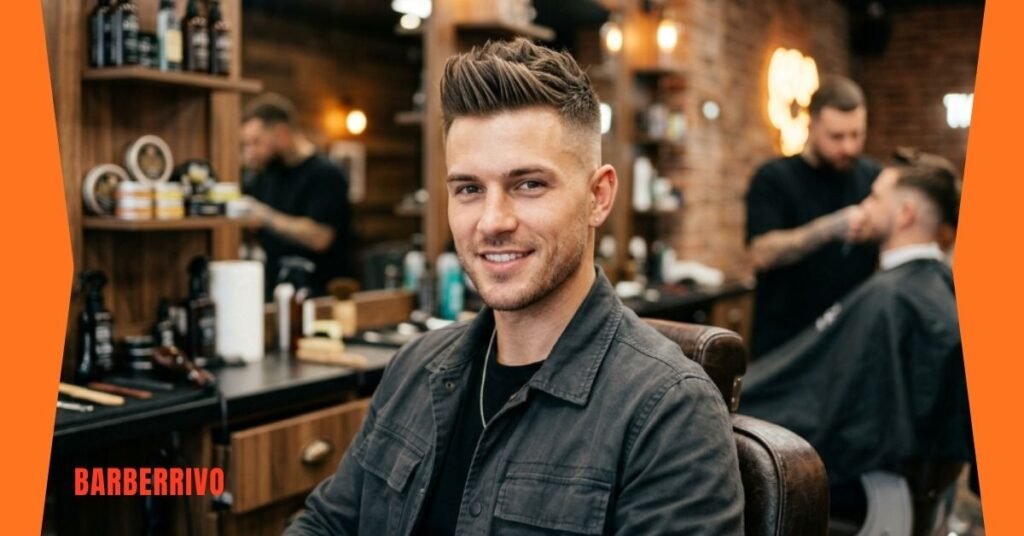
A high fade mohawk shaves both sides down to skin, leaving a strip of length running front to back. The high fade faux hawk softens this idea, keeping some length on the sides while still building height in the center. Both styles create a bold, structured silhouette.
Styling usually involves a blow dryer aimed upward, followed by molding paste or clay to hold the central strip in place. These cuts aren’t for guys who want to blend in. They’re statement pieces, perfect for anyone who wants their haircut to do some of the talking.
High Fade Mullet
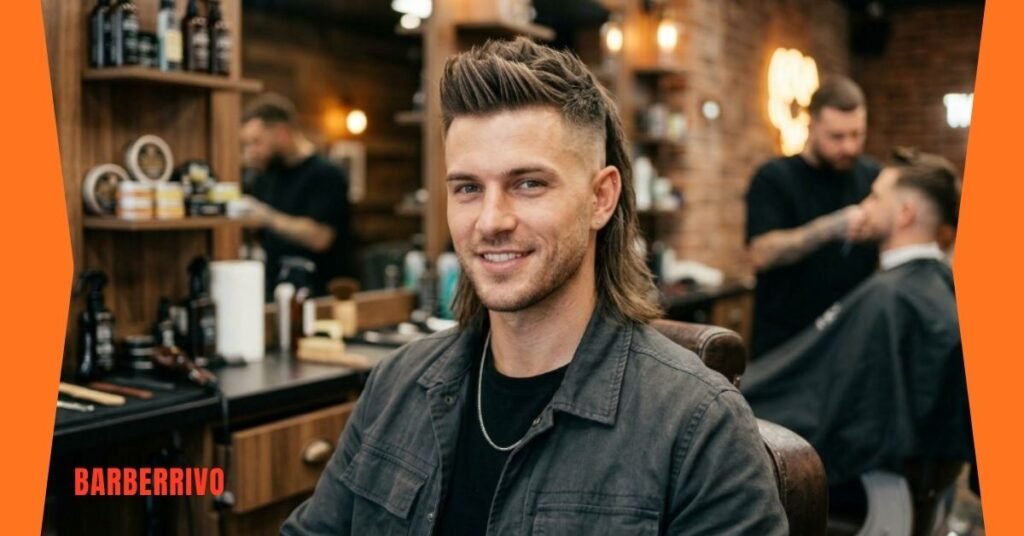
The high fade mullet brings back a retro favorite with a modern twist. Short sides fade high into the skin, while the back keeps noticeable length, sometimes down to the collar. It’s a strange combination on paper, but it works because the sharp fade balances out the longer back section.
This style has surged in popularity again over the last few years, especially among guys who want something a little rebellious. Keep the back conditioned and use a light texture clay to define the ends. It’s a cut that turns heads, whether people love it or just can’t stop staring.
High Fade with Beard
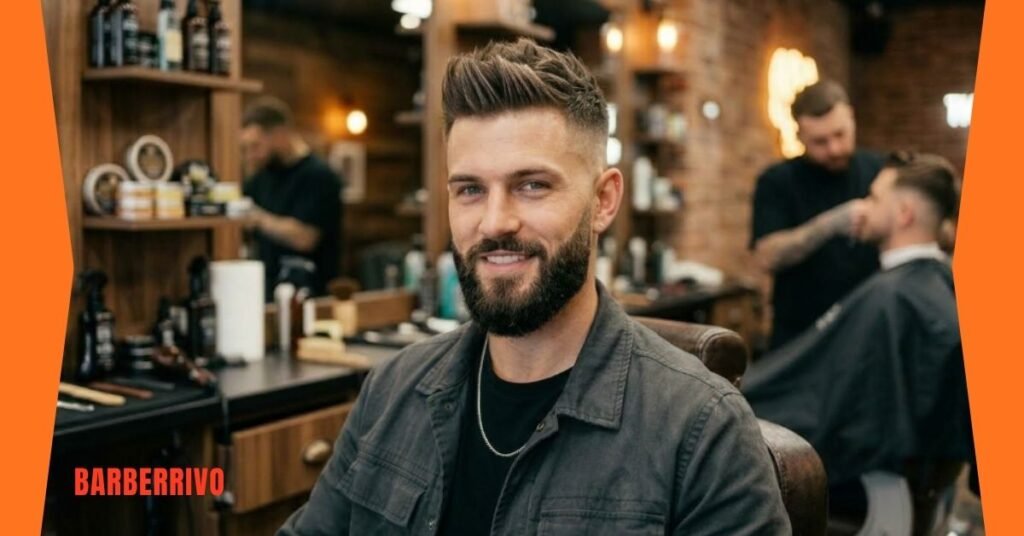
Pairing a high fade with beard growth creates a cohesive, masculine look from hairline to jawline. The fade transitions cleanly into the beard along the sideburns, so there’s no awkward gap or mismatch. This combo works for short stubble or a full, groomed beard alike.
Barbers usually blend the fade and beard together during the same visit, using the same clipper guard logic to keep everything consistent. A little beard balm keeps things soft and shaped. This pairing photographs well too, since the sharp sides draw attention right toward a well-maintained beard.
High Fade with Braids or Hair Tattoos
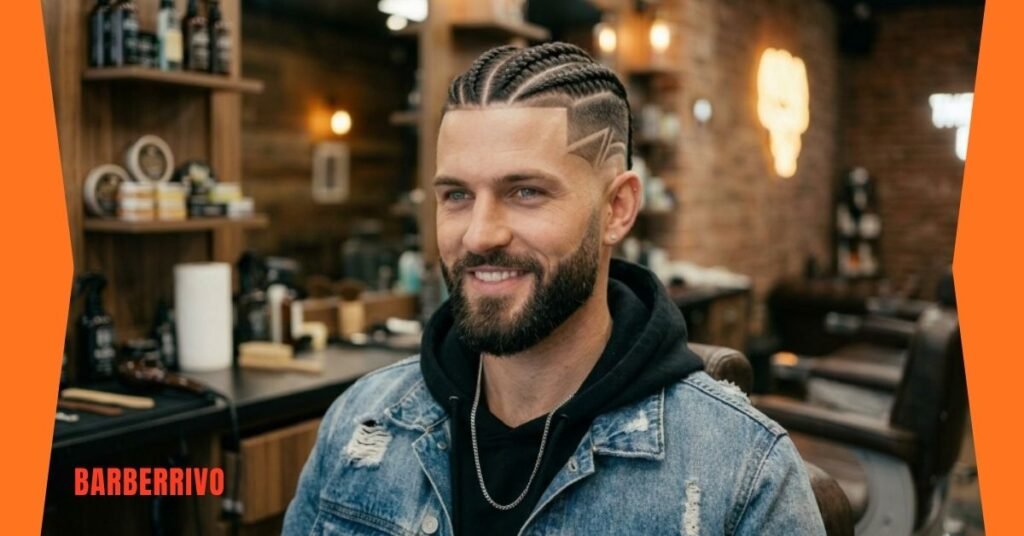
The high fade with braids combo takes longer top hair and works it into tight braids or cornrows, contrasting hard against the shaved sides. Some guys add a hair tattoo, a shaved design cut directly into the fade, for extra flair. Both options turn a simple haircut into a real style statement.
These looks take more time in the chair, especially braid work, but the payoff is a completely custom result. If you’re considering a high fade haircut with design, bring a clear picture for your barber. Precision matters a lot here, so don’t rush the consultation part.
High Fade for Curly, Wavy, and Straight Hair
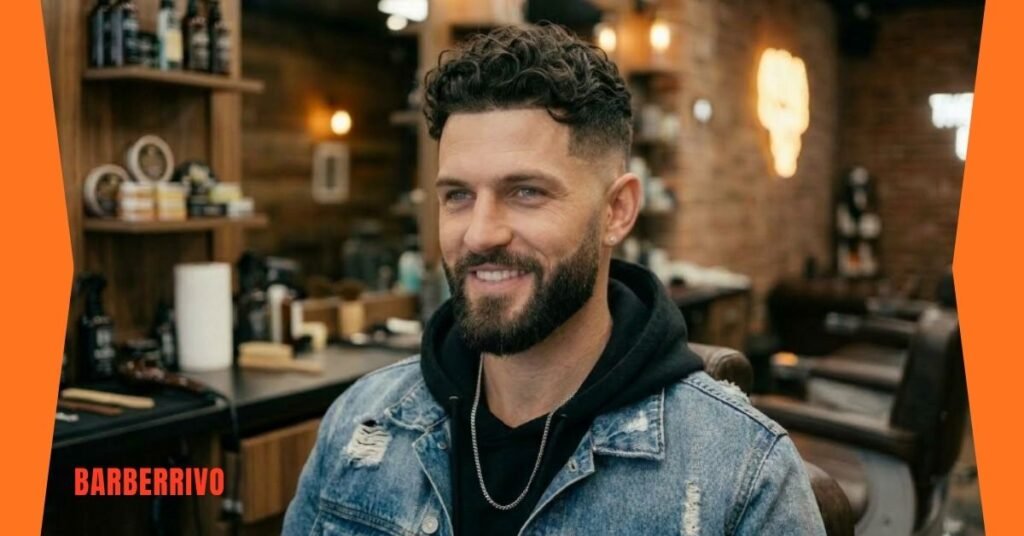
High fade curly hair looks completely different from high fade straight hair, even with the same fade underneath. Curls add natural volume and texture up top, creating a fuller silhouette without much styling effort. Straight hair, on the other hand, lies flatter and often needs a styling cream for shape and hold.
Wavy hair sits somewhere in between, offering movement without full curl definition. No matter your texture, the high fade adapts. A curl-enhancing cream works wonders for curly types, while straight hair benefits from lightweight pomades. Talk to your barber about hair texture before the cut so they can adjust their technique accordingly.
High Fade for Long Hair and Balding Men

A high fade long hair combo keeps serious length on top while shaving the sides completely short. This creates dramatic contrast and lets you experiment with slicked-back styles, buns, or loose, brushed-back waves. It’s a favorite among guys who don’t want to sacrifice length entirely.
On the flip side, a high fade haircut for balding men solves a common problem. Thinning hair often looks less noticeable when the sides are shaved tight, since there’s less contrast between thick and thin areas. Many barbers recommend pairing a high skin fade with a very short top for guys dealing with early hair loss.
How to Choose the Right High Fade for You
Picking the best high fade haircut isn’t just about following trends. Your face shape, hair type, and daily lifestyle all play a role in what actually looks good and feels manageable. A style that looks amazing on a magazine cover might not suit your bone structure or your morning routine at all.
Taking a few minutes to think this through saves you from an awkward growing-out phase later. Below, we’ll walk through the three biggest factors: face shape, hair texture, and lifestyle fit. Getting these right means walking out of the barbershop actually happy with your reflection.
Best High Fade by Face Shape
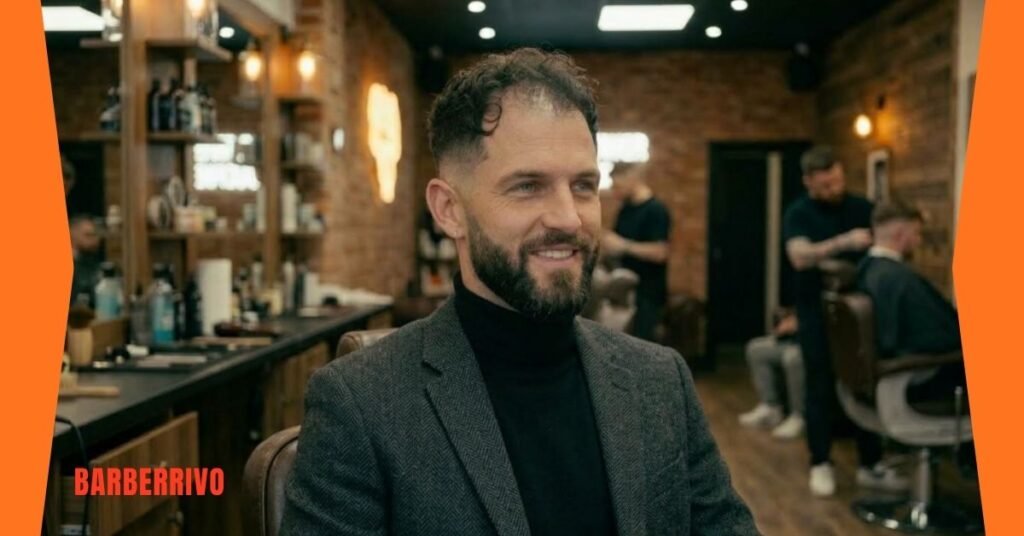
Different face shapes pair better with different fade heights and top lengths. Here’s a quick breakdown to guide your next conversation with your barber:
| Face Shape | Recommended High Fade Style | Why It Works |
| Oval face | Almost any high fade works | Balanced proportions suit most styles |
| Round face | High fade with height on top | Adds length, reduces roundness |
| Square face | High fade with softer top texture | Balances strong jawline |
| Diamond face | High burst or high taper fade | Softens angular cheekbones |
| Heart-shaped face | High fade with volume at the jaw | Balances wider forehead |
If you’re unsure of your face shape, look at old photos or ask your barber directly. They size up faces all day long and can usually tell within seconds. Matching your fade to your face shape makes a bigger visual difference than most guys expect.
Best High Fade by Hair Type and Texture
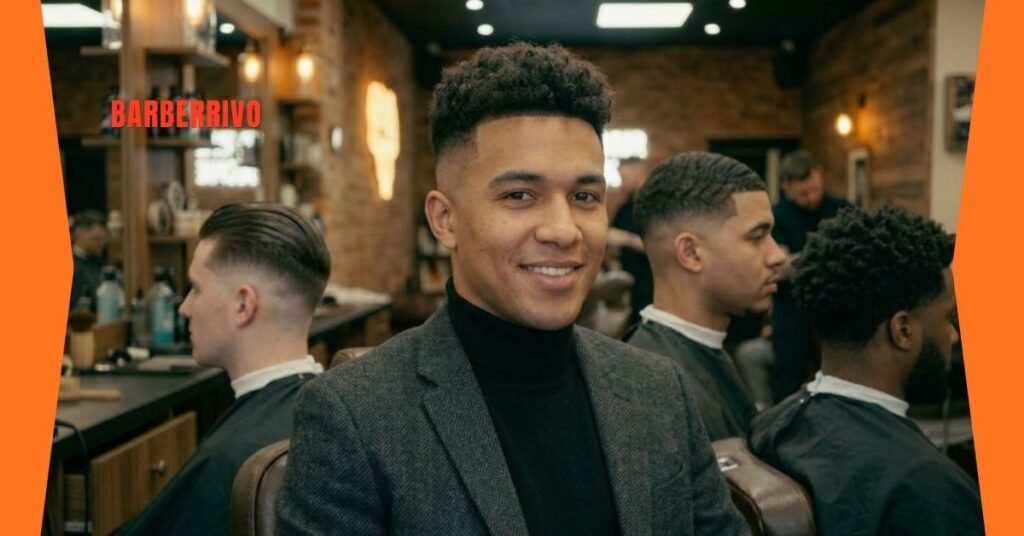
Your natural hair texture affects which fade style will look and behave best. Thick hair handles higher fades well since there’s less bulk to manage on top. Fine hair sometimes looks better with a slightly lower fade, since too much contrast can make thin hair look even thinner by comparison.
Coily hair and afro hair often shine with a high top fade, since the height on top complements natural volume beautifully. Straight hair works well with almost any fade height but may need extra product for texture and hold. Talk through your hair type honestly during your barber consultation so they can recommend the right approach.
Matching a High Fade to Your Lifestyle and Personal Style

Think about your daily routine before committing to a specific style. If mornings are rushed, a low-maintenance haircut like a buzz cut or crew cut paired with a high fade makes more sense than a pompadour that needs daily blow-drying. Busy guys tend to regret high-maintenance styles within a few weeks.
If you work somewhere conservative, a professional hairstyle like a high taper fade with a comb over reads as polished and appropriate. If your job or social scene leans more creative, don’t be afraid to try a high fade with braids or a bold disconnected high fade. Your haircut should fit your actual life, not just look good in photos.
High Fade vs Low Fade vs Mid Fade: What’s the Difference?
The high fade vs low fade debate comes down to contrast and boldness. A high fade starts near the top of the head, creating dramatic, high-contrast results. A low fade starts right above the ear, offering a subtler, more blended transition that many guys find easier to grow out.
The high fade vs mid fade comparison sits in the middle. A mid fade begins at the temple, splitting the difference between bold and subtle. It’s a flexible option that works for both casual and professional settings. Here’s a simple table comparing all three:
| Fade Type | Starting Point | Contrast Level | Best For |
| High fade | Near crown/top of sides | High | Bold, modern looks |
| Mid fade | Temple area | Medium | Versatile, everyday wear |
| Low fade | Above the ear | Subtle | Classic, professional settings |
When it comes to high taper fade vs skin fade, the taper keeps a slight shadow of hair even at its shortest point, while the skin fade goes completely bare. Neither is objectively better. It really depends on how bold you want your fade haircut to look and how often you’re willing to visit the barbershop for touch-ups.
How to Ask Your Barber for the Perfect High Fade
Walking into a barbershop with the right words makes a huge difference in your final result. Start by naming the fade height clearly: high, mid, or low. Then explain how dramatic you want the contrast to be, since “high fade” alone can still mean a range of different looks depending on the barber.
Bring photo references whenever possible. A picture removes all the guesswork and gives your barber a clear target to aim for. Mention your preferred clipper guard size if you know it, describe your desired neckline shape, and specify whether you want a hard part, a razor part, or no part at all. The more details you share during your barber consultation, the closer the final cut will match what’s in your head. Don’t be shy about asking questions either. A good barber wants that information just as much as you want a great haircut.
How to Style a High Fade Haircut
Styling a high fade haircut doesn’t have to eat up your whole morning. Most versions only need a few honest minutes and the right product. The key lies in understanding your hair’s natural texture and choosing products that enhance it rather than fight against it.
Whether you’re going for a sleek slick back or a messy, voluminous top, the process usually follows the same basic steps: prep, product, and shape. Let’s break down exactly what that looks like in practice.
Recommended Styling Products
Different products create different finishes, so picking the right one matters. Here’s a quick reference table:
| Product | Best For | Finish |
| Texture clay | Crops, pompadours | Matte, strong hold |
| Molding paste | Layered, textured tops | Flexible, soft |
| Styling cream | Sleek, brushed-back looks | Light hold, smooth |
| Sea salt spray | Pre-styling, volume prep | Natural, gritty texture |
| Texture powder | Root lift, fine hair | Volumizing, matte |
Start with a small amount and build up as needed. It’s much easier to add more product than to fix a hairstyle drowning in too much of it. Most barbers recommend starting with a dime-sized amount and working outward from there.
Styling Tips for Natural Texture or Sharp Spikes
If you want to keep your natural movement, apply product to slightly damp hair and scrunch gently with your fingers instead of combing. This preserves curl pattern and wave without flattening everything out. Finger styling tends to look more relaxed than brush styling, so it suits curly and wavy textures especially well.
For sharper, more defined spikes, dry your hair completely first, then apply a strong hold paste or clay directly to small sections. Twist and pull each piece upward before letting go. This creates separation and hair definition that lasts through the day. Finish with a light spray if you want extra hold in humid weather.
How to Maintain a High Fade Haircut
A sharp high fade haircut doesn’t stay sharp forever without a little upkeep. The higher and cleaner the fade, the faster regrowth becomes noticeable. That’s simply how hair works, so budgeting time and money for fade maintenance matters just as much as picking the right style in the first place.
The good news? Maintenance doesn’t have to be complicated. A consistent routine at home, paired with regular professional visits, keeps your cut looking fresh between appointments. Here’s exactly what that routine should include.
How Often You Should Get a Trim
Most barbers recommend regular trims every two to three weeks for a high fade, especially for skin fades where regrowth shows up fastest. Shadow fades and softer tapers can often stretch to three or four weeks before looking messy. Your specific hair growth rate plays a role too, so pay attention to how your fade looks and feels over time.
Setting up a standing appointment with your barber removes the guesswork entirely. Many barbershops offer loyalty programs or discounts for regular clients, which makes frequent fade touch-up visits easier on your wallet. Consistency here pays off in how sharp your cut looks day to day.
Daily Upkeep and Aftercare
Between visits, keep your hair styling routine simple but consistent. Wash your hair every few days, not necessarily every single day, since over-washing can dry out both your hair and scalp. Use a light conditioner if your hair feels dry or brittle after washing, especially with curly or coily textures.
Brush or comb your top section gently each morning to prevent tangling, and apply a small amount of product if you want extra shape. Keep the faded sides clean by running a damp cloth over them if dust or product buildup collects there. This small bit of men’s grooming effort keeps your cut photo-ready between barbershop visits.
Common High Fade Mistakes to Avoid
Even a great high fade haircut can go wrong with a few avoidable missteps. One common mistake is waiting too long between trims. Letting regrowth get too shaggy blurs the sharp lines that make a high fade look good in the first place, forcing your barber to essentially start over each visit.
Another mistake is using the wrong products for your hair type. Heavy pomades weigh down fine hair, while lightweight creams sometimes can’t handle thick or coily textures. Take time to experiment and find what actually works for you, rather than grabbing whatever’s popular online. Skipping the barber consultation is another slip-up worth avoiding. Walking in and saying “just do a high fade” without further detail leaves too much room for miscommunication. Finally, don’t ignore your face shape and hair texture when picking a style. The trendiest cut on social media won’t necessarily suit your individual features, so choose based on what actually flatters you.
FAQs
What is a high fade haircut?
A high fade haircut is a style where the clippers fade the hair starting high on the head, often near the crown, blending down toward shorter or skin-level sides. It creates strong contrast between the short sides and longer top.
What’s the difference between a high fade and a low fade?
The main difference is where the fade begins. A high fade starts near the top of the head for a bold, dramatic look. A low fade starts above the ear, giving a subtler, more gradual transition.
How do I ask my barber for a high fade?
Tell your barber you want the fade to start high, near the crown or top of the sides. Bring a photo reference, mention your preferred clipper guard, and describe how you want the top styled for the clearest results.
How long does a high fade last?
A high fade typically stays sharp for two to three weeks before needing a trim. Skin fades tend to need more frequent touch-ups than softer, shadow-style fades.
Is a high fade good for curly hair?
Yes. A high fade works well with curly hair, since the shaved sides let natural curls on top stand out with more contrast and definition.
Is a high fade appropriate for professional settings?
Yes, especially a high taper fade or a softer shadow fade. These versions read as neat and polished, making them appropriate for most offices and formal settings.
Can balding men get a high fade?
Yes. A high fade, especially a skin fade, can actually make thinning hair less noticeable by reducing the contrast between thick and thin areas on the head.
Which is better, low fade or high fade?
Neither is objectively better it depends on your style. A high fade gives bold, high-contrast results, while a low fade offers a subtler, more classic look that’s easier to maintain as it grows out.
Is high fade haram?
No, a high fade haircut isn’t inherently haram. Views on haircuts can vary by individual interpretation and cultural context, so it’s worth checking with a trusted religious source if you have specific concerns.
What is the most attractive fade?
There’s no single “most attractive” fade it depends on your face shape and hair texture. That said, high fades and skin fades tend to get the most attention for their sharp, bold look.
Is a high fade a good haircut?
Yes, it’s a popular choice for good reason. It’s sharp, low-maintenance, and works with most hair types and face shapes, making it a solid pick for both casual and professional settings.
Final Thoughts
A high fade haircut offers something rare: a style that’s bold, versatile, and genuinely easy to maintain once you find the right version for your hair and face shape. Whether you go with a classic high fade, a dramatic skin fade, or something more unique like a mohawk or mullet variation, the foundation stays the same. Sharp sides, strong contrast, and a top that lets you express your own personal style.
Take your time picking the right type, communicate clearly with your barber, and stick to a consistent maintenance routine. Do that, and your high fade will stay looking fresh, sharp, and exactly the way you pictured it, appointment after appointment.

Ryan Carter is a men’s grooming writer who covers haircuts, hairstyles, beard care, and barbering trends. He shares practical style advice and grooming tips to help men look sharp and stay confident.