Haircuts for Teenage Guys: 50 Trendy Styles Every Teen Should Try

Picking the right cut matters more at this age than almost any other. A good haircut can boost confidence walking into a new school year. A bad one can make picture day feel like torture. That’s why so many parents and teens search for haircuts for teenage guys before every barber visit, not just once a year.
This guide covers fifty teen boy haircuts worth trying in 2026, from sharp fades to relaxed curly styles. You’ll also find tips on matching a cut to your hair type, talking to your barber, styling at home, and keeping the look fresh between trims. Whether you want something low-maintenance for sports season or a bold style for a fresh start, there’s a best hair style for boys in here somewhere.
Trending Haircuts for Teenage Guys
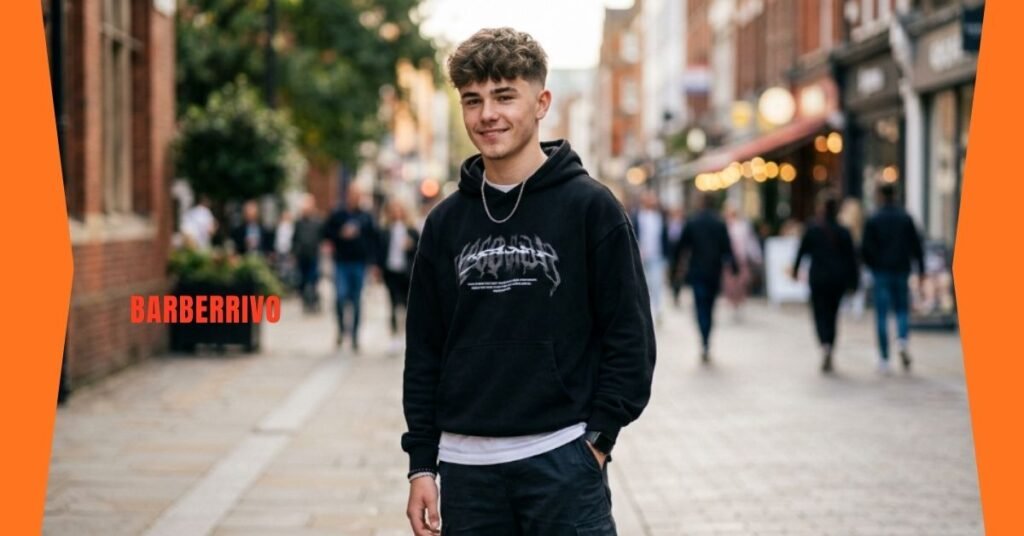
Trends move fast, but a handful of shapes keep showing up on every list of trendy boys haircut picks. Fades and tapers dominate right now, paired with textured tops that need almost no product to look good. Fringes are back too, especially messy, face-framing fringe styles that soften sharp features.
Below, you’ll find fifty teenage boys hairstyle options grouped loosely by type: fades and tapers first, then crops, fringes and part styles, volume-driven cuts, and finally textured, wavy, and longer looks. Read through a few that catch your eye, then bring the name (or a photo) to your next appointment.
Low Taper Fade
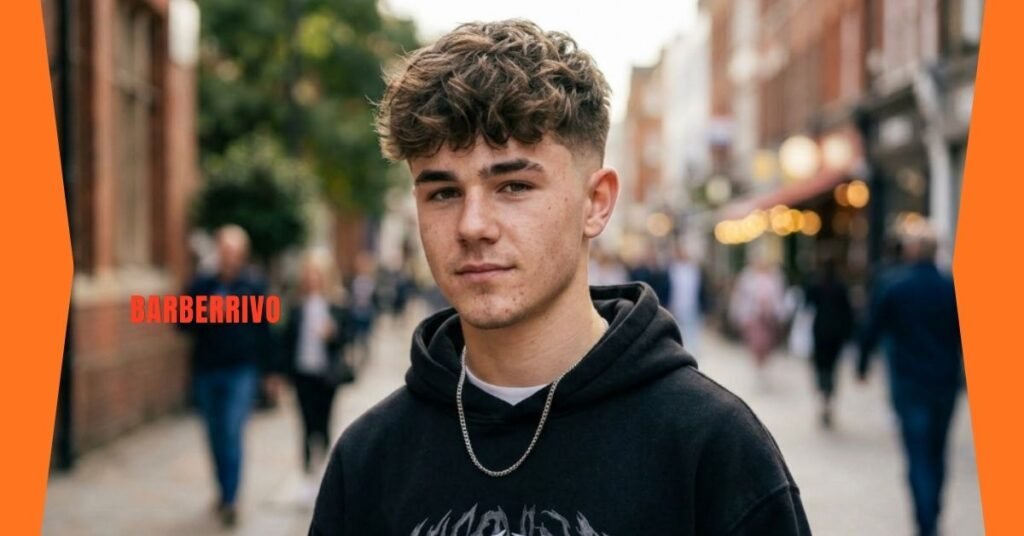
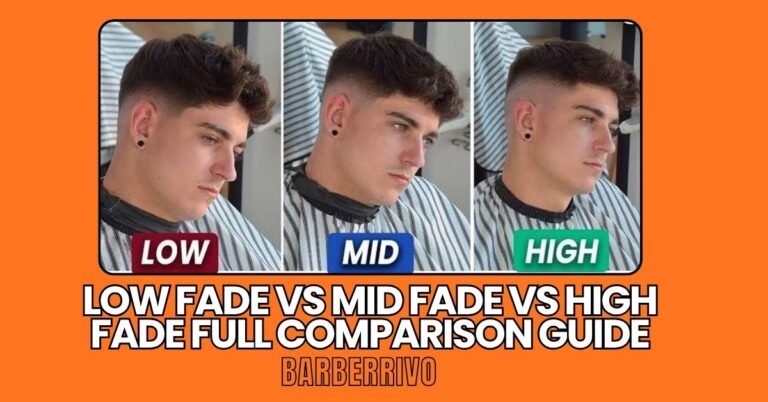
A low taper fade keeps the fade line close to the ears instead of climbing high up the head. It suits guys who want a clean fade without looking like they just left basic training. On top, longer hair gets more room to move, so wavy or curly texture stands out instead of getting buzzed away. Ask for a “low taper” and a barber will know exactly what you mean. It’s one of the safest entry points if you’ve never had a fade haircut for teens before, since it grows out slowly and still looks decent after three weeks.
Mid Taper Fade
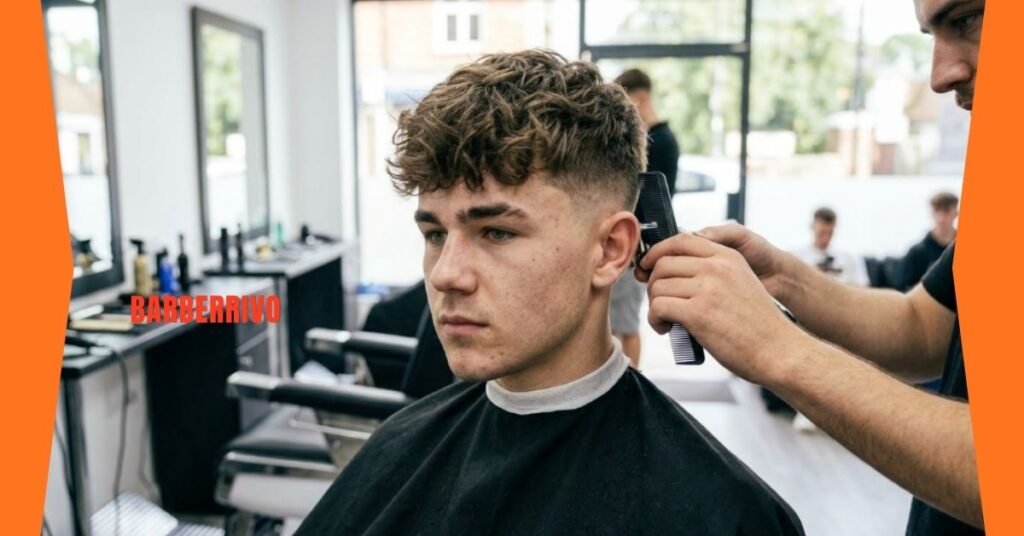
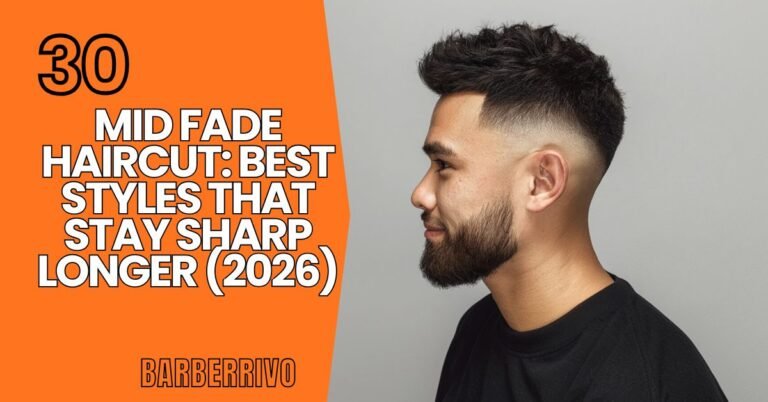
Somewhere between subtle and bold sits the mid taper fade, and that’s exactly why it works for so many face shapes. The mid fade fringe starts around the temple, giving a bit more contrast than a low fade without going full skin-fade drama. Guys with straight or wavy hair get the most out of this one, since the top can be styled forward, back, or left messy depending on the day. It’s a dependable middle ground when you’re not sure how bold you want to go.
High Taper Fade
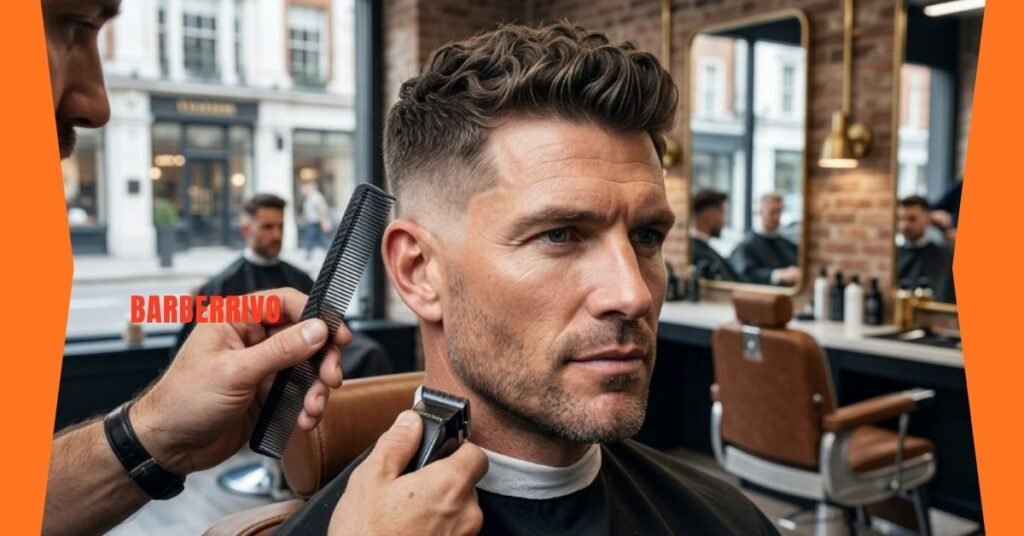
Push the fade line up near the crown and you get a high taper fade, one of the boldest entity / topical keywords in modern barbering. This cut draws the eye upward, which works well on round or square faces looking for extra height. Thick, curly hair looks especially good here, since the contrast between the shaved sides and the full top creates real drama. It needs slightly more upkeep than a low fade, since the short sides grow out faster and start looking patchy after a month.
Taper Fade
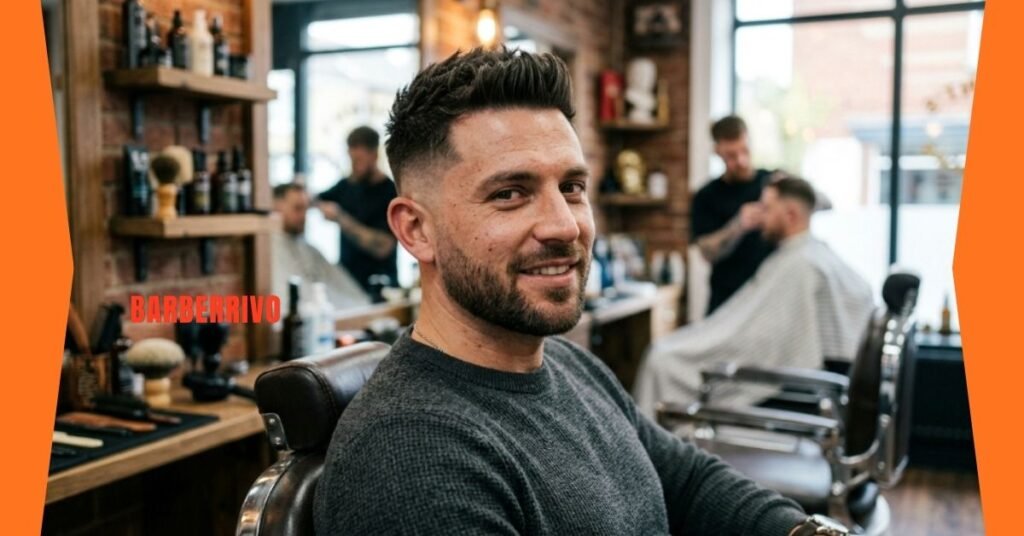
The plain taper fade is the baseline every other fade variation gets compared to. Hair gradually shortens from the top down to the neckline, with no hard line where sides meet skin. It works with almost any hair type, from pin-straight to tightly curled, and it never really goes out of style. If you’re new to asking for fades, this is the safest phrase to start with, since almost every barber on the planet knows this exact cut.
Blowout Taper
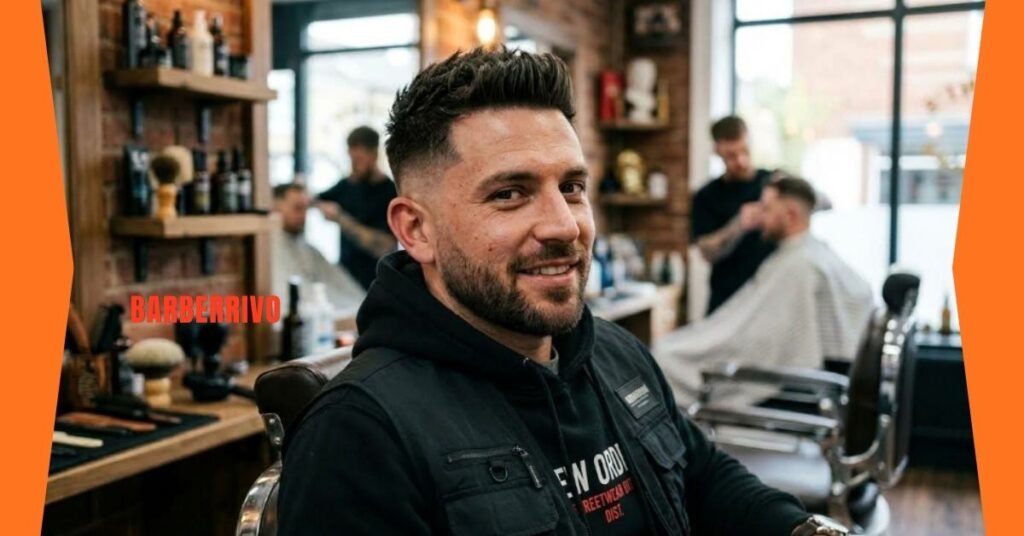
Picture a taper fade with the top blown out and lifted toward the back, and you’ve got the blowout taper. It builds real height at the crown, which flatters guys with thinner hair looking for extra fullness. A round brush and a blow dryer do most of the work here, pulling hair up and back while it’s still damp. Volume on top is the whole point of this style, so skip heavy products that would weigh the lift back down.
Burst Fade
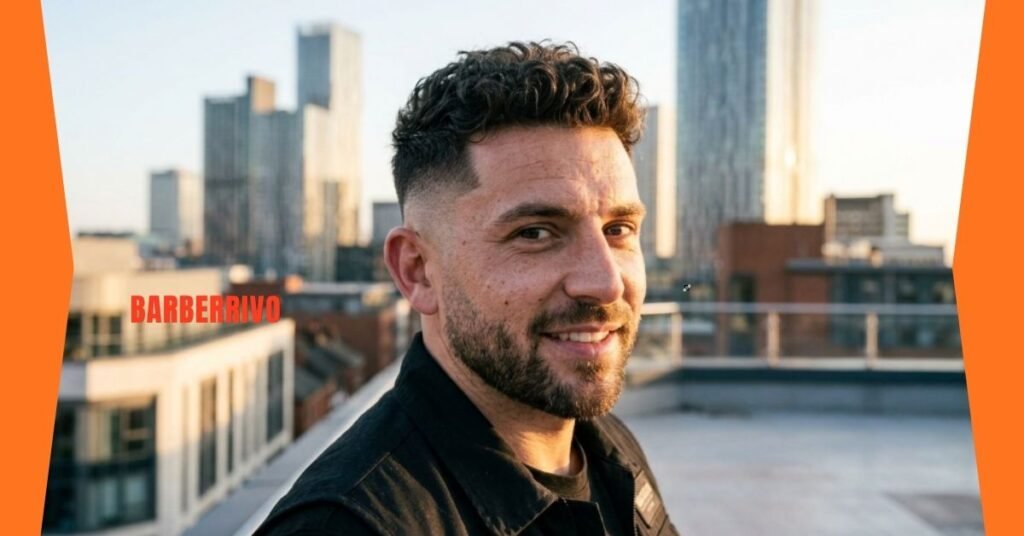
A burst fade only fades tightly around the ear, leaving the rest of the perimeter longer for a rounded, flared shape. Curly-haired guys gravitate toward this one because it lets the curls flare out naturally at the back and sides. It’s a great pick if you want a fade without committing to short hair everywhere. The barber fade technique needed here takes a bit more skill, so it’s worth finding someone who’s done bursts before.
Drop Fade
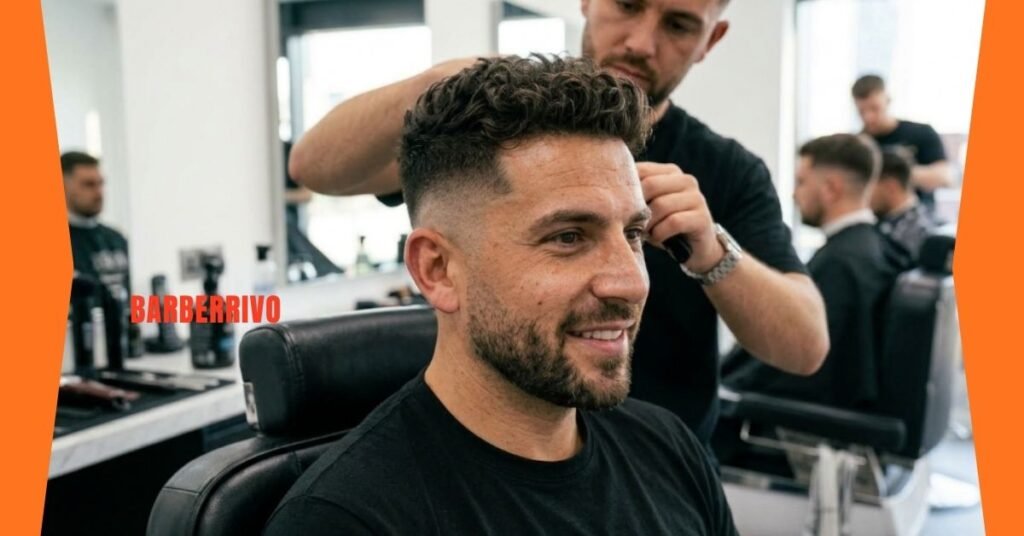
Instead of running in a straight line, a drop fade curves downward behind the ear before leveling back out. That subtle dip changes the whole shape of the haircut, making the head look rounder and the top look fuller by comparison. It pairs beautifully with longer, textured tops, since the curved fade line balances out extra length. This is a favorite among guys who already have a preferred top style but want a fresher, more current base underneath.
Skin Fade
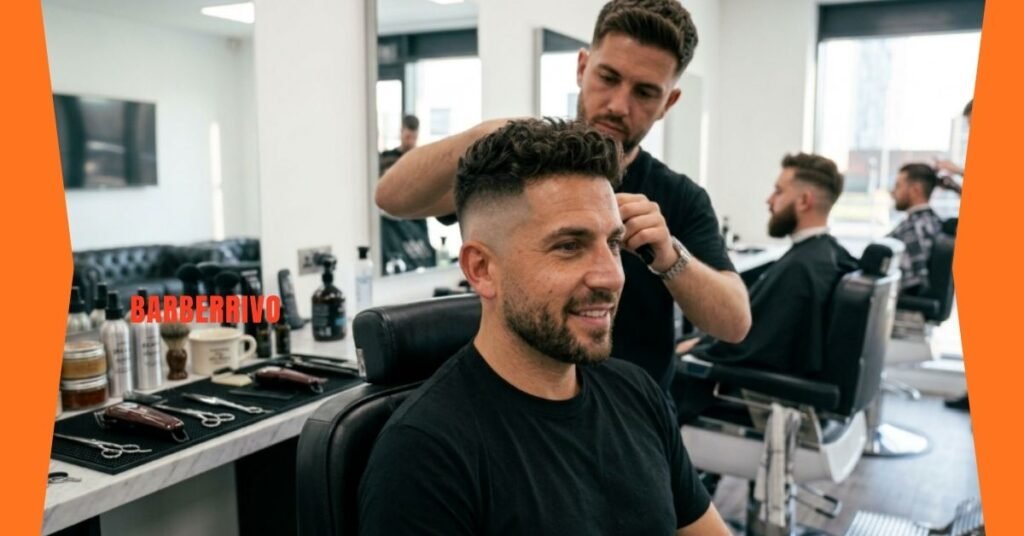
When the sides fade all the way down to bare skin, you’re looking at a skin fade, the sharpest possible option on this list. Contrast is the whole appeal: a fully shaved perimeter next to a fuller, textured top. It reads as bold and modern, though it does need a touch-up every two to three weeks to stay crisp. Guys with thick or curly hair often choose this route because the extreme contrast really lets natural texture shine on top.
French Crop
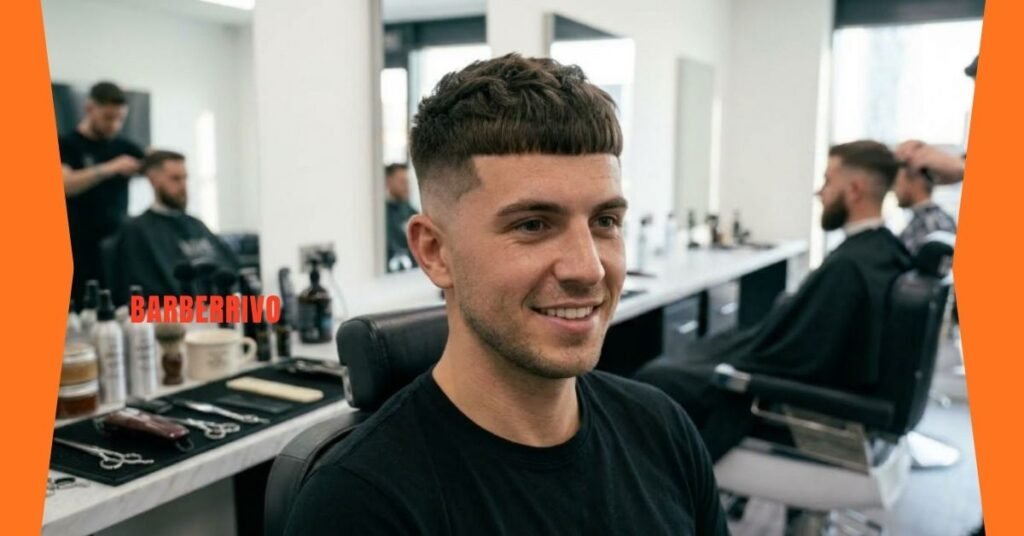
The French crop pairs a blunt, straight-across fringe with tightly faded sides, and it hasn’t lost popularity in years. Length on top stays short, usually just long enough for a bit of choppy texture along the front. It’s low-effort to style, since a small amount of product and a quick finger-comb through damp hair gets the job done. Straight and thick hair both work well here, since the fringe holds its shape without much fuss.
Textured Crop
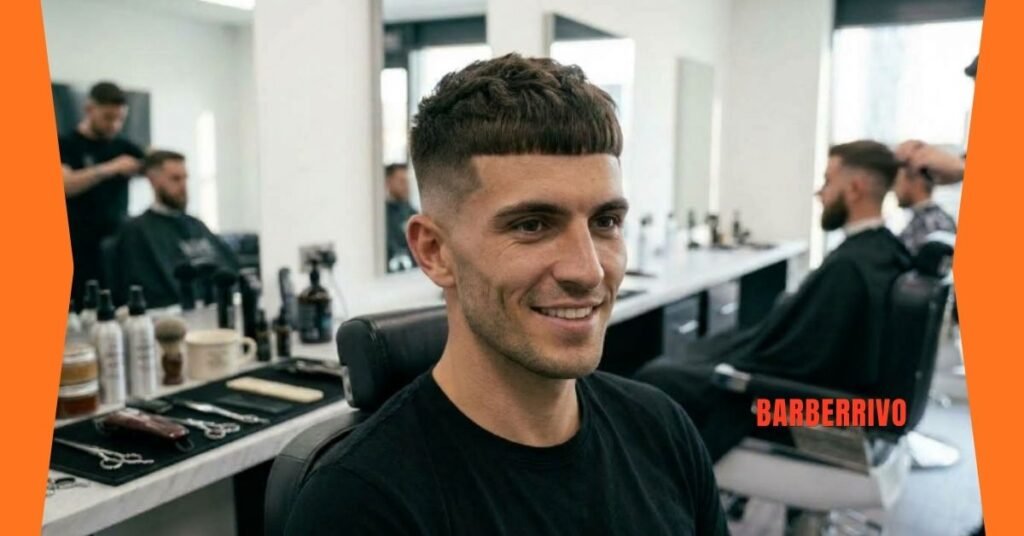
A textured crop takes the same short-on-top idea as the French crop but leans into a rougher, choppier finish instead of a blunt line. Choppy texture across the top gives it a lived-in, effortless feel that looks intentional rather than messy. Wavy hair suits this cut especially well, since the natural bend adds even more movement to the already-textured top. It’s a go-to pick for guys who want something that looks styled in under two minutes.
Curly Crop
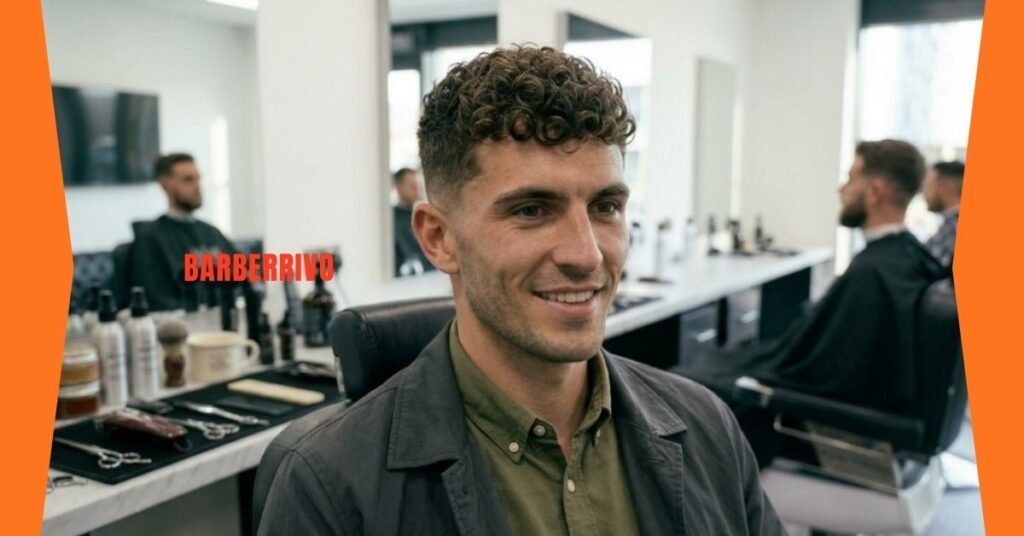
For naturally curly hair, the curly crop keeps curls short and tight on top while fading the sides down clean. It works with your hair’s natural pattern instead of fighting it, which means less frustration and fewer flat spots. A little curl cream or texture powder scrunched in while damp helps define each curl without weighing it down. This is genuinely one of the easiest haircut for wavy hair boys and curly hair boys to maintain day to day.
Edgar Cut
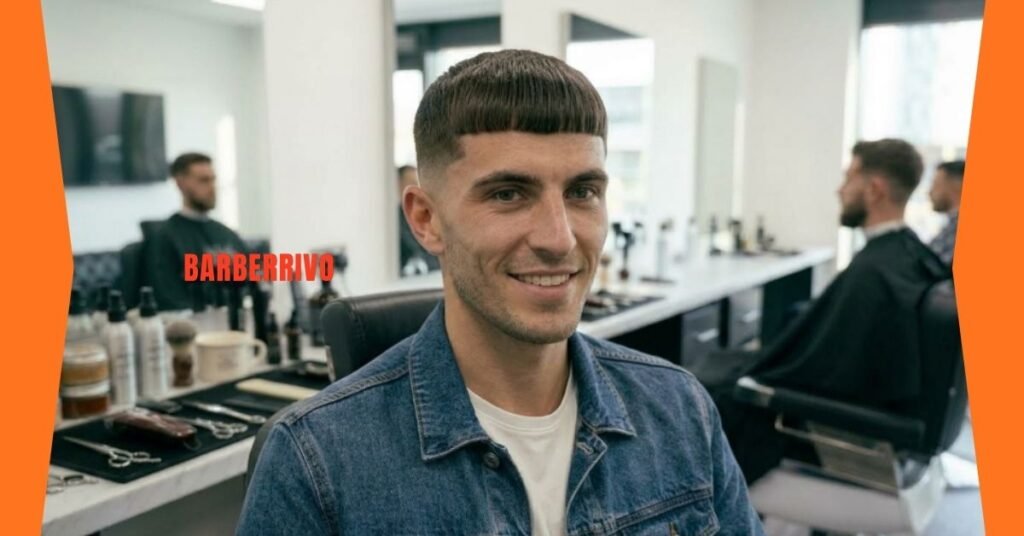
Named after its sharp, straight-across fringe, the Edgar cut has become a genuine trend among teens over the last couple of years. A rounded, fuller top sits above tightly faded sides, with that blunt fringe line doing most of the visual work. It’s bold and a little polarizing, so it helps to bring a photo when asking for this one specifically. Straight, thick hair holds the fringe shape best, though barbers can adapt it for wavier textures too.
Caesar Cut
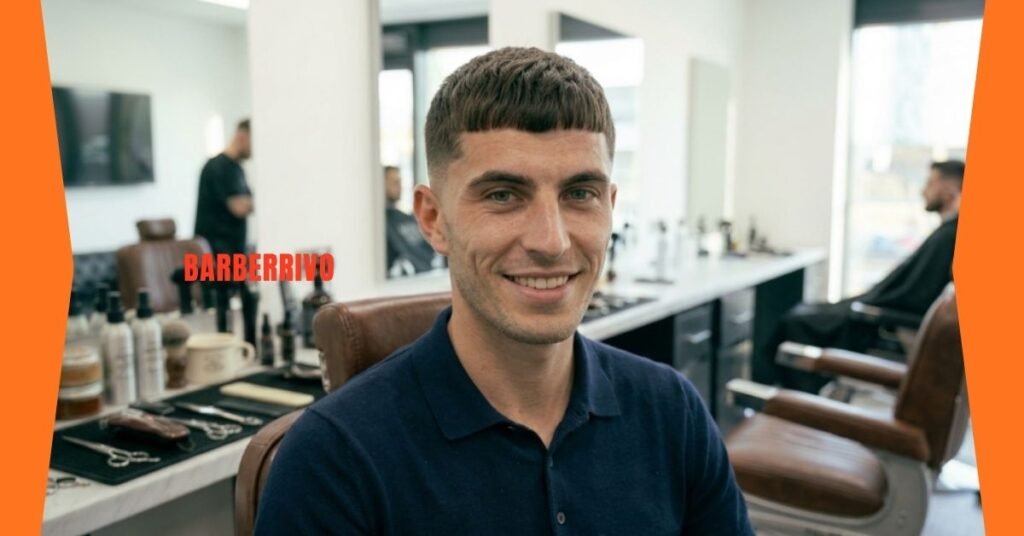
Julius Caesar apparently started a trend that’s still going two thousand years later. The Caesar cut keeps hair short all over, with a straight fringe brushed forward across the forehead. It’s about as low-maintenance styling as a haircut gets, since there’s barely any length to manage. Busy teens juggling school and sports tend to love this one, since it looks neat straight out of the shower with zero product required.
Crew Cut
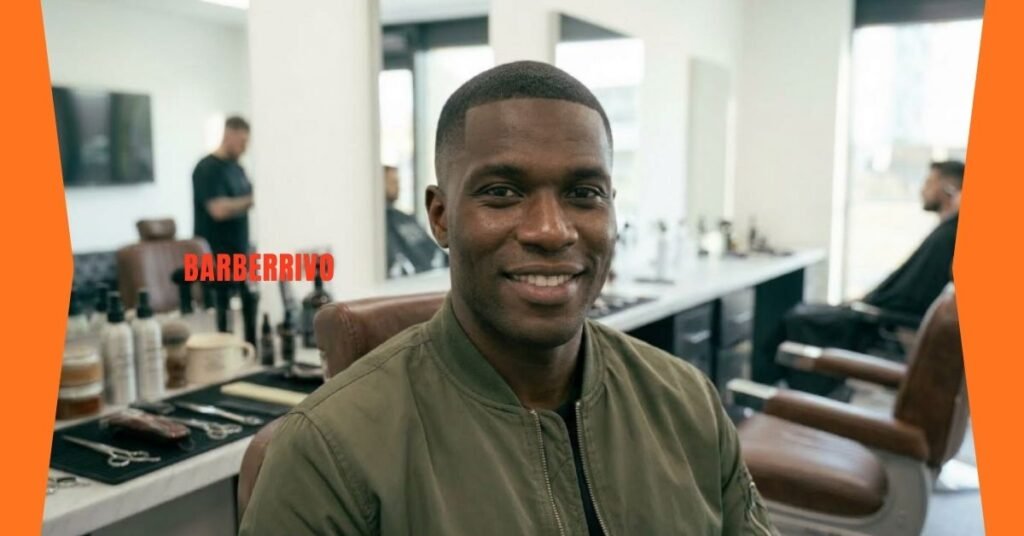
A step up in length from a buzz cut, the crew cut keeps the top slightly longer with tight, faded sides underneath. It’s a genuinely timeless school haircut for boys, neat enough for any dress code and easy enough to style in under a minute. A small amount of texture clay through damp hair adds definition without looking overdone. This cut also tends to grow out gracefully, which means fewer trips back to the barber chair.
Buzz Cut
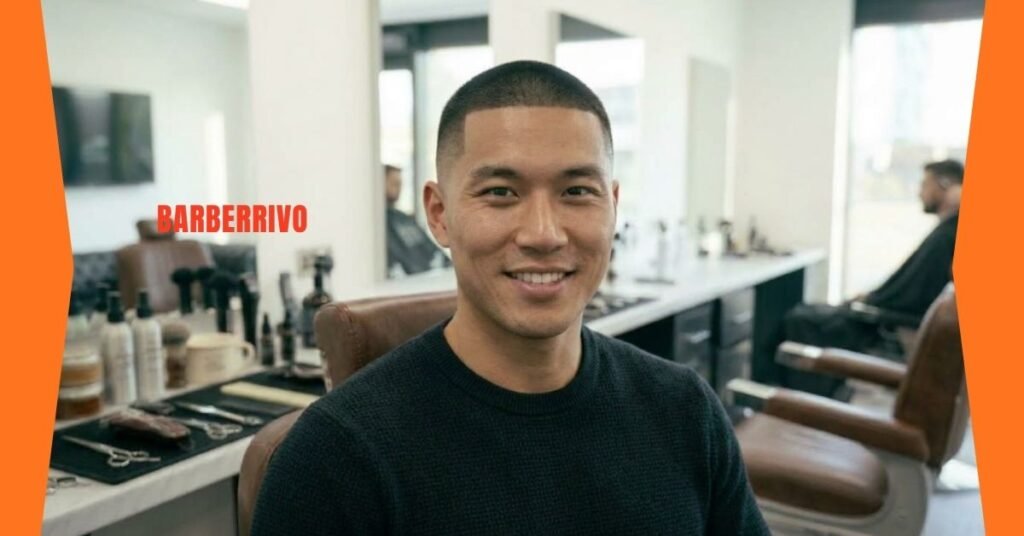
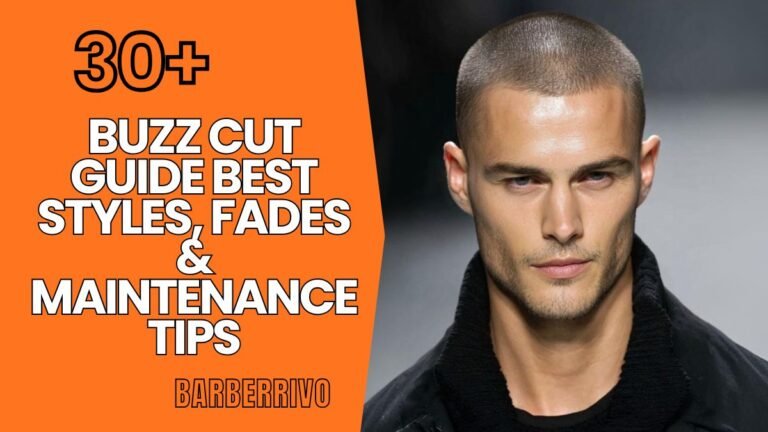
Nothing beats a buzz cut for pure simplicity. Clippers run over the entire head at one guard length, leaving short, even hair with no styling required whatsoever. It’s the ultimate everyday hairstyle for teens who’d rather spend their mornings sleeping in than fighting with a hairdryer. Sports teams love it, hot summers love it, and busy parents definitely love how cheap and quick the upkeep is.
High and Tight
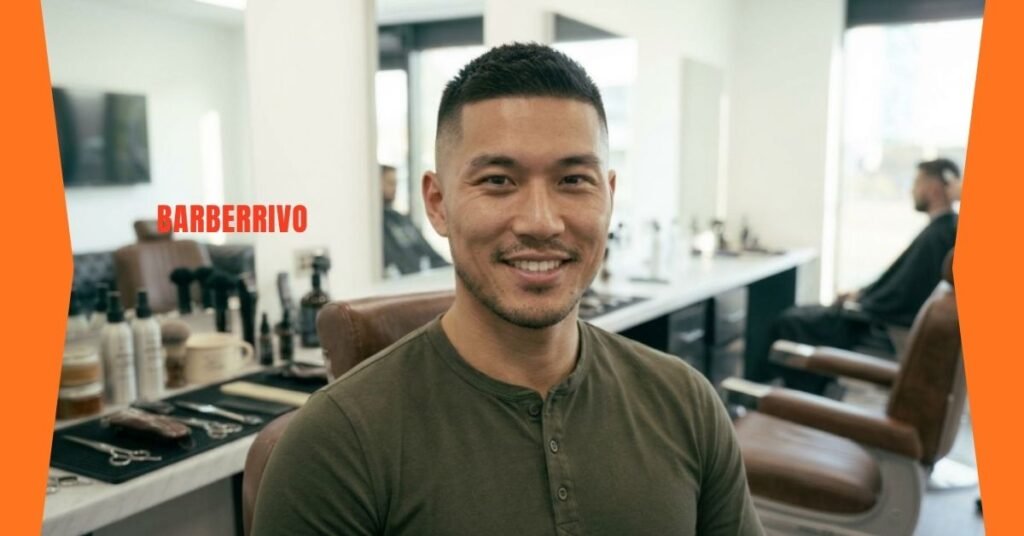
Borrowed straight from military style, the high and tight shaves the sides and back down to skin while leaving just a short patch of length on top. It’s about as low-maintenance as a modern haircut trend can get, needing a touch-up every two weeks at most to stay sharp. Thick or wavy hair on top can be styled forward, spiked, or left alone entirely. It’s a strong pick for athletes who need a haircut that survives helmets and headbands without losing shape.
Textured Fringe
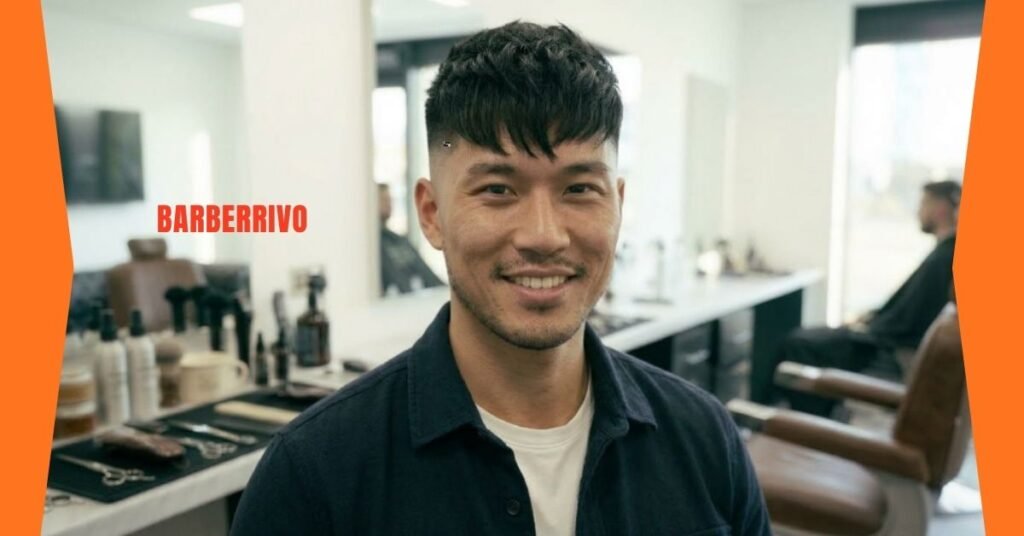
A textured fringe haircut brings choppy, lifted pieces forward across the forehead, paired with faded or tapered sides for contrast. Natural movement through the top is the goal here, not a stiff, sprayed-in-place fringe. Wavy and curly hair naturally lend themselves to this shape, since the texture is already halfway there before a barber even touches it. A dime-sized amount of clay worked through with fingers, not a comb, keeps the finished look loose and current.
Messy Fringe
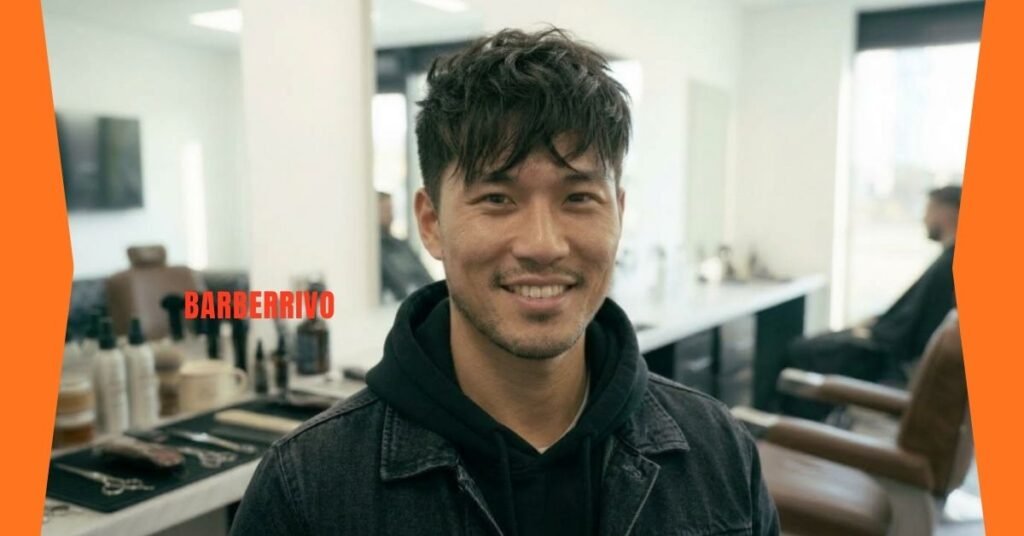
Where a textured fringe still looks somewhat deliberate, a messy fringe hairstyle leans all the way into undone, just-rolled-out-of-bed texture. Uneven strands fall forward across the forehead, and that’s exactly the point. It’s forgiving on lazy mornings, since a quick scrunch with a bit of sea salt spray brings the whole thing back to life. Straight hair needs a touch more product here than wavy or curly hair to fake that natural, broken texture.
Angular Fringe
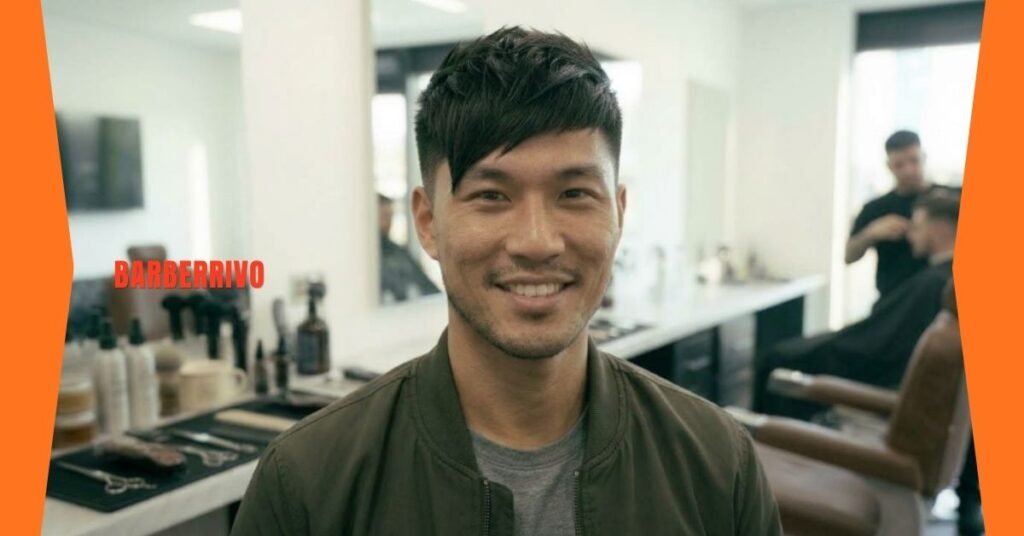
An angular fringe cuts across the forehead at a sharp diagonal rather than straight across, giving the whole face a more striking frame. It’s bolder than a standard fringe and tends to suit guys who already lean toward confident, statement-making style choices. Length stays longer on top to allow that dramatic sweep, while the sides stay short and out of the way. Styling cream, worked through with fingers rather than a brush, holds the angle without stiffening it.
Side Swept Fringe
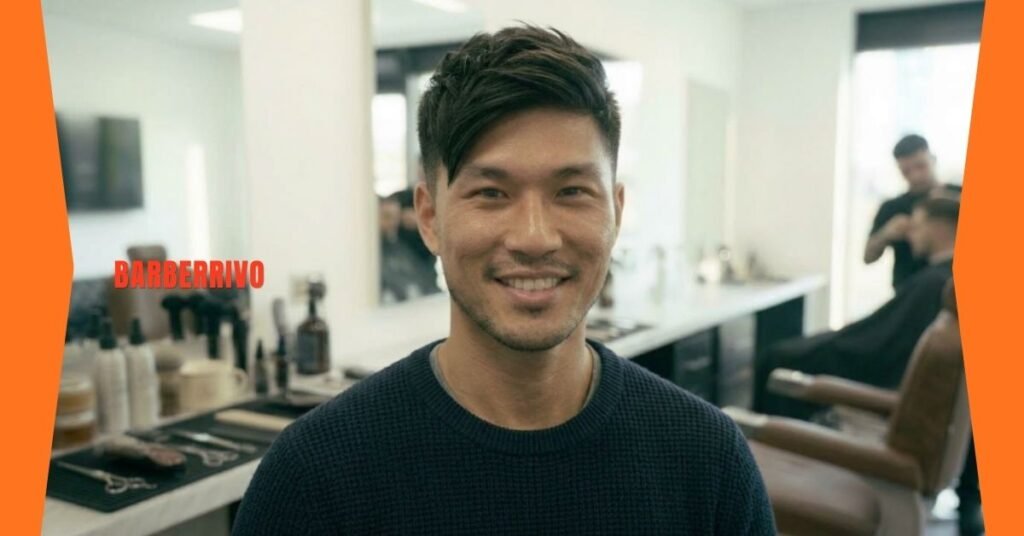
A side swept fringe angles gently across the forehead instead of hanging straight down, creating a softer, more youthful frame around the face. It flatters oval and heart-shaped faces particularly well, since the diagonal line balances out a narrower chin or wider forehead. This is a gentler cousin of the angular fringe, less dramatic but just as easy to maintain. A light styling cream keeps flyaways controlled while letting the natural fall of the fringe do the heavy lifting.
Curtain Bangs
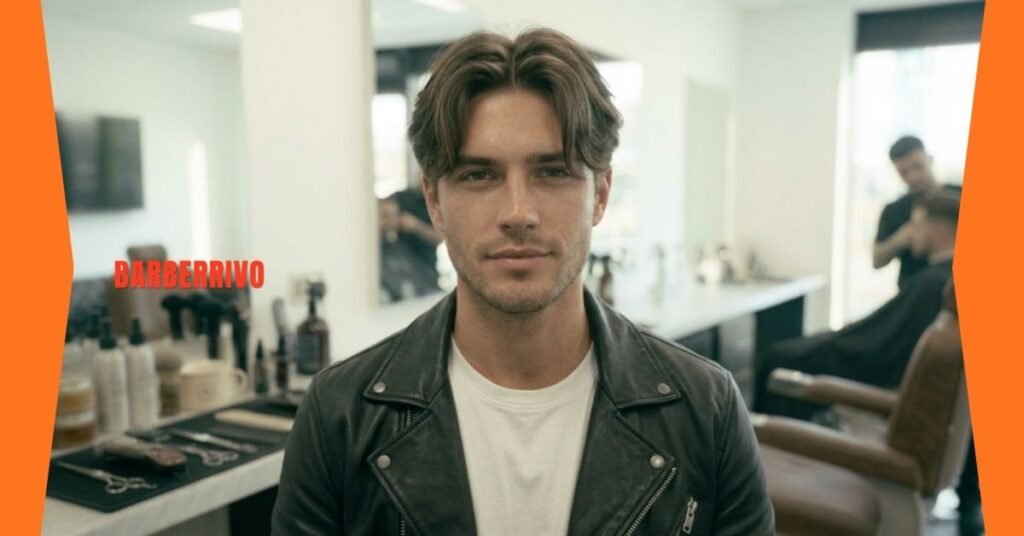
Curtain bangs split down the middle and fall to either side of the face, framing it the way an actual curtain frames a window. This curtain haircut has been everywhere on social media over the past few years, and it’s stuck around for good reason. Straight to slightly wavy hair holds the shape best, parting cleanly without flipping back annoyingly. A round brush and some heat while blow-drying help train the curtain shape early on.
Middle Part
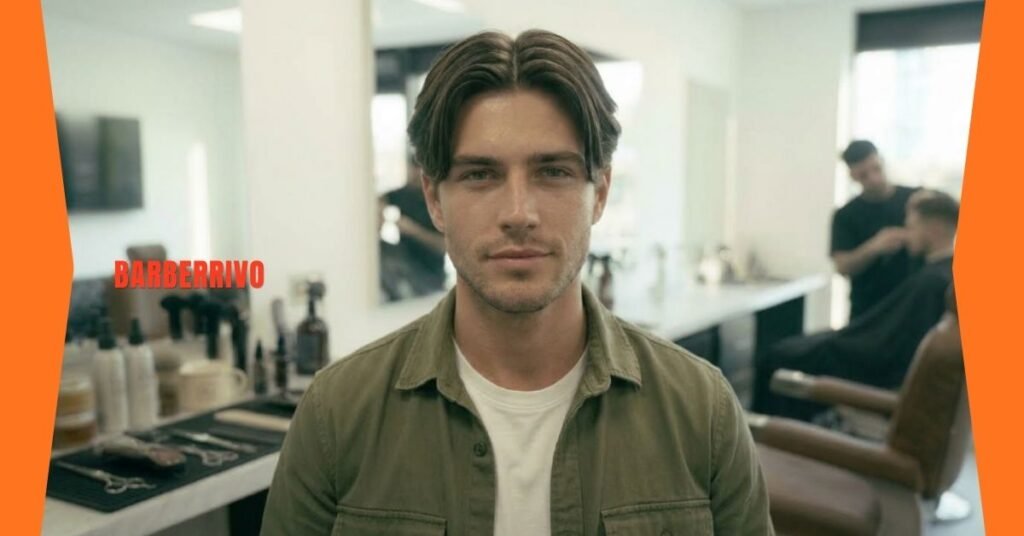
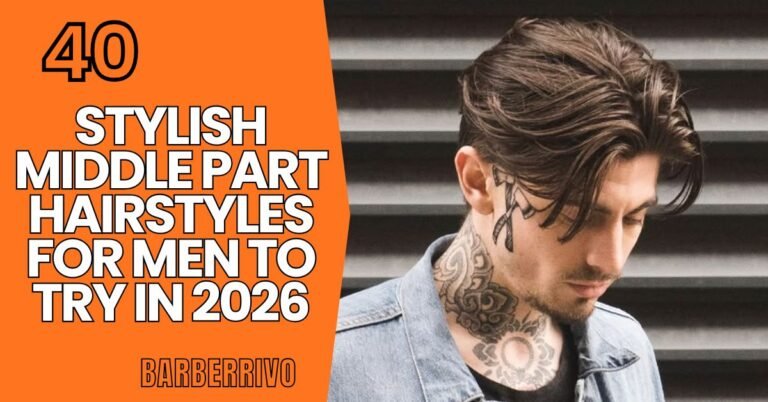
A clean middle part splits longer hair evenly down the center, letting it fall naturally on both sides of the face. It reads as slightly more grown-up than a side part, closer to what you’d see on older brothers or older-skewing celebrities. Straight hair suits this cut most, since wavy or curly texture tends to fight a perfectly even part. It needs a bit more daily maintenance than shorter cuts, mainly just a comb-through and maybe a touch of cream.
Two Block Haircut
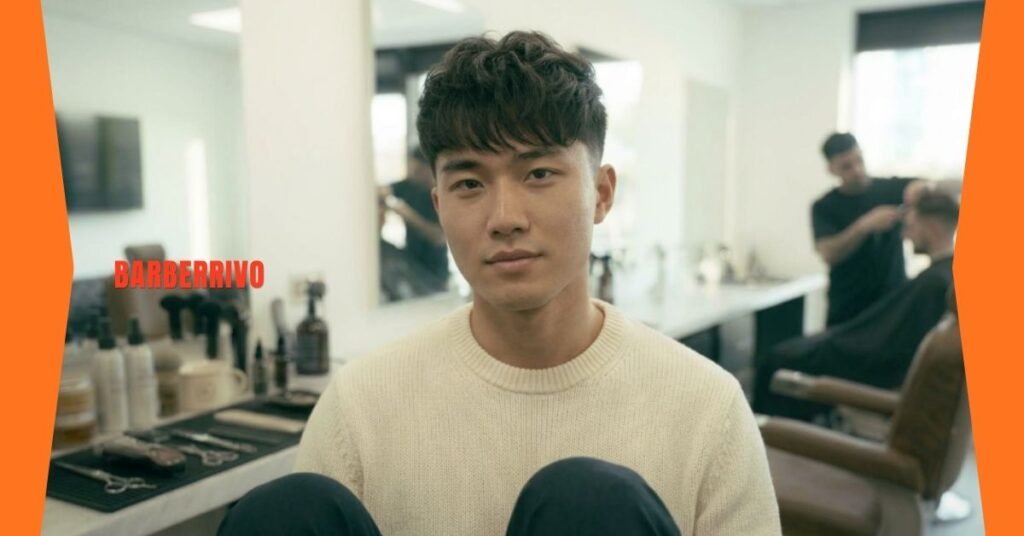
Borrowed from Korean street style, the two block haircut pairs very short sides with noticeably longer length on top, creating a clear visual “block” between the two. Dark, straight hair tends to photograph best in this style, though it adapts fine to wavy textures too. The longer top can be swept forward for a softer look or pushed back for something sharper. It’s become one of the more requested trending teen hairstyles among guys who follow K-pop and streetwear trends.
Ivy League Haircut
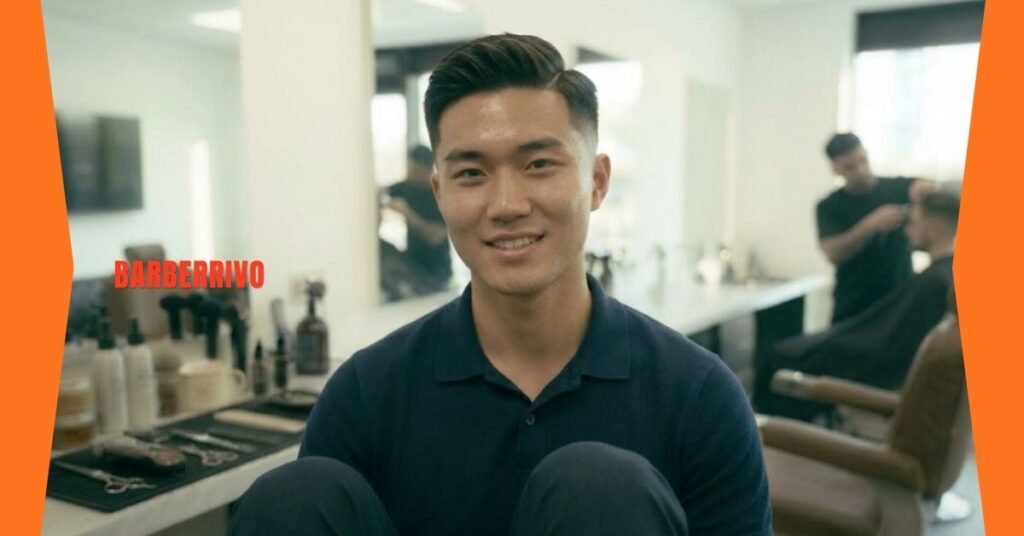
Think of the Ivy League haircut as a slightly longer, more relaxed cousin of the crew cut, with enough length on top to brush neatly to one side. It splits the difference between formal and casual, working just as well for school photos as it does for weekend hangouts. Short, clean sides keep it tidy, while the longer top adds a bit of natural volume. This is a dependable stylish school haircut pick for teens who want something polished without looking stiff.
Side Part
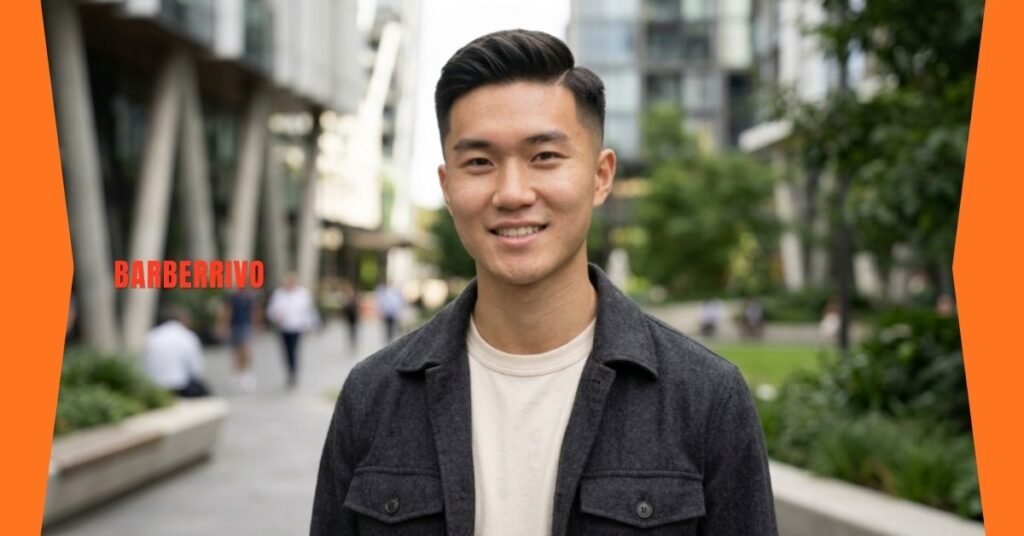
A classic side part brushes the top neatly to one side, separated by a defined part line that’s been a menswear staple for generations. It’s the most formal-looking option on this list, ideal for school photos, interviews, or any event where “neat” is the assignment. Tapered sides keep the focus on the top, and a light styling cream adds shine without heavy hold. It’s not the flashiest cut here, but it’s reliably sharp every single time.
Hard Part
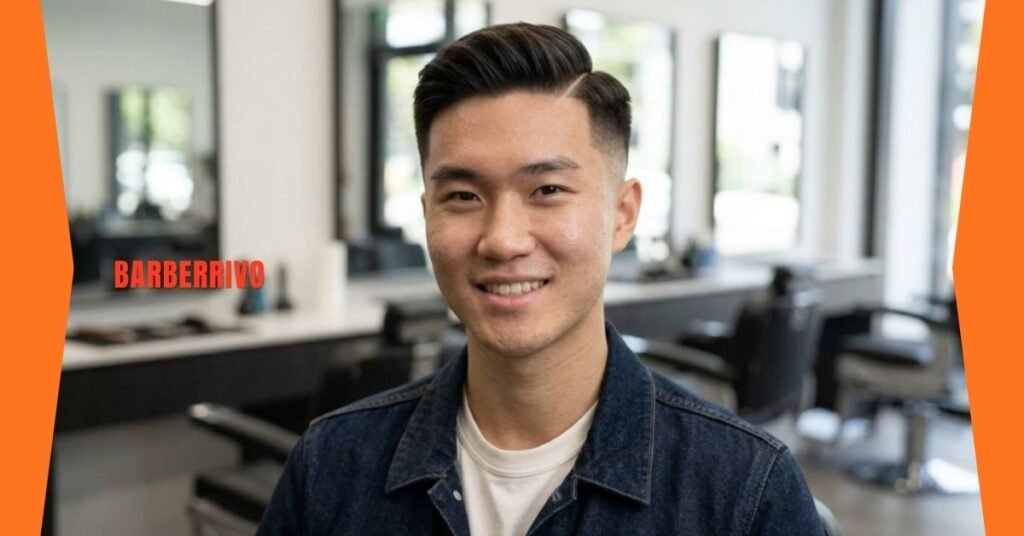
A hard part takes the classic side part and adds a razor-thin shaved line to separate the sections, making the split impossible to miss. It’s a bolder statement than a regular part, popular with guys who want extra precision in their look. Thicker hair on top gets pushed up and back for volume, while the hard line stays crisp for about two weeks before it needs a refresh. Barbers use actual razors for this detail, so it’s worth booking with someone experienced.
Comb Over
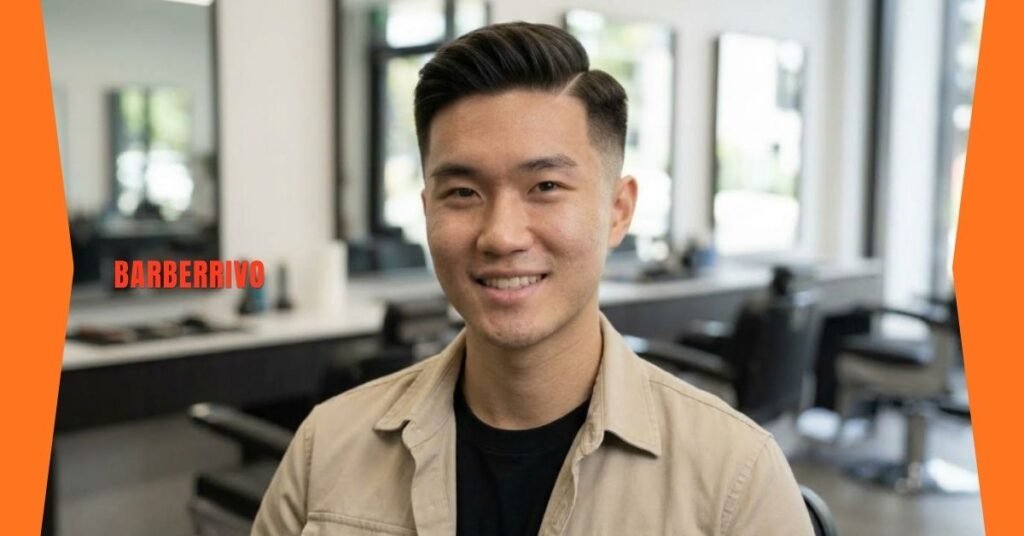
The comb over sweeps longer top hair to one side over shorter sides, creating natural volume and a polished, put-together finish. It’s a step more casual than a formal side part, with a bit more movement and less rigid structure. This is a genuinely flattering haircut with fringe-adjacent option for younger teens who want to look sharp without seeming overly formal. A little molding paste worked through damp hair helps the top hold its lifted shape through a full school day.
Slick Back
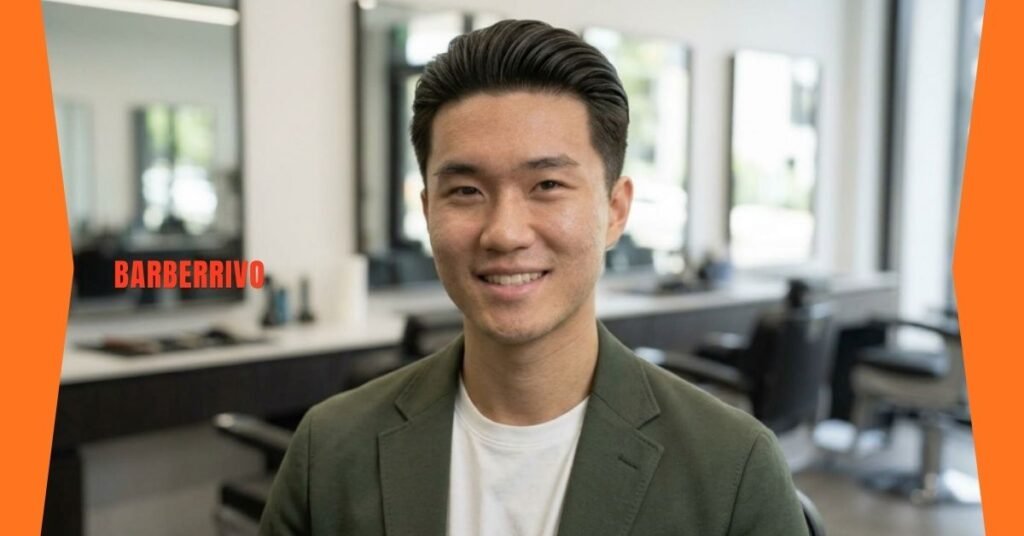
Brushing the entire top straight back creates the slick back, a look that reads instantly polished and a little retro. Short, faded sides keep attention on the smooth, controlled top, and a touch of pomade adds shine along with hold. It’s not an everyday cut for most teens, but it’s a great option for formal events, dances, or photos where a little extra shine feels appropriate. Straight to slightly wavy hair slicks back the most evenly.
Pompadour
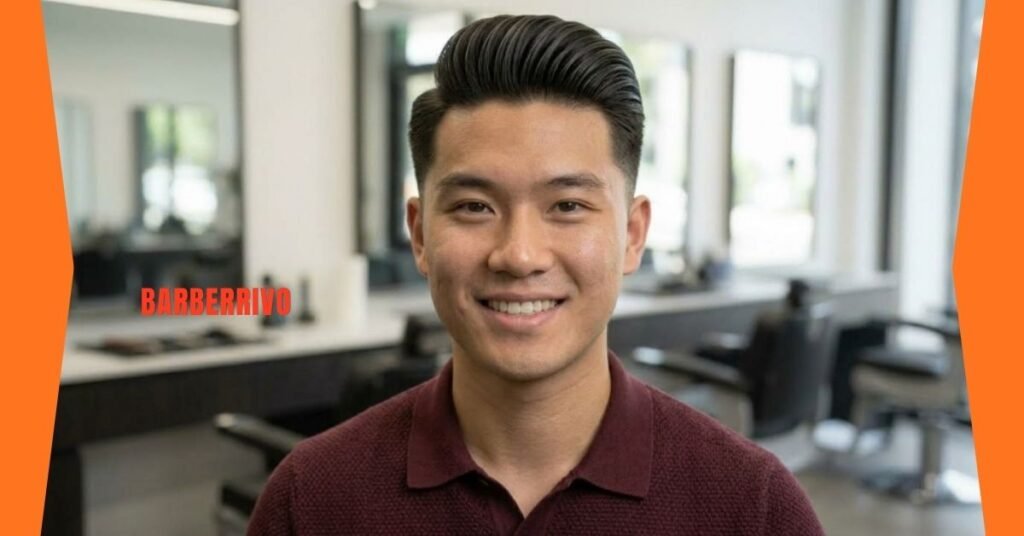
The pompadour pushes long top hair up and back into a tall, structured shape, with short, tapered sides providing contrast underneath. It takes real commitment, both in growing out the top and in daily styling time, but the payoff is serious visual impact. Thick hair holds the height best, though a strong pomade can help thinner hair fake the same lift. This is one of the boldest modern teen hairstyle choices for a guy who genuinely enjoys the styling process.
Messy Quiff
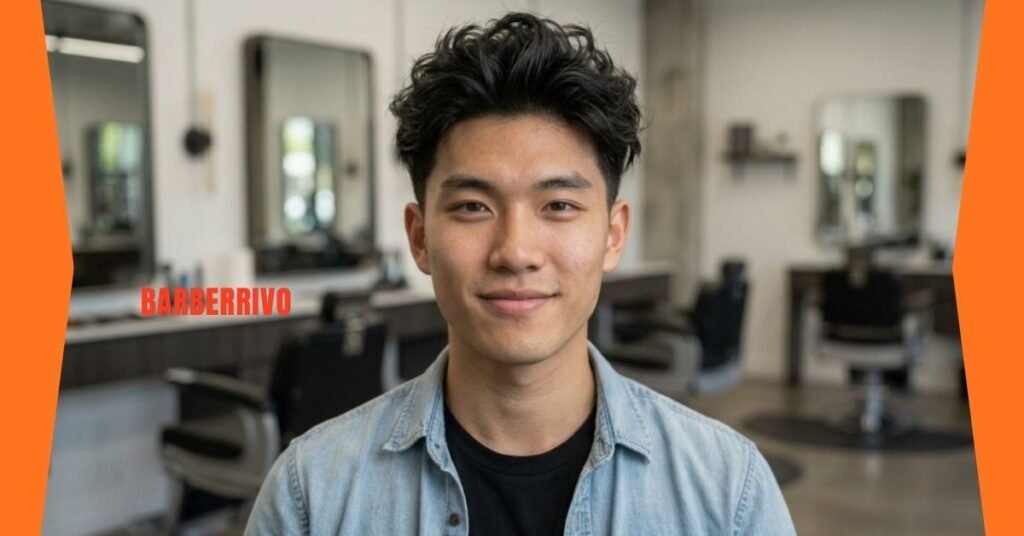
A messy quiff takes the pompadour’s lifted front and loosens it up considerably, trading sleek control for relaxed, textured height. The top pushes upward and slightly forward, landing somewhere between “just woke up” and “actually tried.” Short sides keep the focus up top, and a bit of molding paste gives grip without stiffness. It’s an easier daily style than a full pompadour, which is exactly why it’s so popular among busy teens.
Brushed Up Hair
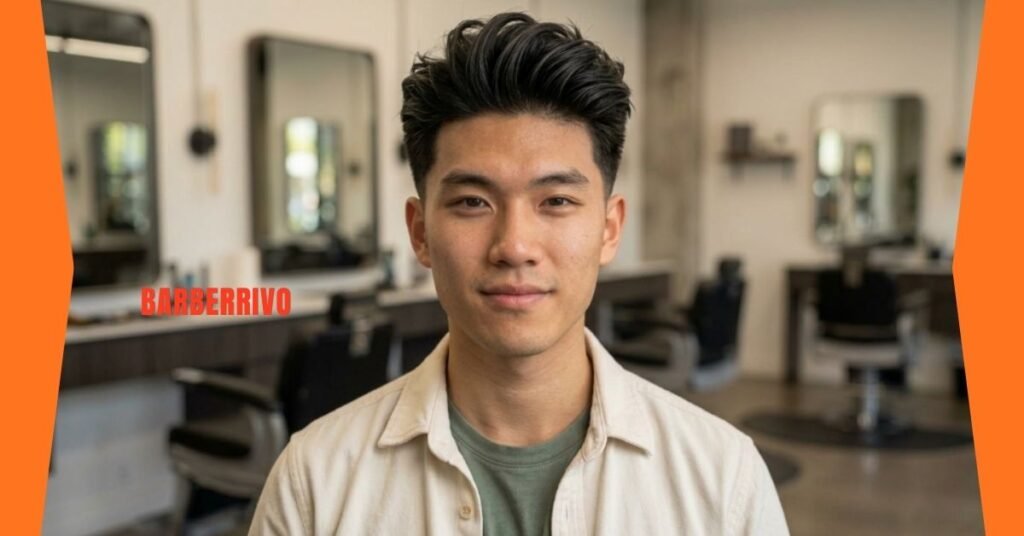
Brushed up hair lifts the entire top section straight upward off the forehead, paired with tightly faded sides for sharp contrast. It reads confident and put-together without requiring the precision of a pompadour or slick back. Blow-drying while lifting at the roots builds the initial height, and a firm-hold paste locks it in for the day. This cut works especially well for teens with naturally thick hair looking for a bit more drama up top.
Spiky Hair
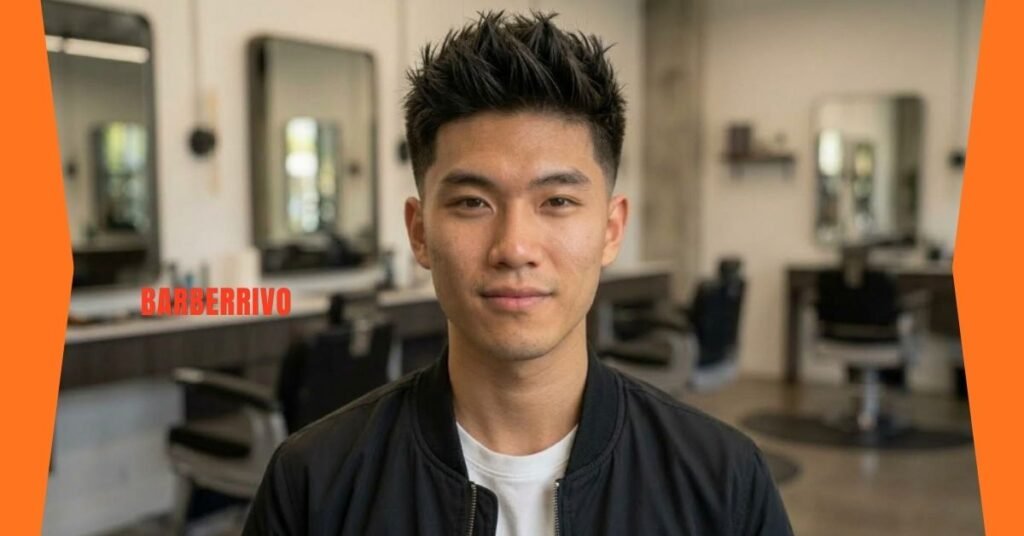
Spiky hair never really left, even if it’s evolved from the razor-sharp gel spikes of the 2000s into something looser and more textured today. Shorter sides pair with longer top sections that get pulled upward into defined points using fingers rather than a comb. Texture clay is the product of choice here, since it grips without turning crunchy the way old-school gel used to. It remains a genuinely cool haircut for boys who want something a bit playful.
Faux Hawk
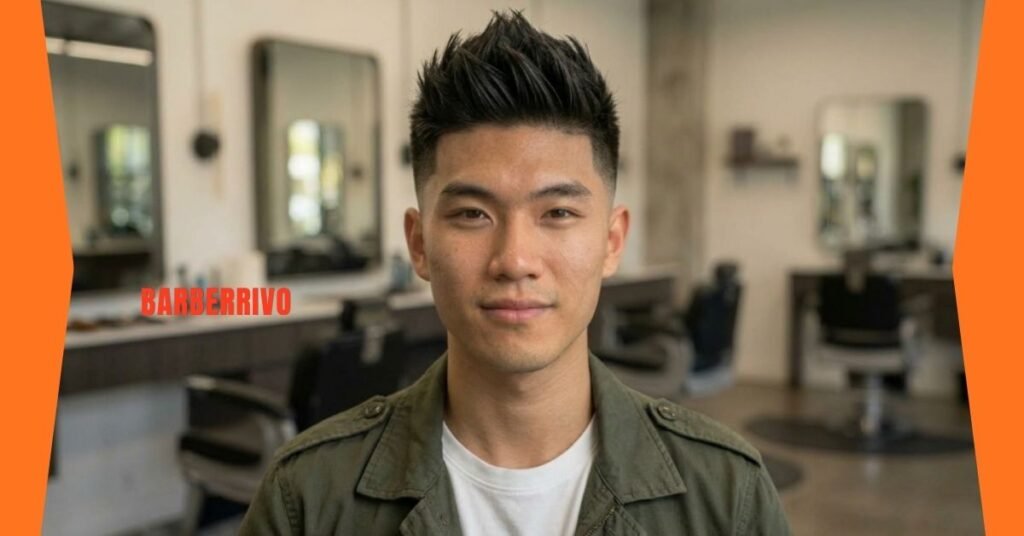
A faux hawk hints at a full Mohawk without shaving the sides completely bare, keeping short (but not skin-faded) hair on either side of a lifted center strip. It’s a middle-ground choice for teens who like the drama of a Mohawk but aren’t ready to fully commit. Choppy layers through the center add texture and movement rather than a stiff, single ridge. This cut reads as edgy but still school-appropriate in most dress codes.
Mohawk
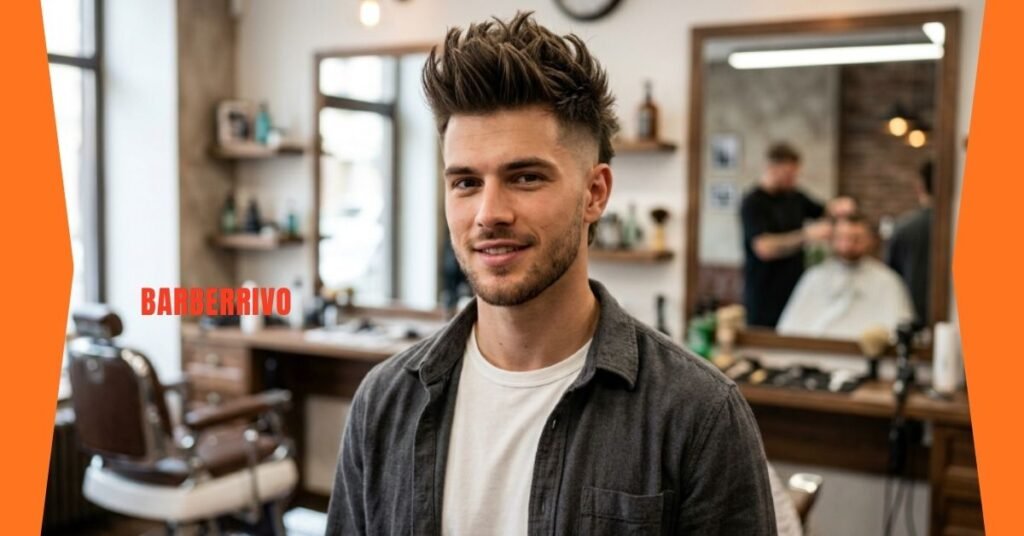
The full Mohawk shaves both sides down to skin, leaving a strip of longer hair running down the center of the head. It’s the boldest statement on this entire list, not a cut for guys who want to blend in. Styling requires lifting that center strip with a strong-hold paste or gel to keep it standing throughout the day. It’s less common as an everyday teen cut, but it shows up often for special events or as a genuine personal style choice.
Modern Mullet
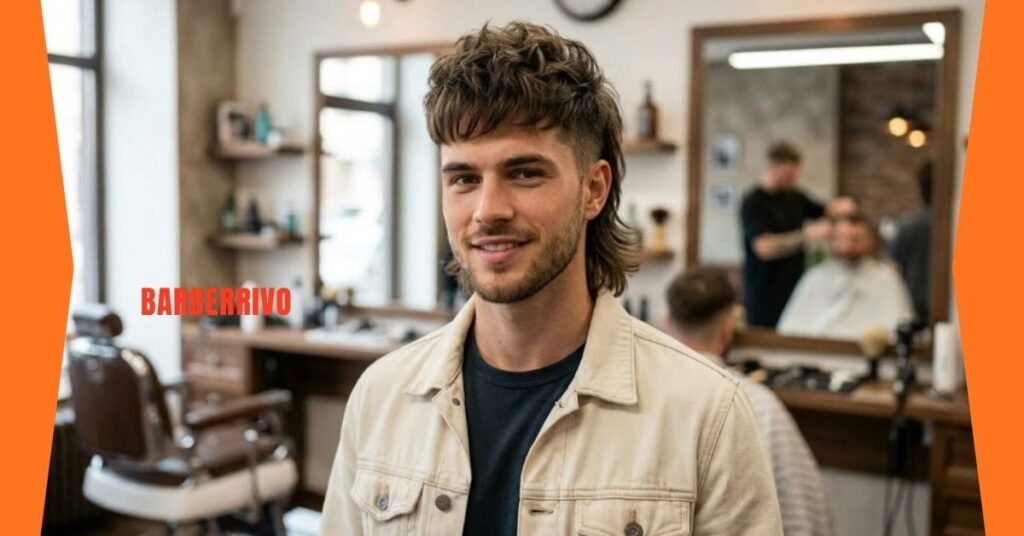
The modern mullet has shed its old reputation and become a legitimate trend among teens chasing something different from standard fades. Short, tapered sides meet noticeably longer length in the back, creating real contrast and movement. Unlike the exaggerated mullets of decades past, today’s version keeps the back more controlled and the top more textured. It’s a genuinely bold best teen hairstyles pick for guys who want a cut people will actually notice.
Wolf Cut
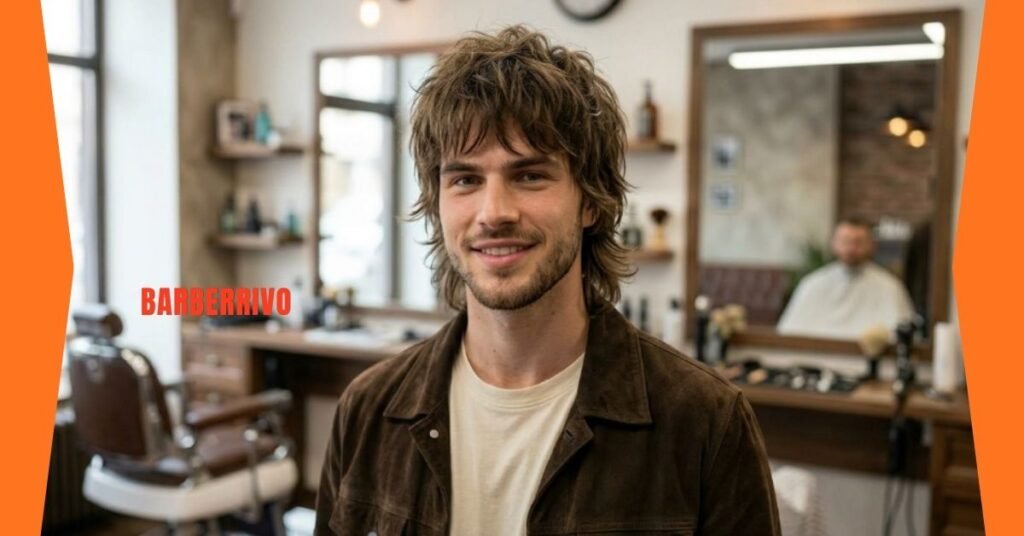
A wolf cut blends mullet energy with shag-style layering, resulting in a choppy, textured shape that flares outward at the ends. The top stays fuller and layered, while the sides and back angle out for that signature lived-in look. Wavy and curly hair suit this style best, since the layers naturally separate without much styling effort. Finger-drying with a bit of texture spray keeps the casual modern look feeling relaxed rather than overly done.
Broccoli Cut
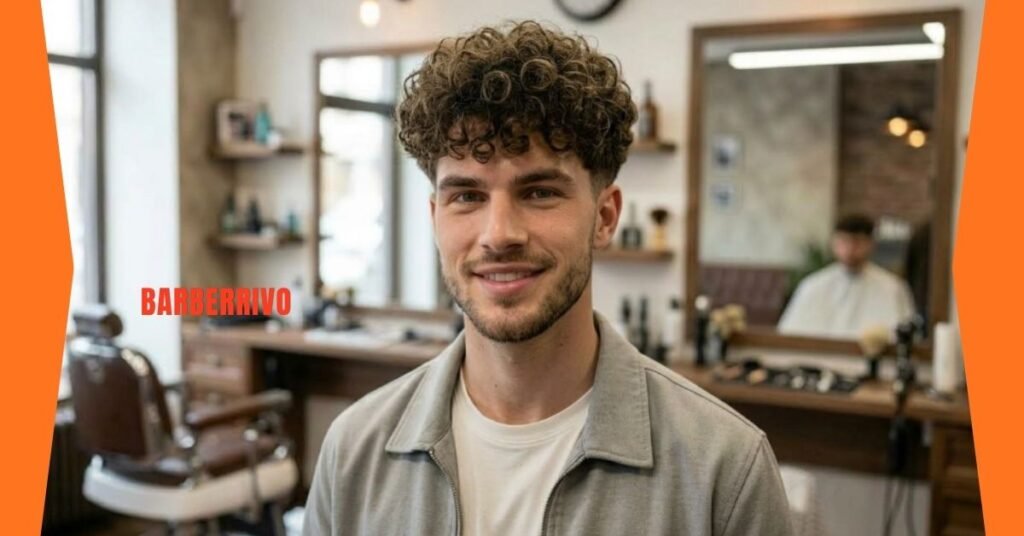
Named for its bouncy, rounded silhouette, the broccoli cut highlights natural curls on top with sharply faded sides underneath. The rounded shape adds real height and draws attention straight to the curl pattern, which is exactly the point. It’s become a favorite among curly-haired teens looking for something trendier than a standard curly crop. A diffuser attachment on the blow dryer helps define curls without frizzing them out during the styling process.
Fluffy Hair Cut
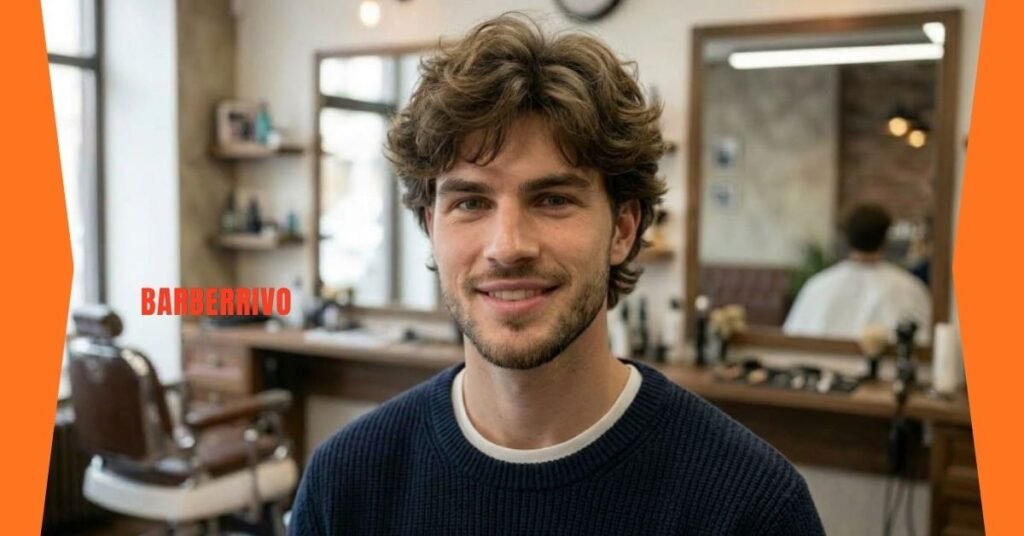
The fluffy hair cut builds soft, lifted volume using medium-length layers that puff up naturally when blow-dried. It has a relaxed, almost boyish charm that works particularly well on younger teens still growing into sharper, more angular cuts. Fine to medium hair benefits most from this style, since thicker hair can sometimes look overly bulky rather than lightly fluffy. A volumizing mousse applied to damp hair before drying keeps the fluff airy instead of heavy.
Bro Flow

Bro flow describes medium-to-long hair that naturally bends away from the face, growing out into soft, easy waves around the ears and collar. It’s about as low-maintenance styling as longer hair gets, needing little more than a quick finger-comb after a shower. This cut suits teens who’d rather grow their hair out than visit the barber every month. A small amount of cream through the ends keeps things looking healthy rather than scraggly as it grows.
Surfer Hair
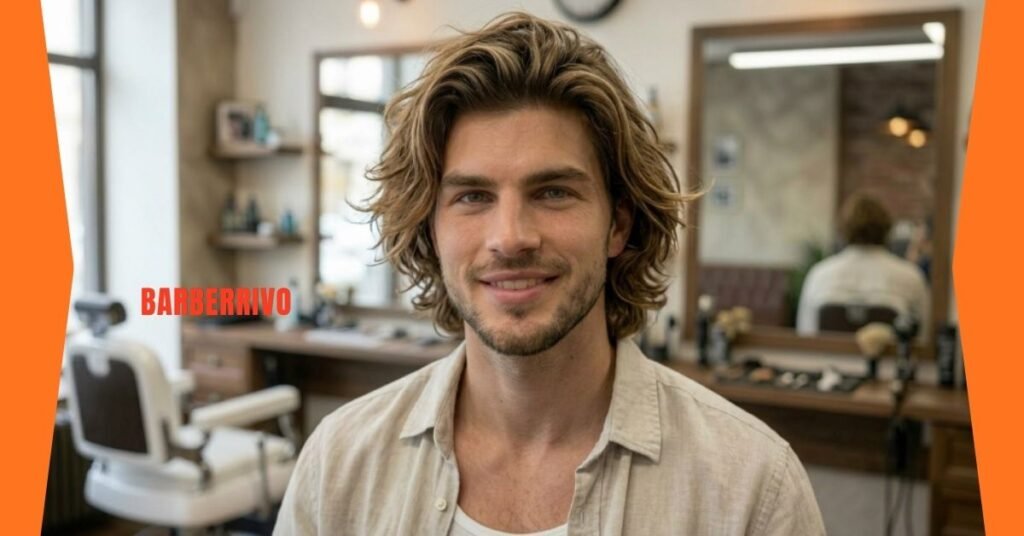
Surfer hair channels a sun-bleached, beach-worn vibe with loose layers and natural waves sitting just past the ears. It looks effortless, though a little product help usually goes into faking that “just came out of the ocean” texture. Sea salt spray is basically mandatory here, adding grip and enhancing whatever natural wave pattern already exists. This is a genuinely relaxed, low-pressure style for teens who want length without much daily fuss.
Tousled Waves

Tousled waves keep the top longer and loosely styled, letting natural or product-enhanced waves move freely in every direction. It sits somewhere between surfer hair and a full shag, with a bit more structure but still plenty of movement. Scrunching in a texture spray while the hair is damp helps waves clump together naturally instead of falling flat. This cut flatters guys who already have some wave in their hair and want to lean into it rather than fight it.
Wavy Hair

For guys who simply have naturally wavy hair, keeping some length around the ears lets that texture actually show instead of getting cut away too short. A light touch with product, usually just sea salt spray or a bit of cream, is often all that’s needed. Straightening or over-drying tends to fight the natural pattern, so air-drying or low-heat drying keeps waves looking healthiest. This is less a single style and more a general approach that suits a huge range of teenage haircut ideas.
Layered Long Cut
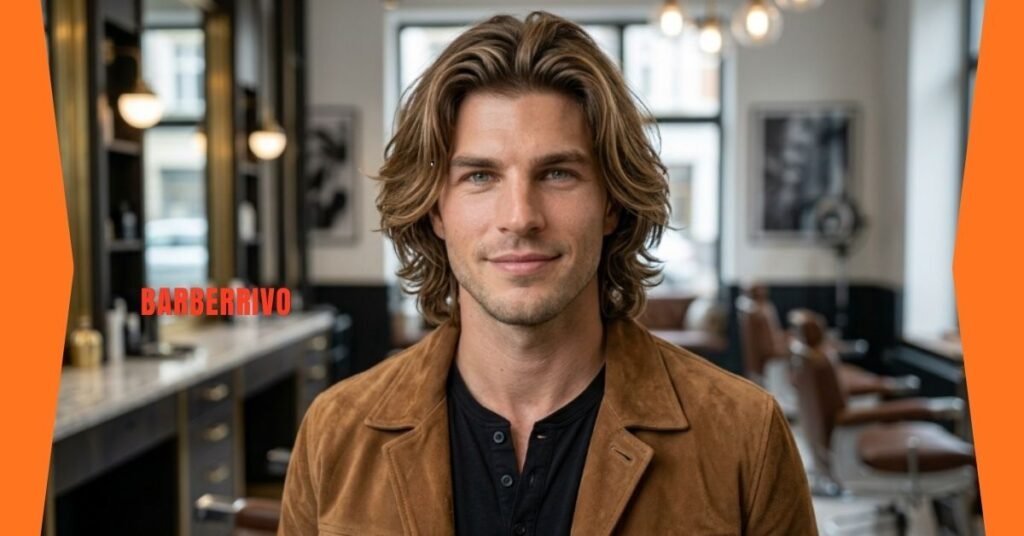
A layered long cut keeps overall length while adding layers throughout to prevent hair from looking heavy or flat. It suits teens growing their hair out past the typical short-and-faded phase, giving it shape along the way rather than an awkward, shapeless grow-out. A center or slightly off-center part usually works best with this cut. Regular trims every six to eight weeks keep the layers looking intentional instead of stringy.
Shaggy Haircut

The shaggy haircut leans fully into choppy, uneven layers for a deliberately messy, relaxed finish. It carries genuine 70s throwback energy while still reading as current thanks to its overlap with wolf cuts and modern mullets. Length stays a bit longer on top with slightly shorter sides for balance, though the line between the two stays soft rather than sharply defined. Minimal styling is needed, just a quick finger-tousle and maybe a touch of cream.
Greaser Haircut
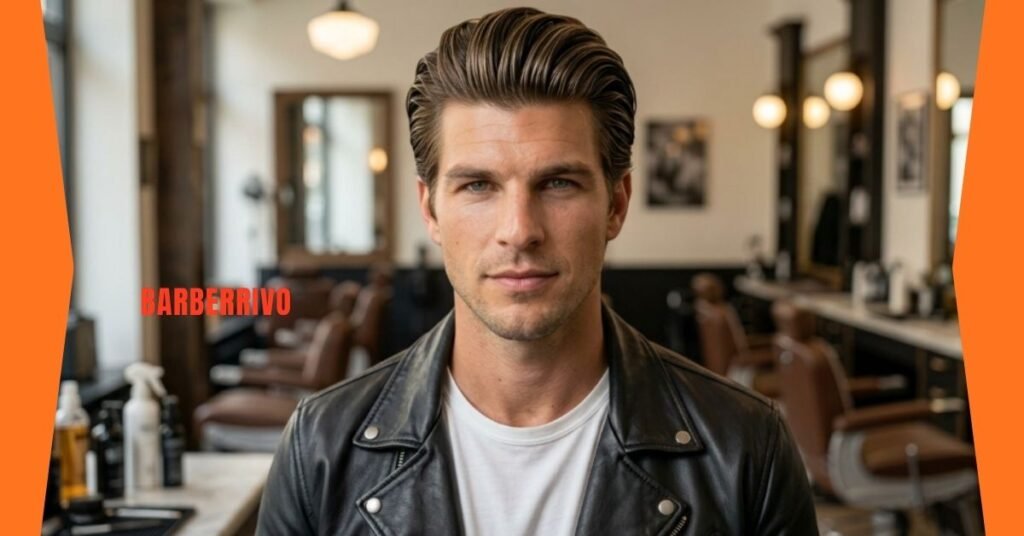
The greaser haircut pulls straight from 1950s style, with short, neat sides and a smooth, swept-back wave up top. It’s more of a special-occasion or personal-style statement than an everyday teen cut, though some guys do wear it daily. Pomade is essential here, both for shine and for holding that swept-back shape in place. It’s a strong pick for teens drawn to vintage or retro aesthetics rather than current trends.
Undercut
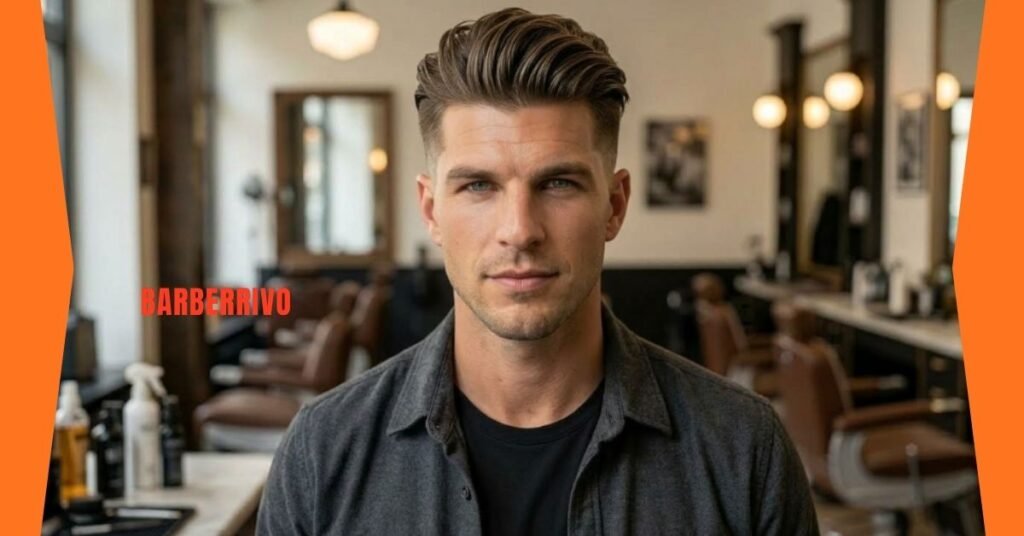
The undercut creates dramatic contrast by keeping the sides extremely short while leaving the top long enough to style in several different directions. It’s a genuinely versatile base, since the long top can be slicked back, pushed up, or left messy depending on the day and mood. Thick, straight hair usually holds styled shapes the longest, though wavy hair works fine with a bit more product. This remains one of the more requested haircut for thick hair boys options for teens wanting real length up top.
Asymmetrical Cut
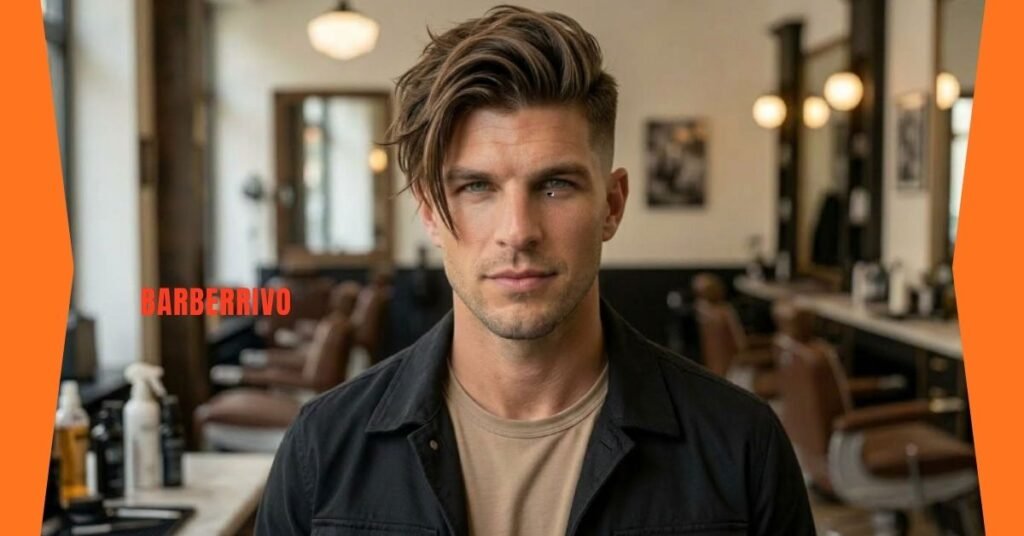
An asymmetrical cut breaks the usual left-right symmetry entirely, often shaving one side close while leaving the other long enough to sweep across the face. It’s a bold, attention-grabbing choice that suits confident teens who genuinely want to stand out. This style needs regular upkeep to maintain the sharp contrast between the shaved and longer sides. It’s not for everyone, but for the right guy, it’s an unmistakable personal statement.
Perm

A perm adds chemically-set curls to naturally straight hair, giving instant texture and volume that wouldn’t otherwise exist. It’s become genuinely popular among teens who want the “textured hairstyle for boys” look without waiting years for their hair to grow curly on its own. The curl pattern needs regular refreshing every few months as new, straight growth comes in underneath. A light sea salt or curl spray on low heat keeps the perm looking bouncy rather than crunchy.
Bowl Cut
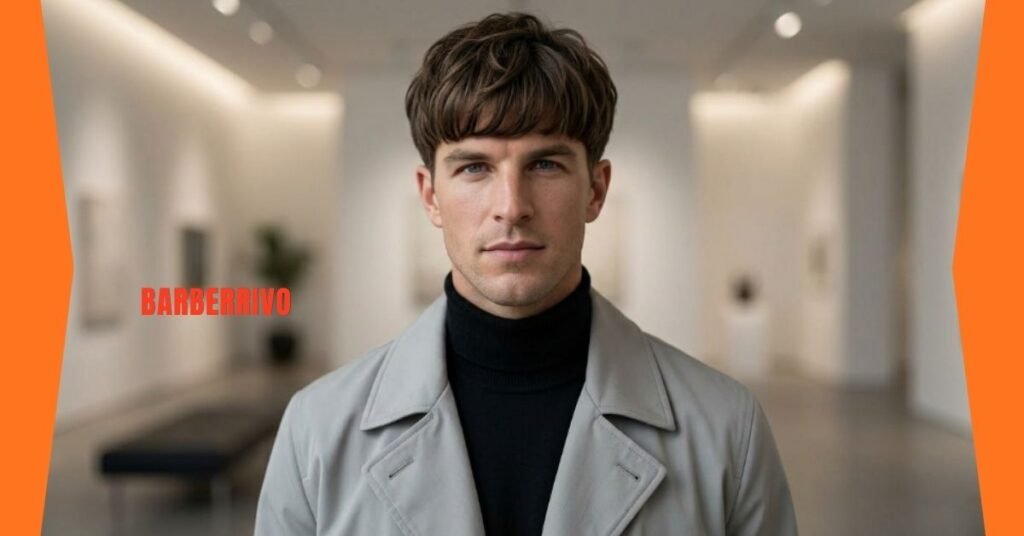
The old-school bowl cut has made an unexpected comeback, this time styled with more intention than its childhood-haircut reputation might suggest. A rounded, even line wraps around the head, with the top left fuller and the sides tapered slightly to soften the shape. It reads as fashion-forward when done with clean lines and healthy hair rather than an accidental home haircut. It’s a genuinely divisive choice, so it helps to bring reference photos before committing.
Tapered Afro
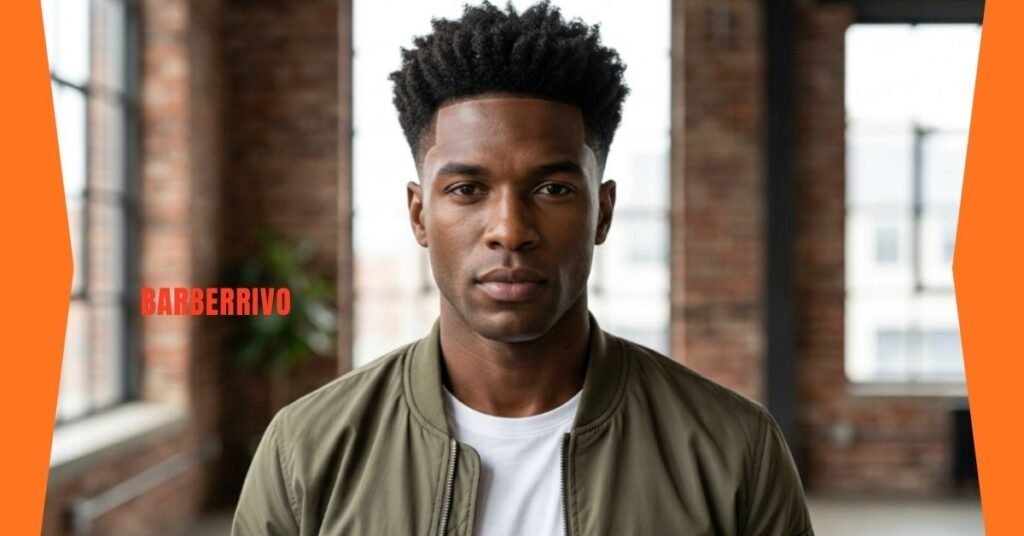
A tapered afro blends short, clean sides with fuller natural curls left long on top, creating real height and highlighting the curl pattern. It’s a fantastic option for guys with coily or tightly curled hair who want a shape that works with their texture rather than against it. Regular trims keep the taper clean, while the top can grow as long as desired between cuts. A hydrating oil or cream through the curls adds shine and helps prevent dryness, which curly hair is naturally prone to.
How to Choose the Best Haircuts for Teenage Guys
Picking a cut isn’t just about what looks good in a photo online. The same style can look completely different depending on the texture, density, and natural growth pattern of your hair.
Face shape and daily routine matter just as much as the trend itself. A cut that photographs well on a stranger with different hair might genuinely fight against yours.
Match Your Haircut to Your Hair Type
Straight hair tends to hold sharp lines well, which is why fades, side parts, and slick backs look especially crisp on it. Wavy hair adds natural movement almost for free, so textured crop fringe styles and messy fringes usually look great with minimal product. Curly hair benefits most from cuts that work with the curl pattern rather than against it, like curly crops, broccoli cuts, or tapered afros. Thick hair, regardless of straight, wavy, or curly texture, usually needs some layering or thinning to avoid looking bulky, especially in longer styles.
| Hair Type | Cuts That Work Best |
| Straight | Side part, slick back, French crop, two block |
| Wavy | Textured fringe, wolf cut, surfer hair, textured crop |
| Curly | Curly crop, broccoli cut, tapered afro, perm |
| Thick | Undercut, layered long cut, blowout taper |
Pick a Style Based on Face Shape
Round faces usually benefit from height, so pompadours, quiffs, and high fades help elongate the overall shape. Square faces already have strong angles, so softer, textured cuts like a messy fringe or shaggy haircut balance things out nicely. Oval and heart-shaped faces tend to suit nearly anything on this list, since their proportions are naturally balanced already. When in doubt, a barber can usually judge face shape in about ten seconds and point toward two or three solid options.
Consider Your Lifestyle and Maintenance Needs
A star athlete who showers twice a day probably shouldn’t pick a style that needs fifteen minutes and three products every morning. Busy school schedules usually favor low-maintenance styling, like buzz cuts, crew cuts, or low fades that still look decent after a few weeks. Guys with more free time, or who genuinely enjoy the styling process, can lean into higher-maintenance looks like pompadours or slick backs. It’s worth being honest about how much effort you’ll actually put in every single morning before committing to something demanding.
How to Ask Your Barber for the Right Teen Haircut
Even the best haircut idea falls apart if it doesn’t get communicated clearly in the chair. A few extra minutes of explanation at the start saves a lot of disappointment later.
Barbers see dozens of clients a week, so specific, simple language goes a long way. Vague requests like “just make it look good” leave far too much room for miscommunication.
Use Clear Haircut Terminology
Learning a handful of key terms makes conversations with a barber much smoother. Words like “low fade,” “skin fade,” “taper,” and “fringe length” carry specific meanings that barbers immediately understand. Saying “medium fade on the sides, textured top, keep the fringe around two inches” gives far more useful information than “shorter, please.” A little research beforehand, even just skimming this guide, makes that conversation ten times easier.
Bring Reference Photos
A single clear photo often communicates more than several minutes of description ever could. Choose an image with hair type and face shape reasonably similar to your own for the most accurate result. Point out specific details in the photo too, like fade height or fringe length, rather than assuming the barber will notice everything on their own. Most barbers genuinely appreciate reference photos, since it removes guesswork from their side as well.
Explain Your Preferred Length and Fade Level
Fade levels usually run from low to high, with skin fades sitting at the most extreme end of that scale. Length on top can be described in rough terms, like “an inch,” or by comparing it to a previous haircut that worked well. Mentioning how the hair should fall, whether forward, back, or left textured and undone, helps the barber picture the final result. Clear numbers and comparisons consistently beat vague adjectives every time.
How to Style Teenage Guy Haircuts at Home
Most teen boy haircuts genuinely need almost no daily effort once they’re properly cut. A short, consistent routine usually beats a long, complicated one.
Getting the basics right, clean hair, the correct product, and a bit of technique, makes any cut look sharper without much extra time spent.
Start With Clean, Damp Hair
Freshly washed hair holds product and shape far better than hair coated in yesterday’s oil and buildup. Towel-dry gently rather than rubbing roughly, which can cause unnecessary frizz, especially on wavy or curly textures. Damp, not soaking wet, hair is the ideal starting point for almost every styling product on the market. This single step makes a bigger difference than most teens realize.
Apply a Pre-Styling Product
A light pre-styler, usually a sea salt or texturizing spray, gives hair something to grip onto before the main styling product goes in. Apply it evenly through damp hair rather than concentrating it in one spot. This step builds a natural base texture that makes the finishing product work more effectively. Skipping it isn’t the end of the world, but it noticeably improves how long a style holds throughout the day.
Blow-Dry for Shape and Volume
Blow-drying on medium heat while guiding hair with fingers or a brush builds real shape and lasting volume. Lifting at the roots while drying creates height, while drying forward or to the side trains fringes and parts into place. This step matters most for styles that rely on lift, like pompadours, quiffs, and blowout tapers. A few extra minutes here saves frustration later when the style keeps falling flat by lunchtime.
Finish With the Right Styling Product
The final product, whether clay, paste, cream, or pomade, locks the shape in place and adds the right kind of finish. Warming a small amount between the palms before applying helps it spread evenly without clumping in one section. Less is almost always more here, since too much product weighs hair down and looks greasy rather than styled. Fingers, not a comb, usually give the most natural, textured result for most modern cuts.
Haircut Maintenance Tips for Teenage Guys
A great cut doesn’t stay great forever without a bit of upkeep. Knowing roughly when to book the next trim keeps any style looking intentional rather than overgrown.
Daily habits matter just as much as the barber visits themselves, especially for oilier hair types or more active teens.
How Often to Get a Trim
Most teen boy haircuts 2025 need a refresh every three to four weeks to stay sharp, especially shorter fades and tapers. Longer styles, like layered cuts or bro flow, can usually stretch closer to six or eight weeks between visits. Skin fades and high-contrast cuts grow out fastest and often need touch-ups even sooner than three weeks. Setting a recurring reminder genuinely helps, since it’s easy to let a sharp cut slowly turn shaggy without noticing.
Build a Simple Daily Hair Routine
Washing two to three times a week with a proper shampoo, rather than daily, helps prevent hair from drying out or becoming overly stripped. A hydrating conditioner afterward keeps strands manageable and easier to style the next morning. Light daily product, just a touch of clay or spray, keeps things looking fresh between full wash days. This routine takes maybe five extra minutes but pays off in how consistently good the hair looks.
Prevent Frizz, Flatness, and Product Buildup
Frizz usually comes from over-drying or rough towel use, so switching to gentler drying habits solves most of the problem. Flatness often means it’s time for a volumizing product or a change in drying technique, lifting at the roots instead of letting hair air-dry flat. Product buildup, that dull, heavy feeling in the hair, is a clear sign a clarifying shampoo is overdue. Rotating between regular and clarifying shampoo every couple of weeks keeps hair feeling genuinely clean rather than coated.
Best Hair Products for Teenage Guys
The right product depends entirely on the haircut and desired finish, not personal preference alone. A few key options cover almost every style on this list.
| Product | Best For | What It Fixes |
| Texture Clay | Short, textured cuts | Adds matte hold and definition |
| Sea Salt Spray | Waves, curls, surfer styles | Boosts natural texture and grip |
| Molding Paste | Messy, layered looks | Flexible control without stiffness |
| Texture Powder | Fine or flat hair | Instant root lift |
| Styling Cream | Frizzy or puffy hair | Smooths without heavy weight |
| Pomade | Slick backs, side parts | Shine and firm hold |
| Clarifying Shampoo | Product buildup | Deep cleans the scalp and strands |
| Hydrating Conditioner | Dry or rough hair | Restores softness and manageability |
Texture Clay
Texture clay brings a matte, natural finish with strong hold, making it ideal for short and medium teen boy haircuts that need real definition. It works especially well on crops, fringes, and spiky styles where clean, separated texture matters most. A small, dime-sized amount usually covers the whole head without looking greasy or overdone. Warming it between the palms first makes it far easier to spread evenly.
Sea Salt Spray
Sea salt spray is basically essential for anyone chasing that relaxed, beachy, natural movement look. It adds light volume and grip to hair that would otherwise sit flat, especially wavy and curly types. Spraying it onto damp hair before scrunching or diffusing gets the best results. It’s a lightweight option that never feels heavy, even with generous use.
Molding Paste
Molding paste offers flexible control that holds a shape without turning hair stiff or crunchy. It’s a great match for messy quiffs, fluffy cuts, and layered looks that need some structure but still want to move naturally. A little goes a long way, since over-applying can start to weigh finer hair down. It’s a solid everyday product for guys who want their style to hold without looking obviously “done.”
Texture Powder
Texture powder tackles one specific problem extremely well: hair that goes flat by midday. A light dusting at the roots instantly adds grip and lift, especially useful for finer or thinner hair types. It works well as a touch-up product too, refreshing a style hours after the initial morning routine. A little truly does go a long way with this one.
Styling Cream
Styling cream smooths frizz and controls puffiness without the heavy, greasy feeling some other products leave behind. It’s a favorite for curtain bangs, side parts, and Ivy League haircuts that need a polished, controlled finish. Applying it to damp hair before drying generally works better than adding it to already-dry hair. It leaves a natural sheen rather than an obvious, shiny coating.
Pomade
Pomade brings both shine and firm hold, making it the go-to choice for slick backs, side parts, and greaser-style haircuts. Traditional water-based pomades wash out easily, while oil-based versions hold longer but need a proper shampoo to remove. A small amount warmed between the hands spreads far more evenly than applying it directly from the tin. It’s less common for everyday casual styles but essential for anything requiring genuine shine.
Clarifying Shampoo
Clarifying shampoo strips away built-up product, oil, and residue that regular shampoo tends to leave behind over time. Using it once or twice a week, rather than daily, keeps hair feeling genuinely fresh without over-drying the scalp. It’s especially useful for guys who use a lot of clay, paste, or pomade throughout the week. Skipping this step eventually leads to dull, heavy-feeling hair that’s harder to style properly.
Hydrating Conditioner
Hydrating conditioner restores moisture that washing, blow-drying, and daily product use naturally strip away over time. It’s particularly important for curly and wavy hair types, which tend to run drier than straight hair by nature. Applying it mainly to the mid-lengths and ends, rather than the scalp, gives the best results. Healthier, better-hydrated hair also simply styles more easily, which makes this product worth the extra thirty seconds.
FAQ’s
What Are the Most Popular Haircuts for Teenage Guys?
Taper fades, textured crops, and messy fringes currently top the list of popular boys haircuts. These styles work across most hair types and stay relatively easy to maintain between barber visits.
What Is the Trending Hairstyle for Teen Boys in 2025?
Modern mullets, wolf cuts, and two block haircuts have led the boys hairstyle trends conversation recently. Curtain bangs also remain popular thanks to continued social media visibility.
What Haircut Looks Best on Teenage Guys?
There’s no single universal answer, since face shape and hair type both play a role. Generally, textured cuts like low fades, French crops, and modern mullets flatter the widest range of teens.
What Is the Best Low-Maintenance Haircut for Teen Boys?
Buzz cuts, crew cuts, and short taper fades top the list for low-maintenance styling. All three need minimal daily effort and still look sharp for weeks at a time.
Which Haircuts Work Best for Thick Hair?
Layered cuts, textured crops, and taper fades remove bulk effectively from thick hair. These styles make thick hair genuinely easier to manage and style day to day.
Which Hairstyles Suit Curly or Wavy Hair?
Taper fades, fluffy cuts, and textured crops all enhance natural curl and wave patterns nicely. These teenage haircut ideas work with the hair’s texture rather than fighting against it.
Are Longer Hairstyles a Good Choice for Teen Boys?
Yes, longer styles like curtain bangs, bro flow, and layered long cuts can look great on teens. They add natural movement and a relaxed, easygoing feel to the overall look.
How Do You Ask a Barber for a Teen Boy Haircut?
Describe the desired style clearly, mention fade height and top length, and bring a reference photo if possible. Clear communication consistently leads to better, more accurate results.
What Hair Products Should Teenage Guys Use?
Lightweight products like texture clay, styling cream, or sea salt spray work well for most teen styles. These keep hair looking textured and natural without excessive heaviness.
What Is the Easiest Hairstyle for Teenage Boys?
Buzz cuts, crew cuts, and messy fringes require the least daily maintenance. These cuts can be styled quickly, often with no tools needed at all.
How Often Should a Teenage Guy Get a Haircut?
Every three to four weeks generally keeps a haircut looking fresh, especially for fades and tapers. Regular trims also make daily styling noticeably easier between visits.
How Do You Choose a Haircut Based on Face Shape?
Round faces generally benefit from added height, while square faces suit softer, textured styles. Oval and heart-shaped faces tend to work well with nearly any cut on this list.
Conclusion
Finding the right cut really comes down to knowing your hair type and face shape first. From sharp fades to relaxed curly crops, there’s a style here for every teen, whether you want something bold or barely-there. Bring a photo to your next barber visit, and don’t be afraid to ask questions before the clippers start.
A great haircut doesn’t stop at the barber’s chair, though. A little daily care, the right product, and a trim every few weeks keep any of these fifty haircuts for teenage guys looking sharp all year long. Pick one that fits your lifestyle, and you’ll walk out of every appointment feeling like the best version of yourself.

Ryan Carter is a men’s grooming writer who covers haircuts, hairstyles, beard care, and barbering trends. He shares practical style advice and grooming tips to help men look sharp and stay confident.