Ivy League Haircut 25 Classic & Modern Styles for Every Man
Some haircuts come and go. The ivy league haircut just doesn’t. It has survived decades of trends, and it still looks fresh today. Guys from college campuses to corner offices trust this cut because it works almost everywhere. It’s smart. It’s simple. And it never feels out of place.
This guide walks you through everything. You’ll learn what makes this style tick, see 25 ways to wear it, and get real tips on styling and upkeep. By the end, you’ll know exactly how to ask your barber for it too.
What Is an Ivy League Haircut?
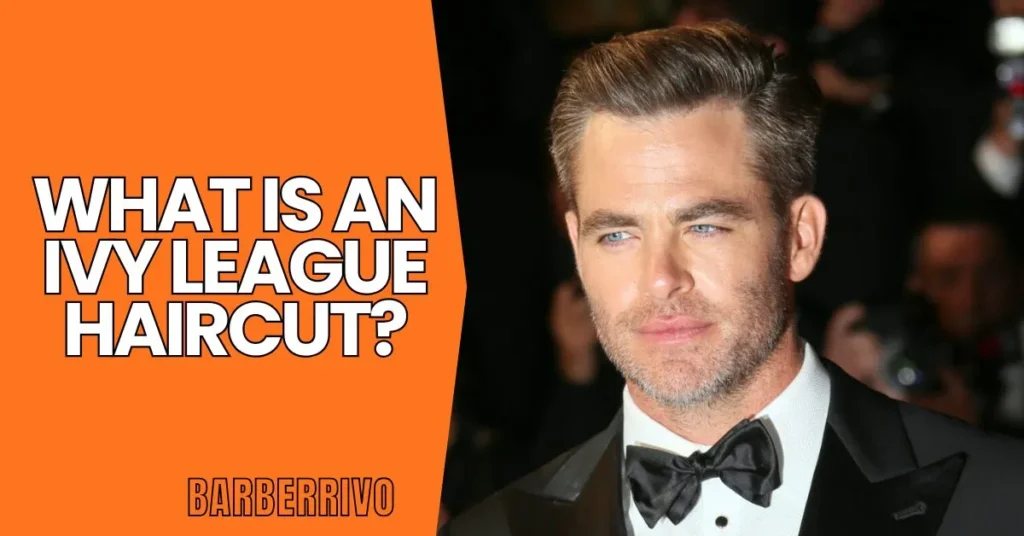
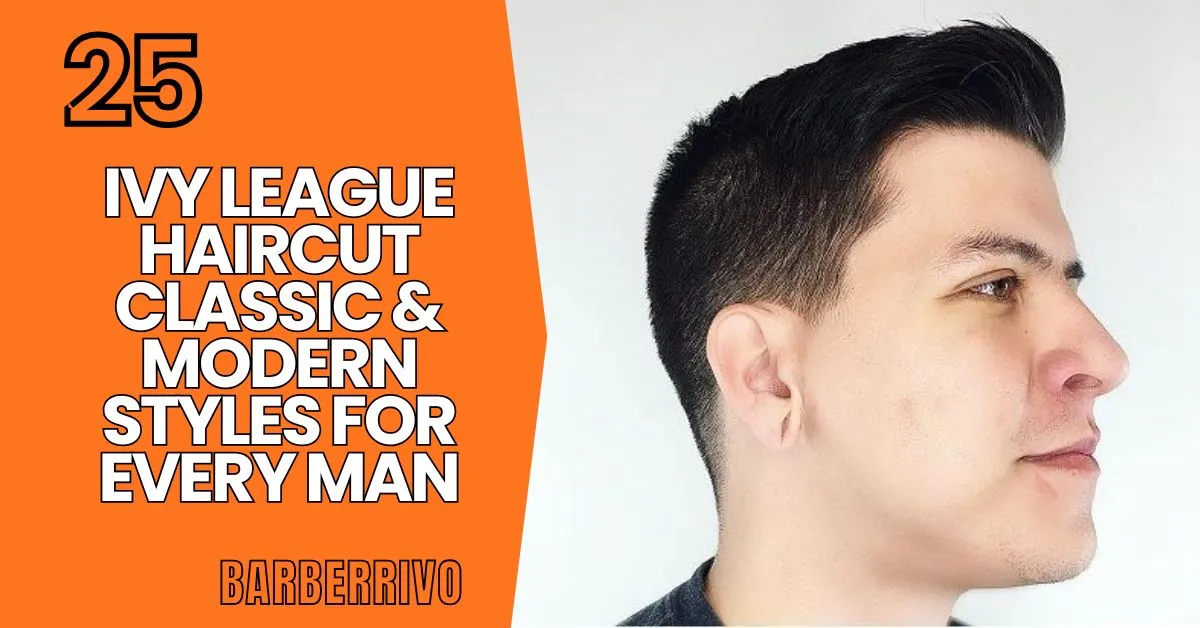
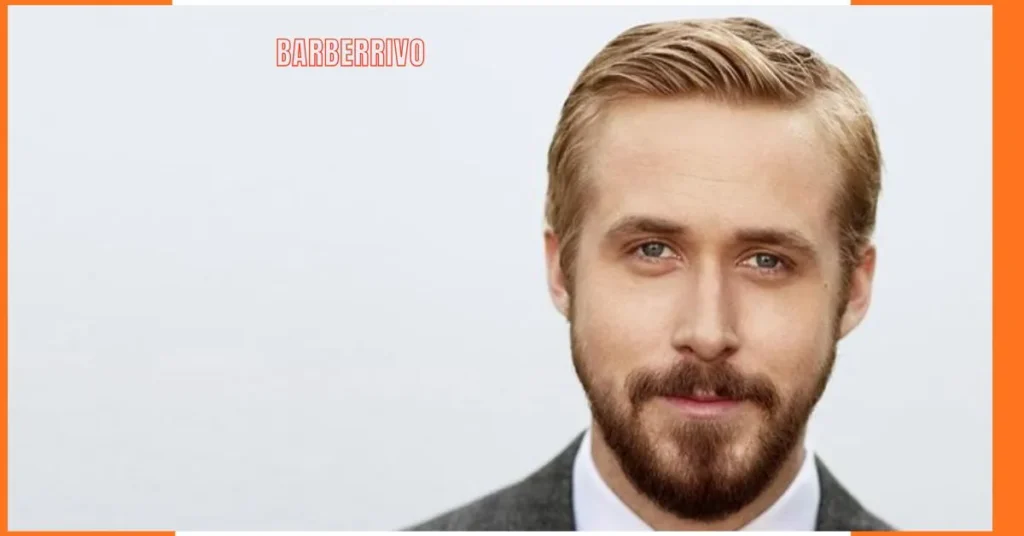
So, what is an ivy league haircut, exactly? At its core, it’s a short-sided cut with more length left on top. The sides get tapered or faded, while the top stays long enough to comb, brush, or push into shape. Think of it as the middle ground between a buzz cut and a longer, styled look.
The name comes from Ivy League universities in the northeastern United States. Back in the 1950s, students at Harvard, Princeton, and Yale wore this ivy league haircut for men as their everyday look. It became a symbol of polish and discipline. People also call it the harvard clip or the princeton haircut, depending on where you’re from. Some barbers even use these names interchangeably. Whatever you call it, the bones of the cut stay the same: short sides, longer top, clean finish.
Why the Ivy League Haircut Is Still a Timeless Choice
Trends fade fast. This one hasn’t. Part of the reason is flexibility. You can wear a classic ivy league haircut to a job interview, then rough it up for a weekend with friends. Few cuts pull off that kind of range. It also suits almost every hair type, from straight to curly, and most face shapes too. That’s rare in the world of men’s grooming.
There’s also a practical side to its staying power. It doesn’t demand hours in front of the mirror. A little pomade and a comb usually get the job done. That’s why so many men call it a low maintenance ivy league haircut. It looks sharp without asking much in return. And honestly, that combination of style and ease is hard to beat.
25 Best Ivy League Haircut Styles to Try
Ready for some ivy league haircut inspiration? Below you’ll find 25 takes on the cut, from the traditional version to bold modern twists. Whether you want a short ivy league haircut or something longer and textured, there’s a version here for you.
Classic Ivy League Haircut
The classic ivy league haircut is where it all started. Sides stay short and tapered. The top holds enough length to comb into a neat side part. This is the original ivy league cut, and it still works in every office in the world. Pair it with a clean shave for a conservative hairstyle that never looks dated.

Modern Textured Ivy League
Want something with more personality? The modern ivy league haircut adds texture to the top instead of a slick, smooth finish. A matte paste roughs up the hair for a lived-in look. This version pulls the classic shape into today’s world without losing its structure.
Short Ivy League Haircut
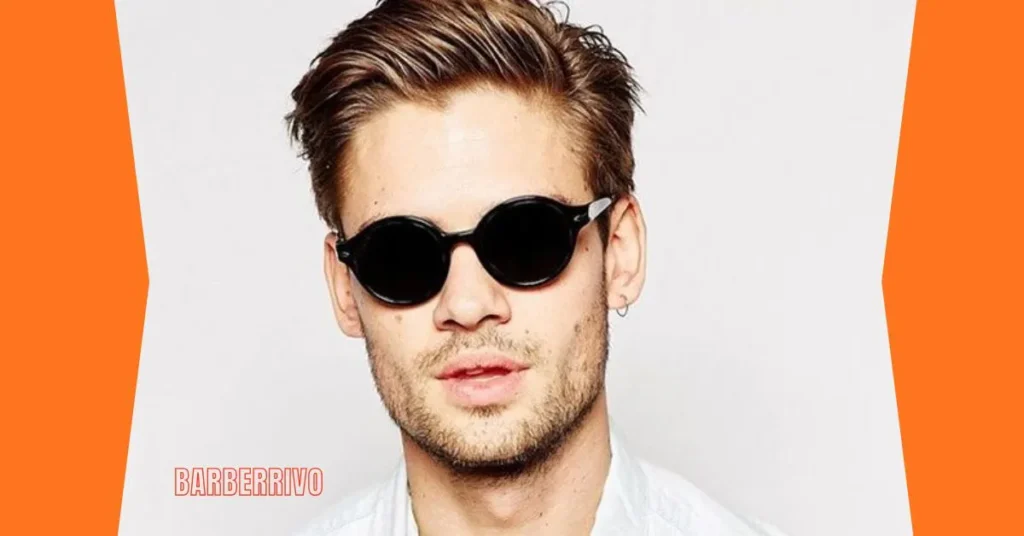
A short ivy league haircut trims the top down close to the sides. It’s practical, easy to manage, and barely needs styling. Guys who don’t want a daily routine tend to gravitate here. It still keeps that signature taper, just in a tighter package.
Long Ivy League Haircut
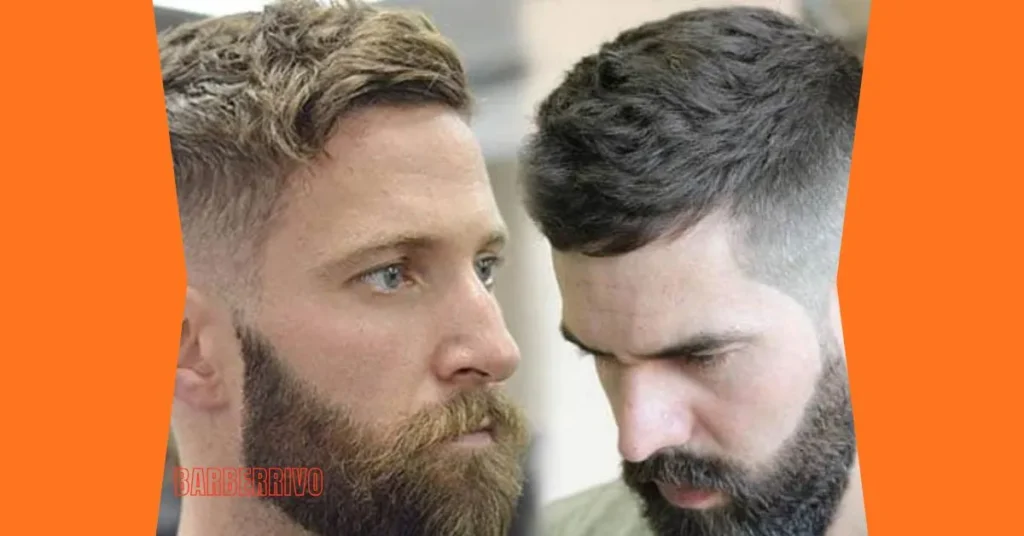
On the other end, a long ivy league haircut leaves several inches on top. That extra length opens the door to quiffs, sweeps, and bold partings. It takes a bit more effort each morning, but the payoff is a lot more styling freedom.
Medium-Length Ivy League
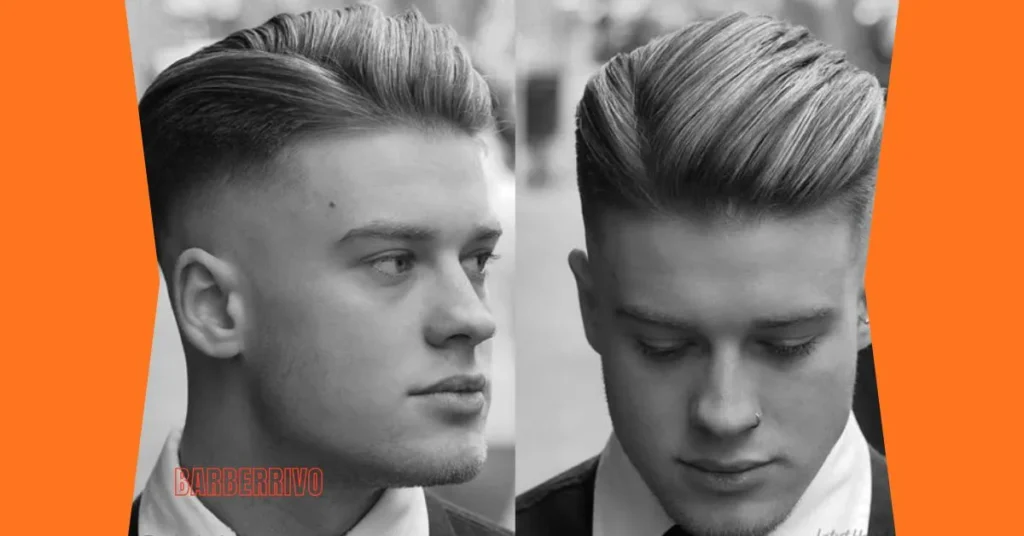
Somewhere between short and long sits the medium option. A medium ivy league haircut gives you enough length to style, without the daily commitment longer hair demands. It’s a smart pick if you’re not sure which direction to go yet.

Ivy League with Low Taper
A low fade ivy league or low taper ivy league keeps the fade close to the ear line. It’s subtle. Barely noticeable from a distance. This version suits guys who want a hint of contrast without anything too dramatic.
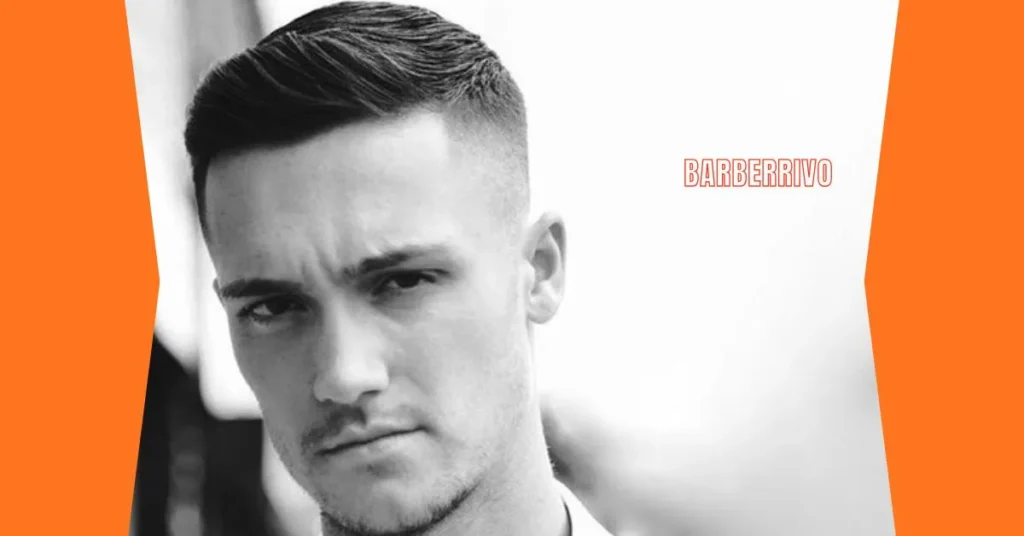
Ivy League Fade Haircut
An ivy league haircut with fade blends the sides down gradually, instead of using a hard taper line. This creates a smoother transition from skin to hair. It’s one of the most requested versions in barbershops today, largely because it looks sharp from every angle.
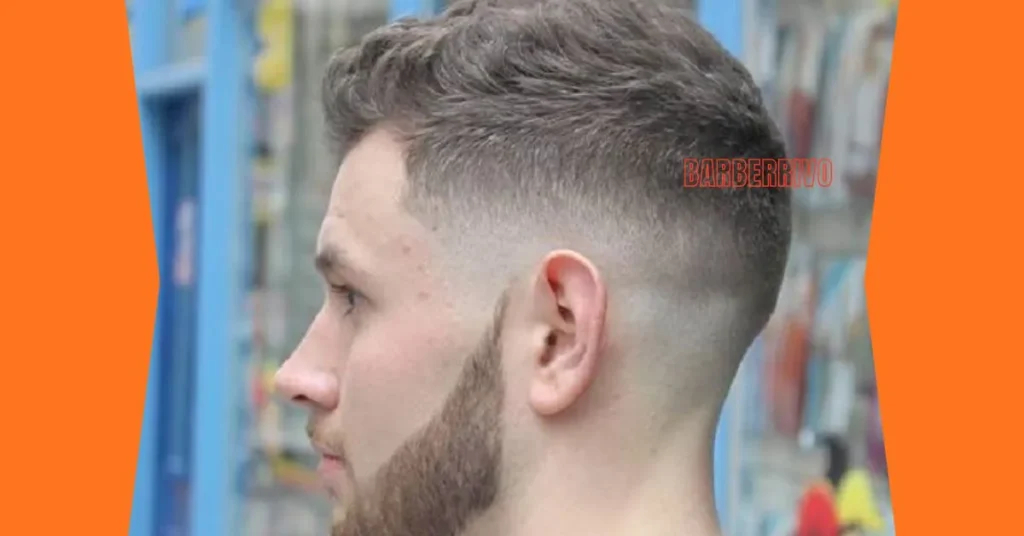
Ivy League with Skin Fade
For serious contrast, try the skin fade ivy league. The sides fade all the way down to bare skin before rising into the longer top. It’s bold, modern, and works best on guys who want their haircut to make a statement.
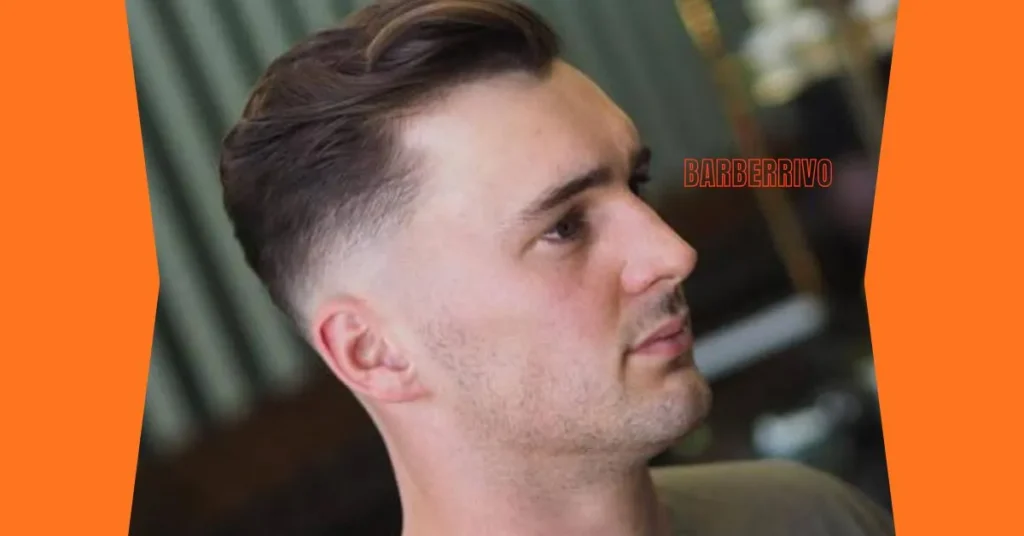
Ivy League with High Fade
A high fade ivy league starts the fade much higher on the head. It’s the most dramatic fade option on this list, and it pairs beautifully with a longer, textured top. This combo has become one of the biggest ivy league haircut trends in recent years.
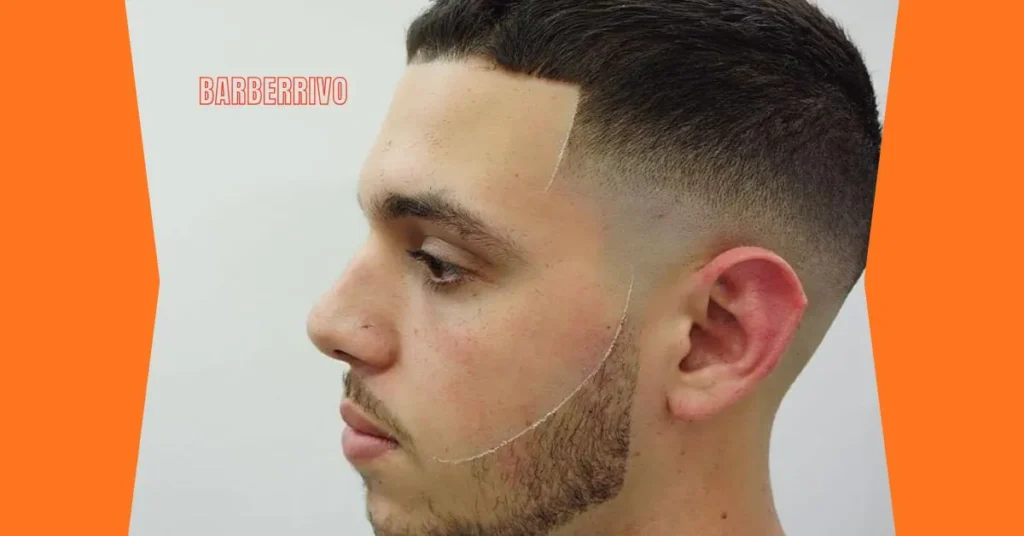
Ivy League Crew Cut
The ivy league crew cut blends two classics into one. Sides stay tight, and the top gets trimmed shorter than a typical Ivy style, though not as short as a buzz cut. It’s about as low-fuss as this haircut family gets.
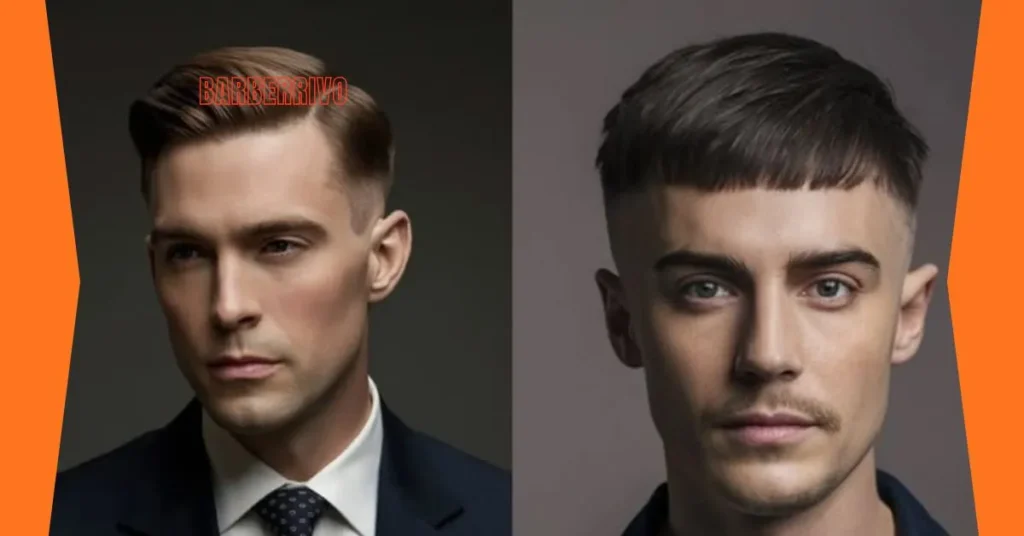
Ivy League Comb Over
The ivy league comb over takes a deep side part and combs the length fully across the head. It’s a bit dressier, a bit more retro, and works well for guys who like a defined, structured finish.
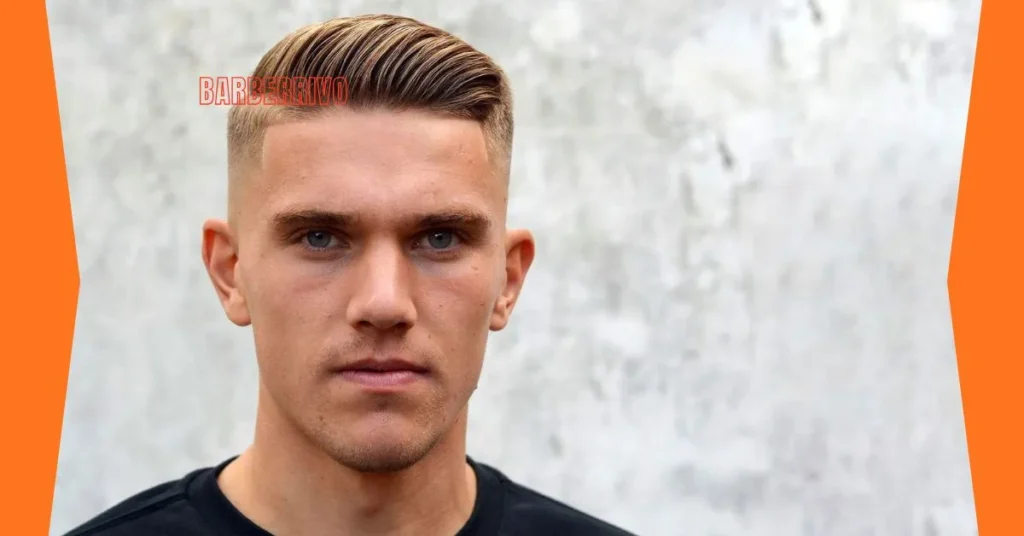
Side-Part Ivy League
A side part haircut built on the Ivy League base gives you crisp, defined lines. The classic side part has anchored men’s grooming for generations, and it still reads as polished and put-together at any event.
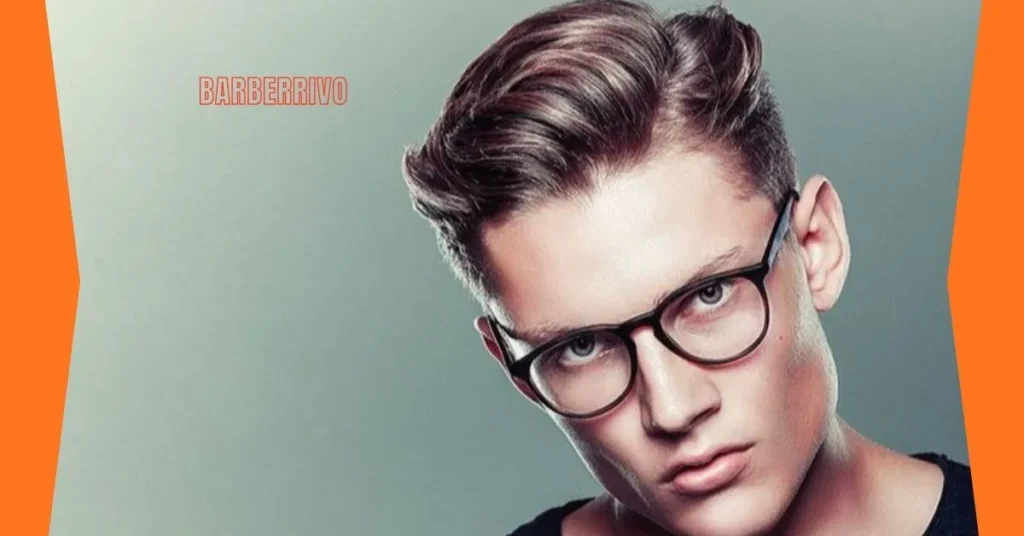
Side-Swept Ivy League
Less rigid than a hard side part, the side-swept ivy league lets the top flow naturally across the forehead. It softens the overall look while keeping the tapered sides intact. Great for guys who want structure without stiffness.

Brushed-Up Ivy League
Instead of pushing hair sideways, the brushed-up ivy league lifts it upward and back. This adds volume and a slight retro edge. A matte pomade works best here, since it holds shape without looking too glossy.

Ivy League Quiff
The ivy league quiff brings height to the front of the head, then blends into tapered sides. It’s a favorite among younger guys who want a bit of edge mixed into a fairly traditional cut.
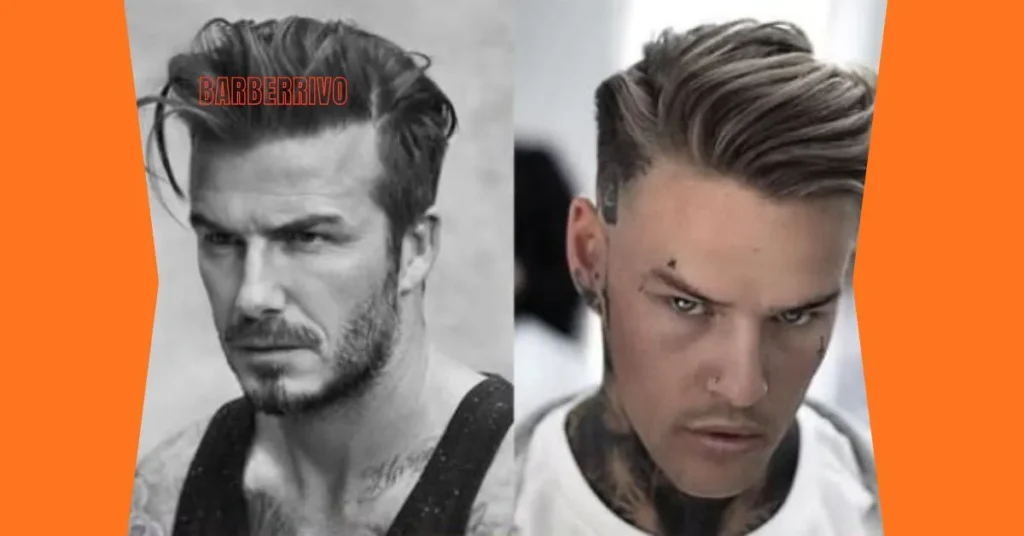
Ivy League Pompadour
Bigger, bolder, and full of volume, the ivy league pompadour takes the classic base and dials up the drama. Hair gets pushed up and back into a rounded shape. It demands a bit more product, but the payoff is a striking silhouette.
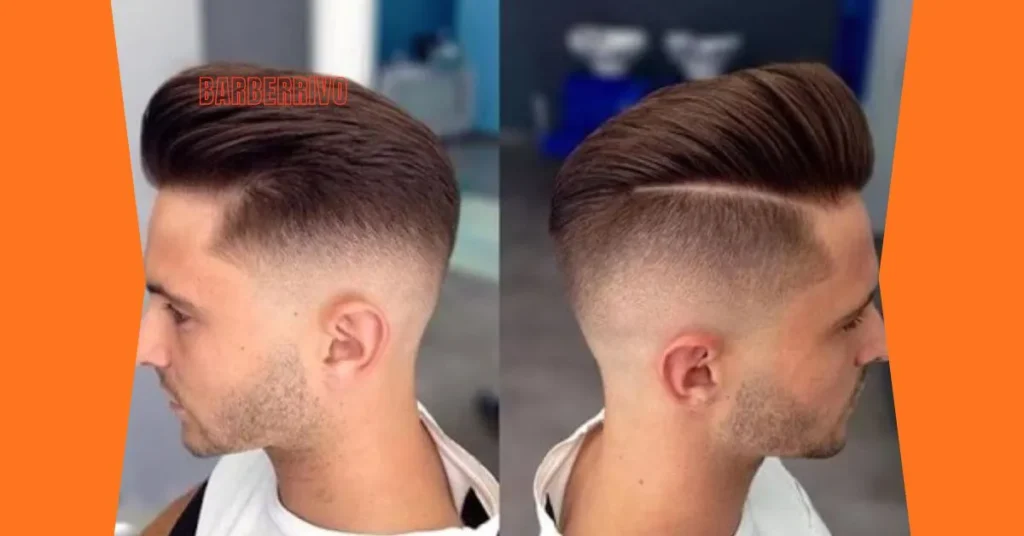
Ivy League with Hard Part
A hard part ivy league uses a shaved line to define the part, instead of just a comb line. It’s a small detail that adds a lot of visual sharpness, especially for guys who like their haircut to look freshly barbered at all times.

Ivy League Undercut
The ivy league undercut pushes contrast further than a regular taper. Sides get cut very short, almost shaved, while the top stays noticeably longer. It’s a striking combination that photographs well too.
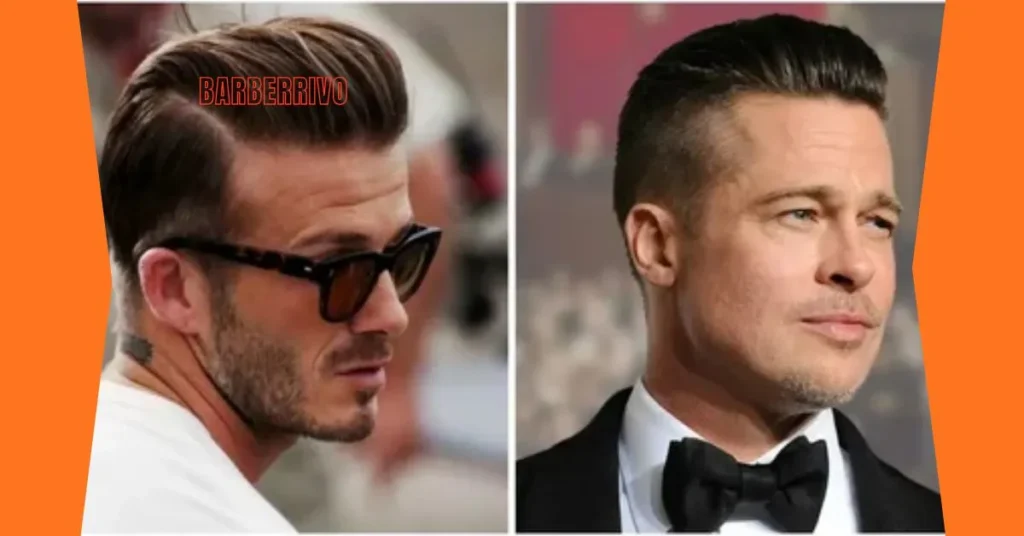
Curly Ivy League Haircut
Curls and this cut go together better than people expect. A curly ivy league haircut keeps the sides tapered while letting natural curl pattern shine on top. A curl cream or light gel helps define shape without weighing hair down.

Wavy Ivy League Haircut
A wavy ivy league haircut works with natural texture instead of fighting it. Waves add movement and depth, so the style looks effortless rather than overly polished. Sea salt spray is a popular product choice for this version.

Ivy League for Straight Hair
For an ivy league haircut straight hair version, styling products matter more. Straight strands don’t hold shape as naturally, so a stronger-hold pomade or cream keeps the top in place through the day.
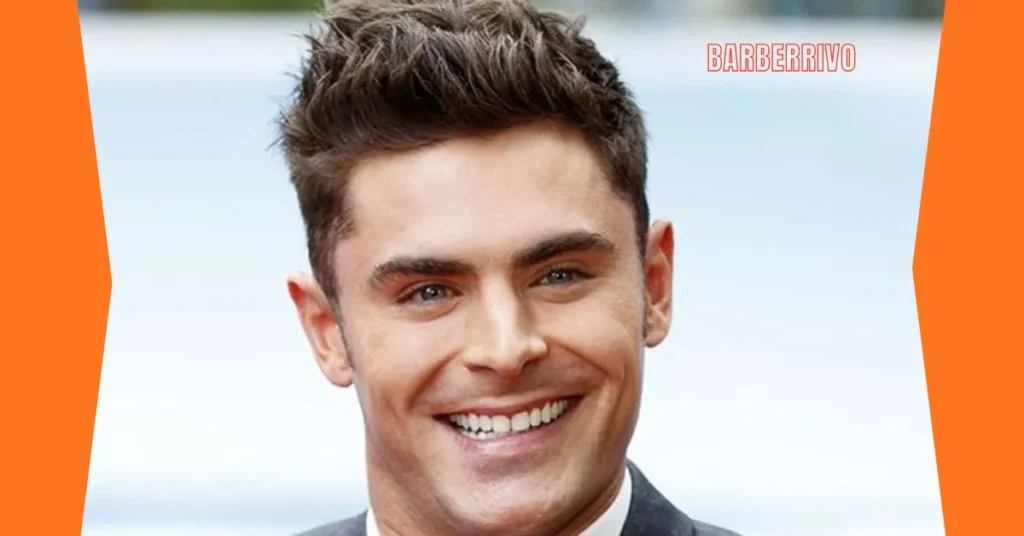
Ivy League for Thinning Hair
This cut works surprisingly well for thinning hair ivy league styles. The added length on top creates the illusion of fuller, denser hair, while the short sides keep everything looking neat and controlled.

Military Ivy League Haircut
The military ivy league haircut trims things down to regulation-friendly length. Sides stay extremely short, and the top holds just enough length for a clean, functional part. It’s practical, disciplined, and easy to maintain in any setting.

Low-Maintenance Ivy League
If mornings are tight, this version is worth considering. The low maintenance ivy league haircut relies on a simple cut and minimal styling, often just a quick comb or towel dry, to look presentable in seconds.
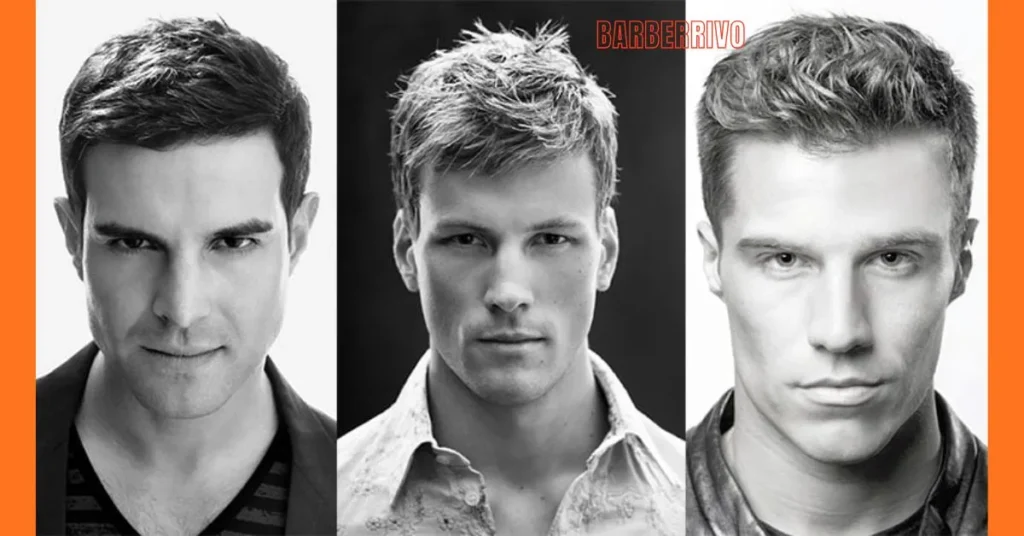
Ivy League with Beard
Pairing a beard with this cut adds balance and a bit more character. The ivy league haircut with beard combo works whether you keep light stubble or a fuller, groomed beard. The key is proportion between hair length and facial hair volume.
How to Choose the Right Ivy League Haircut
Picking the right version comes down to three things: your face shape, your hair type, and your lifestyle. Get those three right, and the cut will practically choose itself.
Face shape affects how length and volume should sit on your head. Hair type determines how much styling effort you’ll need. Lifestyle decides how much time you actually want to spend each morning. Let’s break each one down.
Best Styles for Different Face Shapes
Choosing an ivy league haircut round face style usually means adding height on top to elongate the face. For an ivy league haircut square face look, softer, textured tops balance out strong jawlines. Guys with an ivy league haircut oval face shape have the most flexibility, since nearly every variation suits this shape well.
| Face Shape | Recommended Style | Why It Works |
| Round | Quiff or pompadour | Adds height, elongates the face |
| Square | Textured or brushed-up | Softens strong jawlines |
| Oval | Classic or side part | Balanced shape suits most styles |
| Diamond | Side-swept or comb over | Softens angular cheekbones |
| Heart | Side part with volume | Balances a wider forehead |
| Oblong | Shorter top, low taper | Prevents adding extra length |
Choosing by Hair Type
Straight hair usually needs stronger hold products to keep shape through the day. Curly and wavy hair often needs less product but more definition-focused creams. Thick hair can handle bolder styles like pompadours, while fine hair usually looks best with shorter, low-maintenance cuts that don’t rely on heavy volume.
Picking the Right Length and Finish
A matte finish suits office-ready haircut looks, since it avoids shine under fluorescent lighting. A glossier finish works better for evening or social settings. Length should match how much time you’re willing to spend styling; longer tops need more daily attention than short, tapered versions.
See Also : Comb Over Hairstyles for Men 32 Best Haircuts & Styling Guide (2026)
How to Ask Your Barber for an Ivy League Haircut
Knowing how to ask for an ivy league haircut makes the whole barbershop visit smoother. Clear communication means fewer surprises and a cut that actually matches what you pictured.
Start by naming the cut directly, then describe the details. Barbers see plenty of guys each week, so specifics help them nail the result the first time.
Know the Key Features of the Cut
Mention the clipper guard number you want for the sides, usually between a 2 and a 4. State how much length you want on top, typically one to two inches. Clarify whether you want a taper or a fade, since these terms mean different things to different barbers.
Bring a Reference Photo
A photo removes guesswork completely. Terminology can vary from shop to shop, so a clear image bridges that gap instantly. It also gives your barber a shared reference point to work from.
Request the Right Taper or Fade
Be specific about where you want the fade to start, low, mid, or high, and how sharp you want the contrast. This single detail changes the entire look of the finished cut, so it’s worth being precise.
How to Style an Ivy League Haircut
Learning how to style an ivy league haircut doesn’t take long. Once you understand the basics, the whole routine takes just a few minutes each morning.
The right products make a bigger difference than technique alone. Pick the wrong one, and even a great haircut can look flat or greasy by midday.
Essential Styling Products
Pomade for ivy league haircut styles gives a classic, slightly glossy hold, ideal for the comb over or side part versions. Matte clay for ivy league looks works well for textured or brushed-up styles, since it adds grip without shine. Styling cream for ivy league finishes suits guys who want light, natural-looking hold. Texture powder adds volume at the roots, and sea salt spray brings out natural wave or curl.
Step-by-Step Styling Routine
| Step | Action |
| 1 | Dry hair fully or leave slightly damp, depending on desired hold |
| 2 | Warm a small amount of product between your palms |
| 3 | Work product through hair, starting at the roots |
| 4 | Comb or brush into your chosen shape |
| 5 | Use a blow dryer on low heat for extra lift if needed |
| 6 | Set with a light-hold spray if the style needs to last all day |
Easy Everyday Styling Tips
A quick daily hair styling routine can take under two minutes once you know your product and technique. Keep a small comb in your bag for touch-ups. If hair starts to fall flat by afternoon, a few drops of water reactivate most pomades instantly.
How to Maintain an Ivy League Haircut
Maintenance is where this cut really earns its reputation. A proper hair grooming routine keeps the shape sharp between visits to the barber.
Skipping maintenance is the fastest way to lose the clean lines that make this style work. A little consistency goes a long way here.
Recommended Trim Schedule
Most guys need a haircut every 3 weeks to keep fades and tapers looking crisp. Longer, low-maintenance versions can sometimes stretch to five or six weeks between visits. Fades need more frequent fade maintenance than simple tapers, since the sharp lines grow out faster.
Daily Hair Care Routine
Wash hair two to three times a week, not daily, to avoid stripping natural oils. Use conditioner regularly if your hair type runs dry or curly. Limit heat styling tools, and when you do use them, always apply a heat protectant first.
Keeping the Style Looking Sharp
Between trims, a bit of barber maintenance at home helps a lot. Trim stray sideburn hairs with small scissors. Keep the neckline clean using an at-home trimmer if regrowth becomes noticeable before your next appointment.
Ivy League Haircut vs Other Popular Hairstyles
It helps to see how this cut stacks up against other well-known styles. Each comparison below highlights a key difference worth knowing before your next barber visit.
These aren’t competing categories exactly. Many other cuts actually borrow techniques from the Ivy League family, which is part of why comparisons can get confusing.
Ivy League vs Crew Cut
The ivy league haircut vs crew cut debate comes down to top length. Crew cuts trim shorter and more uniformly. The Ivy League leaves noticeably more length on top, giving you more room to style it differently each day.
Ivy League vs Taper Haircut
A taper isn’t really a separate haircut. It’s a technique. So the ivy league haircut vs taper comparison is really about how the sides transition, gradually rather than with a hard line, within the larger Ivy League shape.
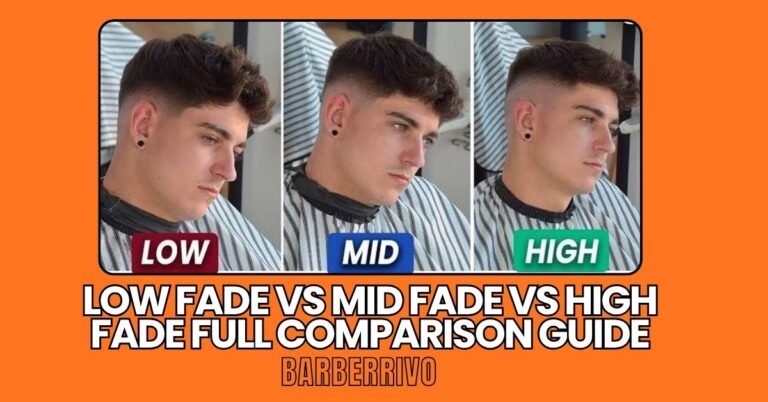
Ivy League vs Fade Haircut
Similarly, ivy league haircut vs fade isn’t an either-or choice. A fade is simply one way to finish the sides of an Ivy League cut, offering a smoother blend than a standard taper.
Ivy League vs Buzz Cut
The ivy league haircut vs buzz cut comparison is the most extreme on this list. A buzz cut keeps everything uniformly short, with zero length for styling. The Ivy League keeps that longer top specifically so you can shape it.
Ivy League vs Side Part
A side part is a styling choice, not a haircut category on its own. The ivy league haircut vs side part question really asks whether you want the part as your main styling method, which many Ivy League wearers do choose.
Ivy League vs Harvard Clip
Here’s a fun one: the ivy league haircut vs harvard clip debate is mostly about naming, not substance. Many barbers treat these as the same cut, just with regional naming differences depending on where you’re located.
Frequently Asked Questions
What is an Ivy League Haircut?
It’s a classic men’s cut with short, tapered sides and longer hair on top. The top length allows for styling into a part, sweep, or brushed-up shape, making it one of the most versatile options in men’s grooming.
Is the Ivy League Haircut the same as the Harvard Clip?
Largely, yes. The harvard clip and the Ivy League haircut share the same core structure. Naming differences usually come down to regional barbershop language rather than any real difference in the cut itself.
Is the Ivy League Haircut good for all face shapes?
Mostly, yes. With small adjustments to top length and volume, this timeless men’s haircut flatters round, oval, square, and heart-shaped faces alike. A good barber will tweak the proportions to suit your specific features.
Can you get an Ivy League Haircut with curly hair?
Absolutely. A curly ivy league haircut simply lets natural curl pattern show on top, while the sides stay tapered as usual. Curl-defining cream helps keep the shape controlled throughout the day.
Is the Ivy League Haircut suitable for thinning hair?
Yes, and it’s actually a smart choice. The length on top helps disguise thinning areas, while the short, clean sides keep the overall look sharp and intentional rather than sparse.
How often should you trim an Ivy League Haircut?
Most guys book a haircut every 3 weeks to keep the taper or fade looking fresh. Lower-maintenance, longer versions of the cut can often stretch closer to five weeks between appointments.
What is the Ivy League haircut called?
It goes by a few names depending on region, including the harvard clip and the princeton haircut. All three terms generally describe the same short-sides, longer-top style.
How do I ask for an Ivy League haircut?
Name the cut directly, specify your clipper guard number for the sides, state your desired top length, and bring a reference photo if you have one.
What is a classy Ivy League haircut?
A gentleman’s haircut version usually means a classic side part with a low taper and a matte or light-shine finish, ideal for business haircut for men settings.
Do barbers know what an Ivy League haircut is?
Yes, most barbers recognize this style immediately. It’s one of the most requested cuts worldwide, so naming it by this term alone usually gets you most of the way there.
Conclusion
The ivy league men’s haircut has stuck around for a reason. It’s flexible, it’s professional, and it adapts to almost any face shape or hair type you bring to the chair. Whether you’re after a classic ivy league style for the office or a modern ivy league style with texture and fade, this cut has a version built for you. Pick a style from the 25 above, save a photo, and take it straight to your barber. Use the tips in this guide to ask for the right taper and keep the cut sharp between visits. Book your next appointment, bring this guide along, and walk out with a cut that works as hard as you do.

Ryan Carter is a men’s grooming writer who covers haircuts, hairstyles, beard care, and barbering trends. He shares practical style advice and grooming tips to help men look sharp and stay confident.