23 Best Professional Haircuts for Men: Office-Ready Styles & How to Choose

Professional haircuts for men do more than keep your head tidy. They speak before you do. Princeton researchers found that people judge a stranger’s face in about a tenth of a second, and extra viewing time barely changes that view. So your first impression is fast and hard to undo. Your hair sits right at the center of it.
Think of a haircut like a well-fitted suit. It doesn’t have to be flashy. Professional Haircuts for Men It has to fit your head, your job and your daily routine. The sections ahead sort 23 cuts by length, match them to your hair type and show you how to choose. You’ll also find product tips, trim schedules and quick answers to common questions. Start with the table for a fast overview.
| Length group | Cuts covered | Trim cycle | Best for |
| Short (10 cuts) | Classic Taper to Low-Key Faux Hawk | 2 to 4 weeks | Strict dress codes and busy mornings |
| Medium (8 cuts) | Classic Side Part to Medium Flow | 4 to 6 weeks | Most offices and more styling range |
| Long (5 cuts) | Tidy Man Bun to Half-Up, Half-Down | 6 to 8 weeks | Creative and relaxed workplaces |
What Makes a Haircut Professional?
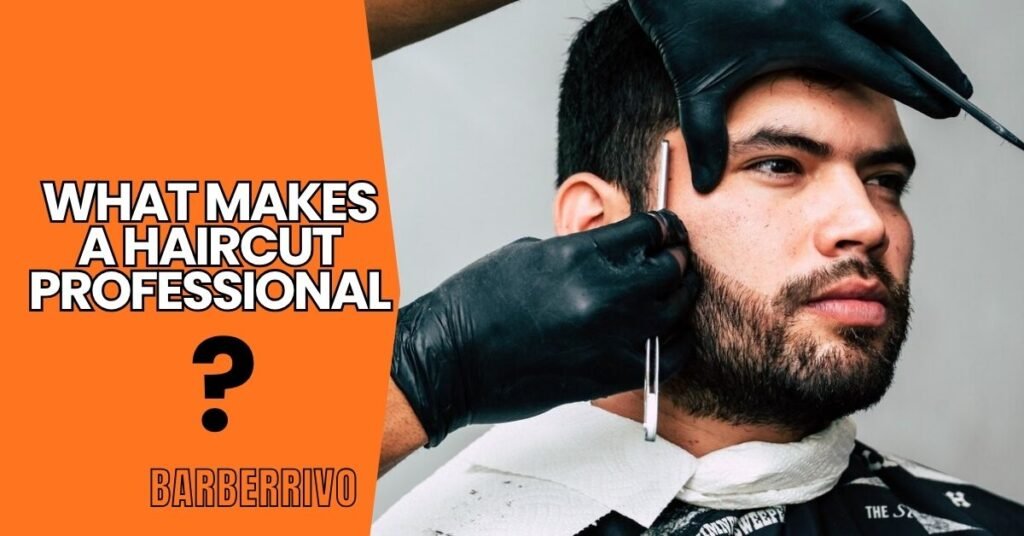
A professional men’s haircut looks tidy, planned and right for the job. It has clean edges and a shape that suits your head. Nobody should have to guess when you last visited the barber. Princeton psychologist Alex Todorov, who co-wrote that study, said our minds keep “sizing other people up at a glance.” Professional Haircuts for Men Neat hair gives them something good to see.
Still, the word “professional” shifts by industry and country. A bank in London may expect conservative haircuts for men. A design studio in Toronto may welcome more range. Some hospitals and factories add safety rules. What never changes is neatness. Every good set of workplace haircuts starts with a clean appearance.
Key Traits of an Office-Ready Cut
Office-ready haircuts share a few traits. Edges stay clean around the ears and neckline. The top and sides look balanced. Length stays controlled. The finish looks natural instead of stiff. Daily effort stays low. Tidy sides against a slightly longer top is a simple example. Professional Haircuts for Men It takes seconds to style and looks sharp all day. These traits define office hairstyles for men and business hairstyles for men alike. They also shape clean cut hairstyles of every length. If a style needs forty minutes before each meeting, it probably isn’t practical.
Classic vs. Trend-Driven Cuts in the Workplace
Classic men’s hairstyles such as the side part and taper are safe almost anywhere. Trend-driven cuts need more care. A textured crop is easy to keep neat. A high skin fade with heavy design lines may not be. Conservative fields like law and finance lean classic. Creative fields allow more range. The trick is to wear modern professional hairstyles in a way that still reads as polished hairstyles. Keep the edges crisp and the finish soft.
| Style type | Examples | Where it works best |
| Classic | Side part, classic taper, crew cut | Law, finance, government, job interviews |
| Trend-driven | Textured quiff, faux hawk, long flow | Tech, media, design, startups |
| Blend of both | Textured crop, low taper fade | Most modern offices |
Short Professional Haircuts for Men
Short professional haircuts for men lead the list of men’s professional hairstyles for a simple reason. They suit almost any office environment. They look neat on day one and on day twenty. They also need very little hair maintenance. That’s why they dominate corporate haircuts for men and interview haircuts for men. A short, sharp cut tells people you pay attention to detail.
Most short styles rely on clippers. Guard numbers tell your barber how much length to leave. The table lists the common sizes in millimeters and inches. Brands differ slightly. Confirm the size with your barber before the first cut. Ten short styles follow. Each one works in a real office.
| Guard | Millimeters | Inches | Typical use |
| #1 | 3 mm | ⅛ in | Tight sides, close buzz |
| #2 | 6 mm | ¼ in | Neat sides, crew cut |
| #3 | 10 mm | ⅜ in | Softer taper, longer buzz |
| #4 | 13 mm | ½ in | Longest buzz, short top |
Classic Taper
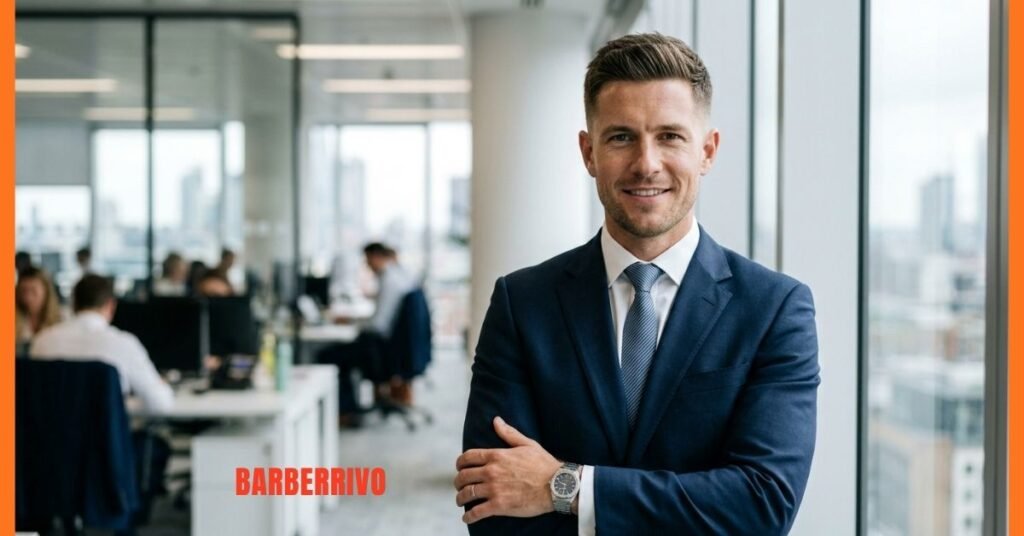
The classic taper is the safest first pick. It keeps more length on top and shortens gradually toward the sides and neckline. The change is smooth. Nothing looks harsh or sudden. It works with a suit or a business casual shirt and suits most face shape types. Professional Haircuts for Men It’s a sharp men’s haircut that never looks trendy for the wrong reasons. Style the top with a little hair cream and a comb. Book regular trims every three to four weeks. Ask your barber for scissors on top and a natural neckline with clippers on the sides.
Taper Fade

A taper fade is shorter and faster than a classic taper. The sides drop to very short lengths near the ears and neck. A low fade starts just above the ear. A mid fade starts near the temple. A high fade starts higher and looks bolder. For work, stay with low or mid. Professional Haircuts for Men That gives you a professional fade haircut that never looks loud. Add a touch of hair wax for light hold. Fades grow out quickly, so plan a refresh every two to three weeks. Ask for a low taper fade with a soft blend into the top.
Crew Cut
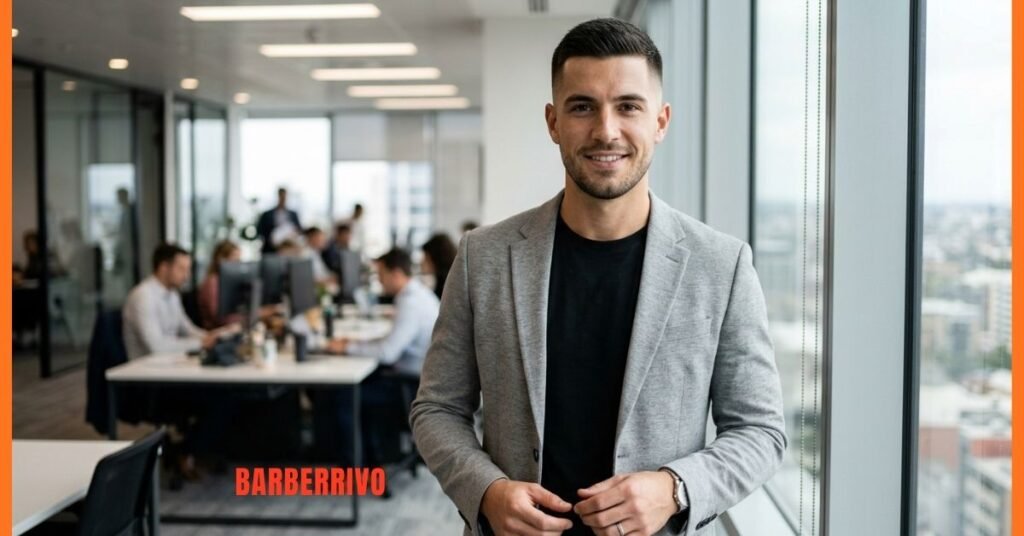
The crew cut is often linked to rowing teams at American universities. It keeps a short top and closely cut sides. The morning routine is almost zero. It flatters thinning hair because the short length reduces contrast between hair and scalp. Professional Haircuts for Men It also suits thick hair density well. Use a pea-size amount of hair clay for texture or use nothing at all. Trim every three weeks to keep the edges clean. Ask your barber for a #2 on the sides and about half an inch (13 mm) on top.
Buzz Cut
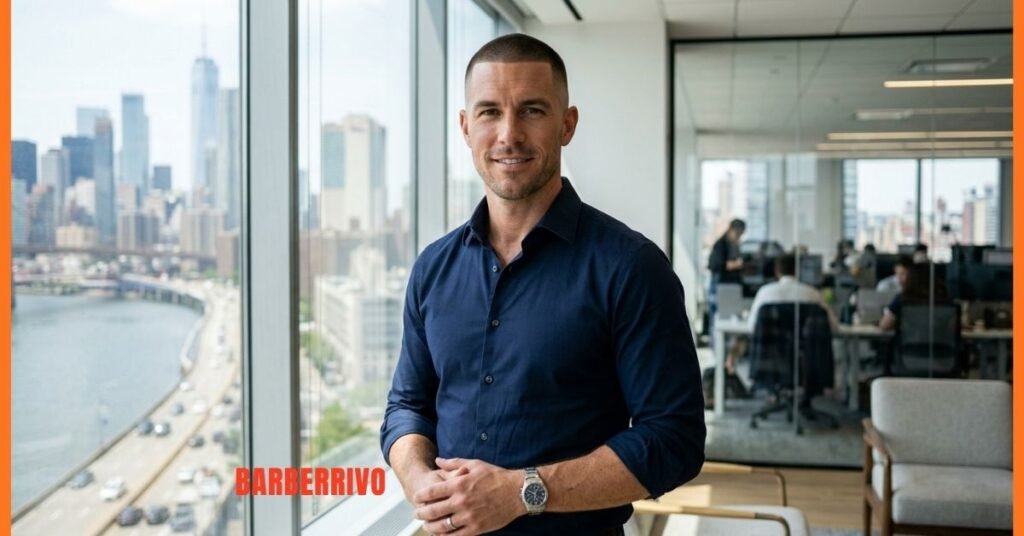
The buzz cut uses one guard length all over. Most office versions sit between a #2 and a #4 (6 to 13 mm). An even buzz reads as neat because every edge is crisp. Your head shape shows, so check it in the mirror before you commit. Scalp care matters here. Wash gently and moisturize the skin. Add sunscreen outdoors. Trim every two to three weeks. Ask for a #3 buzz all over with a clean neckline and tidy sideburns.
Ivy League
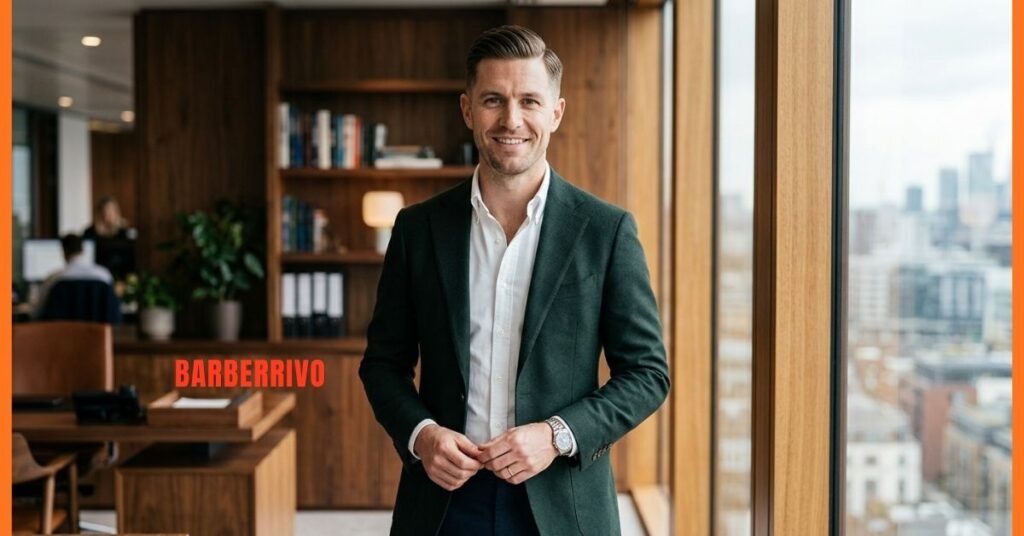
The Ivy League haircut is a crew cut with extra top length. The top is long enough to part or sweep to one side. Professional Haircuts for Men The sides stay short and tidy. It has a collegiate, business casual charm and fits any business professional haircut brief. Its close cousin, the side swept crew cut, keeps the top a bit shorter but still brushes it across. Both suit straight and wavy hair. Use a little hair gel or cream for control. Trim every three to four weeks. Ask for an Ivy League cut with a natural side part.
French Crop
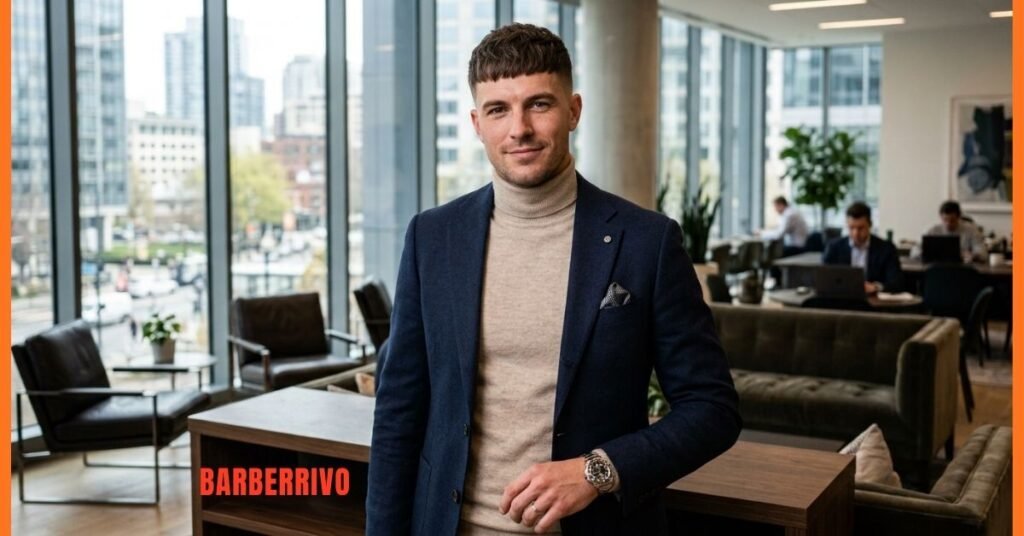
The French crop pairs short sides with a short, textured fringe cut straight across the forehead. It can disguise a high forehead. It works well on thick or wavy hair because the texture adds shape. Use a small amount of matte hair wax on dry hair and push the fringe forward. Professional Haircuts for Men Trim every three to four weeks so the fringe stays neat. Ask for a French crop with a short blunt fringe and a low taper on the sides.
High and Tight
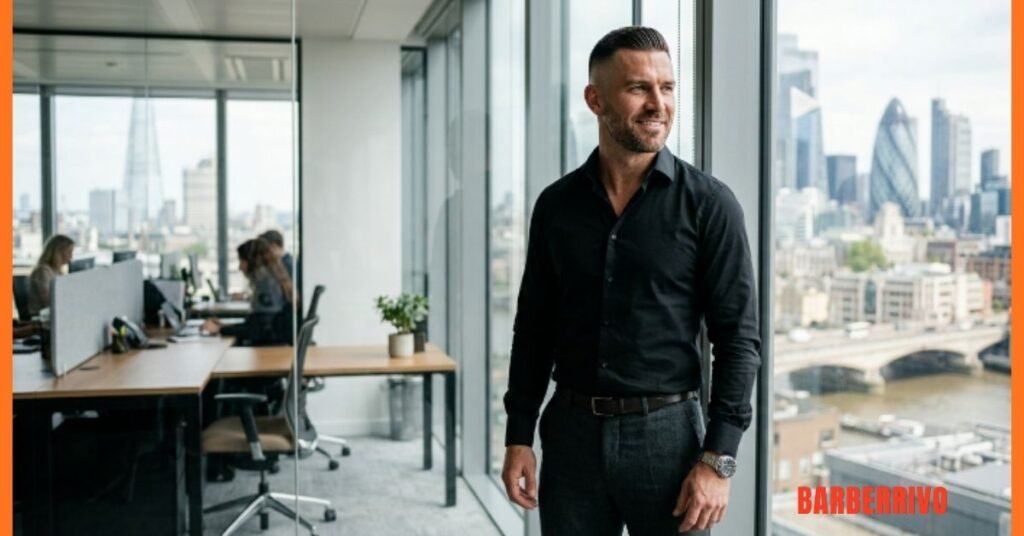
The high and tight has military roots. The sides are clipped very close and the top stays slightly longer. It feels strict and focused. That suits formal and uniform-style workplaces. It also keeps you cool in hot climates. It needs almost no styling products. Professional Haircuts for Men The contrast fades fast, so book a trim every two to three weeks. Ask for a #1 on the sides and a #4 on top. Blend the sides high above the ears.
Textured Crop
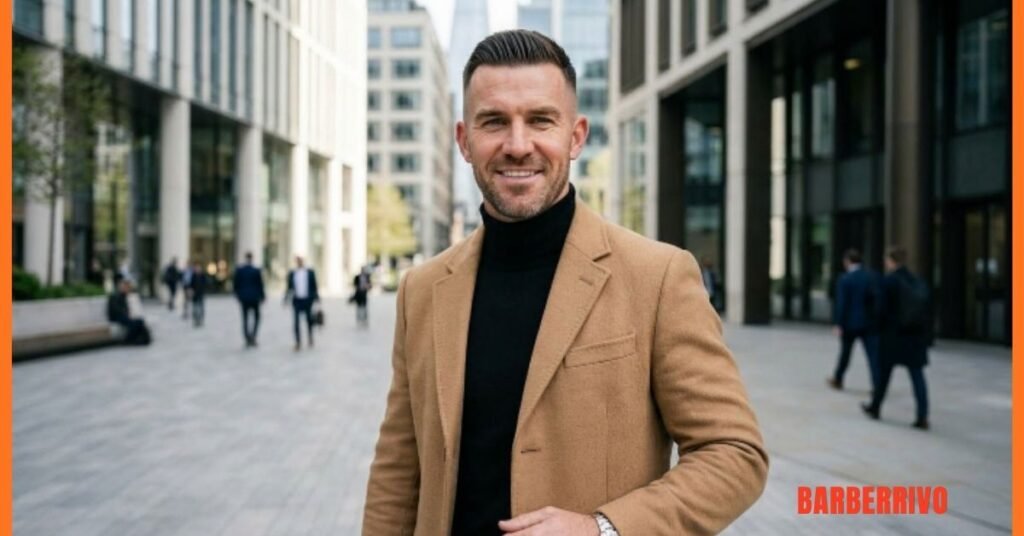
The textured crop is modern yet office-friendly. Short sides balance a top cut in layers. The finish is matte and slightly messy in a controlled way. It’s one of the most stylish office haircuts you can wear. It bridges corporate and creative offices. It also looks good on video calls. Professional Haircuts for Men Work a little hair clay through dry hair and push the fringe forward. A brush up haircut is a close cousin. The top is pushed upward instead of forward. Trim every four weeks.
Business Executive Cut
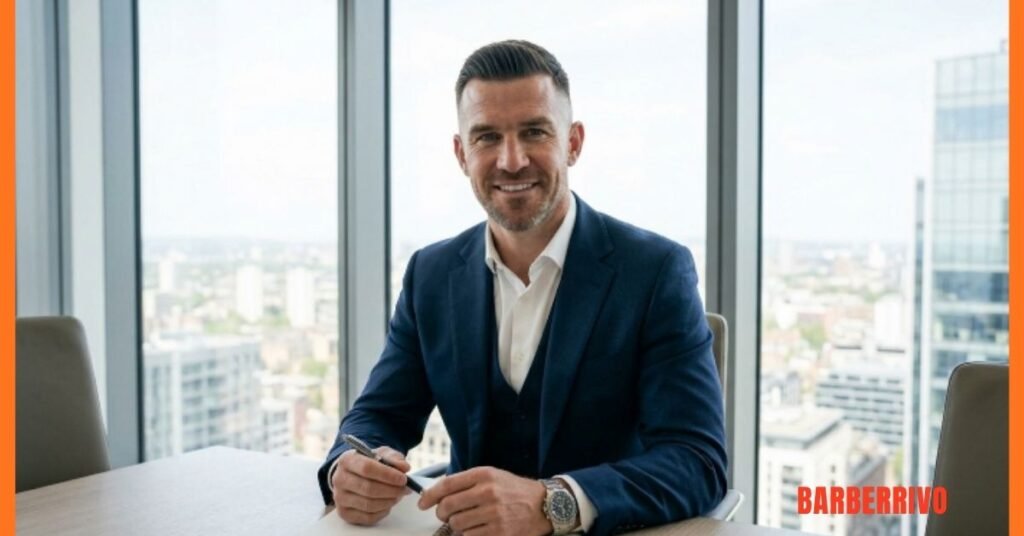
The business executive cut is a tapered, side-styled boardroom look. The top is medium-short and combed to one side. Professional Haircuts for Men The sides taper neatly and the neckline stays clean. Among executive hairstyles, it’s one of the easiest to keep sharp. It suits client-facing roles and senior meetings. Apply mousse to damp hair for body. Finish with a little hair cream. Trim every three to four weeks. Ask for an executive taper with a side sweep and a natural neckline.
Low-Key Faux Hawk
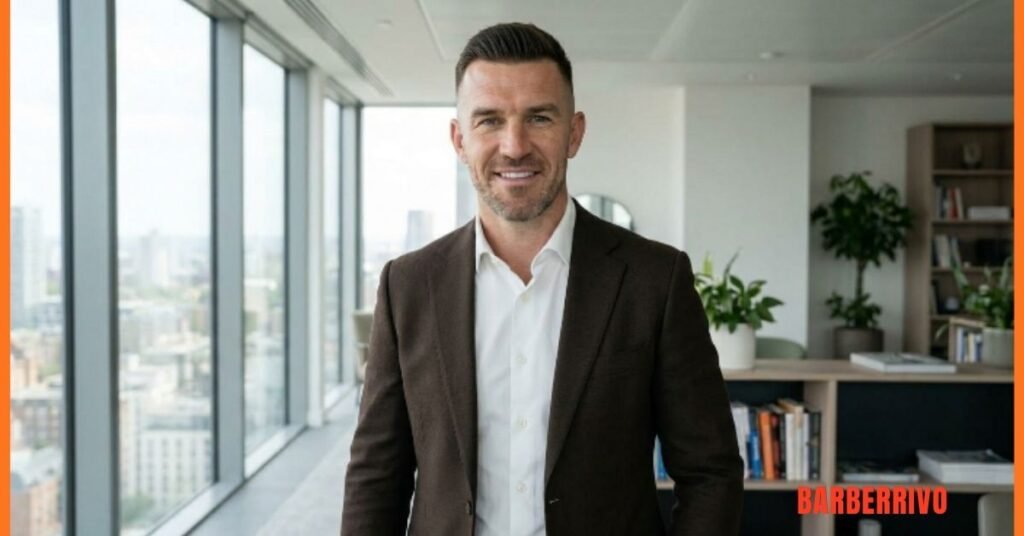
A toned-down faux hawk adds light height through the center. The sides stay neat with no sharp, high shave. Professional Haircuts for Men It suits relaxed offices and creative teams. Keep the height to about an inch (2.5 cm). Use a blow dryer to lift the front. Then set it with a small amount of hair wax. Skip spikes and heavy gel. Trim every three weeks. Ask for a subtle faux hawk with softly tapered sides and a smooth transition into the top.
Medium-Length Professional Hairstyles
Medium length gives you room to style. It also allows more personality. Many professional hairstyles for men in this range leave about two to four inches (5 to 10 cm) on top. That’s enough to sweep, lift or comb. Neatness matters more as length grows. Loose ends look messy fast. Clean sides and a defined shape keep the look sharp.
These cuts suit men who enjoy some variety. Most need a blow dryer and a small set of styling products. In return you get smart hairstyles for men that work with suits, shirts and relaxed Fridays. They also count as flexible work hairstyles for men. You can go formal for a meeting and softer at the weekend.
Classic Side Part
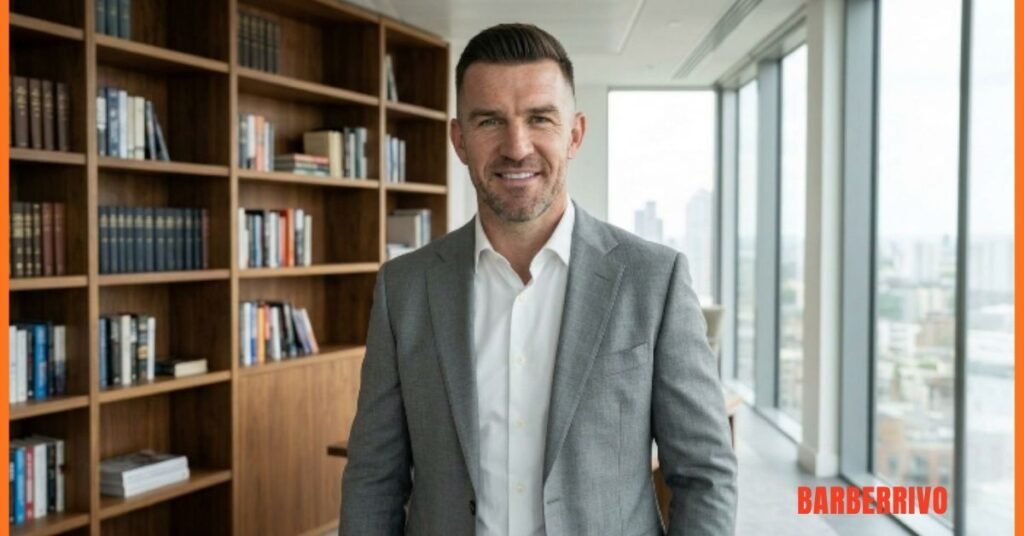
The side part is one of the best formal hairstyles for men. A defined line or a natural part sends the top to one side. The sides are trimmed shorter but not too tight. It looks timeless with a suit and just as good with a knit polo. To avoid a flat look, add mousse at the roots and blow dry. Comb it with a light hair wax. Trim every four weeks. Ask for a side part with scissor-cut sides and a soft taper.
Comb Over with Taper
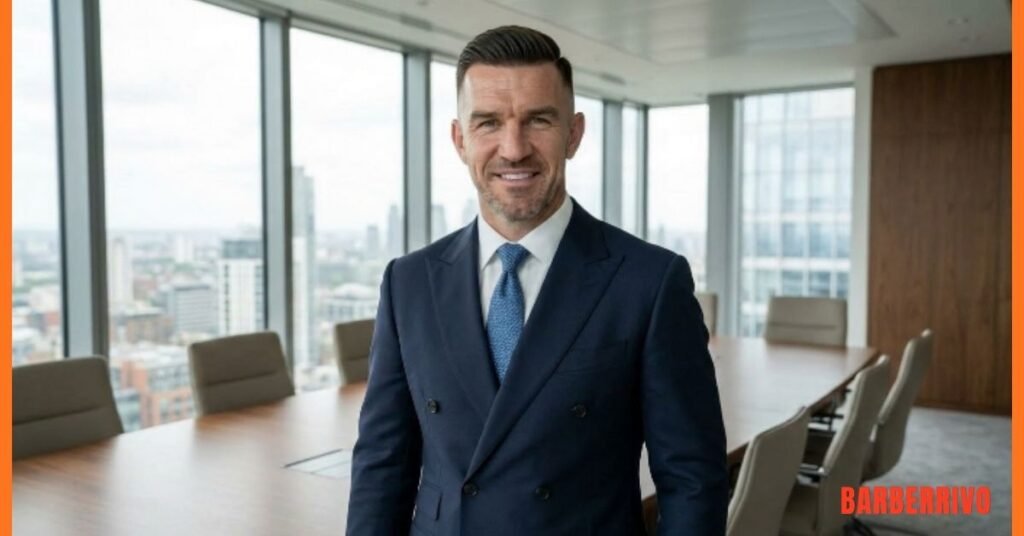
The comb over sweeps the top to one side. The sweep is heavier and more deliberate than a side part. Professional Haircuts for Men A taper keeps the ears and neck clean. Use pomade for medium hold and a little shine. Choose cream for a matte finish. Blow dry first and then comb. It suits thick hair density and helps cover a thinning crown. Trim every three to four weeks. Ask for a comb over with a low taper and a clear part.
Textured Quiff
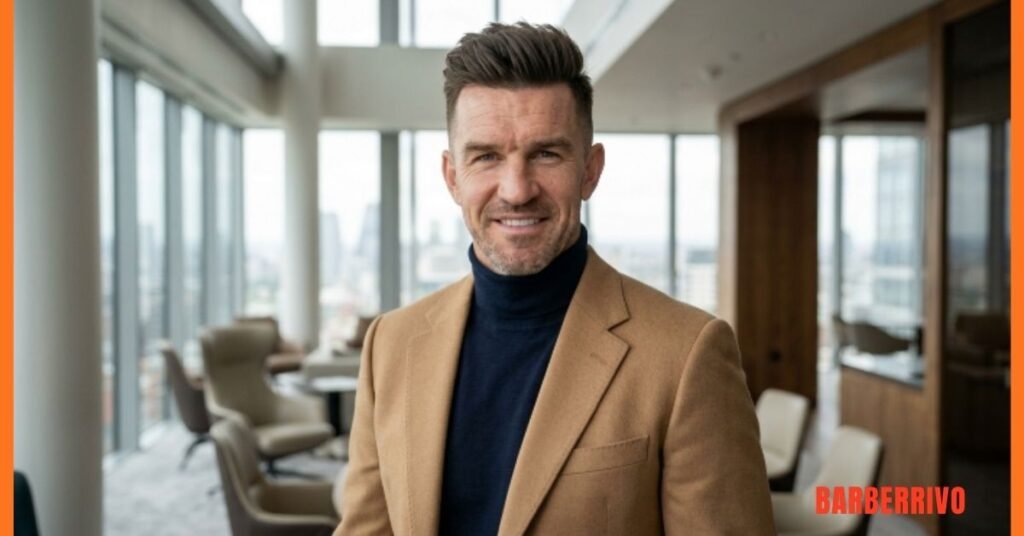
The textured quiff lifts the hair upward and slightly back while the sides stay shorter. Layers add bounce and movement. Blow dry upward with your fingers. Then add a small amount of clay. Too much makes it look overdone. It flatters round and square faces by adding height. Professional Haircuts for Men It feels modern but stays neat. Trim every four weeks. Ask for a textured quiff with tapered sides and a layered top that isn’t too tall.
Modern Pompadour
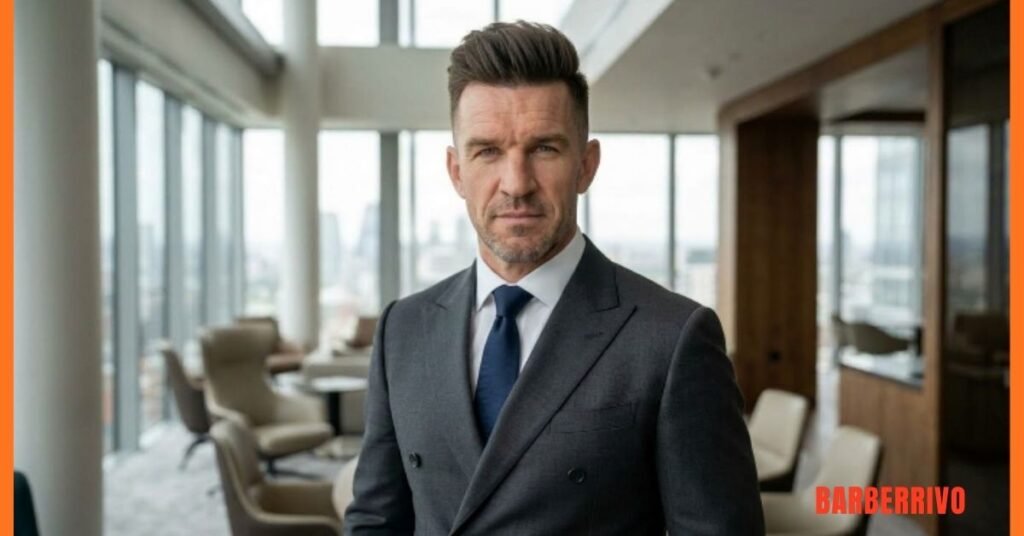
The pompadour is named after Madame de Pompadour, a figure at the 18th-century French court. The office version is far calmer. The front sits shorter and the lift is softer. Blow dry the front up and back. Then set it with pomade or wax. Keep the sides short but blended. Avoid tall, glossy heights. It suits medium to thick hair. Trim every three to four weeks. Ask for a modern pompadour with about three inches (7.5 cm) on top.
Slick Back
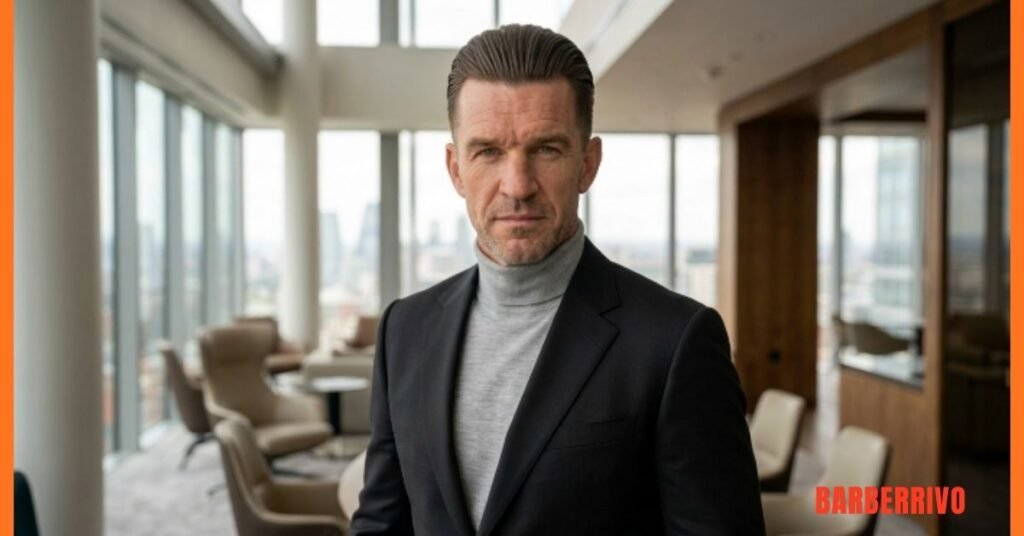
The slick back combs everything backward while the sides blend in. Professional Haircuts for Men A matte finish reads as business-safe. A glossy one reads as evening wear. Humidity can loosen the hold, so choose a firmer product like hair gel in damp climates. It works best on straight or slightly wavy hair with good density. Comb from damp hair and set with a dryer. Trim every four weeks. Ask for a slick back with tapered sides and a matte finish.
Mod Cut
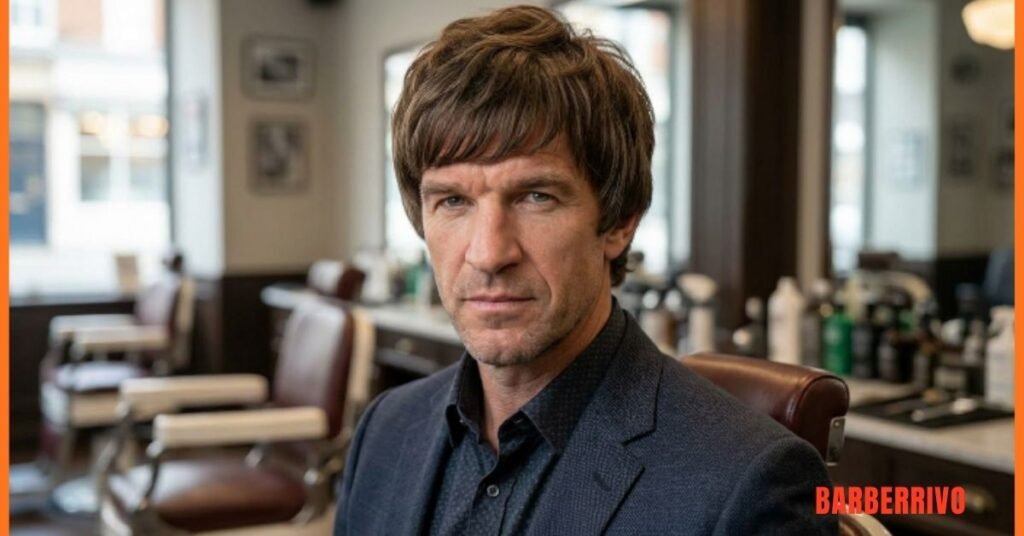
The mod cut comes from 1960s British street style. It keeps a full top with a forward fringe. Professional Haircuts for Men The sides are trimmed but not too short. It gives you neat hairstyles for work with a touch of character. Comb the top forward or add a little lift. A light hair cream holds it in place. It suits thick hair best. Trim every four to five weeks. Ask for a mod cut with a forward fringe and scissor-cut sides.
Professional Undercut
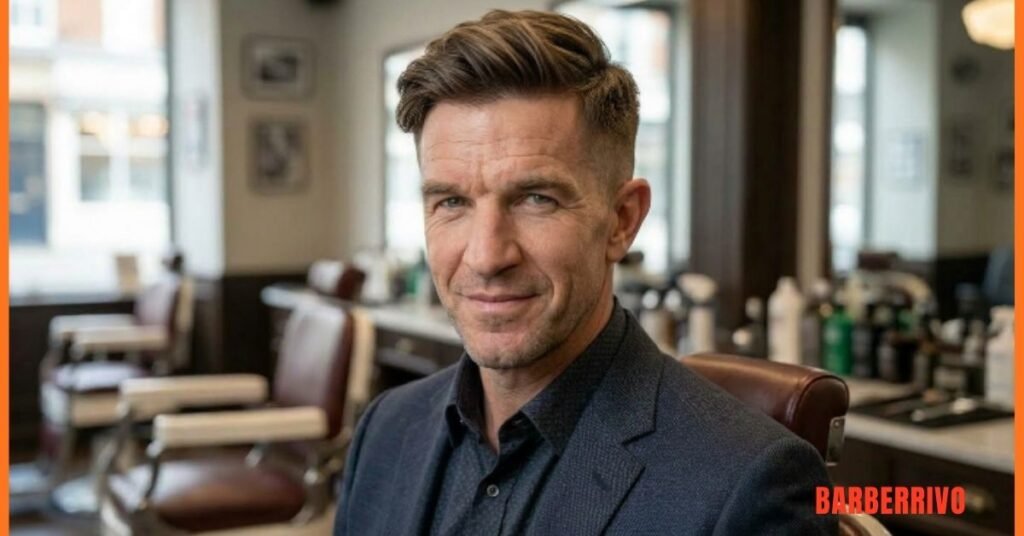
The professional undercut blends the sides into a longer top. There’s no harsh, disconnected line. That’s the key difference from a bold street version. The top can be combed back or to the side. Use a light hair gel or cream for control. Ask for a smooth transition. Professional Haircuts for Men Tell your barber you want it “blended, not disconnected.” Trim every three weeks. The sides grow out fast and the shape loses its edge.
Medium Flow
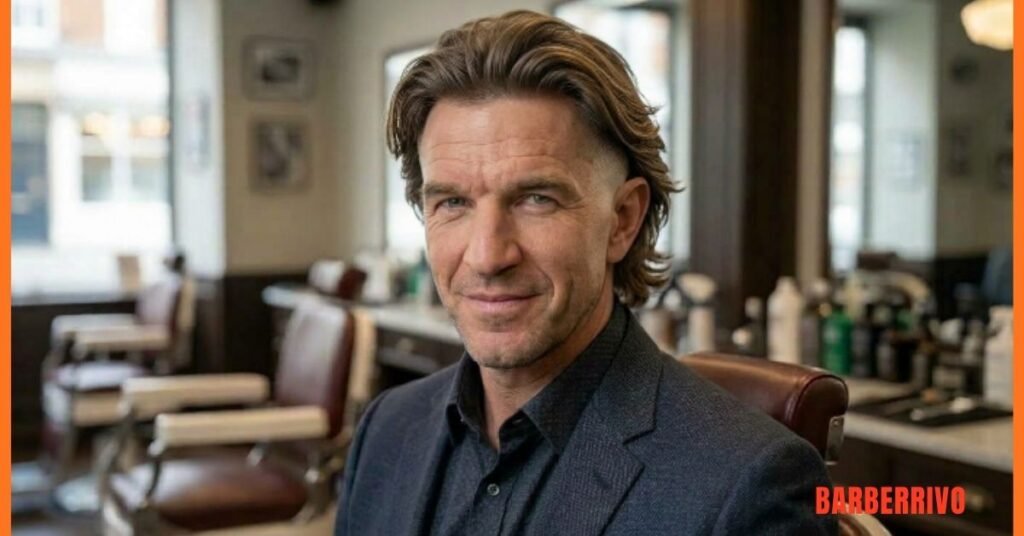
The flow hairstyle is natural and low-effort. The hair falls back or to the sides with a soft shape. It suits relaxed offices and men who dislike styling. Wash it, comb it and let it dry. Add a leave-in cream or light spray to control frizz. Its longer, groomed cousin, the bro flow, appears in the next section. Trim every six weeks so the ends stay healthy. Ask for a medium layered flow with tidy ends and no bulk at the sides.
Long Hairstyles That Still Look Professional
Long hair can look professional when it looks deliberate and healthy. Clean ends, a tidy shape and steady hair maintenance matter most. Many firms now accept long hair within their corporate grooming styles. The payoff is more personality and more styling choices. The cost is more time and more care.
Check the dress code first. Some industries ask for long hair to be tied back or covered for safety. Professional Haircuts for Men Norms also vary by region. What works in Amsterdam may raise eyebrows elsewhere. When in doubt, ask HR or study what senior colleagues wear.
Tidy Man Bun or Low Ponytail
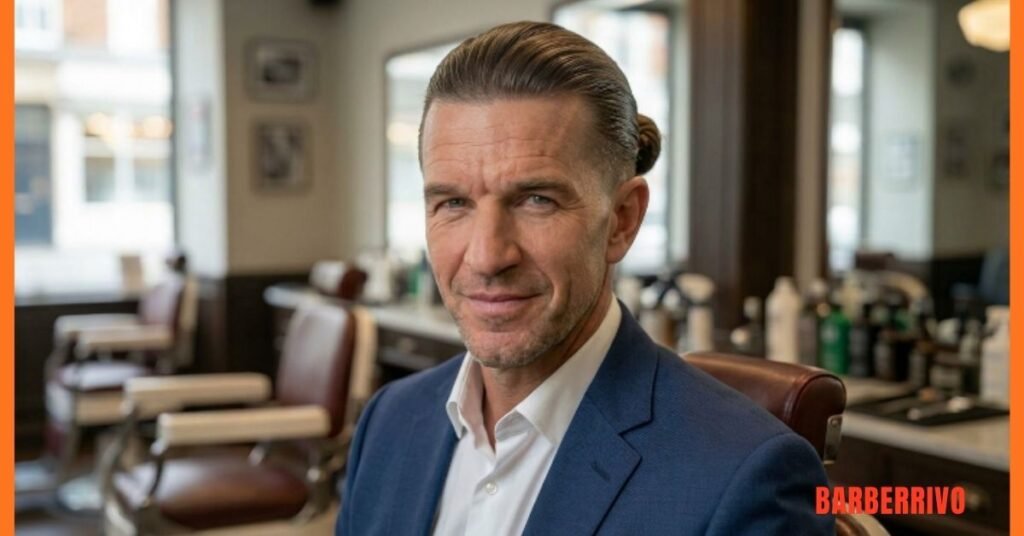
The man bun keeps long hair off your face and shoulders. Clean sides, a smooth top and a neat tie make it work at the office. Use a little serum or hair cream to calm flyaways. A low ponytail at the nape reads more formal than a high bun. Professional Haircuts for Men Use a plain band in a color close to your hair. Avoid a loose, messy knot. Trim the ends every six to eight weeks. Ask your hairstylist to tidy the sides and shape the hairline.
Long Comb Over
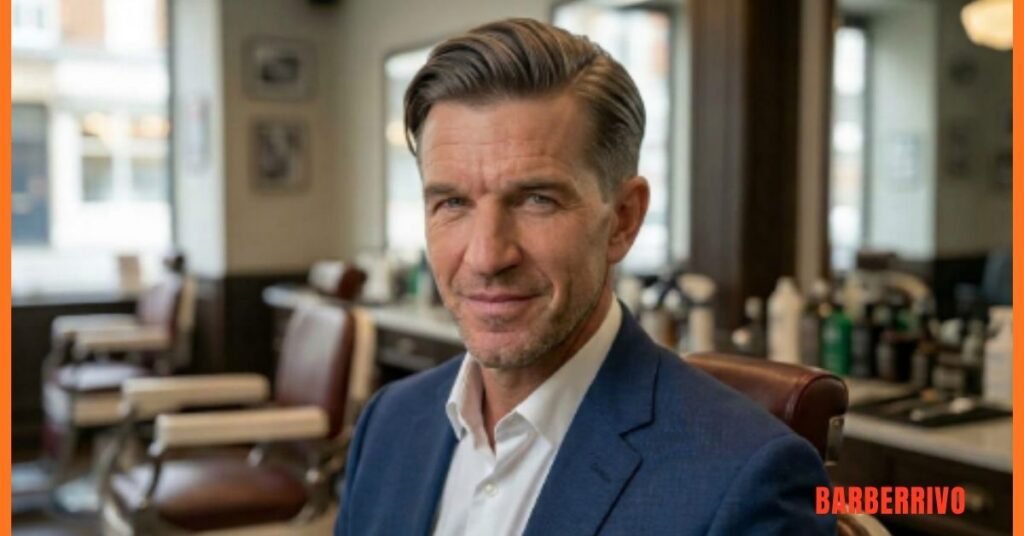
The long comb over keeps length on top and clean sides. The sides can be scissor-cut or softly faded. Sweep the top to one side and keep the part clear. Choose a matte or light-hold product to avoid a greasy shine. Comb gently and don’t let it get heavy. It suits medium to thick hair. Trim every six weeks to keep the shape. It gives you polish and personality in one simple look.
Shoulder-Length Waves
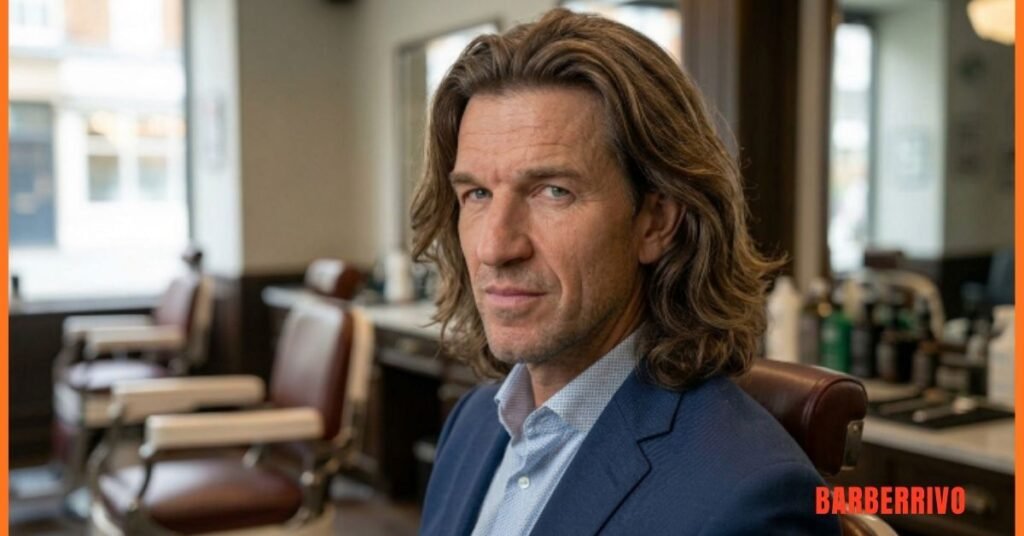
Shoulder-length waves look natural yet neat. Healthy ends matter most. Use a light hair cream or sea salt spray to shape the waves. Comb through damp hair with a wide-tooth comb. That helps waves stay soft instead of puffing into frizz. Air dry or use a blow dryer with a diffuser. Professional Haircuts for Men The style suits medium to thick hair density. Trim every eight weeks. Ask for soft layers that follow the wave pattern.
Groomed Bro Flow
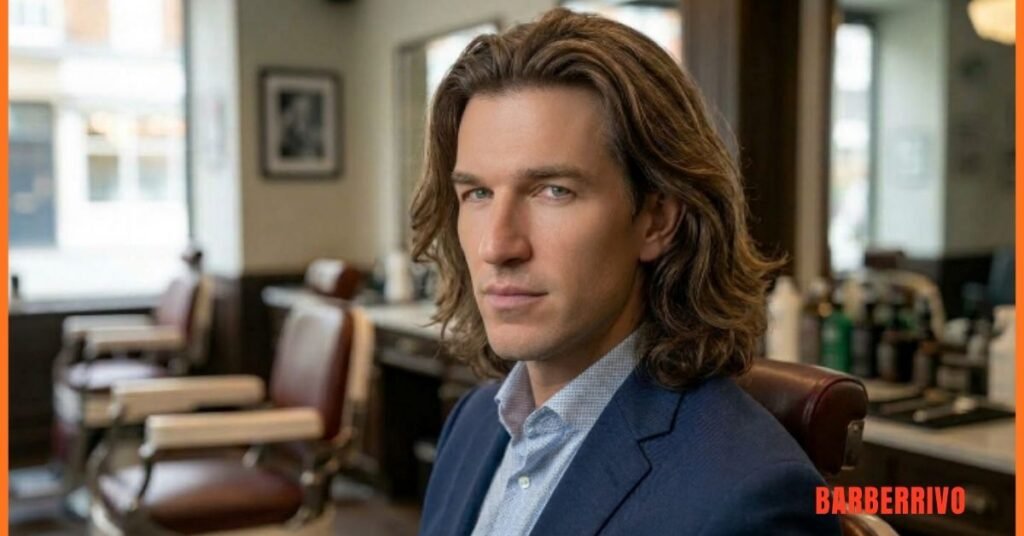
The bro flow is a longer, relaxed style that falls back past the ears. “Groomed” is the key word. It means tidy ends, no frizz and a clean neckline. It differs from the medium flow in length and volume. Apply a leave-in product and comb it back. A little cream keeps it manageable. Trim every eight weeks. Ask your barber to remove split ends and clean up the neck without cutting the length.
Half-Up, Half-Down
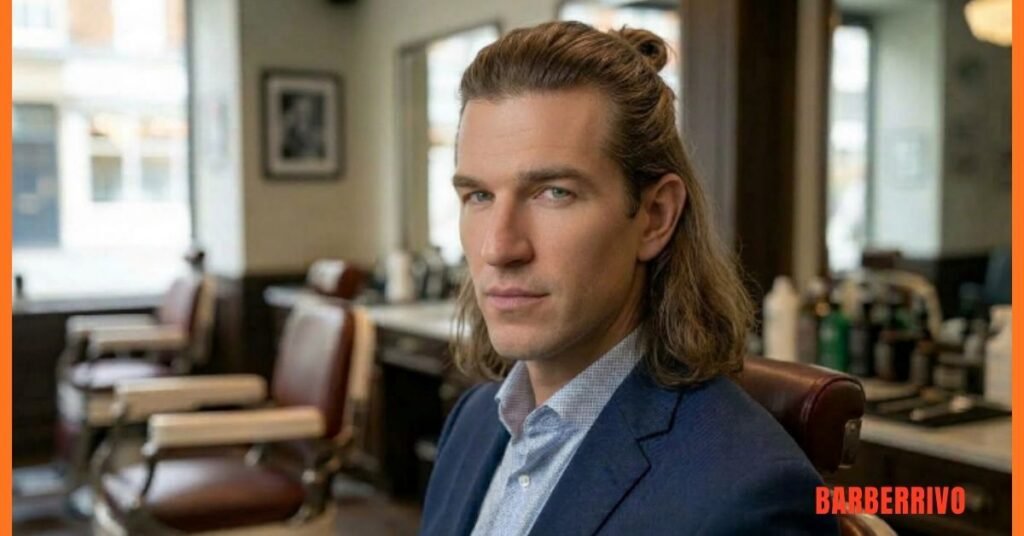
The half-up, half-down style ties the top section back while the rest stays loose. It keeps hair out of your face and still shows the length. Use a clean band or tie. Brush the lower layer smooth. It suits meetings and long desk days. It works best on straight or wavy hair. Trim every six to eight weeks. Ask for even layers underneath so the loose section falls neatly.
Best Professional Haircuts by Hair Type
Hair texture decides how a cut behaves. The same taper can look flat on fine hair and full on coarse hair. Hair density matters too. Thick hair holds shape well. Thin hair shows the scalp sooner. Knowing both helps you choose the best haircuts for professional men with your own hair in mind.
The six hair types below each get a cut suggestion and a product tip. Treat them as starting points. Your barber or hairstylist can adjust for your head shape and lifestyle.
| Hair type | Best cuts | Key product | Trim cycle |
| Straight | Side part, slick back, quiff | Light mousse | 3 to 4 weeks |
| Wavy | French crop, medium flow, side part | Sea salt spray or hair cream | 4 to 6 weeks |
| Curly | Curly taper, cropped curls | Curl cream | 3 to 4 weeks |
| Coily and afro-textured | Tapered afro, low cut with line-up, twists, neat locs | Moisturizing cream or oil | 2 to 4 weeks |
| Thin or thinning | Crew cut, short taper, short textured crop | Matte hair clay | 3 weeks |
| Receding hairline | Buzz cut, short taper, textured fringe | Matte hair clay | 3 weeks |
Straight Hair

Straight hair holds clean lines. That makes side parts, the slick back and quiffs look sharp. Its weak spot is flatness. Add a little mousse at the roots and blow dry for lift. Avoid heavy gel that glues strands together. Keep the ends neat because straight hair shows uneven cutting quickly.
Wavy Hair
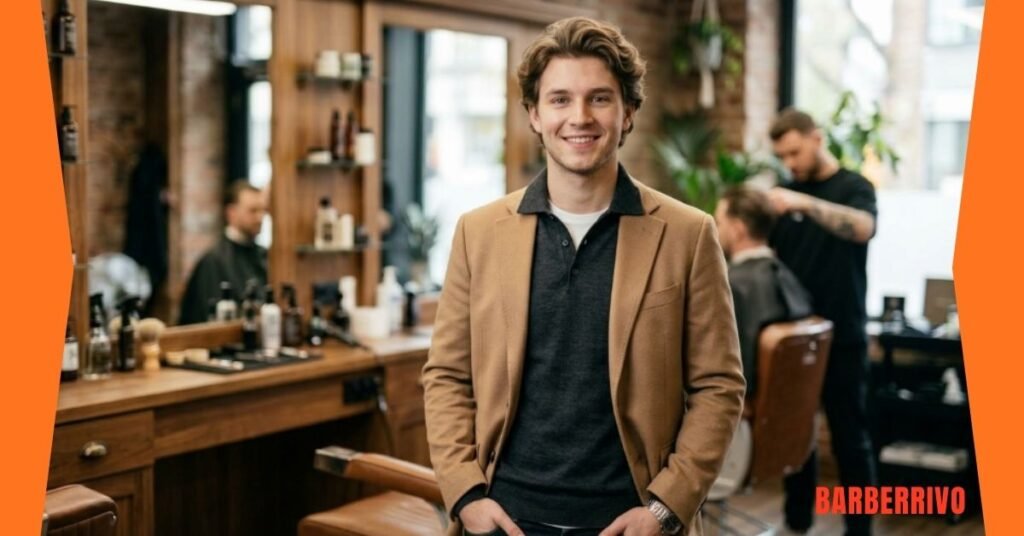
Wavy hair brings natural texture. Go for flow styles, a French crop or a side part. A light cream or sea salt spray defines the waves without stiffness. Let the waves dry naturally or use a diffuser. Regular trims keep them soft and even. Too much length can turn waves into puffy shapes.
Curly Hair
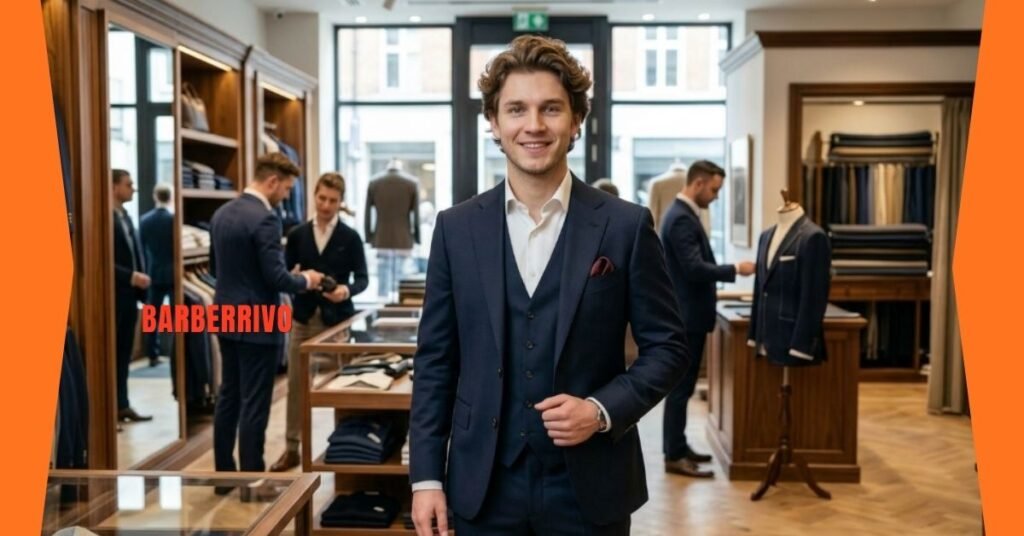
Curly hair looks best with a curly taper or cropped curls. Short sides keep things tidy while the top keeps its bounce. Curls need moisture, so use a curl cream on damp hair. Do not brush dry curls. Brushing causes frizz. Shape the curls every few weeks so the outline stays neat.
Coily and Afro Textured Hair
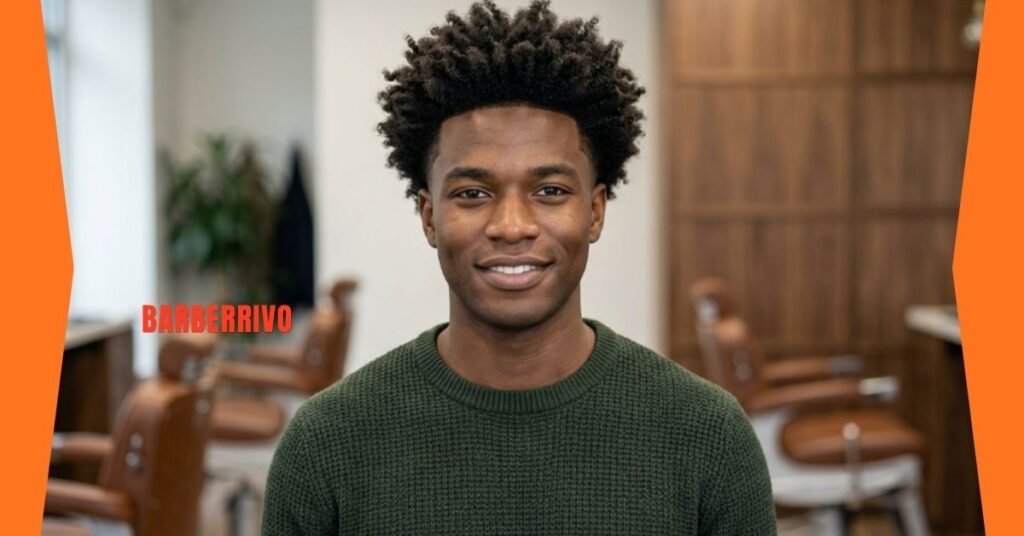
Coily and afro-textured hair suits sharp, structured cuts. Good options include a tapered afro, a low cut with a crisp line-up, neat twists or well-kept locs. Each one reads as a strong professional appearance when the edges are clean and the hair looks healthy. Moisturize often with cream or oil to prevent dryness. Choose a barber who knows textured hair. Line-ups need a refresh every two to three weeks.
Thin or Thinning Hair
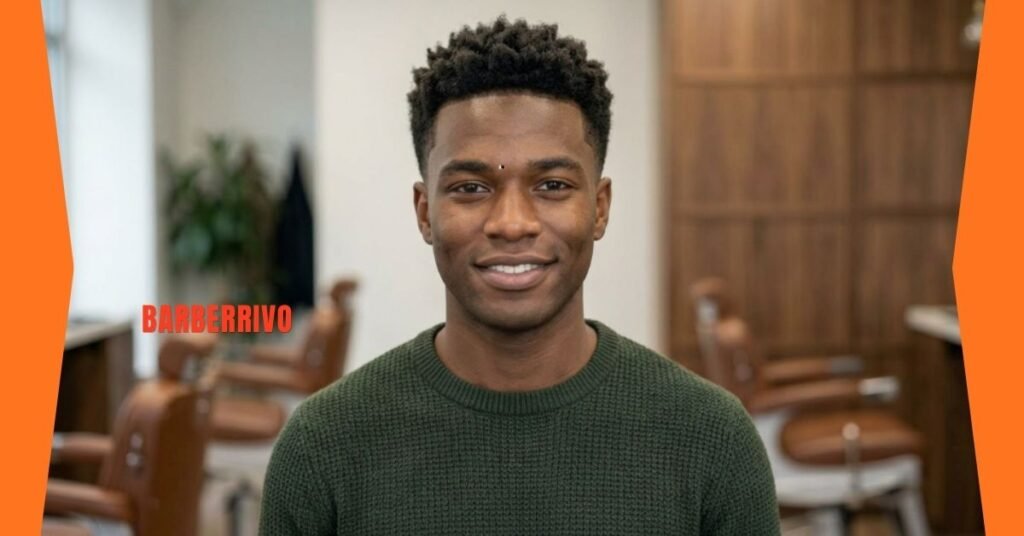
Short is your friend. A crew cut, short taper or short textured crop reduces the contrast between hair and scalp. Hair looks fuller. Avoid long, slicked styles that expose thin areas. A matte hair clay or fiber powder adds visual density without weight. Wash gently and skip heavy products that flatten the roots.
Receding Hairlines

For a receding hairline, aim for a short cut that makes the hairline less noticeable. A buzz cut, short taper or textured fringe all work well. A hard side part can highlight the temples. Soften it or skip it. A forward textured crop breaks up the hairline nicely. Keep the sides tidy. Confidence matters as much as the cut.
How to Choose the Right Professional Haircut
Choosing well takes three steps. Start with your face shape. Then check your workplace rules. Finally, think about how much time you have each morning. Follow that order and you’ll avoid most regrets. The method also helps you find the best professional men’s haircut for your own life instead of a copy of someone else’s.
Picture this. A man leaves the chair with a tall, glossy pompadour. It looks great under the shop lights. On Monday he has ten minutes, a wet commute and no blow dryer. By nine o’clock the style has collapsed. The cut wasn’t bad. It just didn’t fit his routine. Small mismatches like this are why step three matters.
Match the Cut to Your Face Shape
A good haircut should work with your bone structure, hair texture and natural features, much like a well-tailored suit. Barbers usually sort faces into oval, round, square, oblong, heart and diamond. Look in a mirror and compare your face length, forehead, cheekbones and jaw. A detailed barber’s guide to face shapes can help you confirm your type. Use the table below as a quick reference.
| Face shape | Best cuts | Cuts to avoid |
| Oval | Textured crop, quiff, side part, slick back | Heavy fringe that hides the forehead |
| Round | Pompadour, textured quiff, faux hawk | Full sides and bowl shapes |
| Square | Crew cut, side part, pompadour | Very boxy, wide sides |
| Oblong | French crop, side part, textured fringe | Tall quiffs that add more height |
| Heart | Side part, textured fringe, medium flow | Very short sides with a tall top |
| Diamond | Textured fringe, side part with fuller sides | Tight slick backs that expose the temples |
Match the Cut to Your Industry and Work Culture
Corporate culture shapes what looks right. Finance, law and government lean toward conservative haircuts for men. Tech and creative fields allow more play. Read the dress code and watch senior colleagues. Norms also differ across regions. Religious and cultural grooming choices, such as beards, turbans or covered hair, are part of a professional appearance in many countries. Treat them with respect.
| Industry | Best fits | Notes |
| Finance and law | Classic taper, side part, Ivy League | Most conservative |
| Tech | Textured crop, quiff, medium flow | Relaxed but tidy |
| Creative fields | Faux hawk, bro flow, man bun | Most freedom |
| Healthcare | Short taper, crew cut, tied-back long hair | Hygiene comes first |
| Hospitality | Neat taper, side part, short crop | Guest-facing polish |
| Government and military | High and tight, crew cut, buzz cut | Strict rules |
Match the Cut to Your Daily Styling Time
Be honest about your mornings. Choose the cut for the time you actually have. A two-minute hair styling routine suits a buzz cut or a crew cut. A ten-minute routine suits a quiff or a pompadour. Skipping this step is the most common reason men end up disliking a good haircut.
| Time available | Best cuts |
| Under 2 minutes | Buzz cut, crew cut, high and tight |
| About 5 minutes | Classic taper, side part, textured crop, French crop |
| 10 minutes or more | Pompadour, textured quiff, slick back, long styles |
Barber or Stylist: Who Should Cut Your Hair?
A barber excels at short, clipper-based cuts and fades. A hairstylist often suits longer, layered or textured cuts. Many men use both. Read reviews and browse portfolios on social media. Ask to see before-and-after photos. Look for someone who asks about your job and routine, not just the style you want.
How to Style and Maintain a Professional Haircut
A great cut fails without upkeep. Professional grooming for men is a habit, not a one-time event. The right products, a simple routine, timely trims, a few tools and a matching beard keep the look sharp. Each piece is easy on its own.
The good news is that upkeep doesn’t need much time. Five short steps cover it. They are covered below in the order you’ll use them.
Best Hair Products for Each Style
Styling products each do a different job. Pomade gives shine and strong hold. Hair wax offers flexible hold. Hair clay gives a matte finish. Hair cream adds soft control. Mousse builds volume. Hair gel gives firm hold. In humid climates choose firmer products. In dry climates go lighter so the hair doesn’t feel stiff.
| Product | Finish | Hold | Best for |
| Pomade | Shiny | Strong | Slick back, pompadour |
| Hair wax | Natural | Medium | Side part, comb over |
| Hair clay | Matte | Medium to strong | Textured crop, quiff |
| Hair cream | Soft | Light | Waves, flow, medium lengths |
| Mousse | Natural | Light | Volume on straight hair |
| Hair gel | Wet or glossy | Strong | Ivy League, slick back in humid weather |
Simple Daily Grooming Routine
Wash dry hair two or three times a week. Wash oily hair more often. Towel dry gently. Apply product to damp hair. Use a blow dryer on medium heat to shape the style. Finish with a quick comb. That’s a full hair styling routine in about five minutes. Rinse the product out at night so your scalp can breathe.
How Often You Should Get a Trim
Regular trims keep any shape crisp. Short fades lose their blend first. Long styles change more slowly. Use the table as a guide and adjust to how fast your hair grows.
| Cut type | Trim cycle |
| Short fades and tapers | 2 to 4 weeks |
| Medium cuts | 4 to 6 weeks |
| Long styles | 6 to 8 weeks |
Grooming Tools to Keep at Home
A few tools make life easier between visits. Keep a comb, a soft brush, clippers with guards, a small trimmer and a pair of scissors for stray hairs. Add a blow dryer with a nozzle or diffuser. These handle quick touch-ups and daily styling. Leave fades and complex shapes to your barber. One wrong pass with clippers can cost you weeks.
Beard and Haircut Combinations That Work
Beard grooming should match your haircut. A fade can blend into the beard for a smooth line. Keep the neckline and cheek line crisp. Match the neatness level too. A sharp haircut paired with a scruffy beard looks unfinished. The table shows simple pairings that look balanced.
| Beard style | Best haircut pairs |
| Light stubble | Buzz cut, crew cut, taper fade |
| Short boxed beard | Classic taper, side part, Ivy League |
| Full beard | Textured quiff, pompadour, bro flow |
| Long beard | Man bun, long comb over |
Haircut Mistakes That Hurt a Professional Look
Some errors show up again and again. Ignoring hair texture is the biggest one. A cut that suits straight hair can fall apart on curly hair. Overusing styling products comes next. Heavy gel or greasy pomade looks messy by lunchtime. Skipping regular trims turns a sharp cut into a shapeless one. Ignoring your dress code invites awkward talks with your manager. Copying a celebrity style without adapting it is common. So is neglecting scalp and hair health. Dry flakes and dull hair undo even the best haircut.
Consider a composite example. Sam, a junior analyst, copied a celebrity’s high skin fade and tall quiff before a bank interview. On a video call the style looked loud. For his second round he switched to a low taper with a soft side part. The feedback moved from his look to his answers. The lesson is simple. Adapt trends to the room. A business professional haircut should support your message instead of competing with it.
FAQs
What are the most professional haircuts for men?
The most professional haircuts for men are the classic taper, crew cut, side part and Ivy League cut. They look neat and suit most face shape types. They also need little hair maintenance. Each one works under a strict dress code and still looks modern with the right styling products.
What is the best haircut for a CEO or executive?
The business executive cut, classic side part and tapered comb over are strong picks. They look polished and client-ready. Keep the sides clean and the finish matte or natural. Pair the haircut with a tidy beard or a clean shave so the whole look reads as confident.
Can men with long hair look professional?
Yes. Long hair can look professional when it’s clean, healthy and neatly styled. Trim the ends, tie it back or comb it smoothly and check your dress code. Some industries have safety rules. In most creative and modern offices, tidy long hair is well accepted.
How do I ask my barber for the right cut?
Bring a photo. Then name the length for the top, sides and back. State the fade or taper type and the guard numbers if you know them. Mention your job and how much time you have each morning. Clear details help the barber deliver the cut you want.
Which haircut works best on video calls?
A textured crop, crew cut or brush up haircut looks neat on camera. Short sides and a matte top avoid shine under lights. Keep the fringe off your eyes and the neckline tidy. The camera shows only your head and shoulders, so hair does a lot of the work.
How do I switch from a casual to a professional style?
Start with a classic taper or side part. Tidy the edges and add regular trims. Then add small touches such as a light hair cream or a cleaner neckline. Build polish step by step until the look feels natural at work.
Final Thoughts
Choosing among professional haircuts for men gets easy with three steps. Match the cut to your face shape. Check your workplace rules. Then be honest about your styling time. Add regular trims and a few good products. You’ll look polished every day. Your hair should feel easy to live with, not like a second job.
The old saying goes, “You never get a second chance to make a first impression.” Make the first one count. Pick a cut from this list, save a photo and book your barber appointment today.

Ryan Carter is a men’s grooming writer who covers haircuts, hairstyles, beard care, and barbering trends. He shares practical style advice and grooming tips to help men look sharp and stay confident.