100+ Best Fade Haircuts for Men to Try in 2026

Picking from the many Fade Haircuts for Men available today shouldn’t feel like guesswork. With so many fade haircut styles out there, from subtle to sharp, it helps to know what you’re actually asking for before you sit in the chair. This guide breaks down every major fade type, pairs them with the right top styles, and gives you real, usable advice for your next barber consultation. Let’s get into it.
What Is a Fade Haircut?
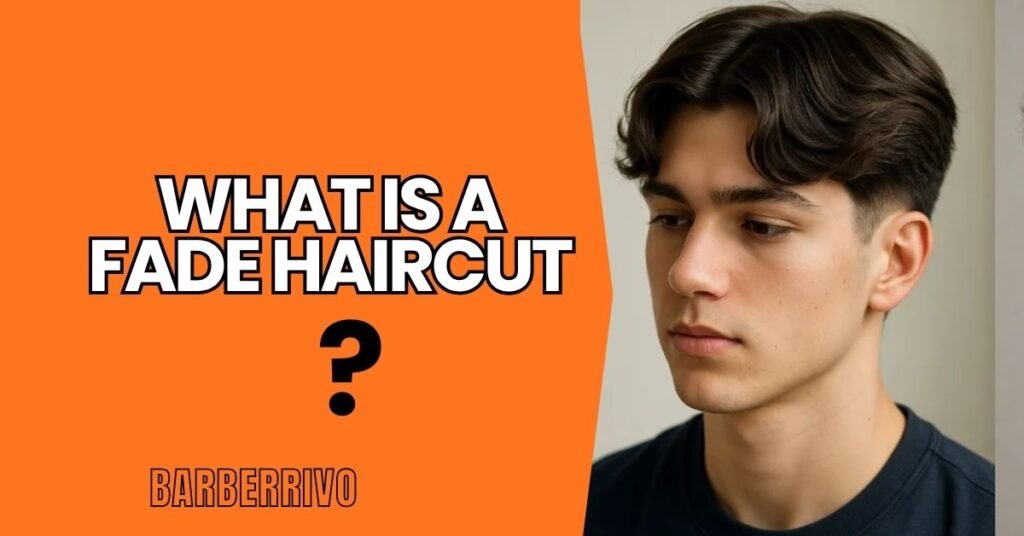
A fade haircut is any cut where the hair gradually shortens from length on top down to skin, or close to it, at the sides and back. It’s not one specific look. It’s a technique, and barbers use it as the foundation for hundreds of different men’s fade haircut styles. The transition point, called the fade starting point, and how tight the skin-to-hair transition looks both change the whole feel of the cut.
The fade traces its roots back to military barbershops, where short, uniform sides made grooming fast and easy. Barbers later refined it into an art form, using clipper fade and razor fade techniques to create sharp lines and smooth gradients. Today, you’ll find the fade behind nearly every trending barber fade haircut, whether it’s paired with a buzz cut or a long, textured top.
Fade vs. Taper vs. Skin Fade: What’s the Difference?
People mix these terms up constantly, and honestly, it’s an easy mistake to make. A taper keeps more length overall and blends gradually, without ever getting razor-thin at the base. A fade creates a much sharper contrast, and it often drops down to a very short guard or bare skin. A skin fade haircut takes things further still, fading all the way to bare skin with a razor finish.
Here’s a quick way to picture the difference.
| Style | Base Length | Contrast Level | Best For |
| Taper | Short, but visible | Low | Office jobs, classic looks |
| Fade | Very short guard | Medium-High | Most modern styles |
| Skin Fade | Bare skin | Highest | Bold, sharp statements |
Knowing this difference matters when you talk to your barber. Say “fade” when you mean a taper, and you might walk out with way more skin showing than you wanted.
Types of Fade Haircuts by Height
Fade height is the first real decision you’ll make when browsing Fade Haircuts for Men, and it changes everything about how the cut looks and feels. It’s simply where the fade begins on your head, and it ranges from just above the ears all the way up past the temples. Get this part right, and everything else falls into place.
Below is a rundown of the five main heights, from most subtle to most dramatic.
| Fade Height | Starting Point | Contrast |
| Low Fade | Just above the ears | Subtle |
| Mid Fade | Mid-temple area | Balanced |
| High Fade | Above the temples fade | Bold |
| Skin Fade | Varies, always to bare skin | Sharpest |
| Temple Fade | Around hairline only | Soft |
Low Fade
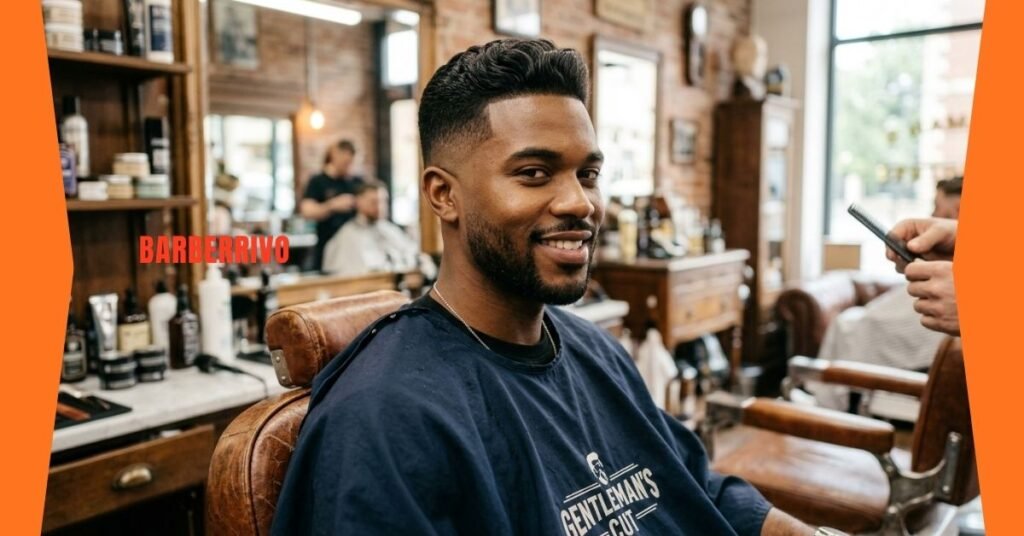
The low fade sits just above the ears, and it’s the gentlest of the bunch. It’s a genuinely low-maintenance haircut, since the short hair doesn’t grow out into an obvious mess as fast as higher fades do. It works well in conservative offices, and it plays nice with almost any top style you already like.
Mid Fade
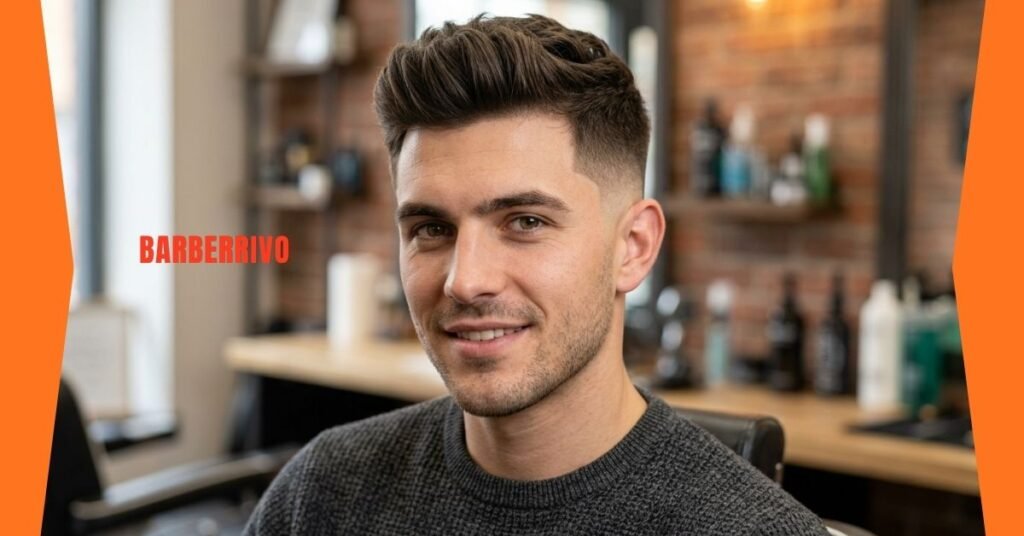
The mid fade splits the difference, starting around the middle of the temple. It gives you enough strong contrast haircut energy without going overboard, which is exactly why so many guys default to it. Curly, straight, thick, thin, it really doesn’t matter here. The mid fade adapts.
High Fade
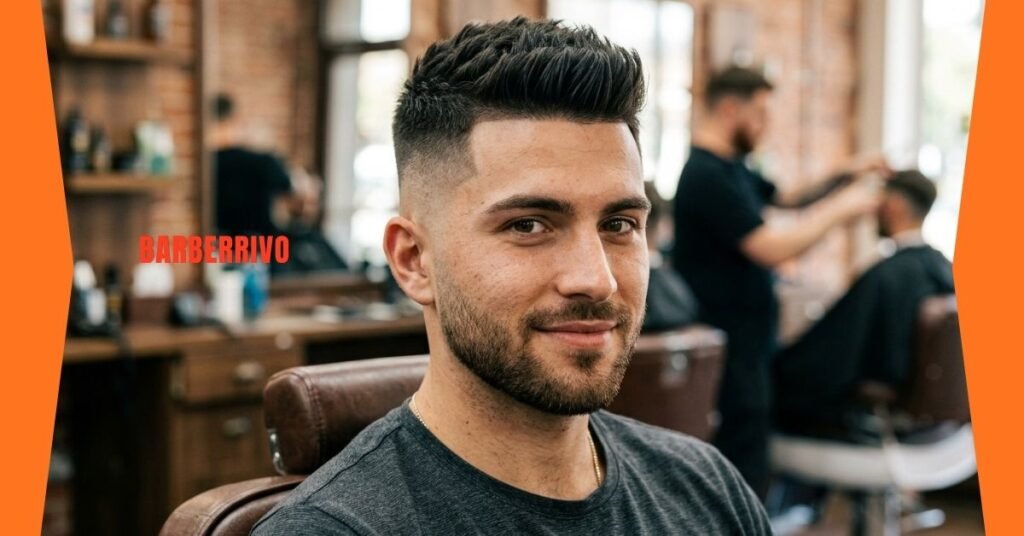
The high fade starts well above the temples fade line, and that height alone makes it the boldest option on this list. This is where you’ll hear terms like high fade haircut men, high fade hairstyle, and classic high fade thrown around, and they all point to the same basic idea: short sides, high starting point, serious contrast. Go all the way to bare skin and you’ve got a high skin fade; stop at stubble instead and you’re looking at a high shadow fade.
Add a curved line behind the ear and it becomes a high drop fade, while an arc around the ear creates a high burst fade. Tighten the focus around the hairline and temples, and you get a high temp fade. Some guys go even further, pairing a high bald fade with a high and tight haircut for a military-inspired finish, while a modern high fade softens the same idea with more texture up top and a high taper fade blend at the edges.
Skin Bald Fade
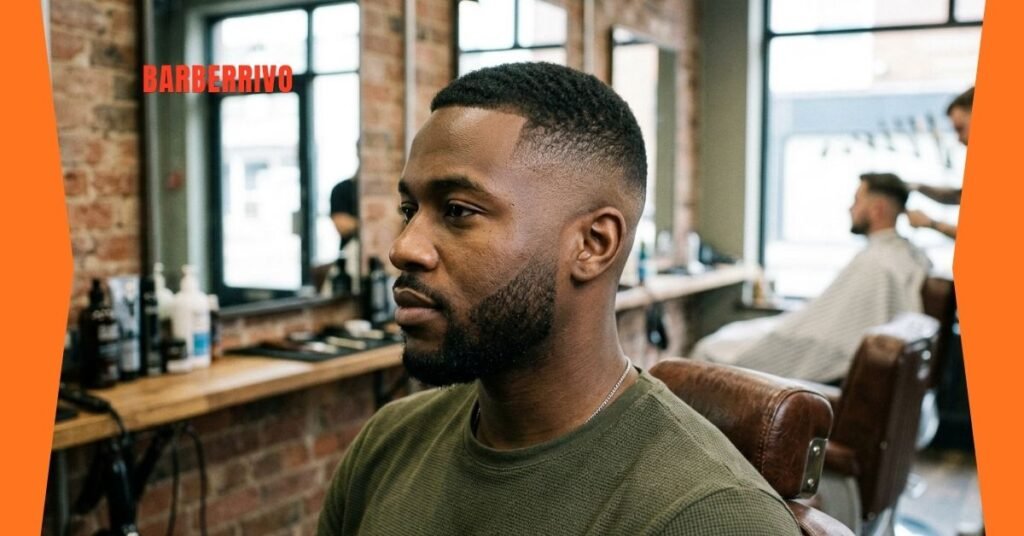
The skin fade removes all doubt about how sharp a haircut can look. It fades completely to bare skin, and the razor finish gives it a clean, almost polished quality that clippers alone can’t quite match. This style works best with thick, dense hair on top, since thinner hair can expose too much scalp on the sides.
Temple Taper Fade
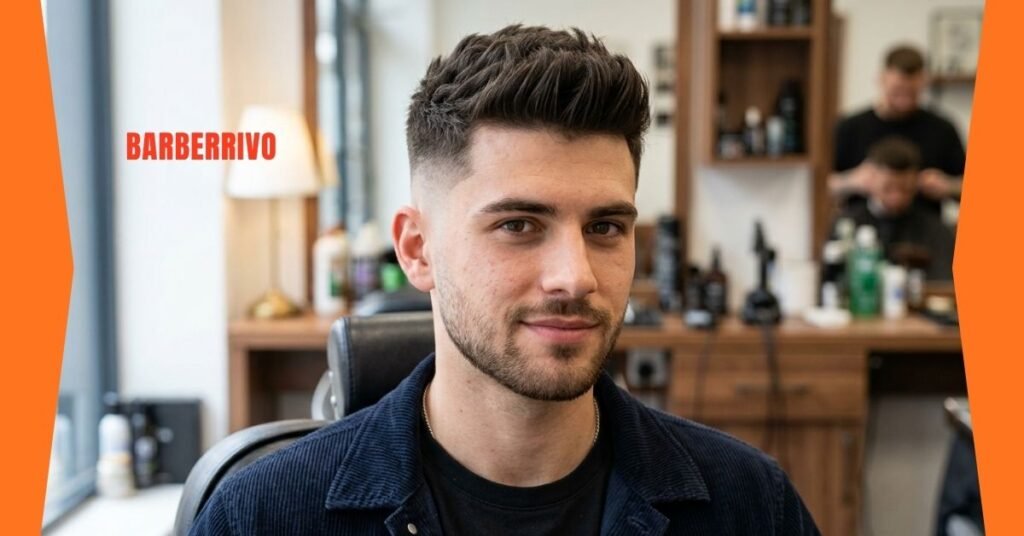
The temple fade, sometimes just called the temple fade, focuses tightly on the hairline and sideburn area instead of covering the whole side of the head. It creates a soft sideburn blend without a dramatic fade running up the entire side. It’s a great pick if you want a cleaner look without committing to a full fade.
Trending Fade Styles and Variations
Height tells you where a fade starts, but shape tells you how it’s cut, and that’s where things get creative. These variations layer extra style on top of any fade height you choose. Mix and match, and you’ll land on something that actually feels like yours.
A few of these styles rely on the fade line itself as the main design feature, while others focus more on texture or contrast. Let’s go through the most popular ones.
Drop Fade
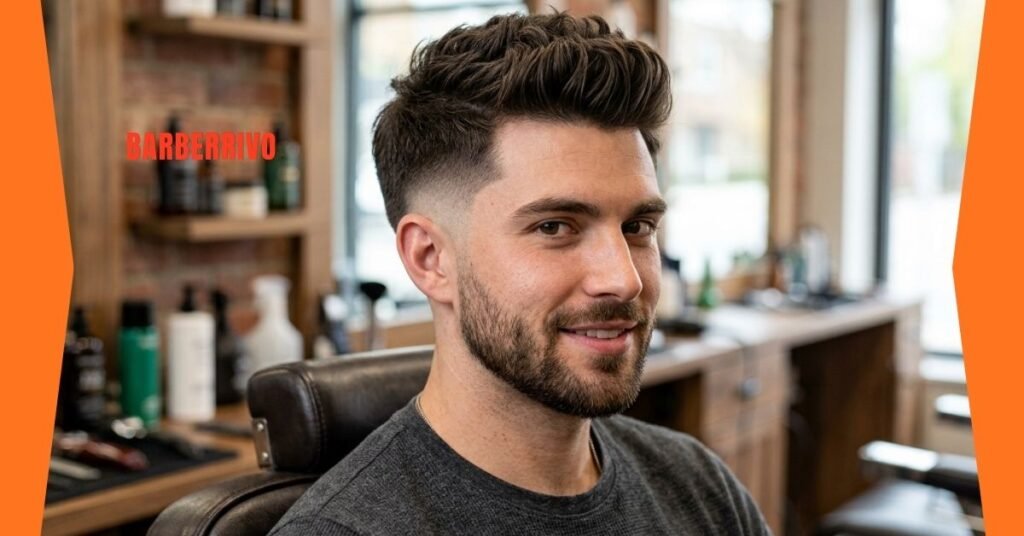
The drop fade curves downward behind the ear instead of staying straight. Cut at a higher starting point, this becomes a high drop fade, and it creates a distinct, sculpted look from the back.
Burst Fade
The burst fade wraps in a semicircle around the ear rather than running in a straight line. At high height, it’s called a high burst fade, and it pairs beautifully with curly or coily hair worn longer on top.
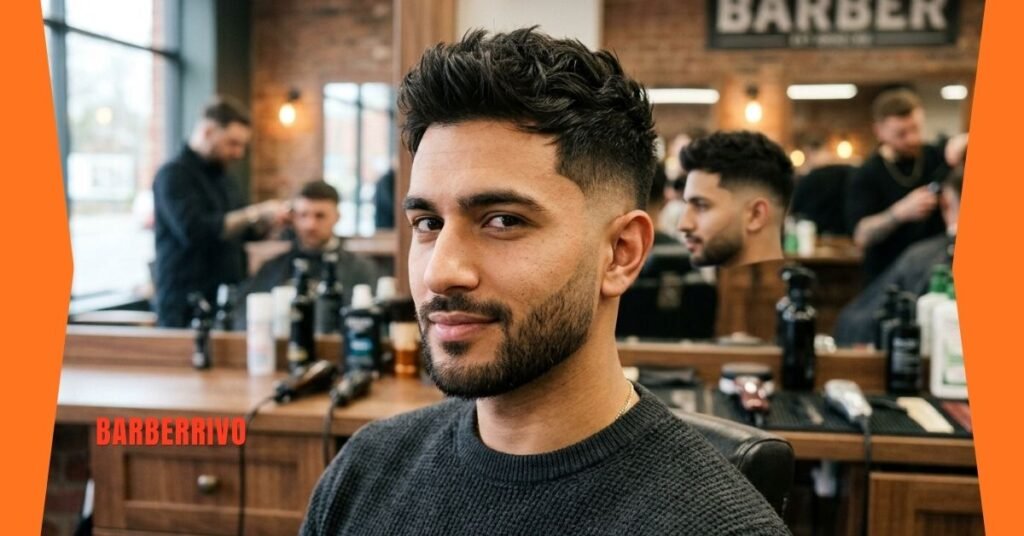
Shadow Fade
Instead of fading to skin, the shadow fade stops at a light stubble. Positioned high on the head, it becomes a high shadow fade, and it’s a gentler option for guys who don’t want the harsh skin-to-hair transition of a full skin fade.
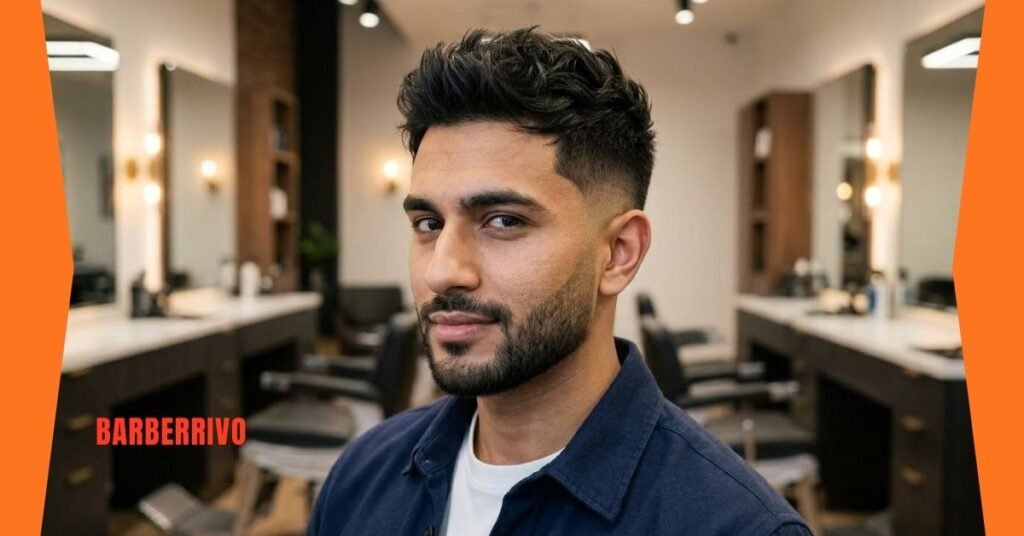
Blurry Fade
The blurry fade uses blended sides with absolutely no visible line at all. Barbers achieve this with careful clipper-over-comb work, blending guard sizes so smoothly that the eye can’t spot where one length ends and another begins.
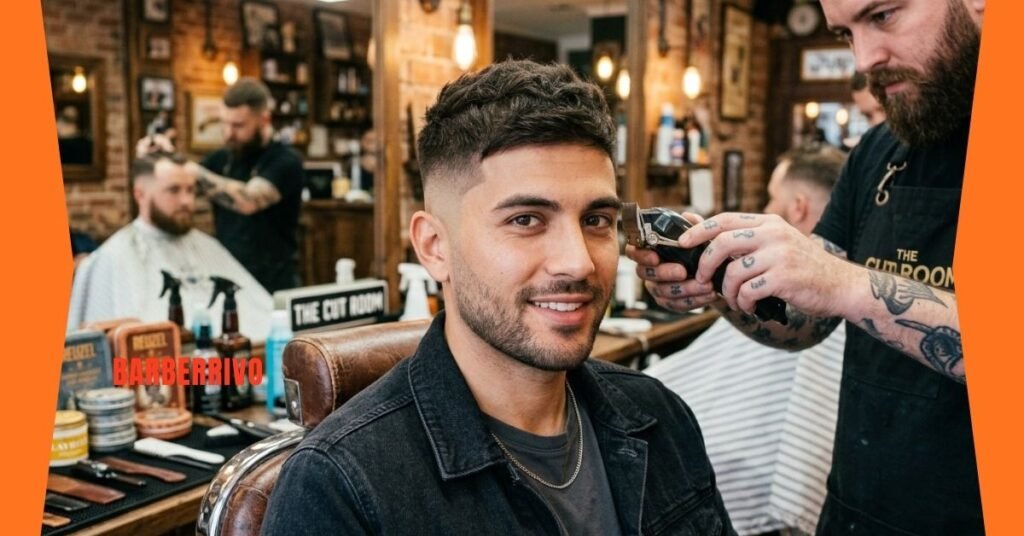
Disconnected Fade
This one flips the whole idea of blending on its head. The disconnected fade leaves a hard, visible line where the long top meets the short sides, giving off serious high contrast haircut energy. It’s a bold choice, and it works best on thick hair that holds a crisp edge.
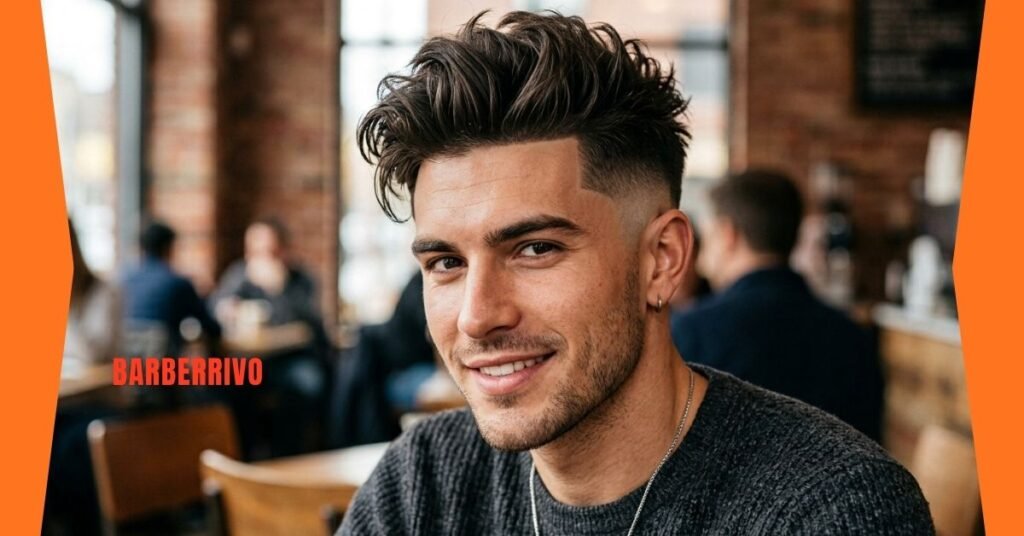
Scissor Fade
The scissor fade swaps clippers for shears through most of the transition, using a scissor over comb technique for a softer, more textured blend. It takes longer in the chair, but the result feels less mechanical than a pure clipper job.
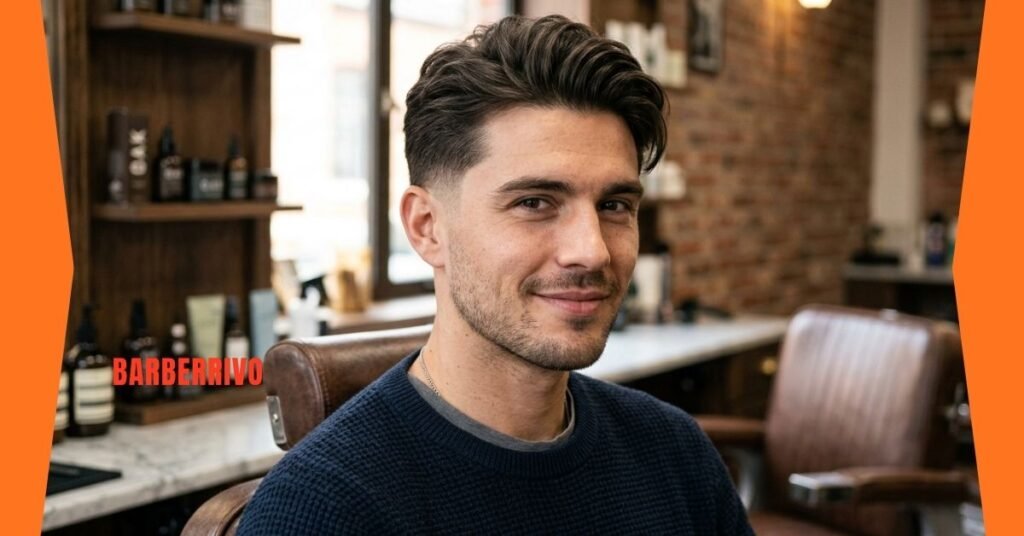
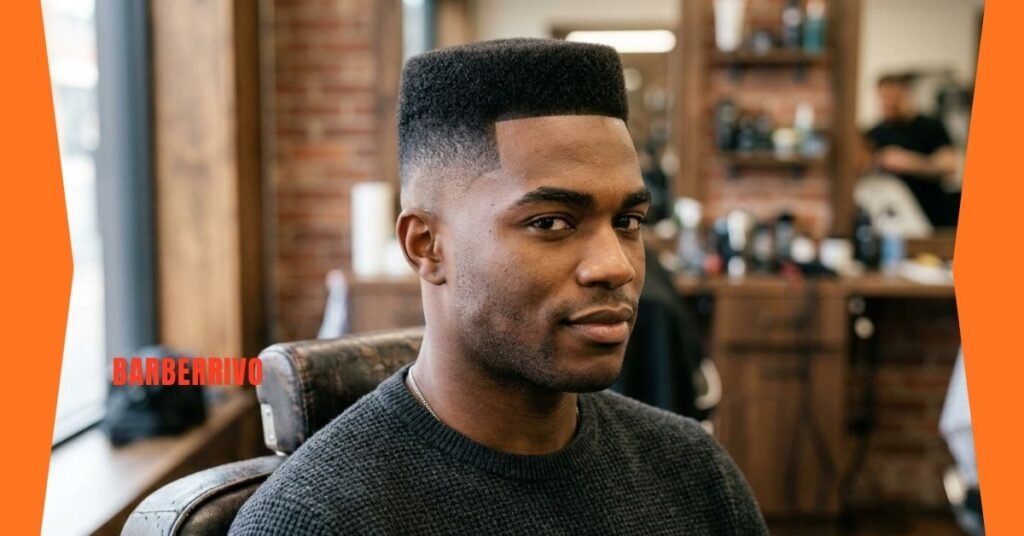
Box Fade
Borrowed straight from 90s barbershop culture, the box fade pairs a squared-off top with tight sides. It gives serious structure to thicker, coilier hair types that hold shape well.
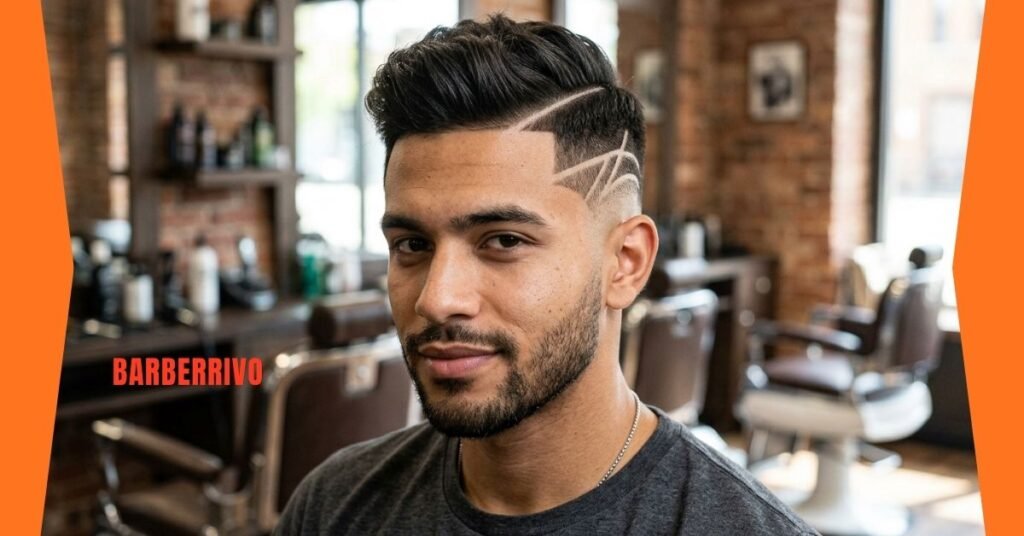
Fade with Hair Tattoos and Hard Parts
Some guys use the fade line as a canvas, adding shaved-in designs or a clean hard part line right into the fade itself. It’s a small detail, but it makes the whole cut feel more custom.
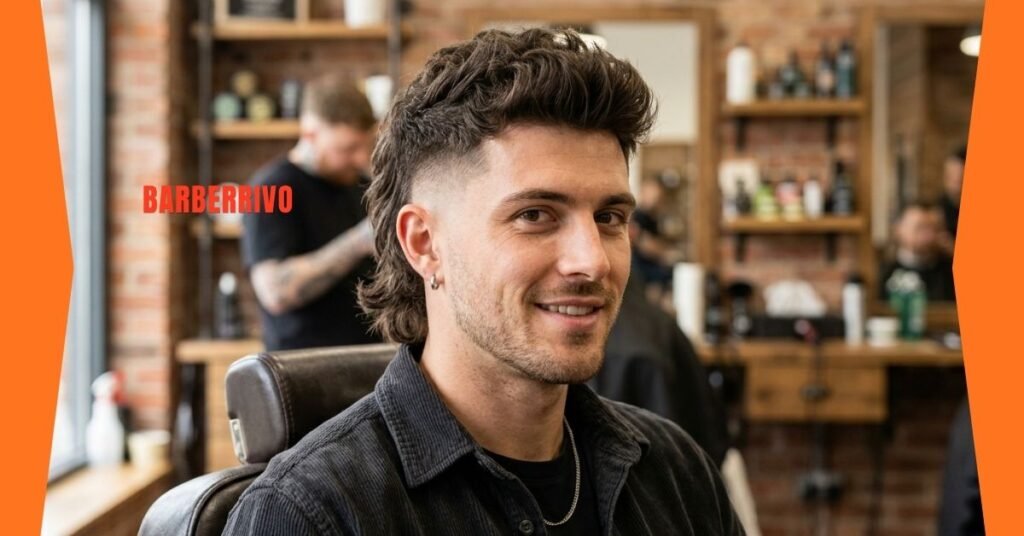
Mullet Fade
The mullet fade keeps the sides and top short while leaving real length at the back. It’s a modern spin on a cut that used to be a punchline, and honestly, it’s earned its spot back in style.
Best Fade Haircuts by Hair Type and Texture
Not every fade works the same way on every head of hair, and that’s something a lot of guys learn the hard way when picking from the huge range of Fade Haircuts for Men. Hair texture and hair density both change how a fade blends, how long it lasts, and which top styles actually look good with it. Skip this step, and you might walk out with a cut that fights your natural hair instead of working with it.
Let’s break down what each major hair type needs.
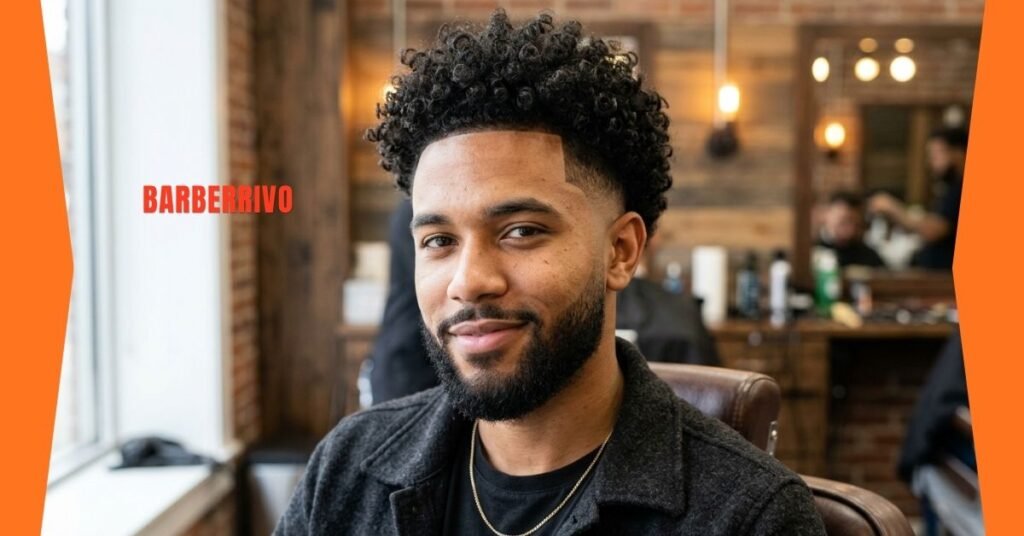
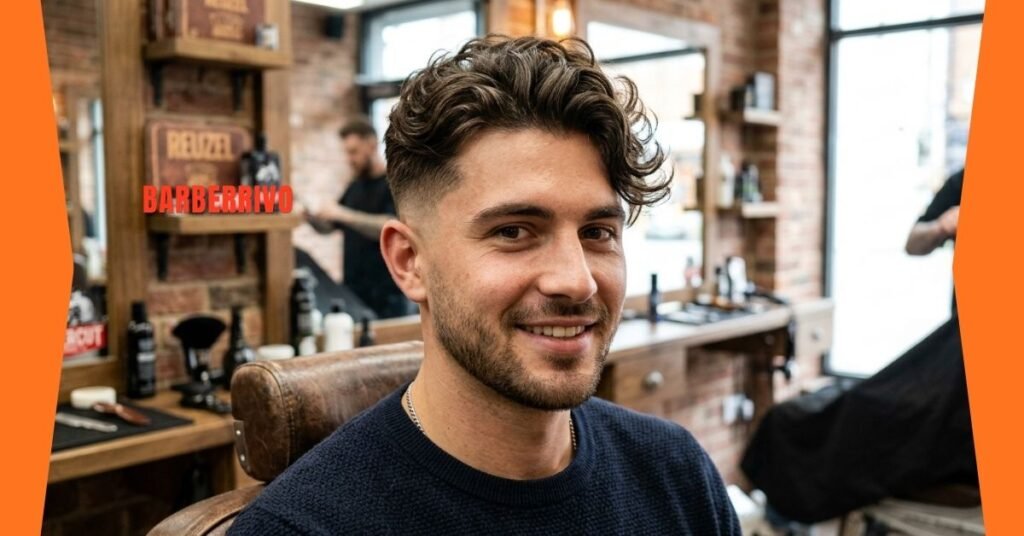
Fade for Curly Hair
Curly hair shrinks noticeably once it dries, so a curly hair fade should always be cut based on how your hair looks dry, not wet. Barbers who specialize in curly hairstyles for men often use scissor-over-comb for more control at the point where curls meet the fade.
Fade for Wavy Hair
A wavy hair fade lets natural texture do most of the work. The waves stand out clearly against tight, faded sides, and a drop fade that follows the wave’s natural direction tends to look the most effortless.
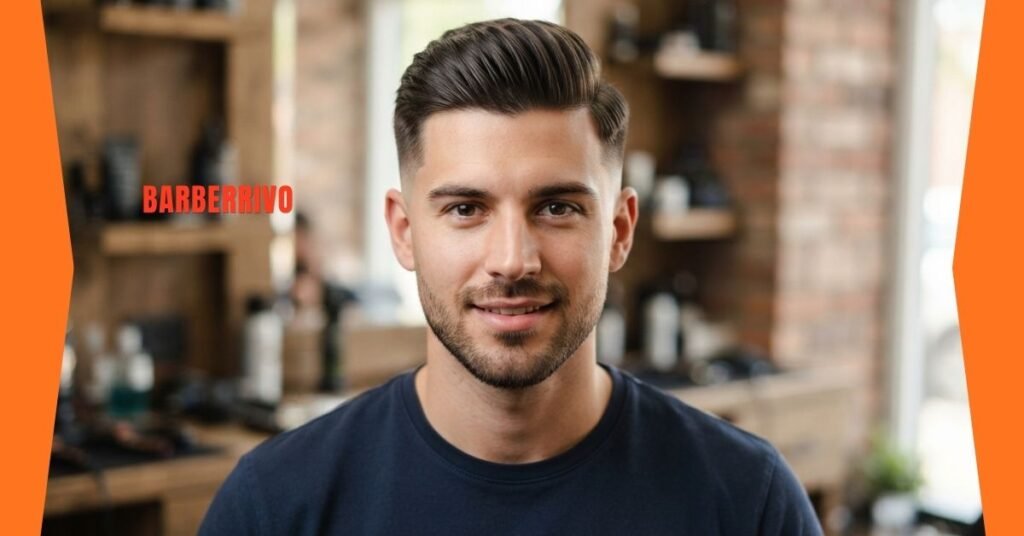
Fade for Straight Hair
Straight hair gives you the sharpest, cleanest fade lines of any texture, since there’s no natural volume to soften the edges. A straight hair fade does grow out fast though, since there’s no texture to hide new growth, so point-cutting the top keeps things from looking flat.
Fade for Afro Textured Hair
For tighter curl patterns, a coily hair fade usually looks better with a gradual blend instead of a hard skin line. Shadow fades and temp fades work well here, since a stark skin-to-hair transition can look disconnected against dense, coily haircuts.

Best Fade Haircuts by Top Style
A short sides long top haircut only works if the top and the fade actually complement each other. This section pairs eleven popular top styles with the fade heights that flatter them most, giving you a full menu of Fade Haircuts for Men to pick from.
Each pairing below balances a classic top style against the sharpness of a fade, giving you a wide menu to choose from.
Fade with Textured Crop
Choppy, piece-y layers on top paired with any fade height create a laid-back but polished look, especially on thick hair.

Fade with French Crop
A blunt, straight fringe across the forehead pairs nicely with a mid or high fade, adding width to rounder face shapes.
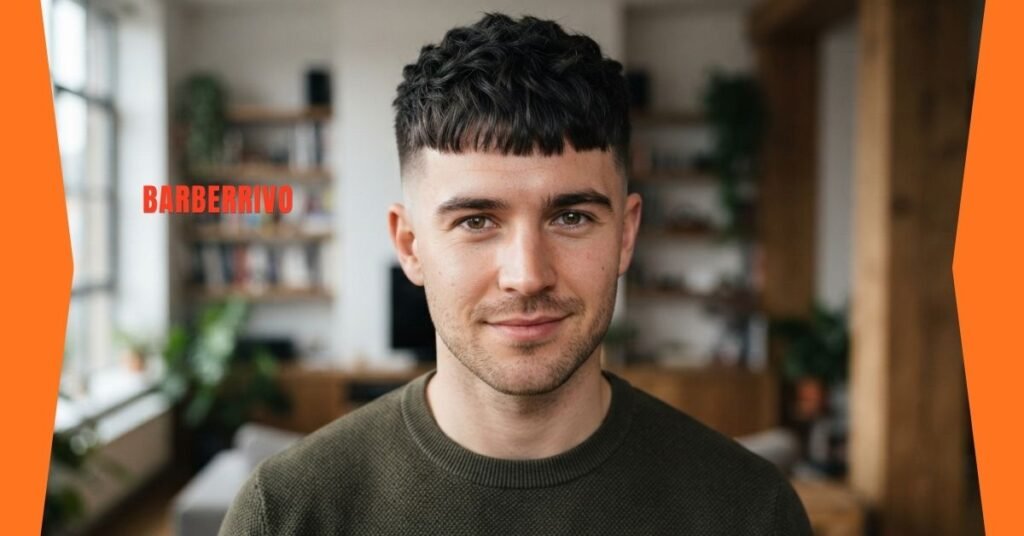
Fade with Quiff
Volume pushed up and forward at the front works best with a fade that keeps the sides tight, letting the height on top really pop.
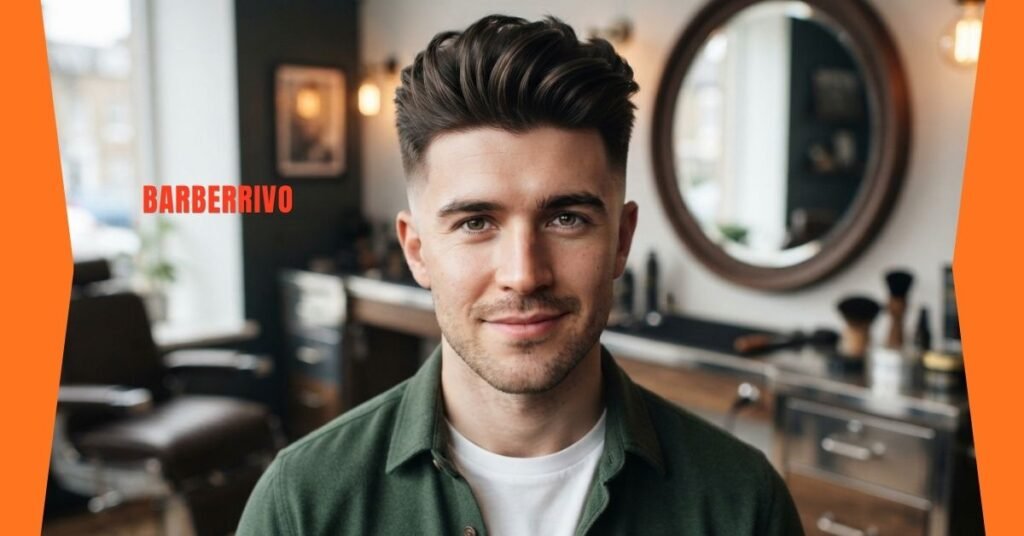
Fade with Pompadour
Swept-back volume on top, paired with a clean fade, is a timeless combo that reads polished in almost any setting.
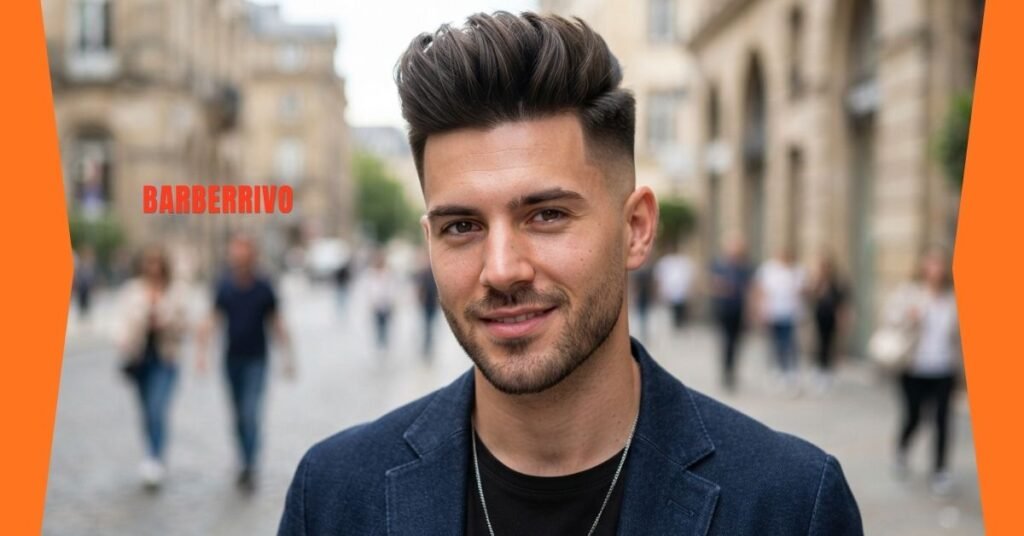
Fade with Crew Cut
Short and even on top with just a bit more length at the front, the crew cut fade is a go-to for professional and athletic settings alike.
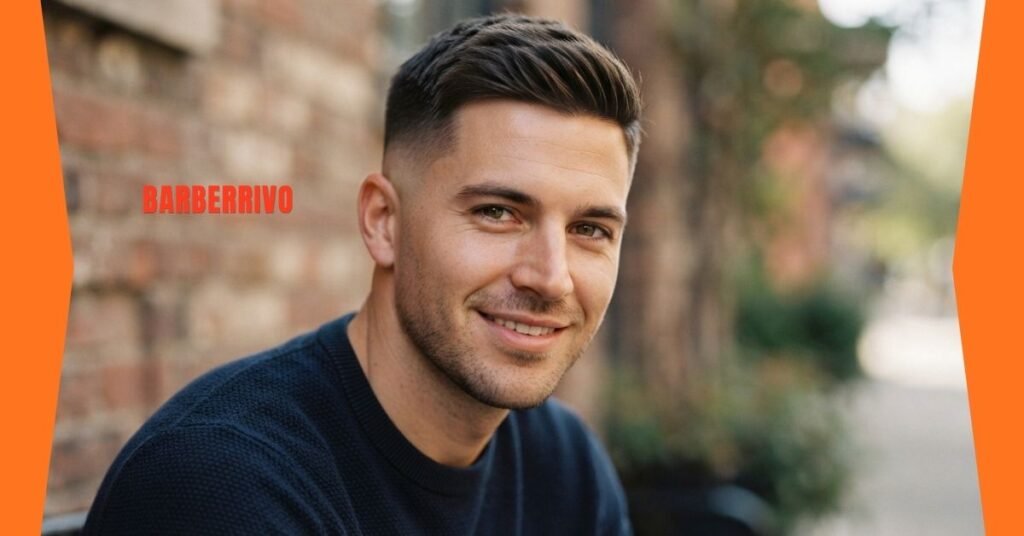
Fade with Buzz Cut
Uniform length all over on top, paired with any fade height, gives you a low-maintenance haircut with almost zero daily styling.

Fade with Slick Back
Combed straight back, this style plays especially well with a high taper fade, since the smooth top contrasts sharply against tight sides.
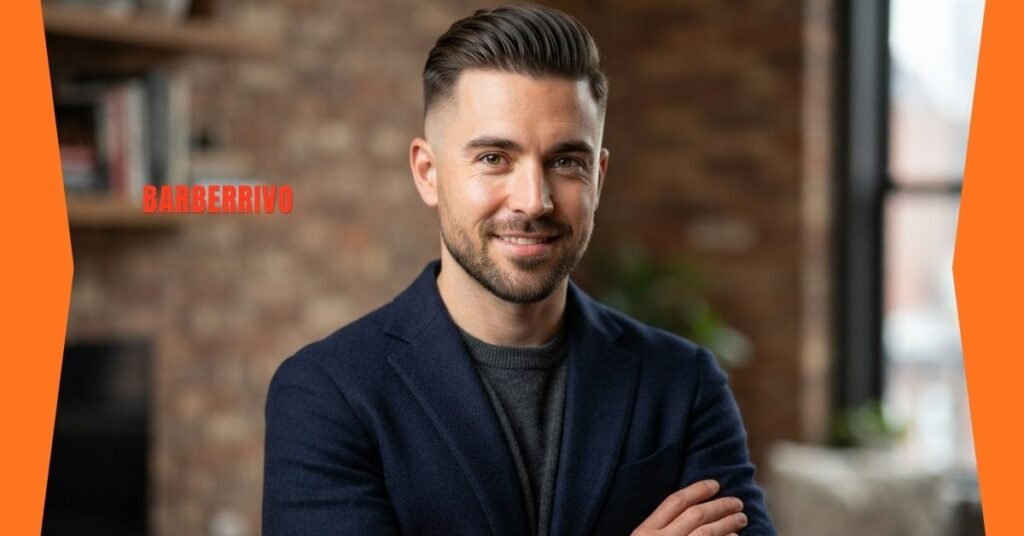
Fade with Comb Over
A hard part and combed-across top pair naturally with a fade, adding precision to a classic, versatile shape.
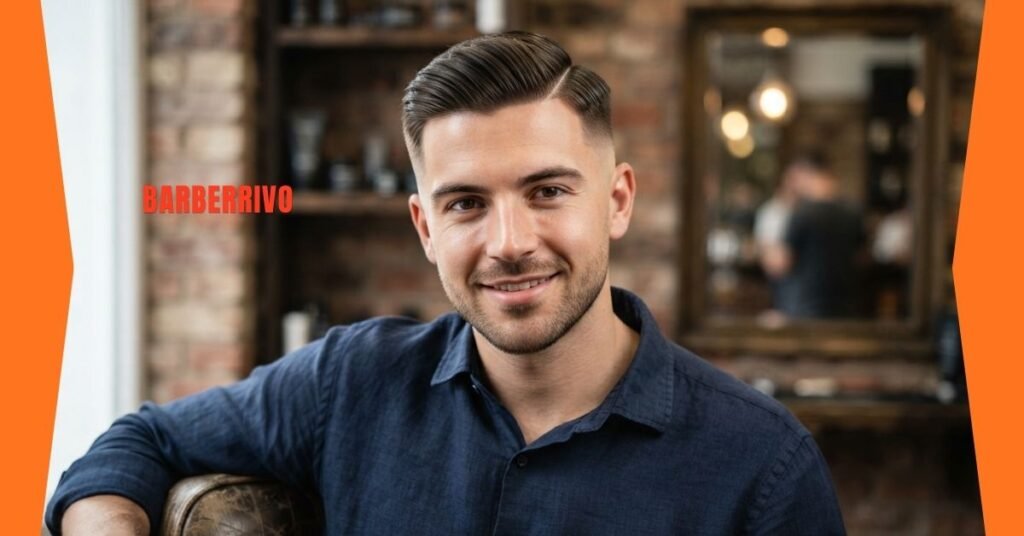
Fade with Side Part
Softer than a comb over, since there’s no shaved-in line, the side part still gets a modern edge from a clean fade underneath.
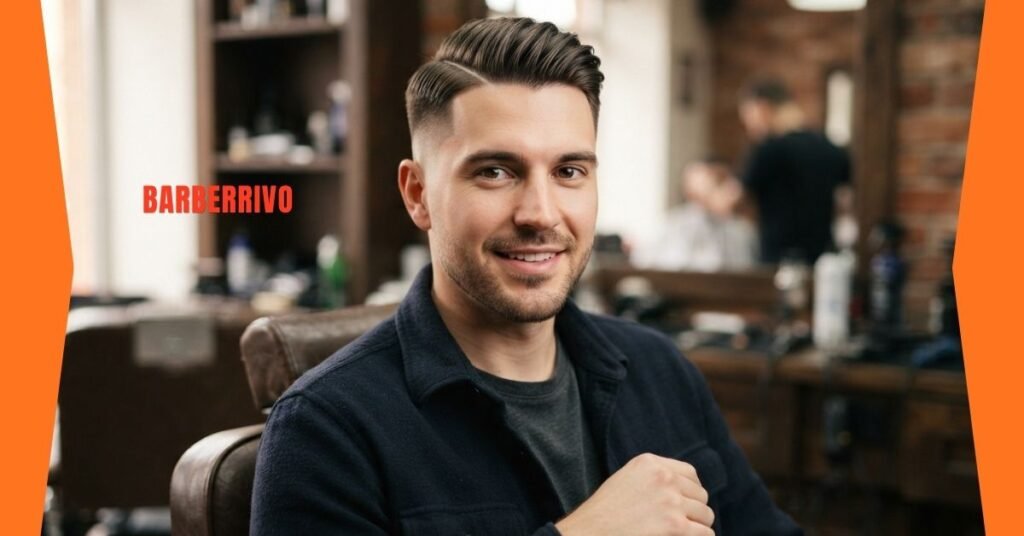
Fade with Mohawk or Faux Hawk
A strip of longer hair down the center stands out dramatically against a high and tight haircut on the sides.
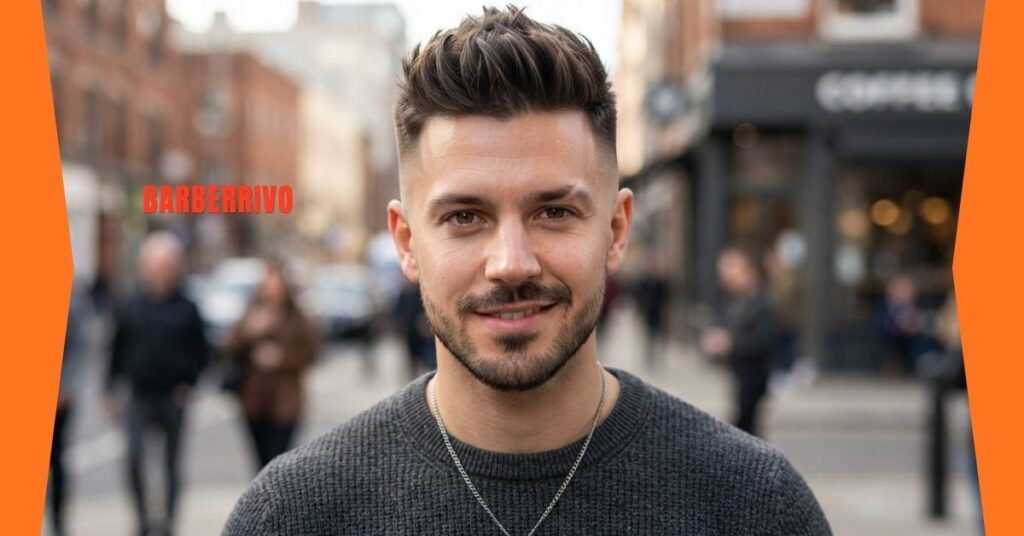
Fade with Long Top
Leaving several inches of length on top while fading the sides gives maximum versatility for daily styling changes.
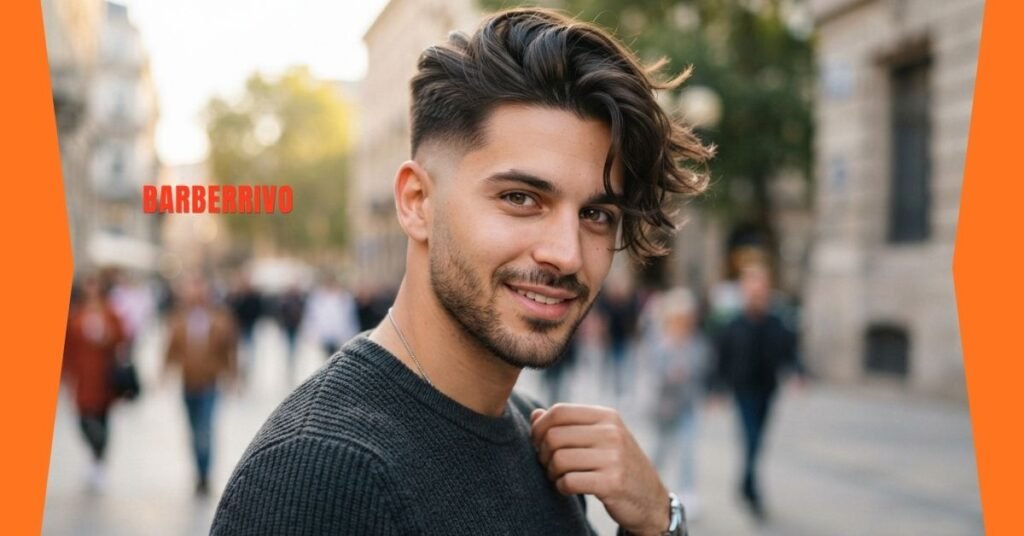
Fade Haircuts for Men in Special Cases
Not every guy fits the standard mold, and that’s completely fine. This section covers three situations that come up constantly in real barbershops: beards, thinning hair, and workplace dress codes.
Each of these needs a slightly different approach than a standard fade, so it pays to ask for them by name.
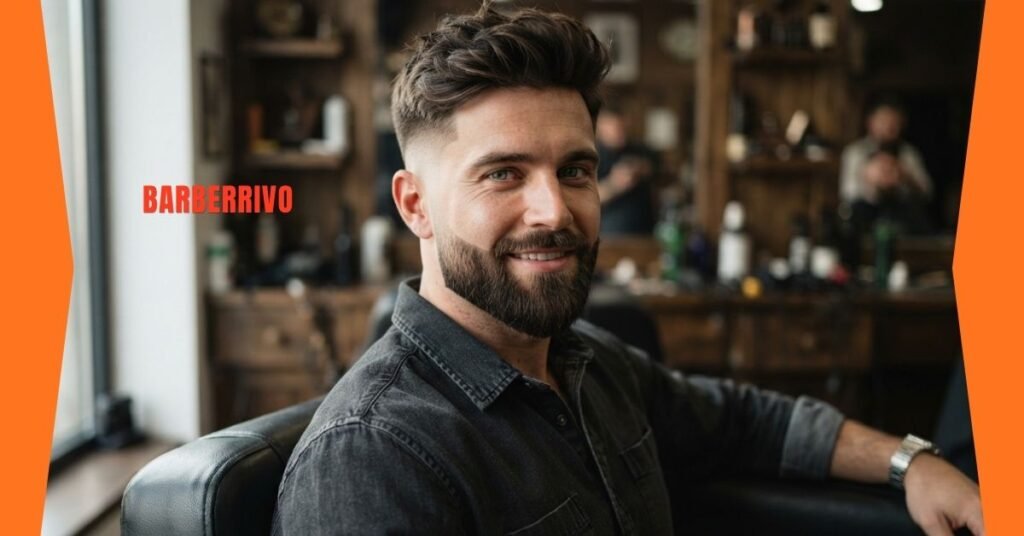
Fade with Beard
Connecting a fade into a beard requires a careful sideburn blend, since there’s often a noticeable gap between the two. Ask your barber specifically for this beard fade connection, or you might end up with an awkward hard stop at the jawline.
Fade for Balding Men
For thinning or receding hair, a skin fade with a very short top actually works in your favor. It’s a smart balding men haircut option, since it removes the contrast between where hair is thick and where it’s thinning, which helps a receding hairline haircut look intentional rather than sparse.

Fade for Professional and Office Settings
Conservative workplaces usually respond better to a low fade, temple fade, or shadow fade than anything too dramatic. A professional fade haircut keeps things sharp without looking flashy, and it remains one of the most requested professional hairstyle categories among office workers.

How to Choose the Right Fade for Your Face Shape and Hair Type
Face shape matching genuinely changes how a haircut reads, and it’s worth five minutes of thought before you commit to a style. The same fade can look completely different on a round face versus a square one. Pair that with your natural hair density, and you’ve got a real formula for picking the right cut.
Let’s break both factors down separately.
Face Shape
Here’s a simple reference for matching fades to face shape.
| Face Shape | Best Fade Pairing |
| Oval face haircut | Nearly any fade height works |
| Round face haircut | High fade adds length |
| Square face haircut | Low or mid fade softens angles |
| Diamond face haircut | Drop fade balances cheekbones |
| Heart-shaped face haircut | Shadow fade avoids thin temples |
| Oblong face haircut | Low fade avoids extra length |
Hair Type and Texture
Beyond curl pattern, overall hair density plays a big role too. Thick hair hairstyles can handle a skin fade without exposing much scalp, while a thin hair haircut usually looks cleaner with a shadow fade instead, since bare skin on thin hair can look patchy.
How to Ask Your Barber for the Right Fade
Walking into a barber consultation with vague instructions is how most bad haircuts happen. Give three specific details every time: the height, how close to skin you want it, and the shape of the line. Saying “give me a fade” alone leaves way too much room for interpretation.
Get specific about clipper guards too. A #0 guard means bare skin, a #1 guard leaves the shortest visible stubble, and a #2 guard gives a bit more length while still looking tight. These fade guard numbers matter more than people realize, so don’t be shy about naming them directly.
Best Hair Products for Styling and Maintaining a Fade
The right product depends entirely on what’s happening on top, since a fade itself needs zero product to look sharp. What you put on the longer hair up top determines whether the whole look holds together.
Here’s a quick guide to the most useful options.
| Product | Best For | Hold Level |
| Texture Clay | Matte, textured looks | Medium-High |
| Molding Paste | Reworkable styles | Medium |
| Volumizing Mousse | Fine or thin hair | Light |
| Sea Salt Spray | Natural, tousled texture | Light |
| Styling Cream | Sleek, controlled looks | Medium |
| Texture Powder | Extra root lift | Light-Medium |
Texture clay and molding paste both give a natural matte finish without looking greasy, which makes them the default pick for crops and quiffs. Volumizing mousse and sea salt spray work better on thinner hair or looser waves, adding body without weighing anything down, while styling cream and texture powder round things out for sleeker or higher-volume finishes.
How Often Should You Get a Fade Trimmed?
Fade maintenance depends heavily on which height and style you picked. A high-maintenance haircut like a skin fade needs attention every one to two weeks, since new growth shows almost immediately at the skin line. Lower fades stretch further between visits, giving you more breathing room.
| Fade Type | Trim Frequency |
| Skin Fade | Every 1-2 weeks |
| High Fade | Every 2 weeks |
| Mid Fade | Every 2-3 weeks |
| Low Fade | Every 3-4 weeks |
| Shadow Fade | Every 2-3 weeks |
If regular barbershop visit frequency isn’t realistic for your schedule, picking a lower fade height or a shadow fade instead of a skin fade will save you a lot of trips. Letting a fade grow out naturally isn’t the end of the world either, it just softens the contrast over time.
Common Fade Styling Mistakes to Avoid
The biggest mistake guys make is picking a fade height that doesn’t suit their face shape, then wondering why it doesn’t look right. A high fade on an already long face, for example, adds even more visual length, which usually isn’t the goal. Take a minute to check your face shape before committing to anything dramatic.
The second mistake is giving vague barber instructions and hoping for the best. “Fade” means different things to different barbers, so always specify the height, the guard number, and whether you want a hard line or a soft blend. A thirty-second conversation upfront saves you from an awkward few weeks of grow-out.
FAQs About Fade Haircuts for Men
What is a fade haircut?
A fade haircut gradually shortens hair from length on top down to skin or a very short guard at the sides. The height and blend style can vary a lot, which is why there are so many different fade types.
What’s the difference between a low, mid, and high fade?
A low fade starts just above the ears, a mid fade starts around the temple, and a high fade starts above the temple line. Higher fades create more contrast and need more frequent trims.
How long does a fade haircut last?
Most fades look sharp for one to three weeks, depending on height. Skin fades need touch-ups fastest, while low fades hold their shape the longest.
Can I get a fade with curly hair?
Yes, absolutely. Just make sure your barber cuts based on how your hair looks dry, since curls shrink up once they’ve dried and can shift the fade line higher than expected.
What face shape suits a fade haircut best?
Oval faces suit nearly any fade. Round and oblong faces usually look best with lower fades, while diamond and heart shapes benefit from softer blends like a shadow fade.
How do I ask my barber for a fade?
Name the height, the guard number at the base, and whether you want a hard line or a smooth blend. Specific instructions get you a much more predictable result.
Is a fade suitable for balding men?
Yes, a skin fade paired with a short top often looks more intentional than trying to hide thinning hair. It’s one of the better options for a receding hairline.
What products should I use to maintain a fade?
Texture clay or molding paste work well for most textured tops, while mousse or sea salt spray suit finer hair. The fade itself doesn’t need product.
Can a fade work with a beard?
Definitely. Just ask your barber to blend the fade down into the beard at the sideburn so there’s no obvious gap between the two.
Which fade is best for short hair?
A skin fade or buzz cut fade both suit short hair well, since there’s minimal length on top to manage and the fade becomes the main visual feature.
Conclusion
At the end of the day, exploring Fade Haircuts for Men is really about finding the version built for your face, your hair, and your lifestyle. The height, the blend, the top style, they all work together to create something distinctly yours. Whether you’re after a subtle low fade for the office or a bold high fade hairstyle that turns heads, there’s a match out there for you.
The best move you can make is walking into your next barber consultation with clear, specific language. Name the height, the guard number, and the shape of the line you want. Do that, and you’ll walk out with a cut that actually matches what you had in mind, not something close to it.
With over a hundred variations to choose from, there’s no reason to settle for a boring, one-size-fits-all haircut in 2026. Pick a style that fits your face shape and hair texture, communicate it clearly, and let your barber do what they do best.

Ryan Carter is a men’s grooming writer who covers haircuts, hairstyles, beard care, and barbering trends. He shares practical style advice and grooming tips to help men look sharp and stay confident.