Mens Shaggy Hairstyles: 35 Best Cool & Trendy Looks for 2026

Shaggy hair never really goes out of style. It just keeps coming back, decade after decade, in slightly new clothes. Men’s shaggy hairstyles sit at that sweet spot between “I tried really hard” and “I didn’t try at all,” and that’s exactly why guys love them. You get natural texture, a bit of hair volume, and a relaxed look without spending twenty minutes in front of the mirror every morning.
This guide walks you through 35 shaggy hairstyles for men, sorted by length, hair type, and style. Mens Shaggy Hairstyles are a relaxed, textured choice for guys who want natural movement, feathered layers, and an effortless finish. You’ll also learn how to ask your barber for the right cut, how to style it at home, and how to keep it looking sharp between trims. Whether you want a classic shag haircut or something more modern, there’s a version here that fits your hair and your life.
What Is a Shag Haircut for Men?
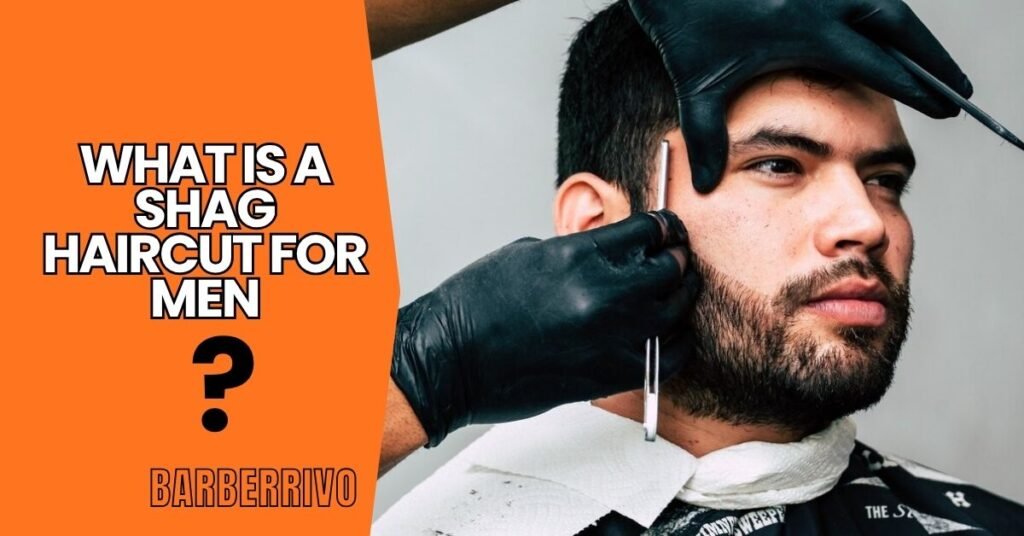
A shaggy haircut for men is a layered cut with choppy layers, feathered ends, and a slightly undone finish. The layers give crown volume and let the hair move on its own instead of sitting flat. Unlike a tight, structured cut, the men’s shag haircut thrives on a bit of mess. That messiness is the whole point. It gives the style its natural movement and its easy, effortless style.
Most versions include face-framing layers, and many add shaggy bangs or a soft fringe up front. The textured ends catch the light differently than a blunt cut would, which adds depth. Because the layers do most of the work, this cut looks good whether you’ve just woken up or just left the barber’s chair.
A Brief History of the Shag Cut
The shag haircut traces back to New York hairstylist Paul McGregor, who created the look for actress Jane Fonda around 1969. It exploded into the mainstream after she wore it in the 1971 film Klute, and the cut quickly earned a reputation as bold and a little rebellious. Rock musicians picked it up fast. David Bowie and other glam and rock icons wore versions of it through the 1970s, which cemented its rock-inspired look. The style faded in and out over the decades, but its 1970s shag haircut roots still show up in nearly every modern version today.
Why the Shag Is Still Trending in 2026
The modern shag haircut keeps coming back because it solves a real problem: guys want texture without a strict routine. This cut works on curly hair, wavy hair, and straight hair alike, which makes it one of the few styles that crosses hair types so easily. It also pairs well with a beard, a fade, or just plain natural hair. Add in a wave of retro style nostalgia mixing with modern style sensibilities on social media, and you’ve got a haircut that appeals to both older guys who remember the original and younger guys discovering it for the first time.
What Makes a Haircut Count as “Shaggy”?
A cut earns the “shaggy” label through its layering, not its length. The stylist builds in uneven layers that add fullness near the crown while letting the ends fall thinner and lighter. Many versions include choppy layers through the mid-lengths, which is what gives the style its signature messy finish. Bangs or a soft fringe often get worked into the layering too, so the whole cut flows together instead of looking like separate pieces stacked on top of each other.
Mens Shaggy Hairstyles by Hair Length
Length changes everything about how a shag behaves. A short shaggy haircut sits close and moves fast, while a long shaggy haircut has room to flow and fall in bigger waves. Picking the right length usually comes down to how much daily styling you’re willing to do and how your hair naturally grows.
Below, you’ll find fifteen variations split across short, medium, and long lengths. Each one uses the same core idea, layered hair with feathered layers, but the details shift enough that they suit different face shapes, hair textures, and personal styles.
| Length | Best For | Styling Effort |
| Short shaggy haircut | Fine or thin hair, active lifestyles | Low |
| Medium shaggy haircut | Most hair types, versatile looks | Medium |
| Long shaggy haircut | Thick or wavy hair, statement styles | Medium to High |
Short Shaggy Haircuts for Men
A short shaggy haircut works fast and needs the least upkeep of the three lengths. It suits guys with fine hair especially well, since shorter layers don’t drag the hair down the way longer ones can.
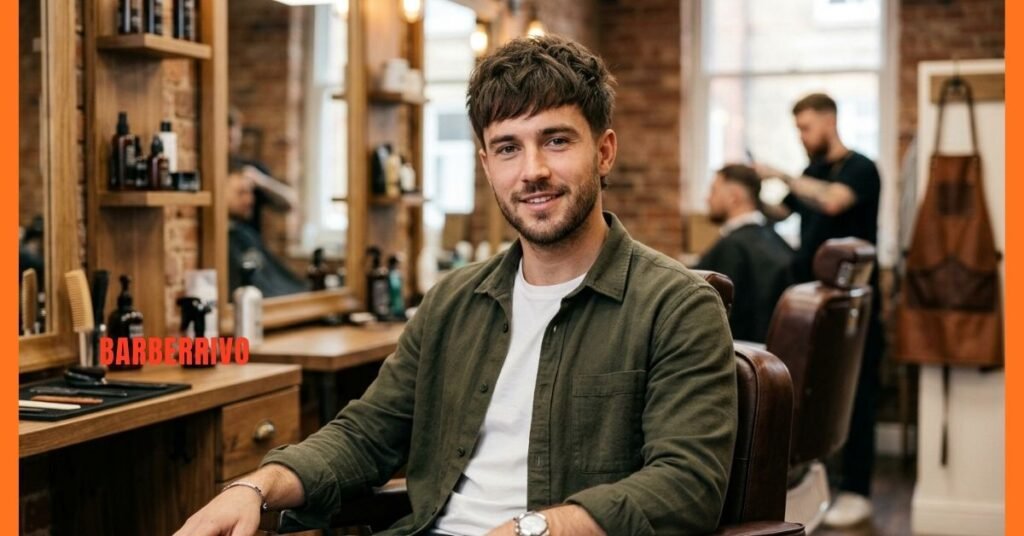
Short Messy Shag
This one leans hard into texture. A little styling wax or sea salt spray roughs up the layers for a genuinely messy finish. It suits almost any face shape and takes less than a minute to style each morning.
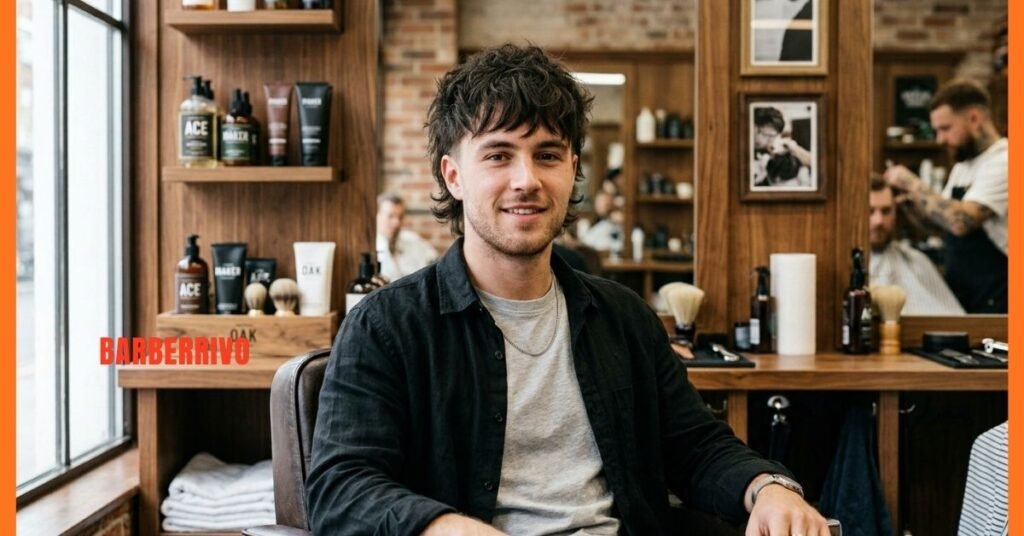
Short Shag with Bangs
Soft, shaggy bangs fall across the forehead here, adding a youthful edge to the cut. The bangs blend into the surrounding layers instead of sitting as a separate block, so the whole style reads as one connected shape.
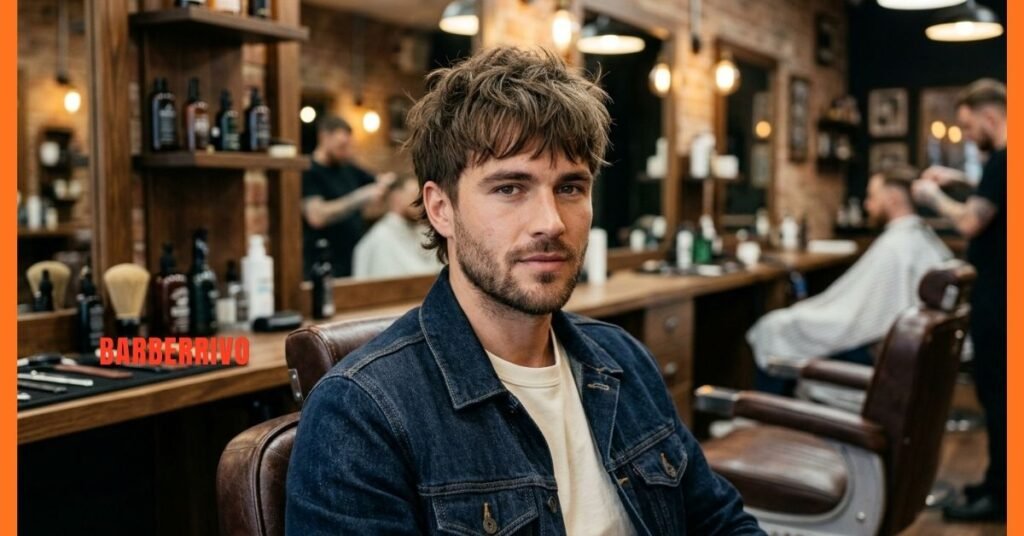
Short Shag with Fade
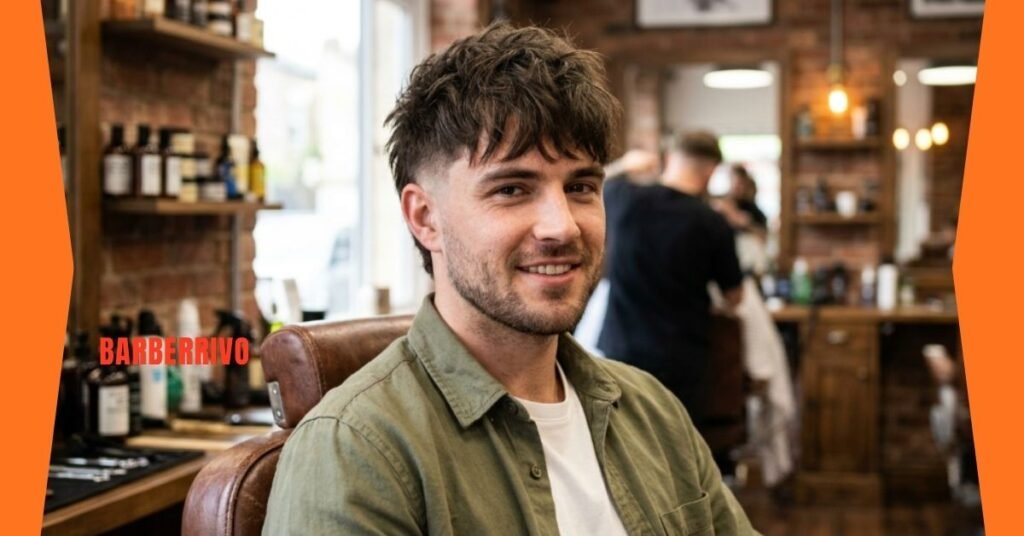
Pairing shaggy top layers with a shaggy fade on the sides creates sharp contrast. The top stays loose and textured while the sides stay clean, which gives the cut a slightly more polished edge without losing its character.
Short Shaggy Curls
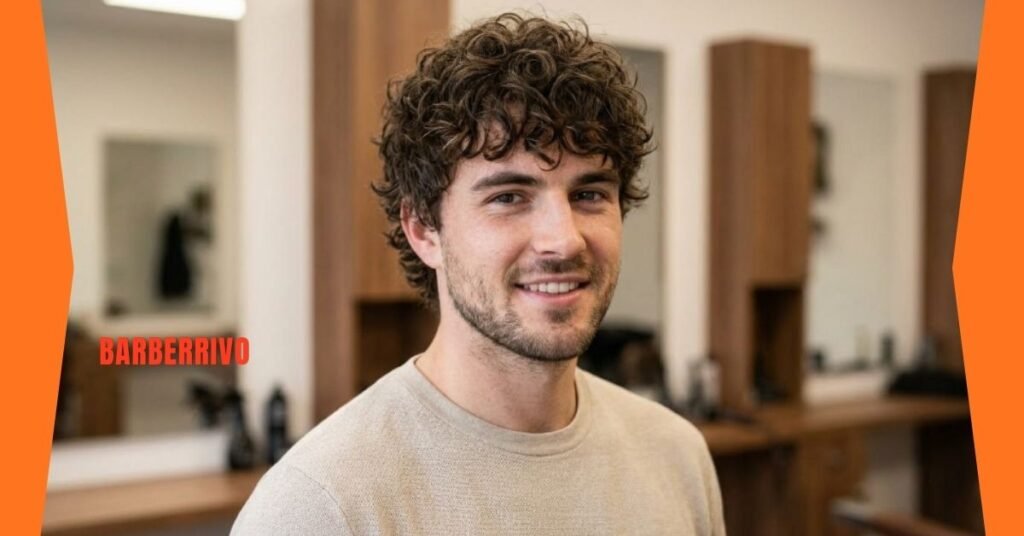
For guys with natural curls, this version lets the curl pattern do most of the visual work. Light layering keeps the curls from bulking up too much, so the shape stays controlled instead of ballooning out.
70s-Inspired Short Shag
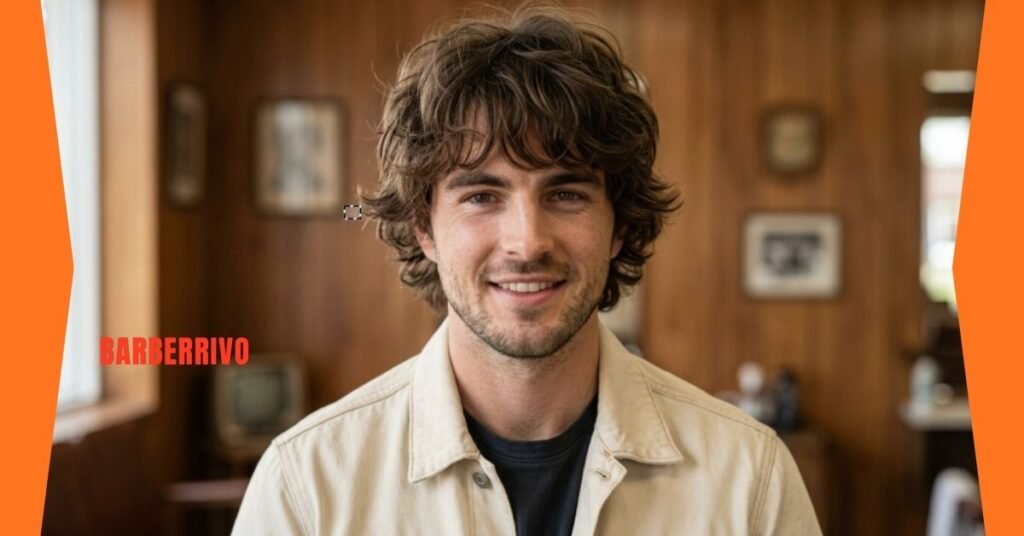
This one pulls straight from the 70s shag haircut playbook, with rounded layers and a soft, feathered crown. It works particularly well on straight or slightly wavy hair and gives off a genuine retro style feel.
Read Also : 25 Best Buzz Cuts for Asian Men Fade, Crew Cut & More
Medium-Length Shag Haircuts
A medium shaggy haircut hits a nice middle ground. There’s enough length for real movement, but it’s still short enough to manage without a long styling session.
Medium Layered Shag
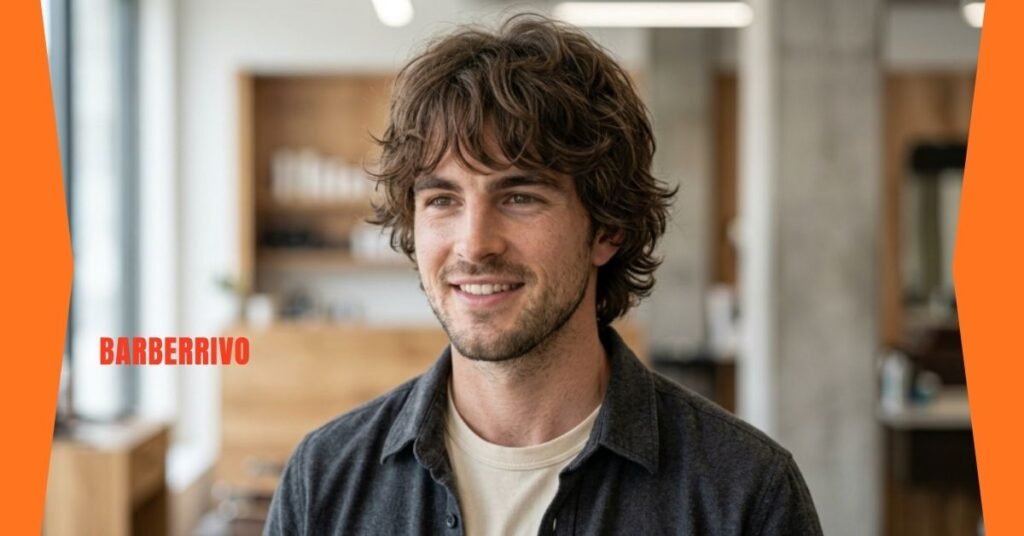
Built entirely around soft layers, this cut adds light volume through the crown while keeping the overall shape balanced. It suits straight and wavy hair equally well and flatters most face shapes.
Center-Parted Medium Shag
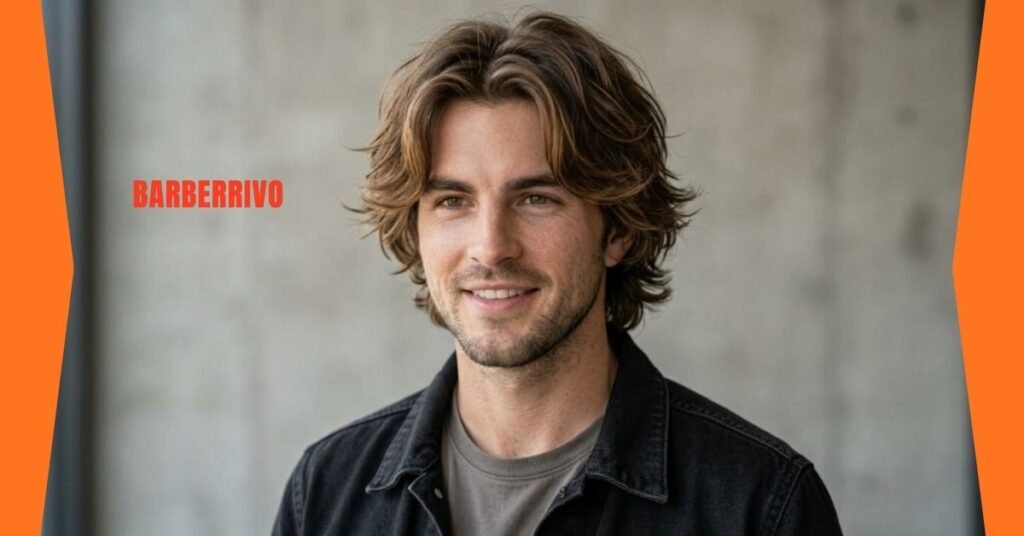
A center part splits the hair evenly and frames the face on both sides. You can wear it sleek for a cleaner look or tousled for something more relaxed, depending on the day.
Tousled Shag with Beard
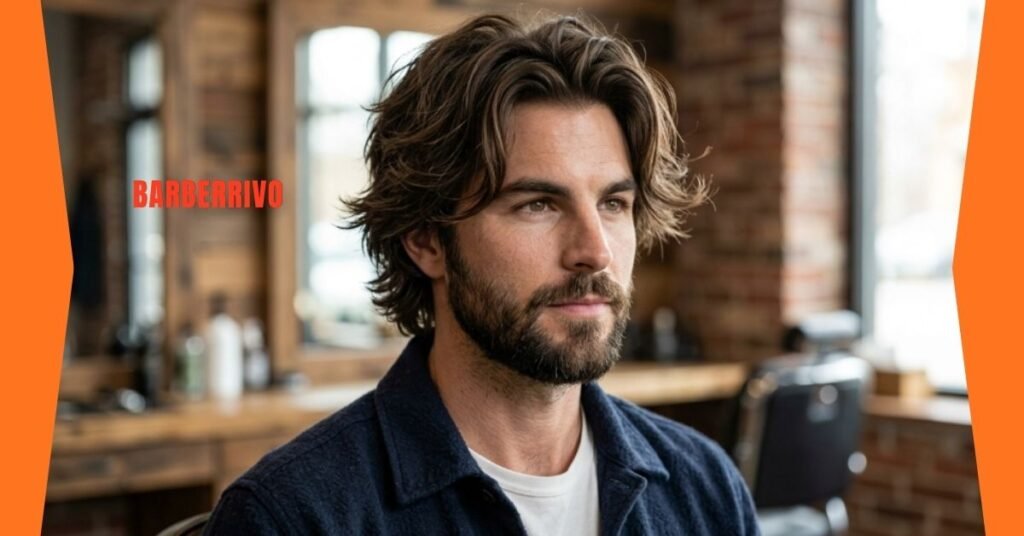
This shag with beard combo brings a rugged, grounded feel. A bit of styling cream worked through damp hair creates that tousled texture, and the beard balances out the volume up top.
Medium Wispy Shag
Lighter and airier than a standard medium shag, this version uses thinner feathered ends for a delicate finish. It’s a solid pick for guys who like texture but don’t want heavy, bulky hair.
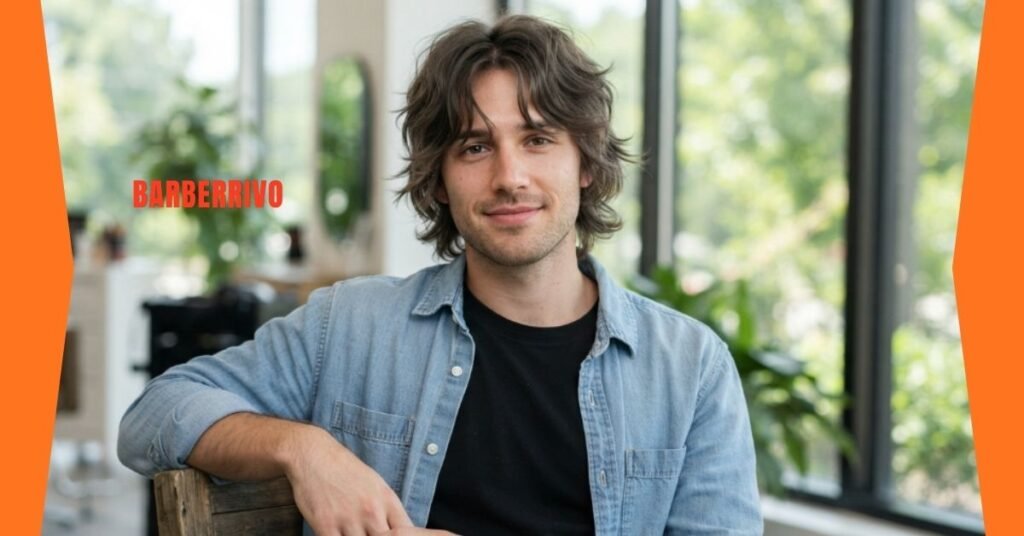
Messy Medium Shag
This is the messy shag haircut at its purest. A light mousse or texturizing product scrunched through the hair creates that lived-in, just-got-out-of-bed look that somehow still reads as intentional.
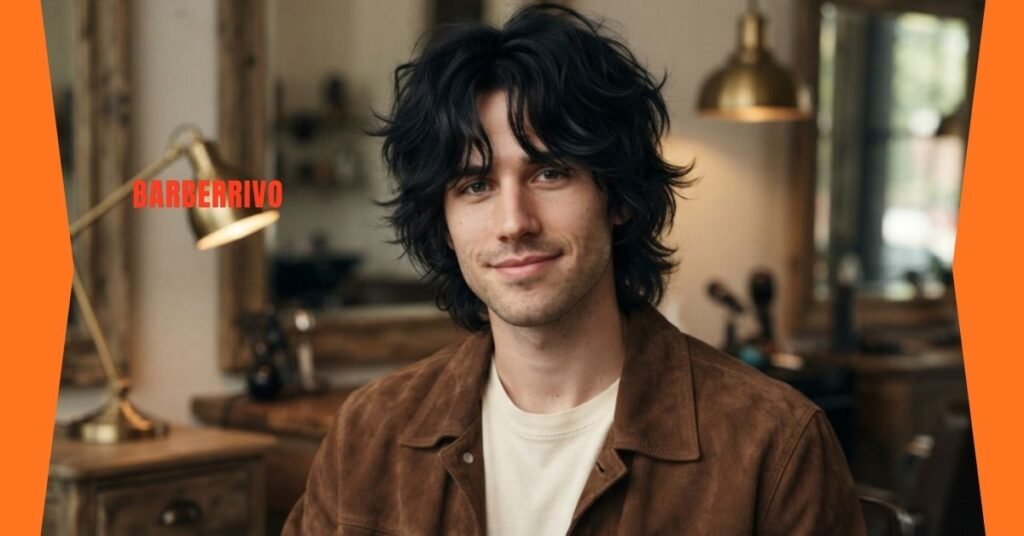
Long Shaggy Hairstyles
A long shaggy haircut gives you the most room to play with waves, curls, and dramatic layering. It suits guys who don’t mind a bit more upkeep in exchange for a bolder look.
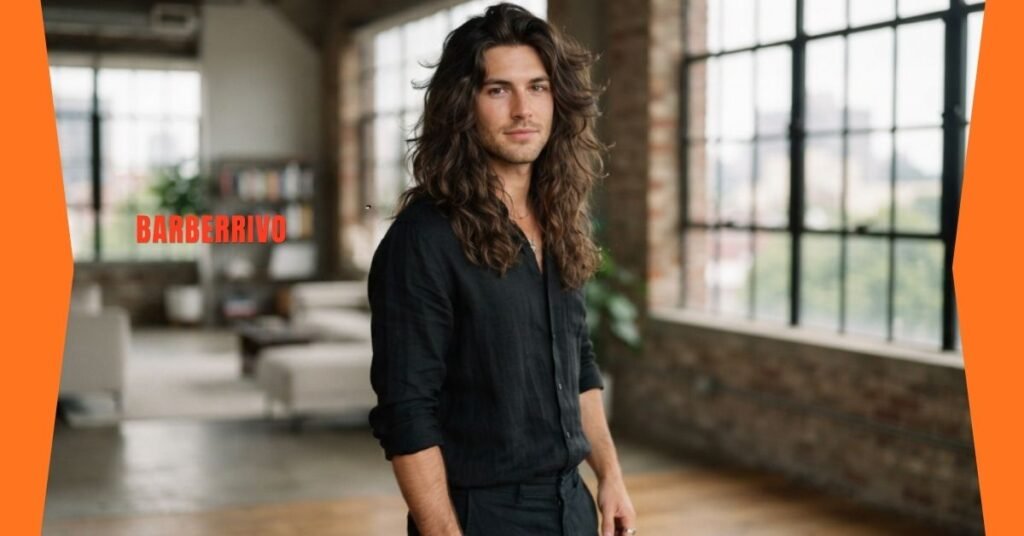
Classic Long Shag
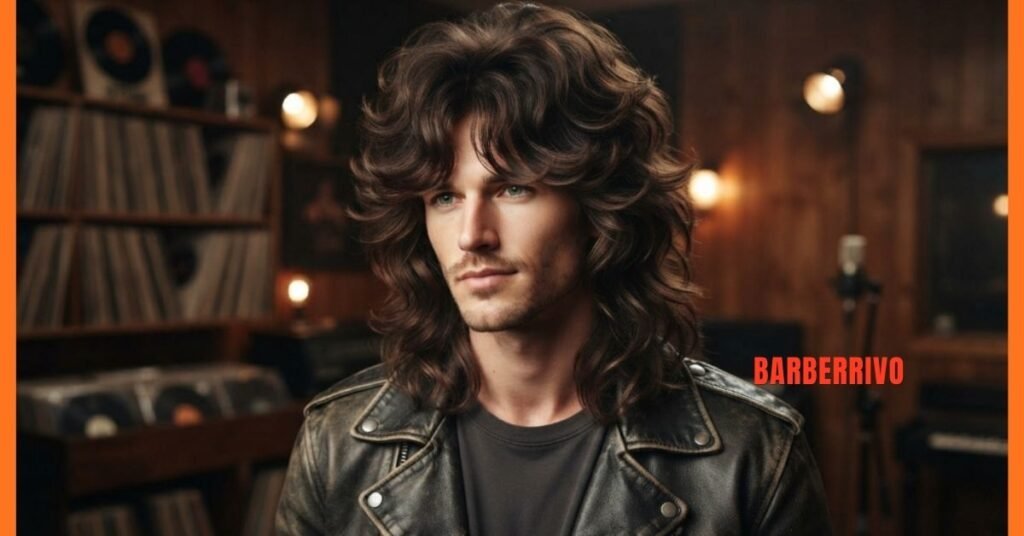
This is the original blueprint, uneven layers throughout, crown volume, and often a face-framing fringe. It carries that timeless, rock-inspired look that’s stayed relevant since the 1970s.
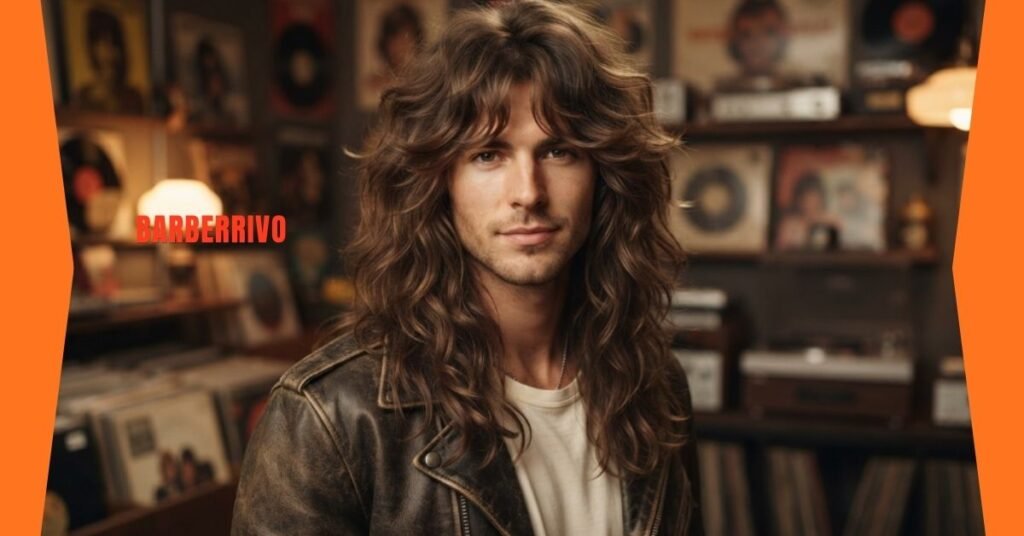
Surfer Shag
The surfer shag looks naturally windswept, like salt air shaped it. A spritz of sea salt spray enhances the waves and adds that authentic beachy finish without much extra effort.
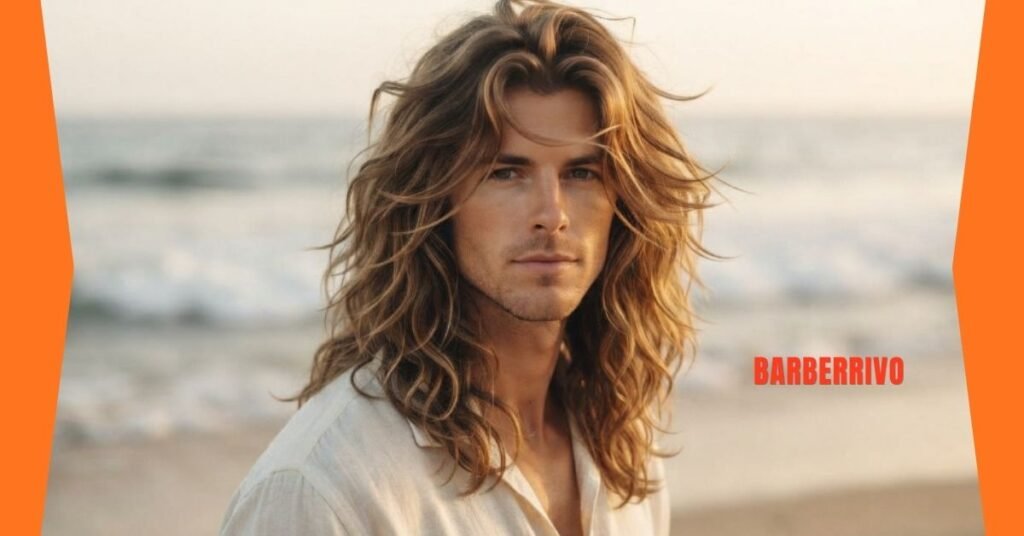
Long Shaggy Mullet
This version mixes the shaggy mullet concept with real length, shorter, choppy layers up front meeting a longer back. It’s bold, a little rebellious, and pulls influence from both 70s and 90s hair trends.
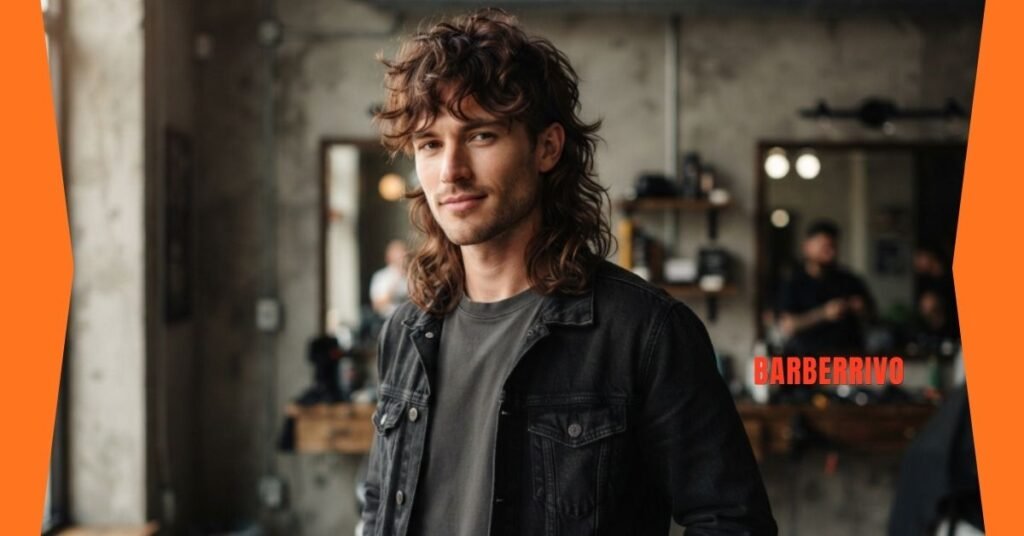
Long Textured Shag with Short Sides
Here, the top stays long and shaggy while the sides get trimmed shorter for contrast. The shorter sides and longer back combination keeps the cut looking sharp even as the top grows out.
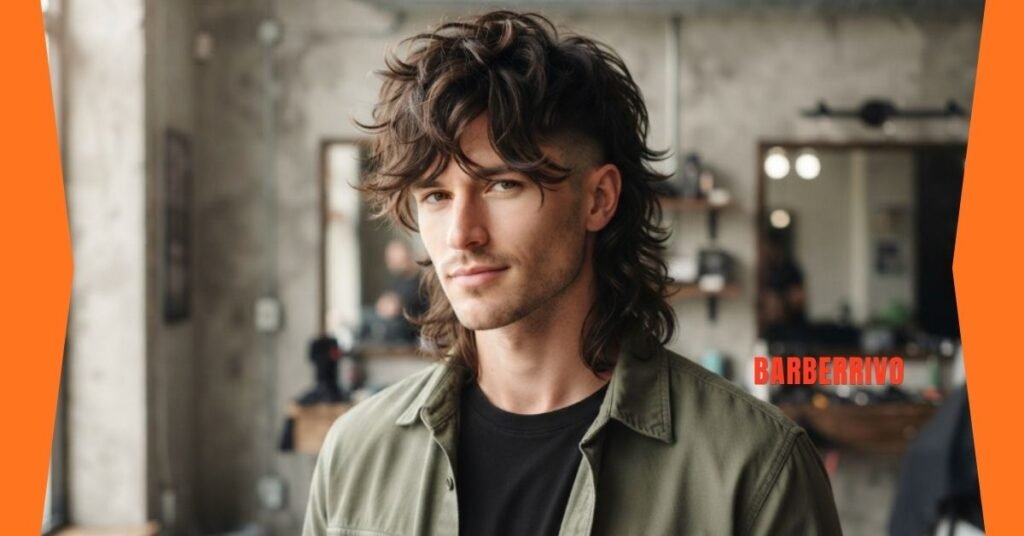
70s Rocker Shag
Inspired by classic rocker shag styles, this cut goes big on volume and movement. Feathered bangs and loose, flowing layers give it that unmistakable rock-inspired look straight off a concert stage.
Shaggy Haircuts by Hair Type
Not every shag works the same way on every head of hair. A cut that looks incredible on wavy hair might sit completely differently on coily hair or thick hair. Matching the style to your natural texture makes the whole thing easier to maintain and better to look at.
The table below gives you a quick starting point before we break each hair type down individually.
| Hair Type | Best Shag Style | Helpful Product |
| Curly hair | Curly Shag with Volume | Curl cream or light mousse |
| Wavy hair | Wavy Layered Shag | Sea salt spray |
| Straight hair | Sleek Straight Shag | Light paste |
| Thin or fine hair | Layered volumizing shag | Volumizing shampoo |
Shag Haircuts for Curly Hair
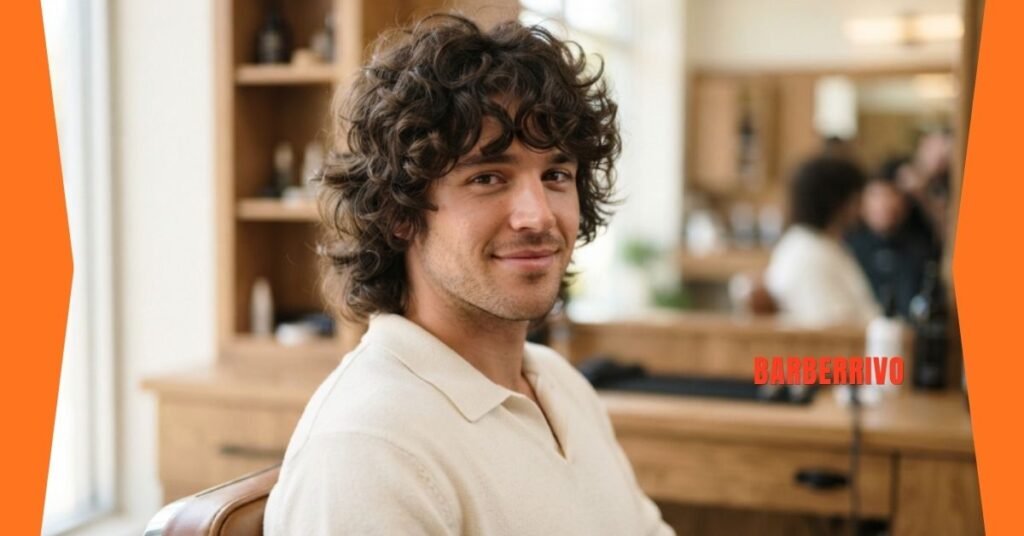
Curly hair brings natural body to the table already, so a curly shag haircut just needs layering to shape and define what’s already there.
Curly Shag with Volume
This cut celebrates big, bouncy curls. The layering lifts the crown and gives the curls a defined shape instead of letting them spread out shapelessly.
Curly Shag with Fade
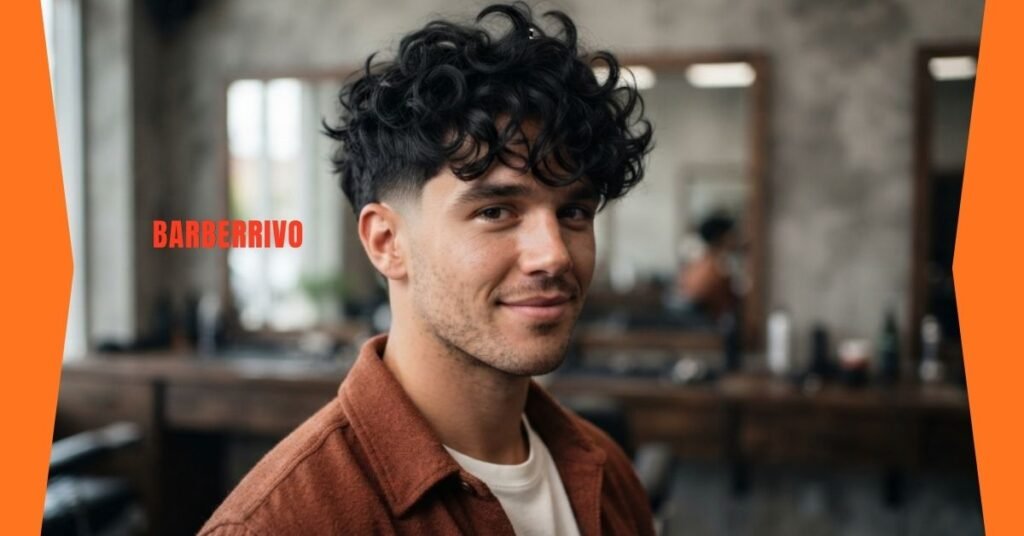
A fade on the sides sharpens up the look while the curls on top stay loose and full. It’s a clean way to balance natural curls with a more structured edge.
Curly Shag with Bangs
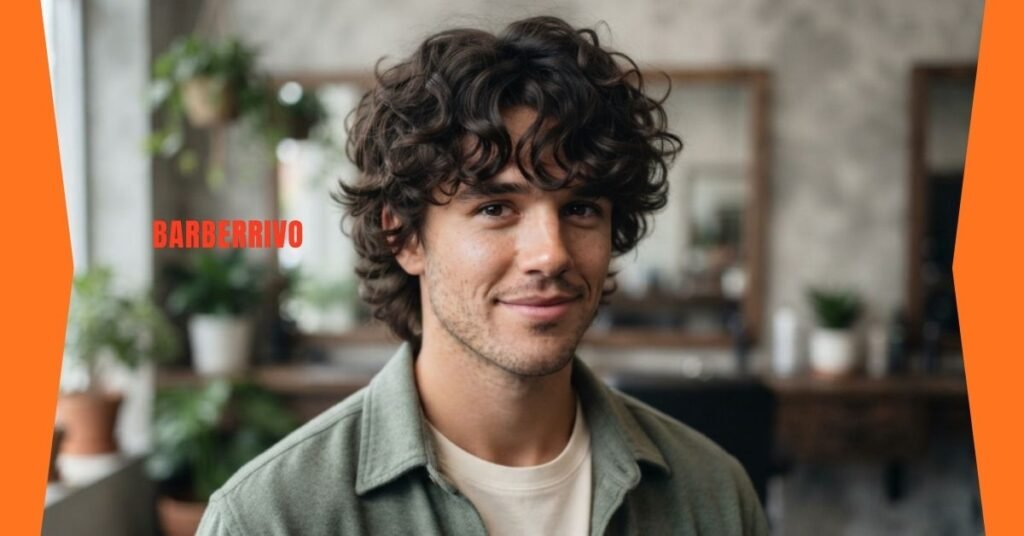
Curly bangs add a playful, youthful touch here. They blend into the surrounding layers so the fringe feels connected to the rest of the cut rather than bolted on.
Shag Haircuts for Wavy Hair
Wavy hair takes to the shag almost effortlessly. The waves add texture on their own, and the layering just amplifies what’s already happening naturally.
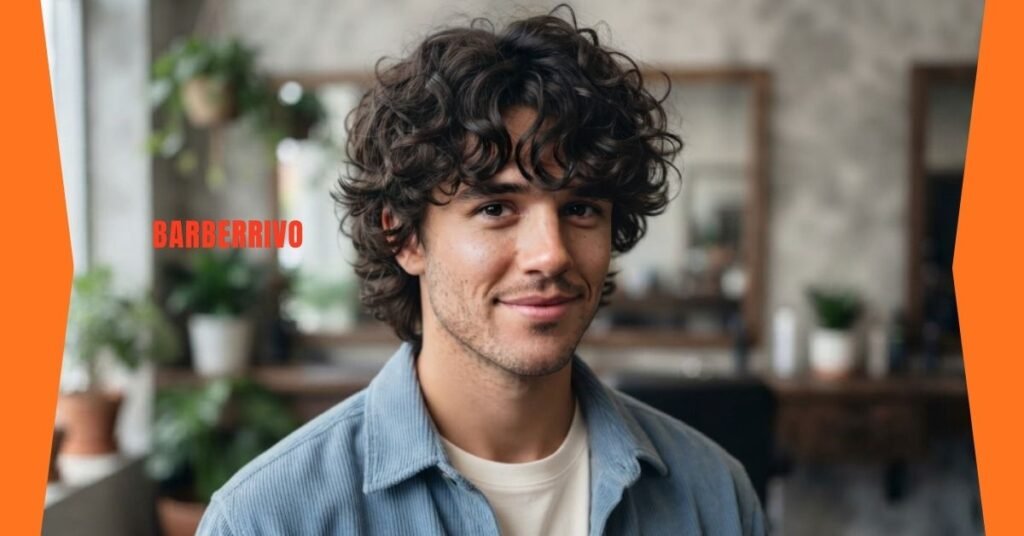
Wavy Layered Shag
Layers here enhance the natural wave pattern and add bounce without extra styling. It’s one of the most low-maintenance hairstyle options on this whole list.
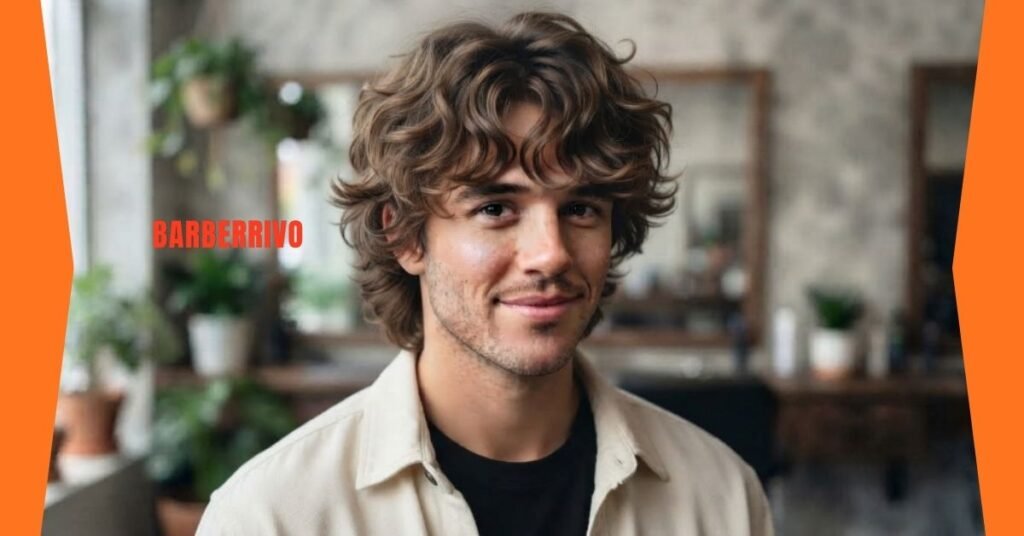
Side-Swept Wavy Shag
A side-swept part creates an asymmetrical look that works for both casual days and dressed-up occasions. The waves add movement on either side of the part.
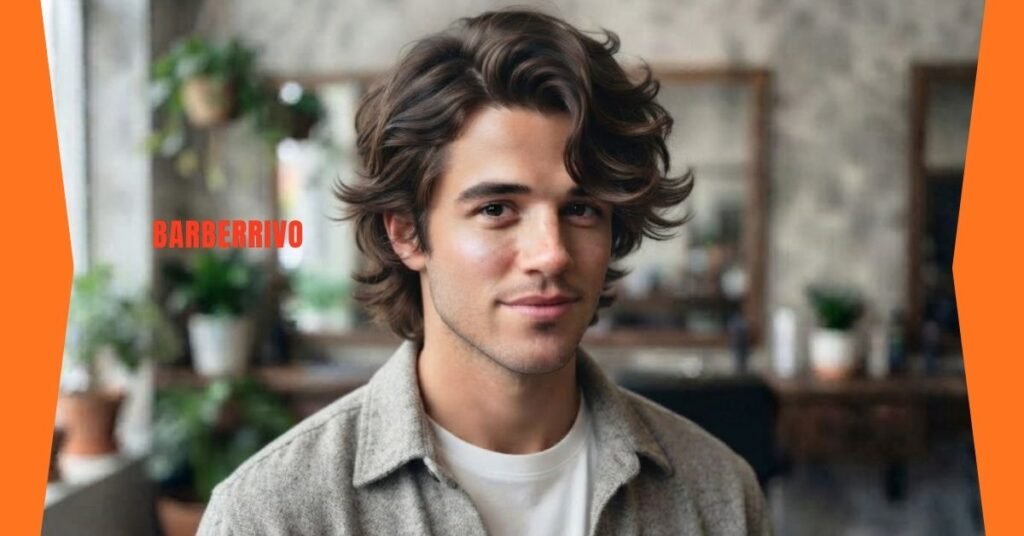
Shag Haircuts for Straight Hair
Straight hair can sometimes look flat without help. A straight shag haircut uses layers and soft edges to build texture where there naturally isn’t much.
Sleek Straight Shag
This version keeps the hair smooth while still layering in shaggy texture. A light paste or a bit of finger-styling defines the layers without adding heaviness.
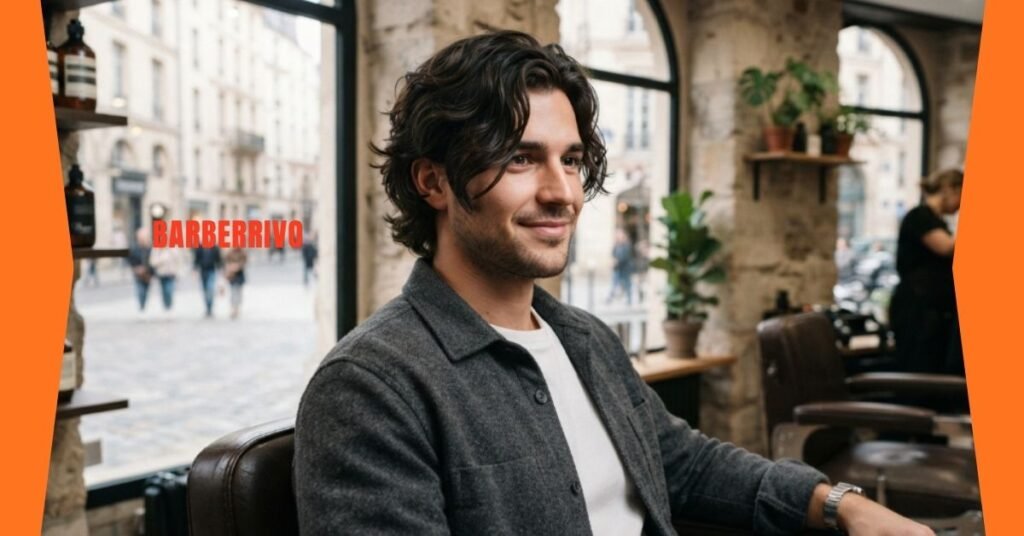
Razor Cut Shag
Cutting with a razor instead of scissors creates softer, feathered ends on straight strands. The result feels edgier and moves more naturally than a blunt scissor cut would.
Read More : 23 Best Professional Haircuts for Men: Office-Ready Styles & How to Choose
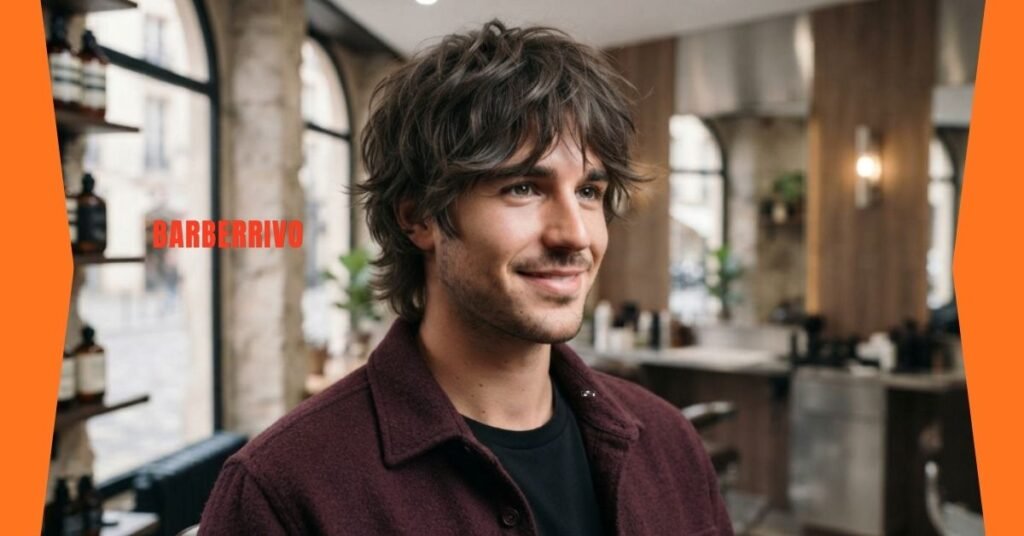
Shag Haircuts for Thin or Fine Hair
Thin hair and fine hair can genuinely benefit from a shag more than almost any other cut. Because the layers are uneven rather than uniform, they create the illusion of extra density instead of thinning the hair out further, which is what a lot of single-length cuts accidentally do. A volumizing shampoo or texturizing shampoo helps lift the roots before you even pick up a styling product. Keep the layers shorter overall since long, heavy layers tend to drag fine strands flat within a few hours. A light styling cream worked only through the mid-lengths and ends, rather than the roots, keeps the volume intact all day without weighing anything down.
Popular Shag Haircut Variations
Once you understand the basic shag, the fun part starts. Barbers and stylists have spent decades remixing the cut, blending it with mullets, fades, undercuts, and modern trends to create dozens of fresh takes.
This section covers thirteen variations, from the wolf cut shag to newer, more experimental looks. Each one keeps the core shaggy layers but adds its own twist somewhere in the mix.
Shaggy Mullet and Wolf Cut Styles
The shaggy mullet family blends texture with length contrast, giving you a style that stands out in a crowd without looking costume-y.
Classic Shaggy Mullet
Shorter layers up top meet a noticeably longer back, echoing the original 70s shag haircut silhouette with a rebellious edge that’s stuck around for decades.
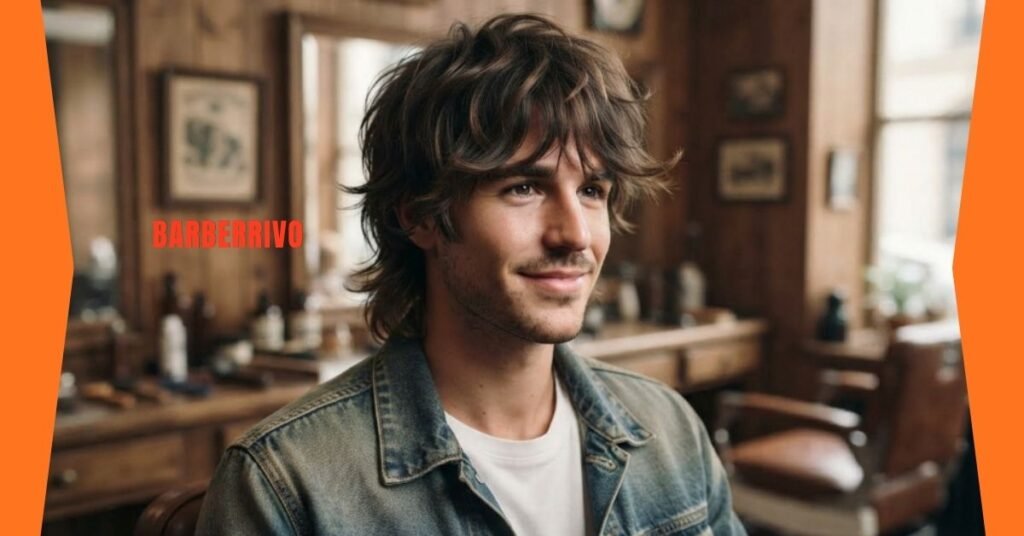
Shaggy Wolf Cut
The wolf cut shag combines heavy shag texture with mullet-length proportions. It reads as bold and voluminous, and it’s one of the most talked-about variations right now.
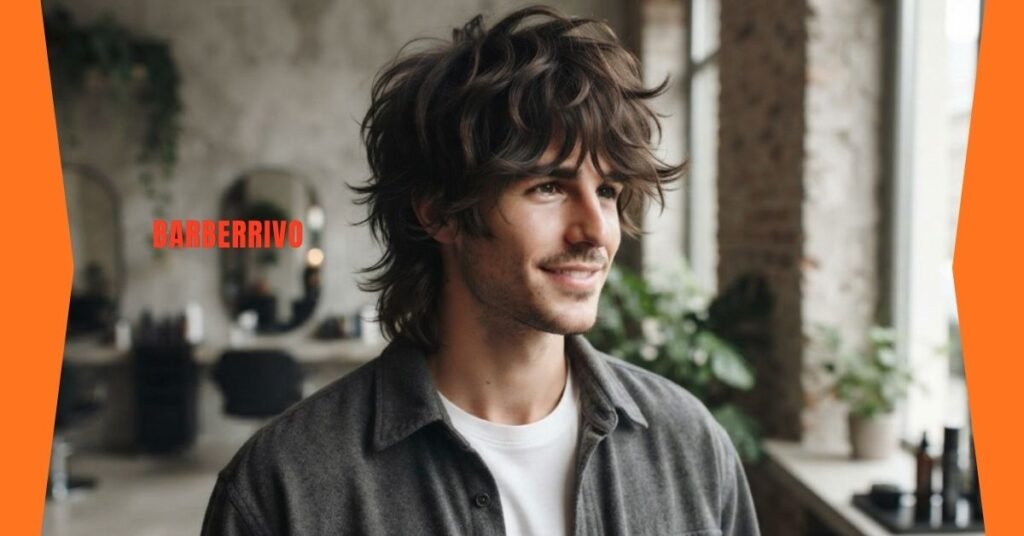
Shag Haircuts with Bangs and Fringe
Adding a shaggy fringe changes how the whole face reads. It softens sharp features and adds a bit of youthful energy to almost any face shape.
Shag with Curtain Bangs
Curtain bangs part down the center and sweep outward on both sides. Combined with shag layers, they create a relaxed, face-framing effect that works especially well on rounder faces.
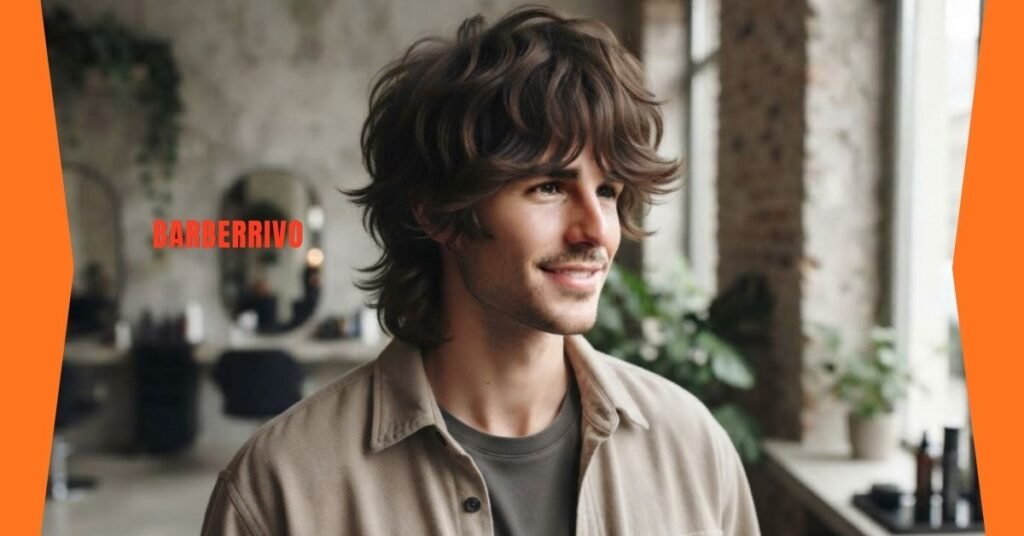
Fringe Heavy Shag
Thick, textured bangs sit just above the eyebrows here, layered generously for extra fullness. This one skews bolder than a standard curtain fringe.
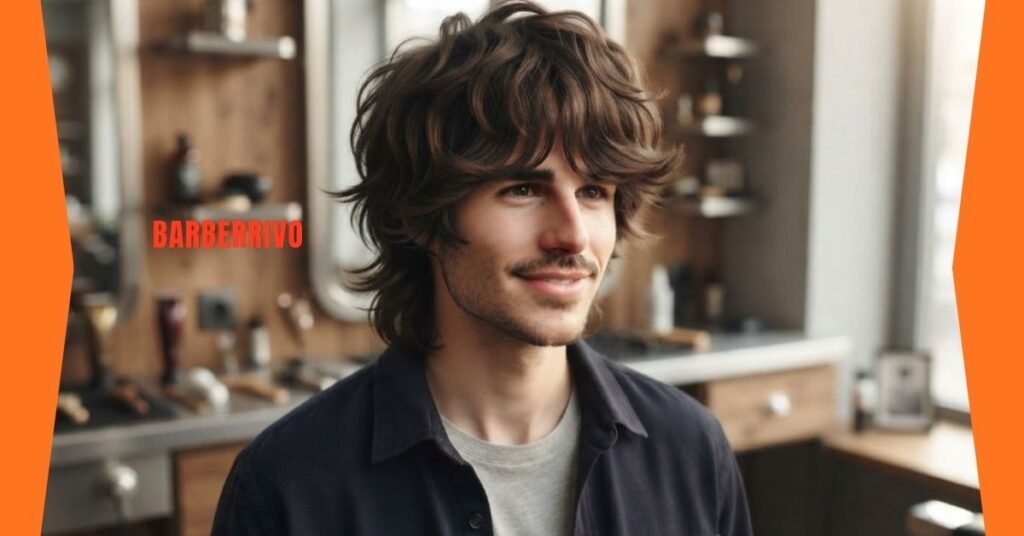
Shaggy Caesar
The shaggy Caesar takes the short, forward-combed Caesar cut and roughs it up with layered texture. It lands somewhere between clean and undone, which makes it surprisingly versatile.
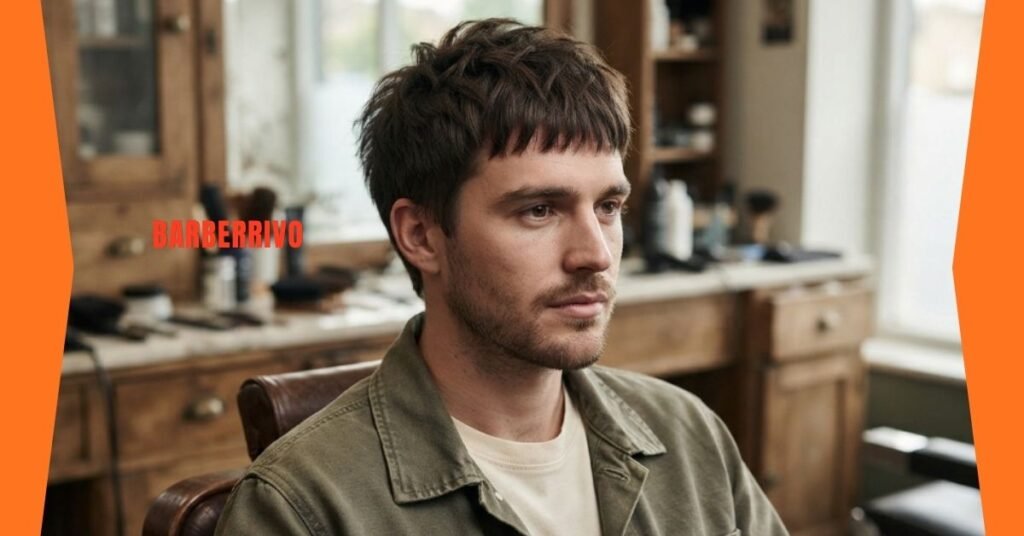
Shaggy Cuts with Fades and Undercuts
Combining a shag with a shag with fade or shag with undercut treatment sharpens the whole look and adds real contrast between the top and sides.
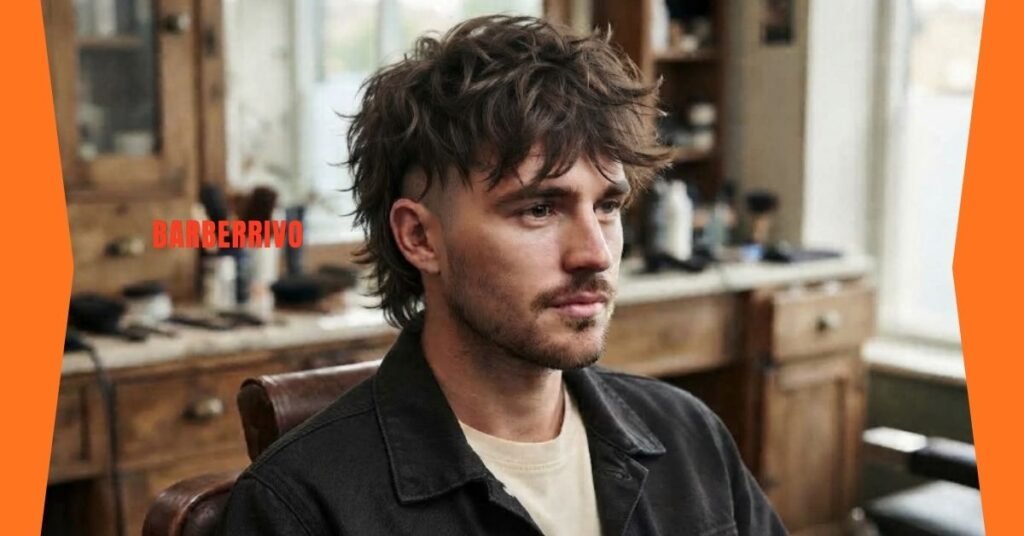
Shag with Undercut Temples
Undercut temples shave close at the sides while the layered shag stays full on top. The contrast between shaved and shaggy is dramatic and instantly noticeable.

Modern Shag Fade
This pairs a textured shag fade on the sides with looser, choppier layers up top. It’s a fresher, cleaner-edged spin on the classic shag silhouette.

Unique and Modern Shag Twists
These five variations push the shag haircut into more experimental territory, borrowing from other trends and cultures along the way.
Gender Neutral Shag
This soft, layered style works for any hair length or type, regardless of gender presentation. It focuses purely on texture and movement rather than a rigid, masculine or feminine shape.
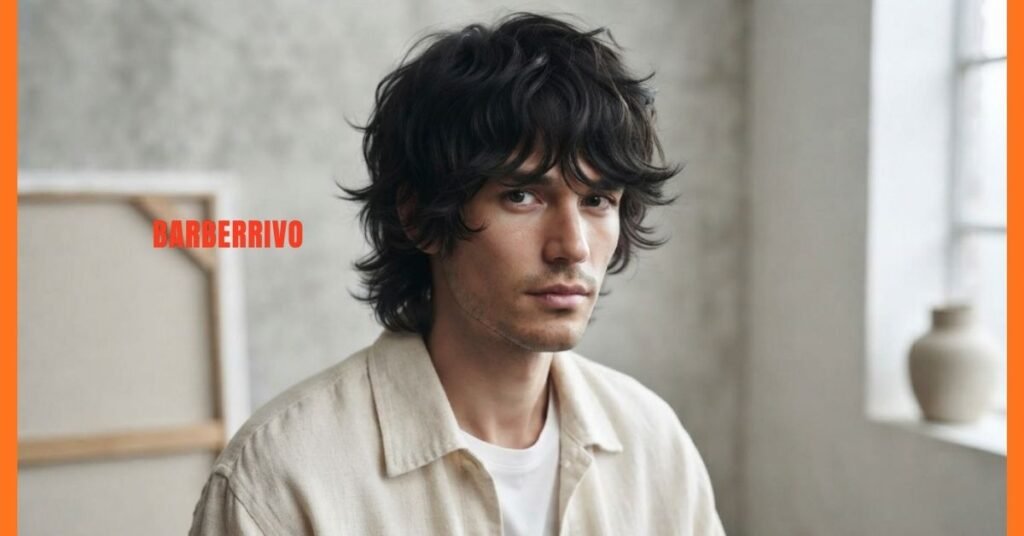
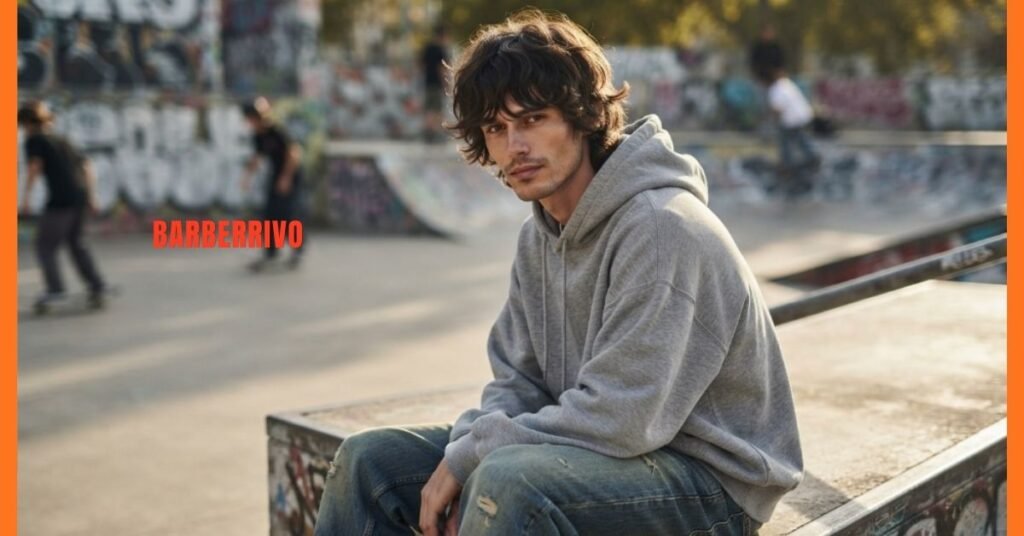
Skater Shag
Medium-length, choppy layers define the skater shag, giving off a casual, youthful energy that pairs naturally with a more laid-back wardrobe.
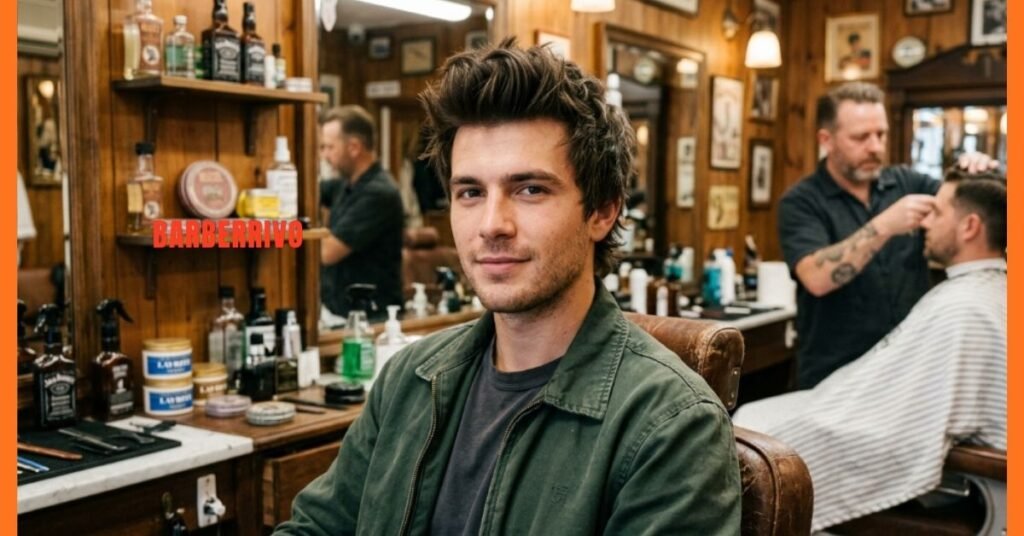
Shag with Pompadour Influence
Lifted volume up front meets layered shag texture at the back in this hybrid. It’s a good option if you want a bit more height without going full pompadour.
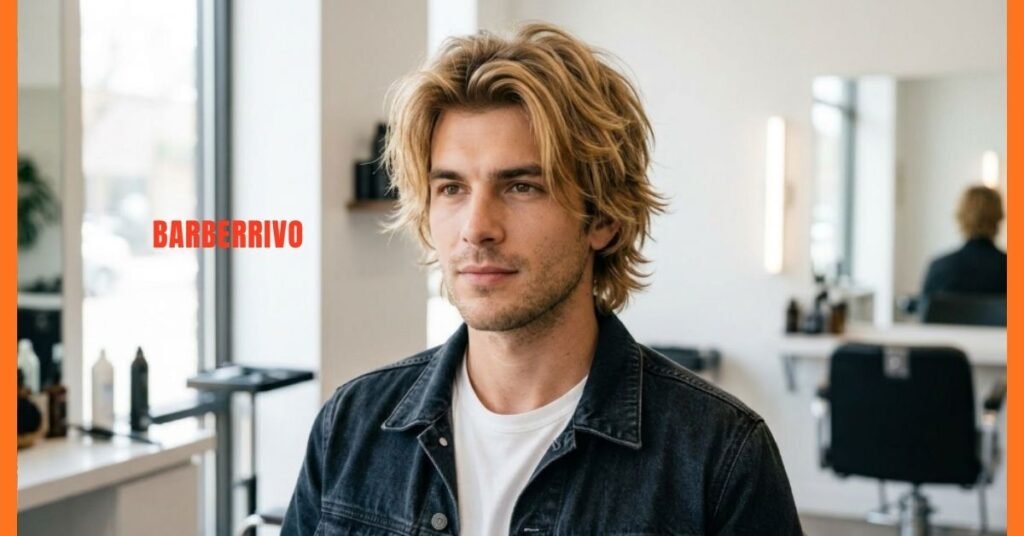
Blonde Shaggy Hair
Lightening the hair adds another dimension to the texture, since lighter strands catch and reflect light differently, making the choppy layers stand out even more clearly.
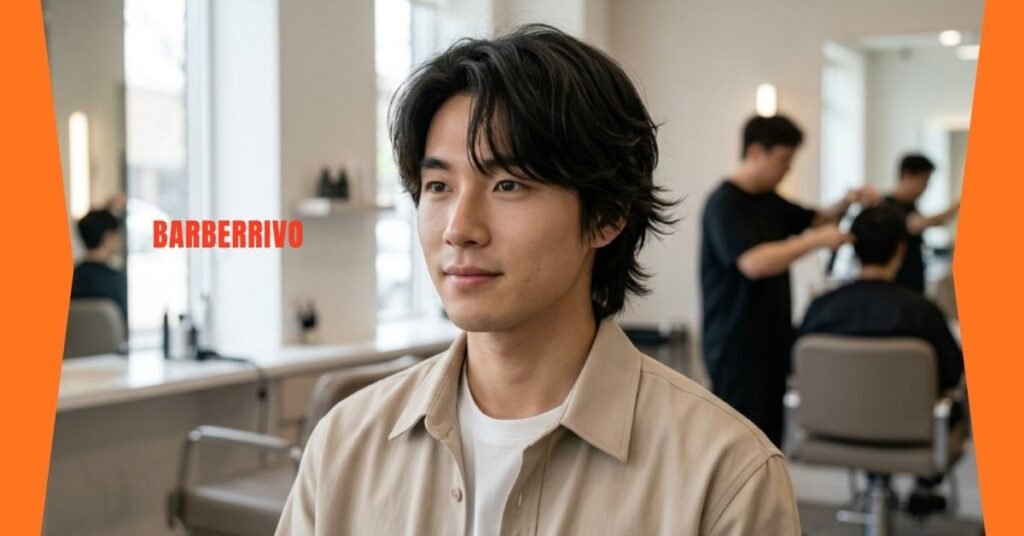
Korean and Asian Inspired Shag Styles
These styles often feature softer, rounder layering with a fuller fringe, drawing from Korean and broader Asian hairstyle trends that have grown hugely popular worldwide over the past few years.
Shag Haircut vs Other Popular Styles
People mix up the shag with a few other cuts pretty often, mostly because they share some layering DNA. Knowing the actual differences helps you describe exactly what you want when you sit down in the chair.
The comparison below breaks down how the shag stacks up against its two closest relatives.
| Feature | Shag Haircut | Wolf Cut | Mullet |
| Layering | Soft, feathered | Sharp, dramatic | Minimal on top |
| Length contrast | Subtle | Bold | Very bold |
| Maintenance | Low | Medium | Low to medium |
| Overall vibe | Relaxed, effortless | Edgy, alternative | Retro, rebellious |
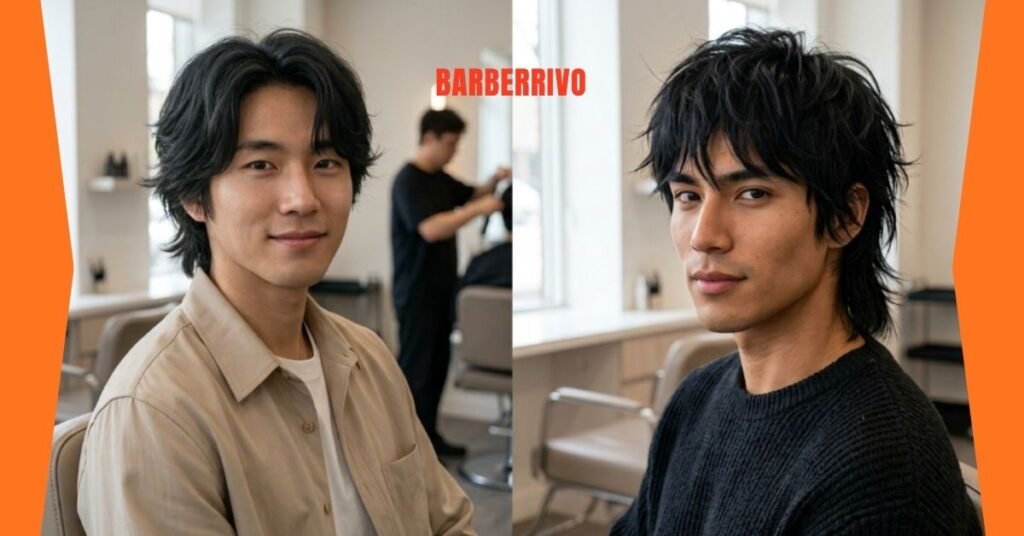
Shag vs Wolf Cut
The wolf cut shag takes the base shag concept and pushes the layering further, with sharper, more dramatic contrast between the top and the ends. A standard shag stays softer and more blended throughout. Think of the wolf cut as the shag’s edgier cousin, same family, louder personality.
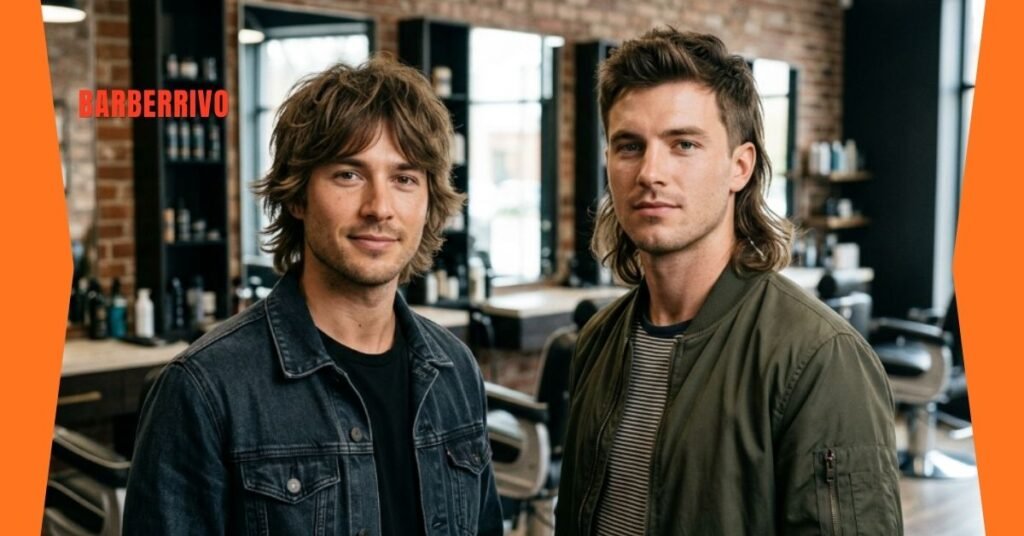
Shag vs Mullet
A shaggy mullet borrows the mullet’s short-front, long-back structure but softens it with feathered layering throughout. A pure mullet, on the other hand, usually keeps the top fairly short and simple, saving all the drama for the back. The shag spreads its texture evenly across the whole head instead.
How to Choose the Right Shag Hairstyle for You
With 35 options on the table, narrowing things down can feel overwhelming. Two factors matter more than anything else here: your natural hair type and your face shape. Get those two right, and almost any shag variation will work in your favor.
Think of it less like picking a random photo off a screen and more like matching the cut to what your hair is already doing. A style that fights your natural texture will always need more work to maintain than one that flows with it.
By Hair Type
If you’ve got curly hair or wavy hair, lean into styles that celebrate that natural movement rather than fighting it with heavy layering. Straight hair benefits from razor-cut or textured techniques that manufacture movement the hair doesn’t create on its own. Thick hair can handle longer, heavier layers without looking bulky, while thin hair does better with shorter, uneven layers that create the illusion of density.
By Face Shape
Round faces generally look best with shags that add height at the crown and keep volume away from the cheeks. Square faces often pair well with softer, face-framing layers that ease harder jawlines. Oval faces are the most flexible and can wear nearly any version on this list. Long faces benefit from curtain bangs or a fuller fringe, since it visually shortens the face.
How to Ask Your Barber for a Shaggy Haircut
Walking into a barbershop without a plan is how people end up with the wrong cut. A little preparation goes a long way toward getting the shaggy haircut for men you actually pictured in your head.
Clear communication matters more here than with most haircuts, simply because “shaggy” can mean five different things to five different barbers. The three steps below help close that gap.
Use Simple, Clear Terms
Skip vague phrases like “make it textured” and instead say specific things like “I want a shag haircut with choppy layers and a messy finish.” Mention the length you want and whether you want bangs included.
Bring a Reference Photo
A photo removes almost all the guesswork. Barbers interpret words differently, but a picture shows exactly the layering, length, and texture you’re after, cutting down on miscommunication significantly.
Discuss Length and Layers
Before the scissors come out, confirm how short the sides should go, how long the top stays, and how heavy or light you want the layering. This short conversation prevents most regrettable haircuts before they happen.
How to Style a Shaggy Haircut for Men
A good shag looks effortless, but “effortless” still needs a quick routine behind it. The good news is that styling one takes far less time than most structured, sleek cuts.
Once you’ve got the basics down, you can switch between a relaxed everyday look and something a bit more polished in under five minutes.
Daily Styling Routine
Start with damp, towel-dried hair rather than soaking wet strands. Work a small amount of styling cream or light mousse through the mid-lengths and ends using your fingers, not a comb. Scrunch gently to encourage natural texture instead of smoothing it away. Let the hair air dry partially, then finish with a diffuser or just let it finish drying naturally for the most relaxed result.
Best Products for Shag Hairstyles
| Product | Best For | How to Use |
| Sea salt spray | Wavy or surfer-style shags | Spray on damp hair, scrunch |
| Styling wax | Short shags needing hold | Rub between palms, work through ends |
| Texturizing shampoo | Adding volume at the roots | Use 2–3 times weekly |
| Light paste | Straight hair needing definition | Apply small amount, finger-style |
| Volumizing shampoo | Thin or fine hair | Use in place of regular shampoo |
Styling Tips for Different Occasions
For a casual day, let the shag air dry and stay loose and natural. For something more polished, like an interview or a date, add a touch more product and lightly comb the top layers into place while keeping the ends textured. The beauty of this cut is that it flexes between both moods without needing an entirely different approach.
How to Maintain a Mens Shaggy Hairstyle
Even a low-maintenance hairstyle needs some basic care to stay looking sharp. The shag’s whole appeal collapses if it grows out unevenly or gets weighed down with product buildup.
A consistent, simple hair care routine keeps the layers fresh without turning haircare into a chore.
How Often to Trim a Shag
Regular trims every four to eight weeks keep the layers from getting heavy or shapeless. If your shaggy bangs start feeling long or annoying to style, that’s usually a clear sign a trim is overdue.
Daily Hair Care Tips
Wash with a mild shampoo every two to three days rather than daily, since over-washing strips natural oils that help the texture hold. Follow with a light hair conditioner on the ends only. Pat dry gently with a microfiber towel to avoid frizz, and let the hair air dry whenever your schedule allows it.
Common Shag Maintenance Mistakes to Avoid
Skipping trims for too long is the single most common mistake, since overgrown layers lose their shape and just look messy instead of intentionally textured. Using heavy, greasy products is another one; they weigh down the layers and kill the light volume that makes the cut work in the first place. Washing too often strips the natural oils that give shaggy hair its texture, so stretching out wash days actually helps rather than hurts. Skipping product entirely on styling days is a mistake too, since even a small amount helps define the layers and hold the shape through the day.
Final Thoughts on Mens Shaggy Hairstyles
Mens shaggy hairstyles have stuck around for over fifty years because they solve a real problem: looking good without trying too hard. From a short shaggy haircut perfect for busy mornings to a long shaggy haircut built for making a statement, there’s a version here for nearly every hair type, face shape, and lifestyle.
The best part is how forgiving this cut is. Even as it grows out, the layered structure keeps things looking intentional rather than messy in a bad way. If you’ve been thinking about switching up your look, this is one of the easiest, most flexible ways to do it. Book a chair, bring a reference photo, and give the shag a real shot.
FAQs About Mens Shaggy Hairstyles
Will a shag haircut work on thin hair?
Yes. The uneven layering adds the appearance of density, making thin hair look noticeably fuller than a single-length cut would.
What face shapes suit shaggy hairstyles best?
Most face shapes work well with some version of the shag. Oval faces have the most flexibility, while round and square faces benefit from specific layering choices around the crown and jaw.
Is a wolf cut the same as a shag?
Not quite. A wolf cut shag pushes the layering and contrast further, making it bolder and sharper than a traditional, softer shag.
How often should you wash shaggy hair?
Two to three times a week works best for most guys. Washing daily can strip away the natural oils that help the texture and natural movement stay intact.
Can shaggy haircuts look professional?
Yes, as long as the layers stay neat and the length stays reasonable. A well-maintained shag haircut can absolutely work in most professional settings.
What’s the difference between a shag and a mullet?
A shaggy mullet blends short-front, long-back structure with soft, feathered layering throughout. A traditional mullet keeps the top simpler and puts most of the drama in the back.
How long does it take to grow out a shag?
Most guys can grow a short shag into a medium length in about three to four months, depending on how fast their hair naturally grows.
Does a shag work with curly hair?
Yes, curly hair actually suits the shag exceptionally well. The layering helps define curl patterns and prevents the hair from looking overly bulky or shapeless.

Ryan Carter is a men’s grooming writer who covers haircuts, hairstyles, beard care, and barbering trends. He shares practical style advice and grooming tips to help men look sharp and stay confident.